

Why You’ll Love This Croquettes
Croquettes represent a versatile and appealing dish that has origins in France, where they are made by mixing a thick binder like mashed potatoes or béchamel with various fillings before frying to achieve a golden, crispy exterior. Croquettes offer ease of preparation, ideal for busy parents and working professionals seeking quick meals that require basic techniques and minimal ingredients. With options for health benefits and dietary adaptations, these bites provide a balanced mix of proteins from fillings such as meat or cheese, alongside carbohydrates and essential vitamins, making them a nutritious choice for diet-conscious individuals and food enthusiasts. Their distinctive flavor can be enhanced through seasonings and regional variations, such as those found in German potato-based versions or Indian spiced aloo tikki, ensuring they adapt to different tastes while bringing people together at gatherings or picnics.
Benefits for Everyday Life
Beyond their nutritional value, croquettes help reduce kitchen waste by incorporating leftovers like roasted meats, aligning with the blog’s focus on community-oriented, shareable dishes. This recipe’s simplicity makes it accessible for students and newlyweds experimenting in the kitchen, while the ability to customize for events like potlucks highlights their role in creating memorable connections. Preparation time typically ranges from 30 minutes to 1 hour, allowing community organizers to prepare batches ahead for church groups or family dinners.
- Ease of preparation makes this croquettes recipe perfect for quick meals and beginner cooks.
- Health benefits include a balanced mix of proteins, fibers, and vitamins for a wholesome diet.
- Versatility allows easy modifications for vegan, gluten-free, or low-calorie needs without losing taste.
- Distinctive flavor comes from unique seasoning blends that create a rich, memorable experience.
To explore more potato-based ideas, check out our loaded mashed potato casserole recipe for additional inspiration on hearty sides.
Jump to:
- Why You’ll Love This Croquettes
- Benefits for Everyday Life
- Essential Ingredients for Croquettes
- Main Ingredients
- Special Dietary Options
- How to Prepare the Perfect Croquettes: Step-by-Step Guide
- Dietary Substitutions to Customize Your Croquettes
- Protein and Main Component Alternatives
- Vegetable, Sauce, and Seasoning Modifications
- Mastering Croquettes: Advanced Tips and Variations
- How to Store Croquettes: Best Practices
- FAQs: Frequently Asked Questions About Croquettes
- What are croquettes and how are they made?
- How can I make croquettes crispy without deep frying?
- What are common fillings used in croquettes?
- How should I store leftover croquettes safely?
- Can croquettes be made gluten-free, and how?
- Croquettes
- Ingredients
- Instructions
- Last Step:
- Notes
- Nutrition
- Did you make this recipe?
Essential Ingredients for Croquettes
Croquettes rely on a combination of binders, fillings, and coatings to achieve their signature texture, with common binders including mashed potatoes, béchamel, or wheat-based mixtures, and fillings ranging from meats to vegetables. These ingredients ensure the mixture holds together when shaped and fried, providing both structure and flavor as highlighted in traditional preparations. Drawing from global variations, such as Belgian shrimp-filled croquettes or Japanese korokke with potatoes, the selection can be tailored to suit different dietary preferences while maintaining nutritional balance.
Main Ingredients
The following list outlines the precise ingredients needed for a standard croquettes recipe, based on the provided details. Each item is listed with its exact measurement to ensure accuracy in preparation.
- 2 cups cooked potatoes – provides the creamy base and texture
- 1 cup shredded cooked chicken – main protein for flavor and satiety
- 1/2 cup grated cheese – adds richness and helps bind ingredients
- 1/4 cup finely chopped onions – imparts sweetness and depth
- 1 tsp garlic powder – enhances savory notes
- 2 eggs – natural binder for shaping croquettes
- 1 cup breadcrumbs – creates a crispy exterior
Special Dietary Options
For those adapting croquettes to specific needs, consider these substitutions that align with vegetarian or lower-fat versions, incorporating tips like using fresh breadcrumbs for crispiness.
- Vegan: Substitute chicken with mashed chickpeas or lentils, use vegan cheese alternatives
- Gluten-free: Use gluten-free breadcrumbs or crushed nuts for coating
- Low-calorie: Replace cheese with nutritional yeast and use an egg substitute or flaxseed meal as a binder
| Ingredient Type | Standard Option | Dietary Alternative |
|---|---|---|
| Binder | 2 cups cooked potatoes | Sweet potatoes for low-carb |
| Filling | 1 cup shredded cooked chicken | Mashed chickpeas for vegan |
| Coating | 1 cup breadcrumbs | Gluten-free breadcrumbs |
Nutritionally, these ingredients deliver protein from sources like chicken or cheese, carbohydrates from the binder, and fats from frying, with options for modification to create lower-fat versions as per the summary.
How to Prepare the Perfect Croquettes: Step-by-Step Guide
Preparing croquettes involves mixing a thick binder with fillings, shaping the mixture, and frying or baking to achieve a crispy result, a method rooted in French origins and adapted worldwide. As outlined in the summary, start by ensuring the binder is thick for proper shaping, which helps maintain form during cooking and reduces preparation time to around 30 minutes to 1 hour. Common techniques include chilling the mixture before frying, which enhances texture and prevents the croquettes from falling apart, making this process straightforward for home cooks and baking enthusiasts.
- First Step: Prepare all ingredients by boiling the potatoes until soft and shredding the cooked chicken. Preheat the oven to 375°F (190°C).
- Second Step: Mash the potatoes until smooth, then mix in shredded chicken, cheese, onions, garlic powder, and eggs. Season with salt and pepper.
- Third Step: Shape the mixture into small, evenly sized croquettes using your hands.
- Fourth Step: Roll each croquette in breadcrumbs, ensuring an even coating for crispiness.
- Fifth Step: For frying, heat oil in a pan to 350°F (175°C) and fry croquettes in batches until golden brown, about 3-4 minutes each side. Alternatively, bake on a greased sheet for 20 minutes, turning halfway.
- Final Step: Drain excess oil on paper towels if fried. Serve warm with dipping sauces of choice. Adaptations: Use gluten-free breadcrumbs for gluten intolerance, or substitute proteins for dietary preferences.
These steps align with tips from the summary, such as using leftovers to reduce waste and serving with sauces like mustard for added flavor. For more chicken-based dishes, visit our chicken and broccoli stir-fry recipe to enhance your meal ideas.

Dietary Substitutions to Customize Your Croquettes
Customizing croquettes allows for adaptations based on dietary needs, drawing from the summary’s emphasis on vegetarian or lower-fat options by substituting binders and fillings. For instance, regional variations like Italian crocchette often use potatoes or rice, which can be swapped for low-carb alternatives to suit travelers and seniors. These changes ensure croquettes remain nutritious, providing proteins and vitamins while accommodating preferences for pescatarian or vegan diets.
Protein and Main Component Alternatives
Replace shredded chicken with other proteins to explore global flavors, such as those in Latin American versions with local meats or Indian spiced fillings.
- Replace shredded chicken with mashed chickpeas, lentils, or tofu for a vegan or vegetarian version.
- Use cooked seafood such as crab or fish for pescatarian options.
- Swap potatoes with sweet potatoes or cauliflower for low-carb preferences.
Vegetable, Sauce, and Seasoning Modifications
Incorporate fresh herbs and spices as suggested in the summary to enhance taste, aligning with preparations from Dutch or Japanese styles.
- Incorporate seasonal vegetables like spinach, peas, or carrots for added nutrients and variety.
- Experiment with sauces such as spicy aioli, garlic mayo, or tangy tomato chutney to complement flavors.
- Adjust seasonings using herbs like paprika, cumin, or fresh parsley to suit regional tastes or dietary restrictions.
This flexibility in substitutions highlights how croquettes can be modified for various dietary needs, making them a staple for community gatherings as per the blog’s focus.
Mastering Croquettes: Advanced Tips and Variations
To master croquettes, apply pro cooking techniques like chilling the mixture, as noted in the summary, to ensure they hold shape and develop a crispier coating through double breading. Flavor variations can draw from worldwide adaptations, such as adding minimal meat to Japanese korokke or using beef ragout in Dutch versions, allowing food enthusiasts to experiment with unique profiles. Presentation and make-ahead options make these ideal for busy professionals and community events, with preparation times fitting into tight schedules.
- Pro cooking techniques: Ensure mixture is well chilled before shaping to prevent falling apart; double coat croquettes in egg wash and breadcrumbs for extra crunch.
- Flavor variations: Add sun-dried tomatoes, olives, or different cheeses like feta or mozzarella to create unique taste profiles.
- Presentation tips: Serve on a wooden platter garnished with fresh herbs and lemon wedges for an appealing look.
- Make-ahead options: Prepare croquettes mixture in advance and refrigerate for up to 24 hours or freeze formed croquettes before cooking to save time on busy days.
As external resources suggest, for a detailed potato croquettes recipe, refer to potato croquettes recipe from Serious Eats.
How to Store Croquettes: Best Practices
Proper storage of croquettes maintains their crispy texture and nutritional value, building on tips from the summary about chilling and using fresh ingredients to extend shelf life. Refrigeration and freezing options allow for meal prep, making them convenient for travelers and working professionals who need quick, reheated meals. These practices align with the blog’s emphasis on dishes that travel well, such as for picnics or potlucks, ensuring they remain fresh and enjoyable.
- Refrigeration: Store cooked croquettes in an airtight container in the refrigerator for up to 3 days to maintain freshness.
- Freezing: Freeze uncooked or cooked croquettes by placing them on a tray to freeze individually before transferring to a sealable bag, lasting up to 2 months.
- Reheating: Reheat in an oven or air fryer at 350°F (175°C) until warmed through and crispy again, avoiding the microwave where texture suffers.
- Meal prep considerations: Prepare batches of croquettes and freeze portions to have ready-made meals for convenient, quick cooking.
FAQs: Frequently Asked Questions About Croquettes
What are croquettes and how are they made?
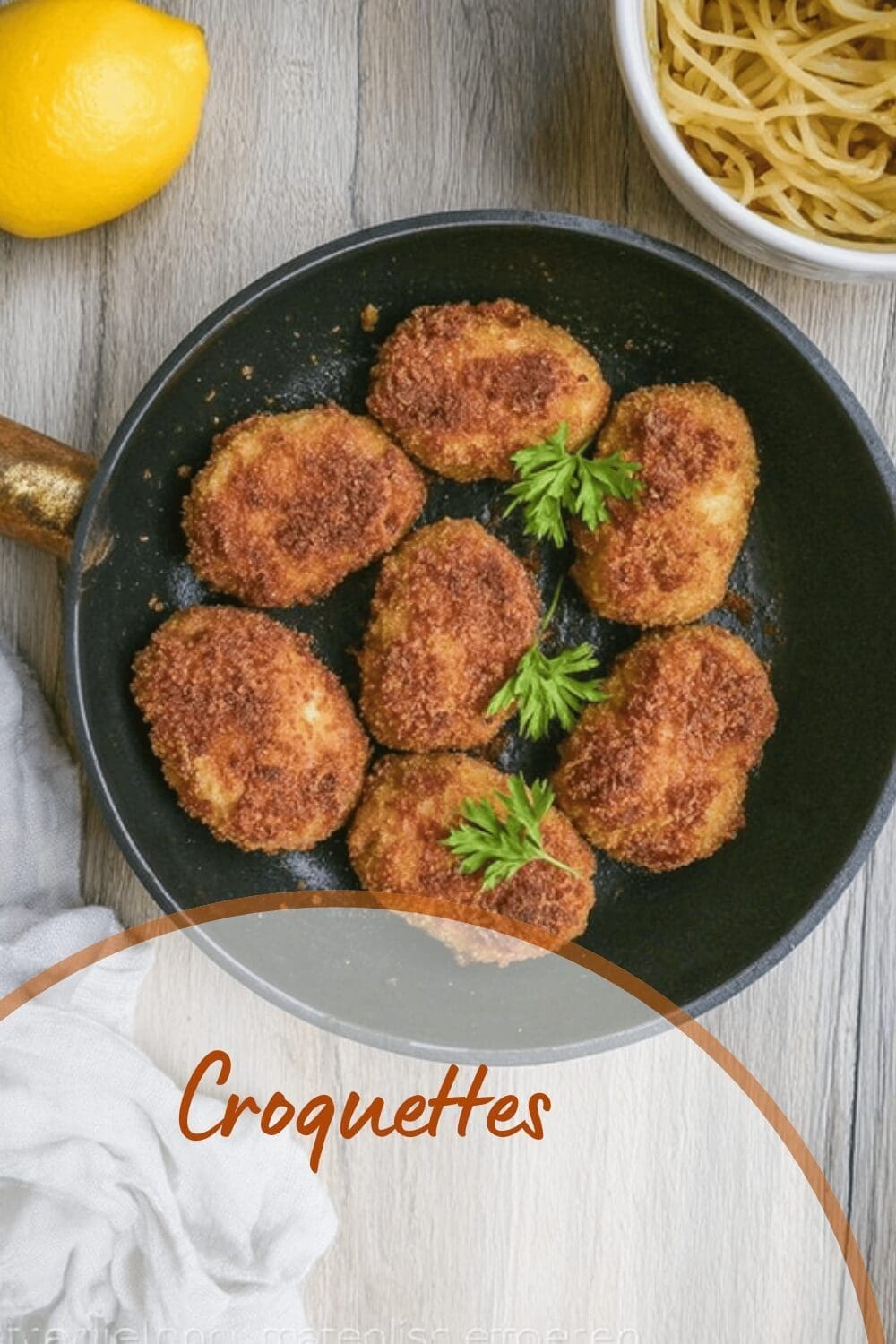
Croquettes are small, breaded and fried rolls or balls typically filled with a mixture of mashed potatoes, minced meat, seafood, vegetables, or cheese. To make croquettes, a thick filling is prepared, shaped into cylinders or ovals, coated in flour, dipped in beaten eggs, and then rolled in breadcrumbs before frying. The frying process creates a crispy outer layer while keeping the inside soft and flavorful. They are popular as appetizers or snacks in many cuisines around the world.
How can I make croquettes crispy without deep frying?
To achieve crispy croquettes without deep frying, you can bake or air-fry them. For baking, preheat your oven to 400°F (200°C), place croquettes on a greased baking sheet, and spray lightly with cooking oil. Bake for 20-25 minutes, turning halfway to ensure even browning. For air frying, set the air fryer to 375°F (190°C) and cook croquettes for 10-15 minutes until golden and crisp. Both methods reduce oil content while still delivering a crunchy texture.
What are common fillings used in croquettes?
Common croquette fillings vary by region but often include mashed potatoes mixed with finely chopped cooked meat (like chicken, ham, or beef), seafood (such as crab or shrimp), cheese, or vegetables like mushrooms or spinach. Cream sauces or béchamel are sometimes added to bind and enrich the filling. Choosing a filling depends on personal taste, and you can customize croquettes by combining different ingredients for unique flavors.
How should I store leftover croquettes safely?
To store leftover croquettes, allow them to cool completely, then place them in an airtight container lined with paper towels to absorb excess moisture. Refrigerate for up to 3 days. When reheating, use an oven or air fryer at 350°F (175°C) for 10 minutes to restore crispiness. Avoid microwaving, as it can make croquettes soggy. For longer storage, freeze uncooked croquettes on a tray, then transfer them to a freezer bag for up to 2 months. Cook directly from frozen, adding extra cooking time.
Can croquettes be made gluten-free, and how?
Yes, croquettes can be made gluten-free by substituting regular flour and breadcrumbs with gluten-free alternatives. Use gluten-free all-purpose flour or rice flour for coating, and replace breadcrumbs with crushed gluten-free crackers, cornflakes, or gluten-free panko. Ensure that other ingredients like sauces or processed fillings do not contain gluten. This allows those with gluten intolerance or celiac disease to enjoy croquettes safely without losing their signature crispy texture.

Croquettes
🍽️ Croquettes offer crispy, golden bites filled with versatile ingredients, perfect for appetizers or snacks.
🌍 Their global variations allow you to explore diverse flavors while enjoying a classic, comforting treat.
- Total Time: 50 minutes
- Yield: Varies depending on size and amount
Ingredients
– 2 cups cooked potatoes provides the creamy base and texture
– 1 cup shredded cooked chicken main protein for flavor and satiety
– 1/2 cup grated cheese adds richness and helps bind ingredients
– 1/4 cup finely chopped onions imparts sweetness and depth
– 1 tsp garlic powder enhances savory notes
– 2 eggs natural binder for shaping croquettes
– 1 cup breadcrumbs creates a crispy exterior
Instructions
1-First Step: Prepare all ingredients by boiling the potatoes until soft and shredding the cooked chicken. Preheat the oven to 375°F (190°C).
2-Second Step: Mash the potatoes until smooth, then mix in shredded chicken, cheese, onions, garlic powder, and eggs. Season with salt and pepper.
3-Third Step: Shape the mixture into small, evenly sized croquettes using your hands.
4-Fourth Step: Roll each croquette in breadcrumbs, ensuring an even coating for crispiness.
5-Fifth Step: For frying, heat oil in a pan to 350°F (175°C) and fry croquettes in batches until golden brown, about 3-4 minutes each side. Alternatively, bake on a greased sheet for 20 minutes, turning halfway.
6-Final Step: Drain excess oil on paper towels if fried. Serve warm with dipping sauces of choice. Adaptations: Use gluten-free breadcrumbs for gluten intolerance, or substitute proteins for dietary preferences.
Last Step:
Please leave a rating and comment letting us know how you liked this recipe! This helps our business to thrive and continue providing free, high-quality recipes for you.Notes
🥚 Use a thick binder to ensure croquettes hold their shape during frying.
❄️ Chill croquettes before frying to prevent breaking apart.
🍞 Use fresh breadcrumbs for a crispier and crunchier coating.
- Prep Time: 30 minutes
- Cook Time: 20 minutes
- Category: Appetizer
- Method: Shaping, Breading, Deep-frying
- Cuisine: French-inspired, International
Nutrition
- Serving Size: 1 croquette


