

Why You’ll Love This Coconut Curry Soup
Imagine a warm bowl of coconut curry soup that fills your kitchen with inviting aromas and brings everyone together for a cozy meal. This recipe stands out for its simplicity, making it perfect for busy parents or students who want a delicious dish without spending hours in the kitchen. You’ll appreciate how it comes together quickly, using basic steps that anyone can follow with ease.
Health-wise, this coconut curry soup packs a punch with nutrients from fresh ingredients like vegetables and herbs, offering vitamins that support your immune system. The creaminess comes from coconut milk, which provides healthy fats that keep you satisfied while keeping things light and flavorful. It’s a great option for diet-conscious folks looking for a balanced meal that feels nourishing.
One of the best parts is its versatility, letting you swap ingredients to fit various diets or what’s in your fridge. Whether you’re making it for a family picnic or a church gathering, this soup adapts well and delivers a distinctive flavor profile with creamy coconut, warming spices, and fresh veggies that make every bite memorable. You’ll find that ‘coconut curry soup’ becomes a go-to recipe for its balanced taste and ease of preparation.
Beyond that, the soup’s creamy spices and fresh ingredients create a depth of flavor that’s hard to beat, blending aromatic ginger and garlic with the richness of curry for a standout dish. It’s ideal for food enthusiasts who love trying new twists on classic meals, and it fits right into gatherings where sharing food strengthens community bonds.
Jump to:
- Why You’ll Love This Coconut Curry Soup
- Essential Ingredients for Coconut Curry Soup
- How to Prepare the Perfect Coconut Curry Soup: Step-by-Step Guide
- First Step: Mise en Place
- Second Step: Sauté Aromatics
- Third Step: Add Curry Paste and Toast
- Fourth Step: Deglaze and Simmer
- Fifth Step: Incorporate Vegetables and Noodles
- Sixth Step: Add Proteins
- Seventh Step: Season and Adjust
- Eighth Step: Finish and Serve
- Dietary Substitutions to Customize Your Coconut Curry Soup
- Protein and Main Component Alternatives
- Vegetable, Sauce, and Seasoning Modifications
- Mastering Coconut Curry Soup: Advanced Tips and Variations
- How to Store Coconut Curry Soup: Best Practices
- FAQs: Frequently Asked Questions About Coconut Curry Soup
- What ingredients do I need to make coconut curry soup at home?
- How can I make coconut curry soup vegan or vegetarian?
- What is the best way to store leftover coconut curry soup?
- How spicy is coconut curry soup, and can I adjust the heat level?
- Can coconut curry soup be made in advance for meal prep?
- Coconut Curry Soup
- Ingredients
- Instructions
- Last Step:
- Notes
- Nutrition
- Did you make this recipe?
Essential Ingredients for Coconut Curry Soup
Gathering the right ingredients is key to making a tasty coconut curry soup that highlights creamy spices and fresh elements. Each item plays a specific role, from adding creaminess to building flavor and texture. Let’s break it down so you can see exactly what’s needed and why.
Below is a structured list of all the ingredients required for this recipe. I’ve included precise measurements and a brief explanation of each one’s purpose to help you understand how they contribute to the final dish:
- 2 teaspoons vegetable oil – used for sautéing to enhance the flavor base by gently cooking the aromatics.
- 1 lime (divided: 1 teaspoon zest + juice from half + remaining for serving) – adds bright acidity and zest for a fresh, tangy finish that balances the richness.
- 1 medium onion, sliced – provides a sweet and savory foundation that builds the soup’s aroma.
- 2 tablespoons red curry paste – delivers the core spice and umami, infusing the soup with warming, flavorful depth.
- 1 ½ tablespoons minced fresh ginger – offers a zesty, aromatic kick that boosts the soup’s fresh ingredients and overall taste.
- 4 cloves garlic, minced – adds a pungent, savory note essential for the flavor base of this coconut curry soup.
- 4 cups chicken broth – dilutes and balances the richness while providing a savory liquid foundation.
- 14 ounces full-fat unsweetened coconut milk – supplies creaminess and healthy fats for a silky texture in your coconut curry soup.
- 1 ½ tablespoons fish sauce – acts as seasoning for saltiness and depth, enhancing the umami without overpowering.
- ¾ cup sliced mushrooms – contributes texture, color, and nutrients like potassium for a hearty addition.
- 1 red bell pepper, thinly sliced – brings crunch, vitamins, and a sweet note to the fresh ingredients mix.
- 8 ounces medium shrimp (peeled and deveined) or 2 cups cooked chicken – serves as the main protein and texture, making the soup filling and nutritious.
- 4 ounces medium rice noodles, cooked – adds bulk and a chewy element that absorbs the creamy spices beautifully.
- Fresh herbs for serving (e.g., cilantro, Thai basil, fresh mint) – freshens up the dish with vibrant flavors and a nutritious garnish.
For special dietary options, here are some adaptations to make your coconut curry soup fit various needs:
- Vegan: Use vegetable broth instead of chicken broth and opt for plant-based substitutes like tofu for protein, along with coconut aminos in place of fish sauce to keep things creamy and flavorful.
- Gluten-free: Choose gluten-free tamari or coconut aminos for seasoning, and ensure the curry paste is gluten-free to maintain the soup’s fresh ingredients without any issues.
- Low-calorie: Swap full-fat coconut milk for a lighter version, increase the broth and vegetables to bulk it up, and select lean proteins like shrimp to reduce calories while preserving the creamy spices.
How to Prepare the Perfect Coconut Curry Soup: Step-by-Step Guide
Creating this coconut curry soup is a straightforward process that results in a creamy, flavorful meal everyone will enjoy. Start by getting your ingredients ready, which helps everything go smoothly and keeps the prep time down. This recipe focuses on fresh ingredients and creamy spices for a dish that fits right into your busy routine.
First Step: Mise en Place
Begin with mise en place to organize your workspace chop the aromatics like slicing the onion, mincing the ginger and garlic, and zesting 1 teaspoon of lime. Measure out liquids such as the coconut milk and chicken broth, and prepare your protein by peeling and deveining 8 ounces of shrimp or shredding 2 cups of cooked chicken. This step takes about 20 minutes and ensures your coconut curry soup comes together without any rush.
Second Step: Sauté Aromatics
Heat 2 teaspoons of vegetable oil in a large saucepan over medium heat for about 1 minute until it shimmers. Add the sliced onion and cook for 4-5 minutes, stirring occasionally, until it softens and turns translucent this builds the base flavor. For a vegan twist, use the same oil and add extra vegetables here to keep the soup light and fresh.
Third Step: Add Curry Paste and Toast
Once the onion is ready, stir in 2 tablespoons of red curry paste along with the 1 ½ tablespoons of minced ginger and 4 cloves of minced garlic. Cook this mixture for 1-2 minutes, stirring constantly, to bloom the spices and release their aroma don’t let it burn for the best creamy spices. If adapting for low-calorie, reduce the curry paste slightly to control the heat.
Fourth Step: Deglaze and Simmer
Pour in 4 cups of chicken broth, 14 ounces of coconut milk, and 1 ½ tablespoons of fish sauce, using a spoon to scrape up any brown bits from the pan for extra flavor. Bring the mixture to a gentle simmer over medium heat, around 180-200°F, and let it cook for 5 minutes to blend the coconut curry soup elements. For gluten-free versions, swap fish sauce with tamari at this stage.
Fifth Step: Incorporate Vegetables and Noodles
Add ¾ cup of sliced mushrooms and the 1 teaspoon of lime zest, then simmer for 15 minutes until the mushrooms soften. Next, stir in 1 thinly sliced red bell pepper and 4 ounces of cooked rice noodles, simmering for another 3 minutes to let the flavors meld keep an eye on the veggies to avoid overcooking. If making it vegan, add hearty vegetables like cauliflower here for texture.
Sixth Step: Add Proteins
Stir in the 8 ounces of raw shrimp or 2 cups of cooked chicken, then turn off the heat, cover the pot, and let it rest for 5-6 minutes. The shrimp should reach an internal temperature of 145°F, while the chicken just needs to heat through check to ensure it’s done without overcooking. For dietary preferences, use tofu instead and simmer it a bit longer to absorb the creamy spices.
Seventh Step: Season and Adjust
Stir in the juice from half a lime and taste the soup, adjusting salt or acidity as needed add a pinch more if it’s too mild. This step fine-tunes the balance of creamy spices and fresh ingredients, making sure it’s just right for your palate. For low-calorie adaptations, add more lime juice to enhance flavor without extra calories.
Eighth Step: Finish and Serve
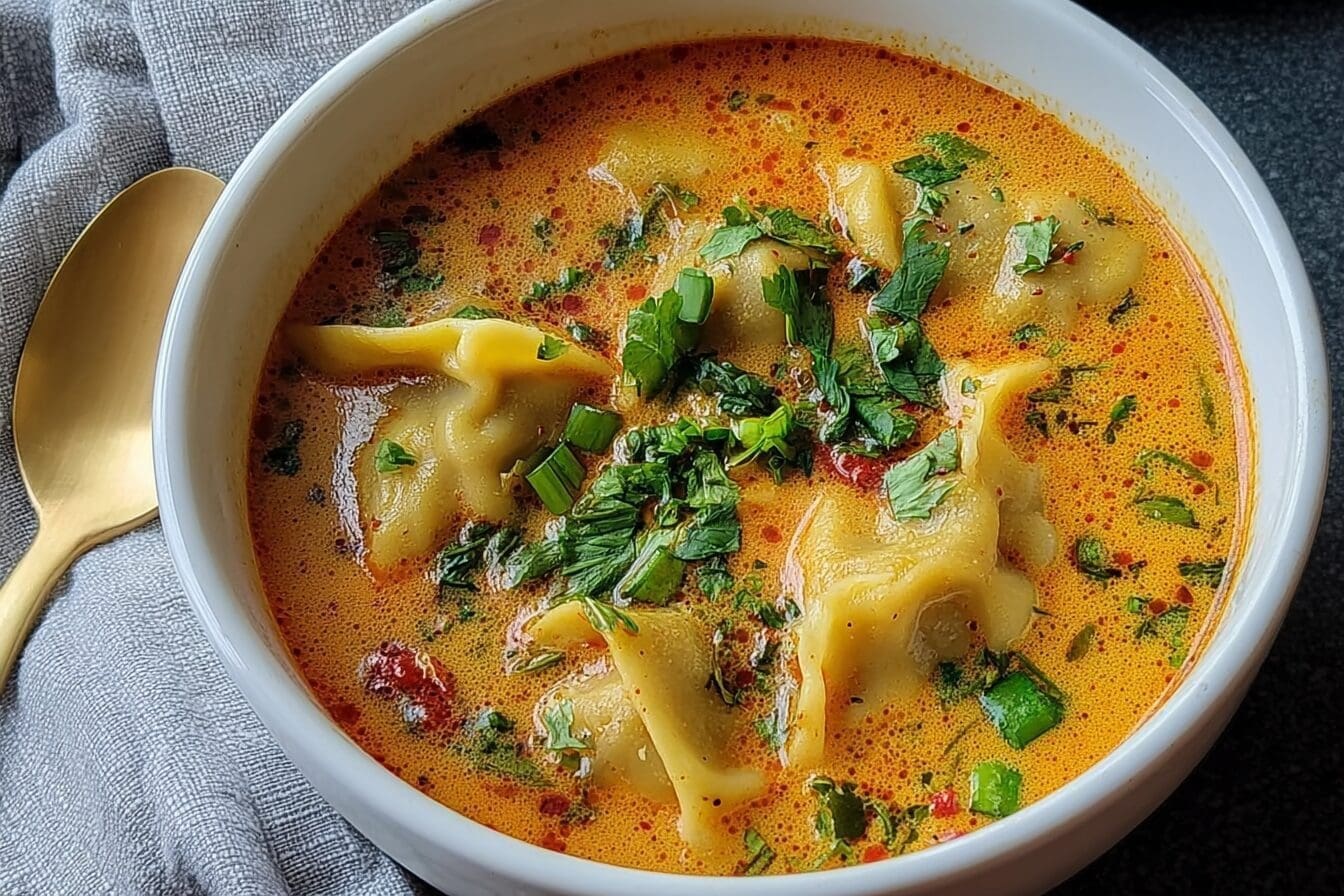
Turn off the heat and let the soup sit for a moment before serving in warmed bowls to keep it hot. Garnish with fresh herbs like cilantro or mint, and add lime wedges for a bright touch serve with rice or alone for a complete meal. This coconut curry soup pairs well for meal prep, and you can explore similar stir-fry ideas on our site for more inspiration.
Dietary Substitutions to Customize Your Coconut Curry Soup
Customizing your coconut curry soup is easy and fun, allowing you to adjust for different needs while keeping the creamy spices and fresh ingredients intact. Below, I’ll cover practical swaps in two categories to help maintain texture, cooking times, and flavor balance so your soup stays delicious no matter the changes.
Protein and Main Component Alternatives
Switching up the protein can make your coconut curry soup fit various diets without losing its appeal. For plant-based options, try 8 ounces of firm tofu, cubed and pressed for 10 minutes to improve texture, or 1 cup of tempeh for a nutty flavor these cook in about 5 minutes. Seafood lovers might use 8 ounces of mussels or firm white fish, which need 4-5 minutes at a simmer to reach 145°F safely.
Poultry alternatives include 2 cups of thinly sliced chicken breast, cooked to 165°F in 5-6 minutes, while legumes like 1 cup of chickpeas add protein and a hearty bite with minimal adjustment to liquid ratios. For high-protein goals, opt for seitan if gluten is tolerated, and remember these swaps work well for vegan or low-calorie versions of coconut curry soup.
Vegetable, Sauce, and Seasoning Modifications
Varying the vegetables keeps your soup seasonal and texturally interesting add root veggies like carrots in the simmering step to cook for 10 minutes, or quick-cooking options like spinach at the end for just 1 minute. For sauces, swap fish sauce with 1 tablespoon of gluten-free tamari to keep the umami, or use miso for added depth while reducing sodium for a lighter profile.
Seasoning tweaks might include kaffir lime leaves or lemongrass for a fresher twist, adjusting quantities to taste without changing cooking times much. To boost umami in vegan versions, add dried mushrooms or nutritional yeast, and for lower calories, increase broth and veggies while using less coconut milk these changes help preserve the creamy spices in your coconut curry soup.
Mastering Coconut Curry Soup: Advanced Tips and Variations
Taking your coconut curry soup to the next level involves some pro techniques that enhance the creamy spices and fresh ingredients. Start by toasting whole spices in the oil before adding curry paste, which blooms flavors in just 1-2 minutes for a richer base. For a silky texture, whisk the coconut milk gently as you add it to prevent separation and ensure even creaminess.
Precision is key time your protein cooking carefully, like letting shrimp rest off the heat to reach perfect doneness via residual warmth. Try fun variations, such as adding roasted squash for a sweet-savory note or green curry with Thai basil for a brighter profile, which keeps the essence of coconut curry soup while mixing things up. Presentation matters too; layer textures in the bowl and garnish with zested lime for visual appeal that wows at gatherings.
Make-ahead options are a game-changer for busy professionals prepare the base soup and store it separately from proteins and veggies, then assemble when ready. This way, flavors meld overnight, and you can reheat gently to avoid coconut separation, making it ideal for community events or picnics.
How to Store Coconut Curry Soup: Best Practices
Proper storage keeps your coconut curry soup fresh and tasty for another day. Cool the soup quickly within two hours and refrigerate it in airtight containers for 3-4 days to maintain its creamy spices. If you want to keep solids separate from the broth, do so to preserve textures for reheating.
For freezing, remove any delicate herbs first and portion the soup into airtight containers or bags, leaving headspace for expansion it’s best within 2-3 months. When thawing, let it sit in the fridge overnight and whisk briefly to recombine the coconut milk. Reheating should be gentle, over medium-low heat with a splash of broth, to avoid curdling while checking seasoning before serving your coconut curry soup.
Meal prep is simple with this recipe; batch-cook the base and store components separately for easy assembly, ensuring portions fit your needs for the week.
FAQs: Frequently Asked Questions About Coconut Curry Soup
What ingredients do I need to make coconut curry soup at home?
To make coconut curry soup, you typically need coconut milk, curry paste (red, yellow, or green), fresh vegetables like bell peppers, carrots, or spinach, protein such as chicken, tofu, or shrimp, garlic, ginger, onion, vegetable or chicken broth, and lime juice. Fresh herbs like cilantro and spices like turmeric or cumin enhance the flavor. Adjust ingredients based on your taste and dietary preferences for a richer or lighter soup.
How can I make coconut curry soup vegan or vegetarian?
To make coconut curry soup vegan or vegetarian, use vegetable broth instead of chicken broth, and replace animal proteins with tofu, tempeh, chickpeas, or hearty vegetables like mushrooms. Ensure the curry paste does not contain fish sauce or shrimp paste—look for vegan-certified brands or make your own. Coconut milk provides the creamy base without dairy, making this soup naturally vegan-friendly.
What is the best way to store leftover coconut curry soup?
Store leftover coconut curry soup in an airtight container in the refrigerator for up to 3-4 days. Before reheating, stir the soup well as some separation may occur due to the coconut milk. You can reheat gently on the stove over medium heat or microwave in short intervals. For longer storage, freeze the soup in freezer-safe containers for up to 2 months and thaw in the refrigerator overnight before reheating.
How spicy is coconut curry soup, and can I adjust the heat level?
The spiciness of coconut curry soup varies depending on the type and amount of curry paste used. Red and green curry pastes tend to be spicier, while yellow curry paste is usually milder. To adjust the heat, start with a small amount of curry paste and add more gradually. You can also tone down the spice by adding extra coconut milk or a little sugar. Serving the soup with a cooling side like yogurt or fresh herbs helps balance heat as well.
Can coconut curry soup be made in advance for meal prep?
Yes, coconut curry soup is excellent for meal prep. It often tastes even better the next day as the flavors meld. Prepare the soup fully, cool it, and store portions in airtight containers. Keep fresh toppings like herbs or lime wedges separate to add after reheating. This soup reheats well and makes a nutritious, convenient meal perfect for busy weekdays or lunch on the go.

Coconut Curry Soup
🥥 Coconut Curry Soup features creamy spices and fresh ingredients, creating a comforting and aromatic bowl perfect for any season.
🍜 This Thai-inspired recipe combines rich coconut milk and vibrant vegetables, offering a flavorful, nourishing soup that’s easy to prepare at home.
- Total Time: 50 minutes
- Yield: 4 servings
Ingredients
– 2 teaspoons vegetable oil used for sautéing to enhance the flavor base by gently cooking the aromatics
– 1 lime (divided: 1 teaspoon zest + juice from half + remaining for serving) adds bright acidity and zest for a fresh, tangy finish that balances the richness
– 1 medium onion, sliced provides a sweet and savory foundation that builds the soup’s aroma
– 2 tablespoons red curry paste delivers the core spice and umami, infusing the soup with warming, flavorful depth
– 1 ½ tablespoons minced fresh ginger offers a zesty, aromatic kick that boosts the soup’s fresh ingredients and overall taste
– 4 cloves garlic, minced adds a pungent, savory note essential for the flavor base of this coconut curry soup
– 4 cups chicken broth dilutes and balances the richness while providing a savory liquid foundation
– 14 ounces full-fat unsweetened coconut milk supplies creaminess and healthy fats for a silky texture in your coconut curry soup
– 1 ½ tablespoons fish sauce acts as seasoning for saltiness and depth, enhancing the umami without overpowering
– ¾ cup sliced mushrooms contributes texture, color, and nutrients like potassium for a hearty addition
– 1 red bell pepper, thinly sliced brings crunch, vitamins, and a sweet note to the fresh ingredients mix
– 8 ounces medium shrimp (peeled and deveined) or 2 cups cooked chicken serves as the main protein and texture, making the soup filling and nutritious
– 4 ounces medium rice noodles, cooked adds bulk and a chewy element that absorbs the creamy spices beautifully
– Fresh herbs for serving (e.g., cilantro, Thai basil, fresh mint) freshens up the dish with vibrant flavors and a nutritious garnish
Instructions
First Step: Mise en Place: Begin with mise en place to organize your workspace chop the aromatics like slicing the onion, mincing the ginger and garlic, and zesting 1 teaspoon of lime. Measure out liquids such as the coconut milk and chicken broth, and prepare your protein by peeling and deveining 8 ounces of shrimp or shredding 2 cups of cooked chicken. This step takes about 20 minutes and ensures your coconut curry soup comes together without any rush.
Second Step: Sauté Aromatics: Heat 2 teaspoons of vegetable oil in a large saucepan over medium heat for about 1 minute until it shimmers. Add the sliced onion and cook for 4-5 minutes, stirring occasionally, until it softens and turns translucent this builds the base flavor. For a vegan twist, use the same oil and add extra vegetables here to keep the soup light and fresh.
Third Step: Add Curry Paste and Toast: Once the onion is ready, stir in 2 tablespoons of red curry paste along with the 1 ½ tablespoons of minced ginger and 4 cloves of minced garlic. Cook this mixture for 1-2 minutes, stirring constantly, to bloom the spices and release their aroma don’t let it burn for the best creamy spices. If adapting for low-calorie, reduce the curry paste slightly to control the heat.
Fourth Step: Deglaze and Simmer: Pour in 4 cups of chicken broth, 14 ounces of coconut milk, and 1 ½ tablespoons of fish sauce, using a spoon to scrape up any brown bits from the pan for extra flavor. Bring the mixture to a gentle simmer over medium heat, around 180-200°F, and let it cook for 5 minutes to blend the coconut curry soup elements. For gluten-free versions, swap fish sauce with tamari at this stage.
Fifth Step: Incorporate Vegetables and Noodles: Add ¾ cup of sliced mushrooms and the 1 teaspoon of lime zest, then simmer for 15 minutes until the mushrooms soften. Next, stir in 1 thinly sliced red bell pepper and 4 ounces of cooked rice noodles, simmering for another 3 minutes to let the flavors meld keep an eye on the veggies to avoid overcooking. If making it vegan, add hearty vegetables like cauliflower here for texture.
Sixth Step: Add Proteins: Stir in the 8 ounces of raw shrimp or 2 cups of cooked chicken, then turn off the heat, cover the pot, and let it rest for 5-6 minutes. The shrimp should reach an internal temperature of 145°F, while the chicken just needs to heat through check to ensure it’s done without overcooking. For dietary preferences, use tofu instead and simmer it a bit longer to absorb the creamy spices.
Seventh Step: Season and Adjust: Stir in the juice from half a lime and taste the soup, adjusting salt or acidity as needed add a pinch more if it’s too mild. This step fine-tunes the balance of creamy spices and fresh ingredients, making sure it’s just right for your palate. For low-calorie adaptations, add more lime juice to enhance flavor without extra calories.
Eighth Step: Finish and Serve: Turn off the heat and let the soup sit for a moment before serving in warmed bowls to keep it hot. Garnish with fresh herbs like cilantro or mint, and add lime wedges for a bright touch serve with rice or alone for a complete meal. This coconut curry soup pairs well for meal prep, and you can explore similar stir-fry ideas on our site for more inspiration.
Last Step:
Please leave a rating and comment letting us know how you liked this recipe! This helps our business to thrive and continue providing free, high-quality recipes for you.Notes
🥥 Use full-fat, unsweetened coconut milk for the creamiest flavor.
🧄 Fresh garlic and ginger are essential to achieving the authentic aroma and taste of this soup.
🌶️ Avoid overcooking shrimp; residual heat will finish cooking them after removing the pot from the stove.
- Prep Time: 20 minutes
- Cook Time: 30 minutes
- Category: Soup, Curry, Thai-inspired
- Method: Sautéing, Simmering
- Cuisine: Thai
- Diet: Gluten-Free, Dairy-Free
Nutrition
- Serving Size: 1.5 cups
- Calories: 383
- Sugar: 5 g
- Sodium: 1907 mg
- Fat: 25 g
- Saturated Fat: 19 g
- Unsaturated Fat: 4 g
- Trans Fat: 0 g
- Carbohydrates: 37 g
- Fiber: 3 g
- Protein: 7 g
- Cholesterol: 7 mg


