Why You’ll Love This Chicken Stir Fry
If you’re hunting for a fantastic vegetable stir fry that brings excitement to your weeknight dinners, this chicken stir fry fits the bill perfectly. It’s the kind of meal that delivers bold flavors and fresh vibes without hogging your time in the kitchen. Let me walk you through what makes it stand out for busy parents, students, or anyone wanting a quick stir fry that’s both simple and satisfying.
- Ease of preparation: One of the best parts about this chicken stir fry is how fast it comes together, ready in just about 20 minutes total. You’ll appreciate the straightforward steps that let you toss in the ingredients without any fuss, making it ideal for those hectic evenings when time slips away. This simple approach means even beginners can whip up a flavorful stir fry that feels like a pro move.
- Health benefits: Diving into this quick stir fry means you’re loading up on nutrient-rich veggies like broccoli and bell peppers, which pack a punch of vitamins A and C. With each serving clocking in at around 343 calories and plenty of protein from the chicken, it’s a smart choice for diet-conscious folks aiming to keep things balanced. The mix of fresh produce and lean protein supports your wellness goals without sacrificing taste.
- Versatility: This flavorful stir fry adapts like a dream to whatever’s in your fridge or your dietary preferences, whether you’re going gluten-free or vegan. You can swap out ingredients to suit different needs, making it a go-to for family gatherings or potlucks. It’s that flexible recipe everyone can tweak for their crowd.
- Distinctive flavor: What really sets this chicken stir fry apart is the sweet-savory sauce made from honey, soy sauce, and sesame oil, which creates layers of taste in every bite. The garlic and ginger add that zing that wakes up your senses, turning a basic meal into something memorable. It’s all about that perfect balance that keeps you coming back for more.
This chicken stir fry isn’t just food; it’s a way to bring people together, just like the recipes on my blog that focus on sharing and community. Whether you’re feeding a family or prepping for a picnic, you’ll find it hits the spot every time.
Jump to:
- Why You’ll Love This Chicken Stir Fry
- Essential Ingredients for Chicken Stir Fry
- Chicken and Vegetables
- Stir Fry Sauce
- How to Prepare the Perfect Chicken Stir Fry: Step-by-Step Guide
- First Step: Prepare the Sauce
- Second Step: Season and Cook the Chicken
- Third Step: Cook the Vegetables
- Fourth Step: Add Aromatics
- Fifth Step: Combine and Simmer
- Final Step: Serve and Enjoy
- Dietary Substitutions to Customize Your Chicken Stir Fry
- Protein and Main Component Alternatives
- Vegetable, Sauce, and Seasoning Modifications
- Mastering Chicken Stir Fry: Advanced Tips and Variations
- How to Store Chicken Stir Fry: Best Practices
- FAQs: Frequently Asked Questions About Chicken Stir Fry
- What vegetables are best for making chicken stir fry?
- How long should I cook chicken in a stir fry to keep it tender?
- What kind of sauce pairs well with chicken stir fry?
- Can I make chicken stir fry ahead of time and reheat it?
- How can I make my chicken stir fry healthier?
- Chicken Stir Fry
- Ingredients
- Instructions
- Last Step:
- Notes
- Nutrition
- Did you make this recipe?
Essential Ingredients for Chicken Stir Fry
Getting the right ingredients is key to nailing a great vegetable stir fry, and this list covers everything you need for a quick and flavorful dish. I’ll break it down into categories to make it simple, sharing why each one matters so you can see how they build that amazing taste and nutrition. Remember, using fresh picks helps keep things vibrant and healthy.
Chicken and Vegetables
- 1 pound boneless, skinless chicken breast, cubed – This provides a lean source of protein that cooks quickly and stays tender, making it the star of your chicken stir fry for a satisfying meal.
- Salt and pepper to taste – These seasonings enhance the natural flavors of the chicken, ensuring every bite in your quick stir fry pops with simple goodness.
- 2 tablespoons olive oil, divided – Used for browning the chicken and veggies, this oil adds a subtle richness that helps create the perfect stir fry without overwhelming the dish.
- 2 cups broccoli florets – Packed with vitamins, these add crunch and color to your flavorful stir fry while boosting the nutritional value with fiber and antioxidants.
- 1/2 yellow bell pepper, cut into pieces – It brings a sweet, mild flavor and extra vitamins to the mix, helping to make your vegetable stir fry visually appealing and tasty.
- 1/2 red bell pepper, cut into pieces – This adds a pop of sweetness and crunch, plus it’s loaded with vitamin C, making it a key player in keeping your chicken stir fry fresh and healthy.
- 1/2 cup sliced baby carrots – They offer a slight sweetness and are rich in beta-carotene, which supports eye health, while adding texture to your quick stir fry.
- 2 teaspoons minced ginger – This spice brings a zesty kick that brightens the flavors, helping to make your flavorful stir fry feel alive and aromatic.
- 2 cloves garlic, minced – It adds a robust, savory note that elevates the whole dish, making this chicken stir fry irresistible and full of depth.
Stir Fry Sauce
- 1 tablespoon cornstarch – This thickens the sauce smoothly, ensuring your quick stir fry has that glossy finish without any lumps.
- 2 tablespoons cold water – Mixed with cornstarch, it creates a slurry that helps bind the sauce, making your vegetable stir fry come together perfectly.
- 1/4 cup low-sodium chicken broth – It forms the base of the sauce, adding moisture and a light flavor that keeps your chicken stir fry balanced and not too salty.
- 3 tablespoons low-sodium soy sauce – This brings umami and saltiness to the forefront, making your flavorful stir fry savory and adaptable for various diets.
- 1/4 cup honey – It adds a natural sweetness that balances the savory elements, turning your quick stir fry into a delicious, crowd-pleasing meal.
- 1 tablespoon toasted sesame oil – This ingredient infuses a nutty aroma and depth, enhancing the overall taste of your chicken stir fry.
- 1/2 teaspoon crushed red pepper flakes (optional) – For those who like heat, it adds a spicy edge, allowing you to customize your vegetable stir fry just right.
For special dietary options, try these swaps: For vegan versions, use plant-based substitutes like tofu or tempeh instead of chicken to keep it protein-packed. For gluten-free choices, opt for tamari in place of soy sauce. If you’re watching calories, go for light options like reducing the honey or adding more veggies to bulk up the meal without extra fats.
How to Prepare the Perfect Chicken Stir Fry: Step-by-Step Guide
Pulling together a tasty chicken stir fry doesn’t have to be complicated, and this guide walks you through it all. We’ll cover everything from prepping your ingredients to serving it up, with tips for making it work for different tastes. Aim for a hot pan to get that quick cook on the veggies while keeping things fresh and crunchy.
First Step: Prepare the Sauce
Start by whisking 1 tablespoon cornstarch with 2 tablespoons cold water until it’s smooth and lump-free. Then, stir in 1/4 cup low-sodium chicken broth, 3 tablespoons low-sodium soy sauce, 1/4 cup honey, 1 tablespoon toasted sesame oil, and 1/2 teaspoon crushed red pepper flakes if you want some heat. This step sets the stage for a flavorful stir fry, and for vegan adaptations, swap the chicken broth for vegetable broth to keep it plant-based.
Second Step: Season and Cook the Chicken
Next, season 1 pound cubed boneless, skinless chicken breast with salt and pepper to taste. Heat 1 tablespoon of the olive oil in a large skillet over medium-high heat, then add the chicken and cook for about 4-6 minutes until it’s no longer pink inside. For those preferring gluten-free options, ensure your soy sauce in the sauce is tamari; remove the chicken once done to avoid overcooking, which helps keep it tender.
Third Step: Cook the Vegetables
Now, add the remaining 1 tablespoon olive oil to the skillet. Toss in 2 cups broccoli florets, 1/2 yellow bell pepper cut into pieces, 1/2 red bell pepper cut into pieces, and 1/2 cup sliced baby carrots. Stir-fry these for 3-4 minutes over medium-high heat until they’re crisp-tender, which means they’re still vibrant and full of nutrients. If you’re aiming for a low-calorie version, increase the veggies and reduce oil slightly for a lighter quick stir fry.
Fourth Step: Add Aromatics
Once the veggies are nearly ready, mix in 2 teaspoons minced ginger and 2 cloves minced garlic, cooking for about 1 minute until they’re fragrant. This step amps up the flavor in your chicken stir fry, and you can adjust by using fresh herbs if you’re customizing for dietary needs, like skipping garlic for a milder taste.
Fifth Step: Combine and Simmer
Return the cooked chicken to the skillet with the veggies. Pour the prepared sauce over everything and stir to mix it all up. Bring it to a boil and let it simmer for 1 minute until the sauce thickens slightly, which helps coat everything nicely in your flavorful stir fry. For variations, add extra veggies here if you’re feeding a crowd, making it versatile for different preferences.
Final Step: Serve and Enjoy
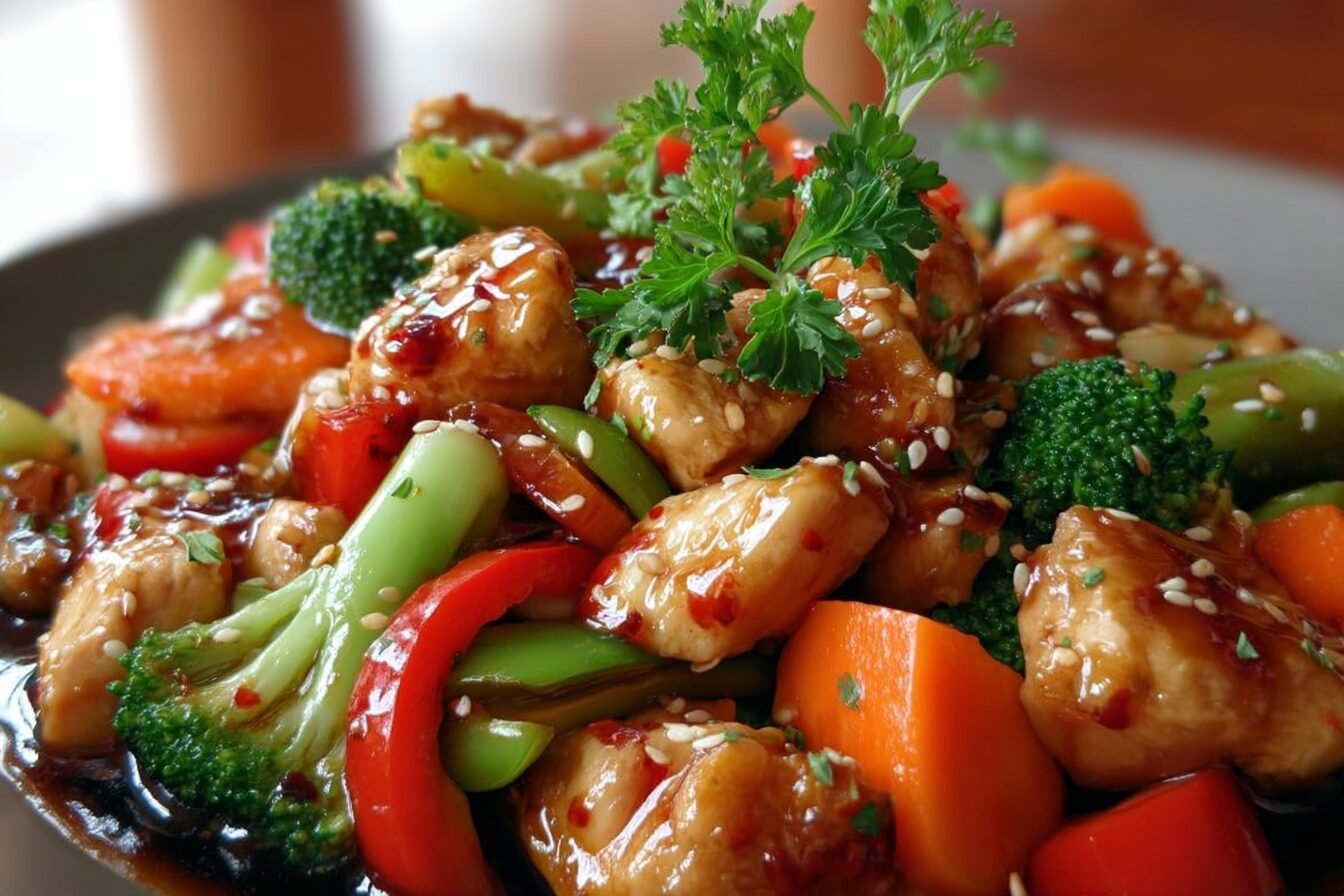
Take the skillet off the heat and serve your chicken stir fry right away, perhaps over rice or chow mein for a complete meal. This final touch ensures the dish stays hot and fresh, and you can tweak portions for meal prep or adapt it for gluten-free by checking all components. It’s that easy to create a vegetable stir fry everyone will love. For more ideas on stir fry recipes, check out our chicken and broccoli stir fry guide on the blog.
Dietary Substitutions to Customize Your Chicken Stir Fry
Protein and Main Component Alternatives
Swapping out the main protein in your quick stir fry can make it fit various diets or what’s in your pantry. For instance, instead of 1 pound chicken breast, try tofu for a vegan option that soaks up the sauce just as well. You could also use pork as suggested, keeping the same quantity to maintain balance in your flavorful stir fry.
Vegetable, Sauce, and Seasoning Modifications
Adapt the veggies in your chicken stir fry based on seasons or preferences, like swapping baby carrots for snow peas to add more crunch. For the sauce, adjust the honey or soy sauce amounts to cut calories, and experiment with seasonings like adding more ginger for extra zest. These changes keep your vegetable stir fry fresh and tailored. For deeper inspiration, visit our honey soy chicken recipe.
Mastering Chicken Stir Fry: Advanced Tips and Variations
To take your chicken stir fry to the next level, focus on pro cooking techniques like using a hot wok for that perfect sear. Experiment with flavor variations by mixing in different herbs for a unique twist on your quick stir fry. For presentation tips, garnish with sesame seeds to make it look as good as it tastes.
Make-ahead options include prepping veggies ahead to save time on busy nights. These tweaks ensure your flavorful stir fry stays exciting and easy.
How to Store Chicken Stir Fry: Best Practices
Proper storage keeps your chicken stir fry fresh and safe. For refrigeration, cool it down and store in an airtight container for up to 3 days to maintain flavors. Freezing works well for longer storage; portion it into bags and freeze for up to 2 months.
When reheating, use a skillet on low heat to keep textures intact, adding a bit of water if needed. For meal prep, plan ahead by making extra for quick meals, tying into a vegetable stir fry routine.
FAQs: Frequently Asked Questions About Chicken Stir Fry
What vegetables are best for making chicken stir fry?
Popular vegetables for chicken stir fry include broccoli, bell peppers, carrots, snow peas, mushrooms, green beans, and onions. These vegetables cook quickly and maintain a good texture, adding color and nutrients to your dish. You can mix and match based on what’s fresh or what you have on hand. Cutting the vegetables into uniform, bite-sized pieces helps them cook evenly.
How long should I cook chicken in a stir fry to keep it tender?
Chicken breast or thigh pieces usually take about 4 to 6 minutes to cook in a hot wok or skillet. Cut the chicken into thin, uniform strips so they cook quickly and evenly. Avoid overcrowding the pan to prevent steaming and maintain a crispy texture. Stir frequently, and remove the chicken once it is no longer pink inside to keep it tender and juicy.
What kind of sauce pairs well with chicken stir fry?
Common stir fry sauces include soy sauce-based mixtures combined with garlic, ginger, a sweetener like honey or brown sugar, and sometimes rice vinegar or sesame oil. You can also add chili flakes for heat or peanut butter for creaminess. A simple homemade sauce might be 3 tablespoons soy sauce, 1 tablespoon honey, 1 teaspoon grated ginger, and 1 minced garlic clove.
Can I make chicken stir fry ahead of time and reheat it?
Yes, chicken stir fry can be made ahead and refrigerated for up to 3 days. To reheat, warm it gently in a skillet or microwave to avoid overcooking the chicken and vegetables. Adding a splash of water or extra sauce during reheating can help maintain moisture and flavor.
How can I make my chicken stir fry healthier?
Choose lean cuts of chicken like breast, use a variety of colorful vegetables for added nutrients, and limit oil to 1-2 tablespoons. Opt for low-sodium soy sauce or tamari to reduce salt content. You can also include whole grains such as brown rice or quinoa as a side to increase fiber and make the meal more balanced.
Chicken Stir Fry
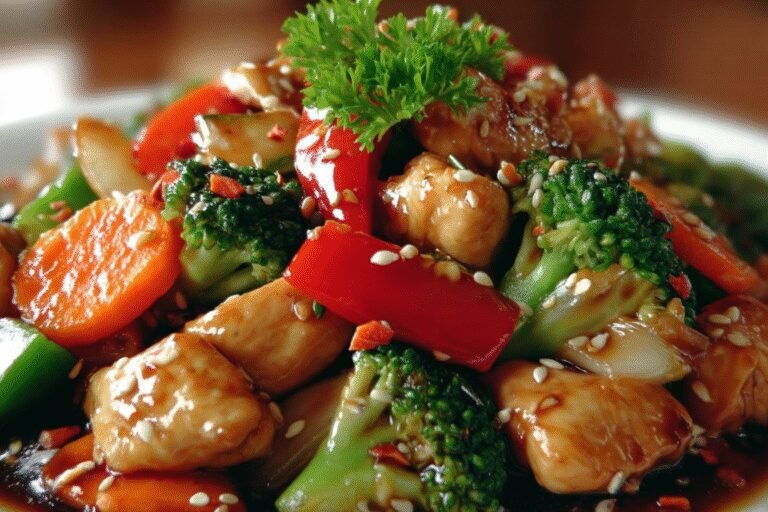
🍗 This Chicken Stir Fry Recipe combines tender chicken with crisp, colorful vegetables for a quick, nutritious meal.
🍲 Ready in about 20 minutes, it’s perfect for busy weeknights when you want flavorful, healthy food fast.
- Total Time: 18 minutes
- Yield: 4 servings
Ingredients
– 1 pound boneless, skinless chicken breast, cubed for lean protein
– Salt and pepper to taste for seasoning
– 2 tablespoons olive oil, divided for browning chicken and veggies
– 2 cups broccoli florets for vitamins and crunch
– 1/2 yellow bell pepper, cut into pieces for sweetness and vitamins
– 1/2 red bell pepper, cut into pieces for sweetness and vitamin C
– 1/2 cup sliced baby carrots for slight sweetness and beta-carotene
– 2 teaspoons minced ginger for zest and aroma
– 2 cloves garlic, minced for robust savory flavor
– 1 tablespoon cornstarch for thickening sauce
– 2 tablespoons cold water to create slurry with cornstarch
– 1/4 cup low-sodium chicken broth for sauce base and moisture
– 3 tablespoons low-sodium soy sauce for umami and saltiness
– 1/4 cup honey for natural sweetness
– 1 tablespoon toasted sesame oil for nutty aroma and depth
– 1/2 teaspoon crushed red pepper flakes (optional) for heat
Instructions
1-First Step: Prepare the Sauce Start by whisking 1 tablespoon cornstarch with 2 tablespoons cold water until it’s smooth and lump-free. Then, stir in 1/4 cup low-sodium chicken broth, 3 tablespoons low-sodium soy sauce, 1/4 cup honey, 1 tablespoon toasted sesame oil, and 1/2 teaspoon crushed red pepper flakes if you want some heat. This step sets the stage for a flavorful stir fry, and for vegan adaptations, swap the chicken broth for vegetable broth to keep it plant-based.
2-Second Step: Season and Cook the Chicken Next, season 1 pound cubed boneless, skinless chicken breast with salt and pepper to taste. Heat 1 tablespoon of the olive oil in a large skillet over medium-high heat, then add the chicken and cook for about 4-6 minutes until it’s no longer pink inside. For those preferring gluten-free options, ensure your soy sauce in the sauce is tamari; remove the chicken once done to avoid overcooking, which helps keep it tender.
3-Third Step: Cook the Vegetables Now, add the remaining 1 tablespoon olive oil to the skillet. Toss in 2 cups broccoli florets, 1/2 yellow bell pepper cut into pieces, 1/2 red bell pepper cut into pieces, and 1/2 cup sliced baby carrots. Stir-fry these for 3-4 minutes over medium-high heat until they’re crisp-tender, which means they’re still vibrant and full of nutrients. If you’re aiming for a low-calorie version, increase the veggies and reduce oil slightly for a lighter quick stir fry.
4-Fourth Step: Add Aromatics Once the veggies are nearly ready, mix in 2 teaspoons minced ginger and 2 cloves minced garlic, cooking for about 1 minute until they’re fragrant. This step amps up the flavor in your chicken stir fry, and you can adjust by using fresh herbs if you’re customizing for dietary needs, like skipping garlic for a milder taste.
5-Fifth Step: Combine and Simmer Return the cooked chicken to the skillet with the veggies. Pour the prepared sauce over everything and stir to mix it all up. Bring it to a boil and let it simmer for 1 minute until the sauce thickens slightly, which helps coat everything nicely in your flavorful stir fry. For variations, add extra veggies here if you’re feeding a crowd, making it versatile for different preferences.
6-Final Step: Serve and Enjoy Take the skillet off the heat and serve your chicken stir fry right away, perhaps over rice or chow mein for a complete meal. This final touch ensures the dish stays hot and fresh, and you can tweak portions for meal prep or adapt it for gluten-free by checking all components. It’s that easy to create a vegetable stir fry everyone will love. For more ideas on stir fry recipes, check out our chicken and broccoli stir fry guide on the blog.
Last Step:
Please leave a rating and comment letting us know how you liked this recipe! This helps our business to thrive and continue providing free, high-quality recipes for you.Notes
🍳 Cook chicken first to build rich layers of flavor.
🥦 Use fresh vegetables for the best taste and texture—avoid frozen.
🔥 Adjust sauce ingredients to your preference for sweetness or saltiness.
- Prep Time: 8 minutes
- Cook Time: 10 minutes
- Category: Main Course
- Method: Stir Frying
- Cuisine: Asian
- Diet: Gluten-Free, High Protein
Nutrition
- Serving Size: 1 serving
- Calories: 343
- Sugar: 19 g
- Sodium: 570 mg
- Fat: 13 g
- Saturated Fat: 2 g
- Trans Fat: 0 g
- Carbohydrates: 29 g
- Fiber: 2 g
- Protein: 26 g
- Cholesterol: 72 mg