

Why You’ll Love This Chicken Chow Mein
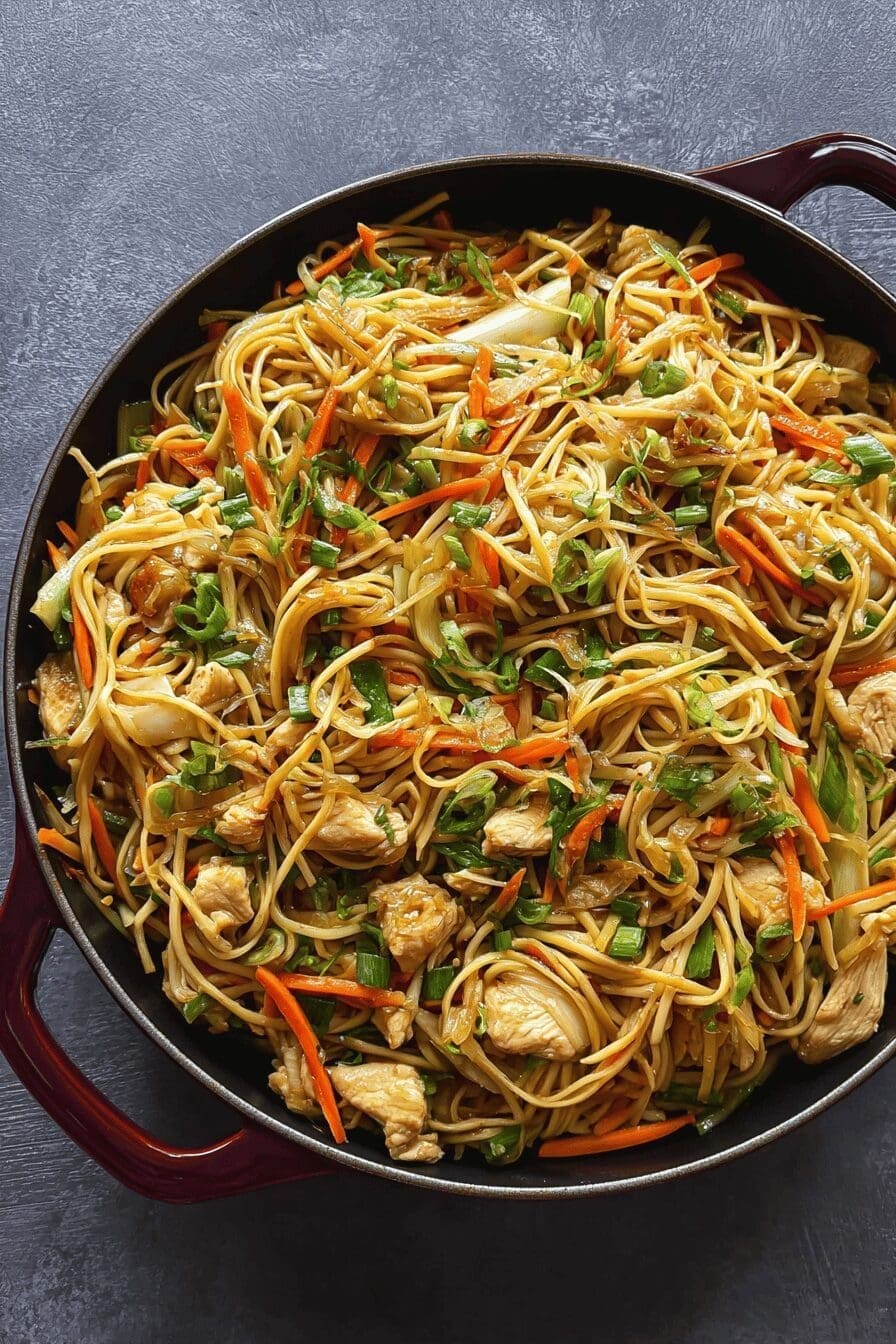
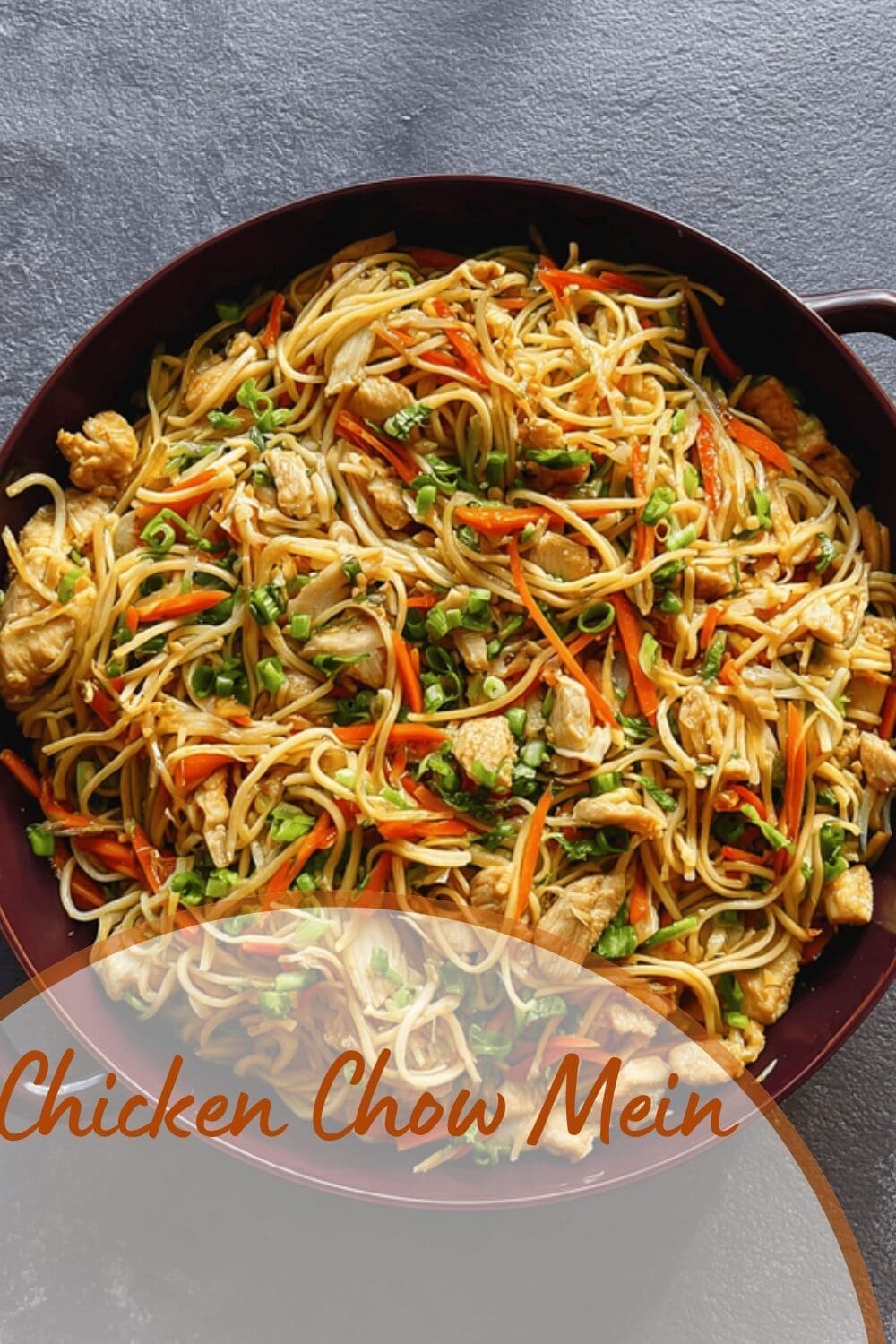
If you’re a busy parent or a working professional looking for a quick dinner that hits the spot, this Chicken Chow Mein recipe is just what you need. It’s straightforward to whip up, using everyday ingredients you likely have on hand, and it comes together in no time at all. The blend of tender chicken, crisp veggies, and savory noodles creates a meal that’s as comforting as sharing a dish at a family picnic.
One of the best parts about Chicken Chow Mein is its health perks it’s loaded with lean protein from the chicken and fiber from fresh vegetables like cabbage and carrots. This makes it a smart choice for folks watching their diet, offering a balanced mix of nutrients without skimping on flavor. Plus, it’s super versatile, so you can tweak it for different tastes or dietary needs, making it ideal for gatherings where everyone’s preferences vary.
Whether you’re a student craving something simple after classes or a food enthusiast experimenting in the kitchen, this dish brings people together. It’s perfect for potlucks or community events, aligning with the joy of sharing hearty meals that warm the soul. Imagine serving it at a church group dinner and watching it become the star of the table.
Key Features That Make It Stand Out
- Easy prep with minimal cleanup, ideal for weeknight dinners.
- Full of fresh ingredients that keep things light and nutritious.
- Adaptable for all kinds of eaters, from vegans to meat lovers.
- A flavorful twist on classic noodles that keeps everyone coming back for more.
For more ideas on quick chicken dishes, check out our Chicken and Broccoli Stir-Fry recipe, which pairs perfectly with this one for a varied meal plan.
Jump to:
- Why You’ll Love This Chicken Chow Mein
- Key Features That Make It Stand Out
- Essential Ingredients for Chicken Chow Mein
- Main Ingredients
- Chow Mein Sauce Ingredients
- How to Prepare the Perfect Chicken Chow Mein: Step-by-Step Guide
- Tips for Smooth Cooking
- Dietary Substitutions to Customize Your Chicken Chow Mein
- Mastering Chicken Chow Mein: Advanced Tips and Variations
- More Ways to Customize
- How to Store Chicken Chow Mein: Best Practices
- FAQs: Frequently Asked Questions About Chicken Chow Mein
- What can I use instead of oyster sauce in Chicken Chow Mein?
- Can I swap chicken with other meats in Chow Mein recipes?
- Is it safe to refrigerate Chicken Chow Mein, and how should I reheat it?
- Can I substitute chow mein noodles with other types of pasta like spaghetti?
- Should I use toasted sesame oil for cooking or just as a finishing touch in Chicken Chow Mein?
- Chicken Chow Mein
- Ingredients
- Instructions
- Last Step:
- Notes
- Nutrition
- Did you make this recipe?
Essential Ingredients for Chicken Chow Mein
Gathering the right ingredients is the first step to nailing this Chicken Chow Mein recipe. You’ll want fresh, quality items to bring out that authentic stir-fry taste. Let’s break down what you need, focusing on precise measurements to make shopping and cooking a breeze.
Main Ingredients
- 1 lb boneless, skinless chicken breast
- 3 tablespoons olive oil
- 12 oz uncooked chow mein noodles
- 2 cups cabbage
- 1 large carrot, julienned
- Half a bunch of green onions
- 2 garlic cloves
Chow Mein Sauce Ingredients
- 4 tablespoons oyster sauce (adjust to taste)
- 3 tablespoons granulated sugar
- 3 tablespoons light sesame oil (not toasted)
- Half a cup chicken broth
- 1 tablespoon soy sauce
- 1 tablespoon cornstarch
These ingredients form the heart of the dish, providing a mix of protein, veggies, and that signature sauce. For a deeper dive into healthy eating, consider reading about Health Benefits of Chicken, which highlights why lean proteins like this are a staple for home cooks.
How to Prepare the Perfect Chicken Chow Mein: Step-by-Step Guide
Getting Chicken Chow Mein right is all about following simple steps that anyone can manage, even if you’re new to cooking. Start by pulling together your ingredients to keep things smooth and efficient this recipe comes in at just 35 minutes total, with 15 minutes for prep and 20 for cooking. It’s a go-to for busy families or anyone hosting a quick gathering.
First, mix up the sauce by combining 4 tablespoons oyster sauce, 3 tablespoons granulated sugar, 3 tablespoons light sesame oil, 1 tablespoon soy sauce, half a cup chicken broth, and 1 tablespoon cornstarch in a bowl. Whisk it well and set it aside for later. This step builds the flavorful base that ties everything together.
Next, cook 12 oz uncooked chow mein noodles following the package directions, then drain and rinse them with cold water to stop the cooking. This keeps the noodles from getting mushy when you stir-fry. Heat 3 tablespoons olive oil in a large wok or pan over medium heat, and cut 1 lb boneless, skinless chicken breast into bite-sized strips before adding it to the pan.
Cook the chicken until it’s golden brown, then remove it and set it aside. In the same pan, add 1 large carrot (julienned), 2 cups cabbage, and 2 garlic cloves. Sauté these until the veggies soften and the cabbage turns translucent it only takes a few minutes to keep that fresh crunch.
Return the chicken to the pan, add the cooked noodles, and pour in the sauce you prepared earlier. Stir everything for about 2 minutes to let the flavors blend. Finally, garnish with chopped green onions and serve it hot. This method works great for adaptations, like swapping chicken for tofu if you’re going vegetarian.
Tips for Smooth Cooking
- Keep your wok hot to get that perfect sear on the chicken.
- Use fresh veggies for the best taste and texture.
- If you’re prepping ahead, cook noodles separately to avoid sogginess.
For another stir-fry favorite that complements this recipe, try our Sticky Chicken Vegetable Fried Rice for a fun variation.
Dietary Substitutions to Customize Your Chicken Chow Mein
Making Chicken Chow Mein your own is easy with a few swaps, whether you’re catering to dietary needs or just mixing things up. This recipe is flexible, so it’s perfect for home cooks experimenting with new ideas. For instance, if you’re aiming for a plant-based version, switch out the meat and adjust the broth accordingly.
Start with protein options: replace the 1 lb boneless, skinless chicken breast with firm tofu, tempeh, or seitan for a vegetarian twist. If you prefer other meats, use shrimp or beef slices, but remember to tweak cooking times to ensure they’re done just right. Vegetables can also vary swap the 2 cups cabbage and 1 large carrot with options like bok choy or broccoli to keep it fresh and seasonal.
For the sauce, try coconut aminos instead of the 1 tablespoon soy sauce if you need a soy-free alternative. Adding extras like chili flakes can amp up the heat, making it ideal for spice lovers. These changes help keep the dish accessible for everyone, from newlyweds starting their kitchen adventures to seniors looking for light meals.
The beauty of this recipe lies in its adaptability, ensuring that no matter your preferences, you can enjoy a delicious, homemade meal that fits your lifestyle.
Mastering Chicken Chow Mein: Advanced Tips and Variations
Once you’re comfortable with the basics, take your Chicken Chow Mein to the next level with some pro tips. Using a hot wok helps achieve that smoky flavor called wok hei, so crank up the heat and stir-fry in small batches for even cooking. This ensures your 1 lb chicken breast strips are tender and packed with flavor.
Experiment with flavors by swapping in hoisin sauce for the 4 tablespoons oyster sauce, or add ginger for an extra kick. Presentation matters too top your dish with toasted sesame seeds and fresh herbs to make it look as good as it tastes. If you’re short on time, prep the noodles and chicken ahead and combine them right before serving.
These tweaks make the recipe even more versatile for food enthusiasts or community organizers planning events. Remember, light sesame oil from the sauce should be used as a finish, not for cooking, to preserve its nutty taste. Overall, these ideas turn a simple meal into something special for gatherings.
More Ways to Customize
| Variation | Benefit |
|---|---|
| Add chili flakes | Boosts heat and aroma |
| Use hoisin sauce | Creates a sweeter profile |
| Include extra veggies | Increases nutrition and crunch |
How to Store Chicken Chow Mein: Best Practices
Storing leftovers of your Chicken Chow Mein keeps it fresh for another day, which is handy for busy parents or working pros. Pop it in the fridge in an airtight container, and it’ll stay good for up to 3 days. This way, you can enjoy a quick reheated meal without much fuss.
For longer storage, freeze portions in freezer-safe containers for up to a month. When you’re ready to eat, thaw it overnight in the fridge and reheat gently in a pan or microwave. Adding a bit of soy sauce during reheating can refresh the flavors and keep things moist.
Meal prep is a game-changer here cook the noodles and protein separately to avoid sogginess, making it easy for travelers or those packing lunches. The recipe reheats well, so it’s perfect for next-day consumption at picnics or community events.
FAQs: Frequently Asked Questions About Chicken Chow Mein
What can I use instead of oyster sauce in Chicken Chow Mein?
If you don’t have oyster sauce, you can replace it with hoisin sauce for a similar sweetness and depth. Another option is mixing soy sauce with a small amount of brown sugar to mimic the sweet and savory flavor. Teriyaki sauce also works as a substitute, though it will add a slightly different taste. These alternatives maintain the dish’s characteristic umami without significantly altering the texture.
Can I swap chicken with other meats in Chow Mein recipes?
Yes, you can replace chicken with beef, pork, shrimp, or tofu depending on your preference. Each protein pairs well with the savory sauce and vegetables in Chow Mein. Just adjust the cooking time to ensure the meat is fully cooked and tender. For example, beef should be sliced thinly for quick stir-frying, while shrimp cooks faster and should be added near the end.
Is it safe to refrigerate Chicken Chow Mein, and how should I reheat it?
Chicken Chow Mein can be safely stored in the refrigerator for up to 3-4 days. Place it in an airtight container to maintain freshness. To reheat, use a microwave or stovetop pan over medium heat, stirring occasionally to heat evenly. Adding a splash of soy sauce or a few drops of sesame oil while reheating can help restore moisture and flavor.
Can I substitute chow mein noodles with other types of pasta like spaghetti?
While spaghetti can be used if chow mein noodles aren’t available, the texture and taste will differ. Chow mein noodles are thinner and have a lighter, chewier texture suited for stir-frying. If substituting, try to use thin egg noodles or linguine to get closer to the original. It’s important to cook the pasta until just al dente to avoid mushiness when stir-frying.
Should I use toasted sesame oil for cooking or just as a finishing touch in Chicken Chow Mein?
Toasted sesame oil is best used as a finishing oil because it has a strong flavor and does not tolerate high heat well. For stir-frying, use a neutral oil like vegetable or canola oil to avoid burning. After cooking, drizzle a small amount of toasted sesame oil over the dish to add a rich, nutty aroma that complements the flavors of Chicken Chow Mein.

Chicken Chow Mein
🍜 This Chicken Chow Mein recipe is loaded with tender chicken, crisp vegetables, and perfectly cooked noodles for a flavorful and satisfying dish.
🥢 The simple yet delicious sauce ties all the ingredients together, making it an easy meal that captures classic Asian flavors.
- Total Time: 35 minutes
- Yield: 8 servings
Ingredients
– 1 lb boneless, skinless chicken breast
– 3 tablespoons olive oil
– 12 oz uncooked chow mein noodles
– 2 cups cabbage
– 1 large carrot, julienned
– Half a bunch of green onions
– 2 garlic cloves
– 4 tablespoons oyster sauce (adjust to taste)
– 3 tablespoons granulated sugar
– 3 tablespoons light sesame oil (not toasted)
– Half a cup chicken broth
– 1 tablespoon soy sauce
– 1 tablespoon cornstarch
Instructions
1-First, mix up the sauce by combining 4 tablespoons oyster sauce, 3 tablespoons granulated sugar, 3 tablespoons light sesame oil, 1 tablespoon soy sauce, half a cup chicken broth, and 1 tablespoon cornstarch in a bowl. Whisk it well and set it aside for later. This step builds the flavorful base that ties everything together.
2-Next, cook 12 oz uncooked chow mein noodles following the package directions, then drain and rinse them with cold water to stop the cooking. This keeps the noodles from getting mushy when you stir-fry. Heat 3 tablespoons olive oil in a large wok or pan over medium heat, and cut 1 lb boneless, skinless chicken breast into bite-sized strips before adding it to the pan.
3-Cook the chicken until it’s golden brown, then remove it and set it aside. In the same pan, add 1 large carrot (julienned), 2 cups cabbage, and 2 garlic cloves. Sauté these until the veggies soften and the cabbage turns translucent it only takes a few minutes to keep that fresh crunch.
4-Return the chicken to the pan, add the cooked noodles, and pour in the sauce you prepared earlier. Stir everything for about 2 minutes to let the flavors blend. Finally, garnish with chopped green onions and serve it hot. This method works great for adaptations, like swapping chicken for tofu if you’re going vegetarian.
Last Step:
Please leave a rating and comment letting us know how you liked this recipe! This helps our business to thrive and continue providing free, high-quality recipes for you.Notes
🍗 Use good-quality chicken breasts sliced into strips for best texture.
🥦 Substitute or add veggies like bok choy, celery, broccoli, spinach, kale, or baby corn for variety.
🌱 Vegetarians can swap chicken broth for vegetable broth and chicken for baked tofu cubes.
🛢️ Use light sesame oil only as a finishing drizzle; avoid cooking with it.
🧂 Adjust oyster sauce quantity based on the saltiness of soy sauce used.
- Prep Time: 15 minutes
- Cook Time: 20 minutes
- Category: Main Dish
- Method: Stir-Frying
- Cuisine: Chinese
- Diet: High-Protein
Nutrition
- Serving Size: 1 serving
- Calories: 340
- Sugar: 3 g
- Sodium: 500 mg
- Fat: 13 g
- Saturated Fat: 1 g
- Trans Fat: 0 g
- Carbohydrates: 36 g
- Fiber: 3 g
- Protein: 19 g
- Cholesterol: 36 mg


