Why You’ll Love This Carve Turkey
Learning how to carve turkey can transform your holiday meals and everyday gatherings into effortless successes. Carving turkey is simple, especially with this guide that breaks down the process into clear steps, making it accessible for home cooks and busy parents alike. You’ll find that this method not only saves time but also ensures every slice is juicy and full of flavor, perfect for community events and family dinners on your blog.
- Ease of preparation: Carving turkey stands out for its straightforward steps that take just about 20 minutes after roasting, letting you focus on sharing food with community without hassle. Proper mise en place, like having your tools ready, makes the process quick and stress-free, ideal for busy schedules. This simple turkey carving guide helps even beginners get it right every time, enhancing your ability to serve a crowd effortlessly.
- Health benefits: This carve turkey option offers excellent nutritional advantages, providing lean protein that supports wellness with vitamins like A and C from garnishes. Each serving packs about 96 calories and 1 gram of protein, making it a smart choice for diet-conscious individuals and seniors looking to maintain balanced meals. Plus, slicing against the grain keeps the meat tender, adding to the overall health appeal of how to carve a turkey.
- Versatility: Carve turkey adapts easily to different dietary needs, from portioning for small families to scaling up for church groups and potlucks. You can adjust for various preferences, like using it in salads or casseroles, which makes it a flexible recipe for travelers and working professionals. This step by step turkey carving instructions ensures the technique works for everything from a simple family dinner to large gatherings.
- Distinctive flavor: The unique seasoning and aromatics, such as fresh herbs and lemon, give carve turkey a standout texture and taste that elevates your meals. Keeping the skin intact preserves moisture and adds a crispy element, making each bite memorable for food enthusiasts. By following this simple turkey carving guide, you can highlight these flavors, creating dishes that bring people together around shared tables.
Jump to:
- Why You’ll Love This Carve Turkey
- Essential Ingredients for Carve Turkey
- How to Prepare the Perfect Carve Turkey: Step-by-Step Guide
- Protein and Main Component Alternatives
- Vegetable, Sauce, and Seasoning Modifications
- Step-by-Step Instructions
- Mastering Carve Turkey: Advanced Tips and Variations
- How to Store Carve Turkey: Best Practices
- FAQs: Frequently Asked Questions About Carve Turkey
- How do I properly carve a cooked turkey?
- What tools do I need for carving a turkey efficiently?
- How can I keep carved turkey slices moist and warm before serving?
- What is the best way to carve a turkey breast to get uniform slices?
- Can carving a turkey be done ahead of time, and how should it be stored?
- Carve Turkey
- Ingredients
- Instructions
- Last Step:
- Notes
- Nutrition
- Did you make this recipe?
Essential Ingredients for Carve Turkey
Gathering the right ingredients is key to mastering how to carve a turkey, ensuring a delicious and visually appealing result. Below is a detailed list of everything you need, with precise measurements and a short explanation of each ingredient’s role. This setup helps with carving turkey efficiently while accommodating various dietary preferences.
- 1 whole turkey (approximately 14 pounds or 6.35 kg) – Serves as the main protein, providing juicy meat that’s perfect for carving and feeding a crowd.
- Lemon slices (as needed for garnishes) – Adds a fresh, citrusy aroma and enhances flavor, making your platter more attractive and versatile for low-calorie options.
- Fresh cranberries (as needed for garnishes) – Brings a tart, seasonal touch that boosts the dish’s visual appeal and provides vitamin C for added health benefits.
- Fresh herbs (e.g., sage and thyme, as needed for garnishes) – Infuses the turkey with aromatic flavors and can be used in gluten-free or vegan adaptations for better seasoning.
For special dietary options, consider these swaps to make carving turkey more inclusive:
- Vegan: Replace the turkey with seitan or roasted cauliflower steak (about 14 pounds equivalent) – These plant-based alternatives mimic the texture for easy carving and keep the meal meat-free.
- Gluten-free: Use fresh herbs without any processed mixes – Ensure all garnishes are from gluten-free sources to avoid cross-contamination while maintaining flavor.
- Low-calorie: Opt for minimal garnishes or use just a few lemon slices – This reduces added sugars and fats, aligning with lighter meal plans for diet-conscious individuals.
How to Prepare the Perfect Carve Turkey: Step-by-Step Guide
Carving turkey becomes straightforward with these detailed instructions, designed to help you achieve juicy, tender results every time. This guide incorporates how to carve a turkey easily, including resting, seasoning, and plating, while adapting for dietary needs like vegan swaps or low-calorie methods. Follow along to make your gatherings memorable with this simple turkey carving guide.
Protein and Main Component Alternatives
When carving turkey, you might want alternatives based on availability or diet. For instance, try a boneless turkey breast (about 5-7 pounds) for quicker prep, which suits busy parents and requires less cooking time at 350°F. Chicken can replace turkey for a similar carve technique, cooking it to 165°F and adjusting seasoning for a milder flavor that’s ideal for gluten-free diets.
Other options include duck (around 5 pounds), seitan for vegan needs, or tempeh for low-calorie meals. Each alternative needs slight tweaks, like reducing roast time by 20-30 minutes for smaller cuts, and they tie into variations of carving turkey for diverse tastes.
Vegetable, Sauce, and Seasoning Modifications
Enhance your carve turkey with seasonal veggies or different sauces to match preferences. In fall, add roasted carrots and Brussels sprouts, roasting them at 400°F for 20 minutes to complement the turkey’s flavors. For sauces, swap traditional gravy with a vegan herb sauce made from fresh herbs, which takes just 10 minutes to prepare and fits low-sodium diets.
Gluten-free seasoning blends, like a simple herb mix, can replace store-bought ones, impacting flavor by adding a fresher taste without extra calories. These modifications, such as using bold spices for an Asian-inspired twist, make turkey carving accompaniments more exciting and adaptable.
Now, let’s dive into the core steps for preparing and carving your turkey.
Step-by-Step Instructions
- First Step: Prepare the turkey by ensuring it’s fully roasted to an internal temperature of 165°F, then let it rest for 30 minutes to allow juices to redistribute for moist meat.
- Second Step: Remove the legs and thighs by slicing the skin between the leg and breast, then pull the leg outward and push up on the joint until it pops before cutting around the joint to detach.
- Third Step: Remove the breasts by slicing down both sides of the breastbone in long, smooth strokes, gently pulling the breast outward as you cut until it’s fully removed; adapt for low-calorie by using less oil in roasting.
- Fourth Step: Remove the wings by pulling them away from the body and slicing through the joint, then set aside wing tips for stock if you’re making a vegan version with vegetable broth.
- Fifth Step: Separate the drumstick from the thigh by placing the piece skin-side down and slicing through the natural joint line, pulling back the drumstick to expose the joint before cutting.
- Sixth Step: Debone the thigh by carefully cutting around the thigh bone to preserve the meat, which can be adjusted for gluten-free by avoiding any flour-based coatings.
- Seventh Step: Slice all meat pieces against the grain for tenderness, keeping the skin intact where possible, and for vegan adaptations, apply the same technique to alternatives like seitan.
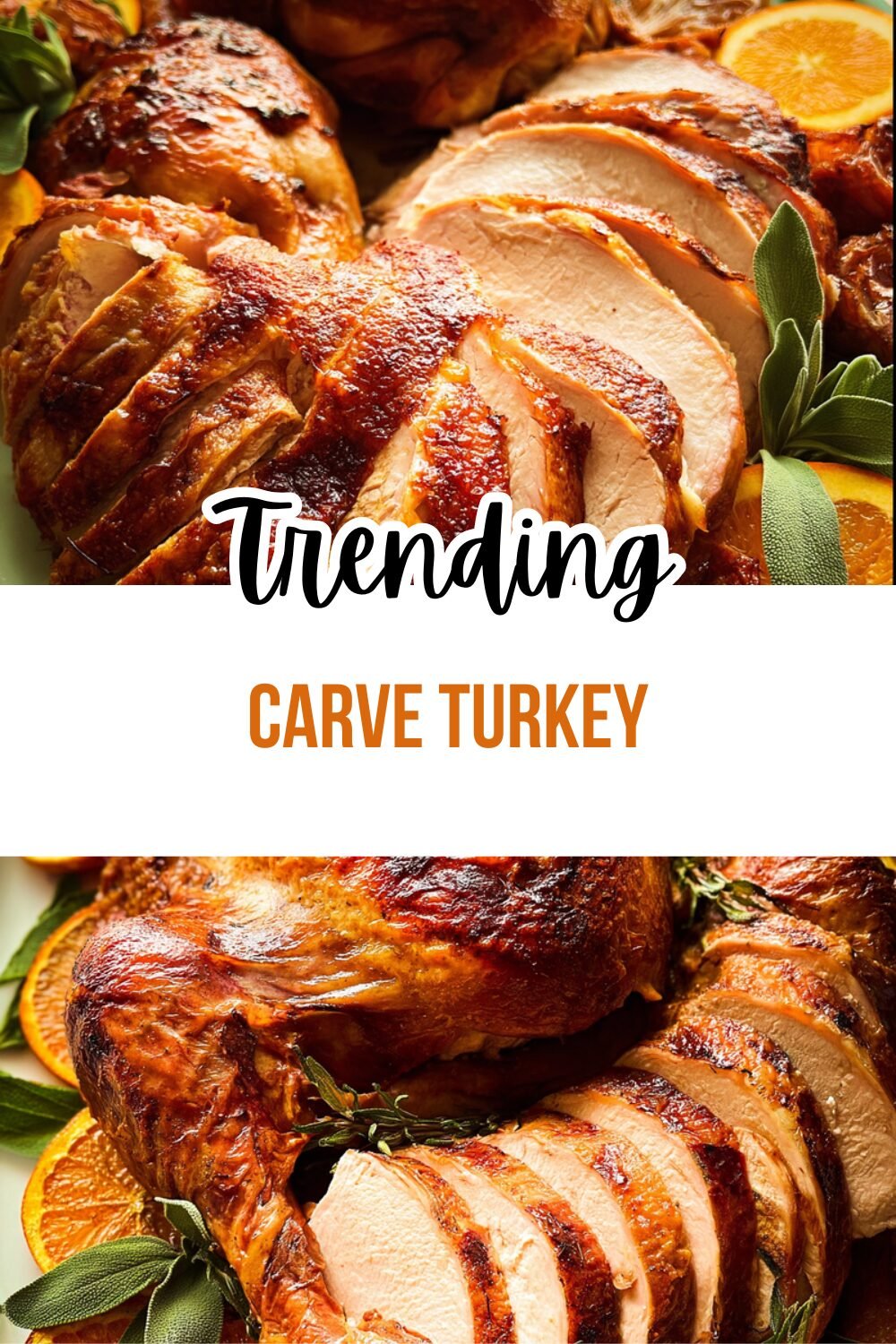
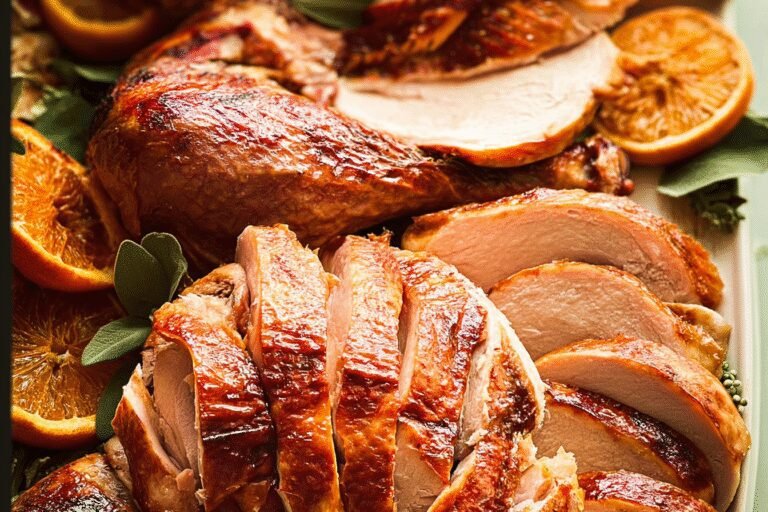
- Final Step: Arrange the slices on a platter with garnishes like fresh herbs and lemon wedges, then serve immediately to maintain juiciness, ensuring all side dishes are ready for a complete, diet-friendly meal.
Throughout, monitor timing and temperatures, such as resting for 30 minutes, to keep everything optimal. For example, try oven-baked chicken legs as a similar protein for practice, which ties into carving techniques on your site.
Mastering Carve Turkey: Advanced Tips and Variations
Taking your skills in carving turkey to the next level involves pro techniques that improve texture and flavor. For instance, try the reverse sear method, where you cook the turkey low and slow before finishing at high heat, ensuring even juiciness for up to 2 hours total. Flavor variations like Mediterranean herbs can swap basic seasonings, adding a fresh twist that pairs well with community gatherings.
Presentation tips include carving in a specific order, starting with breasts for the most appealing layout, and using garnishes for a festive look. For make-ahead options, brine the turkey a day ahead to enhance moisture, or prep sauces in advance to save time on busy days, adjusting internal temperatures to 165°F as needed.
How to Store Carve Turkey: Best Practices
Proper storage keeps your carved turkey fresh and safe for leftovers. For refrigeration, cool the meat quickly and store it in shallow airtight containers at 40°F or below for up to 4 days, which is great for meal prep. Freezing works for longer storage, portioning the turkey into freezer-safe bags and thawing in the fridge overnight before use.
When reheating, use a gentle oven method at 325°F, covered to retain moisture, until it reaches 165°F internally. These practices help with batch cooking and portioning for working professionals, linking back to how storage enhances carving turkey routines.
FAQs: Frequently Asked Questions About Carve Turkey
How do I properly carve a cooked turkey?
To carve a cooked turkey, start by placing the bird on a stable cutting board. Remove the legs by slicing through the joint connecting them to the body. Next, separate the drumsticks from the thighs. Then, slice the breast meat by cutting parallel to the breastbone into even, thin slices. Finally, carve the wings if desired. Use a sharp carving knife to make clean cuts, and allow the turkey to rest for at least 20 minutes after roasting to keep the meat juicy and easier to carve.
What tools do I need for carving a turkey efficiently?
The essential tools for carving a turkey include a sharp carving knife, a carving fork to hold the bird steady, and a cutting board with grooves to catch juices. A serrated knife can help if the skin is particularly tough. Having paper towels nearby is useful for wiping the knife between cuts for cleaner slices. These tools make carving smoother and safer.
How can I keep carved turkey slices moist and warm before serving?
To keep turkey slices moist and warm, arrange the slices loosely on a warm platter and cover them with foil. Alternatively, place the platter in a low-temperature oven (around 200°F or 93°C) for up to 20 minutes. Adding a small amount of warm broth or pan drippings over the slices helps prevent drying out. Avoid covering the turkey tightly with foil as this can cause sogginess.
What is the best way to carve a turkey breast to get uniform slices?
For uniform turkey breast slices, first locate the breastbone and make thin, even cuts perpendicular to it, slicing across the grain. Using a steady, smooth slicing motion, cut about ¼-inch thick pieces. Keeping the knife angle consistent helps maintain uniform thickness, which improves presentation and even reheating.
Can carving a turkey be done ahead of time, and how should it be stored?
Yes, you can carve a turkey ahead of time. After carving, place the slices in an airtight container or wrap tightly with plastic wrap to prevent drying. Store in the refrigerator for up to 3-4 days. When ready to serve, reheat gently in the oven with a bit of broth to keep the meat moist. This method saves time on serving day and helps with portion control.
Carve Turkey
🦃 Learn how to carve a turkey easily with simple step-by-step instructions that result in juicy and beautifully presented slices.
🍽️ Impress your guests and enjoy your meal more by mastering the technique of carving your turkey like a pro.
- Total Time: 50 minutes
- Yield: 8–10 servings 1x
Ingredients
1 whole turkey (approximately 14 pounds or 6.35 kg) Serves as the main protein
Lemon slices as needed for garnishes Adds a fresh, citrusy aroma and enhances flavor
Fresh cranberries as needed for garnishes Brings a tart, seasonal touch and provides vitamin C
Fresh herbs (e.g., sage and thyme, as needed for garnishes) Infuses the turkey with aromatic flavors
Instructions
1-First Step: Prepare the turkey by ensuring it’s fully roasted to an internal temperature of 165°F, then let it rest for 30 minutes to allow juices to redistribute for moist meat.
2-Second Step: Remove the legs and thighs by slicing the skin between the leg and breast, then pull the leg outward and push up on the joint until it pops before cutting around the joint to detach.
3-Third Step: Remove the breasts by slicing down both sides of the breastbone in long, smooth strokes, gently pulling the breast outward as you cut until it’s fully removed; adapt for low-calorie by using less oil in roasting.
4-Fourth Step: Remove the wings by pulling them away from the body and slicing through the joint, then set aside wing tips for stock if you’re making a vegan version with vegetable broth.
5-Fifth Step: Separate the drumstick from the thigh by placing the piece skin-side down and slicing through the natural joint line, pulling back the drumstick to expose the joint before cutting.
6-Sixth Step: Debone the thigh by carefully cutting around the thigh bone to preserve the meat, which can be adjusted for gluten-free by avoiding any flour-based coatings.
7-Seventh Step: Slice all meat pieces against the grain for tenderness, keeping the skin intact where possible, and for vegan adaptations, apply the same technique to alternatives like seitan.
8-Final Step: Arrange the slices on a platter with garnishes like fresh herbs and lemon wedges, then serve immediately to maintain juiciness, ensuring all side dishes are ready for a complete, diet-friendly meal.
Last Step:
Please leave a rating and comment letting us know how you liked this recipe! This helps our business to thrive and continue providing free, high-quality recipes for you.Notes
🔪 Use a sharp chef’s knife for clean cuts and to keep skin intact.
🔪 Use a knife size appropriate to your turkey, larger for bigger birds.
⏳ Let the turkey rest after cooking to allow juices to redistribute and keep meat juicy.
- Prep Time: 20 minutes
- Resting Time: 30 minutes
- Cook Time: 0 minutes
- Category: Main Course
- Method: Roasting and Carving
- Cuisine: American
- Diet: Gluten-Free, Low Carb
Nutrition
- Serving Size: 1 serving
- Calories: 96 kcal
- Sugar: 1 g
- Sodium: 168 mg
- Fat: 10 g
- Saturated Fat: 6 g
- Unsaturated Fat: 4 g
- Trans Fat: 0 g
- Carbohydrates: 2 g
- Fiber: 1 g
- Protein: 1 g
- Cholesterol: 26 mg