

Why You’ll Love This Buttery Bubble Bread
- Ease of Preparation: Buttery bubble bread is an excellent choice for home cooks of all levels because it’s straightforward to make and requires no complicated techniques. With just a few simple steps, including mixing, rising, and baking, you can have fresh, buttery pull-apart bread ready in under three hours total, including rise times. This quick cooking time makes it perfect for busy families or last-minute gatherings.
- Health Benefits: This buttery bubble bread recipe incorporates wholesome ingredients like all-purpose flour with an option to substitute part of it with whole wheat flour, contributing dietary fiber and nutrients. The moderate amounts of protein and fats from butter and eggs provide a satisfying and nourishing option suitable for balanced meals. While indulgent in buttery flavor, you can adjust ingredients for lighter versions to align with health-conscious diets.
- Versatility: The recipe is highly adaptable, fitting a wide range of dietary needs. Whether you prefer vegan alternatives by swapping butter and eggs, need gluten-free flours, or want to control calorie intake, this pull-apart bread can be easily tailored. Its shareable format makes it suitable as dinner rolls, a side dish, or even a sweet breakfast treat with cinnamon and icing.
- Distinctive Flavor: What sets buttery bubble bread apart is its combination of rich, melted butter coating every soft dough ball, topped with a sprinkle of kosher salt for a perfect balance of salty and buttery notes. This creates a unique pull-apart texture similar to monkey bread but with a savory twist, making it an irresistible addition to any meal.
Jump to:
- Why You’ll Love This Buttery Bubble Bread
- Essential Ingredients for Buttery Bubble Bread
- Special Dietary Options
- How to Prepare the Perfect Buttery Bubble Bread: Step-by-Step Guide
- First Step: Activate the Yeast
- Second Step: Combine Wet Ingredients
- Third Step: Add Flour Gradually
- Fourth Step: Knead the Dough
- Fifth Step: First Proof
- Sixth Step: Shape Dough Balls
- Seventh Step: Coat Balls with Butter and Arrange
- Eighth Step: Second Proof
- Ninth Step: Bake to Golden Perfection
- Final Step: Finish and Serve
- Dietary Substitutions to Customize Your Buttery Bubble Bread
- Protein and Main Component Alternatives
- Vegetable, Sauce, and Seasoning Modifications
- Mastering Buttery Bubble Bread: Advanced Tips and Variations
- How to Store Buttery Bubble Bread: Best Practices
- Refrigeration
- Freezing
- Reheating
- Meal Prep Considerations
- FAQs: Frequently Asked Questions About Buttery Bubble Bread
- How do I keep buttery bubble bread soft and fresh after baking?
- Can I prepare buttery bubble bread dough in advance and refrigerate it?
- What ingredients give buttery bubble bread its soft, pull-apart texture?
- How can I make buttery bubble bread without a stand mixer?
- What are some tasty dips or toppings to serve with buttery bubble bread?
- Buttery Bubble Bread
- Ingredients
- Instructions
- Last Step:
- Notes
- Nutrition
- Did you make this recipe?
Essential Ingredients for Buttery Bubble Bread
Below is a comprehensive list of ingredients essential for making this soft, buttery, and salty pull-apart bread, complete with explanations for their roles in the recipe.
- 2 ¼ teaspoons active dry yeast (one packet) or 1 tablespoon instant yeast – Acts as the leavening agent, helping the dough rise and become fluffy.
- 1 cup warm water (110° to 115°F / 43° to 46°C) – Activates the yeast and hydrates the flour for proper dough consistency.
- ¼ cup (50 g) granulated sugar – Provides food for the yeast, aids browning, and adds slight sweetness.
- ½ cup (115 g) shortening or 1 tablespoon oil – Adds tenderness and moisture to the dough.
- 1 large egg (room temperature) – Enriches the dough, contributing protein and structure.
- ½ teaspoon kosher salt (or 1 teaspoon regular salt) – Enhances flavor and regulates yeast activity.
- 4 to 4 ½ cups (560-630 g) all-purpose flour (optionally substitute up to half with whole wheat flour) – Provides structure and body to the bread; whole wheat adds fiber and nuttiness.
- ½ cup (1 stick, 113 g) salted butter, melted (plus extra for dipping and brushing) – Creates the dish’s signature buttery taste and soft crust.
- Topping: 4 tablespoons (60 g) salted butter, melted – Used to brush the bread after baking for extra richness.
- 2 teaspoons kosher salt (adjust to taste) – Sprinkled on top for a perfect salty finish.
Special Dietary Options
- Vegan: Replace butter with plant-based margarine or coconut oil and substitute the egg with a flaxseed or chia egg replacer for binding.
- Gluten-Free: Use a gluten-free all-purpose flour blend formulated for breads to maintain similar texture and rise.
- Low-Calorie: Reduce butter amounts and use light oil alternatives; consider a sugar substitute fit for baking to lower overall calories.
| Ingredient | Quantity | Purpose |
|---|---|---|
| Active Dry Yeast | 2 ¼ teaspoons (one packet) | Leavens the dough for a light, airy texture |
| Warm Water | 1 cup | Activates yeast and hydrates flour |
| Granulated Sugar | ¼ cup (50 g) | Feeds yeast and adds mild sweetness |
| Shortening or Oil | ½ cup (115 g) or 1 tablespoon oil | Softens dough, adds moisture |
| Egg | 1 large | Provides structure and richness |
| Kosher Salt | ½ teaspoon (or 1 teaspoon regular salt) | Balances flavor and controls yeast |
| All-Purpose Flour (with optional Whole Wheat) | 4 to 4 ½ cups (560-630 g) | Forms dough structure and texture |
| Salted Butter (melted) | ½ cup plus 4 tablespoons for topping | Buttery flavor and crust richness |
| Kosher Salt (topping) | 2 teaspoons | Final flavor enhancement |
How to Prepare the Perfect Buttery Bubble Bread: Step-by-Step Guide
First Step: Activate the Yeast
Begin by dissolving 2 ¼ teaspoons active dry yeast or 1 tablespoon instant yeast in 1 cup of warm water heated to between 110° and 115°F (43° to 46°C). Add ¼ cup granulated sugar to the mixture and let it rest for about 5 minutes until it’s foamy and bubbly. This activation step ensures the yeast is alive and ready to leaven the dough effectively.
Second Step: Combine Wet Ingredients
In a large mixing bowl or the bowl of a stand mixer fitted with a dough hook, combine the yeast mixture with ½ cup shortening or 1 tablespoon oil, 1 large room-temperature egg, and ½ teaspoon kosher salt. Mix these ingredients on low speed to start creating a homogenous base for your dough.
Third Step: Add Flour Gradually
Slowly add 4 to 4 ½ cups all-purpose flour (or substitute up to half with whole wheat flour for added nutrition) one cup at a time while mixing on low speed. Keep adding and mixing until the dough pulls away from the sides but remains soft and slightly tacky. The dough should form a cohesive ball that’s not sticky to touch.
Fourth Step: Knead the Dough
Knead the dough with the dough hook for 5 to 6 minutes until it turns smooth and elastic. If kneading by hand, work it on a floured surface for 6 to 8 minutes. This process develops the gluten, critical for a tender crumb and proper rise. For gluten-free versions, follow the kneading instructions suited to your chosen flour blend.
Fifth Step: First Proof
Place the dough in a greased bowl, turning it over once to coat all sides with oil. Cover the bowl with a clean kitchen towel or plastic wrap and let it rise in a warm, draft-free place until doubled in size, about 1 hour. Optimal proofing conditions make the bread soft and fluffy.
Sixth Step: Shape Dough Balls
After the first rise, punch down the dough gently to release air. Divide into 24 to 30 equal pieces, each about 1½ inches in diameter. Roll each piece into a smooth ball by cupping your hand and rolling gently to eliminate folds, ensuring even shaping for uniform baking.
Seventh Step: Coat Balls with Butter and Arrange
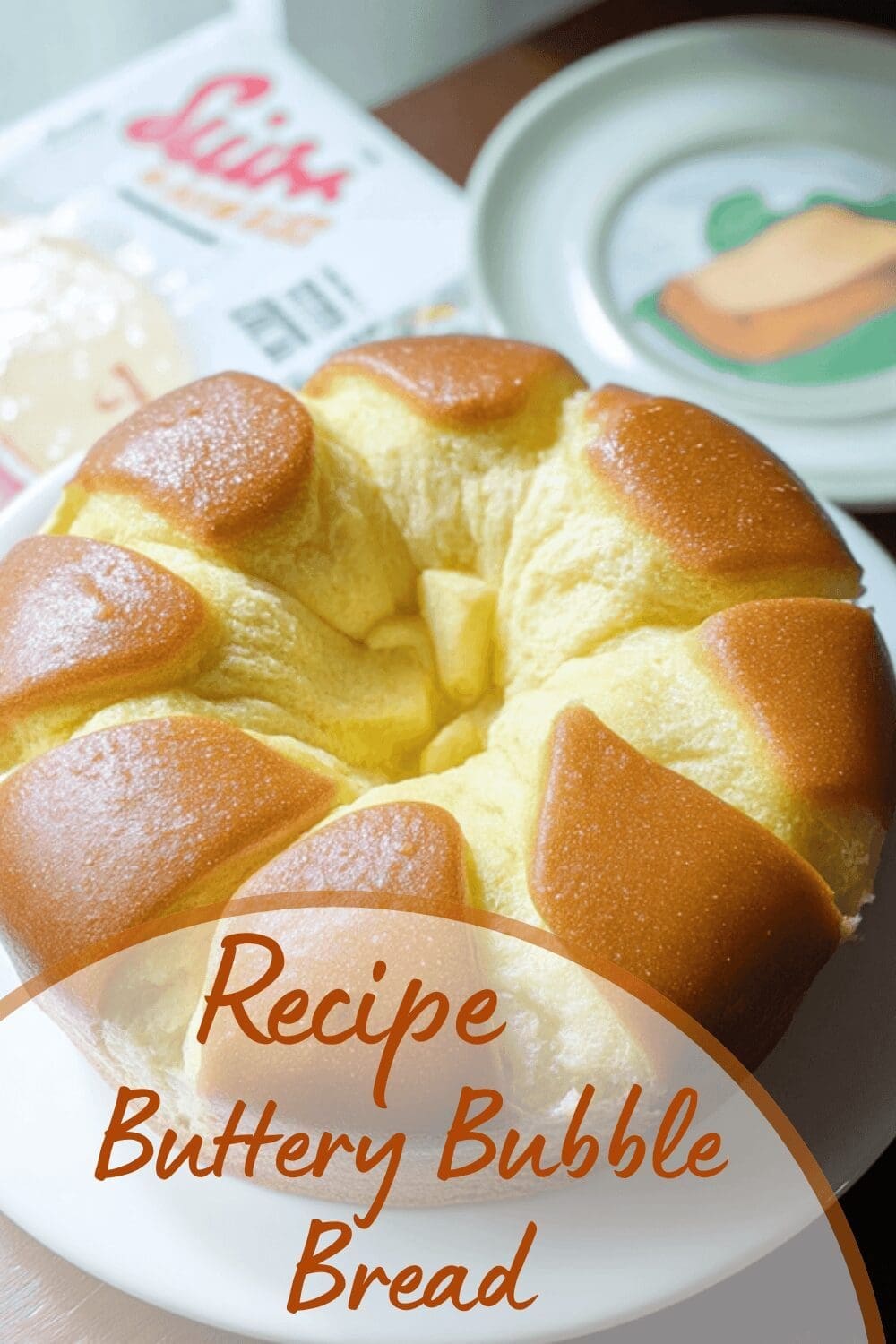
Melt ½ cup (1 stick) salted butter. Dip each dough ball into this melted butter and place them evenly into a well-greased 9-inch bundt or fluted tube pan. Once all balls are arranged, pour any leftover melted butter over the top to guarantee rich buttery flavor throughout.
Eighth Step: Second Proof
Cover the pan with plastic wrap or a clean towel and allow the dough balls to rise again for approximately 45 minutes until doubled. This step creates the distinctive pull-apart effect of buttery bubble bread.
Ninth Step: Bake to Golden Perfection
Preheat your oven to 350°F (175°C). Bake the bread for 25 to 30 minutes or until the top is golden brown and the bread sounds hollow when tapped. This final baking step sets the texture and locks in buttery flavor.
Final Step: Finish and Serve
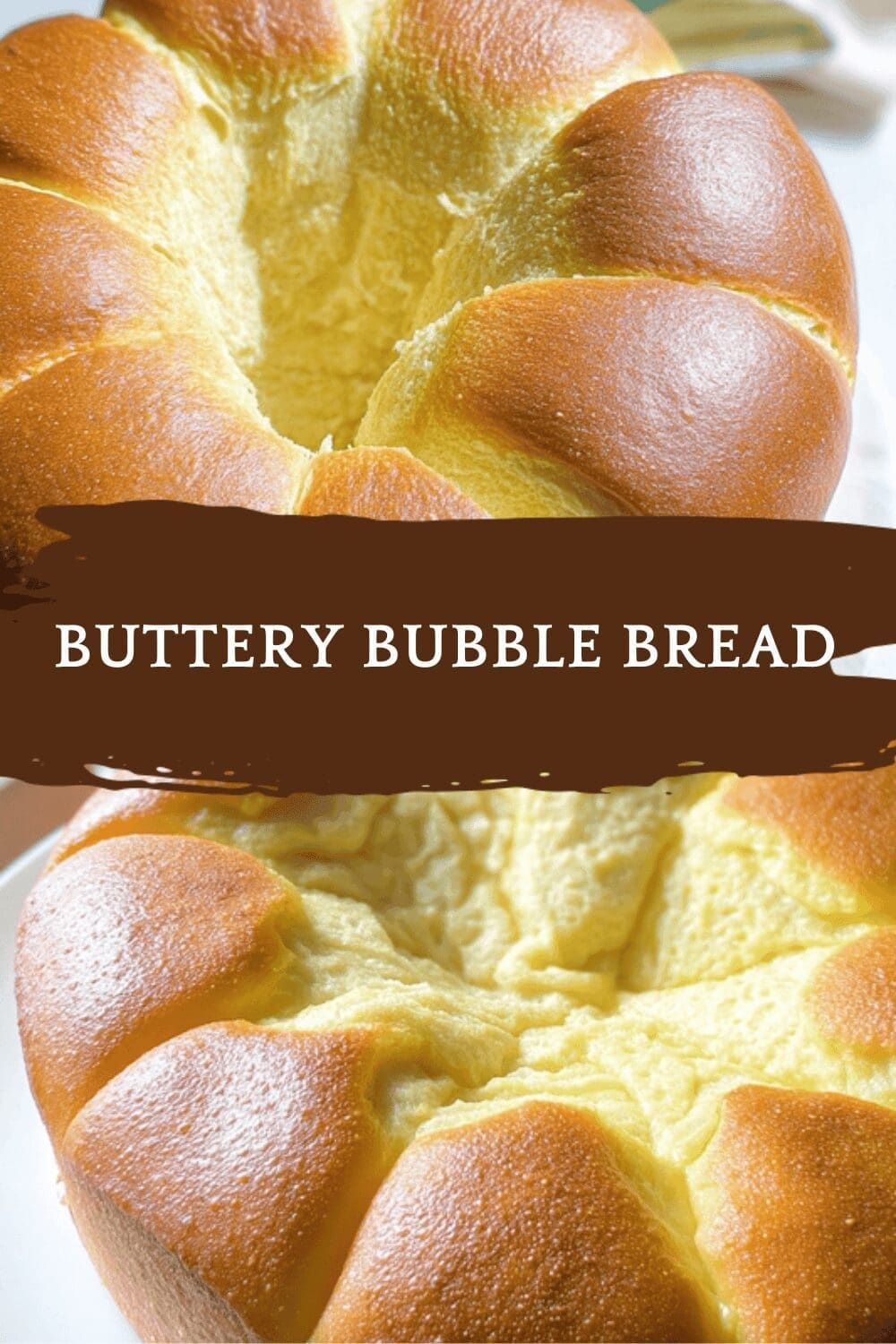
Immediately after baking, brush the bread generously with 4 tablespoons of melted butter to enhance flavor and keep the crust tender. Invert the pan onto a serving plate, sprinkle with 2 teaspoons kosher salt (or to taste), and serve warm. For variations, consider sprinkling herbs or adding cinnamon sugar before serving. This buttery bubble bread pairs beautifully with hearty meals, dips, and spreads.
For those interested in more creative bread recipes with unique flavors, check out the Dill Pickle Bread recipe for another crowd-pleaser.
Dietary Substitutions to Customize Your Buttery Bubble Bread
Protein and Main Component Alternatives
Adapting the main protein or fat components in buttery bubble bread allows you to cater to dietary restrictions and preferences:
- Butter: Swap salted butter with coconut oil or vegan butter substitutes to make the bread dairy-free while preserving moisture and richness.
- Egg: Replace the large egg with a flaxseed or chia egg substitute (1 tablespoon ground seeds mixed with 3 tablespoons water) for binding in vegan baking.
- Flour: Integrate alternative flours like almond or chickpea flour partially to boost protein content, or fully switch to gluten-free flour blends designed for bread baking.
Vegetable, Sauce, and Seasoning Modifications
Customize the flavor profile of your buttery bubble bread by experimenting with the following:
- Vegetables: Incorporate finely chopped roasted garlic or caramelized onions between dough layers for savory depth.
- Seasonings: Replace kosher salt topping with herb blends such as rosemary, thyme, or smoked paprika to add aromatic complexity.
- Sauces and Spreads: Serve with plant-based sauces like vegan cheese dips, marinara, or ranch dressing for added flavor and to accommodate different diets.
These substitutions maintain the essence of buttery bubble bread while broadening its appeal and tailoring it to individual tastes or seasonal ingredients.
Mastering Buttery Bubble Bread: Advanced Tips and Variations
- Pro Cooking Techniques: Use a stand mixer with a dough hook to knead the dough more thoroughly, developing strong gluten strands for an even lighter texture. For a crisp crust, add a small pan of water to the oven to create steam during the first 10 minutes of baking.
- Flavor Variations: Experiment by folding fresh or dried herbs like thyme, oregano, or chives into the dough. Incorporate garlic butter swirled between layers or top the bread with a sprinkle of Parmesan cheese before baking for an extra savory touch.
- Presentation Tips: Serve the bread family-style in a cast-iron skillet or decorative bundt pan to showcase its pull-apart design. Garnish with fresh herbs or a sprinkle of flaky sea salt immediately before serving for visual appeal and flavor enhancement.
- Make-Ahead Options: For busy schedules, prepare the shaped dough balls the night before and refrigerate them covered in the bundt pan. Allow a slow, cold rise overnight and bake fresh the next day, enhancing flavor and texture while saving time.
Mastering these tips will refine your buttery bubble bread baking skills and let you personalize the recipe with delightful variations to impress guests at any occasion.
How to Store Buttery Bubble Bread: Best Practices
Preserving the freshness and flavor of buttery bubble bread requires careful storage considerations:
Refrigeration
Wrap the cooled bread tightly in plastic wrap or place it inside an airtight container if you plan to consume it within three days. Refrigeration helps slow spoilage but may slightly dry the bread, so reheat properly before serving.
Freezing
For longer storage, wrap the bread tightly first in plastic wrap and then in aluminum foil to prevent freezer burn. Freeze for up to three months. Thaw at room temperature before reheating.
Reheating
Warm leftover buttery bubble bread in a preheated oven at 300°F (150°C) for 10-15 minutes or microwave in short bursts to restore softness and buttery aroma without drying out the bread.
Meal Prep Considerations
Divide the bread into individual or family-sized portions before freezing to reheat only what is needed. This strategy minimizes waste and keeps the bread’s pull-apart texture intact, perfect for quick meals or snacks.
FAQs: Frequently Asked Questions About Buttery Bubble Bread
How do I keep buttery bubble bread soft and fresh after baking?
To keep buttery bubble bread soft and fresh, store it in an airtight container or resealable plastic bag at room temperature for up to two days. Avoid refrigeration, as it can dry out the bread. When ready to eat, reheat the bread in a microwave for 10-15 seconds or in an oven at 300°F (150°C) for 5-7 minutes to restore softness and warmth.
Can I prepare buttery bubble bread dough in advance and refrigerate it?
Yes, you can prepare the dough ahead of time and refrigerate it overnight. After kneading, place the dough in a greased bowl, cover it tightly with plastic wrap, and refrigerate. The cold fermentation will slow the rising process, enhancing flavor. Before shaping, allow the dough to come to room temperature and complete the final rise as usual.
What ingredients give buttery bubble bread its soft, pull-apart texture?
The soft, pull-apart texture comes from using enriched dough ingredients like butter, milk, and sometimes eggs, which add fat and moisture. Yeast provides the rise and airiness, while sufficient kneading develops gluten strands for structure. Brushing melted butter on dough pieces before baking also helps create a tender crust and rich flavor.
How can I make buttery bubble bread without a stand mixer?
Making buttery bubble bread by hand is easy. Use a large bowl and wooden spoon to mix the ingredients until the dough starts to come together. Then, knead the dough on a lightly floured surface for about 8-10 minutes until it becomes smooth and elastic. The dough should be slightly tacky but not sticky. Proceed with rising and shaping as directed.
What are some tasty dips or toppings to serve with buttery bubble bread?
Buttery bubble bread pairs well with a variety of dips such as marinara sauce, garlic butter, ranch dressing, or honey mustard. You can also sprinkle shredded cheese on top before baking or add herbs like rosemary or parsley for extra flavor. For a sweet twist, try a cinnamon sugar glaze or serve it alongside jam or fruit preserves.

Buttery Bubble Bread
🍞 Soft and buttery pull-apart bread that’s perfect for sharing at any dinner table.
🥖 Its simple preparation and delightful flavor make it a must-try for special occasions or everyday meals.
- Total Time: 2 hours 40 minutes to 2 hours 50 minutes
- Yield: 24-30 servings
Ingredients
– 2 ¼ teaspoons active dry yeast for leavening
– 1 cup warm water for yeast activation
– ¼ cup granulated sugar for mild sweetness
– ½ cup shortening or 1 tablespoon oil for softening dough
– 1 large egg for structure and richness
– ½ teaspoon kosher salt for flavor balance
– 4 to 4 ½ cups all-purpose flour for dough structure
– ½ cup plus 4 tablespoons salted butter for buttery flavor
– 2 teaspoons kosher salt for final flavor
Instructions
First Step: Activate the Yeast Begin by dissolving 2 ¼ teaspoons active dry yeast or 1 tablespoon instant yeast in 1 cup of warm water heated to between 110° and 115°F (43° to 46°C). Add ¼ cup granulated sugar to the mixture and let it rest for about 5 minutes until it’s foamy and bubbly. This activation step ensures the yeast is alive and ready to leaven the dough effectively.
Second Step: Combine Wet Ingredients In a large mixing bowl or the bowl of a stand mixer fitted with a dough hook, combine the yeast mixture with ½ cup shortening or 1 tablespoon oil, 1 large room-temperature egg, and ½ teaspoon kosher salt. Mix these ingredients on low speed to start creating a homogenous base for your dough.
Third Step: Add Flour Gradually Slowly add 4 to 4 ½ cups all-purpose flour (or substitute up to half with whole wheat flour for added nutrition) one cup at a time while mixing on low speed. Keep adding and mixing until the dough pulls away from the sides but remains soft and slightly tacky. The dough should form a cohesive ball that’s not sticky to touch.
Fourth Step: Knead the Dough Knead the dough with the dough hook for 5 to 6 minutes until it turns smooth and elastic. If kneading by hand, work it on a floured surface for 6 to 8 minutes. This process develops the gluten, critical for a tender crumb and proper rise. For gluten-free versions, follow the kneading instructions suited to your chosen flour blend.
Fifth Step: First Proof Place the dough in a greased bowl, turning it over once to coat all sides with oil. Cover the bowl with a clean kitchen towel or plastic wrap and let it rise in a warm, draft-free place until doubled in size, about 1 hour. Optimal proofing conditions make the bread soft and fluffy.
Sixth Step: Shape Dough Balls After the first rise, punch down the dough gently to release air. Divide into 24 to 30 equal pieces, each about 1½ inches in diameter. Roll each piece into a smooth ball by cupping your hand and rolling gently to eliminate folds, ensuring even shaping for uniform baking.
Seventh Step: Coat Balls with Butter and Arrange Melt ½ cup (1 stick) salted butter. Dip each dough ball into this melted butter and place them evenly into a well-greased 9-inch bundt or fluted tube pan. Once all balls are arranged, pour any leftover melted butter over the top to guarantee rich buttery flavor throughout.
Eighth Step: Second Proof Cover the pan with plastic wrap or a clean towel and allow the dough balls to rise again for approximately 45 minutes until doubled. This step creates the distinctive pull-apart effect of buttery bubble bread.
Ninth Step: Bake to Golden Perfection Preheat your oven to 350°F (175°C). Bake the bread for 25 to 30 minutes or until the top is golden brown and the bread sounds hollow when tapped. This final baking step sets the texture and locks in buttery flavor.
Final Step: Finish and Serve Immediately after baking, brush the bread generously with 4 tablespoons of melted butter to enhance flavor and keep the crust tender. Invert the pan onto a serving plate, sprinkle with 2 teaspoons kosher salt (or to taste), and serve warm. For variations, consider sprinkling herbs or adding cinnamon sugar before serving. This buttery bubble bread pairs beautifully with hearty meals, dips, and spreads.
Last Step:
Please leave a rating and comment letting us know how you liked this recipe! This helps our business to thrive and continue providing free, high-quality recipes for you.Notes
🧈 Use high-quality salted butter for a richer flavor.
🌡️ Proper proofing helps achieve soft rolls; keep the dough in a warm, humid environment.
💪 If a stand mixer isn’t available, hand-kneading works just as well.
- Prep Time: 20-25 minutes
- Rise time: 1 hour 45 minutes
- Cook Time: 25-30 minutes
- Category: Bread
- Method: Baking
- Cuisine: American
- Diet: Vegetarian
Nutrition
- Serving Size: 1 ball (approx. 30g)
- Calories: 177-237
- Sugar: 7g
- Sodium: 120-320 mg
- Fat: 11g
- Saturated Fat: 4g
- Unsaturated Fat: varies
- Trans Fat: varies
- Carbohydrates: 30g
- Fiber: 1g
- Protein: 4g
- Cholesterol: 25-41 mg


This buttery bubble bread recipe was a huge hit with my family! 🥰 We had it with our Sunday brunch, and it paired perfectly with scrambled eggs and bacon. Next time, I might add a bit of garlic to the butter mixture for a little twist. Thank you for sharing such a delightful recipe!