

Why You’ll Love This Brioche Bread
- Ease of preparation: This brioche bread recipe offers a surprisingly straightforward process considering its rich ingredients. With clear steps like activating yeast, gradual butter incorporation, and an overnight refrigeration to develop flavor, it balances hands-on time efficiently. The dough’s soft, slightly sticky consistency is manageable with a mixer, making it accessible to home bakers seeking a delicious result without feeling overwhelmed.
- Health benefits: Made with wholesome components including eggs, milk, and unsalted butter, this brioche bread provides balanced nutrition. It delivers a moderate amount of protein and healthy fats, along with essential vitamins like vitamin A. Brioche also contains carbohydrates for energy, making it a satisfying choice. Though rich, consuming brioche in moderation fits well into a balanced diet. For more on nutritional benefits, see Nutritional benefits of brioche bread.
- Versatility: Brioche bread’s mild sweetness and tender crumb make it highly versatile. It can be enjoyed plain, turned into gourmet sandwiches or burgers, transformed into French toast, or served with sweet spreads. Adapting to dietary preferences is simple: substituting butter and eggs with plant-based alternatives can make it vegan-friendly, while gluten-free flour blends allow for gluten sensitivity adjustments.
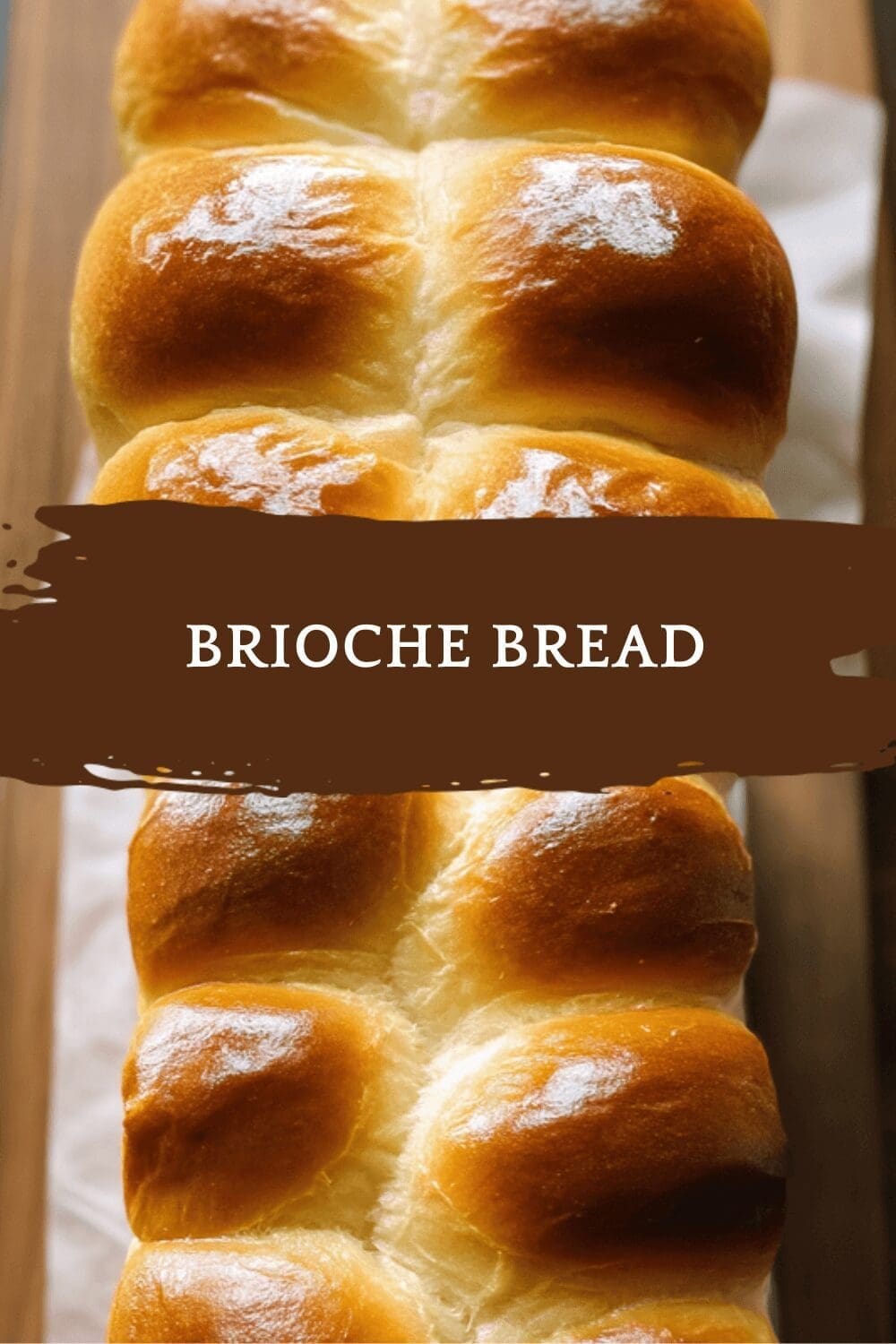
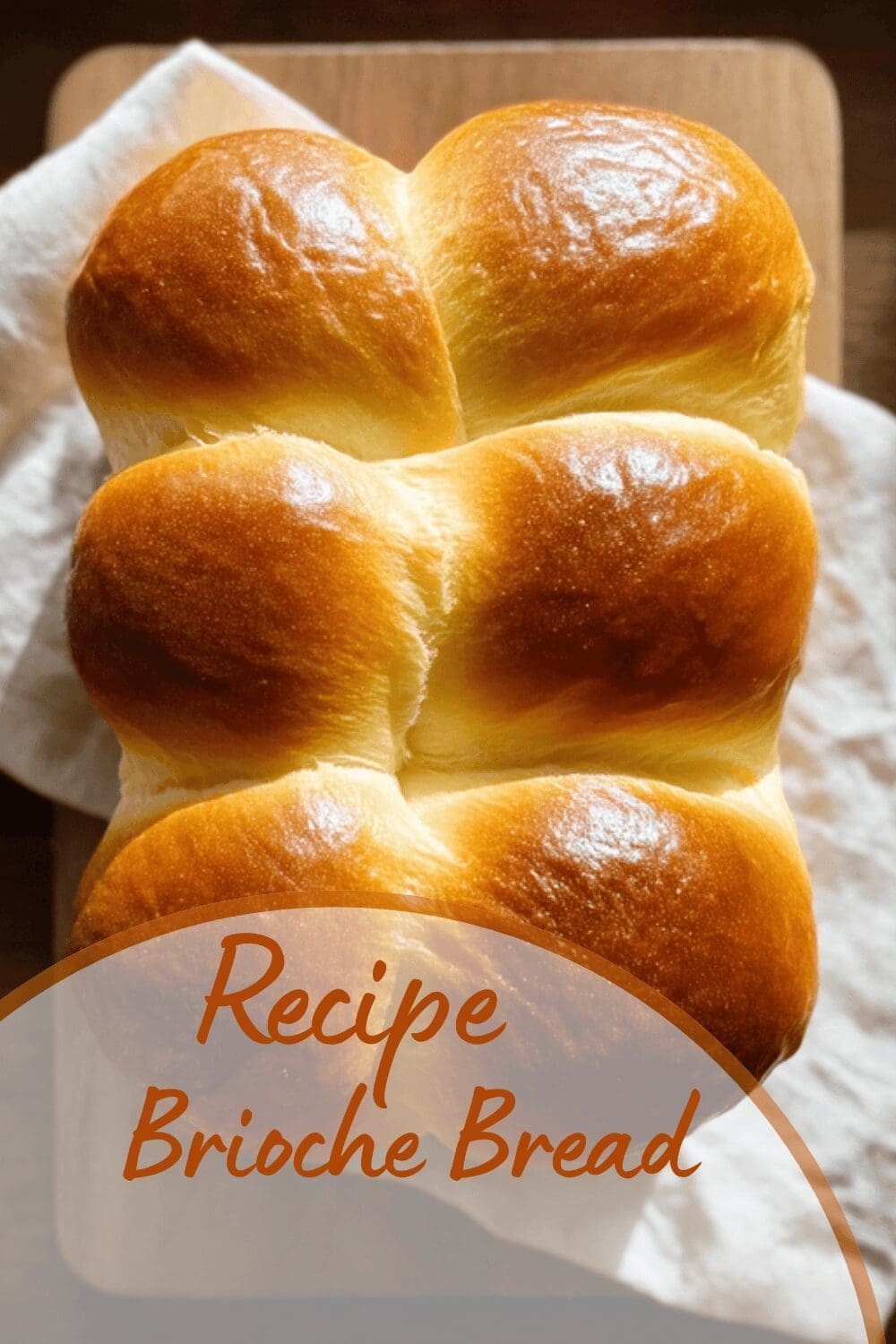
- Distinctive flavor: The luscious buttery richness combined with a subtle sweetness distinguishes this brioche bread. Its soft, pillowy texture melts in your mouth, while the golden crust brushed with egg wash adds an inviting shine and slight crispness. The well-balanced flavor profile makes it a standout bread for both everyday and special occasions.
Jump to:
- Why You’ll Love This Brioche Bread
- Essential Ingredients for Brioche Bread
- Special Dietary Options
- How to Prepare the Perfect Brioche Bread: Step-by-Step Guide
- First Step: Prepare Ingredients and Activate Yeast
- Second Step: Mix Eggs and Flour
- Third Step: Incorporate Butter Gradually
- Fourth Step: First Proofing
- Fifth Step: Refrigerate Overnight
- Sixth Step: Shape the Brioche Loaves
- Seventh Step: Preheat and Apply Egg Wash
- Final Step: Bake and Cool
- Dietary Substitutions to Customize Your Brioche Bread
- Protein and Main Component Alternatives
- Vegetable, Sauce, and Seasoning Modifications
- Mastering Brioche Bread: Advanced Tips and Variations
- How to Store Brioche Bread: Best Practices
- FAQs: Frequently Asked Questions About Brioche Bread
- Can I make brioche bread without a stand mixer?
- What causes brioche dough to be so sticky and how do I handle it?
- How do I know when brioche dough has risen enough?
- Is it possible to freeze brioche bread and how should I store it for best quality?
- Can I adjust the sweetness of brioche dough without affecting the texture?
- Brioche Bread
- Ingredients
- Instructions
- Last Step:
- Notes
- Nutrition
- Did you make this recipe?
Essential Ingredients for Brioche Bread
- 120 mL warm milk (about 110-120°F) – activates the yeast and hydrates ingredients for dough formation
- 9 g active dry yeast (or 2 ¼ teaspoons) – leavens the dough to create fluffy texture
- 10 mL honey (or 1 tablespoon granulated sugar as an alternative) – feeds yeast and adds subtle sweetness
- 5 large eggs (or 4 large eggs plus 2 egg yolks), room temperature – enriches dough, adds moisture and color
- 10 mL vanilla extract (optional but recommended for flavor) – enhances aroma and taste
- 500 g all-purpose flour (about 4 cups), plus extra for dusting – provides structure and body
- 1 ½ teaspoons fine sea salt – balances sweetness and strengthens gluten network
- 250 g unsalted butter, very soft and divided into four portions – adds richness, tenderness, and moist crumb
- 1 large egg mixed with 1 tablespoon whole milk or water (for egg wash) – produces a shiny, golden crust
Special Dietary Options
- Vegan: Replace eggs with flaxseed meal soaked in water (1 tablespoon flaxseed meal + 3 tablespoons water per egg) and use plant-based butter alternatives to keep the dough tender and flavorful.
- Gluten-free: Use a gluten-free flour blend carefully designed for yeast breads. Adjust hydration and handle the dough gently due to lack of gluten.
- Low-calorie: Substitute honey/sugar with low-calorie sweeteners like stevia. Use reduced-fat butter or a smaller butter quantity while maintaining sufficient fat for texture.
How to Prepare the Perfect Brioche Bread: Step-by-Step Guide
First Step: Prepare Ingredients and Activate Yeast
Start by ensuring all your ingredients are at room temperature, especially eggs and butter, to aid yeast activation and dough cohesion. In a bowl, combine 120 mL of warm milk (110-120°F) with 9 g of active dry yeast and 10 mL of honey or sugar. Let this mixture stand for 10 minutes until it becomes foamy, indicating the yeast is active and ready to leaven the brioche bread dough.
Second Step: Mix Eggs and Flour
Gently whisk 5 large eggs (or 4 eggs plus 2 yolks) into the yeast mixture, along with 10 mL of vanilla extract if using. In a large mixing bowl, combine 500 g of all-purpose flour, 1 ½ teaspoons fine sea salt, and more sugar if desired. Add the wet ingredients to the dry and mix until a rough dough forms, approximately 3 to 5 minutes on low speed with a dough hook. The dough will be sticky and soft, typical for a rich brioche bread.
Third Step: Incorporate Butter Gradually
Divide the soft unsalted butter (250 g) into four portions. Gradually add one portion at a time to the dough while kneading on low speed. After each addition, knead for 2-3 minutes, scraping the bowl to incorporate every bit. After all butter is added, increase the mixer speed to medium-high and continue kneading the brioche dough for 5 to 15 minutes until it becomes shiny, smooth, elastic but tacky, and pulls away cleanly from the bowl. This process builds gluten structure and integrates fat evenly, critical for the signature texture.
Fourth Step: First Proofing
Transfer the dough onto a lightly floured surface, gently fold the edges into the center, flip it over, and shape it into a smooth ball. Place the dough in a lightly greased bowl, cover it with plastic wrap or a damp towel, and let it proof in a warm, draft-free spot (ideally 72°F) for about 1 hour or until doubled in size.
Fifth Step: Refrigerate Overnight
Deflate the risen dough gently by folding edges into the center again and reshaping it into a ball. Cover tightly and refrigerate for at least 8 hours or up to 24 hours. Chilling develops flavor complexity and improves dough manageability for shaping.
Sixth Step: Shape the Brioche Loaves
Remove the dough from the fridge and divide it into two equal portions. Prepare two greased and floured loaf pans (8.5×4 or 9×5 inches). Choose your shaping method: for a classic braided loaf, divide dough into three strands, roll each to about 14 inches, braid tightly, and place in the pan. For a Nantaise loaf, divide part into smaller balls and arrange. Alternatively, shape into a simple loaf. Cover and proof again at room temperature, about 2 hours, until doubled.
Seventh Step: Preheat and Apply Egg Wash
Preheat your oven to 325°F (163°C) or 350°F (175°C) depending on your oven’s characteristics. Brush the loaves generously with the prepared egg wash (1 egg beaten with 1 tablespoon of milk or water). Optionally, sprinkle pearl sugar or granulated sugar on top. The egg wash lends a beautiful golden crust with a glossy finish.
Final Step: Bake and Cool
Bake the brioche bread for 35 to 45 minutes or until golden brown and the internal temperature reaches 190°F (88°C). If the crust browns too quickly, loosely cover with foil to prevent burning. Once baked, cool loaves on wire racks before slicing. This classic brioche bread is now ready to enjoy as a luxurious breakfast base, sandwich bread, or dessert.
Tip: For best results, use a stand mixer with a dough hook as hand kneading rich brioche dough requires more time and strength due to its sticky nature.
Dietary Substitutions to Customize Your Brioche Bread
Protein and Main Component Alternatives
- Use flaxseed meal or chia seeds soaked in water as vegan egg replacements; these provide binding and moisture similar to eggs.
- Incorporate plant-based protein powders (e.g., pea protein) to enrich the dough’s nutritional profile without affecting flavor.
Vegetable, Sauce, and Seasoning Modifications
- Substitute unsalted butter with coconut oil or vegan margarine to achieve a dairy-free brioche option with similar tenderness.
- Add flavor twists by incorporating herbs like rosemary or spices like cinnamon to the dough for unique savory or sweet effects.
- Replace some or all sugar with plant-based sweeteners such as stevia or erythritol to create a lighter, low-calorie version of brioche bread.
Mastering Brioche Bread: Advanced Tips and Variations
- Pro cooking techniques: Use cold fermentation by refrigerating dough overnight to deepen flavors and improve sweetness perception. Employ a stand mixer for even kneading and consistent gluten development.
- Flavor variations: Try adding orange or lemon zest to the dough for citrus notes. Mix in chocolate chips or toasted nuts like almonds or hazelnuts for extra richness and texture.
- Presentation tips: Serve sliced brioche with fresh fruit or a sprinkle of powdered sugar for a charming breakfast display. For gatherings, braided loaves offer an impressive visual and festive touch.
- Make-ahead options: Prepare the dough the day before, refrigerate it, then shape and bake fresh on the serving day. Alternatively, bake and freeze sliced brioche for quick toasting later.
How to Store Brioche Bread: Best Practices
Refrigeration: Store brioche bread wrapped tightly in plastic wrap or an airtight container at room temperature for 2-3 days. If refrigerated, keep it well wrapped to avoid drying but note refrigeration can dry the bread faster.
Freezing: Wrap loaves or sliced brioche tightly in plastic and aluminum foil, or vacuum seal. Freeze up to 3 months for best quality. Thaw at room temperature or toast slices directly from frozen.
Reheating: Warm brioche slices gently in an oven at 320°F (160°C) for 5-10 minutes to revive softness and flavor without drying out.
Meal prep considerations: Slice bread before freezing into individual or sandwich-sized pieces, facilitating easy thaw-and-serve portions for busy mornings or batch cooking.
FAQs: Frequently Asked Questions About Brioche Bread
Can I make brioche bread without a stand mixer?
Yes, you can make brioche bread without a stand mixer by kneading the dough by hand or using a hand mixer with dough hooks. Hand kneading requires more effort and takes about twice as long due to the dough’s high butter and egg content, which makes it sticky. Use a lightly floured surface and push the dough down and outward, folding it repeatedly until smooth and elastic.
What causes brioche dough to be so sticky and how do I handle it?
Brioche dough is naturally sticky because it contains a high amount of butter and eggs, making it softer and wetter than typical bread dough. This texture is normal and indicates a rich dough. To manage stickiness, avoid adding too much extra flour and try kneading longer to develop gluten. Chilling the dough during kneading can also help control stickiness, especially in warm kitchens.
How do I know when brioche dough has risen enough?
Brioche dough is ready when it has roughly doubled in size, usually after 1 to 2 hours of proofing at room temperature. You can test by gently pressing the dough with a fingertip—if the indentation springs back slowly and doesn’t disappear completely, the dough is properly risen and ready for the next step.
Is it possible to freeze brioche bread and how should I store it for best quality?
Yes, brioche bread freezes well. Wrap it tightly in plastic wrap and then foil or place it in an airtight container before freezing for up to three months. To thaw, leave brioche at room temperature or toast slices directly from frozen. Store fresh brioche at room temperature in an airtight container for 2-3 days to keep it soft.
Can I adjust the sweetness of brioche dough without affecting the texture?
You can make brioche dough sweeter by adding up to 120–150 grams of sugar, but adding extra sugar makes the dough softer and more slack. To balance this, reduce the amount of egg whites slightly for every 50 grams of extra sugar. Avoid exceeding the recommended sugar amount to maintain dough structure and prevent over-softening.

Brioche Bread
🍞 Indulge in the rich, buttery goodness of homemade Brioche. Perfect for uplifting your favorite sandwiches or enjoying with just a simple pat of butter.
🥐 This versatile bread is as delightful in texture as it is in flavor, making it a must-try for bakers seeking a true culinary delight.
- Total Time: 1 day 2 hours
- Yield: 2 loaves
Ingredients
– 120 mL warm milk for dough formation
– 9 g active dry yeast for fluffy texture
– 10 mL honey for subtle sweetness
– 5 large eggs for moisture and color
– 10 mL vanilla extract for flavor
– 500 g all-purpose flour for structure and body
– 1 ½ teaspoons fine sea salt
– 250 g unsalted butter
– 1 large egg mixed with 1 tablespoon whole milk for egg wash
Instructions
First Step: Prepare Ingredients and Activate Yeast
Start by ensuring all your ingredients are at room temperature, especially eggs and butter, to aid yeast activation and dough cohesion. In a bowl, combine 120 mL of warm milk (110-120°F) with 9 g of active dry yeast and 10 mL of honey or sugar. Let this mixture stand for 10 minutes until it becomes foamy, indicating the yeast is active and ready to leaven the brioche bread dough.
Second Step: Mix Eggs and Flour
Gently whisk 5 large eggs (or 4 eggs plus 2 yolks) into the yeast mixture, along with 10 mL of vanilla extract if using. In a large mixing bowl, combine 500 g of all-purpose flour, 1 ½ teaspoons fine sea salt, and more sugar if desired. Add the wet ingredients to the dry and mix until a rough dough forms, approximately 3 to 5 minutes on low speed with a dough hook. The dough will be sticky and soft, typical for a rich brioche bread.
Third Step: Incorporate Butter Gradually
Divide the soft unsalted butter (250 g) into four portions. Gradually add one portion at a time to the dough while kneading on low speed. After each addition, knead for 2-3 minutes, scraping the bowl to incorporate every bit. After all butter is added, increase the mixer speed to medium-high and continue kneading the brioche dough for 5 to 15 minutes until it becomes shiny, smooth, elastic but tacky, and pulls away cleanly from the bowl. This process builds gluten structure and integrates fat evenly, critical for the signature texture.
Fourth Step: First Proofing
Transfer the dough onto a lightly floured surface, gently fold the edges into the center, flip it over, and shape it into a smooth ball. Place the dough in a lightly greased bowl, cover it with plastic wrap or a damp towel, and let it proof in a warm, draft-free spot (ideally 72°F) for about 1 hour or until doubled in size.
Fifth Step: Refrigerate Overnight
Deflate the risen dough gently by folding edges into the center again and reshaping it into a ball. Cover tightly and refrigerate for at least 8 hours or up to 24 hours. Chilling develops flavor complexity and improves dough manageability for shaping.
Sixth Step: Shape the Brioche Loaves
Remove the dough from the fridge and divide it into two equal portions. Prepare two greased and floured loaf pans (8.5×4 or 9×5 inches). Choose your shaping method: for a classic braided loaf, divide dough into three strands, roll each to about 14 inches, braid tightly, and place in the pan. For a Nantaise loaf, divide part into smaller balls and arrange. Alternatively, shape into a simple loaf. Cover and proof again at room temperature, about 2 hours, until doubled.
Seventh Step: Preheat and Apply Egg Wash
Preheat your oven to 325°F (163°C) or 350°F (175°C) depending on your oven’s characteristics. Brush the loaves generously with the prepared egg wash (1 egg beaten with 1 tablespoon of milk or water). Optionally, sprinkle pearl sugar or granulated sugar on top. The egg wash lends a beautiful golden crust with a glossy finish.
Final Step: Bake and Cool
Bake the brioche bread for 35 to 45 minutes or until golden brown and the internal temperature reaches 190°F (88°C). If the crust browns too quickly, loosely cover with foil to prevent burning. Once baked, cool loaves on wire racks before slicing. This classic brioche bread is now ready to enjoy as a luxurious breakfast base, sandwich bread, or dessert.
Last Step:
Please leave a rating and comment letting us know how you liked this recipe! This helps our business to thrive and continue providing free, high-quality recipes for you.Notes
🌡️ Use active dry yeast for consistent results, and adjust quantities if using fresh yeast.
🧈 Ensure butter is soft but not melted to achieve the desired texture in your dough.
🍞 Overnight refrigeration of dough enhances flavor and ease of handling during shaping.
- Prep Time: 1 hour
- Chill Time: 8-24 hours
- Cook Time: 45 minutes
- Category: Bread
- Method: Baking
- Cuisine: French
- Diet: Vegetarian
Nutrition
- Serving Size: 1 slice
- Calories: 151
- Sugar: 3g
- Sodium: 130mg
- Fat: 8g
- Saturated Fat: 5g
- Unsaturated Fat: 3g
- Trans Fat: 0g
- Carbohydrates: 16g
- Fiber: 1g
- Protein: 3g
- Cholesterol: 56mg


This brioche bread recipe turned out to be amazing. I used it to make French toast, and it was a hit with my family! 😋 Thanks for sharing such a delightful recipe.