

Why You’ll Love This Beef Bulgogi
Beef Bulgogi is a Korean favorite that brings together tender slices of beef with a mix of sweet and savory flavors, making it a go-to dish for easy meals. This recipe uses thinly sliced boneless rib eye steak marinated in a blend that includes ½ small peeled and coarsely grated pear, which helps tenderize the meat while adding natural sweetness. You’ll appreciate how simple it is to prepare, especially on busy days when you want something delicious without spending hours in the kitchen.
One reason to try this Beef Bulgogi is its straightforward steps that fit into everyday routines. The steak freezes for 30 minutes to make slicing easier into ¼-inch thick pieces, then marinates for at least 2 hours or overnight for deeper taste. Total prep time is around 3 hours, but the actual cooking only takes about 15 minutes, leaving you more time to enjoy with family.
Beyond convenience, Beef Bulgogi offers a balanced mix of flavors from ingredients like reduced sodium soy sauce and gochujang, creating a dish that’s both satisfying and versatile. Whether you’re cooking for a crowd or just yourself, this recipe adapts well, as you can adjust it for different diets while keeping that authentic Korean vibe. It’s no wonder this dish has become a staple for home cooks looking for something exciting yet simple.
Benefits for Everyday Life
This Beef Bulgogi recipe shines for busy parents and working professionals because it requires minimal effort but delivers big on flavor. Imagine coming home after a long day and having a meal ready that everyone loves, packed with protein from the rib eye steak to support your energy needs. Plus, the garlic and ginger in the marinade add a boost that makes you feel good about what you’re eating.
For students or seniors, the adaptability means you can tweak it to fit your lifestyle, like using plant-based options if needed. This dish not only tastes great but also helps build those community moments your blog highlights, perfect for sharing at potlucks or family gatherings.
Jump to:
- Why You’ll Love This Beef Bulgogi
- Benefits for Everyday Life
- Essential Ingredients for Beef Bulgogi
- Special Options for Different Diets
- How to Prepare the Perfect Beef Bulgogi: Step-by-Step Guide
- Detailed Steps for Success
- Dietary Substitutions to Customize Your Beef Bulgogi
- Mastering Beef Bulgogi: Advanced Tips and Variations
- Creative Ideas for Enhancement
- How to Store Beef Bulgogi: Best Practices
- FAQs: Frequently Asked Questions About Beef Bulgogi
- What cuts of beef work best for making bulgogi?
- Can I use other fruits instead of Asian pear in the bulgogi marinade?
- What is gochujang and how does it affect the flavor of bulgogi?
- How can I cook bulgogi if I don’t have a grill or cast iron pan?
- What are traditional side dishes to serve with beef bulgogi?
- Beef Bulgogi
- Ingredients
- Instructions
- Last Step:
- Notes
- Nutrition
- Did you make this recipe?
Essential Ingredients for Beef Bulgogi
Gathering the right ingredients is key to making authentic Beef Bulgogi, and this section breaks it all down for you. Start with the main components that create the marinade’s magic, ensuring your dish turns out just right every time. Below is a structured list of all the ingredients needed, pulled directly from the recipe details for clarity.
- Boneless rib eye steak (thinly sliced into ¼-inch thick pieces after freezing for 30 minutes)
- ½ small peeled and coarsely grated pear
- ¼ cup reduced sodium soy sauce
- 2 tablespoons brown sugar
- 2 tablespoons toasted sesame oil
- 3 cloves minced garlic
- 1 tablespoon freshly grated ginger
- 1 tablespoon Korean red pepper paste (gochujang)
- 1 tablespoon vegetable oil (for cooking)
- 2 thinly sliced green onions (for garnish)
- 1 teaspoon toasted sesame seeds (for garnish)
This list covers everything required, with precise measurements to make shopping and prep easy. The pear and soy sauce form the base of the marinade, while garlic and ginger add that fresh kick many home cooks enjoy.
Special Options for Different Diets
If you’re adjusting for dietary needs, consider swaps like tamari for soy sauce to keep it gluten-free. For a full rundown on how these ingredients work together, check out our recipe for Korean-style chicken dishes that use similar flavors. Now, let’s talk about why these ingredients make Beef Bulgogi so special, like how the marinade tenderizes the meat for that perfect bite.
| Ingredient Category | Purpose | Health Note |
|---|---|---|
| Proteins (e.g., rib eye steak) | Provides the main base and flavor | Rich in protein; learn more about beef’s health benefits |
| Marinade Components (e.g., soy sauce, gochujang) | Adds depth and tenderness | Gochujang offers spice; check nutritional details for gochujang |
This table highlights how each part contributes to the dish, making it easier to understand the recipe’s balance.
How to Prepare the Perfect Beef Bulgogi: Step-by-Step Guide
Getting Beef Bulgogi right starts with prepping your ingredients, and this guide walks you through it all. Begin by freezing the boneless rib eye steak for 30 minutes to slice it thinly into ¼-inch pieces, which ensures even cooking and great texture. Once sliced, mix up the marinade with ½ small peeled and coarsely grated pear, ¼ cup reduced sodium soy sauce, and the rest for that sweet-savory blend.
Combine everything in a bowl and let the beef marinate for at least 2 hours, or overnight if you have time, to let those flavors sink in. When you’re ready, heat 1 tablespoon of vegetable oil in a pan over medium-high heat and cook the beef in batches for 2-3 minutes per side until it’s charred and done. Serve it hot, topped with 2 thinly sliced green onions and 1 teaspoon toasted sesame seeds for a finishing touch.
Detailed Steps for Success
First, prepare your ingredients by slicing the steak and grating the pear to ensure everything mixes well. In a large bowl, stir together the soy sauce, brown sugar, sesame oil, garlic, ginger, and gochujang until it forms a smooth marinade. Add the beef, coat it thoroughly, and refrigerate it covered for the best results.
Heat your pan and cook in batches to avoid steaming the meat, which keeps it tender and flavorful. For variations, if you’re into other Asian-inspired meals, try our guide on Mongolian beef recipes for more ideas. The total time is about 3 hours including marinating, but the quick 15-minute cook makes it worth it.
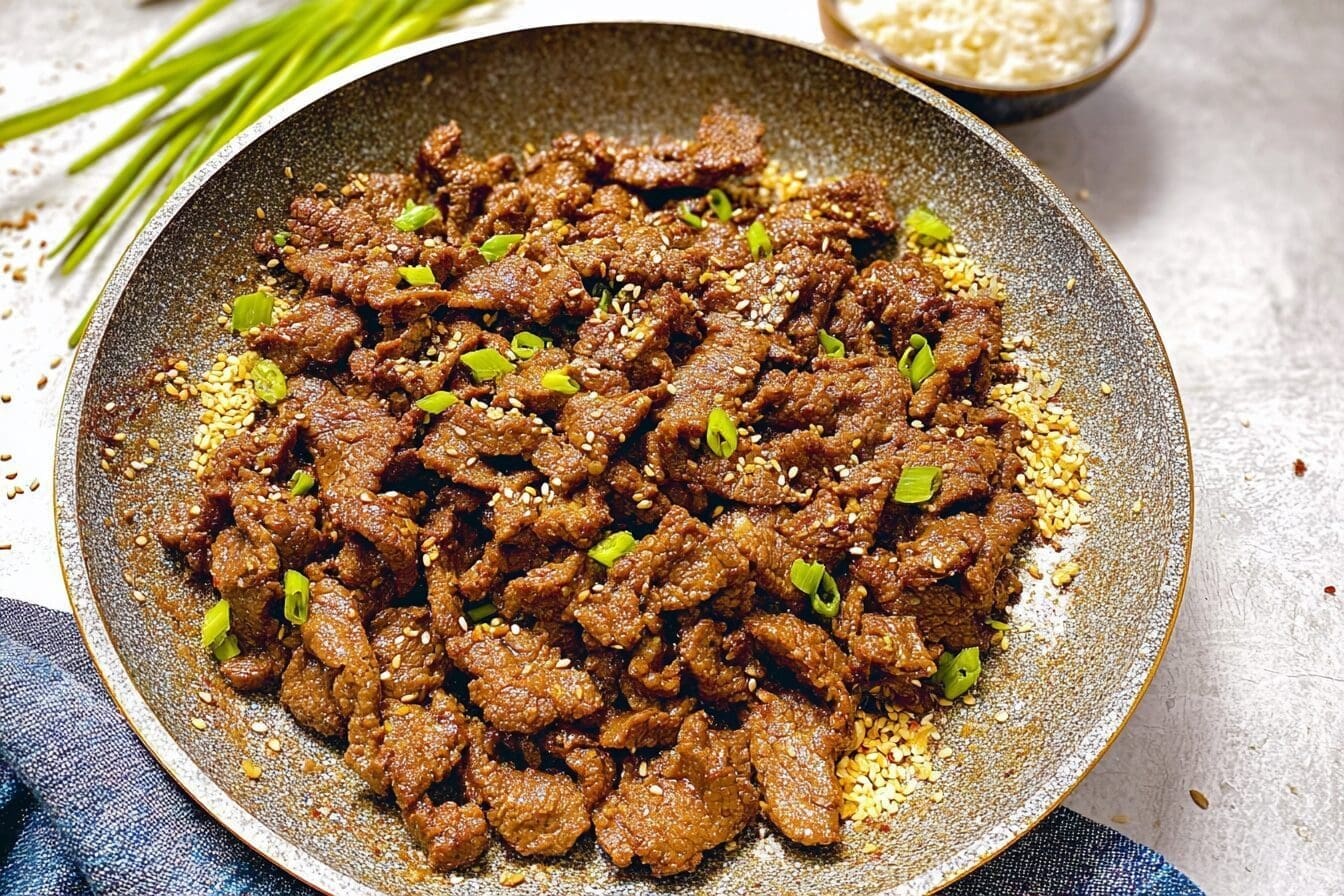
Dietary Substitutions to Customize Your Beef Bulgogi
Beef Bulgogi is flexible, allowing you to tweak it for various tastes and needs, like using firm tofu instead of steak for a plant-based twist. The marinade’s core ingredients such as ½ small grated pear and ¼ cup soy sauce work well with subs, so you can keep that authentic flavor alive. Whether you’re cutting calories or avoiding gluten, these changes help without losing the dish’s charm.
For protein swaps, try mushrooms or chicken in place of the rib eye, adjusting cook time as needed. Remember, the grated pear tenderizes whatever you choose, making it a smart addition. This adaptability fits right into your blog’s theme of sharing meals that bring people together, no matter their dietary preferences.
Mastering Beef Bulgogi: Advanced Tips and Variations
Taking your Beef Bulgogi to the next level involves some smart techniques, like marinating the thinly sliced rib eye for up to 24 hours to boost tenderness from the pear and gochujang mix. Use a cast-iron skillet for that perfect sear, cooking in batches with 1 tablespoon vegetable oil to get those charred edges just right. Once mastered, you can experiment with flavors, such as adding a splash of pear juice for extra sweetness.
Creative Ideas for Enhancement
For a spicy kick, double the gochujang or mix in chili flakes, building on the original recipe’s balance. Presentation matters too serve on a simple plate with green onions and sesame seeds for that homemade feel. If you’re prepping ahead, freeze the marinated beef and reheat it gently; it’s a great way to save time on busy days. Looking for more Asian flavors? Check out similar dishes like our Korean chicken recipe.
How to Store Beef Bulgogi: Best Practices
Proper storage keeps your Beef Bulgogi fresh and tasty, so let’s cover the basics. After cooking, pop it into an airtight container and refrigerate for up to 3 days to hold onto those marinade flavors. For longer keep, freeze portions in bags, and they’ll last about 2 months without losing much quality. Always thaw in the fridge overnight before reheating on a skillet to keep the meat juicy.
Meal prep is a breeze with this dish; just separate the beef from sides like rice. This method ties into your blog’s focus on easy, shareable foods that make gatherings simple.
FAQs: Frequently Asked Questions About Beef Bulgogi
What cuts of beef work best for making bulgogi?
The most popular cuts for bulgogi are ribeye and top sirloin because they are tender and flavorful. For a more affordable option, flank steak or skirt steak can also be used. These cuts soak up the marinade well and provide a slightly chewier texture. When choosing beef, look for thin slices about 1/8 inch thick to ensure quick and even cooking.
Can I use other fruits instead of Asian pear in the bulgogi marinade?
Yes, you can substitute Asian pear with fruits that have a similar sweetness and ability to tenderize the meat. Fuji apples, applesauce, or even a bit of pineapple juice are common alternatives. These fruits help break down the proteins and add mild sweetness without overpowering the marinade.
What is gochujang and how does it affect the flavor of bulgogi?
Gochujang is a fermented Korean red chili paste made from chili powder, glutinous rice, fermented soybeans, and salt. It adds a spicy, sweet, and savory depth to the bulgogi marinade. While not in traditional bulgogi recipes, adding gochujang can create a spicier variation known as “spicy bulgogi.”
How can I cook bulgogi if I don’t have a grill or cast iron pan?
If you don’t have a grill or cast iron pan, a heavy-bottom skillet or non-stick pan works well. Heat the pan on medium-high and cook the meat quickly in batches to avoid overcrowding, which helps achieve a nice sear. You can also broil the meat in the oven on a wire rack lined with foil for a similar effect.
What are traditional side dishes to serve with beef bulgogi?
Bulgogi is typically served with steamed white rice and a variety of Korean side dishes (banchan) such as kimchi, pickled cucumbers, and seasoned spinach. Fresh perilla leaves or lettuce can be used to wrap bulgogi slices with rice and condiments. Including dipping sauces like ssamjang (a spicy soybean paste) enhances the meal.
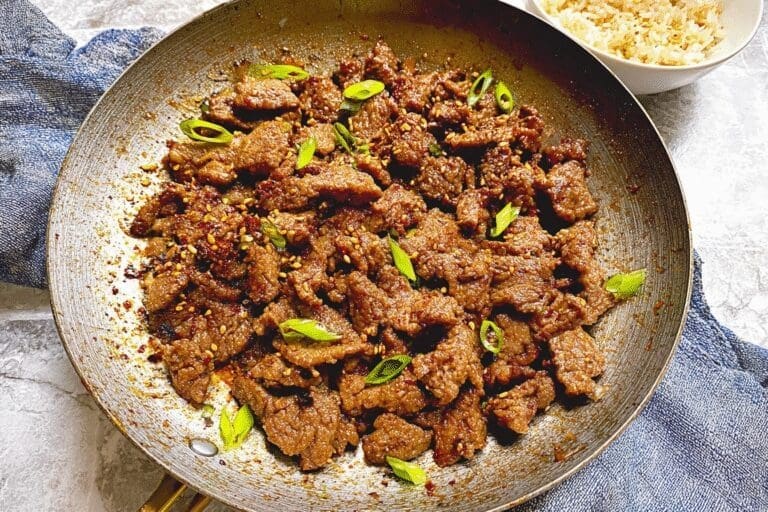
Beef Bulgogi
🥩 Enjoy the tender and flavorful experience of Korean Beef Bulgogi, marinated in a sweet and savory classic blend.
🔥 This simple recipe brings authentic Korean BBQ to your table with easy steps and a delicious, caramelized finish.
- Total Time: 3 hours
- Yield: 4 servings
Ingredients
– Boneless rib eye steak (thinly sliced into ¼-inch thick pieces after freezing for 30 minutes)
– ½ small peeled and coarsely grated pear
– ¼ cup reduced sodium soy sauce
– 2 tablespoons brown sugar
– 2 tablespoons toasted sesame oil
– 3 cloves minced garlic
– 1 tablespoon freshly grated ginger
– 1 tablespoon Korean red pepper paste (gochujang)
– 1 tablespoon vegetable oil for cooking
– 2 thinly sliced green onions for garnish
– 1 teaspoon toasted sesame seeds for garnish
Instructions
1-Getting Beef Bulgogi right starts with prepping your ingredients: Begin by freezing the boneless rib eye steak for 30 minutes to slice it thinly into ¼-inch pieces, which ensures even cooking and great texture.
2-Once sliced, mix up the marinade with ½ small peeled and coarsely grated pear, ¼ cup reduced sodium soy sauce, and the rest for that sweet-savory blend.
3-Combine everything in a bowl and let the beef marinate for at least 2 hours, or overnight if you have time, to let those flavors sink in.
4-When you’re ready, heat 1 tablespoon of vegetable oil in a pan over medium-high heat and cook the beef in batches for 2-3 minutes per side until it’s charred and done.
5-Serve it hot, topped with 2 thinly sliced green onions and 1 teaspoon toasted sesame seeds for a finishing touch.
6-First, prepare your ingredients by slicing the steak and grating the pear to ensure everything mixes well.
7-In a large bowl, stir together the soy sauce, brown sugar, sesame oil, garlic, ginger, and gochujang until it forms a smooth marinade.
8-Add the beef, coat it thoroughly, and refrigerate it covered for the best results.
9-Heat your pan and cook in batches to avoid steaming the meat, which keeps it tender and flavorful.
Last Step:
Please leave a rating and comment letting us know how you liked this recipe! This helps our business to thrive and continue providing free, high-quality recipes for you.Notes
🍐 Use fresh pear for natural sweetness and gentle tenderizing effect.
⏲ Marinate overnight when possible for deeper flavor and more tender meat.
🔥 Cook beef in batches to avoid overcrowding and ensure proper caramelization.
- Prep Time: 15 minutes
- Marinating time: 2 hours to overnight
- Cook Time: 15 minutes
- Category: Main Dish
- Method: Marinating and pan-cooking
- Cuisine: Korean
- Diet: Gluten-Free option (use gluten-free soy sauce)
Nutrition
- Serving Size: 1 serving
- Calories: 320 kcal
- Sugar: 8 g
- Sodium: 600 mg
- Fat: 20 g
- Saturated Fat: 5 g
- Unsaturated Fat: 10 g
- Trans Fat: 0 g
- Carbohydrates: 10 g
- Fiber: 1 g
- Protein: 25 g
- Cholesterol: 70 mg


