

Why You’ll Love This Yukgaejang
- Ease of preparation: This yukgaejang recipe is straightforward and quick to make with minimal prep time. Simple cooking steps like simmering the beef and adding key vegetables allow you to create an authentic spicy Korean soup that’s perfect for busy weekdays or cozy weekends.
- Health benefits: Packed with lean beef, fresh green onions, nutritious bean sprouts, and antioxidant-rich shiitake mushrooms, yukgaejang provides a protein-rich, vitamin- and mineral-loaded soup. Its warming spices and wholesome ingredients support wellness and can help boost immunity.
- Versatility: The recipe is adaptable to various dietary needs. Swap beef with tofu or mushrooms for a vegan take, use gluten-free sauces like tamari, or reduce oil quantities for a lighter, low-calorie dish without losing the rich, spicy flavor.
- Distinctive flavor: The deep, spicy broth infused with Korean chili flakes (gochugaru), sesame oil, and fermented condiments like doenjang gives yukgaejang a bold, earthy, and complex taste. The shredded beef paired with tender fernbrake and fresh sprouts creates a satisfying texture and memorable soup experience.
Jump to:
- Why You’ll Love This Yukgaejang
- Essential Ingredients for Yukgaejang
- Special Dietary Options:
- How to Prepare the Perfect Yukgaejang: Step-by-Step Guide
- First Step: Prepare Beef and Broth
- Second Step: Strain and Shred Meat
- Third Step: Sauté Aromatics and Chili
- Fourth Step: Combine Broth and Ingredients
- Fifth Step: Add Bean Sprouts and Scallions
- Sixth Step: Optional Ingredients
- Final Step: Adjust Seasoning and Serve
- Dietary Substitutions to Customize Your Yukgaejang
- Protein and Main Component Alternatives
- Vegetable, Sauce, and Seasoning Modifications
- Mastering Yukgaejang: Advanced Tips and Variations
- How to Store Yukgaejang: Best Practices
- FAQs: Frequently Asked Questions About Yukgaejang
- What is Yukgaejang and what ingredients are used in it?
- Which cut of beef is best for making Yukgaejang?
- Can I substitute fernbrake (gosari) in Yukgaejang if it’s hard to find?
- How can I control the spiciness level in Yukgaejang?
- What is the best way to store and reheat leftover Yukgaejang?
- Yukgaejang
- Ingredients
- Instructions
- Last Step:
- Notes
- Nutrition
- Did you make this recipe?
Essential Ingredients for Yukgaejang
- 350 grams beef brisket, flank, or shank steak – provides rich, tender protein and depth of flavor.
- 10 cups (about 2.4 liters) water – base for making the beef broth.
- 1 medium onion (about 260 grams), halved – adds aromatic sweetness to the broth.
- White parts of 2 green onions – flavor foundation for the broth.
- 1 teaspoon whole black peppercorns – adds warmth and subtle heat to broth.
- 1 tablespoon cooking oil (rice bran, vegetable) – used for sautéing aromatics.
- 3 tablespoons sesame oil – enhances aroma and rich mouthfeel in the soup.
- 75 grams green onion (scallions), cut into 4-5 cm pieces, white and green parts separated – adds fresh bite and garnish.
- 3 tablespoons Korean chili flakes (gochugaru) – infuses the soup with signature Korean heat and color.
- 95 grams fresh shiitake mushrooms, thinly sliced (or 3 dried soaked shiitake mushrooms) – adds umami and texture.
- 100 grams hydrated fernbrake (gosari), cut into 4-5 cm lengths – provides earthy flavor and a chewy texture.
- 200 grams bean sprouts – adds crunch and freshness.
- Optional: 2 tablespoons Korean chili oil – for extra spice and vibrant color.
- Optional: 1 teaspoon gochujang (red chili paste) – deepens flavor and adds complexity.
- Optional: 1 teaspoon doenjang (fermented soybean paste) – enhances savory richness.
- Optional: 85 grams soaked sweet potato starch noodles (dangmyeon) – gives body and chewiness.
- Optional: 2 lightly beaten eggs – drizzled in for delicate ribbons of texture.
- Seasonings: 2 tablespoons Korean soup soy sauce (gukganjang), 1 tablespoon Korean fish sauce (or extra soy sauce), ½ tablespoon minced garlic, ½ teaspoon fine sea salt (adjust to taste), 1/8 teaspoon ground black pepper – create balanced seasoning throughout.
- Garnish: 10 grams thinly sliced green onions and additional fine sea salt to taste.
Special Dietary Options:
- Vegan: Substitute beef with mushrooms, tofu, or tempeh and use vegetable broth. Replace fermented sauces with vegan versions.
- Gluten-free: Use gluten-free soy sauce (tamari) and verify fermented condiments. Check all ingredient labels to avoid gluten.
- Low-calorie: Use lean beef cuts, reduce sesame oil quantity, and add extra vegetables to lighten the soup.
How to Prepare the Perfect Yukgaejang: Step-by-Step Guide
First Step: Prepare Beef and Broth
Soak the beef brisket in cold water for 20 minutes, changing the water several times to remove excess blood. In a large pot, combine 10 cups of water, soaked beef, halved onion, white parts of the green onions, and black peppercorns. Bring to a boil over high heat, skimming off any foam or impurities for 15 minutes. Reduce to medium-low, cover, and simmer for 45 minutes to develop a rich beef broth.
Second Step: Strain and Shred Meat
Remove the beef from broth and let cool. Strain the broth through a fine sieve, discarding solids. Trim excess fat from the beef and shred it finely into thin strips for texture and soup integration.
Third Step: Sauté Aromatics and Chili
Heat a clean pot over medium-low heat. Add cooking oil, sesame oil, and the white parts of green onions, sauté until softened and aromatic. Stir in the Korean chili flakes (gochugaru) and cook for about 30 seconds to infuse the oil, being careful not to burn the chili flakes. Remove the pot from heat temporarily if needed.
Fourth Step: Combine Broth and Ingredients
Add strained beef broth, shredded beef, and shiitake mushrooms back into the pot. Raise the heat to medium-high and bring to a boil. Stir in prepared fernbrake. If using, add chili oil, gochujang, and doenjang at this point. Season with Korean soup soy sauce, fish sauce, minced garlic, salt, and pepper. Reduce to medium heat, cover, and simmer for 30 minutes to blend flavors.
Fifth Step: Add Bean Sprouts and Scallions
Add bean sprouts and the green parts of the green onions. Cook uncovered for an additional 10 minutes to maintain freshness and slight crunch.
Sixth Step: Optional Ingredients
For added texture and substantial body, incorporate soaked sweet potato starch noodles a few minutes before finishing, allowing them to cook fully. Optionally, drizzle lightly beaten eggs into boiling soup just before finishing and turn off heat to create delicate egg ribbons.
Final Step: Adjust Seasoning and Serve
Taste soup and adjust with additional salt and pepper if needed. Garnish generously with thinly sliced green onions. Serve hot, traditionally alongside steamed rice, kimchi, and other Korean side dishes for an authentic and nourishing meal.
This yukgaejang recipe combines hearty ingredients with spicy, savory broth to deliver a warming Korean classic that’s equally nutritious and satisfying.
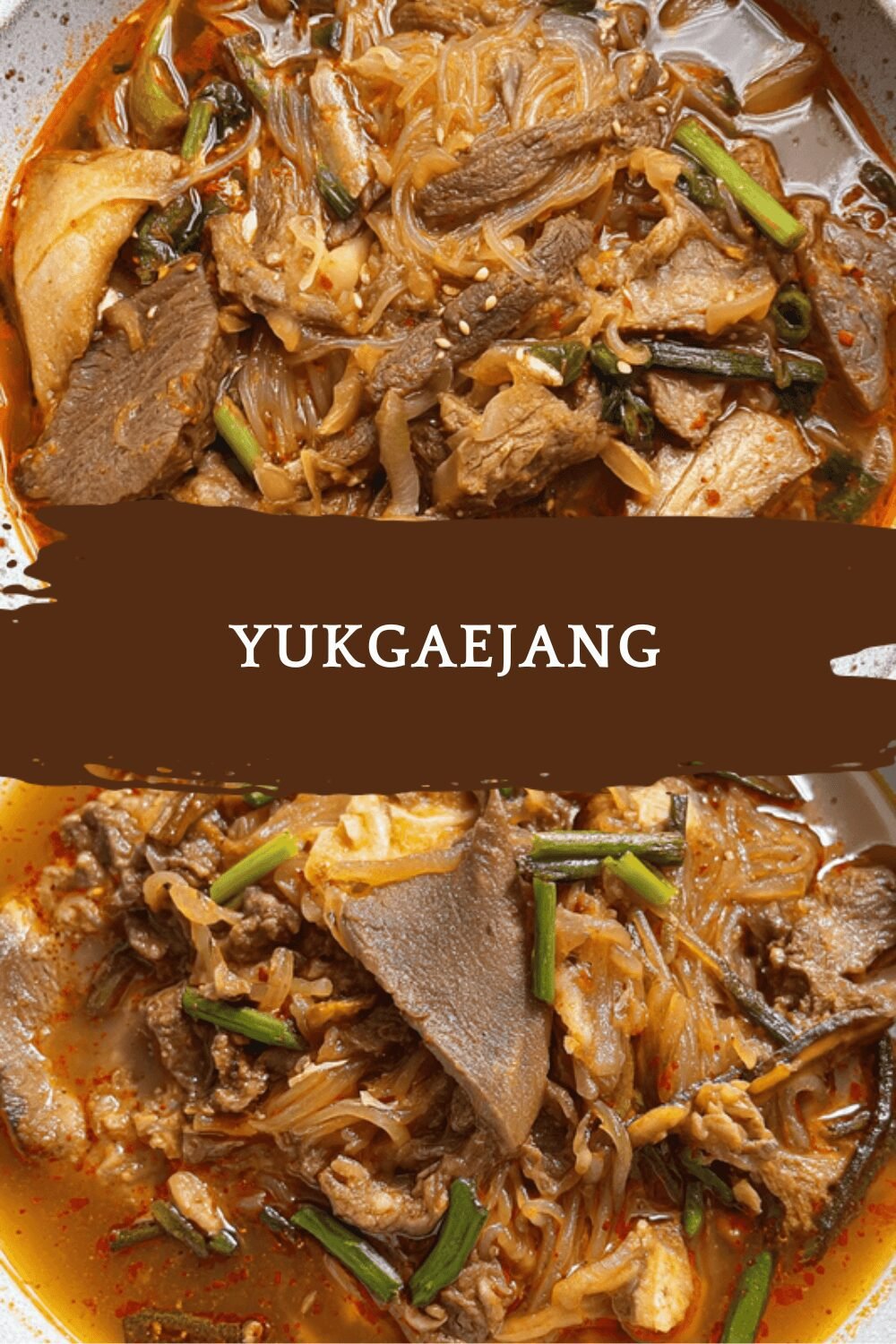
Dietary Substitutions to Customize Your Yukgaejang
Protein and Main Component Alternatives
- Replace beef with mushrooms, tempeh, or firm tofu for a fulfilling vegan or vegetarian version.
- Use chicken breast or thighs to create dakgaejang, a spicy chicken soup variation while keeping similar flavors.
- For gluten-free adaptations, substitute traditional soy sauce with tamari and ensure all fermented pastes are gluten-free certified.
Vegetable, Sauce, and Seasoning Modifications
- Substitute fernbrake (gosari) with extra shiitake mushrooms or scallions if unavailable, to maintain earthy notes.
- Adjust spice level by varying the quantity of gochugaru or omitting chili oil for a milder version.
- Incorporate garlic or ginger for added warmth and aroma as per preference.
- Use a mix of bean sprouts and shredded cabbage for additional crunch and nutritional variety.
Mastering Yukgaejang: Advanced Tips and Variations
- Pro cooking techniques: Consider slow-simmering beef overnight in a slow cooker or Instant Pot to tenderize the meat thoroughly and develop a richer broth in less time.
- Flavor variations: Add subtle spices such as star anise or cinnamon sticks during broth preparation for aromatic complexity, or introduce a dash of lemon juice to brighten the flavor.
- Presentation tips: Serve yukgaejang in wide, shallow bowls garnished with fresh chopped scallions, toasted sesame seeds, and a drizzle of chili oil for vibrant color and texture contrast.
- Make-ahead options: Prepare the broth and beef base in advance, freeze in portions, and add fresh vegetables and noodles just before reheating for maximum freshness and convenience.
How to Store Yukgaejang: Best Practices
| Storage Method | Guidelines |
|---|---|
| Refrigeration | Store yukgaejang in airtight containers in the refrigerator and consume within 3 to 4 days to enjoy optimal flavor and freshness. |
| Freezing | Partition soup into smaller portions in freezer-safe containers and freeze for up to 3 months. Thaw overnight in the refrigerator before reheating. |
| Reheating | Warm yukgaejang gently over medium heat, stirring occasionally to ensure even heating and prevent scorching. |
| Meal prep considerations | Divide cooked yukgaejang into meal-sized containers for easy reheating and portion control during busy days. |
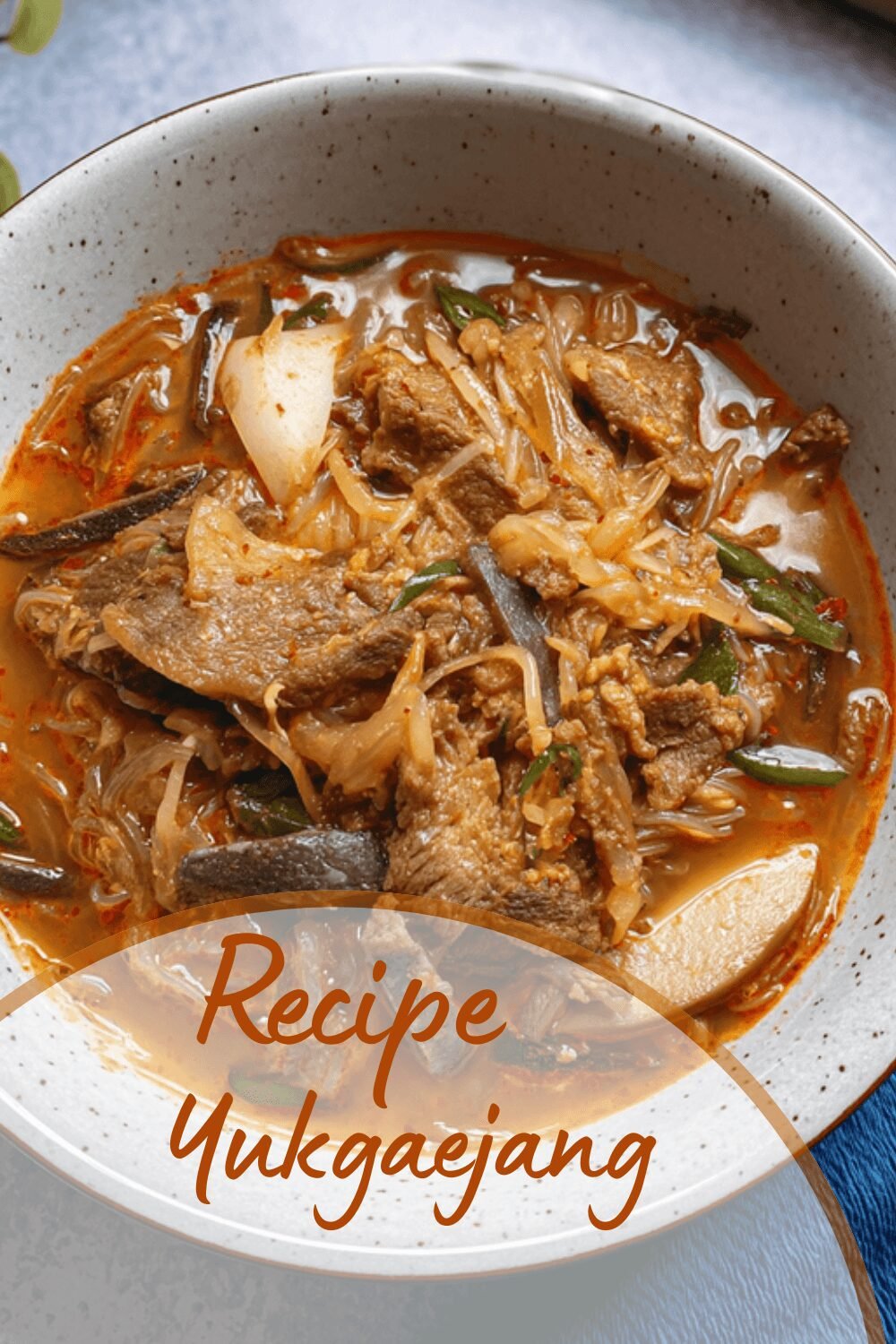
FAQs: Frequently Asked Questions About Yukgaejang
What is Yukgaejang and what ingredients are used in it?
Yukgaejang is a spicy Korean beef soup made with shredded beef brisket, scallions, fernbrake (gosari), bean sprouts, shiitake mushrooms, garlic, Korean chili powder (gochugaru), and sesame oil. The soup is known for its rich, slightly spicy broth and earthy flavors from ingredients like fernbrake. It’s commonly enjoyed as a hearty meal during colder months and is valued for its comforting taste and nutritional benefits.
Which cut of beef is best for making Yukgaejang?
Beef brisket is the preferred cut for Yukgaejang because it becomes tender and flavorful when simmered for a long time. Alternatives like flank steak or shank meat can also be used. The key is selecting a cut with enough connective tissue and marbling to produce a rich broth and tender shredded meat.
Can I substitute fernbrake (gosari) in Yukgaejang if it’s hard to find?
If you can’t find fernbrake, increasing the amount of shiitake mushrooms and scallions can help add some of the earthy and savory notes fernbrake provides. However, fernbrake’s unique texture and flavor are difficult to fully replace, so try to source dried or frozen fernbrake from Korean or Asian markets when possible.
How can I control the spiciness level in Yukgaejang?
The heat in Yukgaejang comes mainly from Korean chili powder (gochugaru) and sometimes chili oil. To reduce spiciness, use less gochugaru or omit the chili oil. For more heat, add extra gochugaru or a small amount of gochujang (Korean chili paste). Adjust gradually and taste as you cook to get the level of spiciness you prefer.
What is the best way to store and reheat leftover Yukgaejang?
Store leftover Yukgaejang in an airtight container in the refrigerator for up to 3-4 days. For longer storage, portion the soup and freeze it up to 2-3 months. Thaw frozen portions in the refrigerator overnight before reheating on the stove over medium heat until hot throughout. Avoid boiling to preserve texture and flavor.
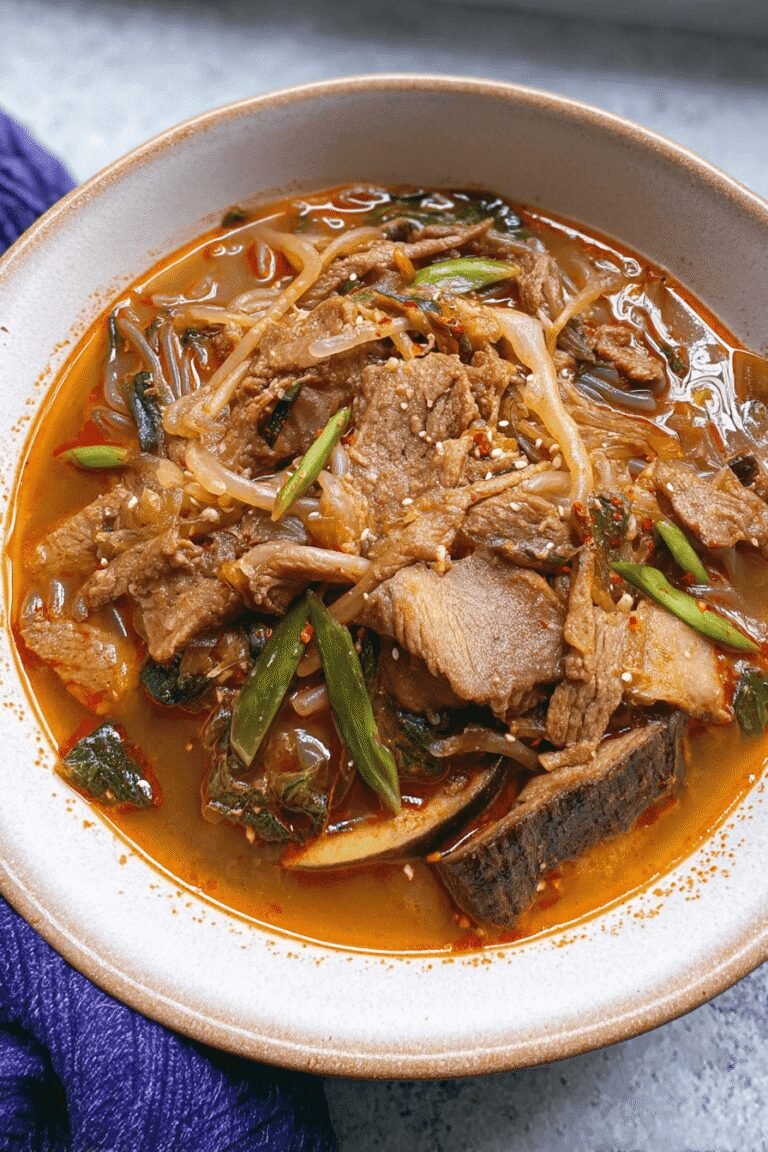
Yukgaejang
🍲 Yukgaejang offers a hearty and spicy nourishment that warms you from the inside out during any season.
🔥 Packed with rich flavors and textures, this traditional Korean soup is perfect for a satisfying, comforting meal.
- Total Time: 2 hours 20 minutes
- Yield: 4 servings
Ingredients
– 350 grams beef brisket, flank, or shank steak
– 10 cups water
– 1 medium onion
– White parts of 2 green onions
– 1 teaspoon whole black peppercorns
– 1 tablespoon cooking oil
– 3 tablespoons sesame oil
– 75 grams green onion
– 3 tablespoons Korean chili flakes
– 95 grams fresh shiitake mushrooms
– 100 grams hydrated fernbrake
– 200 grams bean sprouts
– Optional: 2 tablespoons Korean chili oil
– Optional: 1 teaspoon gochujang
– Optional: 1 teaspoon doenjang
– Optional: 85 grams soaked sweet potato starch noodles
– Optional: 2 lightly beaten eggs
– 2 tablespoons Korean soup soy sauce
– 1 tablespoon Korean fish sauce
– ½ tablespoon minced garlic
– ½ teaspoon fine sea salt
– 1/8 teaspoon ground black pepper
– 10 grams thinly sliced green onions
Instructions
First Step: Prepare Beef and Broth
Soak the beef brisket in cold water for 20 minutes, changing the water several times to remove excess blood. In a large pot, combine 10 cups of water, soaked beef, halved onion, white parts of the green onions, and black peppercorns. Bring to a boil over high heat, skimming off any foam or impurities for 15 minutes. Reduce to medium-low, cover, and simmer for 45 minutes to develop a rich beef broth.
Second Step: Strain and Shred Meat
Remove the beef from broth and let cool. Strain the broth through a fine sieve, discarding solids. Trim excess fat from the beef and shred it finely into thin strips for texture and soup integration.
Third Step: Sauté Aromatics and Chili
Heat a clean pot over medium-low heat. Add cooking oil, sesame oil, and the white parts of green onions, sauté until softened and aromatic. Stir in the Korean chili flakes (gochugaru) and cook for about 30 seconds to infuse the oil, being careful not to burn the chili flakes. Remove the pot from heat temporarily if needed.
Fourth Step: Combine Broth and Ingredients
Add strained beef broth, shredded beef, and shiitake mushrooms back into the pot. Raise the heat to medium-high and bring to a boil. Stir in prepared fernbrake. If using, add chili oil, gochujang, and doenjang at this point. Season with Korean soup soy sauce, fish sauce, minced garlic, salt, and pepper. Reduce to medium heat, cover, and simmer for 30 minutes to blend flavors.
Fifth Step: Add Bean Sprouts and Scallions
Add bean sprouts and the green parts of the green onions. Cook uncovered for an additional 10 minutes to maintain freshness and slight crunch.
Sixth Step: Optional Ingredients
For added texture and substantial body, incorporate soaked sweet potato starch noodles a few minutes before finishing, allowing them to cook fully. Optionally, drizzle lightly beaten eggs into boiling soup just before finishing and turn off heat to create delicate egg ribbons.
Final Step: Adjust Seasoning and Serve
Taste soup and adjust with additional salt and pepper if needed. Garnish generously with thinly sliced green onions. Serve hot, traditionally alongside steamed rice, kimchi, and other Korean side dishes for an authentic and nourishing meal.
Last Step:
Please leave a rating and comment letting us know how you liked this recipe! This helps our business to thrive and continue providing free, high-quality recipes for you.Notes
🥩 Beef brisket yields the best results, but chicken is a valid substitute for a different twist.
🌿 Dried fernbrake requires proper soaking and boiling; frozen is a quicker, albeit pricier choice.
🌶️ Enhance the soup’s heat and color with Korean chili oil for a more vibrant dish.
- Prep Time: 20 minutes
- Optional Soaking Time: Overnight (for fernbrake and noodles)
- Cook Time: 1.5 to 2 hours
- Category: Soup
- Method: Stovetop
- Cuisine: Korean
- Diet: Gluten-Free
Nutrition
- Serving Size: 1 bowl
- Calories: 343
- Sugar: 5 g
- Sodium: 1357 mg
- Fat: 22 g
- Saturated Fat: 4 g
- Unsaturated Fat: 18 g
- Trans Fat: 1 g
- Carbohydrates: 16 g
- Fiber: 5 g
- Protein: 25 g
- Cholesterol: 54 mg






Thanks for this Yukgaejang recipe! It reminds me of my grandmother’s cooking. 😊 I added a bit more chili for extra spice, and it was just perfect. Has anyone tried using chicken instead of beef for a lighter version?