

Why You’ll Love This Yeast Rolls
Have you ever pulled a batch of warm, fluffy yeast rolls from the oven and felt that instant joy? These homemade yeast rolls bring that magic straight to your kitchen, perfect for family dinners or community gatherings. They combine simple ingredients with easy steps to create something truly special that everyone will enjoy.
This recipe stands out for its ease of preparation, taking just under two hours from start to finish, making it ideal for beginners and busy parents alike. Made with wholesome elements, these rolls offer health benefits like being lower in added sugars and fats compared to store-bought options, while still providing fiber and a touch of protein. For versatility, you can tweak the recipe to fit various dietary needs, ensuring it’s a hit at any picnic or church event.
Picture the rich, buttery flavor that comes from fresh yeast fermentation these rolls have a slight tang that sets them apart and makes them irresistible. Whether you’re a baking enthusiast or a working professional looking for a reliable side dish, this recipe helps you create memorable moments around the table. Plus, with options to make them vegan or gluten-free, they’re welcoming for food enthusiasts and diet-conscious individuals.
To get even more ideas for delicious sides, check out our crispy hash browns recipe that pairs wonderfully with these rolls for a hearty meal.
Key Features of This Recipe
- Simple steps that take about 2 hours and 45 minutes total, including rising time.
- Nutritional perks, with each roll at around 147 calories, 25 grams of carbs, and 4 grams of protein.
- Adaptable for different tastes and needs, like adding herbs for extra flavor.
The buttery finish and soft texture make these rolls a favorite for travelers or seniors who appreciate comforting, homemade food. By weighing ingredients for accuracy, as one of our tips suggests, you’ll nail that perfect consistency every time.
Jump to:
- Why You’ll Love This Yeast Rolls
- Key Features of This Recipe
- Essential Ingredients for Yeast Rolls
- How to Prepare the Perfect Yeast Rolls: Step-by-Step Guide
- Shaping and Second Rise
- Dietary Substitutions to Customize Your Yeast Rolls
- Mastering Yeast Rolls: Advanced Tips and Variations
- Make-Ahead Strategies
- How to Store Yeast Rolls: Best Practices
- FAQs: Frequently Asked Questions About Yeast Rolls
- Why are my yeast rolls dense instead of fluffy?
- What is the ideal temperature and time for yeast rolls to rise?
- How can I store homemade yeast rolls to keep them soft longer?
- Can I freeze yeast rolls, and what is the best way to thaw and bake them?
- How do I reheat yeast rolls without drying them out?
- Yeast Rolls
- Ingredients
- Instructions
- Last Step:
- Notes
- Nutrition
- Did you make this recipe?
Essential Ingredients for Yeast Rolls
Gathering the right ingredients is the first step to baking amazing yeast rolls. This recipe focuses on basic pantry staples that create soft, buttery results you can count on. Let’s break down what you’ll need to get started.
Below is a complete list of ingredients for this yeast rolls recipe. I’ve pulled them directly from the details provided to ensure accuracy. Each one plays a key role in making the dough rise and taste just right.
- 2 cups warm water (100-110℉)
- 1/4 cup honey
- 4 teaspoons active dry yeast
- 1/2 cup salted butter, softened
- 2 eggs
- 2 1/2 teaspoons salt
- 7 cups all-purpose flour
- 3-4 tablespoons melted butter for topping
This structured list makes it easy to follow, with each quantity clearly stated before the ingredient name. For special dietary options, you can swap butter for plant-based alternatives or use gluten-free flour blends to meet vegan or gluten-free needs.
Remember, accurate measurements matter try weighing your flour as a tip for better results. For more on yeast types, check out this Difference between active dry and instant yeast resource.
How to Prepare the Perfect Yeast Rolls: Step-by-Step Guide
Ready to make your own batch of yeast rolls? This guide walks you through each part with clear, simple instructions. Start by gathering your ingredients and setting up your workspace for the best outcome.
First, combine 2 cups of warm water, 1/4 cup honey, and 4 teaspoons active dry yeast in a bowl. Let it rest for 5 minutes until it turns foamy this shows the yeast is working. Next, in a large bowl, mix 1/2 cup softened salted butter, 2 eggs, 2 1/2 teaspoons salt, and 7 cups all-purpose flour, then stir in the yeast mixture until everything blends.
Knead the dough by hand for 7-10 minutes or use an electric mixer for 5-7 minutes until it’s smooth and elastic. Place the dough in an oiled bowl, cover it, and let it rise for 1 hour until nearly doubled in size. After rising, divide the dough into 30 equal balls, each weighing about 58-60 grams, and roll each one into a smooth ball with your hands.
Shaping and Second Rise
Arrange the dough balls in a greased 11×18 inch baking pan. Cover them and let them rise for another hour until doubled and the spaces between them fill in. During the last 15-20 minutes of rising, preheat your oven to 375℉.
Bake the rolls on the middle or bottom rack for 15-16 minutes until the bottoms brown. Right after baking, brush the hot rolls with 3-4 tablespoons of melted butter. Let them cool slightly before serving these steps ensure soft, flavorful results every time.
For more baking inspiration, explore our cheese scones recipe, which uses similar techniques for great textures.
| Step | Time Needed | Tips |
|---|---|---|
| Activate Yeast | 5 minutes | Use water at 100-110℉ for best results. |
| Knead Dough | 5-10 minutes | Keep surface floured to prevent sticking. |
| First Rise | 1 hour | Cover bowl to retain moisture. |
| Second Rise | 1 hour | Watch for doubling in size. |
| Bake | 15-16 minutes | Brush with butter immediately after. |
Each roll has about 147 calories, with nutritional breakdown including 25 grams carbs and 4 grams protein, making them a balanced choice for busy parents or students.
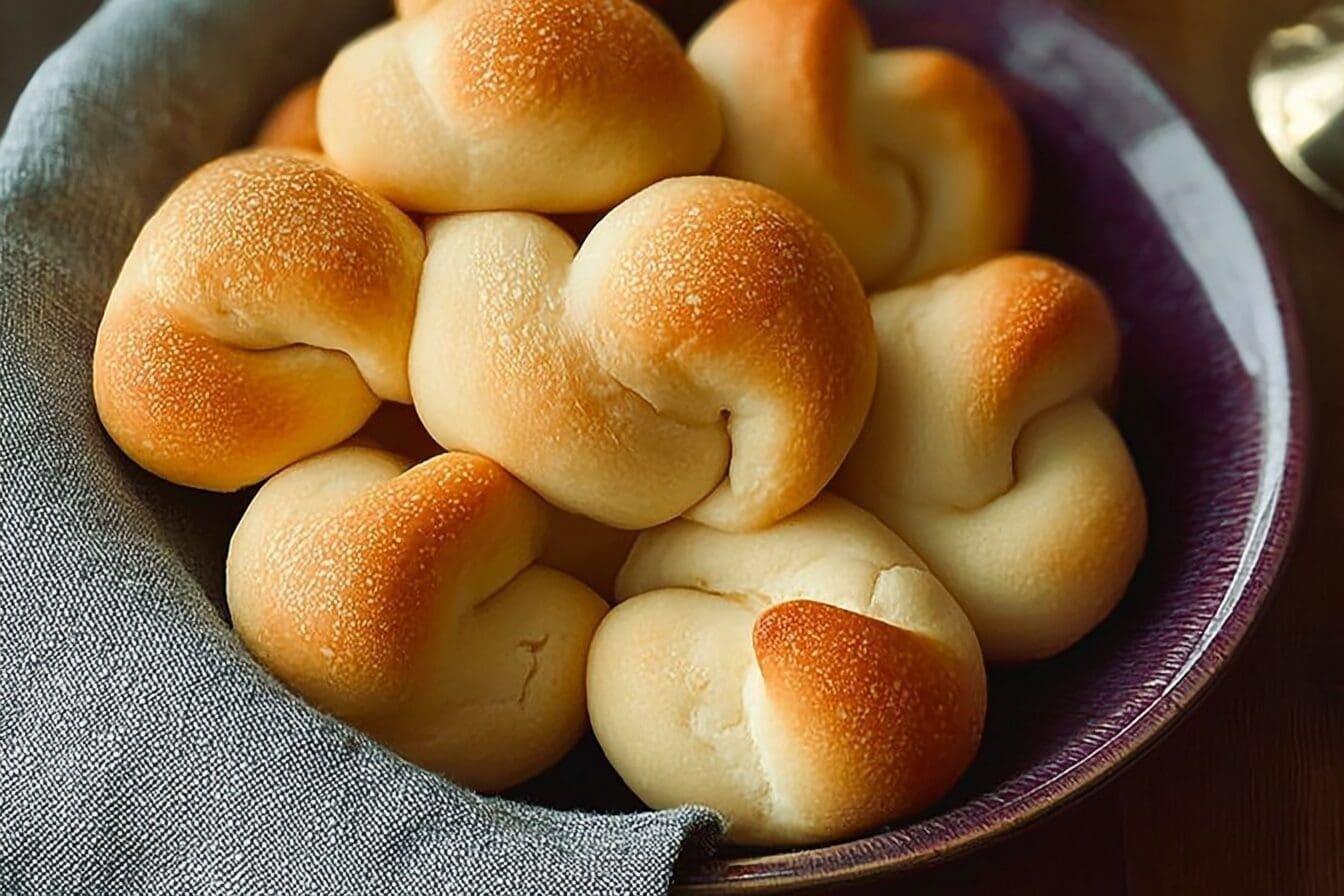
Dietary Substitutions to Customize Your Yeast Rolls
Everyone has different needs, so customizing your yeast rolls is a smart move. This section covers easy swaps to make the recipe work for you. Start with simple changes to keep things tasty and inclusive.
For protein and main components, replace the salted butter with vegan margarine or olive oil for plant-based diets. If gluten is a concern, swap all-purpose flour for a gluten-free blend like rice flour to maintain that soft texture.
When it comes to vegetables, sauces, and seasonings, add chopped herbs such as rosemary for a fresh twist. Incorporate grated veggies like zucchini to boost moisture and nutrition, or use salt substitutes for low-sodium options. Try garlic powder for an extra kick these tweaks help newlyweds and community organizers create rolls that suit any crowd.
Adapting recipes like this one shows how food can bring people together, no matter the dietary preferences.
Mastering Yeast Rolls: Advanced Tips and Variations
Once you’re comfortable with the basics, level up your yeast rolls with these pro tips. Brushing the rolls with melted butter before and after baking creates a softer crust and richer flavor. Use a steam tray in the oven to add moisture, enhancing the overall texture for that perfect bite.
For flavor variations, mix in cinnamon and raisins for a sweet treat or garlic and parmesan for something savory. Adding whole grains or seeds brings extra nutrition and crunch, appealing to health-minded readers. Presentation matters too serve them warm with herb sprinkles or in individual ramekins for a polished look at gatherings.
Make-Ahead Strategies
Prepare the dough a day ahead and refrigerate it for deeper flavor development. You can also freeze the shaped rolls after the first rise and bake them fresh later, which is great for busy professionals. Practice smooth rolling techniques to ensure even shapes, and always cover the dough during rising to keep it moist.
Another tip: Weigh your flour for accuracy to avoid dense rolls. For more freezing ideas, this ties into storing options we’ll cover next.
How to Store Yeast Rolls: Best Practices
Keeping your yeast rolls fresh is key to enjoying them later. Store them in an airtight container at room temperature for up to 3 days to hold onto that softness. If you need longer storage, wrap them individually and freeze for up to 3 months.
To reheat, warm in the oven at 350℉ for 5-10 minutes to bring back that just-baked feel. For meal prep, batch bake and freeze portions so you can grab them for quick meals. Label your storage with dates to keep things organized and reduce waste.
If rolls harden, refresh them by warming with fresh bread slices a simple trick that works wonders. Freezing the dough after the first rise lets you have fresh rolls anytime, perfect for travelers or seniors.
FAQs: Frequently Asked Questions About Yeast Rolls
Why are my yeast rolls dense instead of fluffy?
Dense yeast rolls usually result from issues with the yeast or rising process. If the water used to activate the yeast is too hot, it can kill the yeast, preventing proper rising. Rolls that don’t rise long enough (not doubling in size) will be dense and doughy. On the other hand, over-proofing causes the rolls to collapse during baking, also leading to a dense texture. Make sure to use lukewarm water (about 105°F to 110°F), allow the dough to rise until doubled, and avoid over-proofing by baking the rolls at the right time.
What is the ideal temperature and time for yeast rolls to rise?
The best temperature for yeast rolls to rise is between 70°F and 77°F (21°C to 25°C). This range allows the yeast to activate steadily without slowing down or dying. At cooler temperatures, rising can take longer, so allow extra time. In warmer environments, rises happen faster but risk over-proofing. Typically, the first rise takes 1 to 2 hours until the dough doubles in size, and the second rise lasts 30 to 60 minutes before baking.
How can I store homemade yeast rolls to keep them soft longer?
To keep yeast rolls soft, store them in an airtight container or resealable plastic bag at room temperature, away from direct heat or sunlight. Avoid refrigeration, which dries them out faster. If rolls start to harden, placing a slice of fresh bread inside the container overnight can help rehydrate them. Additionally, brushing the tops with melted butter right after baking locks in moisture and helps maintain softness.
Can I freeze yeast rolls, and what is the best way to thaw and bake them?
Yes, yeast rolls freeze well for up to 3 months, either baked or raw. For raw dough freeze, shape the rolls and freeze them individually on a tray before storing them together in a freezer bag. To bake, thaw and let the dough rise at room temperature for 4-5 hours until doubled. Baking times remain the same; if rising in a warm oven, remove the rolls just before the oven reaches baking temperature to prevent over-proofing.
How do I reheat yeast rolls without drying them out?
To reheat yeast rolls without drying, wrap them in aluminum foil and warm in a 350°F (175°C) oven for about 10 minutes. For a quick option, microwave a roll wrapped in a damp paper towel for 10 to 15 seconds. Avoid overheating, which can make rolls tough. Reheating this way helps the rolls regain softness and warmth while preserving moisture.

Yeast Rolls
🍞 This Old Fashioned Yeast Rolls recipe creates soft, buttery rolls perfect for any meal or gathering.
🧈 These homemade rolls deliver a comforting, fresh-baked experience that’s great for family dinners and special occasions.
- Total Time: 2 hours 45 minutes
- Yield: 30 rolls 1x
Ingredients
2 cups warm water (100-110℉)
1/4 cup honey
4 teaspoons active dry yeast
1/2 cup salted butter, softened
2 eggs
2 1/2 teaspoons salt
7 cups all-purpose flour
3–4 tablespoons melted butter for topping
Instructions
1-First, combine 2 cups of warm water, 1/4 cup honey, and 4 teaspoons active dry yeast in a bowl. Let it rest for 5 minutes until it turns foamy this shows the yeast is working.
2-Next, in a large bowl, mix 1/2 cup softened salted butter, 2 eggs, 2 1/2 teaspoons salt, and 7 cups all-purpose flour, then stir in the yeast mixture until everything blends.
3-Knead the dough by hand for 7-10 minutes or use an electric mixer for 5-7 minutes until it’s smooth and elastic. Place the dough in an oiled bowl, cover it, and let it rise for 1 hour until nearly doubled in size.
4-After rising, divide the dough into 30 equal balls, each weighing about 58-60 grams, and roll each one into a smooth ball with your hands.
5-Shaping and Second Rise Arrange the dough balls in a greased 11×18 inch baking pan. Cover them and let them rise for another hour until doubled and the spaces between them fill in. During the last 15-20 minutes of rising, preheat your oven to 375℉.
6-Bake the rolls on the middle or bottom rack for 15-16 minutes until the bottoms brown. Right after baking, brush the hot rolls with 3-4 tablespoons of melted butter. Let them cool slightly before serving these steps ensure soft, flavorful results every time.
Last Step:
Please leave a rating and comment letting us know how you liked this recipe! This helps our business to thrive and continue providing free, high-quality recipes for you.Notes
⚖️ Weigh flour for best accuracy and consistent results.
🤲 Practice smooth rolling techniques to make even and uniform rolls.
❄️ Freeze risen dough for up to 3 months and bake fresh rolls later.
- Prep Time: 20 minutes
- Cook Time: 25 minutes
- Category: Bread
- Method: Baking
- Cuisine: American
- Diet: Vegetarian
Nutrition
- Serving Size: 1 roll
- Calories: 147
- Sugar: 2g
- Sodium: 224mg
- Fat: 4g
- Saturated Fat: 2g
- Unsaturated Fat: 2g
- Trans Fat: 0g
- Carbohydrates: 25g
- Fiber: 1g
- Protein: 4g
- Cholesterol: 19mg


