

Why You’ll Love This Yakamein
- Ease of preparation: This Yakamein recipe is designed to be simple and quick, perfect for busy weeknights or late-night cravings. With straightforward steps like marinating, searing, and simmering, you can create a satisfying homemade beef noodle soup without spending hours in the kitchen.
- Health benefits: Loaded with lean protein from beef and shrimp, paired with nutrient-rich broth and a moderate amount of carbohydrates from spaghetti noodles, Yakamein offers a balanced meal. It provides essential amino acids, vitamins, and minerals, supporting muscle health and overall wellness.
- Versatility: Yakamein is highly adaptable to fit a variety of dietary needs. Whether you’re opting for gluten-free substitutions like rice noodles and tamari, or choosing plant-based proteins, this dish can easily be tailored to your preferences without losing its comforting essence.
- Distinctive flavor: The unique combination of Creole spices, soy sauce, Worcestershire sauce, and aromatic herbs makes Yakamein stand out. This rich, savory broth paired with tender beef, succulent shrimp, and perfectly cooked spaghetti noodles creates a comforting fusion of New Orleans and Cantonese flavors.
Jump to:
- Why You’ll Love This Yakamein
- Essential Ingredients for Yakamein
- Main Ingredients:
- Beef Marinade:
- Shrimp Marinade:
- Broth:
- Special Dietary Options:
- How to Prepare the Perfect Yakamein: Step-by-Step Guide
- First Step: Prep Ingredients and Marinate Proteins
- Second Step: Sear the Beef
- Third Step: Build the Broth
- Fourth Step: Simmer the Beef in Broth
- Fifth Step: Add Shrimp and Finish Noodles
- Final Step: Assemble and Serve
- Dietary Substitutions to Customize Your Yakamein
- Protein and Main Component Alternatives
- Vegetable, Sauce, and Seasoning Modifications
- Mastering Yakamein: Advanced Tips and Variations
- How to Store Yakamein: Best Practices
- FAQs: Frequently Asked Questions About Yakamein
- What is Yakamein and where does it come from?
- What ingredients do I need to make authentic Yakamein at home?
- How do I cook the beef and broth for Yakamein to get the best flavor?
- Can I customize Yakamein with different noodles or toppings?
- Why is Yakamein called “Ol’ Sober” and is it really good for hangovers?
- Yakamein
- Ingredients
- Instructions
- Last Step:
- Notes
- Nutrition
- Did you make this recipe?
Essential Ingredients for Yakamein
Main Ingredients:
- 1.5 pounds (about 680 g) boneless chuck roast, cut into ½ inch strips – provides tender, flavorful beef
- 2 tablespoons cooking oil (vegetable or olive oil) – used for searing beef and building richness
- ½ pound (about 225 g) peeled and deveined shrimp – adds savory seafood flavor and protein
- 6 eggs – for boiling and garnish, adds creaminess and texture
- 8 ounces (225 g) dried spaghetti noodles – traditional noodle base providing hearty texture
- ½ cup chopped scallions (green onions) – fresh garnish adding brightness
Beef Marinade:
- 2 teaspoons Creole seasoning – imparts bold, spicy flavor
- 1 tablespoon soy sauce – adds savory umami depth
Shrimp Marinade:
- 1 teaspoon Creole seasoning – flavor complement for shrimp
- 1 teaspoon soy sauce – enhances the shrimp’s natural taste
Broth:
- 8 cups (about 1.9 liters) beef broth – rich soup base packed with umami
- 1 tablespoon Creole seasoning – infuses distinctive Southern spice
- 1 tablespoon soy sauce – balances saltiness and depth
- 1 tablespoon Worcestershire sauce – lends tangy, savory complexity
- 1 teaspoon onion powder – enhances mild sweetness and aroma
- 1 teaspoon garlic powder – adds pungent savory notes
- 1 teaspoon dried oregano – provides herbal undertones
- 1 teaspoon dried thyme – adds earthiness and warmth
- 1 teaspoon paprika – offers mild smoky flavor and vivid color
- ¼ teaspoon cayenne pepper – subtle heat to enliven the broth
- ½ teaspoon black pepper – deepens spiciness gently
Special Dietary Options:
- Vegan: Replace beef and shrimp with marinated tofu or seitan; use vegetable broth instead of beef broth.
- Gluten-free: Use gluten-free tamari in place of soy sauce and substitute spaghetti noodles with rice noodles or another gluten-free alternative.
- Low-calorie: Opt for leaner proteins such as skinless chicken breast and substitute noodles with zucchini or shirataki noodles to reduce calories.
How to Prepare the Perfect Yakamein: Step-by-Step Guide
First Step: Prep Ingredients and Marinate Proteins
Begin by slicing the boneless chuck roast into ½ inch strips and marinating the beef in 1 tablespoon soy sauce and 2 teaspoons Creole seasoning. Similarly, marinate the peeled and deveined shrimp with 1 teaspoon soy sauce and 1 teaspoon Creole seasoning. Let both marinate for at least 30 minutes to absorb the flavors. Meanwhile, prepare the dried spaghetti noodles according to package instructions. Boil eggs to your preferred doneness, then cool in ice water and peel.
Second Step: Sear the Beef
Heat 2 tablespoons of oil in a large pot over medium-high heat. Add the marinated beef strips in batches to avoid overcrowding, searing until browned on all sides for added flavor. Remove the beef and set aside.
Third Step: Build the Broth
Pour the 8 cups of beef broth into the pot. Add the Creole seasoning, soy sauce, Worcestershire sauce, onion powder, garlic powder, oregano, thyme, paprika, cayenne, and black pepper. Bring the broth to a boil, then reduce the heat to medium-low and simmer uncovered.
Fourth Step: Simmer the Beef in Broth
Return the seared beef to the pot. Let it simmer gently for 1 to 1.5 hours until the beef is tender, stirring occasionally. Taste and adjust seasoning if needed.
Fifth Step: Add Shrimp and Finish Noodles
About 5 minutes before serving, add the marinated shrimp to the soup to avoid overcooking and maintain tenderness. Allow the shrimp to cook through in the simmering broth. Prepare the cooked spaghetti noodles and divide them into serving bowls.
Final Step: Assemble and Serve
To serve, place the noodles in each bowl. Ladle hot broth over the noodles, topping with beef, shrimp, sliced boiled eggs, and a generous garnish of chopped scallions. Add hot sauce or chili garlic sauce as desired for extra heat and flavor.
Tip: For a clearer broth and optimal flavor, skim any impurities during simmering and avoid stirring the noodles into the broth until serving.
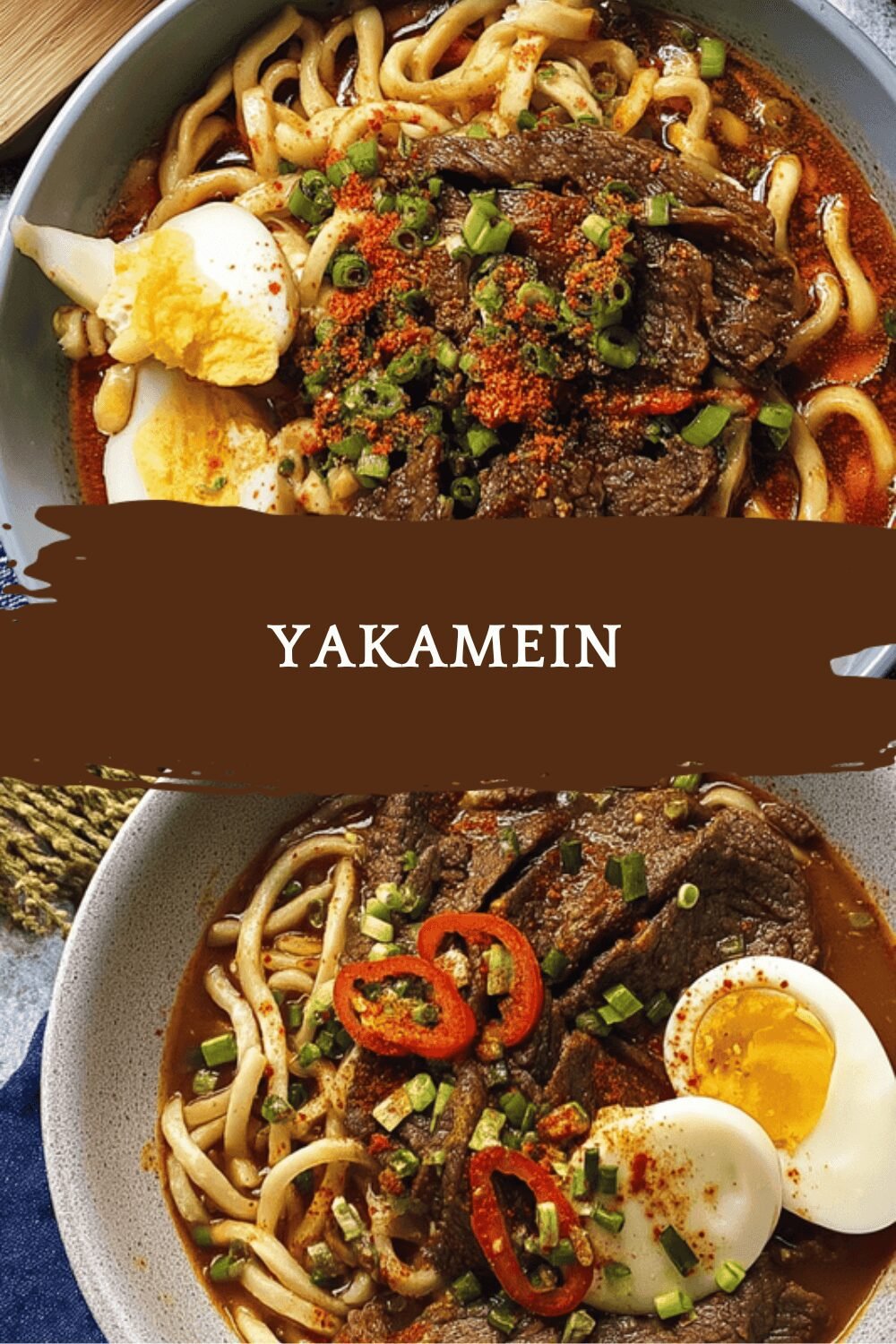
Dietary Substitutions to Customize Your Yakamein
Protein and Main Component Alternatives
- Replace beef brisket with chicken breast or turkey for a leaner protein option.
- Use firm tofu or seitan marinated similarly for a vegan adaptation of Yakamein.
- Try seafood like lobster, crawfish, or fish for alternative protein flavors.
Vegetable, Sauce, and Seasoning Modifications
- Add vegetables such as baby bok choy, spinach, napa cabbage, bean sprouts, broccoli, or carrots to increase nutrition and texture.
- Swap soy sauce for tamari or coconut aminos to maintain a gluten-free recipe.
- Enhance spiciness with chili garlic sauce or reduce cayenne for milder flavor.
- Experiment with different noodles like udon or Chinese egg noodles for varied texture.
Mastering Yakamein: Advanced Tips and Variations
Pro cooking techniques: Simmer beef slowly to develop maximum tenderness and rich broth flavor. Use a cast iron or carbon steel skillet to sear the meat to build a flavorful crust during preparation.
Flavor variations: Enhance broth complexity by adding star anise or cinnamon sticks during simmering. Incorporate miso paste for an umami boost. Experiment with other proteins such as pork belly or andouille sausage.
Presentation tips: Serve Yakamein in deep bowls with neatly arranged toppings like sliced boiled eggs, fresh cilantro, green onions, and sprouts. Add lime wedges on the side for a tangy touch.
Make-ahead options: Prepare broth and proteins in advance, storing separately. Heat and combine with freshly cooked noodles and garnishes before serving to maintain freshness.
How to Store Yakamein: Best Practices
| Storage Method | Guidelines | Duration |
|---|---|---|
| Refrigeration | Store broth and proteins in airtight containers, refrigerate up to 3 days. Keep noodles separate to prevent sogginess. | 3 days |
| Freezing | Freeze broth and cooked beef or shrimp separately in freezer-safe containers up to 2 months. Avoid freezing noodles. | 2 months |
| Reheating | Reheat broth gently on the stove. Add noodles just before serving to retain texture and freshness. | N/A |
| Meal prep considerations | Prepare components separately in batches and assemble portions upon serving to preserve taste and quality. | N/A |
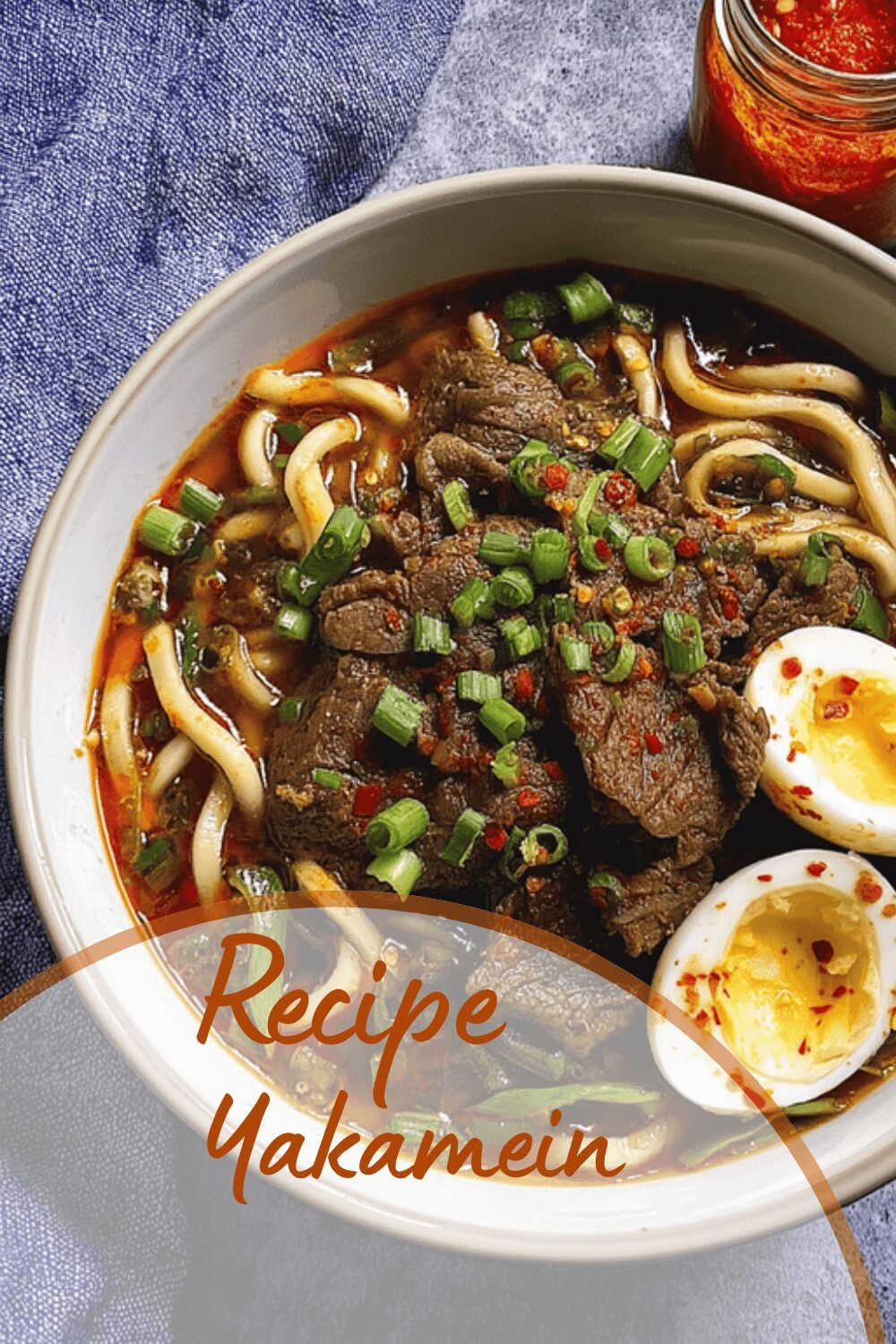
FAQs: Frequently Asked Questions About Yakamein
What is Yakamein and where does it come from?
Yakamein is a flavorful beef noodle soup that originated in New Orleans. It combines Chinese cooking styles with Creole seasonings, often including ingredients like beef, shrimp, spaghetti noodles, boiled eggs, and green onions. The soup reflects the city’s cultural blend by fusing Cantonese roots and Southern spices, and it’s popularly enjoyed as a comforting meal, especially late at night or after social gatherings.
What ingredients do I need to make authentic Yakamein at home?
Traditional Yakamein typically uses spaghetti noodles, beef (such as brisket or top round steak), beef broth, soy sauce, Creole seasoning, boiled eggs, shrimp, and green onions. Optional additions include hot sauce and other proteins like pork or andouille sausage. Vegetables like baby bok choy or napa cabbage can be added to the broth for extra flavor and nutrition.
How do I cook the beef and broth for Yakamein to get the best flavor?
Start by marinating thinly sliced beef in soy sauce and Creole seasoning for at least one hour. Sear the beef in a hot pan for a nice crust, then simmer it gently in beef broth with added spices until tender. Using a cast iron or carbon steel pan helps develop a richer sear. Simmering the broth allows flavors to meld and creates a savory base for the noodles.
Can I customize Yakamein with different noodles or toppings?
Yes, while spaghetti is traditional because it holds up well in soup, you may use other noodle types like udon or Chinese egg noodles based on preference. Toppings such as soft or hard-boiled eggs, baby bok choy, bean sprouts, or shrimp make delicious additions. Adjusting ingredients allows you to personalize the dish while keeping its comforting essence.
Why is Yakamein called “Ol’ Sober” and is it really good for hangovers?
In New Orleans, Yakamein is nicknamed “Ol’ Sober” because many believe it helps alleviate hangover symptoms. The savory broth replenishes fluids and electrolytes, while the protein and noodles provide energy. Though not a medical cure, it’s a popular go-to comfort food after late-night partying. Its warming qualities and bold flavors make it a satisfying recovery meal.
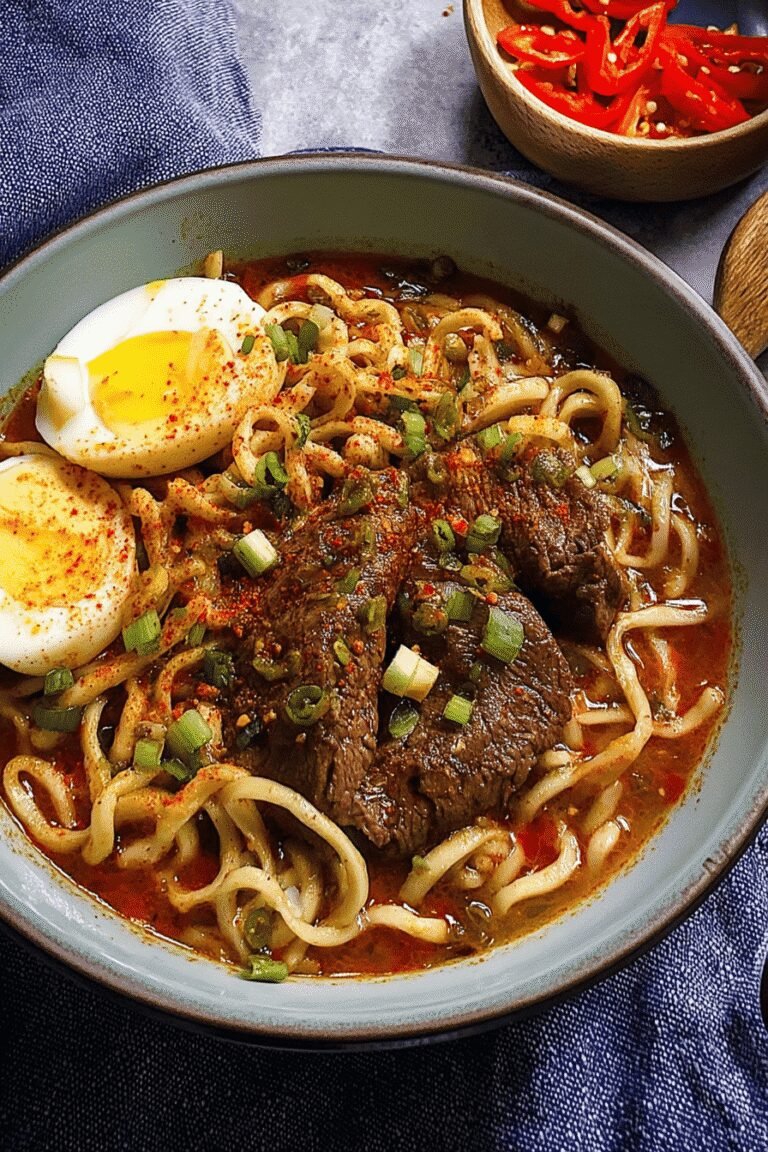
Yakamein
🍜 Experience the soul-warming flavors of Yakamein, a New Orleans favorite that’s both hearty and restorative.
🔥 Ideal for spice lovers, this Creole-Cantonese noodle soup blends rich broth with tender beef and shrimp.
- Total Time: 2 hours 10 minutes
- Yield: 6 servings
Ingredients
– 1.5 pounds boneless chuck roast
– 2 tablespoons cooking oil
– 0.5 pound peeled and deveined shrimp
– 6 eggs
– 8 ounces dried spaghetti noodles
– 0.5 cup chopped scallions
– 2 teaspoons Creole seasoning
– 1 tablespoon soy sauce
– 1 teaspoon Creole seasoning
– 1 teaspoon soy sauce
– 8 cups beef broth
– 1 tablespoon Creole seasoning
– 1 tablespoon soy sauce
– 1 tablespoon Worcestershire sauce
– 1 teaspoon onion powder
– 1 teaspoon garlic powder
– 1 teaspoon dried oregano
– 1 teaspoon dried thyme
– 1 teaspoon paprika
– 0.25 teaspoon cayenne pepper
– 0.5 teaspoon black pepper
Instructions
1-First Step: Prep Ingredients and Marinate Proteins
Begin by slicing the boneless chuck roast into ½ inch strips and marinating the beef in 1 tablespoon soy sauce and 2 teaspoons Creole seasoning. Similarly, marinate the peeled and deveined shrimp with 1 teaspoon soy sauce and 1 teaspoon Creole seasoning. Let both marinate for at least 30 minutes to absorb the flavors. Meanwhile, prepare the dried spaghetti noodles according to package instructions. Boil eggs to your preferred doneness, then cool in ice water and peel.
2-Second Step: Sear the Beef
Heat 2 tablespoons of oil in a large pot over medium-high heat. Add the marinated beef strips in batches to avoid overcrowding, searing until browned on all sides for added flavor. Remove the beef and set aside.
3-Third Step: Build the Broth
Pour the 8 cups of beef broth into the pot. Add the Creole seasoning, soy sauce, Worcestershire sauce, onion powder, garlic powder, oregano, thyme, paprika, cayenne, and black pepper. Bring the broth to a boil, then reduce the heat to medium-low and simmer uncovered.
4-Fourth Step: Simmer the Beef in Broth
Return the seared beef to the pot. Let it simmer gently for 1 to 1.5 hours until the beef is tender, stirring occasionally. Taste and adjust seasoning if needed.
5-Fifth Step: Add Shrimp and Finish Noodles
About 5 minutes before serving, add the marinated shrimp to the soup to avoid overcooking and maintain tenderness. Allow the shrimp to cook through in the simmering broth. Prepare the cooked spaghetti noodles and divide them into serving bowls.
6-Final Step: Assemble and Serve
To serve, place the noodles in each bowl. Ladle hot broth over the noodles, topping with beef, shrimp, sliced boiled eggs, and a generous garnish of chopped scallions. Add hot sauce or chili garlic sauce as desired for extra heat and flavor.
Last Step:
Please leave a rating and comment letting us know how you liked this recipe! This helps our business to thrive and continue providing free, high-quality recipes for you.Notes
🌿 Browning the beef is essential for enhancing flavor.
🍤 Add shrimp last to keep it tender and juicy.
🍳 Marinate eggs for extra flavor or serve them traditionally boiled.
- Prep Time: 10 minutes
- Marinade Time: 30 minutes
- Cook Time: 1 hour 30 minutes
- Category: Main Course
- Method: Simmering
- Cuisine: Creole-Cantonese
- Diet: N/A
Nutrition
- Serving Size: 1 bowl
- Calories: 520 kcal
- Sugar: 1 g
- Sodium: 3161 mg
- Fat: 29 g
- Saturated Fat: 10 g
- Carbohydrates: 16 g
- Fiber: 1 g
- Protein: 49 g
- Cholesterol: 360 mg






I’ve always wanted to try making Yakamein! 🍜 My family loves a mix of different cuisines, and this recipe is spot on. I added a little extra spice for our taste buds, and it turned out amazing. Thanks for sharing such a fantastic blend of flavors!