

Why You’ll Love This Yakamein
Imagine sitting down to a warm bowl of Yakamein, a comforting southern noodle soup that brings people together around the table. This dish stands out for its straightforward prep, making it perfect for busy parents and students looking for a quick meal without fuss. You’ll appreciate how it packs in health benefits from protein-rich ingredients while letting you tweak flavors to suit your family’s tastes.
One of the best parts of this Yakamein recipe is its ease of preparation, needing just simple steps and everyday items, ideal for weeknight dinners or casual gatherings. It’s loaded with nutrients from lean beef and fresh veggies, supporting energy and overall wellness in a balanced way. Plus, its versatility means you can adapt it for various diets, ensuring everyone at your potluck or family event can enjoy a hearty, memorable bite.
- Ease of preparation: This Yakamein recipe is straightforward, requiring minimal ingredients and simple steps, making it ideal for quick weeknight meals.
- Health benefits: Packed with nutritious components like lean proteins, fresh vegetables, and broth, Yakamein offers a wholesome meal rich in vitamins, minerals, and balanced macronutrients.
- Versatility: This Yakamein dish can be easily adapted to various dietary preferences, including vegan, gluten-free, and low-calorie versions, by swapping ingredients or adjusting seasoning.
- Distinctive flavor: Featuring a harmonious blend of savory broth, tender meat, and bold seasonings, Yakamein stands out with its unique taste profile that beautifully balances richness, umami, and subtle spice.
Yakamein holds cultural significance in the African American community, reflecting New Orleans’ vibrant traditions, and it’s a protein-rich, hearty option that varies in calories based on your garnishes. For food enthusiasts and community organizers, this recipe fosters those soul-warming moments at gatherings, much like the dishes on our BBQ beef casserole page, which pairs well with hearty soups for larger events.
Jump to:
- Why You’ll Love This Yakamein
- Essential Ingredients for Yakamein
- Main Ingredients
- How to Prepare the Perfect Yakamein: Step-by-Step Guide
- Dietary Substitutions to Customize Your Yakamein
- Mastering Yakamein: Advanced Tips and Variations
- Pro Cooking Techniques
- How to Store Yakamein: Best Practices
- FAQs: Frequently Asked Questions About Yakamein
- What is Yakamein and what are its main ingredients?
- Where did Yakamein originate and how did it become popular?
- What makes the broth in Yakamein unique?
- Can I make Yakamein at home if I don’t have access to traditional seasoning?
- What variations or toppings can be added to Yakamein?
- Yakamein
- Ingredients
- Instructions
- Last Step:
- Notes
- Nutrition
- Did you make this recipe?
Essential Ingredients for Yakamein
Gathering the right ingredients is key to making a delicious Yakamein, a traditional New Orleans beef noodle soup with its rich and flavorful broth. This section lists everything you need, based on the classic recipe, to ensure your soup turns out just right. We’ll focus on precise measurements to help home cooks and busy professionals measure accurately and avoid any kitchen mishaps.
Main Ingredients
- One pound (about 450 grams) of boneless chuck roast – This provides the tender, flavorful beef base for the soup.
- One 5-ounce (approximately 140 grams) package of seasoning or a substitute blend made from one teaspoon of Creole seasoning and three tablespoons of beef base – Adds the essential savory depth to the broth.
- One pound (about 450 grams) of cooked spaghetti – Serves as the hearty noodle component that absorbs the broth’s flavors.
- Two bunches of chopped green onions – Used for fresh, crisp garnishing that brightens each bowl.
- Four hard-cooked eggs peeled and quartered – Provides a protein boost and traditional topping for texture and taste.
- Soy sauce to taste – Enhances the umami and seasoning of the final dish.
- Optional items for garnishing: Boiled shrimp, hot sauce, ketchup, boiled cauliflower, boiled broccoli, or boiled carrots – These allow for personalization and added nutrition.
With these ingredients, you can create a versatile soup that’s perfect for diet-conscious individuals or baking enthusiasts experimenting with flavors. For more ideas on using beef in meals, check out our Mongolian beef and broccoli recipe, which offers a similar protein-packed twist.
How to Prepare the Perfect Yakamein: Step-by-Step Guide
Getting Yakamein right starts with simple, clear steps that even newcomers to cooking can follow. This southern noodle soup with savory broth comes together in about 15 minutes for cooking the roast, plus a bit more for simmering and prepping, making it a great choice for working professionals. The broth is the star, so take your time to let those flavors shine through.
- First, prepare the chuck roast by simmering one pound in water over medium-high heat for about 15 minutes until it’s cooked through.
- Remove the roast and reserve eight cups of the cooking liquid, then combine it with the seasoning blend and simmer for five minutes until fully dissolved. Keep it warm off the heat for the best taste.
- Chop the cooked beef into bite-sized pieces to ensure it’s easy to eat in your soup bowls.
- Cook one pound of spaghetti according to package instructions, then divide it into eight large bowls.
- Top the spaghetti with the chopped beef, two bunches of chopped green onions, and the four quartered hard-cooked eggs in each bowl.
- Ladle one cup of the warm broth over each bowl and finish with a dash of soy sauce, plus any optional garnishes like boiled shrimp or vegetables.
- Serve immediately to eight people, adjusting seasoning as needed for a personalized touch.
This method keeps the preparation moderately quick, allowing you to focus on the dish’s hearty, protein-rich nature. The broth’s rich flavor defines the soup, so taste and tweak as you go this is a New Orleans classic that’s adaptable for family meals.
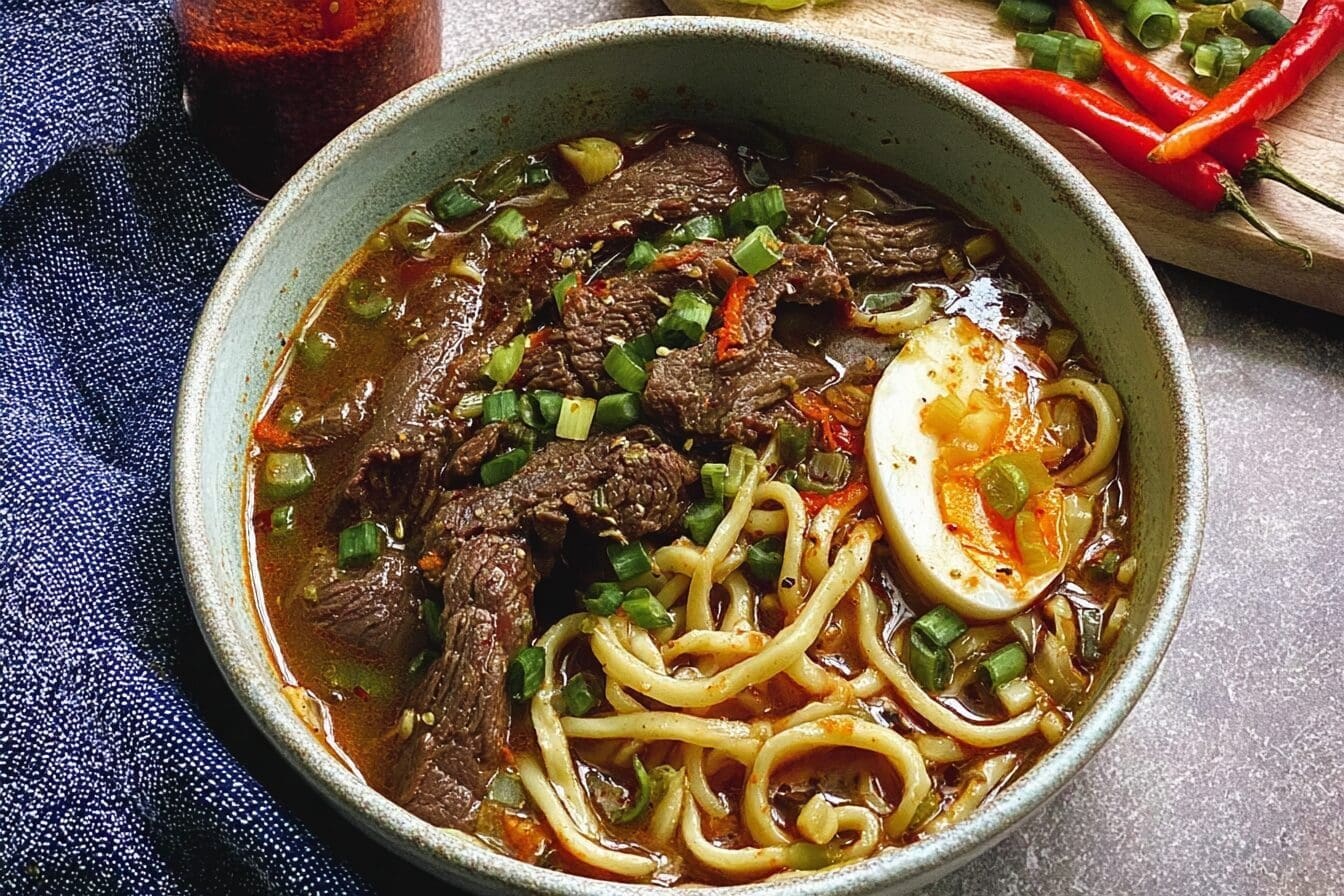
Dietary Substitutions to Customize Your Yakamein
Yakamein is all about flexibility, letting you tweak it for different needs while keeping that classic southern noodle soup vibe. Whether you’re a student watching calories or a senior looking for lighter options, these swaps make it easy. Start by considering protein alternatives to maintain the dish’s heartiness without losing flavor.
| Original Ingredient | Substitution Option | Reason for Swap |
|---|---|---|
| Boneless chuck roast | Chicken breast or firm tofu | For lighter or vegan versions |
| Spaghetti | Gluten-free noodles | To accommodate gluten-free diets |
| Soy sauce | Tamari or coconut aminos | Gluten-free and flavor adjustment |
Protein and main component alternatives include replacing beef with chicken for a lighter option or using tofu for vegans. Vegetable modifications might swap green onions with other greens, and you can add items like boiled broccoli for extra nutrition. This way, the soup remains a favorite for travelers and newlyweds seeking quick, customizable meals.
Mastering Yakamein: Advanced Tips and Variations
Once you’re comfortable with the basics, take your Yakamein to the next level with these pro tips for a savory broth that’s full of depth. The key is in the broth’s slow simmer, which pulls out rich flavors from the beef and seasonings, making it a standout dish for food enthusiasts. Experimenting with variations can turn this New Orleans staple into your own signature recipe.
Pro Cooking Techniques
- For a richer broth, simmer longer and skim impurities to keep it clear.
- Try adding spices like ginger for an aromatic twist without overwhelming the traditional taste.
- Store components separately for make-ahead meals, ensuring freshness for busy schedules.
Garnish with fresh herbs or lime for a pop of flavor, and remember, the seasoning is adjustable to taste. This approach makes Yakamein perfect for community events, much like the shared dishes in our blog’s stories.
How to Store Yakamein: Best Practices
Keeping your Yakamein fresh means storing it properly to maintain that savory broth and hearty texture. Refrigerate the broth and components in sealed containers for up to three days, which is great for meal prep among working professionals. Freezing extends its life, letting you enjoy this southern noodle soup later without losing flavor.
- Refrigeration: Store Yakamein broth and components in sealed containers in the refrigerator for up to 3 days.
- Freezing: Freeze broth and cooked proteins separately in airtight containers for up to 3 months.
- Reheating: Gently reheat broth on the stove, adding fresh noodles to keep everything from getting soggy.
- Meal prep: Cook in batches and keep items separate for easy assembly.
This method ensures the dish stays protein-rich and ready for gatherings, reflecting the blog’s focus on community and easy transport.
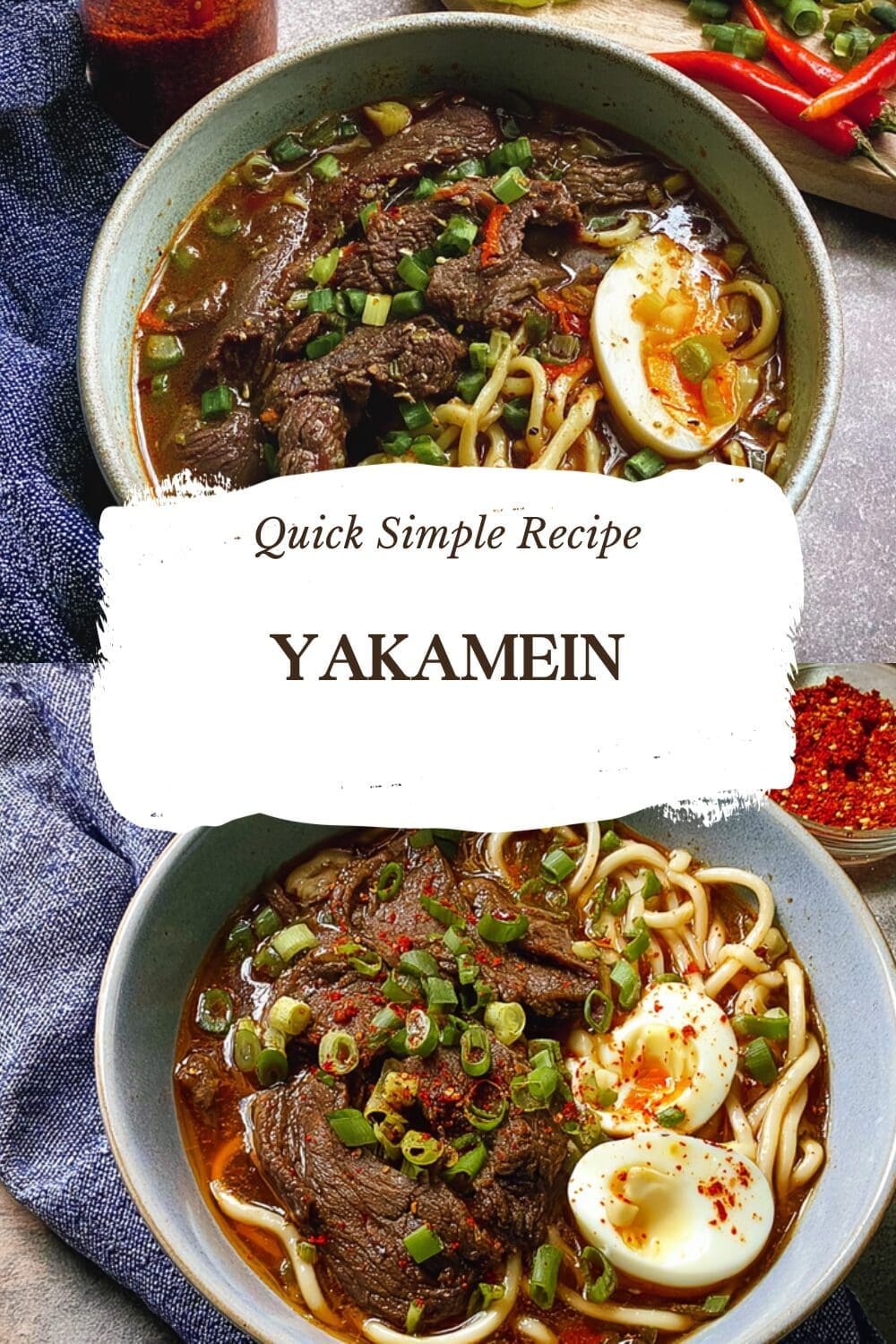
FAQs: Frequently Asked Questions About Yakamein
What is Yakamein and what are its main ingredients?
Yakamein is a traditional New Orleans beef noodle soup known for its comforting flavors. It typically consists of slow-cooked beef (or sometimes pork or shrimp), spaghetti noodles, a hard-boiled egg, green onions, and a broth made from a special blend of seasonings. The combination of tender meat, seasoned broth, and simple toppings makes it a beloved dish in Creole cuisine.
Where did Yakamein originate and how did it become popular?
Yakamein originates from New Orleans and is believed to be a cultural blend influenced by Chinese immigrants and African American communities, dating back to the 1800s. Returning African American soldiers and Chinese laborers helped introduce and popularize the dish, which has since become a staple comfort food in the city’s culinary tradition.
What makes the broth in Yakamein unique?
The broth in Yakamein, often called the “juice,” is made by simmering beef with a special seasoning blend that typically includes Creole spices and beef stock. This slow-cooked broth is rich, flavorful, and savory, giving Yakamein its distinctive taste. Many cooks add soy sauce or additional spices to deepen the flavor profile.
Can I make Yakamein at home if I don’t have access to traditional seasoning?
Yes, if you don’t have traditional Yakamein seasoning, you can substitute it with a combination of Creole seasoning and beef bouillon paste or base. For example, 1 teaspoon of Creole seasoning and 3 tablespoons of beef base like Better Than Bouillon can replicate the flavor. Adjust the seasoning gradually to match your taste preferences.
What variations or toppings can be added to Yakamein?
While the classic Yakamein includes beef, noodles, egg, and green onions, many variations exist. Some add shrimp, vegetables like cabbage or bean sprouts, or hot sauce for extra heat. It’s common to garnish the dish with soy sauce or lemon juice for added tanginess. These options allow for personalization while maintaining the dish’s signature flavor.

Yakamein
🍜 Enjoy the comforting and rich flavors of Ya-Ka-Mein, a classic Southern noodle soup cherished for its savory broth.
🥩 This protein-rich dish combines tender beef, noodles, and flavorful seasonings for a hearty meal with cultural significance.
- Total Time: 40 minutes
- Yield: 8 servings
Ingredients
– One pound (about 450 grams) boneless chuck roast for beef base
– One 5-ounce (approximately 140 grams) package seasoning or substitute blend made from one teaspoon Creole seasoning and three tablespoons beef base for savory depth
– One pound (about 450 grams) cooked spaghetti for noodle component
– Two bunches chopped green onions for garnishing
– Four hard-cooked eggs peeled and quartered for topping
– Soy sauce to taste for seasoning
– Optional boiled shrimp for garnishing
– Optional hot sauce for garnishing
– Optional ketchup for garnishing
– Optional boiled cauliflower for garnishing
– Optional boiled broccoli for garnishing
– Optional boiled carrots for garnishing
Instructions
1-First, prepare the chuck roast by simmering one pound in water over medium-high heat for about 15 minutes until it’s cooked through.
2-Remove the roast and reserve eight cups of the cooking liquid, then combine it with the seasoning blend and simmer for five minutes until fully dissolved. Keep it warm off the heat for the best taste.
3-Chop the cooked beef into bite-sized pieces to ensure it’s easy to eat in your soup bowls.
4-Cook one pound of spaghetti according to package instructions, then divide it into eight large bowls.
5-Top the spaghetti with the chopped beef, two bunches of chopped green onions, and the four quartered hard-cooked eggs in each bowl.
6-Ladle one cup of the warm broth over each bowl and finish with a dash of soy sauce, plus any optional garnishes like boiled shrimp or vegetables.
7-Serve immediately to eight people, adjusting seasoning as needed for a personalized touch.
Last Step:
Please leave a rating and comment letting us know how you liked this recipe! This helps our business to thrive and continue providing free, high-quality recipes for you.Notes
🍲 Adjust seasoning in broth to your preferred taste.
⏳ Prepare garnishes ahead to streamline serving.
🥄 Use good quality beef base and Creole seasoning for authentic flavor.
- Prep Time: 10 minutes
- Simmering time: 15 minutes
- Cook Time: 15 minutes
- Category: Soup
- Method: Simmering
- Cuisine: Southern American
- Diet: Gluten
Nutrition
- Serving Size: 1 bowl
- Calories: 450 kcal
- Sugar: 3 g
- Sodium: 900 mg
- Fat: 15 g
- Saturated Fat: 5 g
- Unsaturated Fat: 7 g
- Trans Fat: 0 g
- Carbohydrates: 45 g
- Fiber: 3 g
- Protein: 30 g
- Cholesterol: 210 mg


