

Why You’ll Love This Whole Wheat Bread Recipe
- Ease of preparation: This whole wheat bread recipe is thoughtfully designed to be simple and approachable, requiring just a handful of ingredients and straightforward steps. The sponge method allows the yeast to activate gently, creating a robust flavor with minimal effort. Whether you’re an experienced baker or trying bread-making for the first time, its clear instructions and manageable rising times make baking fresh whole wheat bread accessible in a few hours.
- Health benefits: Made primarily from whole wheat flour, this recipe delivers ample fiber and important nutrients that promote healthy digestion and heart wellness. Using honey as a natural sweetener also boosts yeast activity while providing a mild sweetness, making it a nourishing alternative to processed white bread. For more information on the benefits of whole wheat bread, this recipe is a great place to start.
- Versatility: This whole wheat bread recipe easily adapts to diverse dietary choices. With simple substitutions such as olive oil for butter to make it dairy-free, or swapping out flour blends for gluten-free needs it becomes a versatile base for many lifestyles. It’s also perfect for sandwiches, toast, or a wholesome side with any meal.
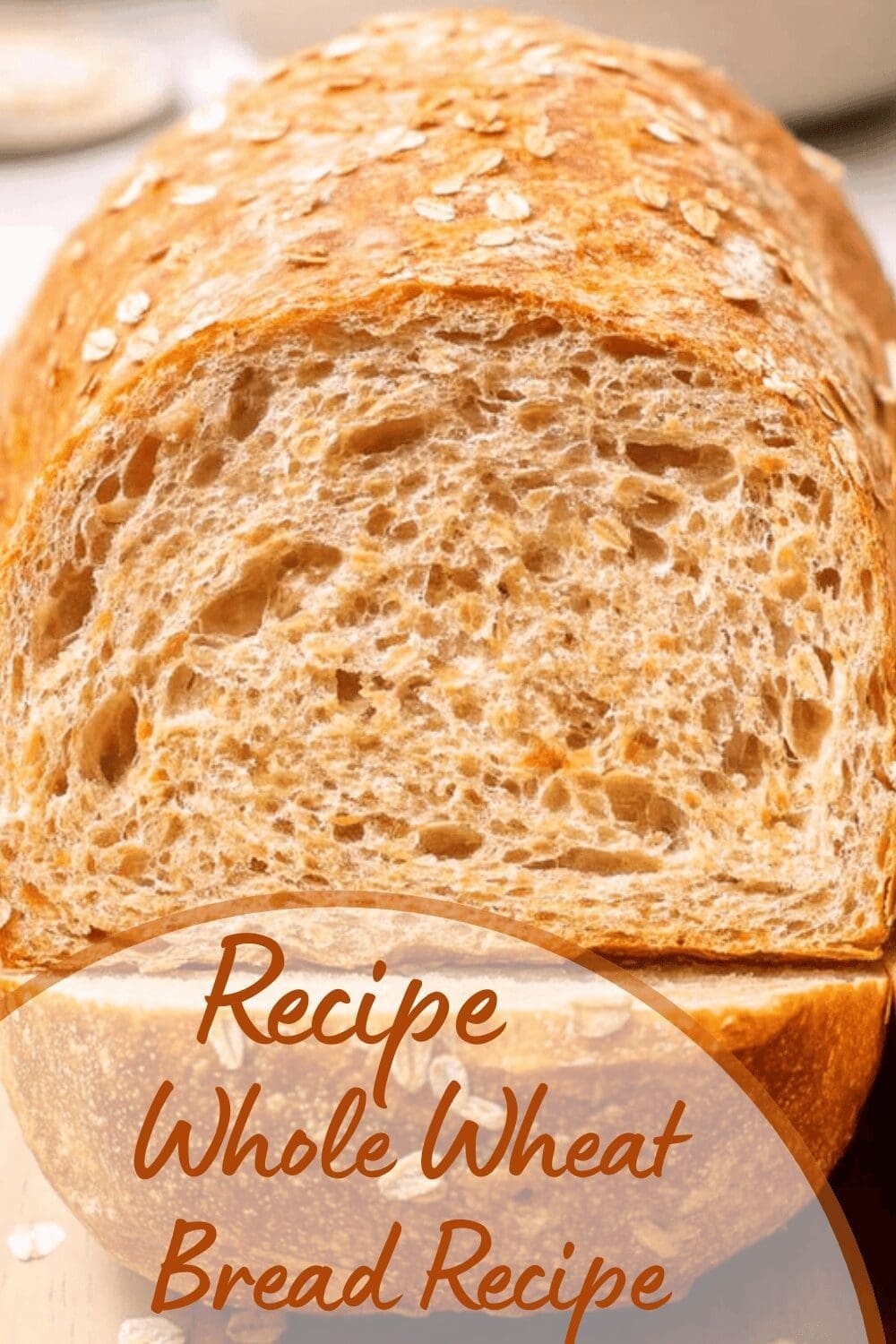
- Distinctive flavor: The nutty, earthy character of whole wheat flour shines through, enhanced by the sweetness of honey and a hint of lemon juice or vinegar. The result is a soft, flavorful loaf with a tender crumb and a satisfyingly hearty taste that sets it apart from common white bread recipes.
Jump to:
- Why You’ll Love This Whole Wheat Bread Recipe
- Essential Ingredients for Whole Wheat Bread Recipe
- Special Dietary Options
- How to Prepare the Perfect Whole Wheat Bread Recipe: Step-by-Step Guide
- First Step: Prepare the Sponge
- Second Step: Mix the Dough
- Third Step: Knead the Dough
- Fourth Step: First Rise
- Fifth Step: Shape the Loaf
- Final Step: Bake and Cool
- Dietary Substitutions to Customize Your Whole Wheat Bread Recipe
- Protein and Main Component Alternatives
- Vegetable, Sauce, and Seasoning Modifications
- Mastering Whole Wheat Bread Recipe: Advanced Tips and Variations
- How to Store Whole Wheat Bread Recipe: Best Practices
- FAQs: Frequently Asked Questions About Whole Wheat Bread Recipe
- What is the best oven temperature and baking time for whole wheat bread?
- How long and how many times should I let whole wheat bread dough rise?
- Can I make this whole wheat bread recipe dairy-free or with alternative sweeteners?
- Why did my whole wheat bread come out dense or develop holes inside?
- How should I store homemade whole wheat bread to keep it fresh?
- Whole Wheat Bread Recipe
- Ingredients
- Instructions
- Last Step:
- Notes
- Nutrition
- Did you make this recipe?
Essential Ingredients for Whole Wheat Bread Recipe
- 1 cup water, warmed to about 110°F (43°C) – activates yeast and hydrates the flour for proper dough formation.
- 1/3 cup whole milk, warmed to about 110°F (43°C) – adds tenderness and richness to the bread.
- 2 and 1/4 teaspoons active dry or instant yeast (1 standard packet) – leavens the bread, creating lightness and airiness.
- 2 cups whole wheat flour – provides fiber, nutrients, and the bread’s foundational structure.
- 3 tablespoons honey – acts as a natural sweetener and aids yeast fermentation for better rise.
- 3 tablespoons unsalted butter, softened (or substitute with olive or neutral vegetable oil for dairy-free) – adds moisture and improves crumb texture.
- 1 teaspoon fresh lemon juice (or apple cider vinegar as a substitute) – strengthens gluten and enhances flavor.
- 1 and 1/3 cups whole wheat flour, plus more as needed – completes dough’s body and manage consistency.
- 1 and 1/4 teaspoons salt – balances flavor and supports gluten development.
- 1 beaten egg white (optional for topping) – adds shine and helps oats adhere to the crust.
- 1 tablespoon whole oats (optional topping) – provides rustic texture and visual appeal.
Special Dietary Options
- Vegan: Substitute milk with water and butter with olive oil or neutral vegetable oil to keep the bread dairy-free.
- Gluten-free: Replace whole wheat flour with a gluten-free flour blend tailored for bread baking, adjusting hydration as needed.
- Low-calorie: Use less butter or swap it with unsweetened applesauce, and reduce honey to lighten the loaf.
How to Prepare the Perfect Whole Wheat Bread Recipe: Step-by-Step Guide
First Step: Prepare the Sponge
Combine 1 cup of warm water and 1/3 cup of warm whole milk in a large mixing bowl. Sprinkle 2 and 1/4 teaspoons of active dry or instant yeast over the liquids. Stir gently and let sit for 5–10 minutes until the yeast activates and froths. This sponge step encourages fermentation, which deepens flavor and improves texture.
Second Step: Mix the Dough
Add 2 cups of whole wheat flour to the sponge and stir until a thick batter forms. Let it rest covered in a warm spot for 60–90 minutes until doubled in size, indicating yeast activity is underway. Once risen, mix in 3 tablespoons honey, 3 tablespoons softened butter (or oil for dairy-free), 1 teaspoon lemon juice (or apple cider vinegar), 1 and 1/3 cups whole wheat flour, and 1 and 1/4 teaspoons salt. Stir until the dough pulls away from the sides of the bowl, adding flour to adjust if it’s too sticky.
Third Step: Knead the Dough
Turn the dough out onto a lightly floured surface and knead for 8–10 minutes until smooth, elastic, and slightly tacky. Alternatively, use a stand mixer with a dough hook on medium speed. This critical phase develops gluten for structure, so don’t rush it. For gluten-free doughs, knead just long enough to combine, as overworking may compromise texture.
Fourth Step: First Rise
Lightly grease a large bowl, place the dough inside, and turn it to coat with oil. Cover with a clean cloth or plastic wrap, and place in a warm area for 1.5 to 2 hours, or until the dough doubles in volume. This rise allows the dough to aerate and strengthen.
Fifth Step: Shape the Loaf
Punch down the dough to release gases. Roll it into an 8 x 15-inch rectangle on a floured surface. Starting from the short side, roll it tightly into a log. Place this seam-side down into a greased 9 x 5-inch loaf pan. Cover and let the dough rise again at room temperature for 45–60 minutes until it rises about 1 inch above the pan rim.
Final Step: Bake and Cool
Preheat your oven to 350°F (177°C). (Optional) Brush the top of the loaf with the beaten egg white and sprinkle with oats for added texture and a beautiful crust. Bake the bread for 36–40 minutes until golden brown. If the crust browns too fast, tent it loosely with foil halfway through. The loaf is done when it sounds hollow when tapped or the internal temperature reaches 195–200°F (90–93°C). Cool the bread in the pan briefly before transferring to a wire rack to cool completely, ensuring clean slicing without crumbling.
Tip: Refrigerate the shaped dough overnight for a slow rise that adds complex flavor and improves texture if planning ahead.

Dietary Substitutions to Customize Your Whole Wheat Bread Recipe
Protein and Main Component Alternatives
- Add plant-based protein powders or seeds like flaxseeds or chia seeds to boost the protein content while preserving the wholesome integrity of the whole wheat bread recipe.
- Replace the whole wheat flour with gluten-free flours such as rice, almond, or specialized gluten-free blends, tailoring hydration as necessary to adjust dough consistency.
Vegetable, Sauce, and Seasoning Modifications
- Incorporate herbs like rosemary or thyme to the dough to infuse extra aroma and flavor without adding calories.
- Fold finely grated vegetables like zucchini or carrots into the dough to add moisture and subtle natural sweetness.
- Use maple syrup or agave nectar as alternative natural sweeteners instead of honey to accommodate vegan preferences.
- Adjust salt levels or opt for sea salt for a nuanced mineral taste, customizing toward personal or dietary sodium requirements.
Mastering Whole Wheat Bread Recipe: Advanced Tips and Variations
| Technique | Details |
|---|---|
| Pro cooking techniques | Try the autolyse method by mixing flour and water before adding yeast and other ingredients, letting it rest for 20–30 minutes. This enhances gluten formation and improves dough elasticity. |
| Flavor variations | Add mix-ins like chopped nuts, dried fruits, or spices like cinnamon and nutmeg to create unique flavor profiles. |
| Presentation tips | Slice your bread evenly and serve with complementary toppings such as herb butter, olive oil, or flavored cream cheese for an elegant touch. |
| Make-ahead options | Prepare the dough the night before by allowing it to rise slowly in the fridge. This pre-fermentation adds complexity and saves time on baking day. |
How to Store Whole Wheat Bread Recipe: Best Practices
- Refrigeration: Store your whole wheat bread in an airtight container or bread box at room temperature for up to three days to keep it fresh and moist.
- Freezing: Wrap the cooled bread tightly in plastic wrap and aluminum foil, then place it within a freezer bag for up to three months. Slice beforehand for easy thawing of individual pieces.
- Reheating: Refresh slices by warming in a toaster or oven set at low heat to restore softness without drying out the bread.
- Meal prep considerations: Freeze portions for simple quick meals or snacks throughout the week, minimizing waste and maximizing convenience.
FAQs: Frequently Asked Questions About Whole Wheat Bread Recipe
What is the best oven temperature and baking time for whole wheat bread?
Bake whole wheat bread at 350°F (177°C), placing the loaf on the lower oven rack to prevent the top from browning too quickly. Baking typically takes 35 to 45 minutes depending on your pan. Use an instant-read thermometer to check doneness; the internal temperature should reach 200°F (93°C) when fully baked.
How long and how many times should I let whole wheat bread dough rise?
Whole wheat bread dough requires two rises. The first rise is about one hour or until the dough doubles in size. After shaping and placing the dough in the pan, allow a second rise of 30 to 45 minutes, until it slightly rises above the pan’s edge. Proper rising helps achieve a light, tender loaf.
Can I make this whole wheat bread recipe dairy-free or with alternative sweeteners?
Yes, you can substitute milk with water and replace butter with olive oil or a neutral vegetable oil like canola to make the recipe dairy-free. Instead of honey, you may use agave syrup as a natural sweetener, but note that it might slightly affect flavor and moisture.
Why did my whole wheat bread come out dense or develop holes inside?
Dense bread often results from over-kneading or letting the dough rise too long (over-proofing). Large holes can form when the dough isn’t rolled or shaped tightly before the final rise. To avoid these issues, knead until the dough is smooth and slightly sticky, and shape the loaf firmly.
How should I store homemade whole wheat bread to keep it fresh?
Store homemade whole wheat bread at room temperature in a plastic bag, wrapped tightly, or in an airtight container for up to one week. For longer storage, slice the cooled bread and freeze it in an airtight bag for up to three months. Thaw slices in a toaster or at room temperature for best texture.

Whole Wheat Bread Recipe
🍞 Enjoy delicious homemade bread with a soft crumb and artisan flavor right from your own kitchen!
🌾 Perfect for sandwiches or toast, this wholesome bread is made even better with just four simple ingredients!
- Total Time: 5 hours 10 minutes
- Yield: 1 loaf 1x
Ingredients
1 cup water for activating yeast and hydrating the flour
1/3 cup whole milk for adding tenderness and richness
2 and 1/4 teaspoons active dry or instant yeast for leavening
2 cups whole wheat flour
3 tablespoons honey for natural sweetening and aiding fermentation
3 tablespoons unsalted butter
1 teaspoon fresh lemon juice
1 and 1/3 cups whole wheat flour
1 and 1/4 teaspoons salt for balancing flavor and supporting gluten development
1 beaten egg white
1 tablespoon whole oats
Instructions
First Step: Prepare the Sponge
Combine 1 cup of warm water and 1/3 cup of warm whole milk in a large mixing bowl. Sprinkle 2 and 1/4 teaspoons of active dry or instant yeast over the liquids. Stir gently and let sit for 5–10 minutes until the yeast activates and froths. This sponge step encourages fermentation, which deepens flavor and improves texture.
Second Step: Mix the Dough
Add 2 cups of whole wheat flour to the sponge and stir until a thick batter forms. Let it rest covered in a warm spot for 60–90 minutes until doubled in size, indicating yeast activity is underway. Once risen, mix in 3 tablespoons honey, 3 tablespoons softened butter (or oil for dairy-free), 1 teaspoon lemon juice (or apple cider vinegar), 1 and 1/3 cups whole wheat flour, and 1 and 1/4 teaspoons salt. Stir until the dough pulls away from the sides of the bowl, adding flour to adjust if it’s too sticky.
Third Step: Knead the Dough
Turn the dough out onto a lightly floured surface and knead for 8–10 minutes until smooth, elastic, and slightly tacky. Alternatively, use a stand mixer with a dough hook on medium speed. This critical phase develops gluten for structure, so don’t rush it. For gluten-free doughs, knead just long enough to combine, as overworking may compromise texture.
Fourth Step: First Rise
Lightly grease a large bowl, place the dough inside, and turn it to coat with oil. Cover with a clean cloth or plastic wrap, and place in a warm area for 1.5 to 2 hours, or until the dough doubles in volume. This rise allows the dough to aerate and strengthen.
Fifth Step: Shape the Loaf
Punch down the dough to release gases. Roll it into an 8 x 15-inch rectangle on a floured surface. Starting from the short side, roll it tightly into a log. Place this seam-side down into a greased 9 x 5-inch loaf pan. Cover and let the dough rise again at room temperature for 45–60 minutes until it rises about 1 inch above the pan rim.
Final Step: Bake and Cool
Preheat your oven to 350°F (177°C). (Optional) Brush the top of the loaf with the beaten egg white and sprinkle with oats for added texture and a beautiful crust. Bake the bread for 36–40 minutes until golden brown. If the crust browns too fast, tent it loosely with foil halfway through. The loaf is done when it sounds hollow when tapped or the internal temperature reaches 195–200°F (90–93°C). Cool the bread in the pan briefly before transferring to a wire rack to cool completely, ensuring clean slicing without crumbling.
Last Step:
Please leave a rating and comment letting us know how you liked this recipe! This helps our business to thrive and continue providing free, high-quality recipes for you.Notes
🌿 Dough can be made 100% whole wheat, or substitute 1 cup of whole wheat flour with bread flour or all-purpose flour for a lighter, taller loaf.
🥣 Proofing yeast by letting it activate in warm water and honey before mixing ensures freshness, especially if not using instant yeast.
👩🍳 Kneading thoroughly is essential to develop gluten and elasticity; dough should remain slightly sticky but not overly wet.
- Prep Time: 15 minutes
- Rising Time: 4 hours
- Cook Time: 36 to 40 minutes
- Category: Bread
- Method: Baking
- Cuisine: American
- Diet: Vegetarian
Nutrition
- Serving Size: 1 slice
- Calories: 330 per slice
- Sugar: Varies, depending on additional honey
- Sodium: Varies
- Fat: Varies
- Saturated Fat: Depends on butter or oil used
- Unsaturated Fat: Depends on oil used
- Trans Fat: 0
- Carbohydrates: Varies, mostly from flour
- Fiber: High fiber from whole wheat flour
- Protein: Moderate, depending on flour and additions
- Cholesterol: Minimal, more if using butter and milk


I tried this with a mix of whole wheat and rye flour, and it turned out fantastic! 😋 Next time, I might add some seeds for extra crunch.
Thanks for sharing such a wholesome recipe!
I am not a bread maker, but with this recipe, I really didn’t have to be. It was simple, quick, and very delicious. Thank you so much. I’m quite proud of myself.