

Why You’ll Love This Whole Wheat Bread Recipe
Whole Wheat Bread Recipe made at home gives you a soft, slightly sweet loaf that is both nutritious and comforting. This easy homemade method combines a simple sponge with a straightforward knead-and-rise routine so even busy home bakers can get consistent results.
Author: Garwin Brotherton
My blog celebrates the heartwarming tradition of sharing food with community, featuring tried-and-true recipes perfect for potlucks, picnics, and gatherings that bring people together.
- Ease of preparation: This recipe uses a two-stage approach (sponge then dough) that is forgiving and simple. The hands-on work is limited to mixing, kneading, shaping, and two short rises, so it fits into a busy day.
- Health benefits: Made with 100% whole wheat flour, this loaf adds fiber, vitamins, and slow-release energy compared with white bread. Whole-grain bread supports digestion and keeps you fuller longer.
- Versatility: Use it for sandwiches, toast, or sliced for dipping. The dough accepts swaps like dairy-free milk or apple cider vinegar to suit dietary needs or pantry limits.
- Distinctive flavor: The honey and optional sponge step bring mild sweetness and a nutty crumb that tastes far better than store-bought whole wheat loaves.
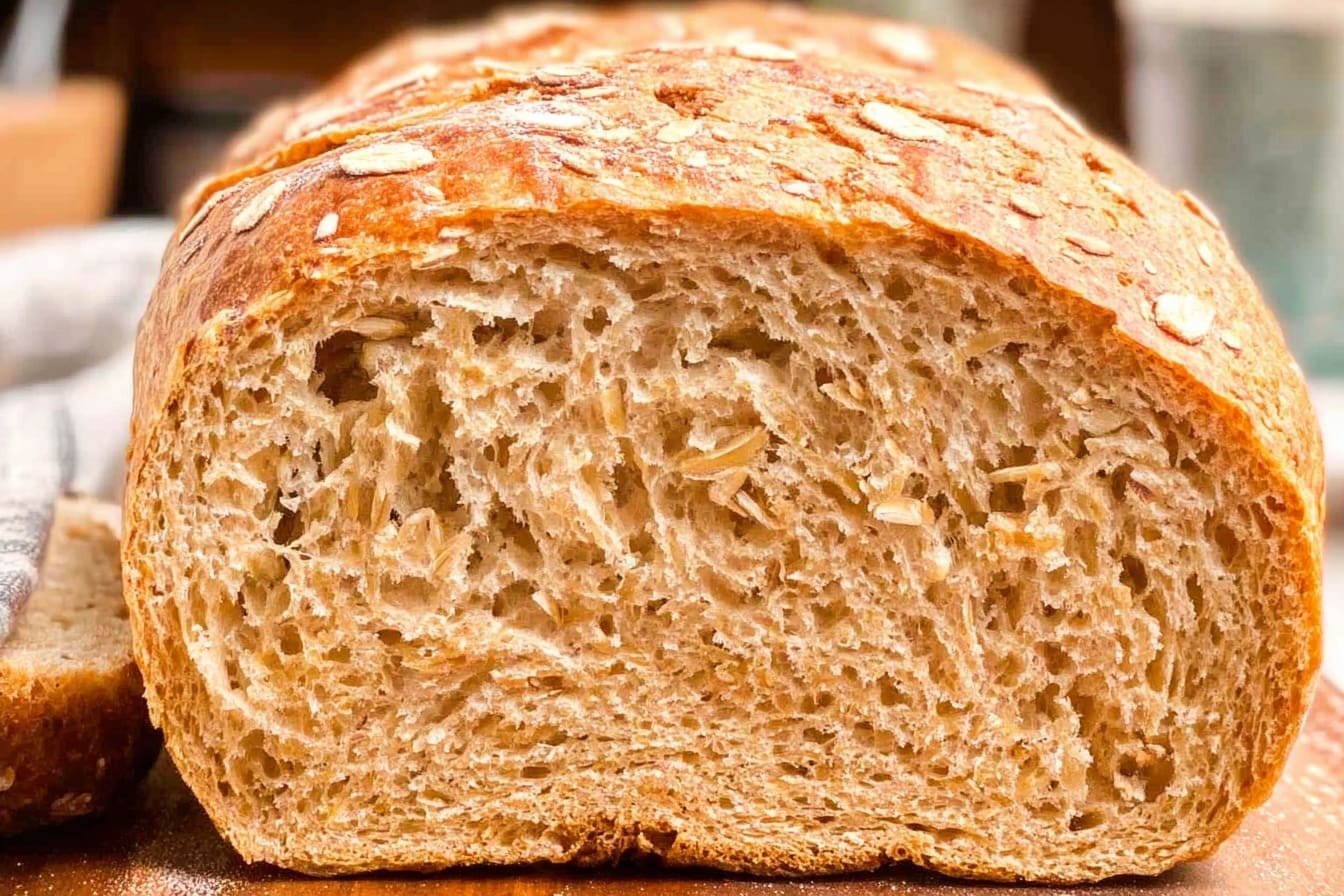
Soft, chewy-crusted bread with a touch of honey: simple, wholesome, and worth the time.
Jump to:
- Why You’ll Love This Whole Wheat Bread Recipe
- Essential Ingredients for Whole Wheat Bread Recipe
- Special Dietary Options
- How to Prepare the Perfect Whole Wheat Bread Recipe: Step-by-Step Guide
- First Step: Make the sponge
- Second Step: Combine sponge and dough ingredients
- Third Step: Knead for structure
- Fourth Step: First rise
- Fifth Step: Shape the loaf
- Sixth Step: Final rise
- Seventh Step: Top and bake
- Final Step: Check doneness and cool
- Dietary Substitutions to Customize Your Whole Wheat Bread Recipe
- Protein and Main Component Alternatives
- Vegetable, Sauce, and Seasoning Modifications
- Mastering Whole Wheat Bread Recipe: Advanced Tips and Variations
- Pro cooking techniques
- Flavor variations
- Presentation tips
- Make-ahead options
- How to Store Whole Wheat Bread Recipe: Best Practices
- Refrigeration
- Freezing
- Reheating
- Meal prep considerations
- FAQs: Frequently Asked Questions About Whole Wheat Bread Recipe
- Can I use instant yeast or active dry yeast in a whole wheat bread recipe?
- What can I substitute for lemon juice or milk in whole wheat bread recipe?
- Can I freeze whole wheat bread dough or a baked loaf?
- Why won’t my whole wheat bread rise enough and how do I fix it?
- How do I know when whole wheat bread is done baking?
- Whole Wheat Bread Recipe
- Ingredients
- Instructions
- Last Step:
- Notes
- Nutrition
- Did you make this recipe?
Essential Ingredients for Whole Wheat Bread Recipe
Below are every ingredient required for this Whole Wheat Bread Recipe. Each item is listed with precise measurements and a short note on what it does for the dough.
- 1 cup warm water (110°F / 43°C) – hydrates the sponge and activates yeast
- 1/3 cup warm whole milk (110°F / 43°C) – adds fat and tenderness to the crumb
- 2 and 1/4 teaspoons active dry or instant yeast (one packet) – leavens the bread
- 2 cups whole wheat flour – forms the sponge base and provides whole-grain structure
- 3 tablespoons honey – feeds the yeast and gives mild sweetness
- 3 tablespoons unsalted butter, softened – adds richness and softer crust
- 1 teaspoon fresh lemon juice or apple cider vinegar – balances whole wheat bitterness and strengthens gluten
- 1 and 1/3 cups whole wheat flour, plus more as needed – main dough flour to complete structure
- 1 and 1/4 teaspoons salt – flavors the bread and controls yeast activity
- 1 beaten egg white (optional) – for brushing the top to help oats stick and add sheen
- 1 tablespoon whole oats (optional) – for a rustic oat topping and texture
Special Dietary Options
- Vegan: Replace the 3 tablespoons unsalted butter with a plant-based butter or 3 tablespoons neutral oil, and skip the optional egg white topping or use aquafaba for brushing.
- Gluten-free: This recipe is written for whole wheat and is not gluten-free. If you need a gluten-free version, use a tested gluten-free bread flour blend and add xanthan gum as directed by the blend manufacturer; follow a gluten-free recipe for best results.
- Low-calorie: Use a low-fat milk or unsweetened nondairy milk and reduce added butter to 2 teaspoons, though texture will change slightly. You can also reduce the honey to 1 tablespoon for a less-sweet loaf.
How to Prepare the Perfect Whole Wheat Bread Recipe: Step-by-Step Guide
First Step: Make the sponge
Whisk together 1 cup warm water (110°F / 43°C), 1/3 cup warm whole milk (110°F / 43°C), and 2 and 1/4 teaspoons active dry or instant yeast in a medium bowl. Stir in 2 cups whole wheat flour until you get a thick batter. Cover lightly with a kitchen towel or plastic wrap and let it double in size at room temperature for 60 to 90 minutes.
Second Step: Combine sponge and dough ingredients
When the sponge has doubled, add 3 tablespoons honey, 3 tablespoons softened unsalted butter, 1 teaspoon fresh lemon juice or apple cider vinegar, 1 and 1/3 cups whole wheat flour, and 1 and 1/4 teaspoons salt. Mix with a stand mixer fitted with a dough hook or with a wooden spoon for about 3 minutes. You want the dough to start pulling away from the sides but still be slightly tacky. If it feels very wet, add whole wheat flour 1 tablespoon at a time until it holds together.
Third Step: Knead for structure
Knead the dough for 8 to 10 minutes using a stand mixer with a dough hook or by hand on a lightly floured surface. The dough should become soft, slightly tacky, and manageable. Proper kneading develops gluten so the loaf rises evenly and traps gas pockets for a light crumb.
Fourth Step: First rise
Lightly grease a large bowl with oil, place the dough inside, and coat the top with a little oil to prevent a skin. Cover with plastic wrap or a damp towel and let it rise in a warm, draft-free spot for 1.5 to 2 hours, until doubled in size. The sponge step speeds fermentation and improves flavor.
Fifth Step: Shape the loaf
Grease a 9×5-inch loaf pan. Turn the risen dough out onto a lightly floured surface and gently punch it down to release large bubbles. Roll the dough into an 8×15-inch rectangle. Tightly roll from the 8-inch side into a log, pinch the seam to seal, and place the loaf seam-side down into the prepared pan.
Sixth Step: Final rise
Cover the pan and let the dough rise for 45 to 60 minutes until the dough crests about 1 inch above the rim of the pan. Preheat your oven to 350°F (177°C) while the loaf is finishing its rise.
Seventh Step: Top and bake
If using the oat topping, gently brush the top with 1 beaten egg white and sprinkle 1 tablespoon whole oats across the surface right before baking. Place the loaf in the preheated oven and bake 36 to 40 minutes until the crust is golden brown. If the top browns too quickly, tent loosely with foil for the last 10 minutes.
Final Step: Check doneness and cool
Check doneness by tapping the bottom of the loaf; it should sound hollow, or use an instant-read thermometer: 195 to 200°F (90 to 93°C) in the center. Let the bread cool in the pan for 10 minutes, then remove it to a wire rack. Slice when cool or serve warm for soft, even slices.
| Bake Temperature | Time | Internal Temp Target |
|---|---|---|
| 350°F (177°C) | 36 to 40 minutes | 195 to 200°F (90 to 93°C) |
Timing note: Total process time for the recipe is about 5 hours and 10 minutes (most of that is resting and rising). Active hands-on time is roughly 30 to 45 minutes.
Dietary Substitutions to Customize Your Whole Wheat Bread Recipe
Protein and Main Component Alternatives
While whole wheat loaves are naturally grain-based, here are ways to adjust the main components to match dietary needs or ingredient availability.
- Dairy swap: Replace whole milk with almond, oat, or soy milk in the same amount. Warm nondairy milk to 110°F (43°C) before adding to the sponge for best yeast activity.
- Vegan butter: Use a plant-based butter or neutral oil (canola, light olive oil) in place of unsalted butter. Texture will be slightly different but still tender.
- Yeast options: Instant yeast can be mixed directly into flour, while active dry yeast should be dissolved in warm liquid first. Use 2 and 1/4 teaspoons for a standard loaf.
- Higher-protein loaf: For extra lift, replace up to 1 cup of whole wheat flour with bread flour, or add 1 to 2 tablespoons vital wheat gluten to strengthen the dough.
Vegetable, Sauce, and Seasoning Modifications
Whole wheat bread is a great base for mild additions. Consider these simple changes that will not upset dough hydration excessively.
- Flavor additions: Add 1 to 2 tablespoons of seeds (sunflower, flax, sesame) to the dough during the final mixing for texture and nutrition.
- Herb bread: Mix 1 to 2 teaspoons dried herbs (rosemary, thyme) into the dough for an aromatic loaf that pairs well with soups and sandwiches.
- Sweet or savory twists: Stir in 1/3 cup raisins and 1/2 teaspoon cinnamon for a breakfast loaf, or 1/3 cup cooked, drained chopped onion for savory sandwiches. Reduce other liquids slightly if adding wet mix-ins.
- Salt reduction: Reduce salt to 3/4 teaspoon for lower sodium, but be aware the flavor will be milder and yeast activity may change slightly.
Mastering Whole Wheat Bread Recipe: Advanced Tips and Variations
Pro cooking techniques
For a higher-rise loaf and more open crumb, try these methods used by experienced bakers:
- Autolyse approach: Combine sponge and half the additional flour and water and rest 20 to 30 minutes before finishing the mix to hydrate the bran and begin gluten formation.
- Stretch and fold: During the first rise, perform 3 quick stretch-and-folds at 20-minute intervals instead of heavy kneading to build strength without overworking.
- Steam in oven: Place a shallow pan of boiling water on the bottom rack during the first 10 minutes of baking for a slightly crisper crust and better oven spring.
Flavor variations
Swap or add ingredients for different profiles while keeping the method the same.
- Honey-oat: Replace 1 tablespoon of honey with maple syrup and finish with an oat topping.
- Seeded whole wheat: Add a 1:1 mix of 2 tablespoons each of sunflower and flax seeds to the dough.
- Olive and herb: Add 1/3 cup chopped pitted olives and 1 teaspoon dried oregano for a savory loaf perfect with cheese.
Presentation tips
Serve the loaf warm, sliced on a wooden board with butter or soft cheese. For gift-giving, slice the loaf and wrap it in parchment and twine. For brunch, toast slices and top with avocado, smoked salmon, or jam.
Make-ahead options
- Shape the loaf and freeze in the loaf pan before the final rise. Thaw overnight in the refrigerator and allow a final rise at room temperature before baking.
- Bake the loaf and freeze fully cooled. Slice before freezing so guests or family can toast right from the freezer.
- Prepare the sponge the night before in the refrigerator for an overnight fermentation. Let it come to room temperature before continuing the recipe.
Related recipes that pair well with this loaf: Ham, Egg, and Cheese Bread Bowl for a savory breakfast using stale loaf chunks, and Cheese Scones for a quick bake to serve alongside slices.
How to Store Whole Wheat Bread Recipe: Best Practices
Refrigeration
Short-term storage in the refrigerator is fine for up to 4 days, but refrigeration can dry bread faster. Store the whole wheat loaf tightly wrapped in plastic or an airtight container to retain moisture.
Freezing
Freezing preserves freshness for up to 3 months. Cool the baked loaf completely, wrap in plastic wrap, then foil, or slice and freeze in labeled bags. To bake from frozen, thaw at room temperature or in the fridge, then warm in a 350°F (175°C) oven for 10 to 15 minutes to refresh the crust.
Reheating
To revive a refrigerated or thawed loaf, wrap it in foil and heat at 300 to 350°F (150 to 175°C) for 10 to 15 minutes. For single slices, toast directly or warm in a skillet with a pat of butter for a soft interior and crisp edges.
Meal prep considerations
- Slice before freezing for portion control and quick breakfasts.
- Label frozen loaves with date and type of loaf so you use older loaves first.
- If making multiple loaves for a gathering, cool, slice, and store in stackable containers for easy transport.

FAQs: Frequently Asked Questions About Whole Wheat Bread Recipe
Can I use instant yeast or active dry yeast in a whole wheat bread recipe?
Yes, you can use either instant yeast (also called rapid-rise or quick yeast) or active dry yeast in your whole wheat bread recipe. Instant yeast mixes directly into the flour without proofing and typically results in faster rising times. Active dry yeast needs to be dissolved in warm water first (around 100-110°F or 38-43°C) and proofed for 5-10 minutes until foamy. If using active dry, expect slightly longer rise times—add 10-20 minutes per rise. For best results, measure yeast accurately (usually 2 1/4 teaspoons for a standard loaf) and ensure your water isn’t too hot, as it can kill the yeast. This flexibility makes the recipe beginner-friendly while maintaining a soft, fluffy texture in whole wheat bread. Always check yeast freshness by proofing a small amount if unsure.
What can I substitute for lemon juice or milk in whole wheat bread recipe?
Lemon juice can be swapped with apple cider vinegar or white vinegar (1:1 ratio, about 1 tablespoon per recipe) to activate the dough and prevent bitterness from whole wheat flour’s bran. For milk, low-fat, skim, or nondairy options like almond, oat, or soy milk work well, though whole milk yields the richest texture and flavor due to its fat content. If using heavy cream, dilute it 1:1 with water to mimic whole milk’s consistency. Nondairy milks may slightly alter rise and crumb—warm them to room temperature before adding. These subs keep the bread moist and tender without compromising structure. Test in small batches first, and adjust hydration if the dough feels too dry, adding 1 tablespoon of liquid at a time during kneading.
Can I freeze whole wheat bread dough or a baked loaf?
Absolutely, freezing is a great way to store whole wheat bread for later. For dough, shape it into a greased loaf pan, cover tightly with plastic wrap, and freeze for up to 3 months. Thaw overnight in the fridge, then let it rise at room temperature (1-2 hours) until doubled before baking as directed. For baked loaves, cool completely, wrap in plastic and foil, and freeze up to 3 months. Thaw at room temperature or overnight in the fridge, then reheat in a 350°F (175°C) oven for 10-15 minutes to restore crustiness. Slicing before freezing makes portions easy to grab and toast directly. This preserves the nutty flavor and soft interior of whole wheat bread without quality loss—avoid refreezing thawed items for best results.
Why won’t my whole wheat bread rise enough and how do I fix it?
Whole wheat bread often rises slower due to bran absorbing moisture and weighing down gluten. Common fixes: Ensure enough rise time (1-2 hours per proof, until doubled), maintain warm spots (75-85°F or 24-29°C) away from drafts, and knead thoroughly (8-10 minutes by hand or 5 minutes by mixer) for strong gluten development. Check yeast viability by proofing it first. Use the sponge method if specified—it hydrates flour overnight for better fermentation and lighter texture. Insufficient kneading or cool temperatures are top culprits; cover dough loosely with oiled plastic to prevent drying. If still short, next time weigh ingredients precisely (whole wheat flour varies by brand) and add 1-2 tablespoons vital wheat gluten for extra lift. Patience with slow rises yields taller, airier loaves.
How do I know when whole wheat bread is done baking?
Check doneness with an instant-read thermometer—the internal temperature should hit 195-200°F (90-93°C) in the center for perfectly baked whole wheat bread, ensuring it’s cooked through without drying out. Alternatively, tap the bottom of the loaf; it should sound hollow. Visual cues include a deep golden-brown crust and slight pull-away from pan sides. Avoid overbaking past 205°F, which toughens the crumb. Bake times vary by oven (typically 35-45 minutes at 375°F or 190°C), so start checking at 30 minutes. If underbaked (below 190°F), it may collapse or taste doughy; overbaked feels dense. Cool on a wire rack 10 minutes in pan, then fully outside to set structure. This method guarantees moist, sliceable bread every time.

Whole Wheat Bread Recipe
🍞 Enjoy wholesome, homemade bread that’s perfect for sandwiches and toast without any preservatives or additives
🌾 Master the art of bread making with this foolproof recipe that delivers a soft, chewy texture every time
- Total Time: 5 hours 10 minutes
- Yield: 1 loaf (12 slices) 1x
Ingredients
1 cup warm water for activating yeast
1/3 cup warm whole milk for tenderness
2 and 1/4 teaspoons active dry or instant yeast for leavening
2 cups whole wheat flour for structure
3 tablespoons honey for sweetness
3 tablespoons unsalted butter for richness
1 teaspoon fresh lemon juice or apple cider vinegar for balancing bitterness
1 and 1/3 cups whole wheat flour for structure
1 and 1/4 teaspoons salt for flavor
1 beaten egg white for topping
1 tablespoon whole oats for topping
Instructions
1-First Step: Make the sponge – Whisk together 1 cup warm water (110°F / 43°C), 1/3 cup warm whole milk (110°F / 43°C), and 2 and 1/4 teaspoons active dry or instant yeast in a medium bowl. Stir in 2 cups whole wheat flour until you get a thick batter. Cover lightly with a kitchen towel or plastic wrap and let it double in size at room temperature for 60 to 90 minutes.
2-Second Step: Combine sponge and dough ingredients – When the sponge has doubled, add 3 tablespoons honey, 3 tablespoons softened unsalted butter, 1 teaspoon fresh lemon juice or apple cider vinegar, 1 and 1/3 cups whole wheat flour, and 1 and 1/4 teaspoons salt. Mix with a stand mixer fitted with a dough hook or with a wooden spoon for about 3 minutes. You want the dough to start pulling away from the sides but still be slightly tacky. If it feels very wet, add whole wheat flour 1 tablespoon at a time until it holds together.
3-Third Step: Knead for structure – Knead the dough for 8 to 10 minutes using a stand mixer with a dough hook or by hand on a lightly floured surface. The dough should become soft, slightly tacky, and manageable. Proper kneading develops gluten so the loaf rises evenly and traps gas pockets for a light crumb.
4-Fourth Step: First rise – Lightly grease a large bowl with oil, place the dough inside, and coat the top with a little oil to prevent a skin. Cover with plastic wrap or a damp towel and let it rise in a warm, draft-free spot for 1.5 to 2 hours, until doubled in size. The sponge step speeds fermentation and improves flavor.
5-Fifth Step: Shape the loaf – Grease a 9×5-inch loaf pan. Turn the risen dough out onto a lightly floured surface and gently punch it down to release large bubbles. Roll the dough into an 8×15-inch rectangle. Tightly roll from the 8-inch side into a log, pinch the seam to seal, and place the loaf seam-side down into the prepared pan.
6-Sixth Step: Final rise – Cover the pan and let the dough rise for 45 to 60 minutes until the dough crests about 1 inch above the rim of the pan. Preheat your oven to 350°F (177°C) while the loaf is finishing its rise.
7-Seventh Step: Top and bake – If using the oat topping, gently brush the top with 1 beaten egg white and sprinkle 1 tablespoon whole oats across the surface right before baking. Place the loaf in the preheated oven and bake 36 to 40 minutes until the crust is golden brown. If the top browns too quickly, tent loosely with foil for the last 10 minutes.
8-Final Step: Check doneness and cool – Check doneness by tapping the bottom of the loaf; it should sound hollow, or use an instant-read thermometer: 195 to 200°F (90 to 93°C) in the center. Let the bread cool in the pan for 10 minutes, then remove it to a wire rack. Slice when cool or serve warm for soft, even slices.
Last Step:
Please leave a rating and comment letting us know how you liked this recipe! This helps our business to thrive and continue providing free, high-quality recipes for you.Notes
🌡️ Use a digital thermometer to ensure the bread reaches 195-200°F for perfect doneness and moist texture
🥛 Keep dough slightly sticky during kneading – avoid adding too much flour which makes dense bread
🔄 The sponge step is crucial for developing flavor and improving the bread’s texture, don’t skip it
- Prep Time: 30 minutes
- Rising Time: 4 hours
- Cook Time: 40 minutes
- Category: Bread
- Method: Baking
- Cuisine: American
- Diet: Vegetarian
Nutrition
- Serving Size: 1 slice
- Calories: 130
- Sugar: 4g
- Sodium: 180mg
- Fat: 3g
- Saturated Fat: 2g
- Unsaturated Fat: 1g
- Trans Fat: 0g
- Carbohydrates: 23g
- Fiber: 3g
- Protein: 5g
- Cholesterol: 5mg


