

Why You’ll Love This Vegetable Casserole
This vegetable casserole is a go-to dish for family meals, offering a simple way to enjoy fresh flavors without spending hours in the kitchen. Imagine gathering around the table with loved ones, sharing a hearty meal that’s both nutritious and satisfying. You’ll appreciate how it brings people together, just like the recipes on this blog that focus on community and easy-to-share dishes.
One reason this dish stands out is its ease of preparation. This vegetable casserole is quick and simple to make, perfect for busy weeknights or last-minute meals. The recipe requires minimal chopping and combines fresh ingredients that cook efficiently, saving cooking time without sacrificing flavor.
It also packs health benefits that make it a smart choice for everyday eating. Packed with nutrient-rich vegetables, this casserole offers a wholesome boost to your diet. High in fiber, vitamins, and antioxidants, it supports wellness, boosts immune function, and contributes to overall health.
Plus, it’s incredibly versatile for different needs. Adaptable to various dietary preferences, it accommodates vegan, gluten-free, and low-calorie diets with easy ingredient swaps. This flexibility makes it suitable for a wide range of nutritional needs and taste preferences. And don’t forget its distinctive flavor, featuring a harmonious blend of herbs and spices combined with fresh produce, the casserole delivers a unique and satisfying taste.
Jump to:
- Why You’ll Love This Vegetable Casserole
- Essential Ingredients for Vegetable Casserole
- Main Ingredients
- Special Dietary Options
- How to Prepare the Perfect Vegetable Casserole: Step-by-Step Guide
- Dietary Substitutions to Customize Your Vegetable Casserole
- Mastering Vegetable Casserole: Advanced Tips and Variations
- Pro Cooking Techniques
- Flavor Variations
- Presentation Tips
- How to Store Vegetable Casserole: Best Practices
- FAQs: Frequently Asked Questions About Vegetable Casserole
- Can I use frozen vegetables to make a vegetable casserole?
- What are common ingredients in a classic vegetable casserole?
- How long and at what temperature should I bake a vegetable casserole?
- Can I prepare a vegetable casserole ahead of time and refrigerate it before baking?
- Is it possible to make a vegetable casserole gluten-free?
- Vegetable Casserole
- Ingredients
- Instructions
- Last Step:
- Notes
- Nutrition
- Did you make this recipe?
Essential Ingredients for Vegetable Casserole
Gathering the right ingredients is key to making a great vegetable casserole that everyone will love. This recipe focuses on straightforward items that are easy to find and mix together. By using frozen veggies, you cut down on prep time while keeping things healthy and tasty.
Main Ingredients
- 1 (16-ounce) bag of frozen broccoli
- 1 (16-ounce) bag of frozen carrots
- 1 (16-ounce) bag of frozen cauliflower
- 1 (16-ounce) package of sliced cheese
- 1 roll of crushed crackers
- 1/4 cup (half a stick) of melted butter
These ingredients form the base of your casserole, creating a balanced mix of veggies, cheese, and a crunchy topping. Each one plays a role in building layers of flavor and texture that make the dish so appealing.
Special Dietary Options
If you’re adjusting for specific diets, try recipes like this beef casserole for more ideas on variations. Cheese can be substituted with alternatives like cheddar, Parmesan, feta, ricotta, or a homemade cheese sauce. For a gluten-free or lower-carb topping, use gluten-free breadcrumbs or chopped nuts tossed with olive oil and herbs.
| Ingredient Type | Standard Option | Dietary Swap |
|---|---|---|
| Vegetables | Frozen bags as listed | For fresh: about nine cups chopped, blanched until tender, drained, and dried |
| Cheese | 1 package sliced cheese | Vegan cheese or nutritional yeast |
| Topping | Crushed crackers with butter | Gluten-free breadcrumbs or nuts |
How to Prepare the Perfect Vegetable Casserole: Step-by-Step Guide
Getting started with this vegetable casserole is fun and straightforward, and it only takes about 15 minutes to prep. Once you preheat the oven, the steps flow easily, making it ideal for beginners or busy days. Follow along to create a dish that’s warm and inviting for your family.
First, preheat the oven to 350°F. In a large microwave-safe bowl, combine the frozen broccoli, carrots, and cauliflower and microwave uncovered on high for 12 to 15 minutes until warm.
Next, transfer the vegetables to a 9×13-inch baking dish and evenly layer the sliced cheese over them. In a separate bowl, mix the crushed crackers with melted butter and sprinkle the mixture over the cheese.
Then, bake the casserole for 30 to 45 minutes until the cheese is melted and the topping is golden brown. This recipe makes about twelve 1-cup servings, perfect for sharing at gatherings.
For more tips on baking, check out this loaded mashed potato casserole that uses similar techniques. The whole process totals about one hour, and leftovers can be reheated in the microwave or oven for quick meals later.
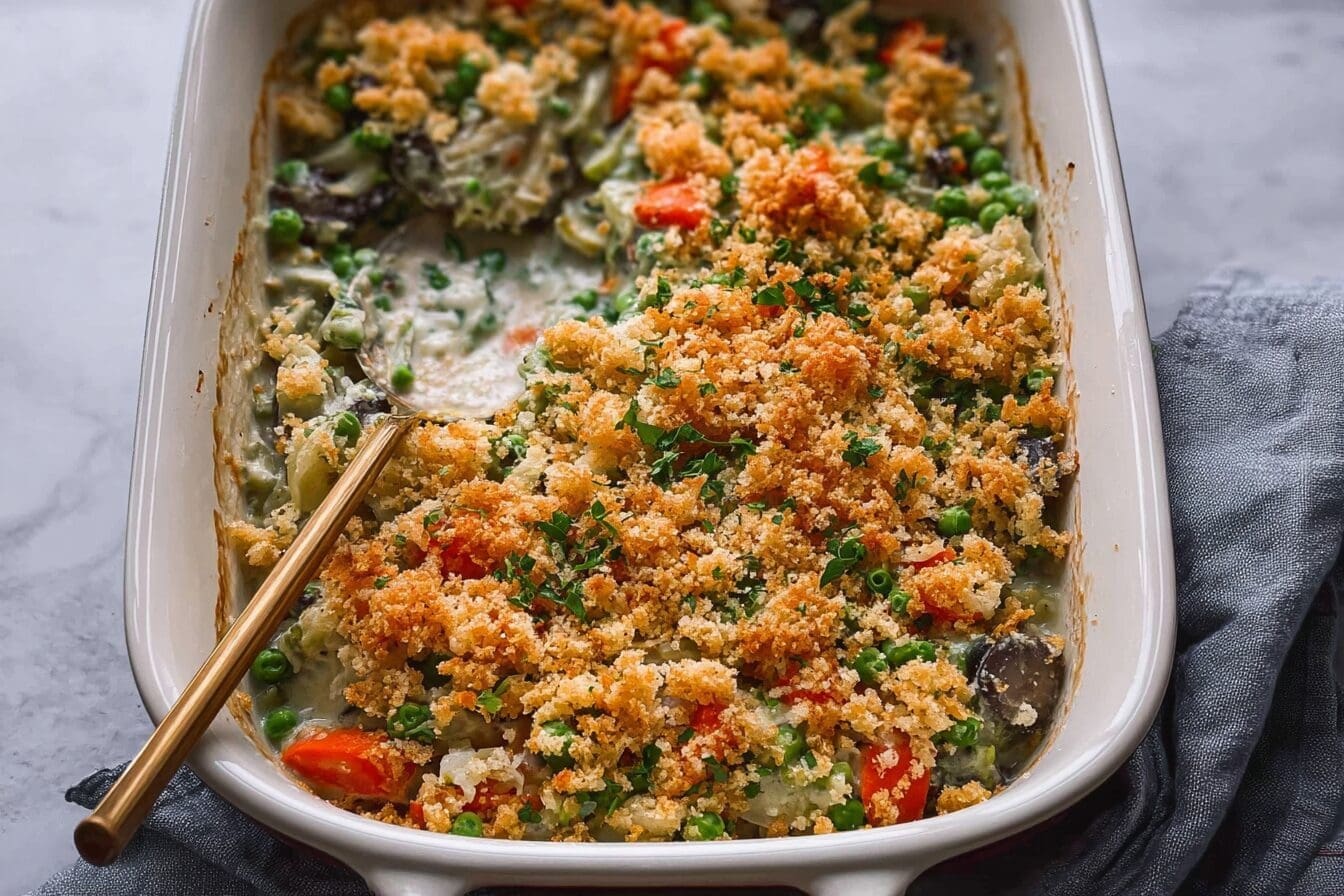
Dietary Substitutions to Customize Your Vegetable Casserole
Making this vegetable casserole your own is simple with a few swaps. Whether you’re watching your diet or trying new flavors, these changes keep the dish tasty and adaptable. Think about what your family likes and adjust accordingly for the best results.
Protein and Main Component Alternatives: Swap mushrooms for tofu or tempeh to add plant-based protein, suitable for vegan diets. Use lean ground turkey or chicken instead of vegetables for a higher protein content.
Vegetable, Sauce, and Seasoning Modifications: Replace zucchini with eggplant or summer squash based on seasonal availability. Use coconut milk or cashew cream instead of tomato sauce for a creamy texture. Add fresh herbs like basil, thyme, or rosemary to customize flavor profiles. Opt for low-sodium or gluten-free soy sauce as a seasoning alternative.
These substitutions allow you to tailor the casserole for allergies, taste preferences, and nutritional needs, ensuring maximum enjoyment across different diets. For instance, if you’re aiming for gluten-free, pair this with options from external sources like similar vegetable casserole recipes.
Mastering Vegetable Casserole: Advanced Tips and Variations
Once you’re comfortable with the basics, level up your vegetable casserole with some pro tips. These ideas help you add more depth and make the dish even better for special occasions. It’s all about experimenting while keeping things simple and fun.
Pro Cooking Techniques
Enhance texture by roasting vegetables before combining them in the casserole. This brings out deeper flavors and avoids sogginess. For fresh veggies, use about nine cups chopped, blanched until tender, drained, and dried.
Flavor Variations
- Experiment with spices such as smoked paprika, cumin, or curry powder to add depth and a unique twist.
- The casserole can also be made in a slow cooker, though baking produces the best results for a crispy topping.
Presentation Tips
Garnish with fresh herbs like parsley or chives and a sprinkle of toasted nuts or seeds for added crunch and visual appeal. Make-ahead options include preparing the vegetable mix and sauce a day in advance, store in the fridge, and assemble just before baking.
How to Store Vegetable Casserole: Best Practices
Storing your vegetable casserole properly keeps it fresh and ready for another meal. This step is easy and helps reduce waste, especially with leftovers from a big family dinner. Follow these tips to enjoy it later without losing quality.
Refrigeration: Store the casserole in an airtight container in the refrigerator for up to 3-4 days to maintain freshness. Freezing: For long-term storage, freeze portions in freezer-safe containers or bags. Label them with the date and consume within 2-3 months.
Reheating: Reheat gently in the oven at 350°F (175°C) until warmed through to preserve texture and flavor. Avoid microwaving to prevent sogginess. Meal prep considerations: Portion the casserole into single servings before storing to simplify reheating.
This method supports efficient batch cooking and balanced meals, making it ideal for busy parents or working professionals. The casserole can be prepared ahead by cooking the vegetables and assembling the dish, then covering and refrigerating until ready to bake.
FAQs: Frequently Asked Questions About Vegetable Casserole
Can I use frozen vegetables to make a vegetable casserole?
Yes, frozen vegetables work well in vegetable casseroles. To prepare, microwave the frozen vegetables until they are warm but not fully cooked. This helps to remove excess moisture and ensures they bake evenly in the casserole. After warming, combine them with your preferred sauce, cheese, or crunchy topping before baking.
What are common ingredients in a classic vegetable casserole?
A typical vegetable casserole includes a mix of vegetables (fresh or frozen), a creamy sauce (like cream of mushroom or cheese sauce), a starch component such as pasta or rice, and a cheese layer or topping. Many recipes also add breadcrumbs or crushed crackers mixed with butter on top for extra texture.
How long and at what temperature should I bake a vegetable casserole?
Most vegetable casseroles bake at 350°F (175°C) for 30 to 45 minutes. Bake until the casserole is hot throughout and the topping is golden brown and crispy. Covering the dish with foil during the first part of baking can help maintain moisture, then remove foil to brown the topping.
Can I prepare a vegetable casserole ahead of time and refrigerate it before baking?
Yes, you can assemble the casserole in advance and store it in the refrigerator for up to 24 hours before baking. When ready to cook, bake it a few extra minutes to ensure it heats thoroughly. This is a great way to save time on busy days or for meal prepping.
Is it possible to make a vegetable casserole gluten-free?
Absolutely. To make a gluten-free vegetable casserole, use gluten-free crackers or breadcrumbs for the topping and verify that any canned soups or sauces are labeled gluten-free. Many vegetable casseroles naturally avoid gluten if you select the right ingredients.
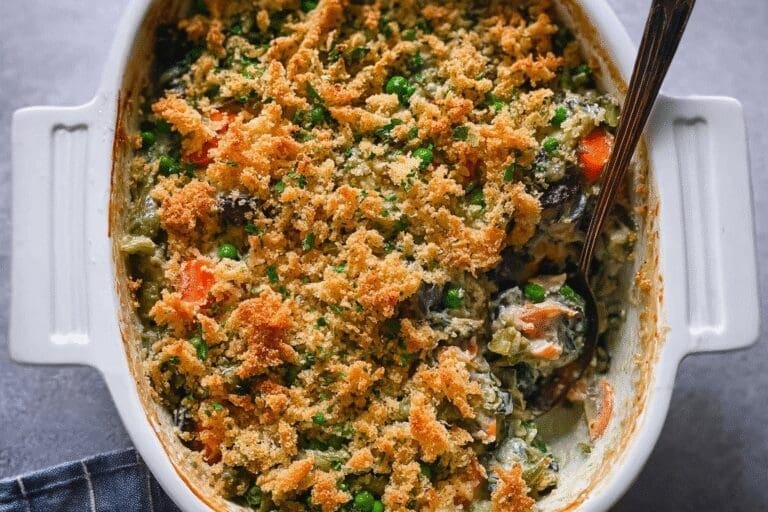
Vegetable Casserole
🥦 Vegetable Casserole Recipes provide a simple and nutritious way to enjoy a variety of fresh or frozen vegetables in one comforting dish.
🧀 This casserole combines creamy melted cheese with a crunchy cracker topping, making it a flavorful family favorite that’s easy to prepare.
- Total Time: 1 hour
- Yield: About 12 servings (1 cup each)
Ingredients
– 1 (16-ounce) bag of frozen broccoli
– 1 (16-ounce) bag of frozen carrots
– 1 (16-ounce) bag of frozen cauliflower
– 1 (16-ounce) package of sliced cheese
– 1 roll of crushed crackers
– 1/4 cup (half a stick) of melted butter
Instructions
1-First, preheat the oven to 350°F. In a large microwave-safe bowl, combine the frozen broccoli, carrots, and cauliflower and microwave uncovered on high for 12 to 15 minutes until warm.
2-Next, transfer the vegetables to a 9×13-inch baking dish and evenly layer the sliced cheese over them. In a separate bowl, mix the crushed crackers with melted butter and sprinkle the mixture over the cheese.
3-Then, bake the casserole for 30 to 45 minutes until the cheese is melted and the topping is golden brown. This recipe makes about twelve 1-cup servings, perfect for sharing at gatherings.
Last Step:
Please leave a rating and comment letting us know how you liked this recipe! This helps our business to thrive and continue providing free, high-quality recipes for you.Notes
🥕 Prepare the vegetable mixture ahead and refrigerate before baking to save time.
🧀 Substitute cheese with cheddar, Parmesan, feta, ricotta, or a homemade cheese sauce for variety.
🌿 For a gluten-free or lower-carb topping, use gluten-free breadcrumbs or chopped nuts tossed with olive oil and herbs.
- Prep Time: 15 minutes
- Cook Time: 30 to 45 minutes
- Category: Main Course, Casserole, Vegetarian
- Method: Baking, Microwaving
- Cuisine: American
- Diet: Vegetarian
Nutrition
- Serving Size: 1 cup


