

Why You’ll Love This Vegan Stuffing
- Ease of preparation: This vegan stuffing recipe is designed for simplicity, featuring straightforward steps and quick cooking times. Whether you’re making it for a holiday or everyday meal, it’s approachable enough for all skill levels, from beginners to pros.
- Health benefits: Packed with nutrient-rich plant-based ingredients like fresh herbs, vegetables, and wholesome bread cubes, this stuffing provides fiber, vitamins, and minerals. It offers a nourishing alternative to traditional stuffing, supporting digestion and overall wellness.
- Versatility: Adaptable for a variety of dietary preferences, this vegan stuffing can easily be made gluten-free with the right bread choice and customized with added proteins like nuts or vegan sausage. It suits vegan, vegetarian, and gluten-free diets effortlessly.
- Distinctive flavor: The slow-cooked aromatics of onion, garlic, celery, combined with fresh sage, rosemary, and parsley create a rich, herby, and buttery taste. The golden, crisp topping contrasts delightfully with the moist, savory interior, making each bite memorable.
Jump to:
- Why You’ll Love This Vegan Stuffing
- Essential Ingredients for Vegan Stuffing
- Special Dietary Options
- How to Prepare the Perfect Vegan Stuffing: Step-by-Step Guide
- First Step: Prepare Bread Cubes
- Second Step: Sauté Aromatics
- Third Step: Add Additional Vegetables and Seasonings
- Fourth Step: Combine Ingredients
- Fifth Step: Incorporate Stock
- Sixth Step: Baking Options
- Dietary Substitutions to Customize Your Vegan Stuffing
- Protein and Main Component Alternatives
- Vegetable, Sauce, and Seasoning Modifications
- Mastering Vegan Stuffing: Advanced Tips and Variations
- How to Store Vegan Stuffing: Best Practices
- FAQs: Frequently Asked Questions About Vegan Stuffing
- What ingredients do I need to make vegan stuffing?
- How can I make vegan stuffing gluten-free?
- Can I prepare vegan stuffing in advance and reheat it?
- What are some good vegan substitutions or additions for traditional stuffing ingredients?
- Can vegan stuffing be used as more than just a side dish?
- Vegan Stuffing
- Ingredients
- Instructions
- Last Step:
- Notes
- Nutrition
- Did you make this recipe?
Essential Ingredients for Vegan Stuffing
- 285 grams bread cubes (preferably stale) or about 8 cups cubed bread (1 to 1.5 loaves) – serves as the base offering texture and structure.
- 110 grams vegan butter or 2 tablespoons vegan butter/oil or 6 tablespoons olive oil (divided) – adds richness and helps sauté aromatics.
- 1 finely chopped onion (yellow or cipollini) – provides sweetness and depth.
- 2 to 3 stalks celery, finely cubed or chopped – adds crunch and freshness.
- 2 to 4 cloves garlic, finely minced – imparts aromatic flavor.
- 2 tablespoons fresh sage, finely chopped (plus extra whole sage leaves optional) or 1 teaspoon dried sage – key herb for classic stuffing flavor.
- 2 tablespoons fresh parsley, finely chopped – adds herbal brightness.
- 2 tablespoons fresh rosemary, finely chopped – provides earthy, piney notes.
- 1/2 teaspoon dried thyme (optional) – enhances aroma.
- 2 tablespoons cornstarch (cornflour) – helps bind ingredients.
- Pinch of flaky sea salt and ground black pepper – balances seasoning.
- 350 ml boiling hot vegetable stock (about 2 to 3 cups) – moistens bread without sogginess.
- Optional: ½ cup chopped mushrooms (shiitake, cremini, or mixed) sautéed – adds umami and texture.
- Optional: ¼ cup dried cranberries – provides sweetness and color.
- Optional: 2 tablespoons balsamic vinegar – boosts flavor depth.
- Optional: 3 coarsely chopped kale leaves – adds nutrition and color.
- Optional: nuts like pecans or hazelnuts – add crunch and protein.
Special Dietary Options
- Vegan: All ingredients are plant-based; vegan butter or oils are used instead of dairy butter.
- Gluten-free: Use gluten-free bread varieties such as gluten-free sourdough, ciabatta, or cornbread to maintain texture and flavor.
- Low-calorie: Opt for cooking oils instead of vegan butter and use low-sodium vegetable stock to reduce calorie and sodium content.
How to Prepare the Perfect Vegan Stuffing: Step-by-Step Guide
First Step: Prepare Bread Cubes
If using fresh bread, dry the cubes in a 130°C (265°F) oven for 20 minutes to achieve a firm texture. This prevents sogginess during baking and creates a crisp topping. Meanwhile, preheat your oven to 170°C (340°F) for stuffing balls or 190°C (375°F) for casserole-style stuffing.
Second Step: Sauté Aromatics
In a large skillet, melt vegan butter or heat oil over medium-low heat. Add finely chopped onion and fresh sage, gently frying for about 15 minutes until onions brown lightly and the herbs infuse the fat. This step builds deep flavor for the stuffing.
Third Step: Add Additional Vegetables and Seasonings
Stir in chopped celery, minced garlic, parsley, rosemary, and optionally dried thyme and sautéed mushrooms. Cook for 8-10 minutes until vegetables soften and mushrooms turn golden. For a flavor boost, stir in balsamic vinegar while scraping any browned bits from the pan bottom.
Fourth Step: Combine Ingredients
In a large bowl, mix the toasted bread cubes with cornstarch. Add in the cooked vegetable mixture, season with sea salt and black pepper, and stir until everything is well combined.
Fifth Step: Incorporate Stock
Slowly pour boiling hot vegetable stock over the mixture, mixing gently to allow the bread to absorb the liquid without becoming soggy. Let it sit for about 5 minutes for the flavors to blend.
Sixth Step: Baking Options
For stuffing balls: Shape 10 to 12 balls from the mixture, place them on a lined baking tray, and bake at 170°C (340°F) for 20 minutes until crisp outside.
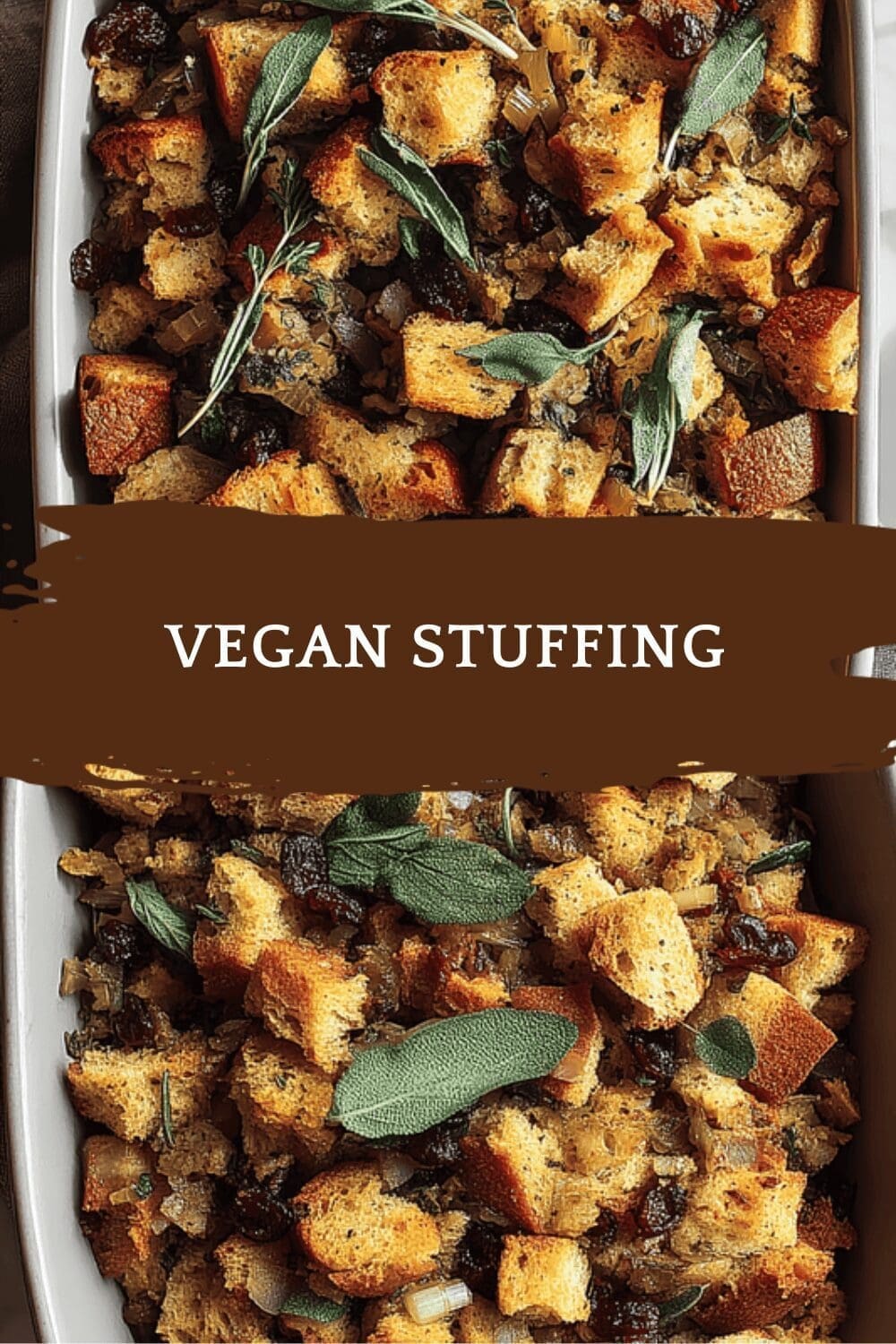
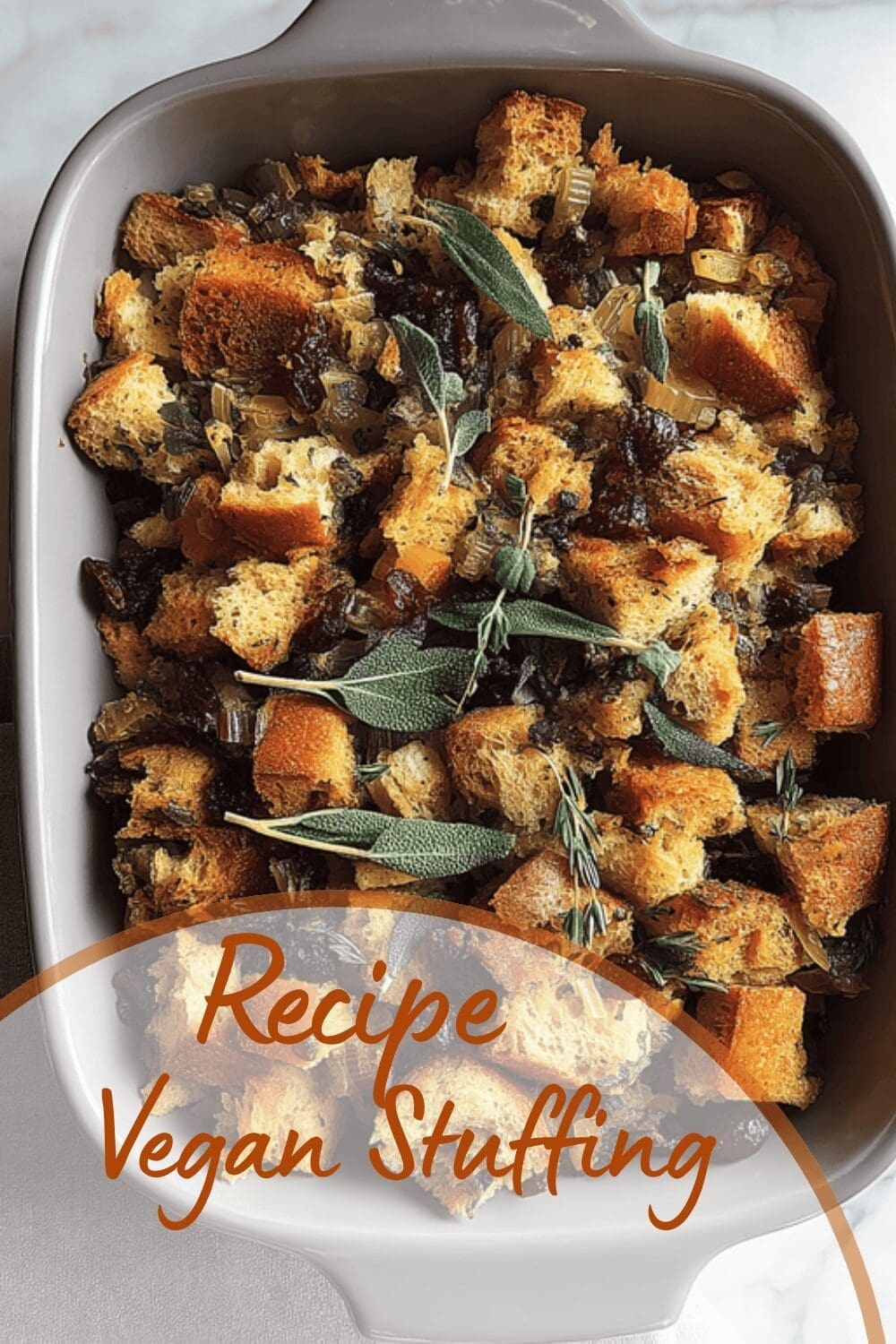
For casserole-style stuffing: Transfer the mixture to an ovenproof dish, pour remaining vegetable stock on top, add dried cranberries and whole sage leaves if desired. Bake at 190°C (375°F) for 20-30 minutes until golden and crispy on top but moist inside. Allow to sit for 10-15 minutes before serving.
Dietary Substitutions to Customize Your Vegan Stuffing
Protein and Main Component Alternatives
- Replace bread cubes with cooked quinoa or wild rice for a grain variation rich in protein and fiber.
- Add cooked chickpeas or lentils for increased plant-based protein and texture.
Vegetable, Sauce, and Seasoning Modifications
- Swap celery with bell peppers or zucchini according to availability or personal preference.
- Use mushroom broth instead of vegetable broth for a richer, earthier flavor.
- Try different herbs such as rosemary, marjoram, or oregano to create unique aromatic profiles.
Mastering Vegan Stuffing: Advanced Tips and Variations
- Pro cooking techniques: Toasting bread cubes before mixing enhances crunch. Combine fresh and dried herbs for depth and aroma.
- Flavor variations: Add nuts like pecans or walnuts for crunch; toss in dried cranberries or chopped apples for subtle sweetness.
- Presentation tips: Serve stuffing in decorative casserole dishes or inside hollowed squash for an elegant serving option.
- Make-ahead options: Prepare the mixture up to a day ahead, refrigerate, and bake fresh just before serving to save time while allowing flavors to meld.
How to Store Vegan Stuffing: Best Practices
Refrigeration: Store leftover vegan stuffing in airtight containers in the refrigerator for up to 3-4 days to maintain freshness and moisture balance.
Freezing: For longer preservation, freeze stuffing securely in freezer-safe containers for 2-3 months. Thaw overnight in the fridge before reheating.
Reheating: Warm stuffing in a preheated oven at 350°F (175°C) for 15-20 minutes, covered with foil to retain moisture and prevent drying out.
Meal prep considerations: Make and freeze stuffing in portions for quick, flavorful meals during busy days. Proper storage and reheating preserve texture and taste.
FAQs: Frequently Asked Questions About Vegan Stuffing
What ingredients do I need to make vegan stuffing?
To make vegan stuffing, you typically need cubed bread (preferably stale or dried), onions, celery, garlic, fresh herbs like sage, rosemary, and parsley, and vegetable stock. Optional additions include mushrooms, nuts such as pecans or hazelnuts, and dried fruits like apricots. Vegan butter or oil is used to sauté the vegetables and herbs before mixing them with bread and stock. Using day-old bread helps the mixture absorb moisture without becoming soggy, creating a flavorful and crispy stuffing.
How can I make vegan stuffing gluten-free?
To make gluten-free vegan stuffing, substitute the bread with your favorite gluten-free variety, such as gluten-free sourdough or multigrain bread. All other common ingredients like vegetables, herbs, and vegetable stock are naturally gluten-free. Dry or toast the gluten-free bread cubes before combining them with sautéed vegetables and broth to help achieve the right texture. This simple swap makes the stuffing suitable for those with gluten sensitivities without sacrificing flavor or consistency.
Can I prepare vegan stuffing in advance and reheat it?
Yes, vegan stuffing can be made ahead of time and often tastes better after the flavors meld. After baking, allow it to cool, then store it covered in the refrigerator for up to two days. When reheating, add a little vegetable stock over the stuffing to prevent it from drying out, then bake at 350°F (175°C) until warmed through and the top is crispy. This method keeps the stuffing moist and fresh for serving.
What are some good vegan substitutions or additions for traditional stuffing ingredients?
Instead of butter, vegan butter or olive oil works well for sautéing vegetables. You can add mushrooms for extra umami or nuts like pecans for crunch. Dried fruits such as apricots or cranberries add a touch of sweetness and color. For binding, cornstarch or ground flaxseed mixed with water can replace eggs. These substitutions maintain texture and flavor while keeping the stuffing fully plant-based.
Can vegan stuffing be used as more than just a side dish?
Absolutely. Vegan stuffing can serve as a hearty main course, especially when it includes vegetables like kale or mushrooms that add texture and nutrients. It also makes a great filling for plant-based roasts, such as seitan or stuffed squash. Serving stuffing this way adds variety to your meal and lets you enjoy the savory flavors in multiple formats beyond the traditional side dish.

Vegan Stuffing
🌱 Enjoy a hearty and delicious vegan stuffing that’s perfect for holiday dinners or any family gathering.
🥖 Loaded with herbs and veggies, it’s a flavorful side that pairs perfectly with your plant-based menu.
- Total Time: 45-55 minutes
- Yield: 6 to 8 servings
Ingredients
– 285 grams bread cubes serves as the base offering texture and structure
– 110 grams vegan butter or 2 tablespoons vegan butter/oil or 6 tablespoons olive oil adds richness and helps sauté aromatics
– 1 finely chopped onion provides sweetness and depth
– 2 to 3 stalks celery adds crunch and freshness
– 2 to 4 cloves garlic imparts aromatic flavor
– 2 tablespoons fresh sage or 1 teaspoon dried sage key herb for classic stuffing flavor
– 2 tablespoons fresh parsley adds herbal brightness
– 2 tablespoons fresh rosemary provides earthy, piney notes
– 1/2 teaspoon dried thyme enhances aroma
– 2 tablespoons cornstarch helps bind ingredients
– pinch of flaky sea salt and ground black pepper balances seasoning
– 350 ml boiling hot vegetable stock moistens bread without sogginess
– 1/2 cup chopped mushrooms adds umami and texture
– 1/4 cup dried cranberries provides sweetness and color
– 2 tablespoons balsamic vinegar boosts flavor depth
– 3 coarsely chopped kale leaves adds nutrition and color
– nuts like pecans or hazelnuts add crunch and protein
Instructions
First Step: Prepare Bread Cubes
If using fresh bread, dry the cubes in a 130°C (265°F) oven for 20 minutes to achieve a firm texture. This prevents sogginess during baking and creates a crisp topping. Meanwhile, preheat your oven to 170°C (340°F) for stuffing balls or 190°C (375°F) for casserole-style stuffing.
Second Step: Sauté Aromatics
In a large skillet, melt vegan butter or heat oil over medium-low heat. Add finely chopped onion and fresh sage, gently frying for about 15 minutes until onions brown lightly and the herbs infuse the fat. This step builds deep flavor for the stuffing.
Third Step: Add Additional Vegetables and Seasonings
Stir in chopped celery, minced garlic, parsley, rosemary, and optionally dried thyme and sautéed mushrooms. Cook for 8-10 minutes until vegetables soften and mushrooms turn golden. For a flavor boost, stir in balsamic vinegar while scraping any browned bits from the pan bottom.
Fourth Step: Combine Ingredients
In a large bowl, mix the toasted bread cubes with cornstarch. Add in the cooked vegetable mixture, season with sea salt and black pepper, and stir until everything is well combined.
Fifth Step: Incorporate Stock
Slowly pour boiling hot vegetable stock over the mixture, mixing gently to allow the bread to absorb the liquid without becoming soggy. Let it sit for about 5 minutes for the flavors to blend.
Sixth Step: Baking Options
For stuffing balls: Shape 10 to 12 balls from the mixture, place them on a lined baking tray, and bake at 170°C (340°F) for 20 minutes until crisp outside.
For casserole-style stuffing: Transfer the mixture to an ovenproof dish, pour remaining vegetable stock on top, add dried cranberries and whole sage leaves if desired. Bake at 190°C (375°F) for 20-30 minutes until golden and crispy on top but moist inside. Allow to sit for 10-15 minutes before serving.
Last Step:
Please leave a rating and comment letting us know how you liked this recipe! This helps our business to thrive and continue providing free, high-quality recipes for you.Notes
🍞 Use stale or toasted bread to perfect the stuffing’s texture.
🥄 Pour stock gradually to prevent the stuffing from becoming too wet.
🌰 Add nuts or dried fruits for an additional layer of flavor and texture.
- Prep Time: 10-15 minutes
- Resting time: 10-15 minutes
- Cook Time: 35-40 minutes
- Category: Side Dish
- Method: Baking
- Cuisine: American
- Diet: Vegan
Nutrition
- Serving Size: 1 serving
- Calories: 260
- Sugar: 4-6 g
- Sodium: 570-700 mg
- Fat: 5-14 g
- Saturated Fat: 1-3 g
- Unsaturated Fat: Varies
- Trans Fat: 0 g
- Carbohydrates: 28-45 g
- Fiber: 3-4 g
- Protein: 6-9 g
- Cholesterol: 0 mg


This vegan stuffing recipe looks delicious! 🌿 Is there a way to make it gluten-free as well? I’m planning to serve it to my family, and some of them have gluten sensitivities. Thanks for the amazing recipe!