

Why You’ll Love This Vanilla Wafers
- Ease of preparation: This vanilla wafers recipe is designed for simplicity and speed, making it ideal for bakers of all skill levels. With straightforward steps like creaming butter and sugar, mixing in eggs and vanilla, then piping onto baking sheets, you can have fresh, homemade vanilla wafers ready in under an hour. The quick baking time of 12 to 20 minutes means you won’t have to wait long to enjoy a delightful treat.
- Health benefits: These vanilla wafers offer a balance between indulgence and nutrition. Using unsalted butter and real vanilla extract adds nutritious qualities without excess unhealthy fats or artificial additives. Each cookie contains moderate calories (around 39-50) and moderate sugar levels, making them a moderate treat suitable for wellness-conscious individuals. For those interested in healthier baking ingredients, you can explore more nutritional benefits of baking ingredients.
- Versatility: This recipe adapts well to various dietary needs, including vegan, gluten-free, and low-calorie preferences. By swapping edges like plant-based butter or gluten-free flours, you can still enjoy the crisp texture and vanilla flavor that define vanilla wafers. The flexibility allows anyone to participate in making and enjoying these classic cookies with ease.
- Distinctive flavor: What truly makes these vanilla wafers stand out is the rich, authentic vanilla aroma achieved by using quality vanilla extract. Combined with a lightly sweetened buttery base, the wafers offer a balanced sweetness and a crisp-yet-tender texture that recalls the traditional store-bought versions but far more flavorful and fresh.
Jump to:
- Why You’ll Love This Vanilla Wafers
- Essential Ingredients for Vanilla Wafers
- Special Dietary Options
- How to Prepare the Perfect Vanilla Wafers: Step-by-Step Guide
- First Step: Prep Your Ingredients and Oven
- Second Step: Cream the Butter and Sugar
- Third Step: Add Egg and Vanilla
- Fourth Step: Combine Dry Ingredients
- Fifth Step: Incorporate Dry Ingredients and Milk
- Sixth Step: Pipe and Shape the Wafers
- Seventh Step: Bake to Perfection
- Final Step: Cooling and Serving
- Dietary Substitutions to Customize Your Vanilla Wafers
- Protein and Main Component Alternatives
- Vegetable, Sauce, and Seasoning Modifications
- Mastering Vanilla Wafers: Advanced Tips and Variations
- How to Store Vanilla Wafers: Best Practices
- FAQs: Frequently Asked Questions About Vanilla Wafers
- How do homemade vanilla wafers compare in taste to store-bought brands?
- What is the best way to store vanilla wafers to keep them fresh and crisp?
- Can I make vanilla wafers without special baking equipment like a piping bag or Wilton tip?
- Why might my homemade vanilla wafers spread too much while baking?
- Is it safe to substitute salted butter for unsalted butter in vanilla wafer recipes?
- Vanilla Wafers
- Ingredients
- Instructions
- Last Step:
- Notes
- Nutrition
- Did you make this recipe?
Essential Ingredients for Vanilla Wafers
| Ingredient | Quantity | Purpose/Benefit |
|---|---|---|
| Unsalted butter | ½ cup (113 g), softened | Provides richness and a tender crumb without excess salt for controlled flavor |
| Granulated sugar | ⅔ cup (133 g) or powdered sugar ¾ cup (150 g) | Adds sweetness; powdered sugar yields lighter, more tender wafers |
| Large egg | 1, room temperature | Binds ingredients and contributes moisture and structure |
| Large egg whites | 3, room temperature (optional) | Optional for lighter, crisper texture without heaviness |
| Vanilla extract | 4 teaspoons | Delivers authentic vanilla flavor essential to classic wafers |
| All-purpose flour | 1 ½ to 1 ¾ cups (190-220 g) | Forms the structure and crispness of the wafers |
| Baking powder | ¾ teaspoon | Lightly leavens for an airy, delicate texture |
| Salt | ½ teaspoon (reduce to ¼ if using salted butter) | Enhances flavor and balances sweetness |
| Whole milk or heavy cream | 1 tablespoon whole milk or ¼ cup (60 ml) heavy cream | Adds moisture and improves texture for softness and tenderness |
Special Dietary Options
- Vegan: Substitute unsalted butter with plant-based butter alternatives and replace eggs with flaxseed or chia seed eggs for an egg-free version.
- Gluten-free: Swap the all-purpose flour with a gluten-free flour blend carefully to maintain the wafer’s classic crispness and flavor.
- Low-calorie: Use natural sweeteners like stevia or erythritol instead of sugar, and opt for light butter or oil-based substitutes to reduce fat content.
How to Prepare the Perfect Vanilla Wafers: Step-by-Step Guide
First Step: Prep Your Ingredients and Oven
Start by preheating your oven to 350°F (175-180°C). Line baking sheets with parchment paper to prevent sticking and to help achieve an even bake. Make sure your unsalted butter is softened to room temperature, and any eggs are rested outside the fridge to avoid curdling when mixed.
Second Step: Cream the Butter and Sugar
In a large mixing bowl, beat the softened butter together with granulated or powdered sugar until the mixture becomes light and fluffy. This takes about 2-5 minutes depending on whether you use an electric mixer or whisk by hand. The creaming step is key for incorporating air that impacts final texture.
Third Step: Add Egg and Vanilla
Beat in the whole egg and 4 teaspoons of vanilla extract slowly, ensuring everything is well combined. If you want a lighter and crisper wafer, gently fold in the optional 3 egg whites now and mix until smooth.
Fourth Step: Combine Dry Ingredients
In a separate bowl, whisk together 1 ½ to 1 ¾ cups of all-purpose flour, ¾ teaspoon baking powder, and ½ teaspoon salt (adjust if using salted butter). This ensures even distribution and prevents lumps in the dough.
Fifth Step: Incorporate Dry Ingredients and Milk
Gradually add half the dry ingredients to the wet mixture, stirring on a low speed to avoid overmixing. Add 1 tablespoon of whole milk or ¼ cup heavy cream and gently mix again, adding remaining dry ingredients last. Mix just until you get a thick, batter-like dough.
Sixth Step: Pipe and Shape the Wafers
Transfer your dough to a piping bag fitted with a medium plain tip or a ziplock bag with a corner snipped off. Pipe small mounds about 2 teaspoons each or roughly 1 inch in diameter, spaced 1½ to 2 inches apart on the baking sheet. Lightly flatten each mound with damp fingers for even spreading and crisp edges.
Seventh Step: Bake to Perfection
Bake for 12 to 20 minutes depending on your oven and wafer thickness. Rotate the baking sheets halfway through to ensure even browning. Watch for light golden edges, which indicate they are done. Baking too long will make the wafers too brittle.
Final Step: Cooling and Serving
Allow vanilla wafers to cool on the baking sheet for 5 to 10 minutes before transferring them to a wire rack to cool completely. This cooling process helps the wafers set with the perfect crisp texture. Serve as a snack, pair with desserts like banana pudding, or use as a crust base for creative recipes.
“Flattening the dough slightly before baking encourages a thinner, crisp wafer to form. If you prefer thicker, soft centers, leave the dough mounds as they are.”
For related dessert pairing ideas, consider our recipe for banana pudding with homemade vanilla wafers.

Dietary Substitutions to Customize Your Vanilla Wafers
Protein and Main Component Alternatives
- Butter alternatives: Use coconut oil or vegan butter to replace unsalted butter for a dairy-free or vegan-friendly version without sacrificing moisture and flavor.
- Egg substitutes: For vegan baking, replace eggs with a flaxseed or chia seed mixture (1 tablespoon seeds to 3 tablespoons water, rested) to help bind and provide structure.
- Flour swaps: To make gluten-free vanilla wafers, substitute the all-purpose flour with a carefully balanced gluten-free flour blend, such as rice flour combined with tapioca starch.
Vegetable, Sauce, and Seasoning Modifications
- Spices: Add cinnamon, nutmeg, or cardamom to the batter for a warm, aromatic twist on classic vanilla wafers.
- Extracts: Enhance or alter flavor by replacing or mixing vanilla extract with almond extract or lemon zest for unique varieties.
- Sweeteners: For healthier alternatives, replace granulated sugar with agave syrup, maple syrup, or natural low-calorie sweeteners like erythritol, adjusting liquids accordingly.
These substitutions help maintain the essence of vanilla wafers while providing flexibility for dietary sensitivities or flavor preferences.
Mastering Vanilla Wafers: Advanced Tips and Variations
- Pro cooking techniques: Chill the dough for at least 30 minutes before baking to control spread and achieve extra crispness. Using a convection oven setting can improve heat circulation for even baking.
- Flavor variations: Experiment with adding a teaspoon of lemon zest, or folding in melted and cooled chocolate for a chocolate-infused version. Another option is to sprinkle wafers lightly with coarse sugar or sea salt before baking for an elevated finish.
- Presentation tips: Serve wafers dusted with powdered sugar or accompanied by fresh berries to add a touch of color and freshness. Stacking wafers on a decorative plate or serving beside creamy desserts enhances visual appeal and enjoyment.
- Make-ahead options: Prepare the dough in advance and keep it refrigerated for up to 2 days, or freeze individual baked wafers sealed in freezer bags for up to 4 weeks. Reheat gently to restore crispness without drying out.
For additional expert baking guidance, see tips for perfect homemade cookies.
How to Store Vanilla Wafers: Best Practices
| Storage Method | Guidelines | Duration |
|---|---|---|
| Room Temperature | Store wafers in an airtight container to maintain crispness. Avoid refrigeration to prevent moisture buildup. | 3 to 7 days |
| Freezing | Place cooled wafers in sealed freezer bags or airtight containers with parchment paper layers to prevent sticking. | Up to 3 months |
| Reheating | Warm frozen wafers in a preheated oven at 300°F (150°C) for 5 to 7 minutes to regain crispness without burning. | As needed |
“For batch prepping, cool wafers thoroughly before storing, and layer wafers with parchment paper to keep them separate and preserve texture.”
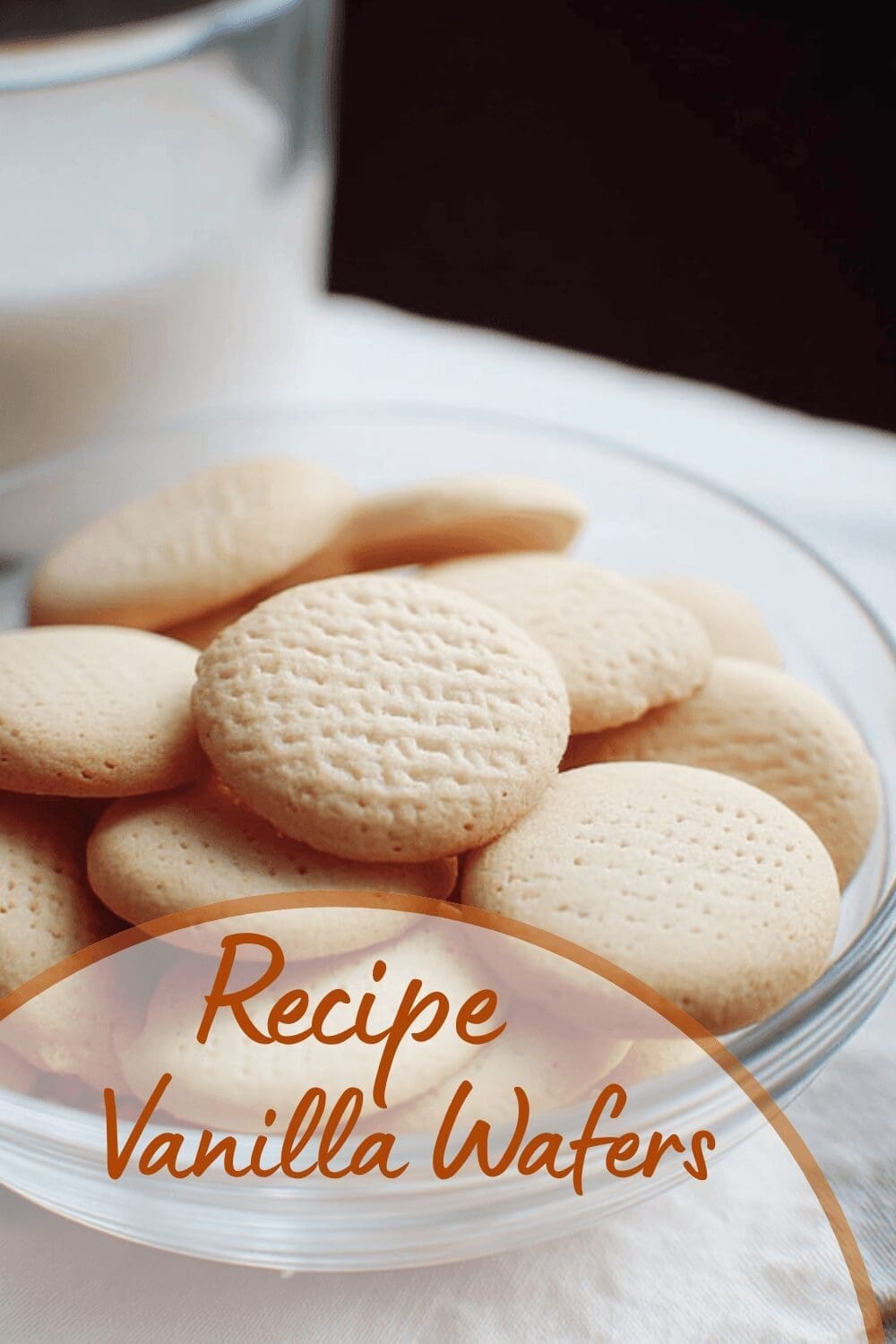
FAQs: Frequently Asked Questions About Vanilla Wafers
How do homemade vanilla wafers compare in taste to store-bought brands?
Homemade vanilla wafers made with real butter and pure vanilla extract typically have a richer, more natural flavor than most store-bought options, which often contain artificial flavors and shortening. They also tend to have a crispier texture and balanced sweetness. This makes them a great choice for enjoying on their own or using in desserts like banana pudding.
What is the best way to store vanilla wafers to keep them fresh and crisp?
To keep vanilla wafers fresh and maintain their crispiness, store them in an airtight container at room temperature. If you notice they start to soften, placing a slice of bread in the container can help absorb excess moisture and prolong their crunch. Avoid refrigerating, as this can cause the cookies to become stale faster.
Can I make vanilla wafers without special baking equipment like a piping bag or Wilton tip?
Yes, if you don’t have a piping bag or a Wilton tip, you can use a gallon-sized resealable plastic bag. Fill it with the batter, then twist the top and snip a small corner off to pipe the cookies. The size of the cut will affect the cookie size, so start small for traditional wafer-sized cookies.
Why might my homemade vanilla wafers spread too much while baking?
Vanilla wafers tend to spread if the dough is too wet or soft. To prevent this, add wet ingredients gradually until the batter thickens. Also, pipe the wafers in small, even mounds (about 2 teaspoons each). Unlike many cookies, vanilla wafers don’t usually require chilling before baking, so controlling moisture is key to maintaining shape.
Is it safe to substitute salted butter for unsalted butter in vanilla wafer recipes?
Yes, salted butter can be used in vanilla wafer recipes and may even enhance the overall flavor subtly. However, if you use salted butter, reduce any additional salt in the recipe to avoid making the cookies too salty. Using unsalted butter allows more control over the salt level, but both options work well depending on your preference.

Vanilla Wafers
🍪 Delight in homemade vanilla wafers that are light, crisp, and full of rich vanilla flavor.
🌟 Perfect for snacking on their own or adding to a variety of desserts.
- Total Time: 22-50 minutes
- Yield: Varies depending on the size of wafers
Ingredients
– ½ cup (113 g) unsalted butter
– ⅔ cup (133 g) granulated sugar
– ¾ cup (150 g) powdered sugar
– 1 large egg
– 3 large egg whites
– 4 teaspoons vanilla extract
– 1 ½ to 1 ¾ cups (190-220 g) all-purpose flour
– ¾ teaspoon baking powder
– ½ teaspoon salt
– ¼ cup (60 ml) heavy cream
– 1 tablespoon whole milk
Instructions
First Step: Prep Your Ingredients and Oven
Start by preheating your oven to 350°F (175-180°C). Line baking sheets with parchment paper to prevent sticking and to help achieve an even bake. Make sure your unsalted butter is softened to room temperature, and any eggs are rested outside the fridge to avoid curdling when mixed.
Second Step: Cream the Butter and Sugar
In a large mixing bowl, beat the softened butter together with granulated or powdered sugar until the mixture becomes light and fluffy. This takes about 2-5 minutes depending on whether you use an electric mixer or whisk by hand. The creaming step is key for incorporating air that impacts final texture.
Third Step: Add Egg and Vanilla
Beat in the whole egg and 4 teaspoons of vanilla extract slowly, ensuring everything is well combined. If you want a lighter and crisper wafer, gently fold in the optional 3 egg whites now and mix until smooth.
Fourth Step: Combine Dry Ingredients
In a separate bowl, whisk together 1 ½ to 1 ¾ cups of all-purpose flour, ¾ teaspoon baking powder, and ½ teaspoon salt (adjust if using salted butter). This ensures even distribution and prevents lumps in the dough.
Fifth Step: Incorporate Dry Ingredients and Milk
Gradually add half the dry ingredients to the wet mixture, stirring on a low speed to avoid overmixing. Add 1 tablespoon of whole milk or ¼ cup heavy cream and gently mix again, adding remaining dry ingredients last. Mix just until you get a thick, batter-like dough.
Sixth Step: Pipe and Shape the Wafers
Transfer your dough to a piping bag fitted with a medium plain tip or a ziplock bag with a corner snipped off. Pipe small mounds about 2 teaspoons each or roughly 1 inch in diameter, spaced 1½ to 2 inches apart on the baking sheet. Lightly flatten each mound with damp fingers for even spreading and crisp edges.
Seventh Step: Bake to Perfection
Bake for 12 to 20 minutes depending on your oven and wafer thickness. Rotate the baking sheets halfway through to ensure even browning. Watch for light golden edges, which indicate they are done. Baking too long will make the wafers too brittle.
Final Step: Cooling and Serving
Allow vanilla wafers to cool on the baking sheet for 5 to 10 minutes before transferring them to a wire rack to cool completely. This cooling process helps the wafers set with the perfect crisp texture. Serve as a snack, pair with desserts like banana pudding, or use as a crust base for creative recipes.
Last Step:
Please leave a rating and comment letting us know how you liked this recipe! This helps our business to thrive and continue providing free, high-quality recipes for you.Notes
🧈 Use unsalted butter and adjust salt if using salted butter.
🍦 Real vanilla extract provides a richer flavor.
🥚 Eggs at room temperature ensure even mixing.
- Prep Time: 10-30 minutes
- Baking: 12-20 minutes
- Cook Time: 12-20 minutes
- Category: Dessert
- Method: Baking
- Cuisine: American
- Diet: Vegetarian
Nutrition
- Serving Size: 1 wafer
- Calories: 39-50
- Sugar: 2-3 g
- Sodium: Varies depending on salt adjustment
- Fat: 2-3 g
- Saturated Fat: 1 g
- Unsaturated Fat: Varies
- Trans Fat: 0 g
- Carbohydrates: 5-6 g
- Fiber: Varies
- Protein: 1 g
- Cholesterol: Varies


These vanilla wafers were absolutely perfect—crispy and delicious! 🍪 I tried adding a pinch of cinnamon to the dough, and it gave them a nice twist. Has anyone else experimented with different flavors in this recipe?