Why You’ll Love This Turkey Gravy
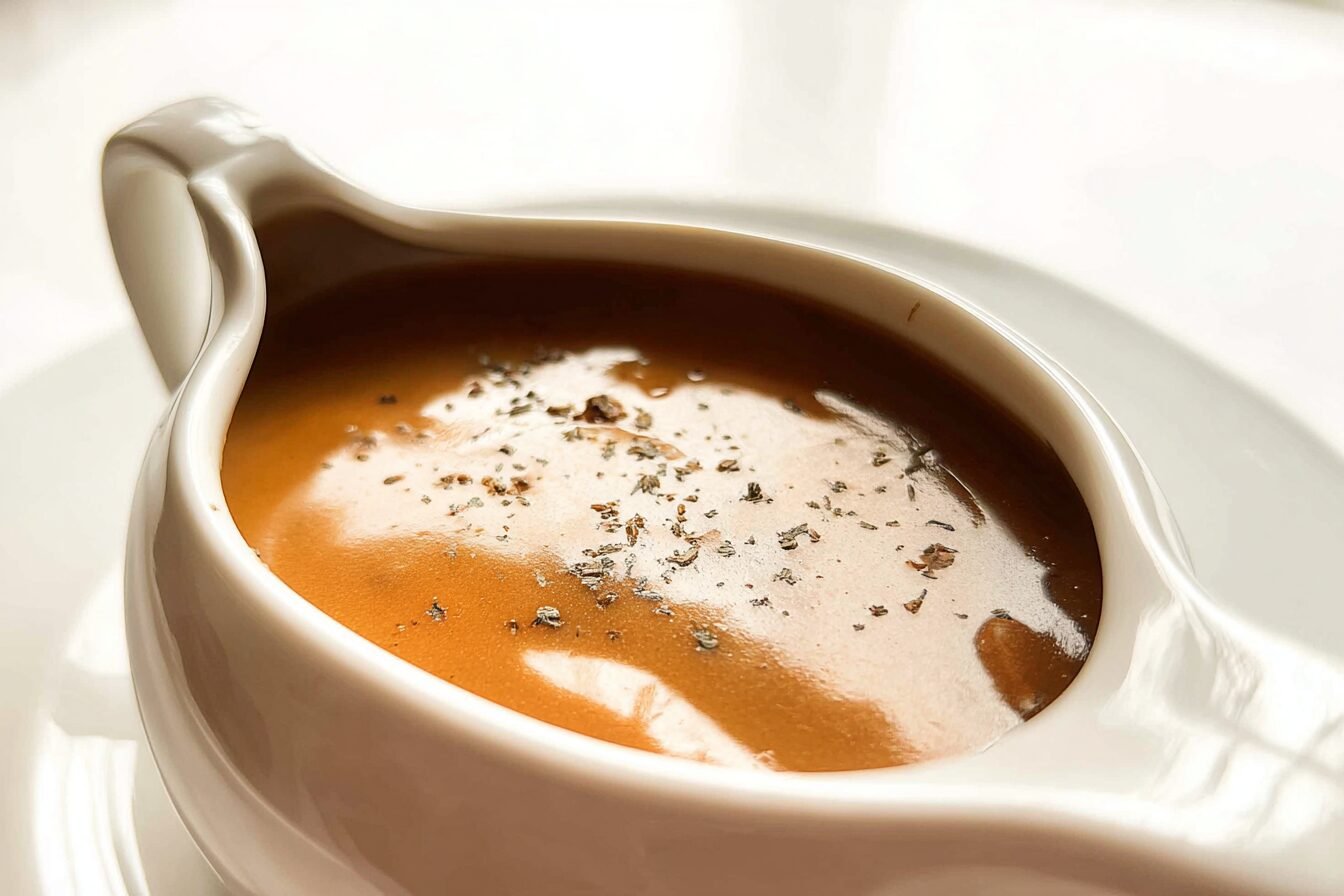
This turkey gravy recipe brings simple joy to your table with its ease and flavorful results. Imagine pouring a rich, smooth sauce over your favorite roast, turning an ordinary meal into a special gathering. If you’re a home cook looking for something that fits busy schedules, this option delivers with minimal effort and maximum taste.
One key benefit is how quickly it comes together. The steps are straightforward, from gathering turkey drippings to whisking in broth, and it takes just 15 to 20 minutes, perfect for weeknights or holidays. You’ll appreciate the health angle too, as it uses lean ingredients like broth to cut down on fats while adding nutrition through options like pureed vegetables.
Plus, it adapts to all kinds of needs, whether you’re going gluten-free or vegan. The flavor stands out with its savory depth from drippings and herbs, making every bite memorable. For ideas on pairing, check out our guide to easy chicken and vegetable dishes that complement this gravy wonderfully.
Ease of Preparation
The process is straightforward and fast, ideal for anyone from busy parents to community organizers. With basic steps like making a roux and adding broth, you minimize cleanup and hands-on time. This makes it a go-to for potlucks and family dinners where you want to focus on connections, not the kitchen.
Health Benefits
Using reduced-sodium broth and minimal fat keeps things light. You can boost it with whole wheat flour or roasted veggies for fiber and nutrients. It’s a smart choice for diet-conscious folks, offering rich poultry taste without the guilt.
Versatility
This gravy works for various diets, like gluten-free with cornstarch or vegan with veggie stock. It’s not just for turkey try it with chicken or even veggies. That flexibility helps food enthusiasts and travelers adapt recipes for any occasion.
Distinctive Flavor
The magic comes from pan drippings and herbs like thyme and sage, creating a balanced, savory profile. A touch of acidity brightens it up, elevating your whole meal. It’s all about those little details that make your gatherings unforgettable.
Jump to:
- Why You’ll Love This Turkey Gravy
- Ease of Preparation
- Health Benefits
- Versatility
- Distinctive Flavor
- Essential Ingredients for Turkey Gravy
- How to Prepare the Perfect Turkey Gravy: Step-by-Step Guide
- First Step: Prepare Your Mise en Place
- Second Step: Deglaze the Roasting Pan
- Third Step: Make the Roux or Slurry
- Fourth Step: Simmer and Season
- Fifth Step: Strain and Finish
- Final Step: Serve and Store
- Dietary Substitutions to Customize Your Turkey Gravy
- Protein and Main Component Alternatives
- Vegetable, Sauce, and Seasoning Modifications
- Mastering Turkey Gravy: Advanced Tips and Variations
- Pro Cooking Techniques
- Flavor Variations
- Presentation Tips
- Make-Ahead Options
- How to Store Turkey Gravy: Best Practices
- FAQs: Frequently Asked Questions About Turkey Gravy
- What are turkey giblets and how can I use them in gravy?
- What exactly are turkey drippings, and why are they important for gravy?
- How do I make smooth turkey gravy using drippings and giblets?
- Can I make turkey gravy without using giblets?
- How can I fix gravy that’s too thin or too thick?
- Turkey Gravy
- Ingredients
- Instructions
- Last Step:
- Notes
- Nutrition
- Did you make this recipe?
Essential Ingredients for Turkey Gravy
Good turkey gravy starts with the right ingredients, and getting them right means a smooth, flavorful result every time. Below is a complete list pulled from our recipe details, ensuring you have everything needed for a delicious batch.
- 1/2 cup fat from turkey drippings
- 4 cups chicken, turkey, or vegetable broth
- 1/2 cup flour
- Salt and pepper to taste
- Optional: giblets and neck of an uncooked turkey (such as the neck, heart, and gizzards; the liver is commonly discarded)
This structured list covers all the essentials from the recipe, with precise measurements to make preparation easy. You can tweak it for dietary needs, like using gluten-free flour if required. For more inspiration on complementary recipes, explore our herb-infused chicken options that pair perfectly with this gravy.
Special options include vegan swaps, like vegetable broth and oil instead of drippings. These choices keep the gravy adaptable while maintaining its rich appeal.
How to Prepare the Perfect Turkey Gravy: Step-by-Step Guide
Getting turkey gravy just right is all about following simple steps that lead to a smooth, flavorful finish. Start by setting up your ingredients to avoid any rush, making the process fun and stress-free. This method works for beginners and experts alike, turning your kitchen into a hub of delicious possibilities.
First Step: Prepare Your Mise en Place
Begin by removing the roasted turkey from the pan and straining the drippings into a measuring cup. Skim off the fat and measure what you need, like 1/2 cup for richness. Have your broth and flour ready, along with any swaps for dietary needs, to keep things flowing smoothly.
Second Step: Deglaze the Roasting Pan
Heat the pan on the stove and add wine or stock to loosen those tasty browned bits. Let it reduce for a couple of minutes to build flavor without overwhelming the sauce. This step adds that essential depth that makes your gravy stand out.
Third Step: Make the Roux or Slurry
In a saucepan, melt the fat and butter, then whisk in the flour until it turns golden. Slowly add the drippings and broth to prevent lumps, bringing it to a simmer. If you’re skipping flour, mix cornstarch with water and add it later for the same effect.
Fourth Step: Simmer and Season
Keep it at a low simmer for about 10 minutes until it thickens nicely. Taste as you go, adding salt, pepper, and extras like Worcestershire for that umami kick. Remember, it will thicken more as it cools, so don’t overdo it.
Fifth Step: Strain and Finish
Strain the gravy for a silky texture, then whisk in a bit of butter off the heat for shine. Adjust with stock if needed to get the consistency you want. This final touch ensures your gravy looks and tastes amazing.
Final Step: Serve and Store
Serve it warm over your meal and store leftovers in the fridge for a few days. For make-ahead tips, cool it quickly and freeze in portions. Pair it with sides like mashed potatoes for a complete dish that everyone enjoys.
Dietary Substitutions to Customize Your Turkey Gravy
Protein and Main Component Alternatives
- Roast chicken or Cornish hen: Use pan drippings and stock from roasted chicken if turkey is unavailable; yields a lighter poultry gravy with similar method.
- Duck or goose: Richer, fattier drippings produce an intensely flavored gravy; reduce added butter or oil and skim excess fat for balance.
- Pork roast: Use pork pan juices and adjust herbs (rosemary, sage) for a savory pork gravy that pairs well with root vegetables.
- Vegetarian main: Replace pan drippings with concentrated mushroom or roasted vegetable stock and add 1 to 2 tablespoons of mushroom powder or soy sauce/tamari to introduce meaty umami in vegetarian or vegan gravy.
- Seafood or fish alternative: For a delicate sauce, start with fish fumet or shellfish broth and reduce gently; avoid heavy herbs and finish with a squeeze of lemon.
Vegetable, Sauce, and Seasoning Modifications
- Vegetables: Roast shallots, carrots, celery, or parsnips and purée or finely strain them into the stock for added body and natural sweetness ideal for boosting nutrition in turkey gravy.
- Sauces and umami boosters: Add 1 teaspoon miso paste, 1 tablespoon soy sauce or tamari, or 1 teaspoon anchovy paste to deepen flavor; use gluten free tamari or miso for gluten free variations.
- Aromatics and herbs: Swap thyme and sage for rosemary, tarragon, or marjoram depending on the main dish; add bay leaf during simmering and remove before serving.
- Spice variations: For warmth, stir in a pinch of smoked paprika or a dash of cayenne; for bright notes, finish with lemon zest or a teaspoon of apple cider vinegar.
- Thickening options: Use a cornstarch slurry (1 tablespoon cornstarch + 2 tablespoons cold water) for gluten free results, arrowroot powder as a paleo friendly thickener, or reduce the sauce longer for a naturally concentrated jus.
- Low sodium and low fat: Rely on homemade low sodium stock, omit added butter or use one teaspoon oil, and increase aromatics and reduction to compensate for flavor.
These changes help make your turkey gravy fit any preference while keeping the process simple.
Mastering Turkey Gravy: Advanced Tips and Variations
Taking your turkey gravy to the next level involves a few pro techniques that add depth and polish. For instance, roasting bones for a rich stock can transform your sauce into something truly special. Let’s dive into ways to enhance flavor and presentation for your next meal.
Pro Cooking Techniques
Roast turkey parts like the neck and wings with veggies to make a concentrated stock that boosts flavor. Deglaze the pan and reduce the liquid for extra depth, then finish with butter for a glossy result. These methods ensure your gravy clings perfectly to the food.
Flavor Variations
| Variation | Key Ingredients | Result |
|---|---|---|
| Herb-Forward | Rosemary, thyme, sage | Fresh, aromatic notes |
| Mushroom and Red Wine | Mushrooms, red wine, tomato paste | Earthy, robust flavor |
| Southwestern Twist | Smoked paprika, chipotle, lime | Spicy, smoky profile |
Experiment with these to match your dish and impress your guests.
Presentation Tips
Warm your serving tools to keep the gravy hot, and strain it for smoothness. Add garnishes like herbs for a nice touch that elevates the look.
Make-Ahead Options
Prepare ahead by cooling and storing the gravy, then reheat with fresh tweaks. This is great for busy professionals or church groups planning events.
How to Store Turkey Gravy: Best Practices
Storing turkey gravy properly keeps it safe and tasty for later use. Cool it quickly after cooking to maintain quality, then choose the right method based on how soon you need it. These steps help reduce waste and make meal prep easier for everyone.
- Refrigerate within two hours in airtight containers.
- Freeze in portions for up to three months.
- Reheat gently to at least 165°F while stirring.
For meal prep, think about freezing in single servings to simplify your routine.

FAQs: Frequently Asked Questions About Turkey Gravy
What are turkey giblets and how can I use them in gravy?
Turkey giblets are the neck, heart, liver, and gizzards found inside the bird’s cavity. After removing them before cooking, you can simmer them in water for about an hour to create a flavorful broth. Chop the cooked giblets finely and add them to your gravy for extra depth and richness. This homemade giblet gravy brings a traditional taste to your turkey meal.
What exactly are turkey drippings, and why are they important for gravy?
Turkey drippings are the fat and browned bits left in the roasting pan after cooking the bird. They hold concentrated flavors from the turkey and are the base for making gravy. Skim off excess fat from the drippings and use the flavorful liquid combined with flour and broth to make a smooth, savory gravy.
How do I make smooth turkey gravy using drippings and giblets?
First, simmer giblets in water for an hour, then chop and set aside. Pour turkey drippings into a bowl, skim off some fat, and use about a cup of drippings. In a pan, whisk in flour to form a roux until golden brown. Gradually add broth and drippings, stirring until thickened. Stir in chopped giblets and season with salt and pepper to taste for a rich, textured gravy.
Can I make turkey gravy without using giblets?
Yes, you can make tasty turkey gravy without giblets. Use the drippings from the roasting pan as your base. Skim off excess fat, prepare a roux with flour, then gradually whisk in turkey or chicken broth until the gravy thickens. Season with salt, pepper, and herbs as desired. This method still delivers a flavorful gravy, especially when using well-seasoned drippings.
How can I fix gravy that’s too thin or too thick?
If your gravy is too thin, mix a small amount of flour or cornstarch with cold water and whisk it into the simmering gravy gradually until it thickens. For gravy that’s too thick, thin it out by slowly adding warm broth or water while stirring until you reach the desired consistency. Adjust seasoning after modifying thickness to maintain flavor balance.

Turkey Gravy
🦃 This Turkey Gravy Recipe provides a rich and smooth sauce perfect for elevating your holiday turkey and sides.
🍽️ With simple ingredients and easy steps, it delivers deep flavor and velvety texture that complements any feast.
- Total Time: 20 minutes
- Yield: About 4 cups
Ingredients
– 1/2 cup fat from turkey drippings
– 4 cups chicken, turkey, or vegetable broth
– 1/2 cup flour
– Salt and pepper to taste
– giblets and neck of an uncooked turkey (such as the neck, heart, and gizzards)
Instructions
First Step: Prepare Your Mise en Place Begin by removing the roasted turkey from the pan and straining the drippings into a measuring cup. Skim off the fat and measure what you need, like 1/2 cup for richness. Have your broth and flour ready, along with any swaps for dietary needs, to keep things flowing smoothly.
Second Step: Deglaze the Roasting Pan Heat the pan on the stove and add wine or stock to loosen those tasty browned bits. Let it reduce for a couple of minutes to build flavor without overwhelming the sauce. This step adds that essential depth that makes your gravy stand out.
Third Step: Make the Roux or Slurry In a saucepan, melt the fat and butter, then whisk in the flour until it turns golden. Slowly add the drippings and broth to prevent lumps, bringing it to a simmer. If you’re skipping flour, mix cornstarch with water and add it later for the same effect.
Fourth Step: Simmer and Season Keep it at a low simmer for about 10 minutes until it thickens nicely. Taste as you go, adding salt, pepper, and extras like Worcestershire for that umami kick. Remember, it will thicken more as it cools, so don’t overdo it.
Fifth Step: Strain and Finish Strain the gravy for a silky texture, then whisk in a bit of butter off the heat for shine. Adjust with stock if needed to get the consistency you want. This final touch ensures your gravy looks and tastes amazing.
Final Step: Serve and Store Serve it warm over your meal and store leftovers in the fridge for a few days. For make-ahead tips, cool it quickly and freeze in portions. Pair it with sides like mashed potatoes for a complete dish that everyone enjoys.
Last Step:
Please leave a rating and comment letting us know how you liked this recipe! This helps our business to thrive and continue providing free, high-quality recipes for you.Notes
🍗 Use a fat separator to easily collect turkey fat and improve gravy consistency.
🥄 Cook the roux slowly to avoid a raw flour taste and achieve the perfect golden color.
🔪 Simmer giblets and neck separately to add deep flavor without toughness in the gravy.
- Prep Time: 5 minutes
- Cook Time: 15 minutes
- Category: Sauce
- Method: Simmering and whisking
- Cuisine: American
- Diet: Gluten-Free option (if using gluten-free flour)
Nutrition
- Serving Size: 1/4 cup
- Calories: 120 kcal
- Sugar: 0 g
- Sodium: 300 mg
- Fat: 10 g
- Saturated Fat: 2.5 g
- Unsaturated Fat: 6 g
- Trans Fat: 0 g
- Carbohydrates: 6 g
- Fiber: 0 g
- Protein: 1 g
- Cholesterol: 15 mg