

Why You’ll Love This Turkey Gravy Recipe
This Turkey Gravy Recipe is the kind of simple, cozy side that makes a holiday meal feel complete. It comes together in just 13 minutes, uses basic pantry staples, and turns those flavorful pan drippings into a rich gravy that tastes like it took much longer to make.
- Easy to make: With only a few ingredients and one saucepan, this turkey gravy recipe is friendly for busy parents, students, and anyone cooking a big meal with limited time. The steps are quick, and the total cook time is only 8 minutes.
- Good use of leftovers: If you already roasted a turkey, this is a smart way to turn pan drippings into something useful instead of letting them go to waste. It also works with chicken or beef roast drippings when turkey is not on the menu.
- Flexible for different meals: This homemade gravy is great with roasted turkey, mashed potatoes, stuffing, green beans, or even weeknight comfort food. It fits potlucks, church dinners, and family gatherings just as well as holiday tables.
- Deep, savory flavor: Cooking the flour and fat until lightly golden gives the gravy a nutty taste that feels hearty and homemade. A good broth and a pinch of black pepper round it out nicely.
When you want a turkey gravy recipe that feels classic, dependable, and simple enough for any home cook, this one does the job without stress.
If you are planning a full holiday spread, this gravy pairs nicely with dishes like loaded mashed potato casserole or a tray of roasted chicken for an easy family-style meal.
Jump to:
- Why You’ll Love This Turkey Gravy Recipe
- Essential Ingredients for Turkey Gravy Recipe
- Special Dietary Options
- How to Prepare the Perfect Turkey Gravy Recipe: Step-by-Step Guide
- First Step: Collect and strain the pan drippings
- Second Step: Start the roux
- Third Step: Add the liquids slowly
- Fourth Step: Simmer until thickened
- Fifth Step: Season and finish
- Helpful timing at a glance
- Dietary Substitutions to Customize Your Turkey Gravy Recipe
- Protein and Main Component Alternatives
- Vegetable, Sauce, and Seasoning Modifications
- Mastering Turkey Gravy Recipe: Advanced Tips and Variations
- Pro cooking techniques
- Flavor variations
- Presentation tips
- Make-ahead options
- How to Store Turkey Gravy Recipe: Best Practices
- Refrigeration and reheating
- Freezing and meal prep
- FAQs: Frequently Asked Questions About Turkey Gravy Recipe
- What ingredients do I need for homemade turkey gravy?
- How do I collect pan drippings for turkey gravy?
- How do I make turkey gravy without lumps?
- What if my turkey gravy is too thick or too thin?
- How do I store and reheat leftover turkey gravy?
- Turkey Gravy Recipe
- Ingredients
- Instructions
- Last Step:
- Notes
- Nutrition
- Did you make this recipe?
Essential Ingredients for Turkey Gravy Recipe
Here is the structured ingredients list for this turkey gravy recipe. Each item plays a clear role in making the gravy smooth, rich, and full of flavor.
- 1/2 cup turkey pan drippings – The base of the gravy. These drippings bring roasted flavor and that classic homemade taste.
- 2 tablespoons butter – Adds richness and helps make up any shortfall if you do not have enough turkey fat.
- 1/4 cup all-purpose flour – Thickens the gravy and helps create a smooth roux.
- 1 1/2 cups chicken broth – Loosens the gravy and gives it body. A good-quality broth makes a big difference.
- Pinch of freshly cracked black pepper – Adds a little warmth and balances the savory flavor.
- Salt, to taste – Brightens the gravy and brings all the flavors together.
Special Dietary Options
- Vegan: Use plant-based butter, vegetable broth, and a mushroom pan sauce instead of turkey drippings.
- Gluten-free: Swap the all-purpose flour for a gluten-free flour blend or cornstarch slurry.
- Low-calorie: Use less butter and choose a lower-sodium broth to keep things lighter.
| Ingredient | Purpose | Easy Swap |
|---|---|---|
| Turkey pan drippings | Builds rich roasted flavor | Chicken or beef drippings |
| Butter | Helps form the roux | Plant-based butter |
| All-purpose flour | Thickens the gravy | Gluten-free flour blend |
| Chicken broth | Creates the right consistency | Turkey broth or vegetable broth |
| Black pepper | Adds seasoning | White pepper or poultry seasoning |
If you enjoy simple comfort food, you may also like our oven baked chicken legs for another budget-friendly dinner that works well with gravy on the side.
How to Prepare the Perfect Turkey Gravy Recipe: Step-by-Step Guide
First Step: Collect and strain the pan drippings
After roasting your turkey, carefully pour the drippings into a fine mesh strainer set over a liquid measuring cup. Let the liquid rest for 3 to 5 minutes so the fat rises to the top. This makes it easier to separate the fat you need for the roux from the flavorful juices underneath.
Once the drippings settle, spoon off about 3 tablespoons of fat. If you do not have quite that much, just add butter to make up the difference. This is a helpful trick for smaller turkeys or roasts that do not leave behind much fat.
Second Step: Start the roux
Set a medium saucepan over medium heat and add the turkey fat plus the butter. Let them melt together fully. Next, whisk in the flour and keep whisking until the mixture is smooth and well combined.
Cook the roux for about 1 1/2 to 2 minutes until it turns lightly golden brown. This step matters because it removes the raw flour taste and gives the gravy a deeper, nuttier flavor. Keep the heat steady so the roux does not burn.
The secret to a great homemade gravy is not rushing the roux. A light golden color means better flavor and a smoother finish.
Third Step: Add the liquids slowly
Now slowly pour in the pan drippings and chicken broth while whisking constantly. This steady pour is what helps keep the gravy smooth and lump-free. The total liquid should equal 2 cups, so if your pan drippings are short, just add a little more broth.
Use warm broth if you can, since cold liquid can make the mixture seize up or form lumps. If the gravy does look a little rough, do not panic. A quick strain at the end can smooth things out.
Fourth Step: Simmer until thickened
Bring the gravy to a gentle boil, then reduce the heat to medium-low. Let it simmer for about 5 minutes, whisking often so it stays silky. During this time, the flour thickens the gravy and the flavors blend together.
Remember that gravy thickens as it cools. If it looks slightly loose in the pan, that is usually a good sign. It will firm up a bit after you take it off the heat.
Fifth Step: Season and finish
Season the gravy with salt and freshly cracked black pepper to taste. You can adjust the salt after tasting because the broth and drippings already bring some saltiness on their own. If the flavor feels flat, add a tiny pinch more salt rather than too much at once.
Remove the pan from the heat and serve right away, or keep it warm until the rest of the meal is ready. This turkey gravy recipe is best when served fresh, but it also reheats well later in the week.
Helpful timing at a glance
| Task | Time |
|---|---|
| Prep | 5 minutes |
| Cook | 8 minutes |
| Total | 13 minutes |
For more cozy meal ideas that fit a crowd, try pairing this gravy with loaded mashed potato casserole or serving it beside a simple roasted main dish.
Dietary Substitutions to Customize Your Turkey Gravy Recipe
Protein and Main Component Alternatives
If you are missing turkey drippings, you still have options. Chicken drippings work very well, and beef roast drippings can also give you a rich, savory sauce. The flavor changes a little, but the method stays the same, which makes this recipe handy for all kinds of dinners.
For a vegetarian-style version, use butter or plant-based butter plus vegetable broth. You can also sauté a little minced onion or garlic in the fat for more depth. If you want a meat-free holiday sauce, a mushroom-based gravy base can give you a hearty feel without the turkey drippings.
Vegetable, Sauce, and Seasoning Modifications
Small changes can shift the flavor in a nice way. Add minced garlic, poultry seasoning, or a little fresh thyme if you want more aroma. A splash of white wine can also add a nice background note if you like a slightly brighter gravy.
If you are watching sodium, choose a low-sodium broth and season at the end. For a gluten-free version, use a gluten-free flour blend or cornstarch mixed with cold water. If the gravy tastes too rich, whisk in a little extra broth to lighten it.
Mastering Turkey Gravy Recipe: Advanced Tips and Variations
A few small habits can make your turkey gravy recipe turn out better every time. Cook the flour and fat until they smell a little nutty, not just until mixed together. That extra minute of cooking removes the raw flour taste and gives the gravy a more finished flavor.
Pro cooking techniques
Pour the liquids slowly and whisk with purpose. A flat whisk works especially well because it reaches the corners of the pan. If lumps still sneak in, strain the gravy through a fine mesh sieve before serving.
If the gravy gets too thick, add broth slowly, one spoonful at a time. If it ends up too thin, simmer it a little longer before reaching for more flour. As a last resort, you can whisk softened butter mixed with a bit of flour into the pan.
Flavor variations
Try minced garlic for a stronger savory note, or add poultry seasoning for a more classic holiday taste. A small pinch of thyme works well too. These little changes keep the gravy familiar while giving you room to make it your own.
Presentation tips
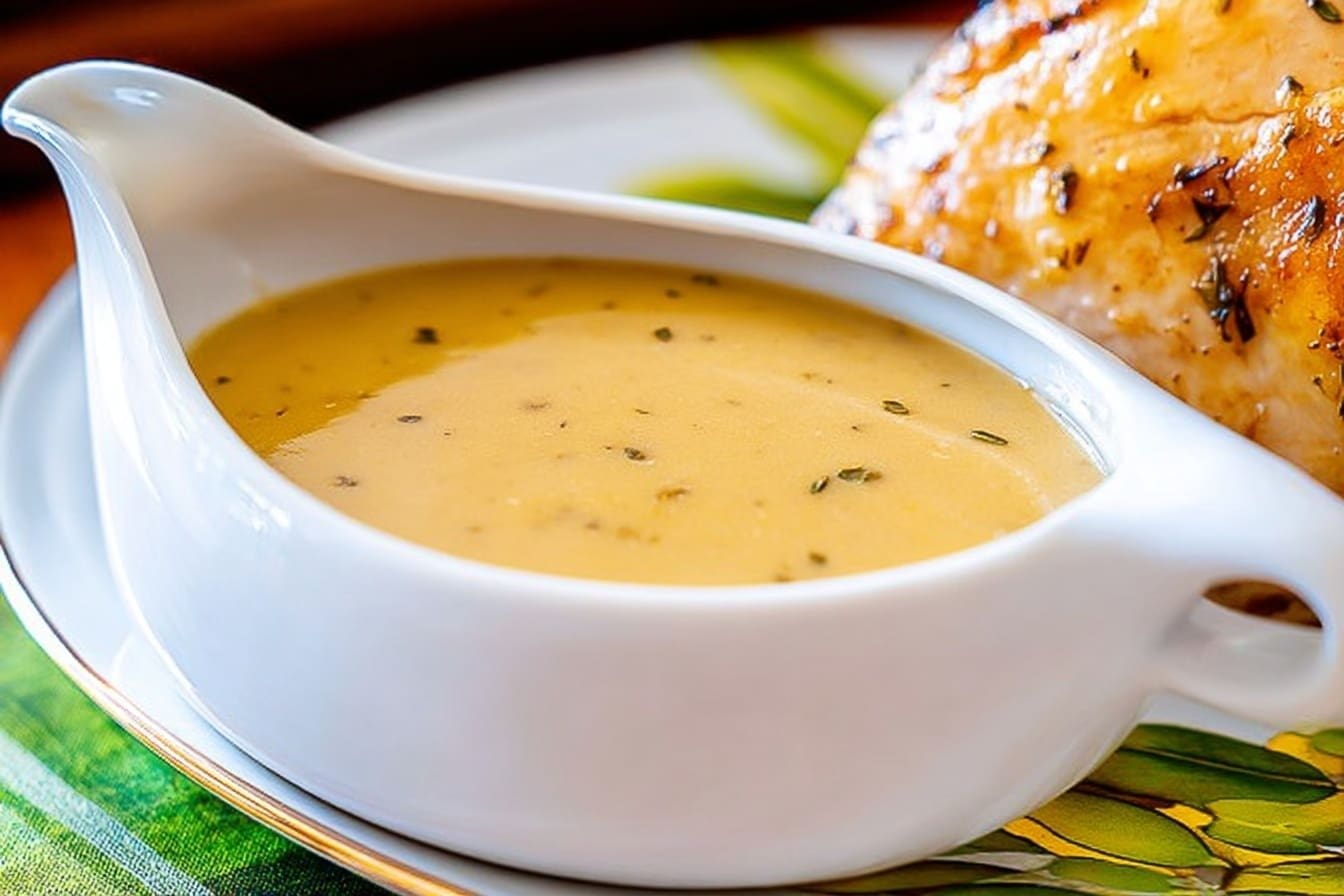
Serve the gravy in a warm bowl or gravy boat so it stays pourable. A sprinkle of black pepper on top makes it look fresh and ready to serve. This gravy shines over roasted turkey, but it also tastes great on stuffing, mashed potatoes, sautéed green beans, and cranberry sauce.
Make-ahead options
If you are cooking for a gathering, make the gravy earlier in the day and rewarm it gently before serving. Keep a little extra broth nearby in case it thickens too much while sitting. This is especially helpful for busy holidays, potlucks, and church suppers where timing can get hectic.
How to Store Turkey Gravy Recipe: Best Practices
Leftover turkey gravy recipe portions keep well when stored the right way. Let the gravy cool, then place it in an airtight container in the refrigerator for up to 4 days. It may thicken in the fridge, so do not worry if it looks a little stiff later.
Refrigeration and reheating
When reheating, warm it slowly on the stovetop over low heat. Whisk in a splash of broth or water to bring back the smooth texture. You can also reheat it in the microwave in short bursts, stirring between each one so it heats evenly.
Freezing and meal prep
For longer storage, freeze the gravy for up to 3 months. Thaw it overnight in the refrigerator, then reheat on the stove with a little broth if needed. If you like meal prep, freezing in small portions makes it easy to pull out just what you need for sandwiches, weeknight plates, or a quick comfort meal.
FAQs: Frequently Asked Questions About Turkey Gravy Recipe
What ingredients do I need for homemade turkey gravy?
For a classic homemade turkey gravy that serves 8-10 people, gather these simple ingredients: ¼ cup turkey pan drippings (or butter if substituting), ¼ cup unsalted butter, ⅓ cup all-purpose flour, 2 cups turkey or chicken broth (plus extra for thinning), salt to taste, and freshly ground black pepper. Optional add-ins include a splash of white wine for depth or fresh herbs like thyme for extra flavor. Start with room-temperature broth to prevent lumps. This recipe yields about 2 cups of smooth, rich gravy perfect for drizzling over turkey, mashed potatoes, or stuffing. Measure everything ahead to streamline the process—total prep takes just 5 minutes.
How do I collect pan drippings for turkey gravy?
After roasting your turkey, tilt the pan to pour drippings into a fat separator or fine-mesh strainer over a measuring cup. Let it sit 3-5 minutes so fat rises to the top. Skim off 3-4 tablespoons of fat for the roux, then use the remaining liquid (about ½ cup) mixed with broth to reach 2 cups total. Discard solids from straining. If drippings are scant, supplement with broth—no one will notice. This step, done right in 5 minutes, captures all the roasted flavor. Pro tip: Chill drippings briefly in the fridge if time allows for easier fat removal, ensuring a balanced, flavorful base.
How do I make turkey gravy without lumps?
To avoid lumps, melt 3 tablespoons turkey fat (or butter) in a saucepan over medium heat, whisk in ⅓ cup flour, and cook the roux 1-2 minutes until golden and nutty-smelling. Gradually pour in 2 cups warm broth-drippings mix while whisking constantly—add liquid in a thin stream at first. Simmer 5-7 minutes, whisking until thickened. If small lumps appear, strain through a sieve. Use a flat whisk for best results. This foolproof method takes 10 minutes total and delivers silky gravy every time. Test thickness on a spoon; it should coat the back nicely before serving.
What if my turkey gravy is too thick or too thin?
If gravy thickens too much during cooking or cooling (it firms up as it sits), whisk in broth or water, 1 tablespoon at a time, over low heat until perfect. For thin gravy, simmer uncovered 2-3 more minutes or make a slurry with 1 teaspoon flour mixed into cold water, whisk it in, and cook 1 minute. Avoid overcooking to prevent a raw flour taste. Always taste and season after adjustments. This quick fix works post-cooking too—reheat gently while stirring. With practice, you’ll nail the consistency: thick enough to cling to turkey but pourable for easy serving.
How do I store and reheat leftover turkey gravy?
Cool gravy completely, then store in an airtight container in the fridge for up to 4 days or freeze in portions (ice cube trays work great) for 3 months—thaw overnight in the fridge. To reheat, warm on stovetop over low heat, whisking in a splash of broth or water to restore creaminess; microwave in 30-second bursts with stirring also works. Avoid high heat to prevent separation. Reheated gravy tastes even better the next day on sandwiches or eggs. Label containers with dates for safety. This keeps your holiday effort fresh for quick weeknight meals.

Turkey Gravy Recipe
🦃 Elevate your Thanksgiving feast with silky, savory gravy made from pan drippings in just 13 minutes, transforming turkey and mashed potatoes into pure comfort!
🍲 Foolproof stovetop recipe using pantry staples, yielding lump-free perfection that’s versatile for chicken or beef roasts year-round.
- Total Time: 13 minutes
- Yield: 8 servings
Ingredients
– 1/2 cup turkey pan drippings for rich roasted flavor
– 2 tablespoons butter for forming the roux
– 1/4 cup all-purpose flour for thickening the gravy
– 1 1/2 cups chicken broth for creating the right consistency
– Pinch of freshly cracked black pepper for seasoning
– Salt, to taste for brightening
Instructions
1-First Step: Collect and strain the pan drippings After roasting your turkey, carefully pour the drippings into a fine mesh strainer set over a liquid measuring cup. Let the liquid rest for 3 to 5 minutes so the fat rises to the top. This makes it easier to separate the fat you need for the roux from the flavorful juices underneath. Once the drippings settle, spoon off about 3 tablespoons of fat. If you do not have quite that much, just add butter to make up the difference. This is a helpful trick for smaller turkeys or roasts that do not leave behind much fat.
2-Second Step: Start the roux Set a medium saucepan over medium heat and add the turkey fat plus the butter. Let them melt together fully. Next, whisk in the flour and keep whisking until the mixture is smooth and well combined. Cook the roux for about 1 1/2 to 2 minutes until it turns lightly golden brown. This step matters because it removes the raw flour taste and gives the gravy a deeper, nuttier flavor. Keep the heat steady so the roux does not burn.
3-Third Step: Add the liquids slowly Now slowly pour in the pan drippings and chicken broth while whisking constantly. This steady pour is what helps keep the gravy smooth and lump-free. The total liquid should equal 2 cups, so if your pan drippings are short, just add a little more broth. Use warm broth if you can, since cold liquid can make the mixture seize up or form lumps. If the gravy does look a little rough, do not panic. A quick strain at the end can smooth things out.
4-Fourth Step: Simmer until thickened Bring the gravy to a gentle boil, then reduce the heat to medium-low. Let it simmer for about 5 minutes, whisking often so it stays silky. During this time, the flour thickens the gravy and the flavors blend together. Remember that gravy thickens as it cools. If it looks slightly loose in the pan, that is usually a good sign. It will firm up a bit after you take it off the heat.
5-Fifth Step: Season and finish Season the gravy with salt and freshly cracked black pepper to taste. You can adjust the salt after tasting because the broth and drippings already bring some saltiness on their own. If the flavor feels flat, add a tiny pinch more salt rather than too much at once. Remove the pan from the heat and serve right away, or keep it warm until the rest of the meal is ready. This turkey gravy recipe is best when served fresh, but it also reheats well later in the week.
Last Step:
Please leave a rating and comment letting us know how you liked this recipe! This helps our business to thrive and continue providing free, high-quality recipes for you.Notes
🥄 Cook roux to golden brown for nutty flavor without raw taste.
🔄 Whisk liquids in slowly and vigorously for smooth, lump-free gravy.
❄️ Gravy thickens upon cooling; thin with broth if needed when reheating.
- Prep Time: 5 minutes
- Cook Time: 8 minutes
- Category: Sauces
- Method: Stovetop
- Cuisine: American
Nutrition
- Serving Size: ¼ cup
- Calories: 47 kcal
- Sugar: 0g
- Sodium: 207mg
- Fat: 3g
- Saturated Fat: 2g
- Unsaturated Fat: 1g
- Trans Fat: 0g
- Carbohydrates: 4g
- Fiber: 0.1g
- Protein: 1g
- Cholesterol: 0mg