

Why You’ll Love This Turkey Dressing
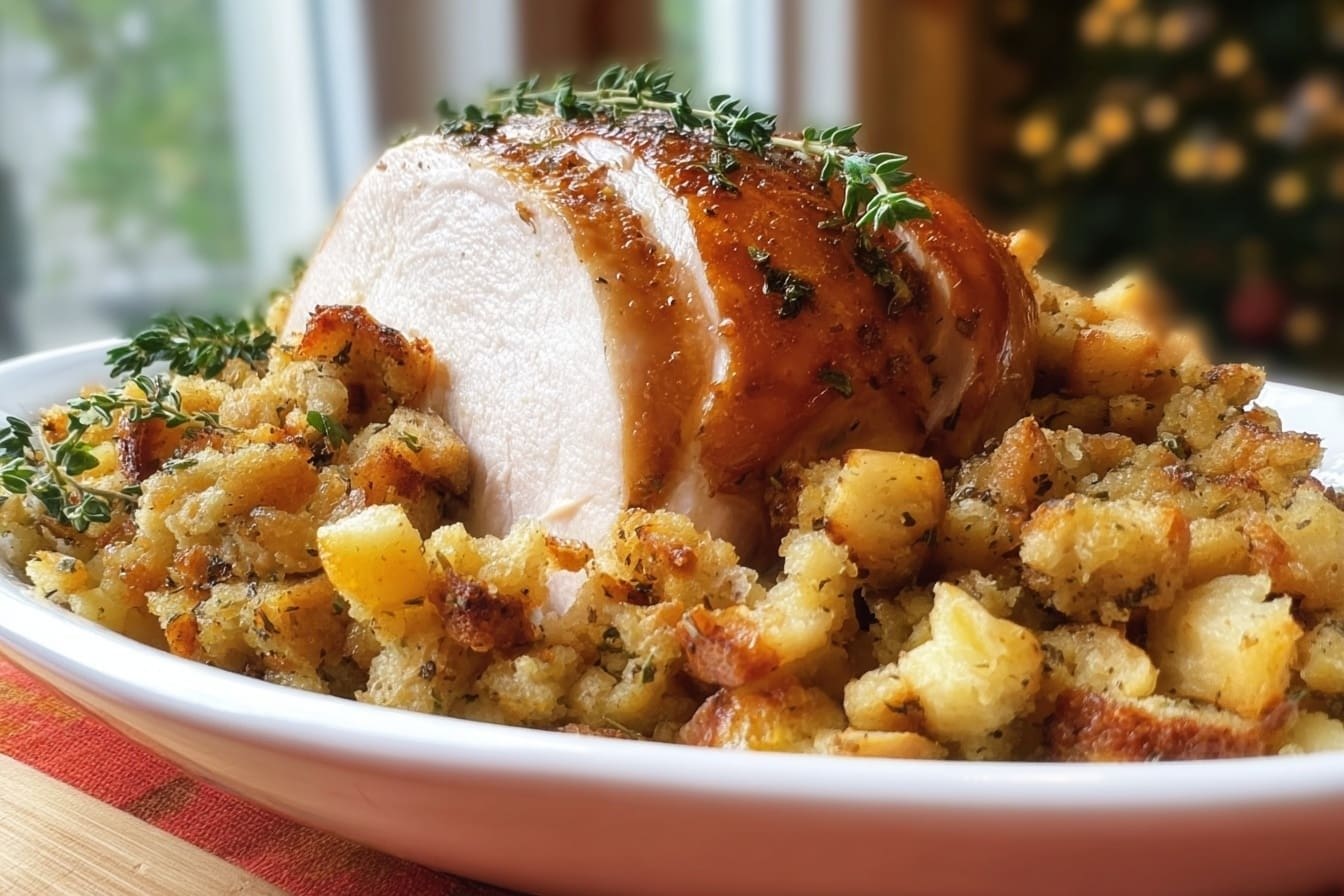
Grandma’s Thanksgiving Turkey Stuffing has that cozy, old-school charm that makes a holiday table feel complete. Whether you call it Turkey Dressing or stuffing, this family favorite brings big flavor with simple ingredients and a method that works for busy cooks, too. You can bake it in a casserole dish as dressing or tuck it inside the bird for classic stuffing style.
- Easy to make: This Turkey Dressing uses basic pantry staples, a quick sauté, and a simple bake at 350°F. Most of the work is done in one skillet and one bowl, which keeps cleanup friendly for holiday cooking.
- Comforting and filling: With bread, butter, celery, onion, and eggs, this dressing recipe gives you a hearty side that feeds a crowd. It is satisfying without being fussy, which is exactly what most home cooks want during Thanksgiving.
- Flexible for different tables: You can serve it as stuffing inside a turkey, bake it as a side dish, or adapt it with add-ins like bacon, sausage, or apple. That makes it a good fit for family dinners, church suppers, and potlucks.
- Classic flavor that feels special: Poultry seasoning, butter, celery, and onion create the kind of savory holiday taste people expect from grandma style Turkey Dressing. It is warm, familiar, and hard to stop eating.
Tip: If you want a dish that brings comfort and nostalgia to the table, this Thanksgiving Turkey Stuffing recipe is a safe bet every single year.
For more cozy holiday sides that travel well, you may also like this hearty mashed potato casserole for a crowd pleasing menu.
Jump to:
- Why You’ll Love This Turkey Dressing
- Essential Ingredients for Turkey Dressing
- What each ingredient does
- Special dietary options
- How to Prepare the Perfect Turkey Dressing: Step-by-Step Guide
- First step: Dry the bread cubes
- Second step: Preheat the oven and prep the dish
- Third step: Cook the celery and onion
- Fourth step: Combine the bread and vegetables
- Fifth step: Add the seasoning, stock, and eggs
- Sixth step: Transfer to the baking dish
- Seventh step: Bake until golden
- Eighth step: Garnish and serve
- Dietary Substitutions to Customize Your Turkey Dressing
- Protein and main component alternatives
- Vegetable, sauce, and seasoning modifications
- Mastering Turkey Dressing: Advanced Tips and Variations
- Pro cooking techniques
- Flavor variations
- Presentation tips
- Make-ahead options
- How to Store Turkey Dressing: Best Practices
- Refrigeration
- Freezing
- Reheating
- Meal prep considerations
- FAQs: Frequently Asked Questions About Turkey Dressing
- What’s the difference between turkey stuffing and dressing?
- What’s the best bread to use for turkey dressing?
- Why do turkey dressing recipes include eggs?
- Is it safe to stuff a turkey with dressing?
- Can you make turkey dressing in a slow cooker?
- Turkey Dressing
- Ingredients
- Instructions
- Last Step:
- Notes
- Nutrition
- Did you make this recipe?
Essential Ingredients for Turkey Dressing
This recipe serves 10 and uses simple ingredients that work together to create a rich, savory side dish. For the best texture, use sturdy bread that can soak up moisture without turning mushy.
- 13 to 15 cups dry bread cubes from about two 1-pound loaves of heavier white bread like French or Italian, or whole wheat bread
- 1 1/2 cups unsalted butter
- 1 cup chopped celery
- 1 cup diced yellow onion
- 2 1/4 teaspoons salt
- 1 teaspoon ground black pepper
- 1 1/2 tablespoons poultry seasoning, a blend of sage, thyme, marjoram, nutmeg, and black pepper
- 1 1/2 cups low-sodium chicken stock or broth
- 2 large eggs
What each ingredient does
| Ingredient | Why it matters |
|---|---|
| Dry bread cubes | Give the dressing structure and soak up the buttery broth mixture. |
| Unsalted butter | Adds richness and helps soften the vegetables. |
| Celery and onion | Bring the classic holiday flavor everyone expects in Turkey Dressing. |
| Poultry seasoning | Creates the familiar savory taste of sage and herbs. |
| Chicken stock | Moistens the bread and keeps the texture tender. |
| Eggs | Bind the mixture so it slices instead of falling apart. |
Special dietary options
- Vegan: Use plant-based butter, vegetable broth, and egg substitutes such as flax eggs or a commercial egg replacer.
- Gluten-free: Swap in sturdy gluten-free bread cubes that have been dried well.
- Lower calorie: Reduce the butter slightly and use extra broth for moisture, then bake in a smaller portion dish.
If you want to read more about the health side of holiday poultry, this WebMD guide to the health benefits of turkey is a helpful place to start.
How to Prepare the Perfect Turkey Dressing: Step-by-Step Guide
First step: Dry the bread cubes
Start with 13 to 15 cups of dry bread cubes. Heavier breads like French, Italian, or whole wheat work best because they hold up to the butter and broth. If you have time, let the cubes sit at room temperature for about 48 hours, stirring them once a day so they dry evenly. If you are in a rush, spread them on baking sheets and dry them in a low oven for a short time.
This step matters because stale, sturdy bread gives Turkey Dressing the best texture. Fresh bread can turn soft too quickly and leave you with a mushy casserole.
Second step: Preheat the oven and prep the dish
Set your oven to 350°F. Spray a 2-quart casserole dish or a 9×13-inch baking dish with cooking spray. A deeper dish will give you a softer center, while the larger pan gives you more browned edges, which many people secretly fight over at the table.
If you are making this for a smaller crowd, a 2-quart dish works well. For holidays, church potlucks, or large family dinners, the bigger pan usually disappears fast.
Third step: Cook the celery and onion
Melt the unsalted butter in a skillet over medium-high heat. Add the chopped celery and diced yellow onion, then sauté for 10 to 12 minutes until the vegetables are tender. You want them soft, fragrant, and slightly golden, not browned and bitter.
This is where the kitchen starts smelling like Thanksgiving. The buttery vegetables give the dressing its classic savory base, and they help every bite taste rich without needing a lot of extra ingredients.
Fourth step: Combine the bread and vegetables
Place the dry bread cubes in a large mixing bowl. Pour the buttery celery and onion mixture over the bread, then toss gently so the cubes are evenly coated. Be sure to pack the bread cubes tightly when measuring so you get the right amount of bread for the recipe.
At this stage, the mixture should look dry on the surface but lightly moistened by the butter. That balance helps the final dish bake up tender instead of soggy.
Fifth step: Add the seasoning, stock, and eggs
Add the salt, black pepper, poultry seasoning, low-sodium chicken stock or broth, and the two large eggs. Stir thoroughly until everything is well blended. The eggs are important because they act like glue and keep the dressing from crumbling apart when it is served.
Pro tip: Whisk the eggs with the broth before mixing them in if you want them distributed more evenly through the bread.
If you like a more herb-forward holiday side, you can also add a little extra sage or a few chopped rosemary leaves, but keep the original balance in mind so the dressing still tastes like grandma’s version.
Sixth step: Transfer to the baking dish
Spread the mixture evenly into the prepared casserole dish or baking dish. Press it down gently, but do not pack it so hard that it becomes dense. You want it to hold together while still staying light and tender inside.
For a family style presentation, use a shallow pan so the top browns nicely. For a softer, spoonable dressing, choose a deeper casserole dish.
Seventh step: Bake until golden
Bake the Turkey Dressing for 30 to 35 minutes, or until the top turns golden brown and the center is hot. If you are baking it inside the turkey, follow safe stuffing rules and make sure the internal temperature reaches 165°F. For a casserole, the same temperature goal is a smart target for food safety and best texture.
Keep an eye on the top during the last few minutes. If it starts getting too dark, you can cover it loosely with foil.
Eighth step: Garnish and serve
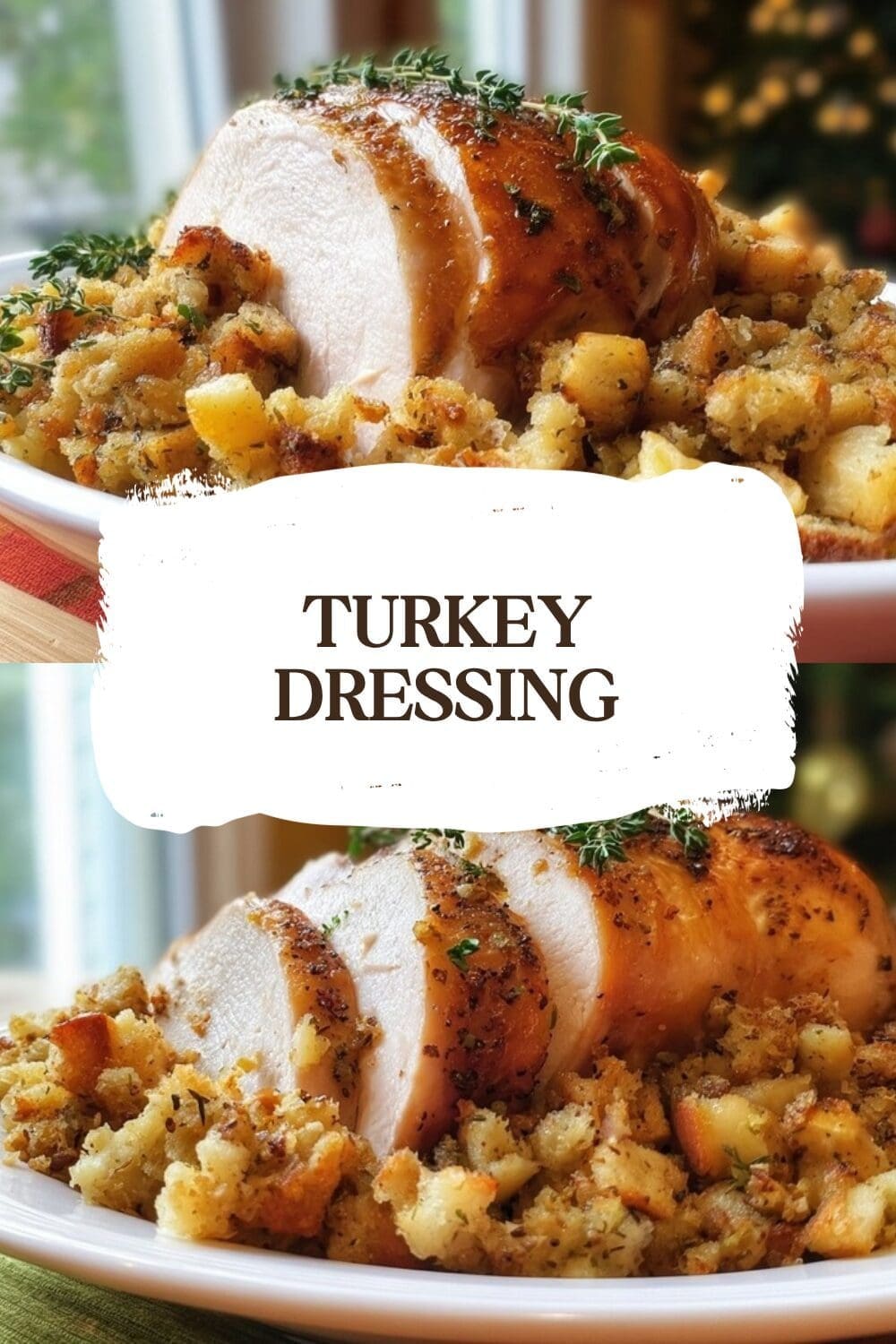
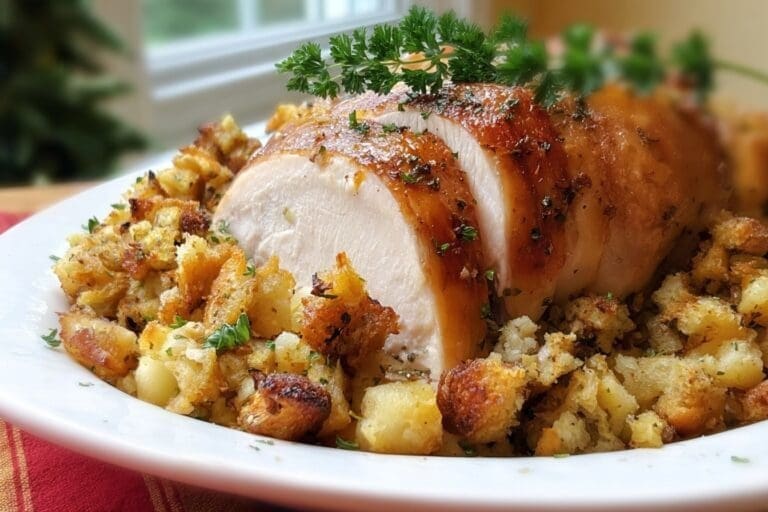
Let the dressing rest for a few minutes before serving. Then garnish with fresh parsley or herbs like rosemary if you want a little color on the table. This recipe is lovely beside turkey, chicken, ham, or even as part of a vegetarian holiday spread when adapted with vegetable broth.
Serve warm and enjoy that familiar buttery flavor. It is one of those recipes that makes people go back for seconds before they have even finished firsts.
Dietary Substitutions to Customize Your Turkey Dressing
Protein and main component alternatives
If you want to change the structure of your Turkey Dressing, there are a few easy paths. For an egg-free version, use a flax egg or extra broth plus a little more butter to help hold the mixture together. For a richer version, add cooked sausage or crumbled bacon, both of which bring a smoky flavor that feels right at home on a holiday plate.
For people who avoid poultry, vegetable broth works well and still gives the bread plenty of flavor. If you are serving a mixed crowd, keeping the base classic while offering optional add-ins on the side can make everyone happy.
Vegetable, sauce, and seasoning modifications
Celery and onion are the heart of this recipe, but you can swap or add to them if needed. Diced apple adds a light sweetness, chopped mushrooms add earthiness, and extra herbs like thyme or rosemary give the dressing a more garden fresh taste. If you want a little warmth, a pinch of nutmeg or extra black pepper works nicely.
For a softer, more casserole like texture, add a splash more broth. For a firmer bake, use slightly less liquid and bake a little longer. If you are making this for a large group, the recipe can be doubled easily and baked in two pans so everyone gets a good scoop.
Mastering Turkey Dressing: Advanced Tips and Variations
Pro cooking techniques
The biggest trick with Turkey Dressing is moisture control. Start with dry bread, add the broth gradually, and stop when the bread is evenly coated but not swimming. That helps you get a tender bake with a lightly crisp top. Also, measure the bread cubes after they are dry and packed, since loose measuring can throw off the balance.
If you are stuffing a turkey instead of baking a casserole, use about 3/4 cup per pound loosely in the cavity and do it right before the bird goes into the oven. Never pack it tight, and always check that the center of the stuffing reaches 165°F.
Flavor variations
There are plenty of easy ways to give this family recipe a new twist while keeping the comfort food feel. Bacon and sage create a smoky, classic holiday flavor. Sausage gives it a heartier finish. Apple and onion bring a little sweet and savory balance that works especially well with roast chicken or turkey.
You can also add chopped parsley, rosemary, or a touch more poultry seasoning if your family likes a stronger herb taste. Just keep the main flavor profile familiar so the dressing still tastes like Thanksgiving.
Presentation tips
For a pretty serving dish, sprinkle the top with fresh herbs just before bringing it to the table. A few rosemary leaves or chopped parsley add color without much effort. If you are hosting a potluck, bake it in a disposable foil pan for easy transport and serving.
For a festive spread, serve Turkey Dressing in the center of the table in a warm casserole dish alongside gravy, roasted turkey, and cranberry sauce.
Make-ahead options
This recipe is a holiday lifesaver because parts of it can be prepared ahead. Dry the bread cubes two days early, chop the vegetables the day before, and mix everything together right before baking. You can also assemble the casserole, cover it, and refrigerate it for a short time before the oven goes on. For extra convenience, the slow cooker version works on low for 6 to 8 hours, which is handy when oven space is tight.
For another make-ahead crowd pleaser, try this easy vegetarian lasagna when you need a dish that feeds a crowd with very little fuss.
How to Store Turkey Dressing: Best Practices
Refrigeration
Let leftover Turkey Dressing cool completely, then store it in an airtight container in the refrigerator. It will keep well for up to 4 days. When storing it, divide large portions into smaller containers so it chills faster and reheats more evenly.
Freezing
For longer storage, freeze the dressing in a freezer safe container or wrapped tightly in portions. It is best to freeze it after baking and cooling. Label the container with the date so you remember when you made it, and try to use it within 2 to 3 months for the best taste.
Reheating
Reheat in the oven at 325°F, covered with foil, until warmed through. You can also microwave smaller portions, but the oven gives you a better texture. If the dressing seems dry, add a splash of broth before reheating to bring back some moisture.
Meal prep considerations
This recipe works well for batch cooking because it keeps its flavor after chilling and reheating. You can make a full pan for Thanksgiving, then enjoy the leftovers for lunch or dinner the next day. It is also a nice option for community meals because it serves a crowd and can be moved from dish to dish without much trouble.
FAQs: Frequently Asked Questions About Turkey Dressing
What’s the difference between turkey stuffing and dressing?
The primary difference is cooking method: turkey stuffing cooks inside the bird, absorbing juices for extra flavor, while turkey dressing bakes separately in a casserole dish. Both use similar ingredients like bread, celery, onions, and broth. For safety, stuff the turkey loosely right before roasting and ensure the stuffing reaches 165°F internally. Bake dressing at 350°F for 30-45 minutes until golden. You can switch methods based on preference—stuffing works for smaller gatherings, dressing for larger ones since it scales easily. This family recipe bakes as dressing but tastes just as good stuffed. Pro tip: Prepare both ahead, refrigerate overnight, then bake fresh for holidays. (92 words)
What’s the best bread to use for turkey dressing?
Opt for sturdy white breads like French, Italian, or sourdough—they absorb broth and juices without falling apart. Day-old or lightly toasted bread works best to prevent sogginess. Alternatives include dried hot dog or hamburger buns for a softer texture, or whole wheat for a nuttier flavor. Cube the bread into 1-inch pieces, then mix with sautéed onions, celery, sage, and broth. Let it sit 30 minutes to soak before baking. Avoid fresh soft sandwich bread, as it turns mushy. For 12 servings, use about 12-16 cups of cubed bread. Test a small batch to match your taste. (98 words)
Why do turkey dressing recipes include eggs?
Eggs serve as a binder, holding the mixture together to avoid a crumbly texture after baking. One or two eggs per 12 cups of bread create a custard-like consistency that slices neatly. Whisk them with broth before mixing in to distribute evenly. This traditional step, passed down from grandmas, improves moisture and structure without altering flavor. Skip eggs for egg-free versions by increasing broth or adding more butter. Bake at 350°F for 40 minutes, checking for a firm center. Result: Perfect turkey dressing that reheats well as leftovers. Always use fresh eggs for food safety. (92 words)
Is it safe to stuff a turkey with dressing?
Yes, when done properly: Loosely spoon dressing into the turkey cavity (don’t pack it) right before roasting to allow heat circulation. Roast at 325°F until the turkey reaches 165°F in the thigh and the dressing center hits 165°F—use a food thermometer. This prevents bacterial growth like salmonella. Remove excess dressing beforehand if the bird is full. For extra caution, bake all dressing separately. Cool stuffed turkey fully before carving. Follow USDA guidelines: Stuffing should not sit out over 2 hours. This method yields flavorful results but test temp in multiple spots. (96 words)
Can you make turkey dressing in a slow cooker?
Absolutely—it’s hands-off for busy holidays. Spray a 6-quart slow cooker, add prepared dressing (cubed bread, veggies, broth, eggs), and cook on low 6-8 hours or high 3-4 hours. Stir halfway, adding broth if dry. Check internal temp reaches 165°F. For crisp top, transfer to oven 10 minutes at 400°F. Use 12 cups bread for standard size; scale up for bigger. Benefits: No oven space hogging, stays moist. Store leftovers in airtight container up to 4 days; reheat with broth splash. Pairs perfectly with roasted turkey—ideal for potlucks. (94 words)
Turkey Dressing
🦃🍞 Grandma’s Classic Thanksgiving Turkey Stuffing bakes buttery, herb-infused bread cubes golden – timeless holiday comfort side!
🥗 Moist-crispy poultry-seasoned delight: easy family tradition, customizable add-ins for perfect turkey feast!
- Total Time: 55 minutes
- Yield: 10 servings
Ingredients
– 13 to 15 cups dry bread cubes
– 1 1/2 cups unsalted butter
– 1 cup chopped celery
– 1 cup diced yellow onion
– 2 1/4 teaspoons salt
– 1 teaspoon ground black pepper
– 1 1/2 tablespoons poultry seasoning
– 1 1/2 cups low-sodium chicken stock or broth
– 2 large eggs
Instructions
1-First step: Dry the bread cubes Start with 13 to 15 cups of dry bread cubes. Heavier breads like French, Italian, or whole wheat work best because they hold up to the butter and broth. If you have time, let the cubes sit at room temperature for about 48 hours, stirring them once a day so they dry evenly. If you are in a rush, spread them on baking sheets and dry them in a low oven for a short time.
2-Second step: Preheat the oven and prep the dish Set your oven to 350°F. Spray a 2-quart casserole dish or a 9×13-inch baking dish with cooking spray. A deeper dish will give you a softer center, while the larger pan gives you more browned edges, which many people secretly fight over at the table.
3-Third step: Cook the celery and onion Melt the unsalted butter in a skillet over medium-high heat. Add the chopped celery and diced yellow onion, then sauté for 10 to 12 minutes until the vegetables are tender. You want them soft, fragrant, and slightly golden, not browned and bitter.
4-Fourth step: Combine the bread and vegetables Place the dry bread cubes in a large mixing bowl. Pour the buttery celery and onion mixture over the bread, then toss gently so the cubes are evenly coated. Be sure to pack the bread cubes tightly when measuring so you get the right amount of bread for the recipe.
5-Fifth step: Add the seasoning, stock, and eggs Add the salt, black pepper, poultry seasoning, low-sodium chicken stock or broth, and the two large eggs. Stir thoroughly until everything is well blended. The eggs are important because they act like glue and keep the dressing from crumbling apart when it is served.
6-Sixth step: Transfer to the baking dish Spread the mixture evenly into the prepared casserole dish or baking dish. Press it down gently, but do not pack it so hard that it becomes dense. You want it to hold together while still staying light and tender inside.
7-Seventh step: Bake until golden Bake the Turkey Dressing for 30 to 35 minutes, or until the top turns golden brown and the center is hot. If you are baking it inside the turkey, follow safe stuffing rules and make sure the internal temperature reaches 165°F. For a casserole, the same temperature goal is a smart target for food safety and best texture.
8-Eighth step: Garnish and serve Let the dressing rest for a few minutes before serving. Then garnish with fresh parsley or herbs like rosemary if you want a little color on the table. This recipe is lovely beside turkey, chicken, ham, or even as part of a vegetarian holiday spread when adapted with vegetable broth.
Last Step:
Please leave a rating and comment letting us know how you liked this recipe! This helps our business to thrive and continue providing free, high-quality recipes for you.Notes
🥖 Dry bread thoroughly – absorbs flavors without sogginess!
🔗 Eggs bind for perfect moist texture, no crumble.
🦃 Stuff turkey loosely or bake separate; temp 165°F internal.
- Prep Time: 20 minutes
- Bread Drying: 48 hours
- Cook Time: 35 minutes
- Category: Side Dish
- Method: Baking
- Cuisine: American
- Diet: Vegetarian (use veg broth)
Nutrition
- Serving Size: 1/10 recipe
- Calories: 380 kcal
- Sugar: 3g
- Sodium: 1029mg
- Fat: 30g
- Saturated Fat: 18g
- Unsaturated Fat: 12g
- Trans Fat: 0g
- Carbohydrates: 21g
- Fiber: 2g
- Protein: 6g
- Cholesterol: 111mg


