

Benefits and Advantages of tomato spinach shrimp pasta
Tomato spinach shrimp pasta is celebrated for its ease of preparation, making it an ideal choice for busy weeknights or quick gourmet meals. The recipe combines fresh ingredients such as ripe tomatoes, nutrient-rich spinach, and protein-packed shrimp, contributing to a balanced and healthy dish. Its high levels of antioxidants from tomatoes and essential vitamins from spinach promote overall wellness, while shrimp provides lean protein and omega-3 fatty acids that support heart health.
This dish stands out by offering a flavorful, colorful, and satisfying meal that caters to various dietary preferences. Additionally, the recipe is adaptable, allowing for vegan and gluten-free alternatives, which increases its appeal among health-conscious diners. The blend of fresh produce and seafood creates a harmonious balance that maintains great taste without compromising nutritional value or preparation simplicity.
“A vibrant dish that delivers nutrition, taste, and quick preparation, perfect for anyone seeking a wholesome meal.”
Moreover, the combination of shrimp and vegetables alongside a light sauce is low in saturated fat and rich in vitamins A, C, and iron. For those interested in learning more about the nutritional value of shrimp, you can visit this detailed resource on the nutritional value of shrimp.
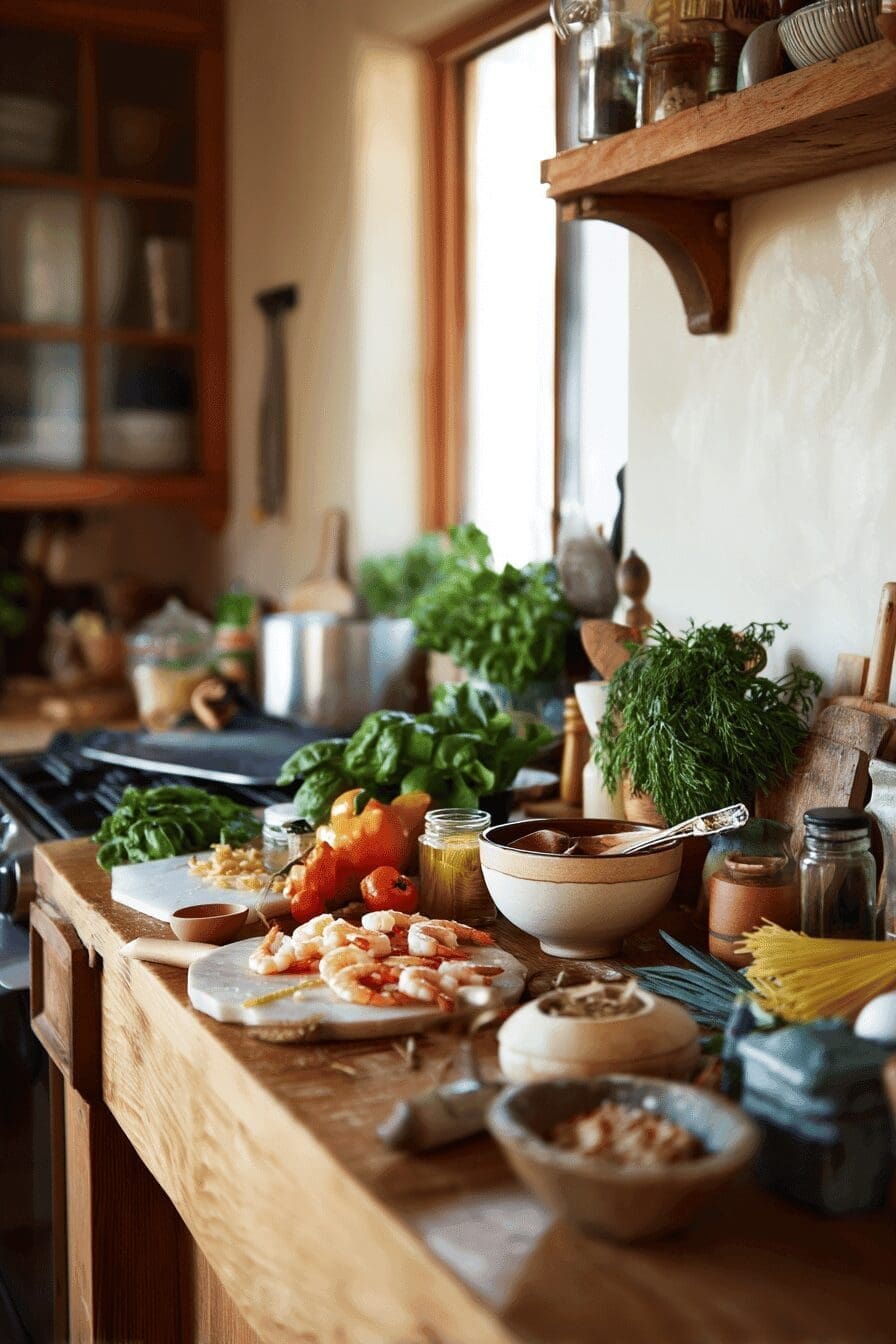
Jump to:
- Benefits and Advantages of tomato spinach shrimp pasta
- Essential Ingredients for tomato spinach shrimp pasta
- Dietary Substitutions to Customize Your tomato spinach shrimp pasta
- Protein Alternatives
- Pasta Variations
- Dairy-Free Substitutions
- Cooking Fats
- How to Prepare the Perfect tomato spinach shrimp pasta: Step-by-Step Guide
- Step 1: Cook the Pasta
- Step 2: Sauté Garlic
- Step 3: Cook Tomatoes and Build Sauce
- Step 4: Prepare Shrimp
- Step 5: Wilt the Spinach
- Step 6: Combine Pasta and Sauce
- Step 7: Add Final Touches
- Mastering tomato spinach shrimp pasta: Advanced Tips and Variations
- Flavor Boosts and Cooking Enhancements
- Variations to Customize Your Dish
- How to Store tomato spinach shrimp pasta: Best Practices
- Short-Term Storage
- Freezing Guidance
- Reheating Tips
- Nutritional Value of tomato spinach shrimp pasta
- FAQs: Frequently Asked Questions About tomato spinach shrimp pasta
- What ingredients do I need to make tomato spinach shrimp pasta?
- How do I cook shrimp for tomato spinach pasta without overcooking it?
- Can I make tomato spinach shrimp pasta creamy, and what are non-dairy alternatives?
- Is tomato spinach shrimp pasta a healthy meal option?
- Garlic Butter Shrimp, Spinach, and Tomato Pasta Recipe
- Ingredients
- Instructions
- Last Step:
- Notes
- Nutrition
- Did you make this recipe?
Essential Ingredients for tomato spinach shrimp pasta
Gathering the right ingredients is crucial for achieving the distinct flavors and textures of this tomato spinach shrimp pasta. Below is a complete list of what you will need:
- 8 ounces uncooked spaghetti (alternatives: fettuccine or penne)
- 1 pound uncooked shrimp (31–40 count per pound), peeled and deveined, tails optional
- 1 tablespoon extra virgin olive oil
- 2 to 5 tablespoons butter, divided
- 4 to 5 cloves garlic, minced
- 10 ounces grape tomatoes, halved, or 5 medium fresh tomatoes chopped into large cubes
- 1/4 cup low sodium chicken broth (or vegetable broth; replaceable with dry white wine)
- 1 teaspoon Italian seasoning
- 1/4 to 1/2 teaspoon crushed red pepper flakes (optional for heat)
- 2 to 2 1/2 cups fresh baby spinach (approximately 5 ounces)
- Salt and freshly ground black pepper, to taste
- Optional: 1/4 to 1/2 small lemon, freshly squeezed juice
- Optional: 1/2 cup freshly grated Parmesan cheese for serving
| Ingredient | Quantity | Purpose |
|---|---|---|
| Spaghetti (or fettuccine/penne) | 8 ounces | Base of the dish |
| Shrimp | 1 pound (31–40 count, peeled and deveined) | Primary protein source |
| Olive oil | 1 tablespoon | Cooking fat, heart-healthy |
| Butter | 2 to 5 tablespoons | Flavor and richness |
| Garlic | 4 to 5 cloves, minced | Aromatic and flavor enhancer |
| Grape or fresh tomatoes | 10 ounces (grape, halved) or 5 medium (chopped) | Freshness and acidity |
| Chicken broth (or substitute) | 1/4 cup | Creates sauce and moisture |
| Italian seasoning | 1 teaspoon | Herbal flavoring |
| Crushed red pepper flakes | 1/4 to 1/2 teaspoon (optional) | Mild heat |
| Fresh baby spinach | 2 to 2 1/2 cups (5 ounces) | Vitamin-rich greens |
| Salt and pepper | To taste | Seasoning |
| Lemon juice | 1/4 to 1/2 small lemon (optional) | Brightens flavor |
| Parmesan cheese | 1/2 cup grated (optional) | Adds richness and umami |
This array of ingredients provides a well-rounded taste and nutritional profile suitable for diverse palates. Check out our healthy pasta recipes for more ideas that pair well with fresh vegetables and lean proteins.
Dietary Substitutions to Customize Your tomato spinach shrimp pasta
Customizing this dish to meet individual dietary needs or ingredient preferences is straightforward thanks to versatile substitutions that preserve flavor and nutritional balance.
Protein Alternatives
- Seafood-free: Replace shrimp with firm tofu or tempeh for plant-based protein sources suitable for vegans and vegetarians.
- Other options: Consider chicken breast or scallops for different protein experiences.
Pasta Variations
- Gluten-free: Use pasta made from rice, quinoa, or legumes to accommodate gluten sensitivities.
- Lower-calorie: Swap traditional pasta for zucchini noodles (zoodles) or shirataki noodles to reduce carbohydrates.
Dairy-Free Substitutions
- Omit Parmesan cheese or use vegan cheese alternatives or nutritional yeast for a cheesy taste without dairy.
- Use coconut cream or cashew cream for creamier sauce variations without traditional dairy products.
Cooking Fats
- Replace olive oil with coconut oil or avocado oil to adjust the flavor profile or dietary fat preferences.
These substitutions ensure your tomato spinach shrimp pasta can be tailored to gluten-free, vegan, dairy-free, or low-carb diets without sacrificing taste or texture. Maintaining flexibility expands the dish’s appeal, making it accessible for a wide audience.
How to Prepare the Perfect tomato spinach shrimp pasta: Step-by-Step Guide
Follow this detailed guide to cook a delicious and well-balanced tomato spinach shrimp pasta that impresses every time.
Step 1: Cook the Pasta
Bring a large pot of salted water to a rolling boil. Add 8 ounces of your pasta choice spaghetti, fettuccine, or penne and cook according to the package instructions until al dente. For best texture, you may choose to rinse the pasta briefly with cold water after draining to prevent overcooking when combined with the skillet ingredients.
Step 2: Sauté Garlic
Heat 1 tablespoon of olive oil and 2 tablespoons of butter in a large skillet over medium-high heat. Add 4 to 5 cloves of minced garlic and sauté for about 30 seconds until fragrant but not browned to avoid bitterness.
Step 3: Cook Tomatoes and Build Sauce
Add 10 ounces of halved grape tomatoes or 5 chopped medium tomatoes to the skillet along with 1/4 cup low sodium chicken broth (or dry white wine as a flavorful alternative), 1 teaspoon Italian seasoning, and optional crushed red pepper flakes (1/4 to 1/2 teaspoon). Cook while stirring occasionally until tomatoes soften and begin to break down, approximately 5 minutes.
Step 4: Prepare Shrimp
In a single layer, add 1 pound of peeled and deveined shrimp to the skillet. Season with salt, freshly ground black pepper, and a pinch of paprika if desired. Cook shrimp for about 1 to 2 minutes per side, turning once until pink and just opaque. Avoid overcooking as shrimp continues to cook slightly after removal from heat.
Step 5: Wilt the Spinach
Stir in 2 to 2 1/2 cups of fresh baby spinach, cooking just until wilted, about 1 to 2 minutes. This maintains nutrients and retains the vibrant green color.
Step 6: Combine Pasta and Sauce
Remove the skillet from heat. Toss the drained pasta gently with the shrimp and vegetable mixture. If you prefer a looser sauce, add a splash of reserved pasta water to reach the desired consistency.
Step 7: Add Final Touches
Optionally, squeeze the juice of 1/4 to 1/2 a small lemon over the dish and stir to combine. For added richness, sprinkle freshly grated Parmesan cheese or a vegan alternative. Garnish with fresh basil leaves for extra aroma and flavor.
“Cooking shrimp just until pink ensures tender texture, while gentle stirring preserves the delicate spinach and tomato flavors.”
For more guidance on cooking pasta perfectly every time, read our expert tips for boiling pasta.
Mastering tomato spinach shrimp pasta: Advanced Tips and Variations
Perfecting tomato spinach shrimp pasta involves attention to ingredient quality and detail in preparation techniques. Using fresh, high-quality shrimp that are peeled and deveined can significantly improve the texture and taste of the dish. Briefly marinate shrimp in lemon juice, minced garlic, and your preferred herbs for 10 to 15 minutes before cooking to add extra flavor complexity.
Flavor Boosts and Cooking Enhancements
- White wine substitution: Replace chicken broth with a dry white wine such as pinot grigio or sauvignon blanc to deepen the sauce’s flavor profile.
- Spice it up: Add ¼ to ½ teaspoon of crushed red pepper flakes for a subtle heat that balances the sweetness of tomatoes.
- Prevent overcooking shrimp: Cook shrimp until they are just pink and opaque, about 1-2 minutes per side, as they continue to cook after removal from the heat.
- Cold rinsing pasta: Rinse the cooked pasta with cold water to stop the cooking process and avoid mushiness when combined with the warm sauce later.
Variations to Customize Your Dish
Tomato spinach shrimp pasta is incredibly versatile, letting you tailor the dish to your preference or dietary needs. Below are some valuable variations to try:
| Variation | Description | Benefit |
|---|---|---|
| Creamy Sauce | Add a splash of half-and-half, heavy cream, or coconut cream along with sautéed mushrooms for a luscious texture. | Makes the pasta richer and suitable for cream sauce lovers, including dairy-free options. |
| Alternate Pasta Types | Use penne, linguine, or gluten-free pasta to change the texture or accommodate gluten intolerance. | Adapts the recipe for different texture experiences and dietary restrictions. |
| Herb Variations | Swap traditional basil with fresh parsley or oregano based on availability or flavor preference. | Adds aroma variety and personalizes the flavor profile. |
| Crunch Addition | Top with toasted pine nuts or walnuts for a nutty crunch to contrast the tender shrimp and pasta. | Enhances texture and adds healthy fats for increased nutritional value. |
By experimenting with these tips and variations, you can create your own signature tomato spinach shrimp pasta that perfectly suits your taste while maintaining a fresh, vibrant balance of ingredients.
How to Store tomato spinach shrimp pasta: Best Practices
Preserving the flavor and texture of tomato spinach shrimp pasta requires careful storage methods. Follow these best practices to keep your dish tasting fresh:
Short-Term Storage
- Transfer leftovers to an airtight container promptly after cooling to room temperature.
- Store in the refrigerator for up to 3 days to maintain quality and safety.
Freezing Guidance
While freezing can extend shelf life, it is generally not recommended for shrimp pasta as shrimp texture may be compromised. However, if freezing is necessary:
- Use freezer-safe containers or heavy-duty freezer bags. Remove as much air as possible.
- Label with the date and consume within 1 month for best taste.
- Thaw overnight in the refrigerator before reheating gently.
Reheating Tips
“Reheat slowly over low heat on the stovetop or in the microwave. Add a splash of water, broth, or olive oil to maintain moisture and gently warm shrimp without making them rubbery.”
By following these storage tips, you can prepare tomato spinach shrimp pasta ahead of time and enjoy convenient, delicious leftovers without sacrificing taste or texture.
Nutritional Value of tomato spinach shrimp pasta
This tomato spinach shrimp pasta provides a nutrient-rich meal combining lean protein, wholesome carbohydrates, and vitamin-packed vegetables. Below is a detailed look at the nutritional components per serving:
| Nutrient | Amount | Health Benefits |
|---|---|---|
| Calories | 427–594 kcal | Provides energy for daily activities |
| Protein | 32–38 g | Essential for muscle repair and satiety |
| Carbohydrates | 47–61 g | Primary energy source, mainly from pasta |
| Fat | 12–21 g (Saturated fat 4–10 g) | Supports cell function; moderate saturated fat intake |
| Cholesterol | 301–324 mg | From shrimp; moderate intake advised |
| Fiber | 3–6 g | Aids digestion and promotes fullness |
| Vitamin A | 2172–3952 IU | Supports vision and immune function |
| Vitamin C | 21–32 mg | Antioxidant that supports skin and immune health |
| Calcium | 208–438 mg | Important for bone health |
| Iron | 4–7 mg | Supports oxygen transport and energy production |
Spinach contributes essential vitamins and minerals, including iron and vitamin A, while fresh tomatoes add beneficial antioxidants like lycopene. Shrimp provides lean protein and healthy omega-3 fatty acids, which are important for cardiovascular health. Olive oil complements the nutritional profile by supplying heart-healthy monounsaturated fats.
For readers interested in health benefits of spinach and the nutritional value of shrimp, this dish offers a delicious way to enjoy these powerhouse ingredients.
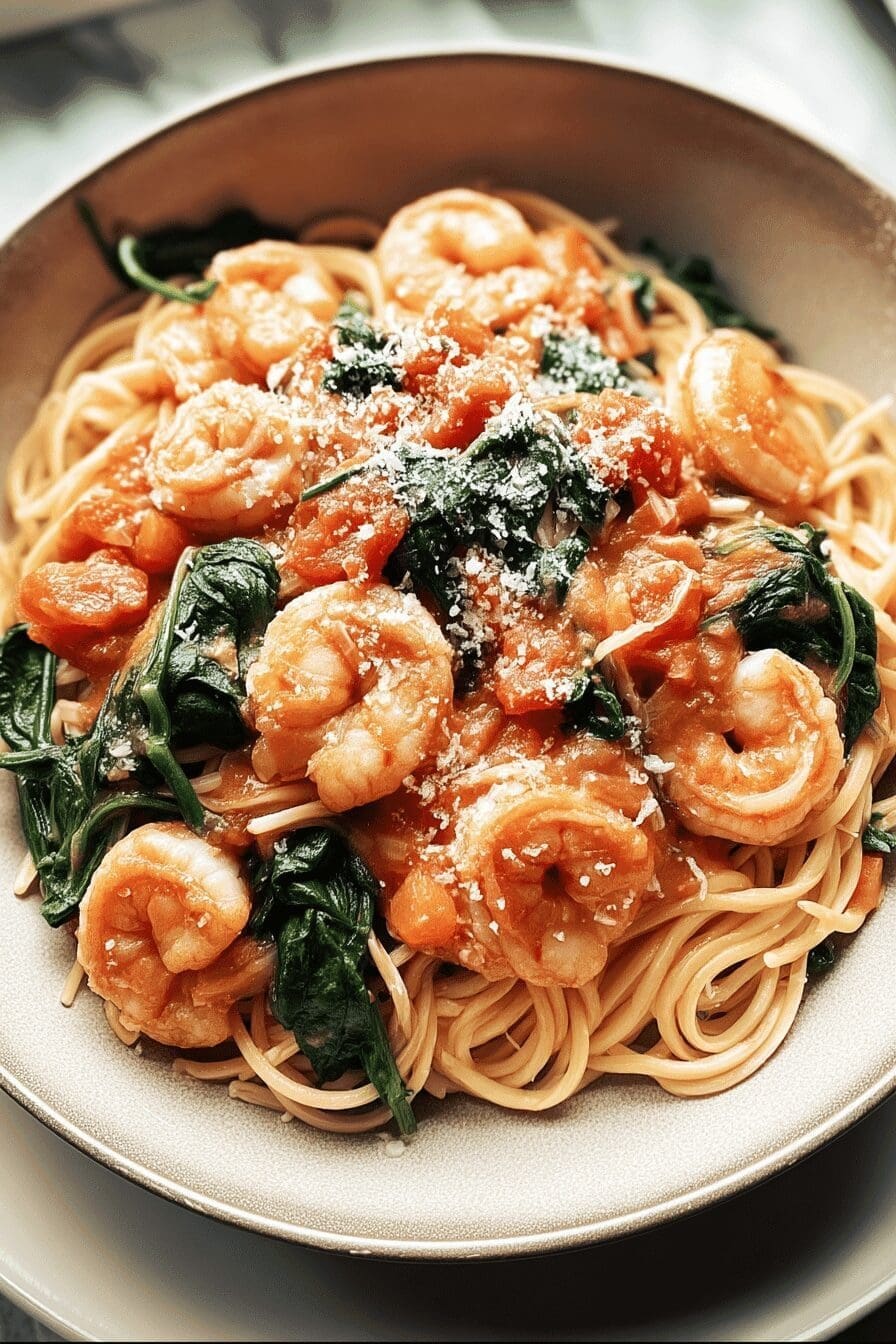
FAQs: Frequently Asked Questions About tomato spinach shrimp pasta
What ingredients do I need to make tomato spinach shrimp pasta?
You will need 8 ounces of uncooked spaghetti or your preferred pasta such as fettuccine or penne; 1 pound of peeled and deveined shrimp (31-40 count); 1 tablespoon of olive oil; 2 to 5 tablespoons of butter; 4 to 5 cloves of minced garlic; 10 ounces of grape tomatoes halved or 5 medium fresh tomatoes chopped; 1/4 cup of low sodium chicken broth or dry white wine as a substitute; 1 teaspoon of Italian seasoning; optional 1/4 to 1/2 teaspoon crushed red pepper flakes; 2 to 2 1/2 cups fresh baby spinach leaves; salt and freshly ground black pepper; optional lemon juice from 1/4 to 1/2 small lemon; and 1/2 cup of freshly grated Parmesan cheese for serving.
How do I cook shrimp for tomato spinach pasta without overcooking it?
Cook shrimp in a skillet over medium-high heat for 1 to 2 minutes per side until they turn opaque and pink. Season with salt, freshly ground black pepper, and paprika if desired. Remove from heat as soon as they are cooked since shrimp will continue to cook slightly off the heat a key tip to avoid rubbery texture. Use thawed shrimp if frozen, and pat dry before cooking.
Can I make tomato spinach shrimp pasta creamy, and what are non-dairy alternatives?
Yes, you can make a creamier version by adding half-and-half, heavy cream, or coconut cream into the sauce along with mushrooms for richness. For non-dairy or vegan options, coconut cream or cashew cream works well, adding a smooth texture and mild flavor that complements the garlic, tomatoes, and spinach.
Is tomato spinach shrimp pasta a healthy meal option?
Absolutely. This recipe combines fresh vegetables like spinach and tomatoes, lean protein from shrimp, and healthy fats from olive oil and butter in moderate amounts. It provides essential vitamins, minerals, fiber, and omega-3 fatty acids while being relatively low in calories and saturated fat. Gluten-free versions are easy to make by swapping pasta types, catering to different dietary needs.

Garlic Butter Shrimp, Spinach, and Tomato Pasta Recipe
🦐 Rich in Flavor: This pasta dish combines garlic butter shrimp, fresh spinach, and juicy tomatoes for a taste that pleases the palate!
🍝 Quick and Nourishing: Perfect for a nutritious dinner that’s ready in under an hour and leaves everyone satisfied!
- Total Time: 40 minutes
- Yield: 4 servings 1x
Ingredients
8 ounces uncooked spaghetti (or fettuccine/penne as alternatives)
1 pound uncooked shrimp (31–40 count per pound), peeled and deveined, tails optional
1 tablespoon olive oil (extra virgin suggested)
2 to 5 tablespoons butter, divided
4 to 5 cloves garlic, minced
10 ounces grape tomatoes, halved, or 5 medium fresh tomatoes chopped into large cubes
1/4 cup low sodium chicken broth (or vegetable broth, or dry white wine)
1 teaspoon Italian seasoning
1/4 to 1/2 teaspoon crushed red pepper flakes (optional)
2 to 2 1/2 cups fresh baby spinach (5 ounces by weight)
Salt and freshly ground black pepper, to taste
Optional: 1/4 to 1/2 small lemon, juice
Optional: 1/2 cup freshly grated Parmesan cheese
Instructions
1. Bring a large pot of salted water to a boil and cook pasta until al dente per package instructions. Drain and rinse with cold water if needed.
2. In a large skillet, heat olive oil and butter over medium-high; add minced garlic and sauté until fragrant.
3. Add tomatoes and chicken broth to the skillet, seasoning with Italian herbs and red pepper flakes; cook until tomatoes soften.
4. Add shrimp in a single layer, seasoning with salt, pepper, and optional paprika. Cook 1-2 minutes per side until pink.
5. Add spinach to the skillet, stirring until wilted.
6. Toss in cooked pasta, mixing with shrimp and vegetables. Adjust sauce with reserved pasta water as desired.
7. Finish with a squeeze of lemon juice if desired and serve with Parmesan on top.
Last Step:
Please leave a rating and comment letting us know how you liked this recipe! This helps our business to thrive and continue providing free, high-quality recipes for you.Notes
🧊Thaw frozen shrimp for optimal freshness and flavor.
🍷Use white wine instead of broth for extra depth in flavor.
🌡Avoid overcooking shrimp by removing them as soon as they turn pink.
- Prep Time: 15 minutes
- Cook Time: 25 minutes
- Category: Main Course
- Method: Sauteing
- Cuisine: Italian
- Diet: Pescatarian
Nutrition
- Serving Size: 1/4 batch
- Calories: 510
- Sugar: 7g
- Sodium: 1372mg
- Fat: 18g
- Saturated Fat: 8g
- Unsaturated Fat: 8g
- Trans Fat: 0g
- Carbohydrates: 54g
- Fiber: 4g
- Protein: 36g
- Cholesterol: 310mg


