

Why You’ll Love This Thanksgiving Turkey Recipe
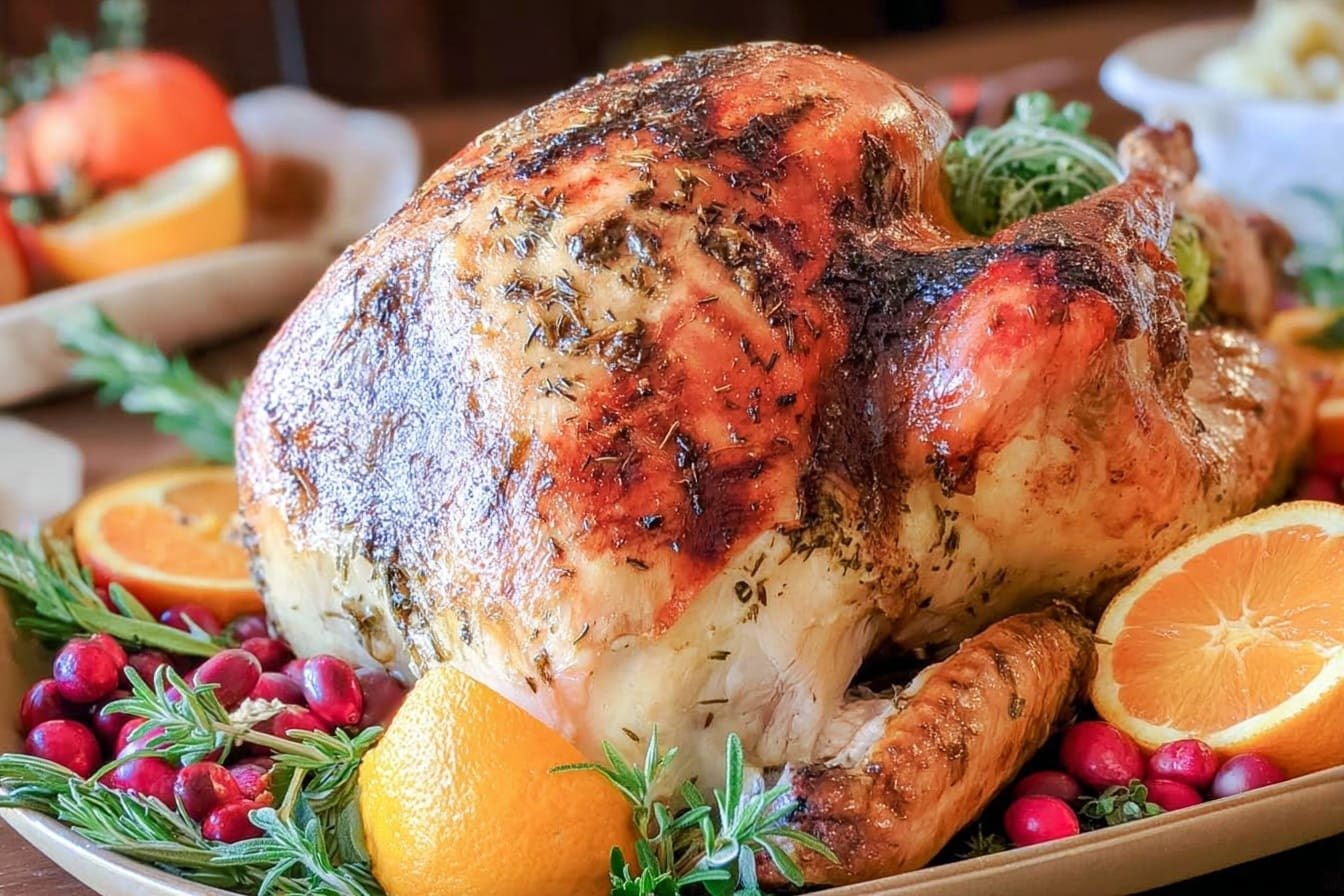
Preparing a Thanksgiving turkey doesn’t have to be intimidating. This Thanksgiving turkey recipe is designed with home cooks in mind, delivering a beautiful, golden bird that will impress your family and friends without requiring professional culinary skills. Whether you’re a first-time cook or a seasoned pro, this foolproof approach takes the stress out of holiday cooking.
Key Benefits of This Recipe
- Ease of preparation: With simple steps and basic ingredients you likely already have in your kitchen, this turkey comes together in about 30 minutes of hands-on prep time. The roasting method is straightforward, and you won’t need any fancy equipment beyond a roasting pan and meat thermometer.
- Health benefits: Turkey is a nutritional powerhouse, offering 70 grams of protein per serving with only 1 gram of carbohydrates. It’s packed with essential nutrients including potassium, iron, and B vitamins, making it a wholesome centerpiece for your holiday table.
- Versatility: This recipe works beautifully with various herb combinations and can be adapted for different dietary needs. Dairy-free alternatives like olive oil can replace butter, and the seasoning blend can be customized to your family’s preferences.
- Distinctive flavor: The herb butter mixture creates incredibly moist meat with crispy, golden skin. Fresh rosemary, thyme, and sage infuse the turkey with classic Thanksgiving flavors, while the cavity filled with onion and lemon adds subtle aromatic notes throughout.
Jump to:
- Why You’ll Love This Thanksgiving Turkey Recipe
- Key Benefits of This Recipe
- Essential Ingredients for Thanksgiving Turkey Recipe
- Main Ingredients
- Optional Vegetables for Roasting Bed
- Special Dietary Options
- How to Prepare the Perfect Thanksgiving Turkey Recipe: Step-by-Step Guide
- Step 1: Preparation Before Roasting
- Step 2: Drying and Seasoning the Cavity
- Step 3: Creating and Applying Herb Butter
- Step 4: Positioning for Roasting
- Step 5: Roasting to Perfection
- Step 6: Monitoring and Adjusting During Roasting
- Step 7: Resting and Serving
- Dietary Substitutions to Customize Your Thanksgiving Turkey Recipe
- Protein and Main Component Alternatives
- Vegetable, Sauce, and Seasoning Modifications
- Mastering Thanksgiving Turkey Recipe: Advanced Tips and Variations
- Pro Cooking Techniques
- Flavor Variations
- Presentation Tips
- Make-Ahead Options
- How to Store Thanksgiving Turkey Recipe: Best Practices
- Refrigeration Guidelines
- Freezing for Long-Term Storage
- Reheating Recommendations
- Meal Prep Considerations
- FAQs: Frequently Asked Questions About Thanksgiving Turkey Recipe
- Why won’t butter stick to my turkey when prepping for Thanksgiving?
- What if my Thanksgiving turkey hits 165°F before the expected time?
- How do I fix burning turkey skin on Thanksgiving if the inside isn’t done?
- Why is the top of my turkey breast browning faster than the rest during roasting?
- Is pink meat in my cooked Thanksgiving turkey safe to eat?
- Thanksgiving Turkey Recipe
- Ingredients
- Instructions
- Last Step:
- Notes
- Nutrition
- Did you make this recipe?
Essential Ingredients for Thanksgiving Turkey Recipe
Success starts with gathering the right ingredients. For this Thanksgiving turkey recipe, you’ll need the following items, all measured and ready for preparation:
Main Ingredients
- Turkey: 12 to 18 pounds, fully thawed – This size serves 8-16 people comfortably; choose a fresh or fully thawed frozen turkey.
- Fresh herbs: rosemary, thyme, sage – These classic Thanksgiving herbs create aromatic flavor inside and outside the bird.
- Onion: 1, peeled and quartered – Placed in the cavity to add flavor from within.
- Lemon: 1, quartered – Brightens the flavor and helps tenderize the meat.
- Garlic: 6 cloves, minced – Mixed into the herb butter for bold, savory taste.
- Butter: ¾ cup, room temperature – Creates the base for herb butter; ensures moist meat and golden skin.
- Kosher salt and black pepper – Essential seasonings for enhancing natural turkey flavor.
Optional Vegetables for Roasting Bed
- 1 onion, peeled and quartered – Adds flavor foundation and elevates the turkey.
- 3 celery ribs, roughly chopped – Creates aromatic base for pan drippings.
- 2 carrots, roughly chopped – Sweetens the pan juices for better gravy.
Special Dietary Options
For those with dietary restrictions, consider these substitutions:
- Dairy-free: Replace butter with olive oil or dairy-free butter alternative.
- Lower sodium: Reduce salt and rely more on fresh herbs for flavor.
How to Prepare the Perfect Thanksgiving Turkey Recipe: Step-by-Step Guide
Follow these detailed steps to achieve a perfectly roasted turkey every time. This method has been tested and refined to ensure consistent, delicious results.
Step 1: Preparation Before Roasting
Start your Thanksgiving turkey recipe by removing the turkey from the refrigerator about 1 hour before you plan to roast it. This crucial step brings the turkey to room temperature, which promotes even cooking throughout the bird. Cold spots in the meat can lead to uneven doneness, so don’t skip this important timing.
While the turkey warms up, remove the giblet packet from the cavity. Most turkeys come with giblets (neck, heart, gizzard, and liver) tucked inside. Save these for making homemade gravy or discard them according to your preference. Preheat your oven to 325°F (160°C), which is the ideal temperature for slow, even roasting that produces juicy meat and crispy skin.
Step 2: Drying and Seasoning the Cavity
Pat the turkey completely dry with paper towels, inside and out. This step is essential because moisture on the skin prevents proper browning. A dry turkey skin will crisp up beautifully, while wet skin steams instead of roasts. Take your time with this step, reaching into every crevice.
Pro tip: Do not wash your turkey before cooking. Washing spreads bacteria around your kitchen and doesn’t improve the final product. The high heat of roasting kills any surface bacteria safely.
Season the inside cavity generously with kosher salt and black pepper. Fill the cavity with one quartered onion, one quartered lemon, and a handful of fresh herbs including rosemary, thyme, and sage. Don’t overstuff the cavity; leave room for heat to circulate inside the bird for proper cooking.
Step 3: Creating and Applying Herb Butter
In a mixing bowl, combine ¾ cup of softened room-temperature butter with minced garlic (6 cloves), kosher salt, black pepper, and finely chopped fresh rosemary and thyme. Mix thoroughly until all ingredients are well incorporated. This herb butter will become your secret weapon for moist, flavorful meat.
Gently loosen the skin over the turkey breasts by sliding your fingers between the skin and meat. Work carefully to avoid tearing the skin. Spread about one-third of your herb butter mixture directly under the breast skin, coating the meat evenly. This technique ensures the white meat stays incredibly moist and flavorful throughout roasting.
Spread the remaining herb butter all over the outside of the turkey, coating every surface. If you’re having trouble getting the butter to stick, try softening it slightly more in the microwave for 5-10 seconds, or make sure the turkey skin is perfectly dry. The herb butter will create that beautiful golden exterior everyone loves.
Step 4: Positioning for Roasting
Place your turkey on a roasting rack set inside a large roasting pan. If you don’t have a rack, create a bed using roughly chopped onions, celery, and carrots. These vegetables serve double duty: they elevate the turkey for even air circulation and add wonderful flavor to the pan drippings for gravy making.
Tuck the wing tips underneath the turkey body. This prevents them from burning and keeps them close to the body for more compact roasting. Don’t truss (tie up) the turkey legs. Leaving them loose allows better air circulation around the thighs and helps the bird cook more evenly.
Step 5: Roasting to Perfection
Roast your turkey at 325°F, allowing approximately 15 minutes per pound. A 14-pound turkey typically takes about 3 hours and 30 minutes. However, always rely on temperature rather than time alone. For guidance on timing, refer to this helpful reference:
| Turkey Size | Estimated Roasting Time | Servings |
|---|---|---|
| 10-12 pounds | 2.5-3 hours | 8-10 people |
| 12-14 pounds | 3-3.5 hours | 10-12 people |
| 14-18 pounds | 3.5-4.5 hours | 12-16 people |
| 18-24 pounds | 4.5-5.5 hours | 16-20 people |
Insert an instant-read thermometer into the thickest part of the thigh and the thickest part of the breast, avoiding contact with bone. Your turkey is done when the internal temperature reaches 158-160°F. The temperature will continue rising during resting to reach the safe zone of 165°F.
Step 6: Monitoring and Adjusting During Roasting
Check your turkey periodically during roasting. If the skin begins browning too quickly, tent the entire bird loosely with aluminum foil. This shields the skin while allowing heat to continue cooking the meat inside. You can also lower your oven temperature by 25-50°F if browning happens very fast.
If certain areas brown faster than others, create small foil shields to cover just those spots. The top of the breast sometimes browns quickly; if this happens, lower your oven rack one position or cover just the peak with a small foil tent.
Step 7: Resting and Serving
Once your turkey reaches the target temperature, remove it from the oven and let it rest for at least 30 minutes before carving. This resting period allows juices to redistribute throughout the meat, resulting in incredibly moist slices. Cutting too soon causes all those delicious juices to run out onto your cutting board instead of staying in the meat.
After resting, carve your turkey and serve alongside your favorite Thanksgiving sides. Save those precious pan drippings for making homemade gravy. Your beautifully roasted turkey is now ready to become the star of your holiday table!
Dietary Substitutions to Customize Your Thanksgiving Turkey Recipe
Protein and Main Component Alternatives
While this Thanksgiving turkey recipe focuses on a traditional whole bird, you can adapt the same techniques for different situations. If you’re cooking for a smaller group, consider using just a turkey breast instead of a whole bird. The same herb butter technique and roasting method works beautifully, with adjusted timing of about 20 minutes per pound.
For those who cannot find a fresh turkey or forgot to thaw one in time, you can sometimes find fully thawed turkeys at grocery stores during the holiday season. Just be sure to check the expiration date and ensure proper cold storage during transport home.
Vegetable, Sauce, and Seasoning Modifications
The herb blend in this recipe can be customized based on what you have available. If fresh herbs aren’t accessible, dried herbs work at a ratio of 1 teaspoon dried for every tablespoon fresh. Common substitutions include dried poultry seasoning blends, which often contain sage, thyme, and rosemary already combined.
For a different flavor profile, try adding citrus zest to your herb butter. Orange zest pairs beautifully with turkey and creates a subtle sweetness in the finished dish. Some families love adding a touch of maple syrup or honey to the butter mixture for slightly sweet notes.
For more herb-roasted poultry inspiration, check out this herb butter chicken recipe that uses similar techniques for fantastic results.
Mastering Thanksgiving Turkey Recipe: Advanced Tips and Variations
Pro Cooking Techniques
Professional chefs rely on a few key strategies that elevate their Thanksgiving turkey recipe from good to extraordinary. First, always invest in a reliable instant-read thermometer. Temperature is your most accurate indicator of doneness, and eyeballing can lead to undercooked or overcooked results.
Second, consider dry brining your turkey 1-2 days before roasting. Salting the bird ahead of time and letting it sit uncovered in the refrigerator creates incredibly crispy skin and seasons the meat throughout, not just on the surface.
Flavor Variations
- Citrus-herb: Add orange or lemon zest to the herb butter for bright notes.
- Garlic lovers: Double the garlic and add garlic powder to the butter mixture.
- Spicy kick: Include a pinch of cayenne pepper in your seasoning blend.
- Sweet and savory: Brush with maple syrup during the last 30 minutes of roasting.
Presentation Tips
Carving your turkey tableside creates a memorable presentation moment. Use a sharp carving knife and let the turkey rest first. Start by removing the legs and thighs, then separate drumsticks from thighs. Slice breast meat against the grain for the most tender bite. Garnish your serving platter with fresh herb sprigs, citrus wedges, and perhaps some roasted vegetables from the pan.
Make-Ahead Options
Prep your herb butter up to 3 days ahead and store it refrigerated in an airtight container. You can also prepare your roasting vegetables and store them in the refrigerator. On cooking day, simply bring the butter to room temperature and proceed with the recipe. This makes Thanksgiving morning much less hectic.
For more make-ahead inspiration, this butter roast chicken technique shows how similar prep strategies work beautifully for other poultry dishes.
How to Store Thanksgiving Turkey Recipe: Best Practices
Refrigeration Guidelines
After your Thanksgiving feast, refrigerate leftover turkey within 2 hours to prevent bacterial growth. Remove meat from the bones and store in airtight containers. Properly stored turkey keeps for 3-4 days in the refrigerator. For best quality, keep the meat separate from stuffing and gravy.
Freezing for Long-Term Storage
For longer storage, freeze turkey portions for up to 4 months. Wrap tightly in freezer paper or heavy-duty aluminum foil, then place in freezer bags with air removed. Label with the date and contents. Slice or shred meat before freezing for easier portion control when reheating.
Reheating Recommendations
Reheat leftover turkey gently to prevent drying. Place slices in a baking dish with a splash of broth or gravy, cover with foil, and warm in a 300°F oven until heated through. This low, slow method preserves moisture. You can also reheat in the microwave at 50% power with a damp paper towel over the meat.
Meal Prep Considerations
If you’re transporting cooked turkey to another location, keep it warm in an insulated carrier or reheat gently at your destination. Use the 300°F covered method with added broth. Turkey makes excellent meal prep for soups, sandwiches, and casseroles in the days following your holiday meal.
For more information about turkey’s nutritional benefits, check out this WebMD guide to turkey health benefits.
FAQs: Frequently Asked Questions About Thanksgiving Turkey Recipe
Why won’t butter stick to my turkey when prepping for Thanksgiving?
Butter not adhering to your turkey often happens due to excess moisture from condensation or overly cold butter. Start by letting your turkey sit at room temperature for about 1 hour—this helps it dry out naturally. Pat the skin thoroughly dry with paper towels, inside and out, to remove any surface moisture. If your butter is still too firm, soften it in the microwave for 5-10 seconds until spreadable but not melted. For best results in your Thanksgiving recipe, mix softened butter with herbs, salt, and pepper before applying generously under and over the skin. This creates a flavorful, crispy exterior. Always work in a cool kitchen to avoid melting. If issues persist, chill the turkey briefly after patting dry. Your turkey will roast evenly with golden, buttery skin. (98 words)
What if my Thanksgiving turkey hits 165°F before the expected time?
If the thickest parts of the breast and thigh reach 165°F early, your turkey is safely done—pull it from the oven immediately to prevent drying out. Use an instant-read thermometer inserted without touching bone for accuracy. If the skin isn’t golden brown yet, switch to broil on high for 2-3 minutes, watching closely to avoid burning. Tent loosely with foil and rest for 20-30 minutes; this lets juices redistribute for moist meat. For Thanksgiving, this early finish means more time for sides. Common with smaller birds or hot ovens—double-check with an oven thermometer next time. Carve carefully: breast first, then legs. Serve hot for perfect results. No need to cook longer; food safety guidelines confirm 165°F kills bacteria. (112 words)
How do I fix burning turkey skin on Thanksgiving if the inside isn’t done?
Burning skin while the interior lags signals an oven running too hot. Immediately lower the temperature by 25-50°F, and tent the turkey loosely with aluminum foil to shield it while allowing heat circulation. Invest in an oven thermometer to verify actual temps—many home ovens are off by 25°F or more. Position the turkey on the middle rack for even cooking. Baste every 30 minutes with pan juices to keep skin moist. For your recipe, aim for 325°F initially, reducing if needed. This prevents dry, charred skin and ensures juicy meat reaching 165°F safely. Remove foil the last 30 minutes for crispiness. Rest before carving. Your Thanksgiving turkey will look and taste perfect. (108 words)
Why is the top of my turkey breast browning faster than the rest during roasting?
Uneven browning on the breast top usually means the turkey is too close to the oven’s top heating element. Lower the rack one position if possible, ensuring at least 4-6 inches from the top. Cover just the over-browned breast peak with a small piece of aluminum foil, securing it loosely—no need to cover the whole bird. Rotate the pan 180 degrees halfway through cooking for even heat exposure. Maintain steady 325°F and baste regularly. This fix works for most Thanksgiving recipes, preventing dry spots. Check temp in multiple areas. Once at 165°F, rest 20-30 minutes. Result: uniformly golden, crispy skin and tender meat ready to serve. (104 words)
Is pink meat in my cooked Thanksgiving turkey safe to eat?
Yes, some pink near bones or joints is normal and safe in fully cooked turkey, especially younger birds—don’t judge by color alone. Always verify with a thermometer: 165°F in the breast and thigh thickest parts confirms doneness and kills bacteria like salmonella. Pinkness comes from myoglobin, not undercooking. For peace of mind on Thanksgiving, insert thermometer into multiple spots without touching bone. If under 165°F, return to oven briefly. Resting juices may look pinkish too—that’s fine. Slice and check: juices should run clear. Follow USDA guidelines for stress-free holidays. Your recipe’s turkey is delicious and safe when temp-checked properly. (102 words)

Thanksgiving Turkey Recipe
🦃 Foolproof juicy Thanksgiving turkey – herb butter under skin, 15min/lb oven magic no stress!
🍗 165°F thermometer perfect, 30min rest locks juices; veggie bed flavors gravy gold!
- Total Time: 4 hours
- Yield: 12 servings
Ingredients
– 12 to 18 pounds fully thawed turkey
– fresh rosemary, thyme, sage
– 1 onion, peeled and quartered
– 1 lemon, quartered
– 6 cloves garlic, minced
– ¾ cup butter, room temperature
– kosher salt and black pepper
– 1 onion, peeled and quartered
– 3 celery ribs, roughly chopped
– 2 carrots, roughly chopped
Instructions
1-Step 1: Preparation Before Roasting
Start your Thanksgiving turkey recipe by removing the turkey from the refrigerator about 1 hour before you plan to roast it. This crucial step brings the turkey to room temperature, which promotes even cooking throughout the bird. Cold spots in the meat can lead to uneven doneness, so don’t skip this important timing.
While the turkey warms up, remove the giblet packet from the cavity. Most turkeys come with giblets (neck, heart, gizzard, and liver) tucked inside. Save these for making homemade gravy or discard them according to your preference. Preheat your oven to 325°F (160°C), which is the ideal temperature for slow, even roasting that produces juicy meat and crispy skin.
2-Step 2: Drying and Seasoning the Cavity
Pat the turkey completely dry with paper towels, inside and out. This step is essential because moisture on the skin prevents proper browning. A dry turkey skin will crisp up beautifully, while wet skin steams instead of roasts. Take your time with this step, reaching into every crevice.
Season the inside cavity generously with kosher salt and black pepper. Fill the cavity with one quartered onion, one quartered lemon, and a handful of fresh herbs including rosemary, thyme, and sage. Don’t overstuff the cavity; leave room for heat to circulate inside the bird for proper cooking.
3-Step 3: Creating and Applying Herb Butter
In a mixing bowl, combine ¾ cup of softened room-temperature butter with minced garlic (6 cloves), kosher salt, black pepper, and finely chopped fresh rosemary and thyme. Mix thoroughly until all ingredients are well incorporated. This herb butter will become your secret weapon for moist, flavorful meat.
Gently loosen the skin over the turkey breasts by sliding your fingers between the skin and meat. Work carefully to avoid tearing the skin. Spread about one-third of your herb butter mixture directly under the breast skin, coating the meat evenly. This technique ensures the white meat stays incredibly moist and flavorful throughout roasting.
Spread the remaining herb butter all over the outside of the turkey, coating every surface. If you’re having trouble getting the butter to stick, try softening it slightly more in the microwave for 5-10 seconds, or make sure the turkey skin is perfectly dry. The herb butter will create that beautiful golden exterior everyone loves.
4-Step 4: Positioning for Roasting
Place your turkey on a roasting rack set inside a large roasting pan. If you don’t have a rack, create a bed using roughly chopped onions, celery, and carrots. These vegetables serve double duty: they elevate the turkey for even air circulation and add wonderful flavor to the pan drippings for gravy making.
Tuck the wing tips underneath the turkey body. This prevents them from burning and keeps them close to the body for more compact roasting. Don’t truss (tie up) the turkey legs. Leaving them loose allows better air circulation around the thighs and helps the bird cook more evenly.
5-Step 5: Roasting to Perfection
Roast your turkey at 325°F, allowing approximately 15 minutes per pound. A 14-pound turkey typically takes about 3 hours and 30 minutes. However, always rely on temperature rather than time alone. For guidance on timing, refer to this helpful reference:
Insert an instant-read thermometer into the thickest part of the thigh and the thickest part of the breast, avoiding contact with bone. Your turkey is done when the internal temperature reaches 158-160°F. The temperature will continue rising during resting to reach the safe zone of 165°F.
6-Step 6: Monitoring and Adjusting During Roasting
Check your turkey periodically during roasting. If the skin begins browning too quickly, tent the entire bird loosely with aluminum foil. This shields the skin while allowing heat to continue cooking the meat inside. You can also lower your oven temperature by 25-50°F if browning happens very fast.
If certain areas brown faster than others, create small foil shields to cover just those spots. The top of the breast sometimes browns quickly; if this happens, lower your oven rack one position or cover just the peak with a small foil tent.
7-Step 7: Resting and Serving
Once your turkey reaches the target temperature, remove it from the oven and let it rest for at least 30 minutes before carving. This resting period allows juices to redistribute throughout the meat, resulting in incredibly moist slices. Cutting too soon causes all those delicious juices to run out onto your cutting board instead of staying in the meat.
After resting, carve your turkey and serve alongside your favorite Thanksgiving sides. Save those precious pan drippings for making homemade gravy. Your beautifully roasted turkey is now ready to become the star of your holiday table!
Last Step:
Please leave a rating and comment letting us know how you liked this recipe! This helps our business to thrive and continue providing free, high-quality recipes for you.Notes
🌡️ 165°F thermometer in thigh – don’t guess doneness!
🧈 Room-temp butter spreads easy under skin flavor bomb.
⏳ 30min rest = juiciest slices every time.
- Prep Time: 30 minutes
- Rest: 30 minutes
- Cook Time: 3 hours 30 minutes
- Category: Main Dish
- Method: Oven
- Cuisine: American
- Diet: Omnivore
Nutrition
- Serving Size: 6-8 oz
- Calories: 515 kcal
- Sugar: 1g
- Sodium: 528mg
- Fat: 25g
- Saturated Fat: 9g
- Unsaturated Fat: 13g
- Trans Fat: 1g
- Carbohydrates: 1g
- Fiber: 1g
- Protein: 70g
- Cholesterol: 249mg


