

Benefits and Advantages of Sunny Side Up Eggs
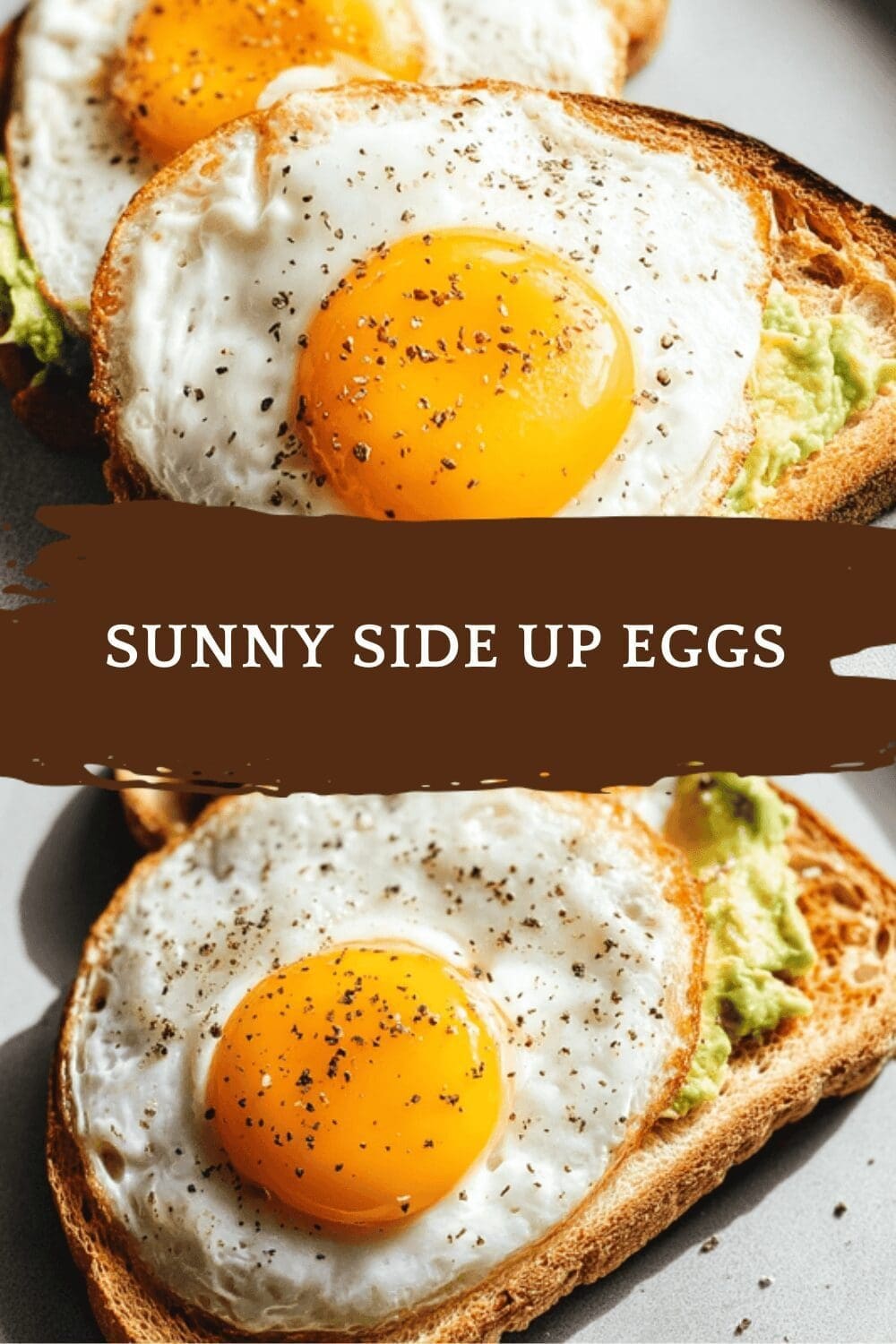
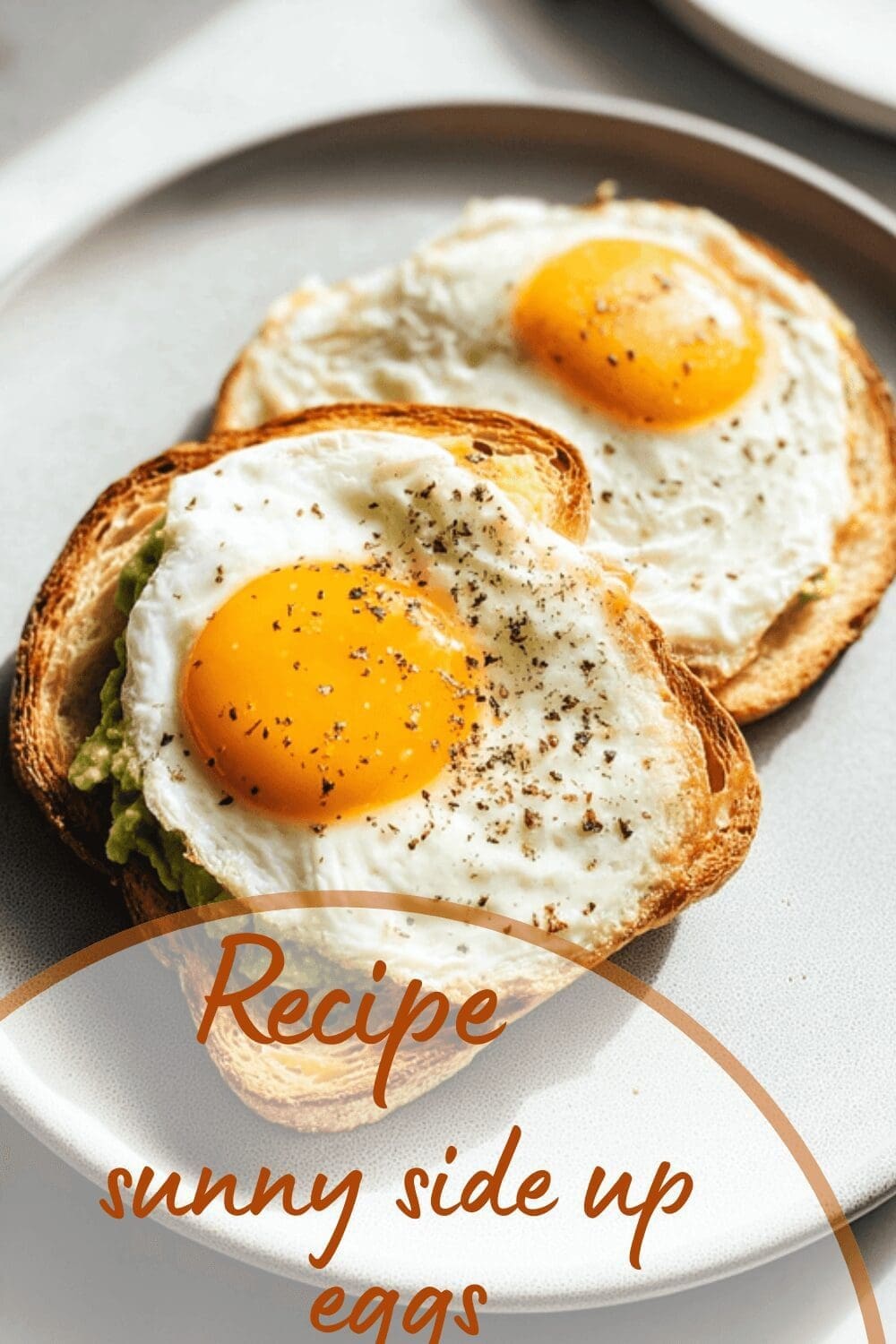
Sunny side up eggs are a quick and easy dish to prepare, perfect for busy mornings or simple meals. This recipe requires minimal cooking time and uses just a few ingredients, with no flipping involved, reducing the chance of breaking yolks.
Health-wise, sunny side up eggs retain most of their nutrients since they are cooked gently at low to medium-low heat. They offer an excellent source of high-quality protein, essential vitamins like B12 and D, and healthy fats when cooked with minimal oil or butter. The cooking method allows the yolks to remain runny, preserving nutrients and providing a rich taste.
Additionally, this recipe is versatile, accommodating various seasonings and toppings to enhance flavor without compromising nutritional value. With ease of preparation and nutritional benefits combined, sunny side up eggs make a practical and healthy option for any egg breakfast.
Enjoy nutrient-rich, flavorful eggs that bring a simple yet satisfying start to your day with this easy sunny side up eggs recipe.
Jump to:
- Benefits and Advantages of Sunny Side Up Eggs
- Essential Ingredients for Sunny Side Up Eggs
- Dietary Substitutions to Customize Your Sunny Side Up Eggs
- Vegan Alternatives
- Dairy-Free Cooking Fats
- Low-Cholesterol Options
- Gluten-Free Assurance
- How to Prepare the Perfect Sunny Side Up Eggs: Step-by-Step Guide
- Mastering Sunny Side Up Eggs: Advanced Tips and Variations
- How to Store Sunny Side Up Eggs: Best Practices
- Nutritional Value of Sunny Side Up Eggs
- FAQs: Frequently Asked Questions About Sunny Side Up Eggs
- What kind of pan works best for cooking sunny side up eggs?
- How can I crack eggs without breaking the yolks for sunny side up eggs?
- What is the best cooking temperature for sunny side up eggs?
- Why should I cover the pan when cooking sunny side up eggs?
- Can I eat sunny side up eggs safely? What should I know about food safety?
- sunny side up eggs
- Ingredients
- Instructions
- Last Step:
- Notes
- Nutrition
- Did you make this recipe?
Essential Ingredients for Sunny Side Up Eggs
The fundamental ingredients for preparing sunny side up eggs include:
- 2 to 3 fresh eggs – Freshness ensures firm whites and runny yolks for the perfect texture.
- 1 to 2 teaspoons cooking oil or butter – Options include olive oil, regular cooking oil, or butter for richness and preventing sticking.
- Salt and freshly ground black pepper – To season the eggs to taste.
For vegan substitutions, firm tofu slices seasoned with turmeric and black salt can mimic the texture and flavor. Sunny side up eggs are naturally gluten-free and fit well in low-calorie diets, using just a small amount of oil or butter.
Additional optional ingredients to boost flavor include herbs like chives or parsley, chili flakes, or a sprinkle of cheese. These ingredients provide flexibility while keeping the core elements simple and effective.
Dietary Substitutions to Customize Your Sunny Side Up Eggs
Sunny side up eggs can be easily adapted to fit various dietary needs with simple substitutions:
Vegan Alternatives
Use firm tofu slices seasoned with turmeric and black salt to replicate yolk color and flavor. Chickpea flour batter can also be cooked in a similar manner for a plant-based option.
Dairy-Free Cooking Fats
Replace butter with plant-based oils like avocado oil or coconut oil for dairy-free or lactose-intolerant preferences while maintaining smooth cooking.
Low-Cholesterol Options
Egg whites alone can be used to reduce cholesterol intake. They cook similarly but will lack yolk richness.
Gluten-Free Assurance
Sunny side up eggs are inherently gluten-free; use separate utensils and cookware to avoid cross-contamination if necessary.
Seasoning can also be customized, opting for gluten-free soy sauce or omitting salt for sodium restrictions, tailoring the dish without losing its sunny side up signature.
How to Prepare the Perfect Sunny Side Up Eggs: Step-by-Step Guide
- Heat the skillet: Warm a non-stick skillet over low to medium-low heat. Add 1 to 2 teaspoons of oil or butter to coat the pan evenly. Use plant-based oils for vegan or dairy-free versions.
- Crack the eggs: Crack each egg gently into a small bowl or ramekin first to avoid breaking the yolk, then carefully pour into the skillet.
- Cook slowly: Let the eggs cook undisturbed to allow the whites to set while keeping the yolks runny. Cover the pan briefly with a clear lid to steam the top and promote even cooking without flipping.
- Season: Sprinkle salt, freshly ground black pepper, or your preferred spices over the eggs during cooking.
- Check doneness: When the whites are fully set but yolks remain soft and jiggly, the eggs are ready.
- Serve carefully: Gently slide the eggs onto a plate using a spatula, keeping the yolks intact for a classic sunny side up presentation.
- Prepare variations: For tofu or egg white substitutes, cook similarly, adjusting time as needed since these ingredients cook differently from whole eggs.
Serve immediately to enjoy the best texture and flavor of freshly cooked sunny side up eggs. For detailed methods, see How to Cook Sunny Side Up Eggs.
Enhance your breakfast with complementary dishes like Crispy Hash Browns or German Pancakes for a satisfying meal.
Mastering Sunny Side Up Eggs: Advanced Tips and Variations
Mastering sunny side up eggs involves understanding heat control and subtle cooking techniques. Use a low to medium-low heat to avoid crispy edges and burning while cooking the whites evenly. Adding a tablespoon of water to the pan and covering it with a lid creates steam that gently cooks the egg tops without flipping, preserving the signature runny yolks.
Experiment with flavor variations by topping your sunny side up eggs with ingredients such as sliced avocado, smoked salmon, chopped fresh herbs like chives or parsley, or a spoonful of salsa. For a richer finish, baste the eggs with hot butter or olive oil during cooking to add gloss and flavor.
These nuanced tips and toppings elevate your eggs from simple to sophisticated and allow for personalization to suit diverse tastes.
Careful temperature control and creative toppings turn basic sunny side up eggs into a versatile and delightful dish.
How to Store Sunny Side Up Eggs: Best Practices
Sunny side up eggs are best enjoyed fresh for optimal texture and taste. If leftovers remain, allow them to cool completely, then store in an airtight container in the refrigerator. Consume within two days to maintain freshness and safety.
Freezing sunny side up eggs is generally not recommended as the delicate texture of the yolk and whites changes upon freezing, often leading to watery or rubbery results. If freezing is necessary, separate the yolks and whites first.
To reheat, warm eggs gently on low heat in a non-stick skillet or use a microwave with a cover to prevent drying out and overcooking. Avoid high heat reheating to preserve the runny yolk’s characteristic texture.
Label containers with the date to track freshness and reduce food waste.
Nutritional Value of Sunny Side Up Eggs
Sunny side up eggs provide a nutrient-rich option for any meal. The following table summarizes the approximate nutritional content per large egg:
| Nutrient | Amount per Large Egg | Benefits |
|---|---|---|
| Calories | 90–100 kcal | Provides energy with moderate caloric intake |
| Protein | 6 grams | Supports muscle repair and growth |
| Fat | 7 grams | Includes healthy fats, essential for metabolism |
| Vitamin D | Present in meaningful amounts | Supports bone health and immune function |
| Other Nutrients | Iron, phosphorus, selenium, B12 | Contribute to overall wellbeing and energy production |
Cooking sunny side up eggs preserves more nutrients than higher-heat methods, providing an excellent balance of flavor and health benefits.
Learn more at Nutritional Benefits of Eggs.
FAQs: Frequently Asked Questions About Sunny Side Up Eggs
What kind of pan works best for cooking sunny side up eggs?
A nonstick skillet or a well-seasoned cast iron pan is ideal for cooking sunny side up eggs. These pans help prevent sticking and allow for even cooking. If you choose cast iron, add plenty of oil and heat it before adding the eggs to avoid sticking and ensure the whites cook properly without burning.
How can I crack eggs without breaking the yolks for sunny side up eggs?
To keep the yolks intact, crack each egg into a small bowl or ramekin first. This lets you check for shell fragments and makes it easier to slide the egg gently into the pan. Cracking eggs directly into the pan increases the risk of breaking the yolk and uneven cooking.
What is the best cooking temperature for sunny side up eggs?
Cook sunny side up eggs over low to medium-low heat. This temperature lets the egg whites cook fully without browning or burning while keeping the yolks runny. Cooking too fast on high heat leads to crispy edges and uneven texture.
Why should I cover the pan when cooking sunny side up eggs?
Covering the pan traps steam, which cooks the egg whites evenly and softly while maintaining a runny yolk. This method prevents the bottoms from burning and avoids flipping the egg, preserving the classic sunny side appearance.
Can I eat sunny side up eggs safely? What should I know about food safety?
Sunny side up eggs can be safe to eat if you use fresh, properly refrigerated eggs. Since the yolks remain runny, there is a small risk of salmonella. To reduce risk, buy pasteurized eggs or cook until whites are fully set and yolks are slightly thickened. People with weakened immune systems or pregnant women should exercise caution.
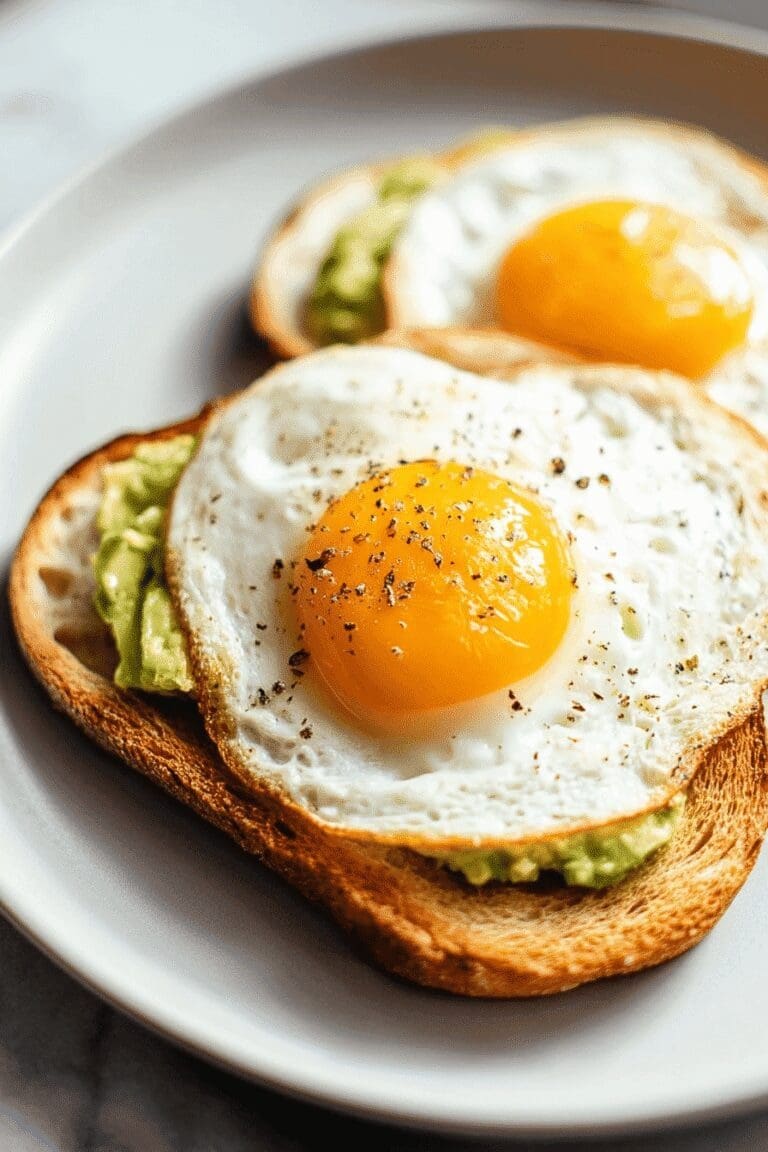
sunny side up eggs
🍳 Quick and easy, sunny side up eggs provide a nutritious boost to your morning routine!
🍳 Enjoy the perfectly crispy whites and delightfully runny yolks as a delightful breakfast treat or meal topper.
- Total Time: 6 minutes
- Yield: 2 to 3 servings 1x
Ingredients
2 to 3 fresh eggs
1 to 2 teaspoons cooking oil or butter (such as olive oil or regular cooking oil)
Salt to taste
Freshly ground black pepper to taste
Instructions
1. Heat the oil or butter in a non-stick skillet over low to medium heat.
2. Crack each egg carefully into a small bowl or ramekin first to avoid breaking the yolks.
3. Gently pour the eggs into the pan.
4. Cook without flipping until the egg whites are fully set but the yolks remain runny, about 2 to 5 minutes.
5. Cover the pan briefly with a clear lid during cooking to help cook the whites evenly.
6. Season with salt and freshly ground black pepper, then serve hot.
Last Step:
Please leave a rating and comment letting us know how you liked this recipe! This helps our business to thrive and continue providing free, high-quality recipes for you.Notes
🥚 Use fresh eggs for the best appearance and texture.
🔥 Cook on low to medium-low heat to prevent crispy edges or burning.
🍳 Cover the pan briefly to help the whites set while keeping yolks runny.
- Prep Time: 1 minute
- Cook Time: 5 minutes
- Category: Breakfast
- Method: Frying
- Cuisine: American
- Diet: Vegetarian, Gluten-Free
Nutrition
- Serving Size: 1 egg
- Calories: 95
- Sugar: 0 grams
- Sodium: 70 mg
- Fat: 7 grams
- Saturated Fat: 2 grams
- Unsaturated Fat: 5 grams
- Trans Fat: 0 grams
- Carbohydrates: 0 grams
- Fiber: 0 grams
- Protein: 6 grams
- Cholesterol: 186 mg


