

Benefits and Advantages of Sunny Side Up Eggs
Sunny side up eggs are a popular breakfast choice due to their simplicity and nutritional benefits. This recipe’s minimal preparation time makes it perfect for busy mornings while still offering a satisfying meal. The gentle cooking preserves key nutrients such as high-quality protein, vitamins D and B12, and healthy fats. The intact yolk contains antioxidants supporting eye health, making this egg preparation nutritious and delicious. The combination of tender whites and runny yolks creates a pleasing texture contrast that distinguishes sunny side up eggs from other cooking methods. Whether you’re a beginner or an experienced cook, this quick and easy recipe provides both flavor and essential nourishment.
Jump to:
- Benefits and Advantages of Sunny Side Up Eggs
- Essential Ingredients for Sunny Side Up Eggs
- Dietary Substitutions to Customize Your Sunny Side Up Eggs
- How to Prepare the Perfect Sunny Side Up Eggs: Step-by-Step Guide
- Mastering Sunny Side Up Eggs: Advanced Tips and Variations
- How to Store Sunny Side Up Eggs: Best Practices
- Nutritional Value of Sunny Side Up Eggs
- FAQs: Frequently Asked Questions About Sunny Side Up Eggs
- What’s the best way to cook sunny side up eggs without breaking the yolk?
- How long should I cook sunny side up eggs to get runny yolks but fully set whites?
- Can I use a cast iron skillet to make sunny side up eggs?
- What are some easy ways to serve sunny side up eggs for a balanced breakfast?
- Are sunny side up eggs safe to eat if the yolk is runny?
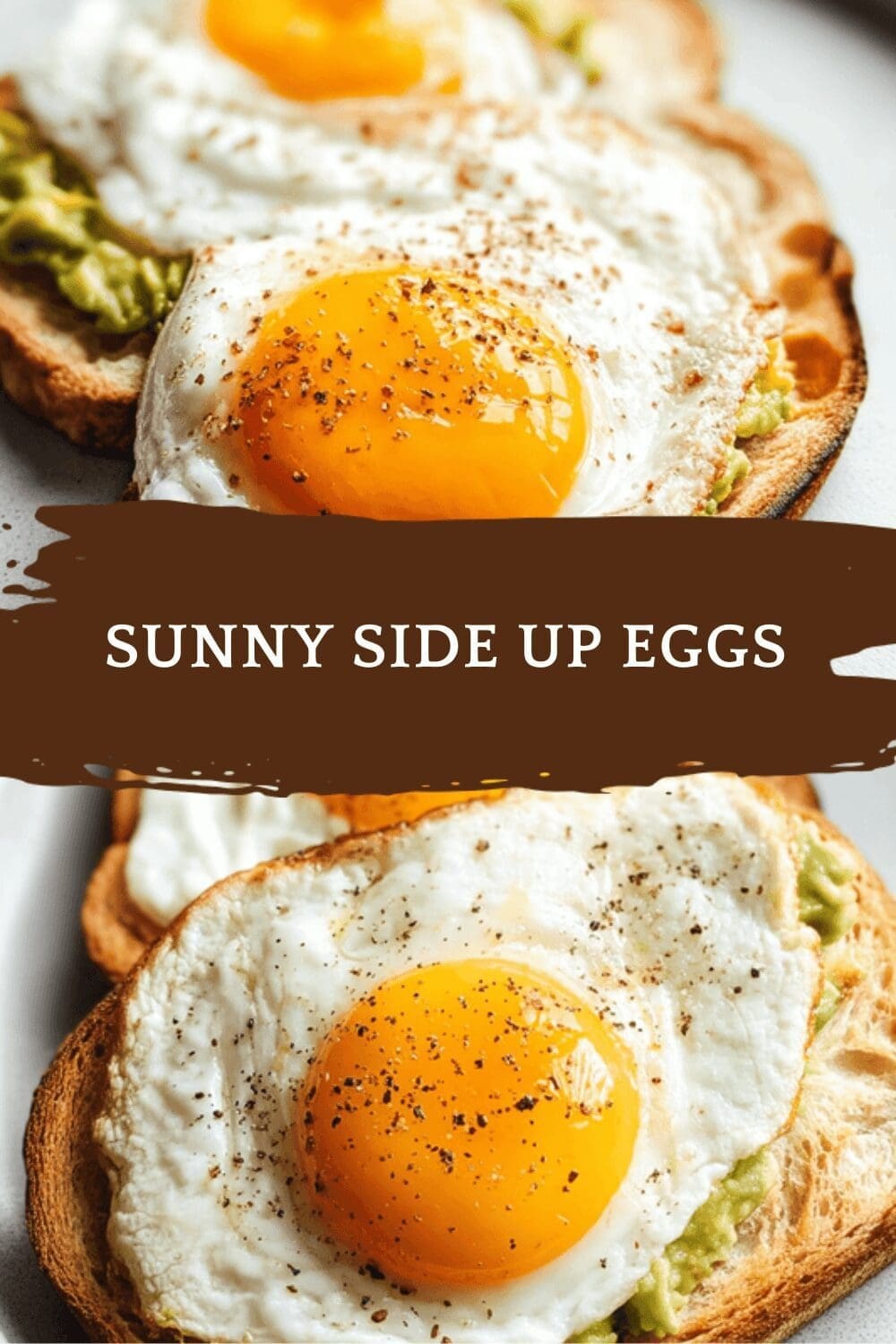
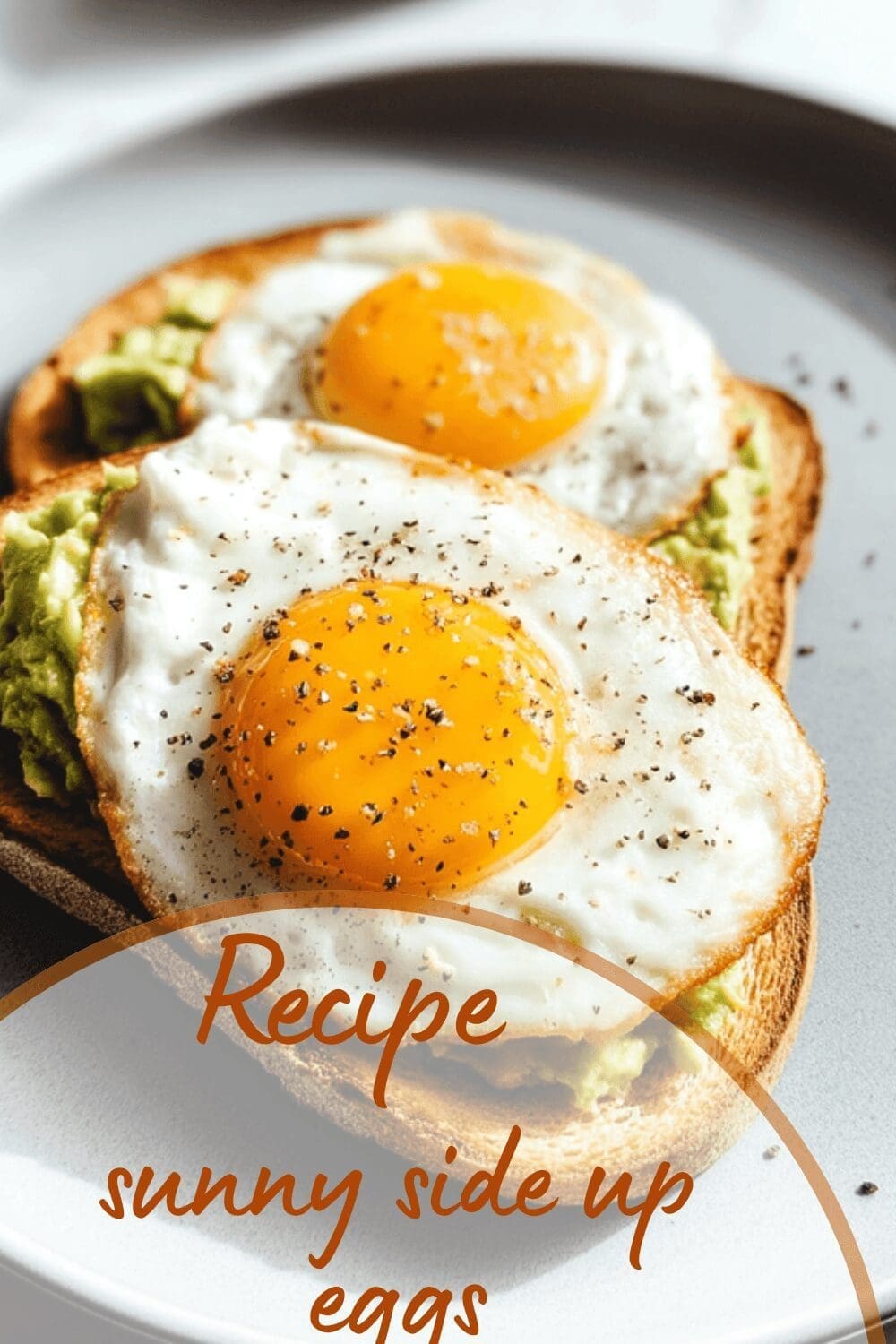
- sunny side up eggs
- Ingredients
- Instructions
- Last Step:
- Notes
- Nutrition
- Did you make this recipe?
Essential Ingredients for Sunny Side Up Eggs
To make perfect sunny side up eggs, you will need:
- 2 to 3 large fresh eggs (preferably organic for best quality)
- Approximately 1 teaspoon olive oil or butter (coconut oil or vegan butter work well for plant-based diets)
- Sea salt, to taste
- Freshly ground black pepper, to taste
These ingredients balance taste and texture, while allowing flexibility for dietary preferences such as vegan or gluten-free options by substituting tofu slices or vegan egg replacers. Using quality fresh eggs and appropriate cooking fat enhances flavor and prevents sticking during cooking.
Dietary Substitutions to Customize Your Sunny Side Up Eggs
You can adapt sunny side up eggs to various dietary needs by considering the following substitutions:
- Vegan Alternatives: Replace eggs with seasoned firm tofu slices cooked similarly to mimic the appearance and texture.
- Low-Cholesterol Options: Use egg whites only or cholesterol-free egg substitutes found in stores.
- Gluten-Free: Eggs are naturally gluten-free; just ensure cooking oils and seasonings are gluten-free as well.
- Dairy-Free or Vegan Cooking Fats: Use plant-based oils such as avocado or coconut oil instead of butter.
These modifications keep the dish versatile and inclusive without sacrificing the core elements of texture and flavor.
How to Prepare the Perfect Sunny Side Up Eggs: Step-by-Step Guide
- Heat the pan: Warm a non-stick skillet over medium-low heat. Add about 1 teaspoon of olive oil, butter, or a plant-based alternative to coat the surface.
- Crack eggs carefully: Crack each egg into separate small bowls or ramekins to check for shells and avoid breaking yolks.
- Cook the eggs: Gently slide each egg into the pan, keeping yolks intact. Cook on low heat to set the whites gently.
- Cover the pan: Place a lid (preferably glass) on the skillet to help the top whites cook evenly while keeping yolks runny.
- Cook time: Let the eggs cook for 2 to 3 minutes until whites are fully set but yolks remain runny.
- Seasoning: Immediately season with sea salt and freshly ground black pepper to enhance flavors.
- Serve: Carefully transfer the sunny side up eggs to a plate using a slim spatula, avoiding yolk breakage. Serve promptly for best texture and taste.
This simple process guarantees beautifully cooked sunny side up eggs with tender whites and perfectly runny yolks every time.
For detailed cooking tips, refer to How to Cook Sunny Side Up Eggs.
Consider pairing your eggs with recipes like crispy hash browns or German pancakes for a complete breakfast experience.
Mastering Sunny Side Up Eggs: Advanced Tips and Variations
To master sunny side up eggs, cook them over very low heat to achieve tender whites while maintaining a warm, runny yolk. Using clarified butter or ghee adds flavor depth and withstands higher cooking temperatures without burning. Adding a few drops of water to the pan and covering it briefly steams the top, setting the whites evenly without flipping or breaking the yolk.
Try variations by topping your eggs with fresh herbs like chives or parsley, a sprinkle of black pepper, red chili flakes, or a dusting of cheese for enhanced taste. Combine with sautéed vegetables or creamy avocado slices for a nutritious meal. For vegan adaptations, use plant-based oils or firm tofu slices cooked similarly to replicate the texture and flavor.
With these tips and creative ideas, you can enjoy a perfect sunny side up egg with personalized flavor and style.
How to Store Sunny Side Up Eggs: Best Practices
Sunny side up eggs are best served fresh but can be stored carefully. Cool cooked eggs to room temperature and then store them in an airtight container in the refrigerator. Consume within 1 to 2 days to preserve taste and food safety.
Freezing is not typically advised as it adversely affects yolk texture, but if necessary, separate the whites and yolks before freezing for better results. Reheat gently using low heat on the stovetop, or microwave in short bursts with a cover to avoid overcooking or rubbery texture.
Following these storage guidelines ensures your sunny side up eggs retain quality and remain safe for later enjoyment.
Nutritional Value of Sunny Side Up Eggs
| Nutrient | Amount (per large egg) | Benefit |
|---|---|---|
| Calories | ~99 kcal | Provides energy for daily activities |
| Protein | 6 grams | Essential for muscle repair and growth |
| Fat | 8 grams | Includes saturated and healthy unsaturated fats contributing to brain and heart health |
| Vitamin D | Present in useful amounts | Supports bone health and immune function |
| Vitamin B12 | Rich source | Supports nerve function and red blood cell formation |
| Antioxidants (Lutein & Zeaxanthin) | Contained in the yolk | Supports eye health and may reduce risk of macular degeneration |
Cooking sunny side up eggs preserves most nutrients by using lower heat and shorter cook times. This makes them a nutrient-dense option suitable for various dietary plans including low-carb and ketogenic diets.
Learn more about the nutritional benefits of eggs.
FAQs: Frequently Asked Questions About Sunny Side Up Eggs
What’s the best way to cook sunny side up eggs without breaking the yolk?
To keep the yolk intact, crack each egg into a small bowl first, then gently slide it into a preheated nonstick pan over low heat with a little oil or butter. Cook slowly to allow the whites to set without burning the bottom, and avoid flipping. Covering the pan with a lid helps cook the tops of the whites while keeping the yolk runny. This method prevents the yolks from breaking while providing evenly cooked eggs.
How long should I cook sunny side up eggs to get runny yolks but fully set whites?
Cook sunny side up eggs on low heat for about 3 to 4 minutes. The goal is to have the whites completely set and opaque while the yolk remains liquid. Cooking at low temperature prevents browning or crispy edges. Using a lid can speed up the whites’ cooking without overcooking the yolks. Adjust time slightly depending on your stove and pan thickness.
Can I use a cast iron skillet to make sunny side up eggs?
Yes, a well-seasoned cast iron skillet works for sunny side up eggs, but it requires a bit more attention. Preheat the pan over low to medium heat and add enough oil or butter to prevent sticking. The pan should be hot but not smoking before adding eggs. Cooking on lower heat prevents sticking and ensures even cooking, since cast iron holds heat strongly.
What are some easy ways to serve sunny side up eggs for a balanced breakfast?
Sunny side up eggs pair well with whole grain toast, avocado slices, and fresh fruit for a nutritious start. Adding a side of roasted potatoes or sautéed greens increases fiber and vitamins. For protein variety, serve with turkey bacon or beans. These combinations offer a balanced meal with healthy fats, protein, and carbohydrates.
Are sunny side up eggs safe to eat if the yolk is runny?
Eating runny yolks carries a small risk of salmonella, especially for vulnerable groups like pregnant women or those with weakened immune systems. To minimize risk, use fresh, pasteurized eggs and handle them properly. Cooking whites fully while leaving yolks runny is common and generally safe for healthy adults. If concerned, cook eggs until yolks start to thicken.

sunny side up eggs
🍳 A quick and nutritious start to your day, sunny side up eggs offer protein and flavor with minimal effort!
🍞 Pair with fluffy French toast for a balanced breakfast that satisfies both sweet and savory cravings.
- Total Time: 5 minutes
- Yield: Serves 1 to 2 1x
Ingredients
2 to 3 large eggs
1 teaspoon olive oil or butter
Sea salt to taste
Freshly ground black pepper to taste
Instructions
1. Crack each egg carefully into a separate bowl to avoid breaking the yolks.
2. Heat a nonstick or well-seasoned cast-iron skillet over low heat, brushing with olive oil or butter.
3. Gently pour the eggs into the hot skillet and cover with a lid to cook evenly.
4. Cook on low heat for about 2 to 3 minutes until the whites are set but the yolks remain runny.
5. Season with salt and pepper immediately and serve.
Last Step:
Please leave a rating and comment letting us know how you liked this recipe! This helps our business to thrive and continue providing free, high-quality recipes for you.Notes
🥄 Use a nonstick skillet to prevent eggs from sticking; if using cast iron, ensure it’s well-seasoned and hot before use.
🔥 Maintain low heat to gently set the whites while keeping yolks runny.
🔍 Cover the pan to promote even cooking through trapped steam, avoiding overcooked yolks.
- Prep Time: 2 minutes
- Cook Time: 3 minutes
- Category: Breakfast
- Method: Frying
- Cuisine: American
- Diet: Vegetarian, Gluten-Free
Nutrition
- Serving Size: 1 egg
- Calories: 99
- Sugar: 0 grams
- Sodium: 70 mg
- Fat: 8 grams
- Saturated Fat: 2 grams
- Unsaturated Fat: 6 grams
- Trans Fat: 0 grams
- Carbohydrates: 0 grams
- Fiber: 0 grams
- Protein: 6 grams
- Cholesterol: 186 mg