

Why You’ll Love This Stir Fry Sauce
- Ease of preparation: This stir fry sauce recipe is incredibly simple and quick to prepare, perfect for busy weeknights when time is limited. With just a handful of pantry staples and about 5 minutes to mix, you can elevate any stir fry without complicated steps.
- Health benefits: Packed with wholesome ingredients like fresh garlic and ginger, this stir fry sauce offers antioxidants, vitamins, and minerals that support overall wellness. The recipe uses low sodium soy sauce and vegetable stock for balanced flavor with controlled sodium levels, making it a health-conscious choice.
- Versatility: Whether you follow a vegan, gluten-free, or low-calorie diet, this stir fry sauce adapts easily. Simply substitute tamari for soy sauce for gluten-free needs, replace honey with maple syrup for vegan diets, or adjust sugar amounts to manage calories all without compromising flavor.
- Distinctive flavor: The combination of savory soy sauce, tangy rice vinegar, toasted sesame oil, and fresh aromatics like garlic and ginger create a rich and well-rounded umami taste. A pinch of red pepper flakes adds a gentle spicy kick, making this stir fry sauce a memorable addition to any dish.
Jump to:
- Why You’ll Love This Stir Fry Sauce
- Essential Ingredients for Stir Fry Sauce
- Special Dietary Options
- How to Prepare the Perfect Stir Fry Sauce: Step-by-Step Guide
- First Step: Gather and Prepare Ingredients
- Second Step: Combine and Whisk Sauce Components
- Third Step: Add Aromatics and Seasonings
- Fourth Step: Adjust Flavor and Consistency
- Fifth Step: Use Sauce in Stir Fry Cooking
- Final Step: Add Sauce and Finish Cooking
- Dietary Substitutions to Customize Your Stir Fry Sauce
- Protein and Main Component Alternatives
- Vegetable, Sauce, and Seasoning Modifications
- Mastering Stir Fry Sauce: Advanced Tips and Variations
- How to Store Stir Fry Sauce: Best Practices
- FAQs: Frequently Asked Questions About Stir Fry Sauce
- How do I make a basic stir fry sauce at home?
- Can I make a gluten-free stir fry sauce?
- How do I thicken stir fry sauce without cornstarch?
- Is stir fry sauce suitable for vegan diets?
- How should I store homemade stir fry sauce and how long does it last?
- Stir Fry Sauce
- Ingredients
- Instructions
- Last Step:
- Notes
- Nutrition
- Did you make this recipe?
Essential Ingredients for Stir Fry Sauce
- ½ cup low sodium soy sauce (or gluten-free tamari for gluten-free option) – provides the signature umami and saltiness to the sauce.
- ½ cup vegetable stock or water (vegetable broth preferred; chicken broth optional) – adds moisture and depth of flavor.
- 1 teaspoon cornstarch (or flour, potato starch, arrowroot powder) – thickens the sauce to a glossy finish.
- ½ tablespoon rice vinegar (adjustable to 1 tablespoon) – adds bright acidity and tanginess.
- 2 cloves garlic, minced (fresh recommended) – imparts aromatic pungency.
- 1 to 2 teaspoons fresh ginger, minced or grated – provides a fresh, spicy warmth.
- 1 tablespoon sugar, honey, or brown sugar (up to 2 tablespoons for sweetness; maple syrup for vegan alternative) – balances savory elements with sweetness.
- 1 tablespoon toasted sesame oil – adds a nutty flavor and richness.
- Pinch of red pepper flakes (optional) – introduces a mild spicy kick.
Special Dietary Options
- Vegan: Replace honey with maple syrup and use vegetable broth to keep the sauce 100% plant-based.
- Gluten-free: Use tamari or coconut aminos instead of soy sauce to avoid gluten-containing ingredients.
- Low-calorie: Use low sodium soy sauce and reduce or omit sugar to control calories without sacrificing flavor.
How to Prepare the Perfect Stir Fry Sauce: Step-by-Step Guide
First Step: Gather and Prepare Ingredients
Measure ½ cup soy sauce (or tamari), ½ cup vegetable broth, 1 teaspoon cornstarch, ½ tablespoon rice vinegar, 2 cloves of fresh garlic (minced), 1 to 2 teaspoons of freshly grated ginger, 1 tablespoon sugar or maple syrup, 1 tablespoon toasted sesame oil, and optional red pepper flakes. Fresh garlic and ginger provide the best flavor, so avoid powdered substitutes.
Second Step: Combine and Whisk Sauce Components
In a medium bowl or jar with a tight lid, combine the soy sauce, vegetable stock, rice vinegar, sugar or sweetener, and cornstarch. Whisk or shake vigorously until the cornstarch is fully dissolved and the mixture is smooth, ensuring a consistent texture after cooking.
Third Step: Add Aromatics and Seasonings
Stir in the minced garlic, grated ginger, toasted sesame oil, and red pepper flakes (if using). These fresh ingredients give the sauce its characteristic punch and aromatic complexity. Mix again to distribute the flavors evenly throughout the sauce mixture.
Fourth Step: Adjust Flavor and Consistency
Taste the sauce and adjust seasoning as needed. For more tanginess, add up to an extra ½ tablespoon of rice vinegar. For a sweeter sauce, increase sugar or honey gradually up to 2 tablespoons. If the sauce is too thin, add a little more cornstarch, dissolving it thoroughly before use.
Fifth Step: Use Sauce in Stir Fry Cooking
In a hot wok or skillet, heat a tablespoon of oil and stir fry your choice of protein (chicken, beef, shrimp, tofu, or chickpeas) until almost cooked through, then set aside. Add vegetables according to cooking times starting with harder ones like broccoli and carrots, then softer like bell peppers and snow peas stir frying until crisp-tender.
Final Step: Add Sauce and Finish Cooking
Return the protein to the pan, pour in ½ to 1 cup of your prepared stir fry sauce, and cook for 2 to 3 minutes. Stir constantly as the sauce thickens and coats all ingredients. Serve your flavorful stir fry over rice or noodles immediately for best taste.
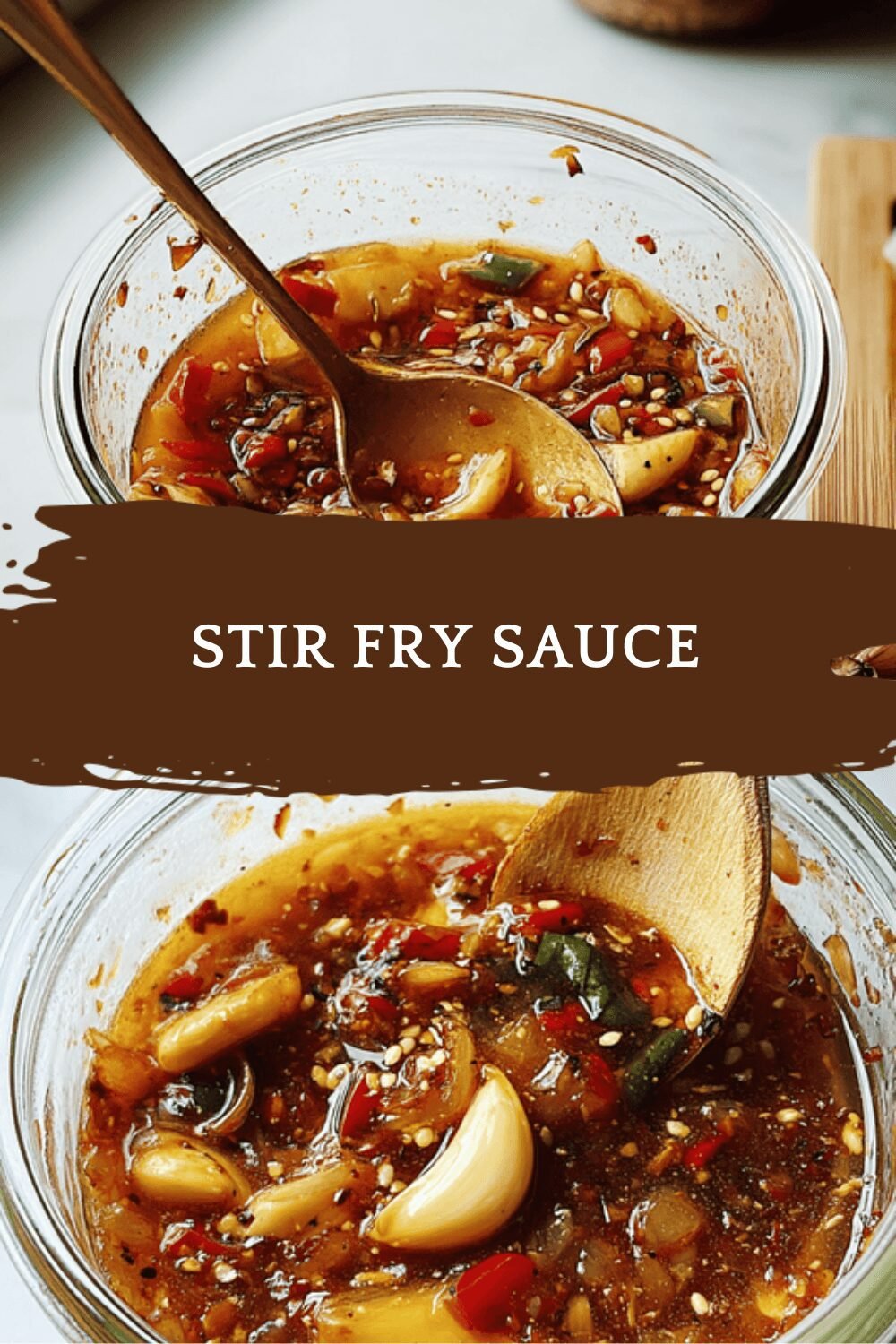
Dietary Substitutions to Customize Your Stir Fry Sauce
Protein and Main Component Alternatives
- Replace chicken or beef with tofu or tempeh to make the dish vegan while maintaining protein content.
- Use shrimp or fish for pescatarian options with a delicate seafood flavor.
- Try seitan or textured vegetable protein (TVP) to accommodate gluten-free or vegetarian diets.
Vegetable, Sauce, and Seasoning Modifications
- Swap bell peppers for zucchini or snap peas depending on season and preference.
- Use coconut aminos as a gluten-free alternative to soy sauce offering milder taste.
- Add chili flakes or fresh chilies to increase heat level.
- Include fresh herbs such as cilantro or lime juice to brighten the sauce and infuse additional freshness.
Mastering Stir Fry Sauce: Advanced Tips and Variations
- Pro cooking techniques: Preheat your wok on high to develop the signature smoky “wok hei” flavor. Adding the sauce at the end preserves its vibrant taste and ensures perfect coating.
- Flavor variations: Experiment by adding hoisin sauce for sweetness, fish sauce for umami depth, or fresh herbs like basil or mint for aromatic complexity.
- Presentation tips: Garnish with toasted sesame seeds, sliced scallions, or chopped peanuts to add texture and visual contrast.
- Make-ahead options: Prepare and store the sauce in airtight containers to reduce weekday meal prep time without sacrificing flavor consistency.
How to Store Stir Fry Sauce: Best Practices
Refrigeration: Store the stir fry sauce in a sealed container in the refrigerator for up to 1 week to keep it fresh and flavorful.
Freezing: For longer storage, freeze the sauce in ice cube trays, then transfer frozen cubes into freezer bags. Thaw cubes individually as needed to preserve quality.
Reheating: Warm the sauce gently on the stove or in a microwave before using, ensuring the sauce returns to its original rich texture.
Meal prep considerations: Batch prepare the sauce and label containers with dates for easy access to ready-made seasoning that maintains consistent taste across meals.
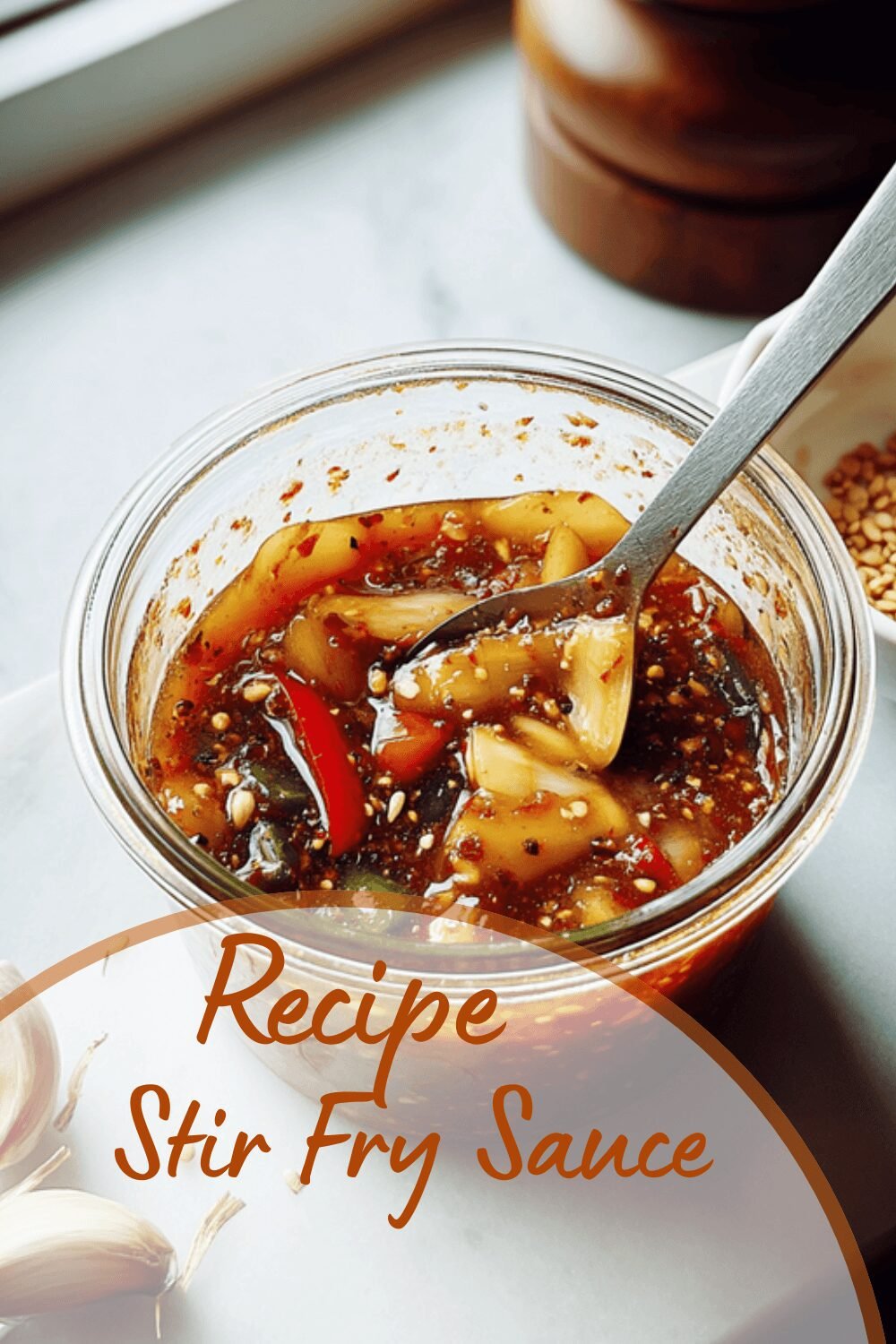
FAQs: Frequently Asked Questions About Stir Fry Sauce
How do I make a basic stir fry sauce at home?
To make a simple stir fry sauce, combine soy sauce, broth (chicken or vegetable), minced garlic, grated ginger, sesame oil, honey or maple syrup, and cornstarch in a bowl. Whisk until smooth. The cornstarch helps thicken the sauce when cooked. Adjust the ingredients to taste, such as adding chili flakes for heat or using low-sodium soy sauce for less salt. This mix can be poured over cooked protein and vegetables and heated until thickened.
Can I make a gluten-free stir fry sauce?
Yes, to make a gluten-free stir fry sauce, replace regular soy sauce with tamari or coconut aminos, both gluten-free alternatives. Check that all other ingredients, like broth and any added condiments, are labeled gluten-free. This swap keeps the flavor close to traditional sauce while accommodating gluten sensitivities or celiac disease.
How do I thicken stir fry sauce without cornstarch?
If you want to thicken stir fry sauce without cornstarch, you can use arrowroot powder, potato starch, or all-purpose flour. Arrowroot works well in smaller amounts and gives a clear, glossy finish. Whisk the substitute with a little cold liquid before adding it to the hot sauce to avoid lumps. Cook for a few minutes until the sauce reaches the desired thickness.
Is stir fry sauce suitable for vegan diets?
Stir fry sauce can be vegan if you avoid animal-derived ingredients. Use vegetable broth instead of chicken broth and replace honey with maple syrup or agave nectar as a sweetener. Also, verify that your soy sauce or tamari does not contain fish-based additives. This ensures the sauce is free from animal products and fits a vegan lifestyle.
How should I store homemade stir fry sauce and how long does it last?
Store homemade stir fry sauce in an airtight container in the refrigerator. It will keep fresh for up to one week. Before using, give it a good stir or shake as ingredients may separate. You can also freeze the sauce for up to three months in a freezer-safe container. Thaw thoroughly and stir before reheating and using in your stir fry.
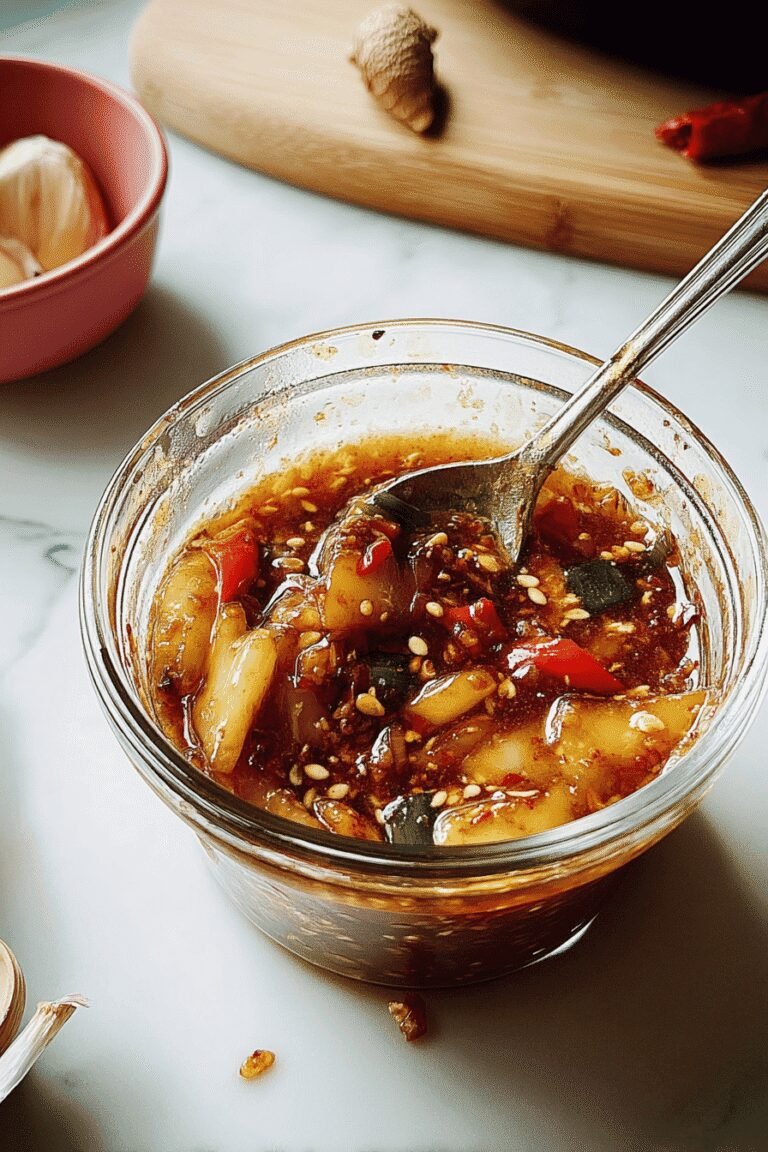
Stir Fry Sauce
🥢 Create a quick, flavorful stir fry that enhances any meal with this versatile sauce.
🌟 Ready in just 5 minutes, this recipe is perfect for busy weeknights and customizable to your taste.
- Total Time: 15-20 minutes
- Yield: 1 cup
Ingredients
– ½ cup low sodium soy sauce
– ½ cup vegetable stock or water
– 1 teaspoon cornstarch
– ½ tablespoon rice vinegar
– 2 cloves garlic, minced
– 1 to 2 teaspoons fresh ginger, minced or grated
– 1 tablespoon sugar, honey, or brown sugar
– 1 tablespoon toasted sesame oil
– Pinch of red pepper flakes
Instructions
1-First Step: Gather and Prepare Ingredients
Measure ½ cup soy sauce (or tamari), ½ cup vegetable broth, 1 teaspoon cornstarch, ½ tablespoon rice vinegar, 2 cloves of fresh garlic (minced), 1 to 2 teaspoons of freshly grated ginger, 1 tablespoon sugar or maple syrup, 1 tablespoon toasted sesame oil, and optional red pepper flakes. Fresh garlic and ginger provide the best flavor, so avoid powdered substitutes.
2-Second Step: Combine and Whisk Sauce Components
In a medium bowl or jar with a tight lid, combine the soy sauce, vegetable stock, rice vinegar, sugar or sweetener, and cornstarch. Whisk or shake vigorously until the cornstarch is fully dissolved and the mixture is smooth, ensuring a consistent texture after cooking.
3-Third Step: Add Aromatics and Seasonings
Stir in the minced garlic, grated ginger, toasted sesame oil, and red pepper flakes (if using). These fresh ingredients give the sauce its characteristic punch and aromatic complexity. Mix again to distribute the flavors evenly throughout the sauce mixture.
4-Fourth Step: Adjust Flavor and Consistency
Taste the sauce and adjust seasoning as needed. For more tanginess, add up to an extra ½ tablespoon of rice vinegar. For a sweeter sauce, increase sugar or honey gradually up to 2 tablespoons. If the sauce is too thin, add a little more cornstarch, dissolving it thoroughly before use.
5-Fifth Step: Use Sauce in Stir Fry Cooking
In a hot wok or skillet, heat a tablespoon of oil and stir fry your choice of protein (chicken, beef, shrimp, tofu, or chickpeas) until almost cooked through, then set aside. Add vegetables according to cooking times starting with harder ones like broccoli and carrots, then softer like bell peppers and snow peas stir frying until crisp-tender.
6-Final Step: Add Sauce and Finish Cooking
Return the protein to the pan, pour in ½ to 1 cup of your prepared stir fry sauce, and cook for 2 to 3 minutes. Stir constantly as the sauce thickens and coats all ingredients. Serve your flavorful stir fry over rice or noodles immediately for best taste.
Last Step:
Please leave a rating and comment letting us know how you liked this recipe! This helps our business to thrive and continue providing free, high-quality recipes for you.Notes
🥢 Use low sodium soy sauce to manage saltiness more effectively.
🧄 Fresh garlic and ginger elevate the sauce’s flavor over powdered alternatives.
🌶 Adjust vinegar and sweeteners to find your perfect tangy-sweet balance.
- Prep Time: 5 minutes
- Storage Time: Up to 1 week
- Cook Time: 2 to 3 minutes
- Category: Sauce
- Method: Mixing
- Cuisine: Asian
- Diet: Vegan
Nutrition
- Serving Size: 2 tablespoons
- Calories: 16-20
- Sugar: 1-9 g
- Sodium: 500-700 mg
- Fat: 1 g
- Saturated Fat: Varies
- Unsaturated Fat: Varies
- Trans Fat: 0 g
- Carbohydrates: 3-4 g
- Fiber: 1 g
- Protein: 1-2 g
- Cholesterol: 0 mg






I tried this stir fry sauce last night, and it was incredible! 🌟 I added a bit of ginger for some extra kick and my family loved it. Does anyone have a recommendation on what vegetables pair best with this sauce?