

Why You’ll Love This Steak Pasta
Hey there, fellow home cooks! Let me tell you about this amazing steak pasta recipe that’s become a go-to in my kitchen. It’s simple, satisfying, and perfect for bringing people together around the table, just like the hearty dishes I love sharing on my blog. Whether you’re cooking for a busy weeknight or a special gathering, this steak pasta hits all the right notes with its rich flavors and easy steps.
What really makes this steak pasta stand out is how quick it comes together. Picture this: you’re done from start to finish in about 35 minutes, making it ideal for busy parents or working professionals who want a homemade meal without the fuss. I remember the first time I whipped this up on a hectic evening everyone was amazed at how something so effortless could taste so incredible. Plus, it’s packed with ingredients like tender strip steaks and a creamy sauce that keep things nutritious without skimping on taste.
Another reason you’ll adore this steak pasta is its health benefits. It features lean proteins from the steak, along with veggies like sun-dried tomatoes that add vitamins and a burst of flavor. For diet-conscious folks, you can tweak it with lighter options, making it a balanced choice that supports wellness. And let’s not forget the versatility it’s easy to adapt for different needs, from gluten-free pasta swaps to vegan alternatives, so it works for students, seniors, or anyone in your circle.
Finally, the distinctive flavor of this steak pasta is what seals the deal for me. The combination of garlic, herbs, and Parmesan creates a creamy, hearty sauce that pairs perfectly with the juicy steak. It’s that kind of dish that makes food enthusiasts excited to experiment, and I’ve shared it at picnics where it always gets rave reviews. Trust me, once you try this steak pasta, it’ll become your new favorite for creating those warm, connecting moments.
- Ease of preparation: This steak pasta is a breeze to make, with a total time of just 35 minutes, including 10 minutes of prep and 25 minutes of cooking. That means even busy parents can enjoy a gourmet-feeling meal without spending hours in the kitchen, and it’s perfect for students or working professionals looking for quick yet impressive dinners.
- Health benefits: Loaded with protein from the strip steaks and nutrients from ingredients like sun-dried tomatoes and garlic, this steak pasta supports a balanced diet. It’s a great option for diet-conscious individuals, as you can swap in whole-grain pasta for added fiber, making it a wholesome choice for families and food enthusiasts alike.
- Versatility: Steak pasta adapts easily to various dietary needs, such as using gluten-free pasta or plant-based substitutes for the steak, which makes it ideal for travelers, newlyweds, or community gatherings. I’ve modified it for church potlucks, and it always fits the crowd.
- Distinctive flavor: The blend of red pepper flakes, oregano, and thyme gives this steak pasta a unique, bold taste that stands out from ordinary pasta dishes. It’s family-friendly and can be spiced up or toned down, perfect for baking enthusiasts or anyone hosting a picnic.
Jump to:
- Why You’ll Love This Steak Pasta
- Essential Ingredients for Steak Pasta
- Main Ingredients
- Special Dietary Options
- How to Prepare the Perfect Steak Pasta: Step-by-Step Guide
- First Step: Prepare Your Ingredients
- Second Step: Cook the Steaks
- Third Step: Cook the Pasta
- Fourth Step: Make the Sauce
- Fifth Step: Combine and Serve
- Dietary Substitutions to Customize Your Steak Pasta
- Protein and Main Component Alternatives
- Vegetable, Sauce, and Seasoning Modifications
- Mastering Steak Pasta: Advanced Tips and Variations
- How to Store Steak Pasta: Best Practices
- FAQs: Frequently Asked Questions About Steak Pasta
- What is the best cut of steak to use for steak pasta?
- How do I prevent the steak from overcooking when making steak pasta?
- What type of pasta pairs well with steak pasta dishes?
- Can steak pasta be made ahead of time and reheated?
- Are there healthy ways to make steak pasta without losing flavor?
- Steak Pasta
- Ingredients
- Instructions
- Last Step:
- Notes
- Nutrition
- Did you make this recipe?
Essential Ingredients for Steak Pasta
When I think about making steak pasta, the key is starting with fresh, high-quality ingredients that make the dish shine. This recipe pulls together simple items you might already have on hand, creating a creamy, flavorful meal that’s hard to resist. Let me walk you through the list, sharing why each one matters and how they contribute to the final product.
Main Ingredients
- 2 strip steaks – These provide the hearty protein base, offering tender, juicy bites that make the dish satisfying and perfect for a filling meal after a long day.
- Your favorite steak seasoning (containing salt, pepper, garlic) – This adds essential flavors that enhance the steak’s natural taste, making it savory and aromatic for a quick seasoning boost.
- 2 tablespoons olive oil – Used for searing the steak, it helps achieve a perfect golden crust while keeping things healthy with its heart-friendly fats.
- 2 tablespoons butter – This enriches the sauce and bastes the steak, adding a creamy richness that elevates the overall texture and mouthfeel.
- 2 tablespoons minced garlic – It infuses the dish with a robust, aromatic flavor that forms the foundation of the sauce, helping to fight off flavors that might otherwise fall flat.
- 1 cup chicken broth – This forms the liquid base for the sauce, providing a savory depth that ties everything together without overwhelming the other ingredients.
- 1 cup heavy cream – It creates the creamy texture we all love, making the sauce luxurious and comforting for those chilly evenings.
- 1 cup Parmesan cheese – Shredded fresh, it melts into the sauce for a cheesy, nutty finish that enhances the dish’s appeal and adds a touch of indulgence.
- 1 teaspoon red pepper flakes – These bring a subtle heat that can be adjusted, adding excitement and making the meal more dynamic for spice lovers.
- 1/2 teaspoon oregano – This herb adds an earthy note, complementing the other flavors and giving the sauce a Mediterranean twist.
- 1/2 teaspoon thyme – It provides a fresh, herbaceous layer that brightens the dish and pairs wonderfully with the steak’s richness.
- 1/3 cup chopped sun-dried tomatoes – These offer a sweet, tangy burst that adds color and nutrients, making the pasta more vibrant and healthful.
- 1 (16-ounce) box pasta (Rigatoni recommended) – Rigatoni holds the sauce well, ensuring every bite is flavorful, and it’s a versatile choice for different pasta shapes.
Special Dietary Options
For those with specific needs, here are some easy swaps to keep things inclusive:
- Vegan: Swap the strip steaks for plant-based alternatives like seitan or tempeh, and use a non-dairy cream and vegan Parmesan to maintain that creamy texture.
- Gluten-free: Opt for gluten-free pasta in the 16-ounce box, ensuring the rest of the ingredients are checked for gluten to keep the dish light and accessible.
- Low-calorie: Choose low-fat milk instead of heavy cream and reduce the butter to 1 tablespoon for a lighter version that doesn’t lose its comforting appeal.
How to Prepare the Perfect Steak Pasta: Step-by-Step Guide
I always get excited when I start this steak pasta recipe because it’s one of those meals that feels like a hug in a bowl. Let me guide you through each step, just like I do when I’m cooking for my family. We’ll keep it straightforward, with tips for adapting along the way, so even beginners can nail it on the first try.
First Step: Prepare Your Ingredients
Start by gathering all your ingredients to make the process smooth. Season the 2 strip steaks generously with your favorite steak seasoning, which includes salt, pepper, and garlic. For a healthier twist, use a low-sodium version if you’re watching your intake, and let the steaks sit for a few minutes to absorb the flavors.
Second Step: Cook the Steaks
Heat 2 tablespoons of olive oil and 2 tablespoons of butter in a skillet over medium heat. Place the steaks in the pan and cook them for about 5 minutes per side for medium doneness, basting with the melted butter and oil as they cook. Once done, remove the steaks and tent them with foil to rest; this step can be adapted for pescatarian diets by swapping in fish like salmon for a lighter protein. Here, I like to link to another great steak recipe for more ideas, like our garlic butter steak and potatoes guide on the blog.
Third Step: Cook the Pasta
While the steaks rest, cook the 1 (16-ounce) box of pasta according to the package directions, using Rigatoni if you have it for the best sauce hold. Reserve some pasta water before draining, as it can help thicken the sauce later for gluten-free options, use gluten-free pasta to keep things inclusive for those with dietary restrictions.
Fourth Step: Make the Sauce
In the same skillet, add 2 tablespoons of minced garlic and 1 cup of chicken broth, then reduce the heat. Stir in 1 cup of heavy cream and 1 cup of Parmesan cheese until smooth. For low-calorie adaptations, use low-fat cream to cut down on fats without losing the creamy goodness. Season with 1 teaspoon of red pepper flakes, 1/2 teaspoon of oregano, 1/2 teaspoon of thyme, and 1/3 cup of chopped sun-dried tomatoes, stirring until the sauce thickens; add reserved pasta water if needed.
Fifth Step: Combine and Serve
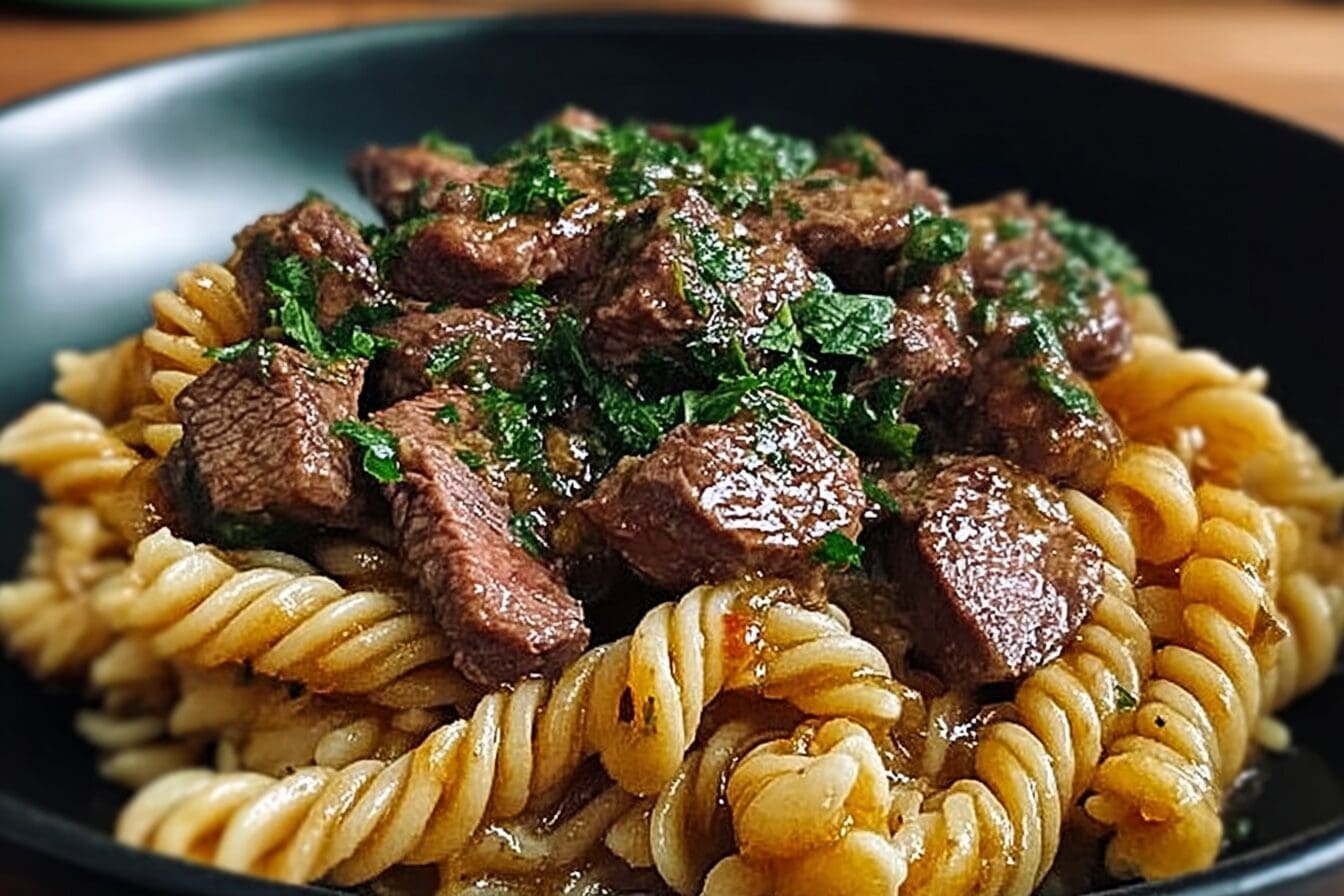
Drain the pasta and toss it with the sauce to coat evenly, ensuring every strand is covered in that flavorful mix. Thinly slice the rested steaks and place them on top of the plated pasta. For a vegan version, use plant-based substitutes here to keep the dish versatile. Finally, sprinkle with extra Parmesan if desired, and serve right away for the best taste it’s a hit at gatherings, as I discovered when I brought it to a community picnic.
One external resource that helped me perfect steak cooking is How to Cook the Perfect Steak, which offers great tips for beginners.
Dietary Substitutions to Customize Your Steak Pasta
Protein and Main Component Alternatives
If you’re looking to switch things up, start with the protein in your steak pasta. For plant-based eaters, replace the 2 strip steaks with tofu or tempeh for a similar texture without the meat. Pescatarian options could include salmon or shrimp, while poultry lovers might use chicken breasts adjust cooking time to about 4 minutes per side to keep it tender.
Vegetable, Sauce, and Seasoning Modifications
For veggies, swap the 1/3 cup chopped sun-dried tomatoes for fresh cherry tomatoes to add brightness, especially in summer. In the sauce, use almond milk instead of 1 cup heavy cream for a lighter version, and reduce sodium by halving the steak seasoning. Adjust spice by cutting the 1 teaspoon red pepper flakes to 1/2 teaspoon if needed, ensuring the dish stays flexible for all tastes.
Mastering Steak Pasta: Advanced Tips and Variations
Once you’re comfortable with the basics of steak pasta, let’s dive into some pro tips to take it to the next level. I’ve picked up these tricks over years of cooking for family events, and they make a big difference.
- Pro cooking techniques: Use a meat thermometer to check for perfect doneness on your steaks, aiming for 145°F for medium it’s a game-changer for consistent results.
- Flavor variations: Experiment with adding fresh herbs or swapping the 1 teaspoon red pepper flakes for smoked paprika to create a smoky twist.
- Presentation tips: Plate the sliced steak over the pasta for a restaurant-like look, and garnish with extra herbs for visual appeal.
- Make-ahead options: Prep the sauce in advance and store it separately to save time on busy nights, making it easy for working professionals.
How to Store Steak Pasta: Best Practices
Storing steak pasta properly keeps it tasty for leftovers, which is great for meal prep. Let me share some straightforward methods I’ve used to avoid waste.
- Refrigeration: Store in an airtight container for up to 2 days to maintain freshness, keeping the steak and pasta separate to preserve texture.
- Freezing: Freeze portions in freezer-safe bags for up to 3 months; thaw overnight in the fridge before reheating.
- Reheating: Warm on the stovetop with a splash of broth to keep it moist, avoiding microwaves for steak to prevent toughness.
- Meal prep considerations: Batch cook and divide into containers for easy lunches, ideal for students or busy parents.
FAQs: Frequently Asked Questions About Steak Pasta
What is the best cut of steak to use for steak pasta?
The best cuts of steak for steak pasta are tender options like ribeye, sirloin, or filet mignon. These cuts cook quickly, remain juicy, and easily slice into strips that blend well with pasta. For a more affordable choice, flank or skirt steak can also be used but may require marinating to tenderize before cooking. Avoid tougher cuts unless you plan to slow-cook or braise them separately before adding to the pasta.
How do I prevent the steak from overcooking when making steak pasta?
To avoid overcooking, sear the steak strips on high heat for 1-2 minutes per side until just browned, then remove them from the pan and allow them to rest while you prepare the sauce and pasta. The residual heat will finish cooking the steak when combined with the hot pasta. This method keeps the meat tender and prevents it from drying out.
What type of pasta pairs well with steak pasta dishes?
Pasta shapes like fettuccine, penne, or pappardelle work well with steak pasta because their wide or tubular structures hold onto thick sauces and tender steak strips effectively. Long noodles like spaghetti can also be used but may not capture the sauce as well. Match the pasta shape to your preferred sauce consistency for the best texture and flavor balance.
Can steak pasta be made ahead of time and reheated?
Steak pasta can be prepared in advance, but it’s best to store the steak separately from the pasta and sauce to maintain the steak’s texture. Reheat pasta gently using a microwave or stovetop with a splash of water or broth to prevent drying out. Reheat steak gently over low heat to avoid toughness. For best flavor and texture, consume within 1-2 days.
Are there healthy ways to make steak pasta without losing flavor?
Yes, you can make a healthier steak pasta by using lean cuts of steak, whole-grain or vegetable-based pasta, and incorporating plenty of vegetables like spinach, cherry tomatoes, or bell peppers. Use olive oil and herbs for seasoning instead of heavy cream sauces. Adding garlic and fresh lemon juice enhances flavor without extra calories, making the dish both nutritious and satisfying.
Steak Pasta
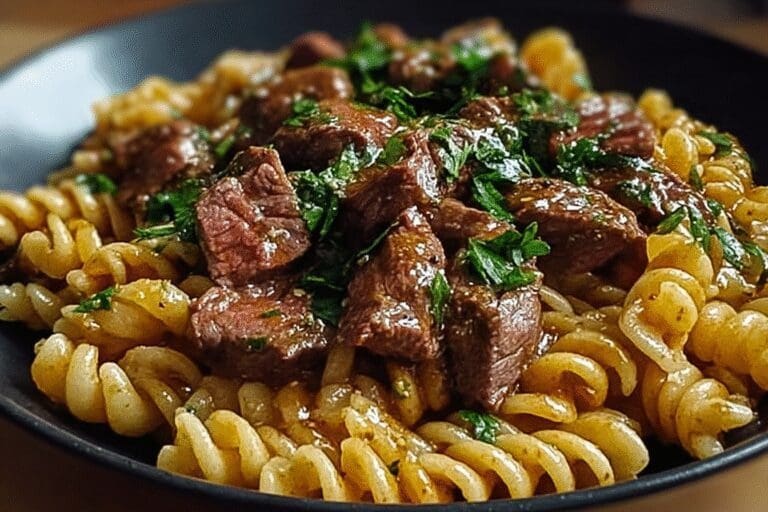
🥩 Indulge in a creamy steak and pasta dish that delivers rich flavors and satisfying textures.
🍝 Perfect for a hearty meal, this recipe combines tender steak with a luscious, creamy sauce for an unforgettable dining experience.
- Total Time: 35 minutes
- Yield: 4 servings 1x
Ingredients
2 strip steaks
Your favorite steak seasoning (containing salt, pepper, garlic)
2 tablespoons olive oil for searing the steak
2 tablespoons butter for sauce and basting the steak
2 tablespoons minced garlic for sauce flavor
1 cup chicken broth for sauce base
1 cup heavy cream for creamy texture
1 cup Parmesan cheese shredded fresh for sauce
1 teaspoon red pepper flakes for subtle heat
1/2 teaspoon oregano for earthy note
1/2 teaspoon thyme for fresh herbaceous layer
1/3 cup chopped sun-dried tomatoes for sweet, tangy burst
1 (16-ounce) box pasta (Rigatoni recommended)
Instructions
1-First Step: Prepare Your Ingredients Start by gathering all your ingredients to make the process smooth. Season the 2 strip steaks generously with your favorite steak seasoning, which includes salt, pepper, and garlic. For a healthier twist, use a low-sodium version if you’re watching your intake, and let the steaks sit for a few minutes to absorb the flavors.
2-Second Step: Cook the Steaks Heat 2 tablespoons of olive oil and 2 tablespoons of butter in a skillet over medium heat. Place the steaks in the pan and cook them for about 5 minutes per side for medium doneness, basting with the melted butter and oil as they cook. Once done, remove the steaks and tent them with foil to rest; this step can be adapted for pescatarian diets by swapping in fish like salmon for a lighter protein. Here, I like to link to another great steak recipe for more ideas, like our garlic butter steak and potatoes guide on the blog.
3-Third Step: Cook the Pasta While the steaks rest, cook the 1 (16-ounce) box of pasta according to the package directions, using Rigatoni if you have it for the best sauce hold. Reserve some pasta water before draining, as it can help thicken the sauce later for gluten-free options, use gluten-free pasta to keep things inclusive for those with dietary restrictions.
4-Fourth Step: Make the Sauce In the same skillet, add 2 tablespoons of minced garlic and 1 cup of chicken broth, then reduce the heat. Stir in 1 cup of heavy cream and 1 cup of Parmesan cheese until smooth. For low-calorie adaptations, use low-fat cream to cut down on fats without losing the creamy goodness. Season with 1 teaspoon of red pepper flakes, 1/2 teaspoon of oregano, 1/2 teaspoon of thyme, and 1/3 cup of chopped sun-dried tomatoes, stirring until the sauce thickens; add reserved pasta water if needed.
5-Fifth Step: Combine and Serve Drain the pasta and toss it with the sauce to coat evenly, ensuring every strand is covered in that flavorful mix. Thinly slice the rested steaks and place them on top of the plated pasta. For a vegan version, use plant-based substitutes here to keep the dish versatile. Finally, sprinkle with extra Parmesan if desired, and serve right away for the best taste it’s a hit at gatherings, as I discovered when I brought it to a community picnic.
Last Step:
Please leave a rating and comment letting us know how you liked this recipe! This helps our business to thrive and continue providing free, high-quality recipes for you.Notes
🍝 Any pasta can be used; Rigatoni works well.
🧀 Shred your own Parmesan cheese for better flavor.
🌶 Add more red pepper flakes for extra spice.
- Prep Time: 10 minutes
- Cook Time: 25 minutes
- Category: Main Course
- Method: Sautéing, Boiling
- Cuisine: American
- Diet: Non-vegetarian
Nutrition
- Serving Size: 1 plate
- Calories: Approx. 650 kcal per serving
- Sugar: 2 g
- Sodium: 600 mg
- Fat: 40 g
- Saturated Fat: 20 g
- Unsaturated Fat: 15 g
- Trans Fat: 0 g
- Carbohydrates: 45 g
- Fiber: 3 g
- Protein: 35 g
- Cholesterol: 110 mg


