

Why You’ll Love This Spam Musubi
Spam Musubi is one of those simple foods that feels like a little gift in your hands. It brings together savory Spam, sticky sushi rice, and crisp nori seaweed in a portable shape that is easy to pack, serve, and enjoy anywhere. For busy families, students, travelers, and anyone who needs a filling snack or quick meal, this Hawaiian favorite checks a lot of boxes.
- Easy to make: This Spam Musubi recipe comes together in about 30 minutes, with only a short 15 minute marinade and a quick fry in the pan. The steps are simple, and even if you have never shaped rice before, the musubi mold makes it feel very doable.
- Filling and affordable: Spam Musubi uses pantry-friendly ingredients like Spam, soy sauce, sugar, and rice, making it a budget-friendly meal that still feels hearty. It is a great option for lunchboxes, potlucks, picnics, or church gatherings where you need something people can grab and enjoy fast.
- Comforting and flavorful: The mix of salty, sweet, and umami flavors is what makes Spam Musubi stand out. The fried Spam gets a lightly crisp edge, the rice stays soft and satisfying, and the nori adds that signature savory finish.
- Flexible for different eaters: You can keep it classic with furikake, or skip the seasoning if you want a simpler taste. It is also easy to pair with sides like a salad, fruit, or vegetables for a more balanced plate. For more smart meal ideas, you might also like this easy macaroni salad recipe.
Spam Musubi is more than a snack. It is a convenient Hawaiian comfort food with roots dating back to WWII, when Spam became widely used in Hawaii and quickly became part of everyday cooking.
If you like portable recipes that travel well and feed a crowd, this one belongs in your regular rotation. It is the kind of recipe that works just as well for a quick lunch as it does for a family outing.
For readers who want to learn more about the ingredient itself, this helpful guide on whether Spam is a healthy choice gives a balanced look at nutrition and portion size.
Jump to:
- Why You’ll Love This Spam Musubi
- Essential Ingredients for Spam Musubi
- Main ingredients
- Ingredient notes and helpful swaps
- Special dietary options
- How to Prepare the Perfect Spam Musubi: Step-by-Step Guide
- First step: slice and marinate the Spam
- Second step: fry the Spam until lightly crisp
- Third step: shape the rice
- Fourth step: add the Spam topping
- Final step: wrap and serve
- Dietary Substitutions to Customize Your Spam Musubi
- Protein and main component alternatives
- Vegetable, sauce, and seasoning modifications
- Mastering Spam Musubi: Advanced Tips and Variations
- Pro cooking techniques
- Flavor variations
- Presentation tips
- Make-ahead options
- How to Store Spam Musubi: Best Practices
- Nutrition facts for Spam Musubi
- FAQs: Frequently Asked Questions About Spam Musubi
- What is spam musubi?
- What ingredients do I need for spam musubi?
- How do you make spam musubi at home?
- Can you eat spam musubi hot or cold?
- How do you store and reheat spam musubi?
- Spam Musubi
- Ingredients
- Instructions
- Last Step:
- Notes
- Nutrition
- Did you make this recipe?
Essential Ingredients for Spam Musubi
One of the best things about Spam Musubi is that the ingredient list is short and practical. Every item plays a specific role, from the glossy nori wrap to the seasoned rice and the sweet-savory Spam topping. Here is what you need for about 8 servings.
Main ingredients
- 12 ounces Spam – sliced and fried for the savory topping.
- 1/4 cup oyster sauce – adds rich umami flavor to the marinade.
- 1/4 cup soy sauce – gives saltiness and depth.
- 1/2 cup sugar – balances the salty sauce and helps the Spam caramelize.
- Nori roasted seaweed, cut into halves or thirds – wraps the musubi and gives it structure.
- 6 cups cooked sushi rice without added vinegar mixture – forms the soft, sticky base.
- Furikake seasoning, optional – a blend of seaweed, sesame seeds, salt, and spices that adds extra flavor.
Ingredient notes and helpful swaps
The sushi rice should be cooked plain, without vinegar mixture, so it presses into a neat block. The nori should be roasted seaweed sheets, and cutting them into halves or thirds makes wrapping easier. Furikake is optional, but it adds a nice pop of flavor and a little texture.
| Ingredient | What it does | Helpful note |
|---|---|---|
| Spam | Main protein | Slice evenly for best frying |
| Sushi rice | Forms the base | Use warm rice for easier shaping |
| Nori | Wraps the musubi | Place shiny side down |
| Oyster sauce, soy sauce, sugar | Creates the marinade | Stir until sugar dissolves |
| Furikake | Optional seasoning | Great for extra umami |
Special dietary options
- Vegan: Use a plant-based Spam alternative and a vegan oyster sauce or mushroom sauce.
- Gluten-free: Choose gluten-free soy sauce or tamari, and check the Spam label for ingredients.
- Low-calorie: Use less rice, choose lower-sodium Spam if available, and skip the furikake if you want a lighter version.
If you enjoy building balanced bowls and wraps, you may also like these lettuce wraps for another easy hand-held meal.
How to Prepare the Perfect Spam Musubi: Step-by-Step Guide
First step: slice and marinate the Spam
Start by slicing the 12 ounces of Spam into 8 to 10 slices, depending on how thick you want each piece. If you like larger musubi, use 8 slices. If you prefer a smaller snack size, go with 10 slices. Place the slices in a resealable plastic bag so they can soak up the marinade evenly.
In a small bowl, mix 1/4 cup oyster sauce, 1/4 cup soy sauce, and 1/2 cup sugar until the sugar dissolves. Pour the mixture into the bag with the Spam, seal it, and let it sit for 15 minutes. This short soak gives the Spam that sweet-salty flavor that makes Spam Musubi so good.
Second step: fry the Spam until lightly crisp
Drain off the marinade and place the Spam slices in a skillet over medium heat. Fry them until both sides are slightly crispy or cooked to your liking, usually just a few minutes per side. The sugar in the marinade helps the edges caramelize, so keep an eye on the pan to avoid burning.
If you are cooking for a group, fry the slices in batches and keep them warm on a plate while you prepare the rice. This step gives the musubi its classic savory bite and makes the finished snack taste especially satisfying.
Third step: shape the rice
Lay a strip of nori shiny side down on a cutting board. Place a musubi mold across the middle of the nori sheet. Add cooked sushi rice to the mold, pressing down firmly to form a block about 1 to 1 1/2 inches thick. Dipping your fingers and the mold in water helps keep the rice from sticking.
The rice should be warm and a little sticky, but not wet. That texture helps it hold together once the mold is removed. If you want to add furikake seasoning, sprinkle a little over the rice before moving to the next step.
Fourth step: add the Spam topping
Remove the mold carefully so the rice block stays neat on the nori. Place one slice of fried Spam on top of the rice. If you are making extra large musubi, you can use a slightly thicker slice or stack two thinner slices, but the classic version keeps it simple with one slice per block.
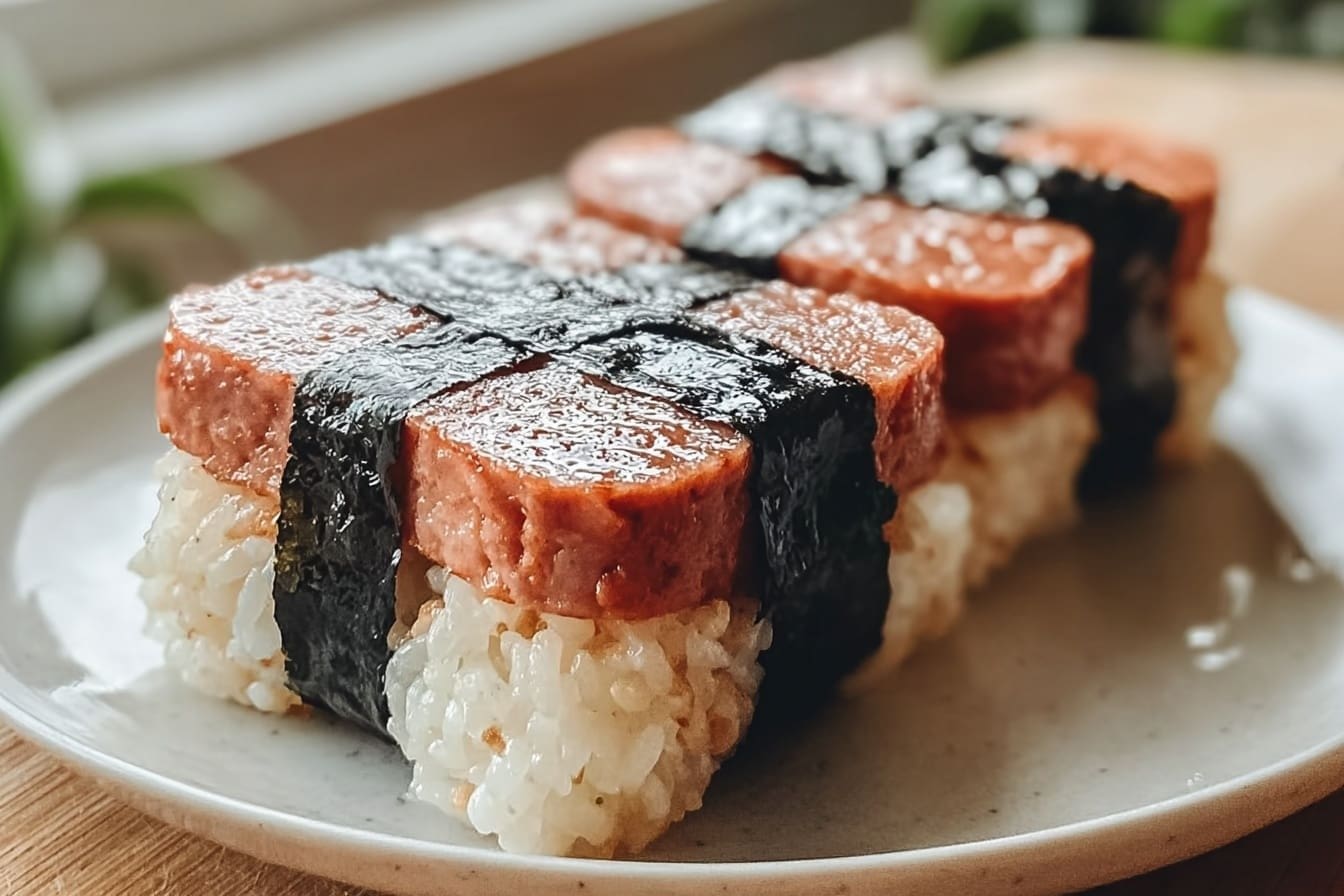
This is the point where the musubi starts looking just like the ones you would find in Hawaiian convenience stores. The shape is compact, tidy, and ready for wrapping.
Final step: wrap and serve
Wrap one side of the nori over the Spam and press it to the top so it sticks. Then wrap the other side around the musubi, sealing the edges with a little water if needed. The seaweed should hug the rice and Spam snugly.
Serve Spam Musubi warm or hot for the best texture. The rice should be soft, the Spam should still have a little crispness, and the nori should be just tender enough to bite through. If you are packing it for later, wrap it tightly right away to hold in moisture.
Best results come from warm rice, a tight wrap, and serving soon after cooking.
Dietary Substitutions to Customize Your Spam Musubi
Protein and main component alternatives
If Spam is not your thing, you still have options. A plant-based Spam style product can work well for vegetarian or vegan eaters, especially when it is pan-fried until browned. For a lighter version, some cooks use thin slices of grilled tofu or tempeh brushed with a savory sauce.
If you need to keep sodium lower, look for reduced-sodium Spam or reduce the amount of soy sauce in the marinade. You can also make smaller musubi so each serving feels more balanced. For a gluten-free version, use tamari in place of regular soy sauce and double-check that your other ingredients are certified gluten-free.
Vegetable, sauce, and seasoning modifications
You can tuck a thin slice of avocado, cucumber, or pickled carrot under the Spam for extra color and freshness. These additions work well if you want more texture or a little brightness in each bite. Furikake seasoning is optional, but it adds a nice layer of flavor with seaweed, sesame seeds, salt, and spices.
For a different taste, swap oyster sauce for hoisin if that is what you have on hand, or add a touch of mirin for a sweeter finish. If you like simple food, keep the filling plain and let the fried Spam and nori do most of the work. That is part of what makes Spam Musubi so easy to adapt to different kitchens and different tastes.
Mastering Spam Musubi: Advanced Tips and Variations
Pro cooking techniques
For the neatest shape, press the rice firmly but not so hard that it turns dense. Dip the mold in water before each fill to help the rice release cleanly. If your rice starts cooling off too much, warm it slightly before shaping so it stays pliable.
Using a safe can opener, not a knife, is the easiest way to create a homemade mold from a cleaned Spam can. This avoids sharp edges and makes the DIY mold safer to handle. If you do not have a mold, you can also shape the rice with damp hands and a piece of plastic wrap.
Flavor variations
You can brush the fried Spam with a little extra marinade for a stronger glaze, or add a sprinkle of furikake between the rice and the nori for more umami. Some cooks also enjoy a tiny dab of mayonnaise, a slice of omelet, or a strip of avocado for a richer bite. If you want to keep the traditional taste, though, the classic recipe is already full of flavor.
Presentation tips
Cut the musubi in half on a diagonal for a tidy look at potlucks or party trays. For serving platters, line them up with the seam side down so they hold together nicely. They also look great next to other portable dishes like cheeseburger tacos for a fun casual meal spread.
Make-ahead options
Spam Musubi is a smart make-ahead choice for lunches, picnics, and travel. Cook the Spam and rice ahead of time, then assemble close to serving if possible. If you must assemble them early, wrap them tightly in plastic wrap right away so the rice stays moist and the nori does not dry out too quickly.
Because the recipe makes about 8 servings, it is a good fit for families and small gatherings. You can scale it up for community events, sports days, or church meals without much trouble.
How to Store Spam Musubi: Best Practices
Spam Musubi stores best when wrapped tightly and handled soon after cooking. At room temperature, keep it no longer than 2 hours, since the rice can dry out and the nori can lose its texture. If you need to hold it longer, wrap each piece in plastic wrap and place it in an airtight container in the refrigerator for up to 4 days.
For reheating, remove the plastic wrap, wrap the musubi in a damp paper towel, and microwave for about 45 seconds. That helps restore the softness of the rice without making it soggy. If you are packing musubi for meal prep, let it cool slightly before wrapping so the steam does not make the nori too wet.
Musubi is best served warm, because cold rice can become crumbly and dry. Still, many people enjoy it chilled as a grab-and-go snack, especially for picnics or packed lunches. If you want more ideas for dishes that travel well, this dirty rice recipe is another great make-ahead option.
Nutrition facts for Spam Musubi
| Nutrition | Per serving |
|---|---|
| Calories | 317 kcal |
| Carbohydrates | 43g |
| Protein | 9g |
| Fat | 12g |
| Saturated Fat | 4g |
| Cholesterol | 30mg |
| Sodium | 1210mg |
| Potassium | 202mg |
| Fiber | 1g |
| Sugar | 13g |
| Calcium | 6mg |
| Iron | 0.6mg |
FAQs: Frequently Asked Questions About Spam Musubi
What is spam musubi?
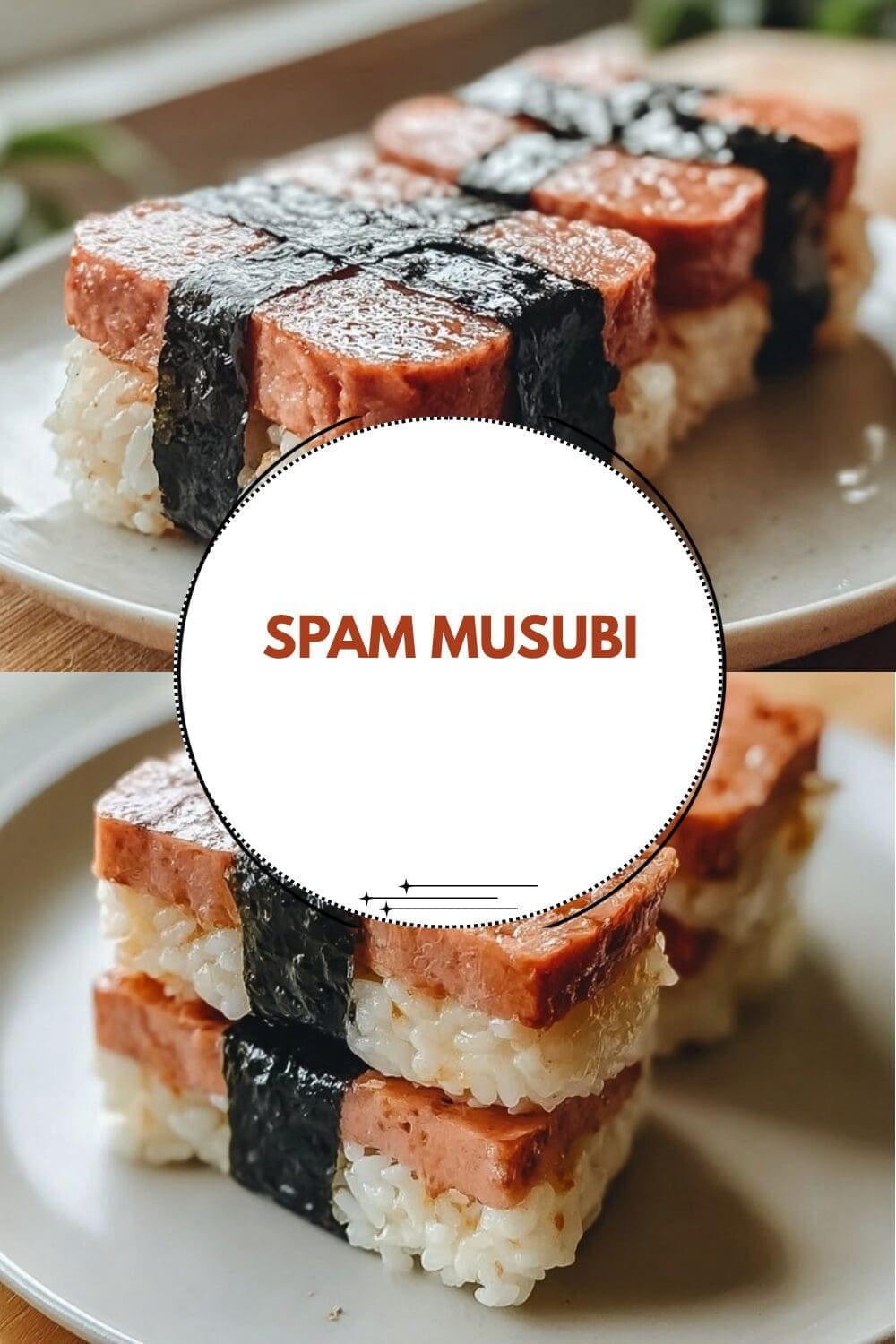
Spam musubi is a popular Hawaiian snack made with a block of sushi rice topped with a slice of grilled or fried Spam, all wrapped in a sheet of nori seaweed. It resembles sushi but uses canned Spam instead of raw fish, giving it a savory, crispy edge. Originating in Hawaii after World War II, it became a staple due to Spam’s availability and long shelf life. You’ll often find it sold at convenience stores like 7-Eleven in Hawaii, wrapped individually for grab-and-go eating. It’s simple to make at home and customizable with additions like furikake seasoning or teriyaki glaze. One musubi typically serves as a quick meal or snack, packing about 300-400 calories depending on size. (92 words)
What ingredients do I need for spam musubi?
For 8-10 spam musubi, gather these key ingredients: one 12-oz can of Spam (regular or low-sodium), 2 cups cooked sushi rice (short-grain for stickiness), 5-6 sheets roasted nori seaweed, and a marinade of 2 tbsp soy sauce, 1 tbsp oyster sauce (or hoisin substitute), 1 tbsp sugar, and 1 tsp mirin. Optional add-ins include furikake seasoning, sliced green onions, or a fried egg. Slice Spam into 8-10 even pieces about ¼-inch thick. Use a musubi mold or empty Spam can (cleaned and rimmed) for shaping. This combo creates the perfect balance of salty, sweet, and umami flavors. Prep time is under 30 minutes. (112 words)
How do you make spam musubi at home?
Start by slicing Spam into 8-10 pieces and marinate in soy sauce, oyster sauce, sugar, and mirin for 15 minutes. Fry in a skillet over medium heat until golden and caramelized, about 3-4 minutes per side; set aside. Mix cooked sushi rice with a splash of rice vinegar for stickiness. Cut nori sheets in half lengthwise. Place a nori half shiny-side down, add rice to a musubi mold on top (press firmly to 1-inch height), top with Spam, sprinkle furikake if desired, then wrap nori around, sealing with a bit of water. Let rest 2 minutes for nori to soften. No mold? Use plastic wrap to shape. Yields portable snacks ready in 25 minutes. (118 words)
Can you eat spam musubi hot or cold?
Spam musubi tastes best hot or warm right after frying, when the rice is soft and Spam is crispy. The heat keeps the rice moist and nori pliable. It can be eaten cold, as many enjoy it chilled from the fridge like sushi rolls—some even prefer the firmer texture. Avoid letting it sit out over 2 hours at room temp to prevent drying. For picnics or bento boxes, make ahead and eat cold within 4 hours. If refrigerated, the rice may harden slightly, but a quick microwave reheat (45 seconds covered with damp towel) restores freshness without sogginess. This versatility makes it ideal for on-the-go meals. (104 words)
How do you store and reheat spam musubi?
Wrap each spam musubi tightly in plastic wrap to keep nori crisp and rice moist. Store at room temperature for up to 4 hours, or refrigerate for 3-5 days (not longer, as rice dries out). Freeze individually for up to 1 month in airtight bags. To reheat, unwrap, place on a microwave-safe plate, cover with a damp paper towel, and heat for 30-45 seconds until warm. Avoid direct microwaving without cover to prevent toughness. For best results, bring to room temp first. This method preserves the crispy Spam and sticky rice texture, making leftovers nearly as good as fresh. Label with dates for safety. (108 words)
Spam Musubi
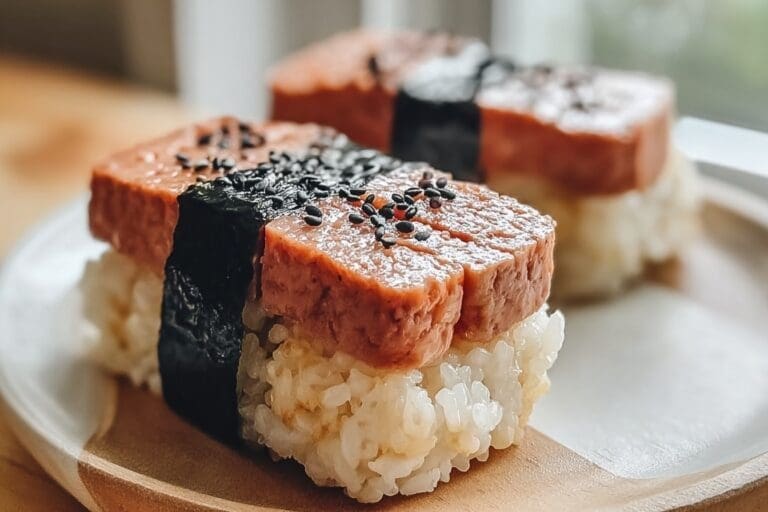
🍱 Savory-sweet Spam Musubi delivers portable Hawaiian comfort with crispy Spam atop sticky rice – filling, affordable snacks for any time!
🌺 Quick 30-minute Easy Hawaiian Treat wrapped in nori, customizable and crowd-pleasing for parties or lunches!
- Total Time: 30 minutes
- Yield: 8 servings
Ingredients
– 12 ounces Spam for the savory topping
– 1/4 cup oyster sauce to add rich umami flavor to the marinade
– 1/4 cup soy sauce for saltiness and depth
– 1/2 cup sugar to balance the salty sauce and help the Spam caramelize
– Nori roasted seaweed, cut into halves or thirds to wrap the musubi and give it structure
– 6 cups cooked sushi rice without added vinegar mixture for the soft, sticky base
– Furikake seasoning, optional to add extra flavor
Instructions
1-First step: slice and marinate the Spam Start by slicing the 12 ounces of Spam into 8 to 10 slices, depending on how thick you want each piece. If you like larger musubi, use 8 slices. If you prefer a smaller snack size, go with 10 slices. Place the slices in a resealable plastic bag so they can soak up the marinade evenly. In a small bowl, mix 1/4 cup oyster sauce, 1/4 cup soy sauce, and 1/2 cup sugar until the sugar dissolves. Pour the mixture into the bag with the Spam, seal it, and let it sit for 15 minutes. This short soak gives the Spam that sweet-salty flavor that makes Spam Musubi so good.
2-Second step: fry the Spam until lightly crisp Drain off the marinade and place the Spam slices in a skillet over medium heat. Fry them until both sides are slightly crispy or cooked to your liking, usually just a few minutes per side. The sugar in the marinade helps the edges caramelize, so keep an eye on the pan to avoid burning. If you are cooking for a group, fry the slices in batches and keep them warm on a plate while you prepare the rice. This step gives the musubi its classic savory bite and makes the finished snack taste especially satisfying.
3-Third step: shape the rice Lay a strip of nori shiny side down on a cutting board. Place a musubi mold across the middle of the nori sheet. Add cooked sushi rice to the mold, pressing down firmly to form a block about 1 to 1 1/2 inches thick. Dipping your fingers and the mold in water helps keep the rice from sticking. The rice should be warm and a little sticky, but not wet. That texture helps it hold together once the mold is removed. If you want to add furikake seasoning, sprinkle a little over the rice before moving to the next step.
4-Fourth step: add the Spam topping Remove the mold carefully so the rice block stays neat on the nori. Place one slice of fried Spam on top of the rice. If you are making extra large musubi, you can use a slightly thicker slice or stack two thinner slices, but the classic version keeps it simple with one slice per block. This is the point where the musubi starts looking just like the ones you would find in Hawaiian convenience stores. The shape is compact, tidy, and ready for wrapping.
5-Final step: wrap and serve Wrap one side of the nori over the Spam and press it to the top so it sticks. Then wrap the other side around the musubi, sealing the edges with a little water if needed. The seaweed should hug the rice and Spam snugly. Serve Spam Musubi warm or hot for the best texture. The rice should be soft, the Spam should still have a little crispness, and the nori should be just tender enough to bite through. If you are packing it for later, wrap it tightly right away to hold in moisture.
Last Step:
Please leave a rating and comment letting us know how you liked this recipe! This helps our business to thrive and continue providing free, high-quality recipes for you.Notes
🌡️ Serve musubi warm for the best texture – rice stays moist and not crumbly.
🔒 Wrap tightly in plastic wrap right after assembly to lock in freshness and moisture.
🥫 No musubi mold? Use a cleaned Spam can (top and bottom removed, edges smoothed) as a press.
- Prep Time: 25 minutes
- Cook Time: 5 minutes
- Category: Snack
- Method: Stovetop
- Cuisine: Hawaiian
- Diet: Dairy-Free
Nutrition
- Serving Size: 1 musubi
- Calories: 317 kcal
- Sugar: 13g
- Sodium: 1210mg
- Fat: 12g
- Saturated Fat: 4g
- Unsaturated Fat: 8g
- Trans Fat: 0g
- Carbohydrates: 43g
- Fiber: 1g
- Protein: 9g
- Cholesterol: 30mg


