

Benefits and Advantages of Soy Sauce Chicken
Soy sauce chicken is celebrated for its simplicity and rich, savory flavor that appeals to both novice and seasoned home cooks. One of the main advantages is its ease of preparation; the recipe leverages basic ingredients and straightforward braising techniques, making it accessible without sacrificing taste. The dish is protein-rich, especially when prepared with lean chicken cuts and lower-sodium soy sauce options, supporting a nutritious, balanced meal.
Its unique flavor profile, which harmonizes salty, sweet, and spiced elements, suits a wide variety of palates. Furthermore, soy sauce chicken is adaptable to multiple dietary preferences, including gluten-free and vegan, through ingredient swaps. This versatility, combined with its comforting warmth and aromatic appeal, makes soy sauce chicken a dependable choice for family dinners, special occasions, and meal prep alike.
Jump to:
- Benefits and Advantages of Soy Sauce Chicken
- Essential Ingredients for Soy Sauce Chicken
- Dietary Substitutions to Customize Your Soy Sauce Chicken
- Gluten-Free Options
- Vegan and Vegetarian Alternatives
- Low-Sodium Adaptations
- Sweetener Alternatives
- Lean Protein Choices
- How to Prepare the Perfect Soy Sauce Chicken: Step-by-Step Guide
- Mastering Soy Sauce Chicken: Advanced Tips and Variations
- How to Store Soy Sauce Chicken: Best Practices
- Nutritional Value of Soy Sauce Chicken
- FAQs: Frequently Asked Questions About Soy Sauce Chicken
- What is soy sauce chicken and how is it traditionally prepared?
- Can I use chicken parts instead of a whole chicken for soy sauce chicken?
- How do I know when soy sauce chicken is fully cooked?
- What should I do with the braising liquid after cooking soy sauce chicken?
- Can I make soy sauce chicken without rice wine, and how will it affect the flavor?
- Soy Sauce Chicken Recipe: Traditional Chinese Chef’s Secret for Authentic Flavor
- Ingredients
- Instructions
- Last Step:
- Notes
- Nutrition
- Did you make this recipe?
Essential Ingredients for Soy Sauce Chicken
The following ingredients are essential to prepare authentic soy sauce chicken with depth and balance:
- 1 whole chicken (about 4 pounds) or 6 chicken thighs (about 1 kg / 2.2 lb), skin on and bone in
- 2 teaspoons cooking oil (or ½ tablespoon if using pieces)
- 7 slices ginger (or about a thumb-sized piece, sliced)
- 2 scallions, cut into 3-inch pieces and smashed flat (or 3 scallion stalks cut in halves)
- 3 star anise
- 2 bay leaves (optional)
- 1 ½ cups Shaoxing wine (or rose wine, or omit for no-alcohol version); or 2 tablespoons if using pieces
- 1 ½ cups soy sauce (light soy sauce preferred; can adjust to 1 cup for pieces)
- 1 ¼ cups dark soy sauce (optional, adds color and caramelized flavor; about 2 tablespoons if using pieces)
- 1 cup sugar plus 2 tablespoons (or 2 tablespoons dark brown sugar or 40g rock sugar for pieces)
- 2 teaspoons salt
- 10 cups water (or 2 cups for chicken pieces)
- ½ tablespoon cornstarch mixed with 1 tablespoon water (optional, for thickening sauce)
Each ingredient plays an important role: ginger and scallions brighten and add warmth, star anise and bay leaves provide aromatic depth, soy sauces bring saltiness and umami, and sweeteners balance the dish perfectly.
Dietary Substitutions to Customize Your Soy Sauce Chicken
To make soy sauce chicken suitable for special dietary needs or preferences, consider the following substitutions:
Gluten-Free Options
- Replace soy sauce with gluten-free tamari or coconut aminos to achieve similar flavors without gluten.
Vegan and Vegetarian Alternatives
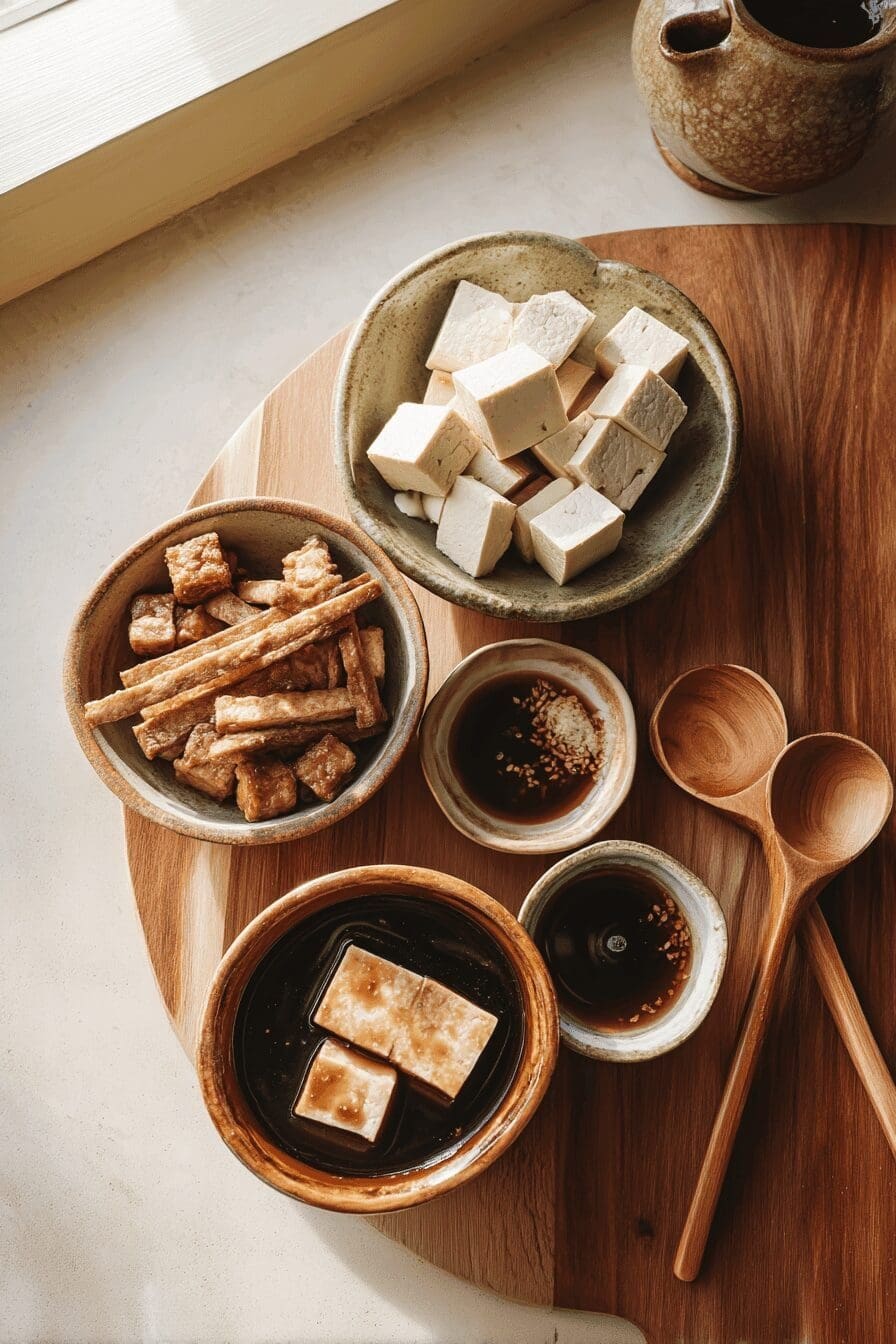
- Swap the chicken for firm tofu, tempeh, or seitan, and use the same marinade and aromatics to maintain authentic flavor.
Low-Sodium Adaptations
- Use low-sodium soy sauce and reduce the added salt to lower sodium content without compromising taste.
Sweetener Alternatives
- Maple syrup or agave nectar can be used instead of sugar or honey for vegan-friendly options and subtle flavor changes.
Lean Protein Choices
- Choose skinless chicken breasts or thighs for a leaner dish with less fat.
“By adjusting soy sauce, sweeteners, and the protein base, you can enjoy a version of soy sauce chicken that fits your lifestyle without losing its signature savory taste.”
How to Prepare the Perfect Soy Sauce Chicken: Step-by-Step Guide
- Prepare ingredients: Wash and pat dry the chicken pieces. Collect sliced ginger, smashed scallions, star anise, and your sweetener choice.
- Marinate the chicken: Combine soy sauce, minced garlic, and sliced ginger to marinate chicken for at least 30 minutes to build flavor.
- Brown the chicken: Heat cooking oil in a pan over medium heat and sear the chicken pieces until golden on all sides, sealing in juices.
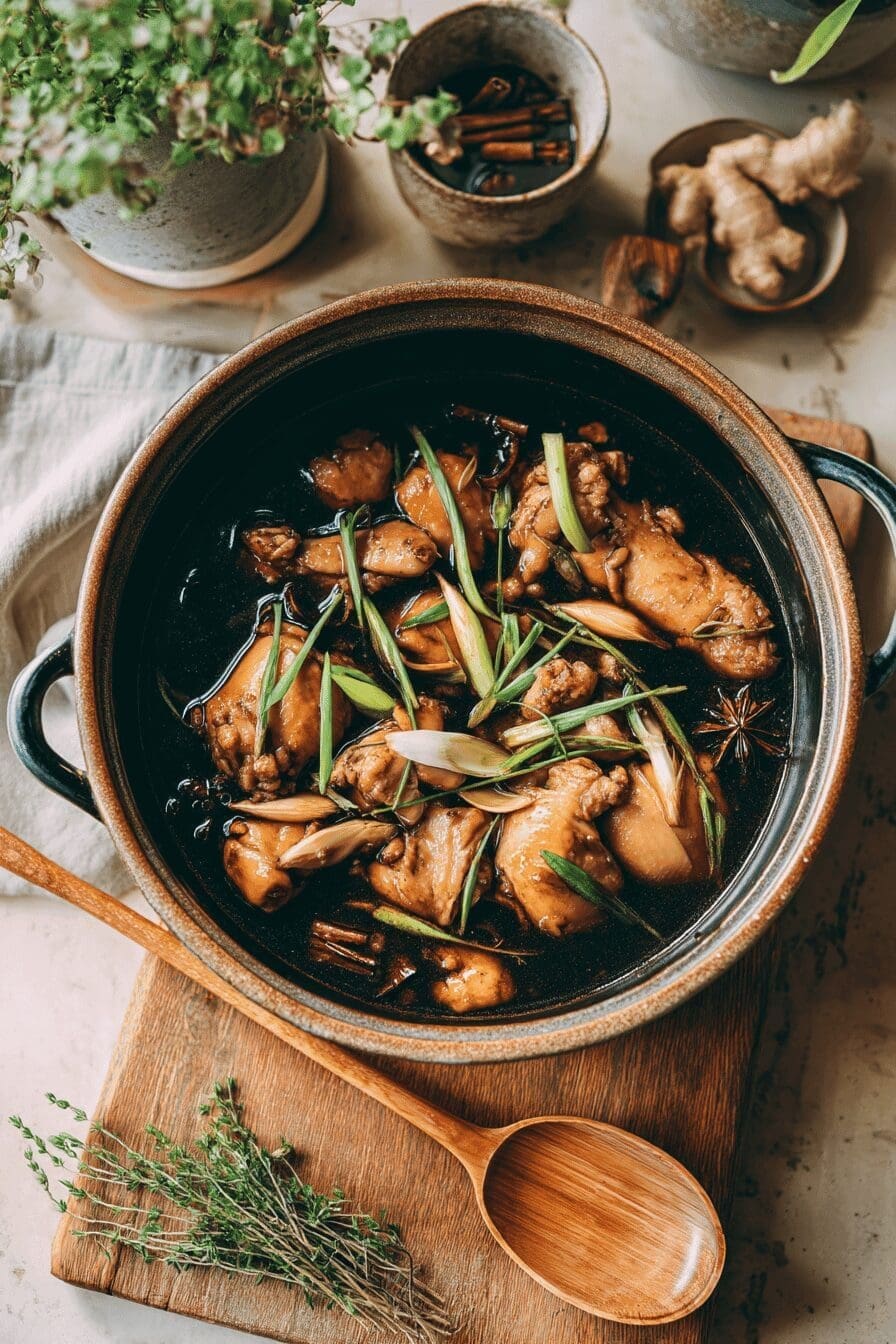
- Add braising liquids: Pour in the remaining soy sauces, Shaoxing wine, sugar, salt, star anise, bay leaves (if using), plus water.
- Simmer gently: Cover and simmer on low heat for 25-30 minutes, occasionally basting to infuse the rich soy sauce flavor deep into the meat.
- Adjust seasoning: Modify salt or sweeteners as preferred; use low-sodium soy sauce or omit sugar for dietary needs.
- Reduce sauce (optional): Remove chicken when cooked through (165°F in thickest part) and increase heat to reduce braising liquid to a thick glaze if desired.
- Serve: Plate the chicken hot alongside steamed rice or vegetables. Spoon some thickened sauce over top for added richness.
This method creates tender, flavorful chicken with classic Cantonese charm. For additional preparation tips, visit this soy sauce chicken recipe.
Mastering Soy Sauce Chicken: Advanced Tips and Variations
To enhance your soy sauce chicken experience, consider marinating the chicken overnight to deepen the flavors. Combining light and dark soy sauces adds complexity and imparts a rich, caramelized color. Aromatics such as star anise, cloves, and cinnamon sticks infuse subtle yet distinctive spice notes that elevate the dish.
For a healthier variation, trim excess fat, use skinless chicken pieces, and opt for low-sodium soy sauce to reduce salt intake. Adding dried chili peppers can introduce a gentle heat, while incorporating vegetables like shiitake mushrooms or bok choy turns the dish into a well-rounded meal.
Allowing the chicken to rest after cooking helps the juices redistribute, ensuring tender and moist meat with excellent texture. These tips and variations enable you to customize the dish to your personal taste while preserving the authentic essence of traditional soy sauce chicken.
How to Store Soy Sauce Chicken: Best Practices
After cooking, allow the soy sauce chicken to cool to room temperature before refrigerating. Store it in an airtight container to maintain flavor and prevent contamination. It can be safely kept in the refrigerator for up to 3 days.
For extended storage, freeze the chicken in freezer-safe containers or bags, removing as much air as possible before sealing to prevent freezer burn. Dividing the chicken into meal-sized portions before freezing aids in convenient thawing.
Reheat the chicken gently using a microwave or stovetop, adding a small amount of water or reserved cooking liquid to maintain moisture and prevent drying out. Avoid multiple reheating cycles to retain the quality and safety of the dish.
Proper storage and reheating ensure that leftover soy sauce chicken remains flavorful and enjoyable.
Nutritional Value of Soy Sauce Chicken
| Nutrient | Approximate Amount per Serving | Notes |
|---|---|---|
| Calories | 250-300 kcal | Depends on cut and skin usage |
| Protein | 15-20 grams | Essential for muscle maintenance |
| Fat | Varies | Higher with skin-on; use lean cuts for less fat |
| Carbohydrates | Minimal | Mostly from soy sauce and sweetener |
| Sodium | Moderate to high | Use low-sodium soy sauce to reduce intake |
| Vitamins and Minerals | Includes B vitamins, phosphorus, selenium | Supports metabolism and immune health |
FAQs: Frequently Asked Questions About Soy Sauce Chicken
What is soy sauce chicken and how is it traditionally prepared?
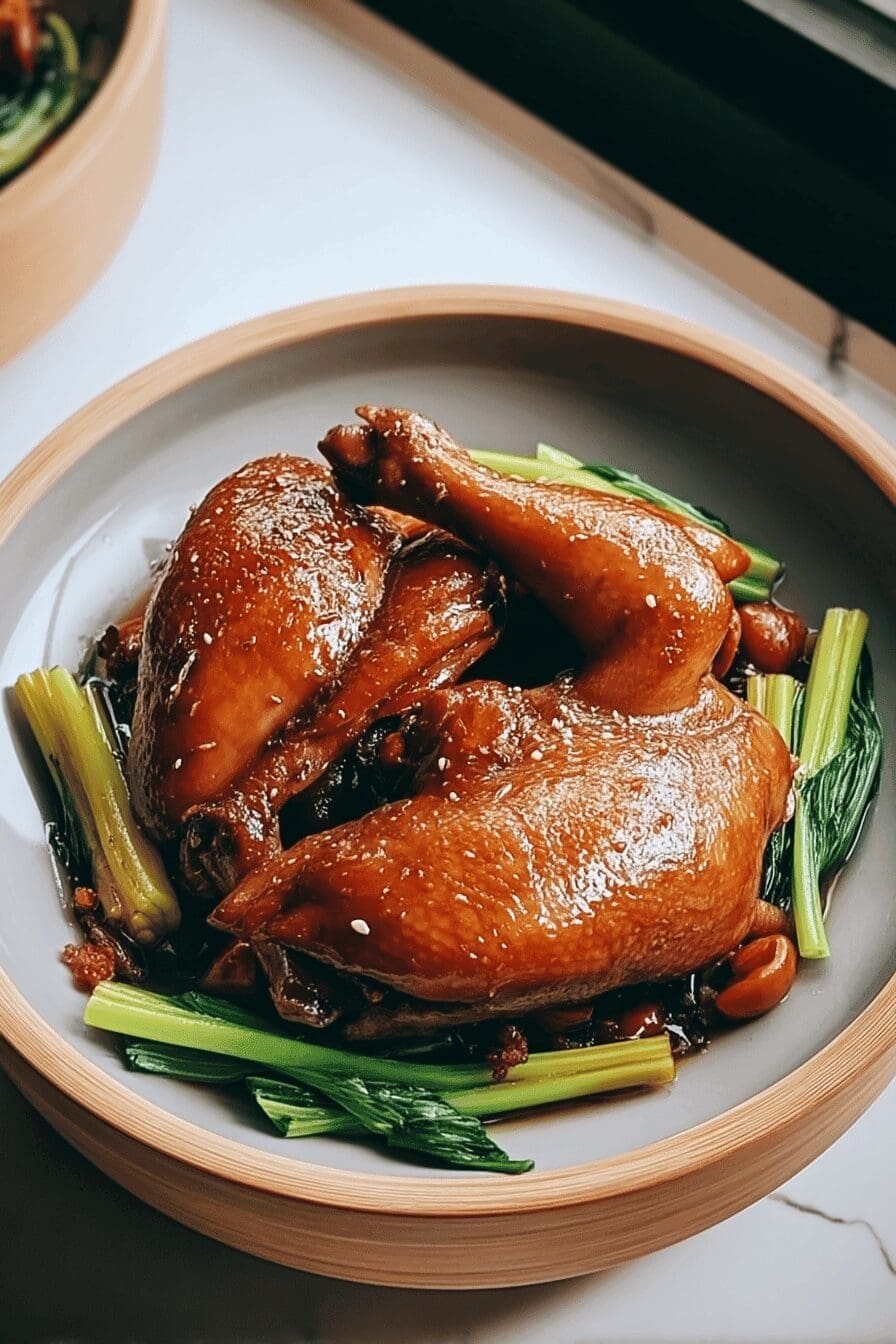
Soy sauce chicken is a classic Cantonese dish where a whole chicken is gently braised in a seasoned soy sauce broth. The cooking liquid typically includes light and dark soy sauce, rice wine, ginger, scallions, star anise, and sugar. This slow simmering process infuses the chicken with rich savory flavors and results in tender meat with a glossy, caramelized skin.
Can I use chicken parts instead of a whole chicken for soy sauce chicken?
Yes, you can substitute various chicken parts such as wings, drumsticks, or leg quarters. These cuts usually cook faster than a whole chicken; for example, wings take about 25 minutes while leg quarters need around 45-50 minutes. Avoid chicken breasts as they tend to dry out and absorb less flavor during braising.
How do I know when soy sauce chicken is fully cooked?
The most reliable way is to check the internal temperature with a meat thermometer. Insert it into the thickest part of the thigh; the chicken is safely cooked when it reaches 165°F (74°C). Alternatively, the meat should be opaque and juices run clear when pierced.
What should I do with the braising liquid after cooking soy sauce chicken?
The braising liquid can be strained and kept as a flavorful sauce. You can gently reheat it and thicken with a cornstarch slurry to serve over the chicken or alongside rice and vegetables. Leftover sauce can be refrigerated for up to 4 days or frozen for up to 3 months for future use in other dishes.
Can I make soy sauce chicken without rice wine, and how will it affect the flavor?
Yes, rice wine can be omitted to make the dish alcohol-free. While rice wine adds subtle complexity and sweetness, the soy sauce, aromatics, and spices still create a rich, savory flavor. You may want to slightly adjust seasonings, like adding a bit more sugar or ginger, to balance the profile.

Soy Sauce Chicken Recipe: Traditional Chinese Chef’s Secret for Authentic Flavor
🐔 Experience the authentic taste of Cantonese cuisine with Soy Sauce Chicken, offering a symphony of rich, savory flavors.
🥘 Perfect for those who love traditional dishes with aromatic spices and a touch of sweetness.
- Total Time: 1 hour 45 minutes
- Yield: 4 servings 1x
Ingredients
1 whole chicken (about 4 pounds) or 6 chicken thighs (about 1 kg / 2.2 lb), skin on and bone in
2 teaspoons cooking oil (or ½ tablespoon if using pieces)
7 slices ginger (or a thumb-sized piece, sliced)
2 scallions, cut into 3-inch pieces and smashed flat
3 star anise
2 bay leaves (optional)
1 ½ cups Shaoxing wine (or rose wine)
1 ½ cups soy sauce (light preferred)
1 ¼ cups dark soy sauce (optional)
1 cup sugar plus 2 tablespoons
2 teaspoons salt
10 cups water
½ tablespoon cornstarch mixed with 1 tablespoon water (optional for thickening)
Instructions
1. Remove the chicken from the refrigerator an hour before cooking to bring to room temperature. Rinse thoroughly inside and out, removing giblets.
2. Use a tall, narrow stock pot just fitting the chicken for submersion. Heat oil over medium-low heat; add ginger and caramelize for 30 seconds, then scallions until fragrant.
3. Add star anise and Shaoxing wine; simmer to cook off alcohol.
4. Add soy sauces, sugar, salt, and water; bring to a simmer.
5. Lower the whole chicken breast side up, ensuring no air pockets. For pieces, place skin side down, covering two-thirds with liquid.
6. Cook the whole chicken 5 minutes on medium-high. Lift, empty cavity, lower back, baste. Bring liquid to simmer again and cook for 25 minutes. For pieces, simmer covered for 35 minutes, flip, then cook another 10 minutes.
7. Let the chicken sit for 15 minutes, checking doneness with a meat thermometer (165°F/74°C at thigh).
8. Transfer to cutting board, slice, reserve cooking liquid.
9. Optionally thicken liquid with cornstarch slurry and serve as a sauce over chicken and rice.
Last Step:
Please leave a rating and comment letting us know how you liked this recipe! This helps our business to thrive and continue providing free, high-quality recipes for you.Notes
🥢 Use a narrow pot to submerge chicken fully for even cooking.
🕛 Marinating for several hours enhances flavor and tenderness.
🍲 Adjust seasonings after initial attempts to suit your taste.
- Prep Time: 15 minutes
- Resting Time: 15 minutes
- Cook Time: 1 hour 30 minutes
- Category: Main Course
- Method: Simmering
- Cuisine: Chinese
- Diet: Non-Vegetarian
Nutrition
- Serving Size: 1/4 chicken or equivalent
- Calories: 371
- Sugar: 8g
- Sodium: 770mg
- Fat: 23g
- Saturated Fat: 6g
- Unsaturated Fat: 17g
- Trans Fat: 0g
- Carbohydrates: 8g
- Fiber: 0g
- Protein: 28g
- Cholesterol: 90mg


