

Why You’ll Love Sinigang
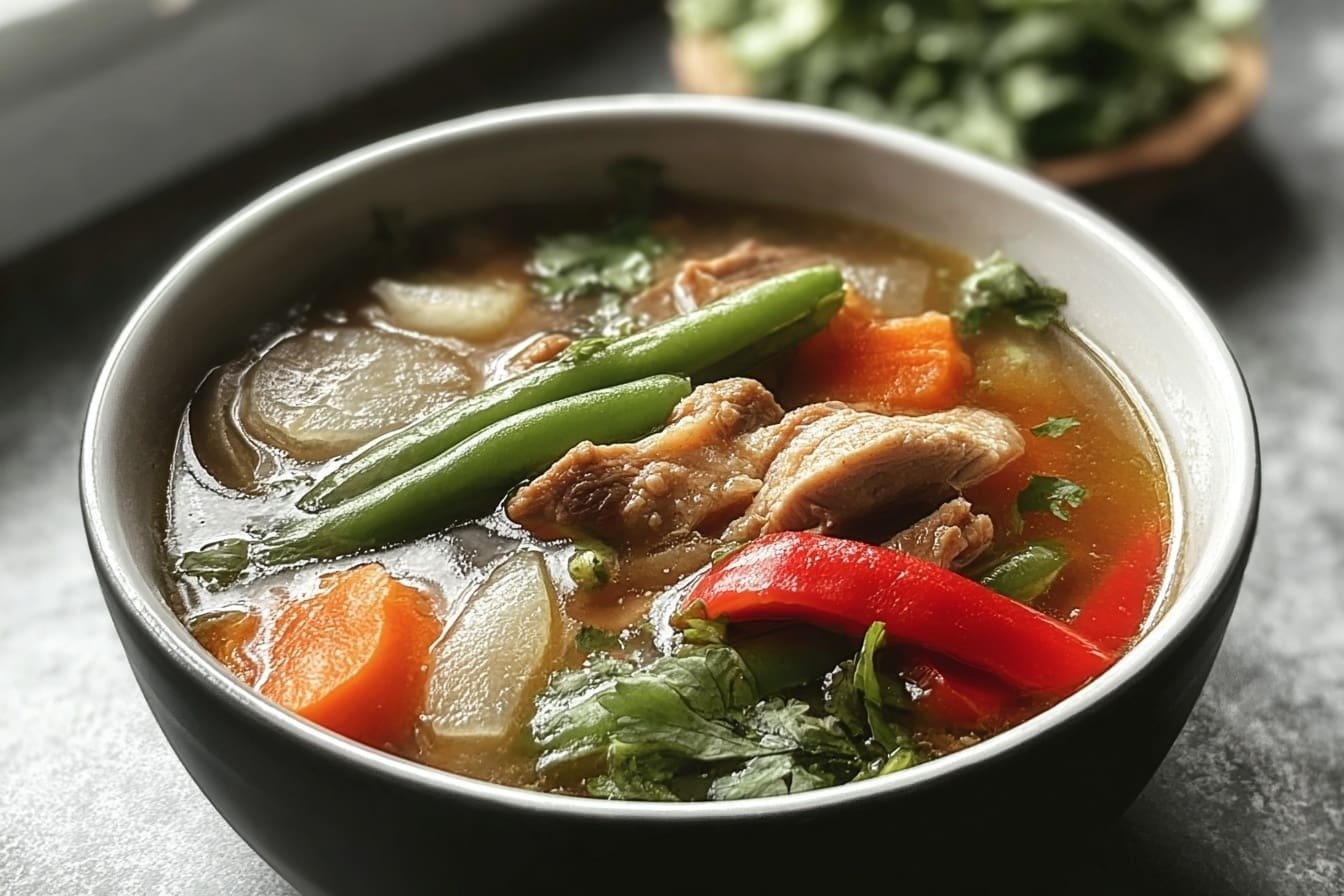
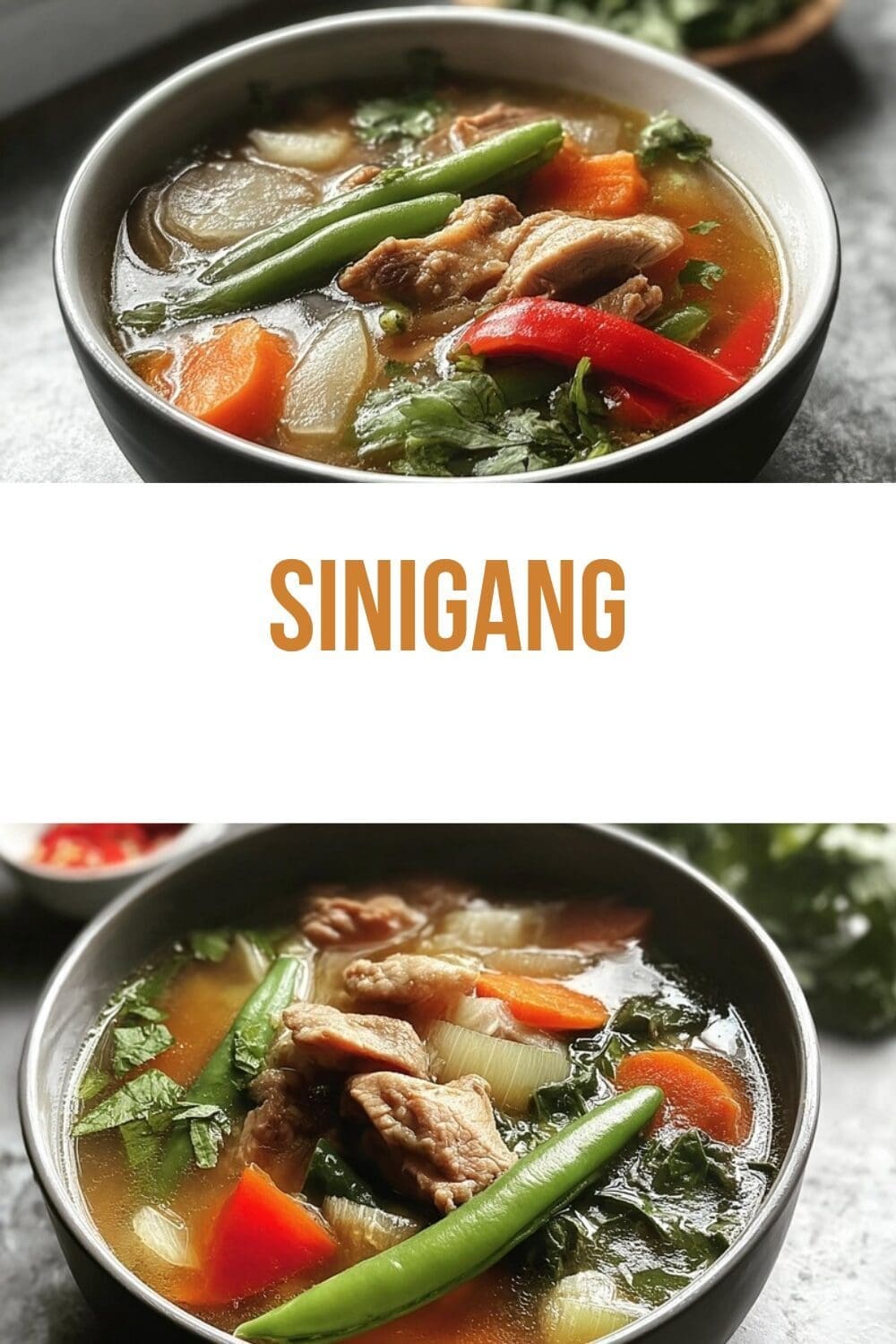
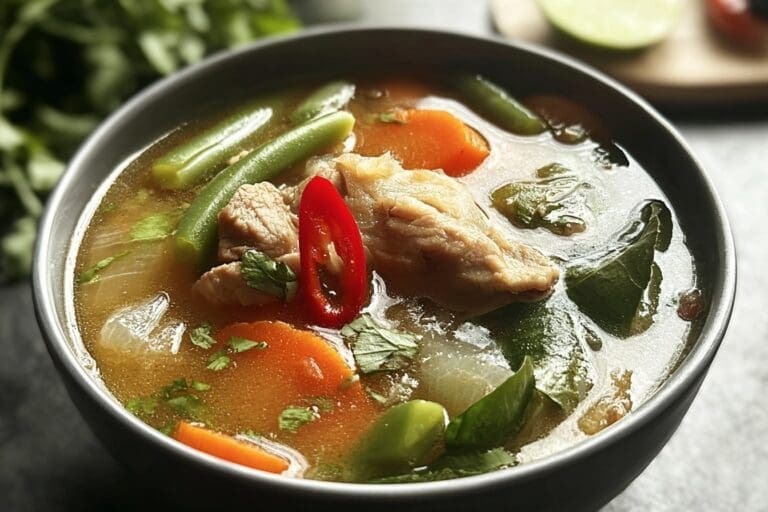
Sinigang is one of those comforting dishes that feels right at home on busy weeknights, rainy afternoons, or family gatherings. This Filipino sour soup brings together tender pork, bright vegetables, and a tangy tamarind broth that wakes up the whole bowl.
- Easy to make: Even though sinigang tastes like it simmered all day, the steps are simple. You make the sour broth, simmer the pork, then add the vegetables in stages so everything stays tender but not mushy.
- Comforting and nourishing: Pork, water spinach, okra, eggplant, tomatoes, beans, and radish make this a hearty meal with protein, fiber, vitamins, and minerals in every serving.
- Flexible for different kitchens: If you do not have every vegetable on hand, sinigang still works well with what you have. You can keep it basic with pork, greens, and a souring agent, or add more vegetables when available.
- Bold, distinct flavor: The sour broth from young tamarind gives Sinigang its signature taste. Fish sauce adds savory depth, while tomatoes and onion round out the broth with natural sweetness.
For many Filipino families, sinigang is the kind of meal that brings people to the table fast because the aroma alone says dinner is ready.
If you enjoy cozy dishes like this, you may also like this slow cooker pulled pork recipe for another hearty family-style meal.
Jump to:
- Why You’ll Love Sinigang
- Essential Ingredients for Sinigang
- Main Ingredients
- Special Dietary Options
- How to Prepare the Perfect Sinigang: Step-by-Step Guide
- First Step: Prepare the tamarind broth
- Second Step: Start the pork soup base
- Third Step: Add the vegetables in layers
- Fourth Step: Finish with water spinach
- Final Step: Serve hot
- Dietary Substitutions to Customize Your Sinigang
- Protein and Main Component Alternatives
- Vegetable, Sauce, and Seasoning Modifications
- Mastering Sinigang: Advanced Tips and Variations
- Pro cooking techniques
- Flavor variations
- Presentation tips
- Make-ahead options
- How to Store Sinigang: Best Practices
- Refrigeration
- Freezing
- Reheating
- Meal prep considerations
- FAQs: Frequently Asked Questions About Sinigang
- What is sinigang?
- Where does sinigang come from?
- What fruits make sinigang sour?
- What can I substitute for kangkong in sinigang?
- What pairs well with sinigang?
- Sinigang
- Ingredients
- Instructions
- Last Step:
- Notes
- Nutrition
- Did you make this recipe?
Essential Ingredients for Sinigang
This Sinigang recipe uses classic ingredients that build the soup’s signature balance of sour, savory, and fresh flavors. Keep the ingredients grouped and ready before you start cooking, since the vegetables are added in stages.
Main Ingredients
- 2 lbs. pork belly – rich, tender meat that gives the broth body and flavor
- 1 lb. young tamarind – the main souring ingredient for the broth
- 2 quarts water – used to simmer the tamarind and create the sour base
- 1 onion – adds sweetness and depth to the soup
- 2 pieces tomatoes, sliced into wedges – bring brightness and a little natural tang
- 1 bunch water spinach, chopped – leaves and stalks add freshness and color
- 8 pieces string beans, cut into 2-inch pieces – add crunch and a clean green flavor
- 2 pieces Chinese eggplant, sliced – softens beautifully in the broth
- 1 medium daikon radish, optional – adds mild sweetness and a tender bite
- 8 pieces okra – thickens the broth slightly and adds a classic texture
- 2 pieces long green peppers – add mild heat and aroma
- Fish sauce, to taste – seasons the broth with salty umami depth
- Ground black pepper, to taste – finishes the soup with gentle warmth
Special Dietary Options
- Vegan: Use mushrooms, tofu, or tempeh instead of pork, then season with vegetable broth and tamarind for the sour base.
- Gluten-free: This dish is naturally gluten-free when you use pure fish sauce and verify all packaged ingredients.
- Low-calorie: Use a leaner cut of pork shoulder or reduce the pork amount and add more vegetables and broth.
For a little background on the main ingredients, you can read about the nutrition benefits of pork and also check the health benefits of tamarind for more insight into what makes this soup so satisfying.
How to Prepare the Perfect Sinigang: Step-by-Step Guide
Making Sinigang is all about layering flavor. The sour broth comes first, then the pork simmers until tender, and the vegetables go in at the right time so they keep their texture. The whole dish takes about 10 minutes of prep time and 1 hour of cooking time.
First Step: Prepare the tamarind broth
Place 1 lb. young tamarind in a pot with 2 quarts water. Bring it to a boil and cook for about 40 minutes to pull out the sour flavor. Stir occasionally so the tamarind softens well and the broth develops a strong tang.
Once the tamarind is very soft, strain the liquid into another pot. Squeeze the tamarind pulp to get every bit of juice and sourness into the broth. This step gives Sinigang its true flavor, so take your time here.
Second Step: Start the pork soup base
Bring the tamarind broth back to a boil. Add 1 onion, 2 lbs. pork belly, and half of the tomatoes cut into wedges. Lower the heat and let the soup simmer covered for about 1 hour.
As the pork cooks, skim off any scum that rises to the top. Season the broth with fish sauce as it simmers. If you prefer a softer, richer result, let the meat cook a little longer until it becomes fork-tender. A good cut of pork belly or pork shoulder works well here.
Tip: Slow simmering is what gives Sinigang its deep, comforting taste. Rushing this stage can leave the pork tough and the broth flat.
Third Step: Add the vegetables in layers
Once the pork is tender, add 1 medium daikon radish if you are using it, along with 2 pieces Chinese eggplant sliced. Cook for about 5 minutes. The radish should soften slightly, and the eggplant should begin to turn silky.
Next, add 2 pieces long green peppers, 8 pieces string beans cut into 2-inch pieces, the remaining tomatoes, and 8 pieces okra. Cook for another 3 minutes. This keeps the vegetables bright and just tender.
Fourth Step: Finish with water spinach
Stir in the chopped stalks from the water spinach. Taste the broth and adjust with more fish sauce and a little ground black pepper if needed. Cook for about 2 minutes.
Then add the water spinach leaves, cover the pot, turn off the heat, and let the residual heat finish cooking the greens for 3 to 5 minutes. This keeps the leaves vibrant and soft instead of overcooked.
Final Step: Serve hot
Ladle the Sinigang into bowls and serve right away while the broth is hot and fragrant. It is best with steamed white rice, which soaks up the sour soup beautifully. The finished dish should taste balanced, savory, and bright, with tender pork and vegetables in every bite.
| Step | Time | What to Look For |
|---|---|---|
| Simmer tamarind | 40 minutes | Broth turns sour and aromatic |
| Cook pork with onion and tomatoes | 1 hour | Pork becomes tender and broth gets rich |
| Add radish and eggplant | 5 minutes | Vegetables soften but keep shape |
| Add beans, okra, peppers, and tomatoes | 3 minutes | Fresh vegetables stay bright |
| Finish with water spinach | 3 to 5 minutes | Greens stay tender and vibrant |
If you like practical one-pot meals, you may also enjoy this loaded mashed potato casserole for another comforting dish that feeds a crowd.
Dietary Substitutions to Customize Your Sinigang
Protein and Main Component Alternatives
The classic version of Sinigang uses pork belly, but you can make it work with other proteins too. Pork shoulder is a great option if you want something a little leaner but still tender after simmering. If you are cooking for different preferences, you can also use shrimp, fish, chicken, or tofu.
For a plant-based version, start with vegetable broth or water, then add mushrooms or tofu for body. Tamarind remains the key souring agent, so the dish still tastes like sinigang even without meat. If you want a lighter bowl, reduce the pork and increase the greens and radish.
Vegetable, Sauce, and Seasoning Modifications
Sinigang is very forgiving when it comes to vegetables. If you do not have water spinach, use spinach, bok choy, pak choi, watercress, or baby kale. You can also add cabbage, green beans, or snow peas for extra texture.
For the sour broth, fresh young tamarind gives the most traditional result, but tamarind powder or seasoning packets can work in a pinch. If you want a gentler sour taste, start with less and add more near the end. Fish sauce gives the broth its salty depth, but a gluten-free version should still be checked carefully for labels.
- More vegetables: Add cabbage, spinach, or mustard greens
- Less pork: Use smaller pork pieces and more broth
- Milder sourness: Reduce tamarind slightly
- Extra heat: Add more long green peppers or serve with chili on the side
Mastering Sinigang: Advanced Tips and Variations
Once you have made Sinigang a few times, small adjustments can make a big difference. The broth should taste lively, the pork should be tender, and the vegetables should look fresh, not faded. That balance is what keeps people going back for another bowl.
Pro cooking techniques
Choose good-quality pork belly or pork shoulder so the meat stays tender after simmering. A slow simmer of 60 to 90 minutes gives the best texture and the richest broth. If too much fat rises to the surface, spoon some off, but leave a little behind for flavor.
Adding onion and tomatoes early helps build a deeper base. If you are short on time, a slow cooker can help. Just add the pork, tamarind broth, onion, and tomatoes first, then stir in the water spinach near the end so it stays fresh.
Flavor variations
Traditional sinigang uses young tamarind, but you can also mix in other sour fruits like guava or kamias if that is what you have. Some cooks like a little more pepper for warmth, while others prefer a brighter broth with extra tomatoes. Fish sauce is the key seasoning for savory depth, so add it a little at a time.
Presentation tips
Serve Sinigang in deep bowls so the broth and vegetables stay together. Place a few pieces of pork near the top, then spoon in the vegetables for a colorful finish. A small side dish of fish sauce and chili can be set on the table for anyone who wants extra punch.
Make-ahead options
You can simmer the pork and broth ahead of time, then refrigerate it until needed. When you are ready to serve, reheat the soup and add the vegetables toward the end. This makes sinigang a useful choice for family meals, potlucks, or church gatherings where timing matters.
How to Store Sinigang: Best Practices
Leftover Sinigang keeps well if you store it the right way. Because the vegetables can soften over time, many cooks prefer to keep the broth and vegetables together only for short-term storage.
Refrigeration
Let the soup cool a bit, then transfer it to an airtight container. Store it in the refrigerator for up to 3 to 4 days. If you can, keep the broth and vegetables in the same container, but know that the greens may soften more by the next day.
Freezing
For longer storage, freeze the broth and pork in a freezer-safe container for up to 2 months. Vegetables like water spinach, okra, and eggplant may change texture after freezing, so it is often better to add fresh vegetables after reheating if possible.
Reheating
Warm sinigang gently on the stove over medium heat until hot. If the broth tastes a little flat after chilling, add a splash of fish sauce or a bit more tamarind to wake it back up. Avoid boiling too hard, since that can make the vegetables break apart.
Meal prep considerations
If you are cooking for the week, make the broth and pork ahead of time, then keep vegetables chopped and ready in separate containers. This saves time and helps you serve fresh, colorful bowls later in the week.
FAQs: Frequently Asked Questions About Sinigang
What is sinigang?
Sinigang is a popular Filipino soup or stew known for its tangy, sour broth made from tamarind or other sour fruits. It typically features proteins like pork, beef, fish, shrimp, or chicken simmered with vegetables such as eggplant, okra, radish, green beans, kangkong (water spinach), tomatoes, and onions. The dish gets its name from the Tagalog word “siging,” meaning to stew or cook in sour broth. It’s hearty, comforting, and served hot with rice. Common variations include sinigang na baboy (pork), sinigang na hipon (shrimp), and sinigang na bangus (milkfish). This one-pot meal is quick to prepare, taking about 30-45 minutes, and is a staple in Filipino households for its balance of savory, sour, and slightly spicy flavors. (92 words)
Where does sinigang come from?
Sinigang originates from the Philippines, where it’s a beloved native dish rooted in Tagalog cuisine. The name derives from the verb “siging,” meaning to stew in sour ingredients. It’s been a part of Filipino cooking for centuries, with regional variations across the archipelago—like using local sour fruits in different provinces. While pre-colonial Filipinos used native ingredients like kamias (bilimbi) for sourness, Spanish influence introduced tamarind. Today, it’s enjoyed nationwide and by Filipino communities worldwide. Sinigang reflects the country’s tropical abundance and simple, flavorful home cooking traditions. Pair it with rice for an authentic meal. (98 words)
What fruits make sinigang sour?
Sinigang’s signature sour taste comes from natural fruits like young tamarind (sampalok), which is boiled to extract its juice; guava (bayabas); bilimbi or kamias; unripe green mango; pineapple; and santol (cotton fruit). Tamarind pods are the most common—simmer 10-15 pods in water for 10 minutes, strain, and add to the pot. For convenience, use tamarind seasoning packets or powder (1-2 packets per liter of broth). Fresh fruits give the best flavor; adjust amounts based on desired tartness. These keep the dish healthy and free from artificial additives. Experiment with combinations for your preferred sour level. (102 words)
What can I substitute for kangkong in sinigang?
Kangkong (water spinach) adds a tender, earthy texture to sinigang, but good substitutes include spinach, bok choy, pak choi, watercress, or baby kale—these wilt similarly and stay vibrant. Use equal amounts; add them in the last 2-3 minutes of cooking to avoid over-softening. For a heartier option, try mustard greens or cabbage. If you want more crunch, green beans or snow peas work well. These swaps make sinigang accessible outside the Philippines while maintaining its fresh vegetable balance. Always rinse greens thoroughly. This flexibility helps customize the dish for dietary needs or availability. (96 words)
What pairs well with sinigang?
Sinigang pairs perfectly with steamed white rice to soak up the flavorful broth. A classic condiment is sawsawan made from fish sauce (patis), calamansi juice or lemon, and chopped bird’s eye chili—mix 2 tbsp patis, juice of 1 calamansi, and 1-2 chilies per serving. Crispy tuyo (salted dried herring) or fried daing (marinated fish) adds salty crunch as a side. For drinks, iced calamansi juice or salted sago’t gulaman complements the sourness. Avoid heavy sides; keep it light to highlight the stew. This combination makes a complete, satisfying Filipino meal ready in under an hour. (104 words)
Sinigang
🥣🌿 Sinigang Recipe: Authentic Filipino Sour Soup with Pork tenderizes pork belly in fresh tamarind sour broth mixed veggies – tangy umami refresh!
🍲 70-min one-pot staple: nutrient-dense light comforting, true Filipino home flavor everyone craves!
- Total Time: 1 hour 10 minutes
- Yield: 6 servings
Ingredients
– 2 lbs. pork belly – rich, tender meat that gives the broth body and flavor
– 1 lb. young tamarind – the main souring ingredient for the broth
– 2 quarts water – used to simmer the tamarind and create the sour base
– 1 onion – adds sweetness and depth to the soup
– 2 pieces tomatoes, sliced into wedges – bring brightness and a little natural tang
– 1 bunch water spinach, chopped – leaves and stalks add freshness and color
– 8 pieces string beans, cut into 2-inch pieces – add crunch and a clean green flavor
– 2 pieces Chinese eggplant, sliced – softens beautifully in the broth
– 1 medium daikon radish, optional – adds mild sweetness and a tender bite
– 8 pieces okra – thickens the broth slightly and adds a classic texture
– 2 pieces long green peppers – add mild heat and aroma
– Fish sauce, to taste – seasons the broth with salty umami depth
– Ground black pepper, to taste – finishes the soup with gentle warmth
Instructions
1-First Step: Prepare the tamarind broth Place 1 lb. young tamarind in a pot with 2 quarts water. Bring it to a boil and cook for about 40 minutes to pull out the sour flavor. Stir occasionally so the tamarind softens well and the broth develops a strong tang. Once the tamarind is very soft, strain the liquid into another pot. Squeeze the tamarind pulp to get every bit of juice and sourness into the broth. This step gives Sinigang its true flavor, so take your time here.
2-Second Step: Start the pork soup base Bring the tamarind broth back to a boil. Add 1 onion, 2 lbs. pork belly, and half of the tomatoes cut into wedges. Lower the heat and let the soup simmer covered for about 1 hour. As the pork cooks, skim off any scum that rises to the top. Season the broth with fish sauce as it simmers. If you prefer a softer, richer result, let the meat cook a little longer until it becomes fork-tender. A good cut of pork belly or pork shoulder works well here.
3-Third Step: Add the vegetables in layers Once the pork is tender, add 1 medium daikon radish if you are using it, along with 2 pieces Chinese eggplant sliced. Cook for about 5 minutes. The radish should soften slightly, and the eggplant should begin to turn silky. Next, add 2 pieces long green peppers, 8 pieces string beans cut into 2-inch pieces, the remaining tomatoes, and 8 pieces okra. Cook for another 3 minutes. This keeps the vegetables bright and just tender.
4-Fourth Step: Finish with water spinach Stir in the chopped stalks from the water spinach. Taste the broth and adjust with more fish sauce and a little ground black pepper if needed. Cook for about 2 minutes. Then add the water spinach leaves, cover the pot, turn off the heat, and let the residual heat finish cooking the greens for 3 to 5 minutes. This keeps the leaves vibrant and soft instead of overcooked.
5-Final Step: Serve hot Ladle the Sinigang into bowls and serve right away while the broth is hot and fragrant. It is best with steamed white rice, which soaks up the sour soup beautifully. The finished dish should taste balanced, savory, and bright, with tender pork and vegetables in every bite.
Last Step:
Please leave a rating and comment letting us know how you liked this recipe! This helps our business to thrive and continue providing free, high-quality recipes for you.Notes
🐷 Pork belly/shoulder quality pick – tender juicy!
⏱️ Simmer 60-90 min meat – rich flavorful broth!
🥬 Veggies fresh add last – crisp vibrant!
- Prep Time: 10 minutes
- Cook Time: 1 hour
- Category: Soup
- Method: Stovetop
- Cuisine: Filipino
- Diet: Gluten Free
Nutrition
- Serving Size: 1 serving
- Calories: 1538 kcal
- Sugar: 54g
- Sodium: 175mg
- Fat: 121g
- Saturated Fat: 44g
- Unsaturated Fat: 69g
- Trans Fat: 0g
- Carbohydrates: 91g
- Fiber: 13g
- Protein: 29g
- Cholesterol: 163mg


