

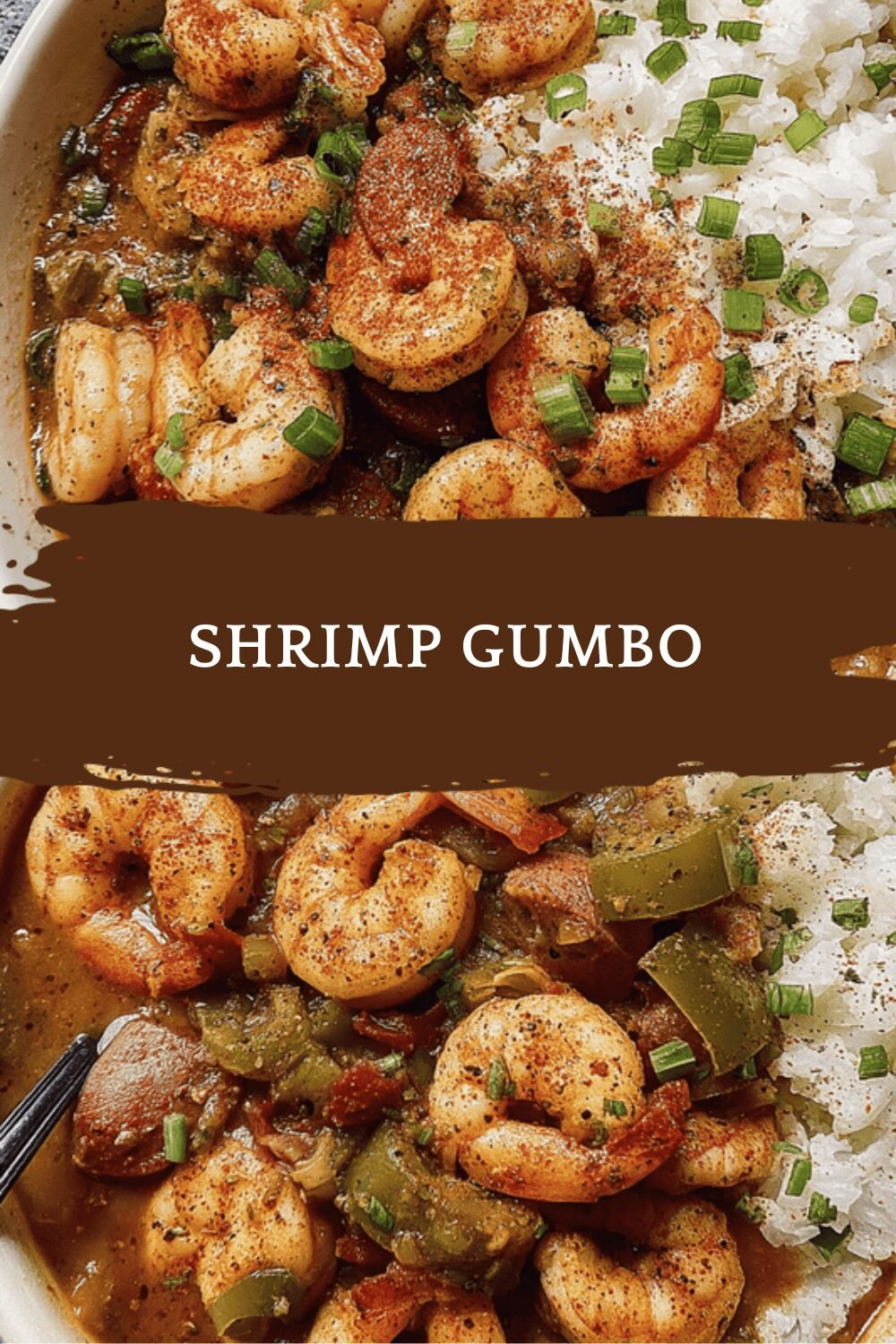
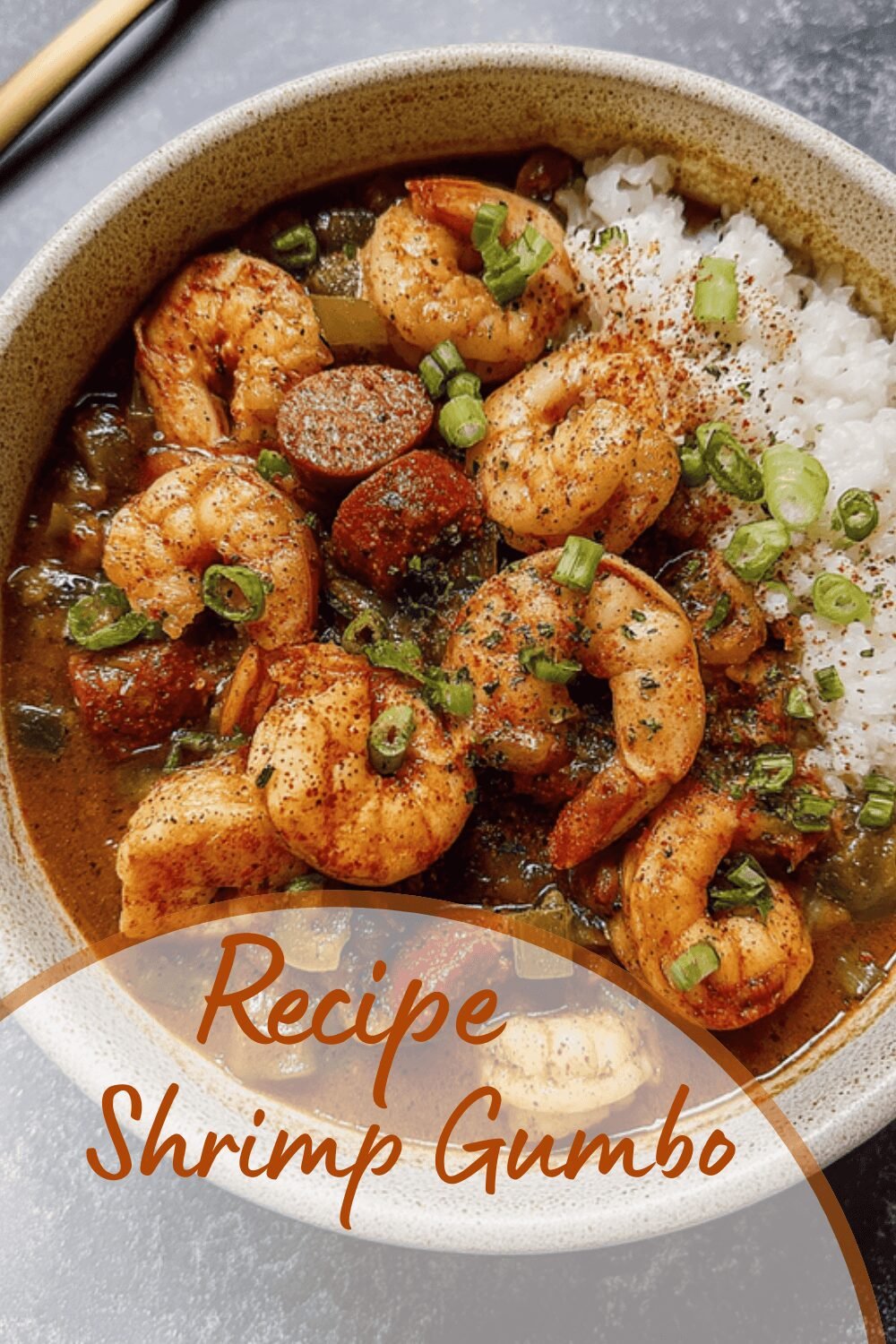
Why You’ll Love This Shrimp Gumbo
- Ease of preparation: This shrimp gumbo recipe is straightforward and approachable, requiring simple ingredients and clear steps. The process involves making a flavorful roux and layering ingredients gradually, making it ideal for busy weeknights or weekend cooking without complicated techniques.
- Health benefits: Loaded with lean shrimp and fresh vegetables like onions, celery, and bell peppers, this gumbo delivers high protein and essential nutrients while being low in saturated fat. It’s a satiating, nourishing dish that promotes wellness and energy.
- Versatility: The recipe is quite flexible, perfectly accommodating gluten-free adaptations with alternative roux thickeners or plant-based seafood substitutes for vegan options. Low-calorie modifications are also possible by adjusting oils and focusing on vegetables.
- Distinctive flavor: Rich in Cajun spices, andouille sausage, and fresh herbs, this gumbo balances smoky, savory, and slightly spicy notes. Its combination of seafood stock, tomatoes, and optional okra or filé powder creates a uniquely satisfying profile that sets it apart from other soups and stews.
Jump to:
- Why You’ll Love This Shrimp Gumbo
- Essential Ingredients for Shrimp Gumbo
- Special Dietary Options
- How to Prepare the Perfect Shrimp Gumbo: Step-by-Step Guide
- First Step: Preparation and Mise en Place
- Second Step: Make the Roux
- Third Step: Cook Vegetables
- Fourth Step: Build the Broth
- Fifth Step: Sauté Okra and Sausages
- Sixth Step: Simmer and Develop Flavor
- Seventh Step: Add Shrimp
- Final Step: Serve and Garnish
- Dietary Substitutions to Customize Your Shrimp Gumbo
- Protein and Main Component Alternatives
- Vegetable, Sauce, and Seasoning Modifications
- Mastering Shrimp Gumbo: Advanced Tips and Variations
- How to Store Shrimp Gumbo: Best Practices
- FAQs: Frequently Asked Questions About Shrimp Gumbo
- What is shrimp gumbo and how is it different from other gumbo recipes?
- How do I make a flavorful roux for shrimp gumbo?
- Can I use frozen shrimp for shrimp gumbo, and how should I prepare it?
- What are some common variations or substitutions for shrimp gumbo ingredients?
- How should leftover shrimp gumbo be stored and reheated safely?
- Shrimp Gumbo
- Ingredients
- Instructions
- Last Step:
- Notes
- Nutrition
- Did you make this recipe?
Essential Ingredients for Shrimp Gumbo
- 1/4 cup (56 g) unsalted butter – forms the roux base with richness and flavor.
- 1/4 cup (60 ml) canola oil, plus 2 tablespoons (30 ml) divided use – essential for darkening the roux and sautéing ingredients.
- 1/2 cup (60 g) all-purpose flour – creates the roux, thickening the gumbo.
- 1 large sweet onion, diced (preferably Vidalia) – adds sweetness and aromatic depth.
- 1 green bell pepper, diced – brings color and mild sweetness.
- 2 celery ribs, chopped – contributes crisp texture and flavor.
- 3 cloves garlic, minced – infuses savory aroma and depth.
- 14.5 oz (411 g) can fire roasted tomatoes or petite diced tomatoes – provide acidity and richness.
- 6 cups (1.4 liters) seafood stock (vegetable stock optional) – forms the flavorful broth.
- 2 bay leaves – impart subtle earthiness.
- 1 teaspoon black pepper – adds mild heat notes.
- 1/2 teaspoon salt – enhances all flavors.
- 1 tablespoon low-salt Creole seasoning – delivers authentic spice blend.
- 1 cup (100 g) fresh okra, sliced (optional) – thickens and adds texture.
- 1 link andouille sausage, sliced – offers smoky, spicy depth.
- 1 link smoked sausage, sliced (pre-cooked) – adds richness and flavor.
- 1 teaspoon liquid shrimp and crab boil seasoning – enhances seafood notes.
- 2 pounds (900 g) shrimp, peeled, deveined, tails removed – main protein, tender seafood flavor.
- 3 green onions, sliced – fresh garnish for brightness.
- Gumbo filé powder (optional) – traditional thickener with a unique flavor, sprinkled at serving.
Special Dietary Options
- Vegan: Use plant-based seafood alternatives or hearty mushrooms instead of shrimp; replace sausage with smoked vegan sausage.
- Gluten-free: Substitute all-purpose flour with gluten-free flour or cornstarch in roux preparation.
- Low-calorie: Use olive oil sparingly or in place of canola oil, increase vegetables, and omit or limit sausage portions.
How to Prepare the Perfect Shrimp Gumbo: Step-by-Step Guide
First Step: Preparation and Mise en Place
Peel, devein, and clean the shrimp, setting them aside chilled. Dice the onion, bell pepper, and celery uniformly to create the classic “holy trinity.” Mince garlic finely. Measure spices, broth, and prepare your sausages by slicing them evenly. Gather all ingredients so cooking proceeds smoothly without interruptions.
Second Step: Make the Roux
In a large heavy-bottomed pot, melt butter over low to medium heat. Add 1/4 cup canola oil. Gradually whisk in the flour, stirring continuously with a wooden spoon or whisk to form a smooth roux. Cook slowly, stirring steadily until it attains a milk chocolate brown color. This process takes patience avoid rushing or high heat to prevent burning and bitterness. The roux is the flavor foundation of your shrimp gumbo.
Third Step: Cook Vegetables
Add diced onion, green bell pepper, and chopped celery to the roux. Stir and cook for about 10 minutes until softened but not browned. Add minced garlic and cook for an additional 2 minutes until fragrant.
Fourth Step: Build the Broth
Pour in the fire roasted tomatoes and half of the seafood stock (3 cups). Add bay leaves, black pepper, salt, and Creole seasoning. Stir well to combine, cover the pot, and simmer gently. This simmers the flavors together and creates a rich base.
Fifth Step: Sauté Okra and Sausages
In a separate skillet, add 2 tablespoons canola oil. Heat over medium and add sliced okra, cooking until soft. Then add the sliced andouille and smoked sausage. Sauté for about 15 minutes, allowing the sausages to caramelize slightly and blend flavors. Pour in reserved seafood stock (remaining 3 cups) to deglaze the pan, scraping up all browned bits for extra flavor. Transfer this mixture back into the gumbo pot.
Sixth Step: Simmer and Develop Flavor
Bring the combined mixture to a boil, then reduce heat to low. Cover and simmer for 45 to 60 minutes to deepen flavors. This slow cooking melds the spices, proteins, and vegetables into a hearty gumbo.
Seventh Step: Add Shrimp
Season shrimp with liquid shrimp and crab boil seasoning. About 10 minutes before serving, stir the shrimp into the gumbo. Cook on low heat, covered, until shrimp turn pink and opaque approximately 10 minutes. Avoid overcooking to keep shrimp tender.
Final Step: Serve and Garnish
Remove bay leaves. Stir in sliced green onions. Serve hot over cooked rice and offer gumbo filé powder on the side for guests to sprinkle according to taste. The filé adds a distinctive slightly smoky texture and flavor.
Dietary Substitutions to Customize Your Shrimp Gumbo
Protein and Main Component Alternatives
- Replace shrimp with diced chicken or sausage for non-seafood versions.
- Use plant-based seafood or mushrooms to create a vegan-friendly gumbo.
- Substitute smoked sausage with vegan sausage or omit for a lighter dish.
Vegetable, Sauce, and Seasoning Modifications
- Swap okra with zucchini or green beans if preferred or out of season.
- Adjust Creole seasoning to reduce or increase spice levels, or substitute with smoked paprika for milder heat and smoky flavor.
- Use low-sodium seafood or vegetable broth to control salt intake.
- Add fresh herbs like thyme or parsley to vary aromatic complexity.
Mastering Shrimp Gumbo: Advanced Tips and Variations
- Pro cooking techniques: Achieve an even, smooth roux by stirring constantly at medium heat and using the right heavy-bottom pan to avoid hot spots and burning.
- Flavor variations: Incorporate crab meat or crawfish tails to enrich the seafood profile or use smoked turkey sausage for subtle flavor changes.
- Presentation tips: Garnish servings with fresh chopped parsley, sliced green onions, and a wedge of lemon for visual appeal and brightness to balance richness.
- Make-ahead options: Prepare the gumbo base in advance and refrigerate or freeze in portions. Add shrimp only at the end to maintain tender texture and freshness when serving.
How to Store Shrimp Gumbo: Best Practices
- Refrigeration: Store cooked shrimp gumbo in airtight containers and consume within 3 to 4 days to ensure freshness and safety.
- Freezing: Freeze gumbo in meal-size containers, leaving space for expansion. Use within 2 to 3 months to retain best flavor.
- Reheating: Thaw frozen gumbo overnight in the refrigerator. Warm gently in a pot over medium heat, stirring often to redistribute flavors and maintain texture.
- Meal prep considerations: Batch cook gumbo and freeze in single-serving containers. Reheat individually, adjusting seasonings as flavors can intensify or mellow after storing.
FAQs: Frequently Asked Questions About Shrimp Gumbo
What is shrimp gumbo and how is it different from other gumbo recipes?
Shrimp gumbo is a classic Creole stew featuring shrimp as the main protein, cooked with a flavorful roux base, the “holy trinity” of vegetables (onions, celery, and bell peppers), and seasonings like thyme and bay leaves. Unlike chicken or sausage gumbo, shrimp gumbo highlights seafood flavors and often includes tomatoes or okra to add texture. The dish is served over rice and is known for its rich, hearty broth and bold spices unique to Louisiana cuisine.
How do I make a flavorful roux for shrimp gumbo?
To make a roux, whisk equal parts flour and oil or butter over medium heat until it reaches a deep golden brown color, about 15-20 minutes. Stir constantly to avoid burning. The darker the roux, the more depth of flavor it adds to the gumbo. This thickening base is essential for the stew’s texture and taste. Be patient and don’t rush the process, as a properly cooked roux creates a rich, nutty undertone.
Can I use frozen shrimp for shrimp gumbo, and how should I prepare it?
Yes, frozen shrimp can be used for shrimp gumbo. Thaw them completely in the refrigerator overnight or under cold running water before cooking. Devein and peel the shrimp (if not already done) for best texture and flavor. Add shrimp near the end of cooking since they cook quickly and overcooking can make them tough. Keep shrimp tender by simmering for only 5-7 minutes once added to the gumbo.
What are some common variations or substitutions for shrimp gumbo ingredients?
Common variations include swapping shrimp for crab, crawfish, or a mix of seafood to suit preference. Andouille sausage can be added for a smoky flavor, or omitted for a lighter dish. Okra and filé powder can be used individually or combined as thickeners. If you prefer a less spicy gumbo, reduce cayenne pepper and hot sauce amounts, or substitute with mild smoked sausage for less heat.
How should leftover shrimp gumbo be stored and reheated safely?
Store cooled shrimp gumbo in an airtight container in the refrigerator for up to three days. Gumbo can also be frozen for up to three months—use freezer-safe containers or bags. When reheating, thaw if frozen and warm on the stovetop over medium heat, stirring occasionally until heated through. Avoid microwaving as it can cause uneven heating. Adding a splash of water or broth while reheating helps maintain the gumbo’s consistency.
Shrimp Gumbo
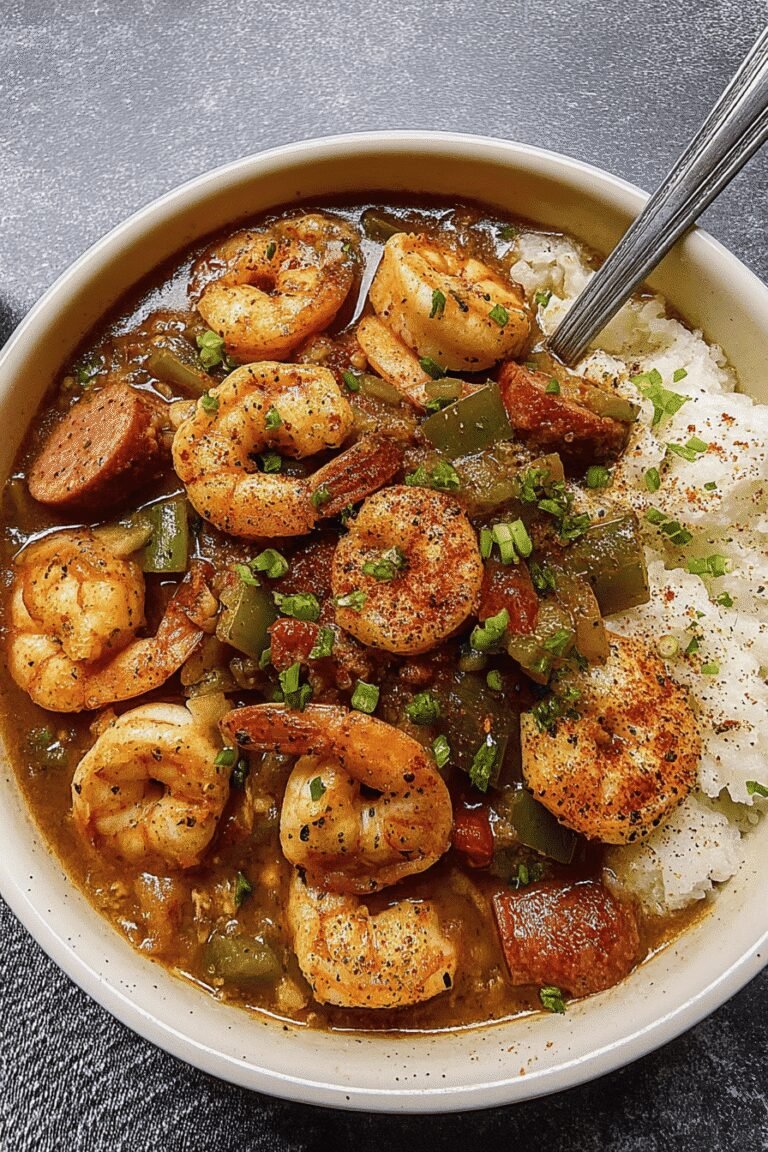
🍤 This Shrimp Gumbo brings a delightful blend of creamy and spicy flavors that dance on your taste buds.
🥘 It’s a hearty dish perfect for warming up on cool days, and it’s loaded with rich Southern flavors.
- Total Time: 1 hour 20 minutes
- Yield: 8 servings
Ingredients
– 1/4 cup unsalted butter for roux base with richness and flavor
– 1/4 cup canola oil plus 2 tablespoons divided use for darkening the roux and sautéing ingredients
– 1/2 cup all-purpose flour for creating the roux
– 1 large sweet onion diced
– 1 green bell pepper diced
– 2 celery ribs chopped
– 3 cloves garlic minced
– 14.5 oz can fire roasted tomatoes or petite diced tomatoes
– 6 cups seafood stock
– 2 bay leaves
– 1 teaspoon black pepper
– 1/2 teaspoon salt
– 1 tablespoon low-salt Creole seasoning
– 1 cup fresh okra sliced optional
– 1 link andouille sausage sliced
– 1 link smoked sausage sliced
– 1 teaspoon liquid shrimp and crab boil seasoning
– 2 pounds shrimp peeled, deveined, tails removed
– 3 green onions sliced
– Gumbo filé powder optional
Instructions
First Step: Preparation and Mise en Place
Peel, devein, and clean the shrimp, setting them aside chilled. Dice the onion, bell pepper, and celery uniformly to create the classic “holy trinity.” Mince garlic finely. Measure spices, broth, and prepare your sausages by slicing them evenly. Gather all ingredients so cooking proceeds smoothly without interruptions.
Second Step: Make the Roux
In a large heavy-bottomed pot, melt butter over low to medium heat. Add 1/4 cup canola oil. Gradually whisk in the flour, stirring continuously with a wooden spoon or whisk to form a smooth roux. Cook slowly, stirring steadily until it attains a milk chocolate brown color. This process takes patience avoid rushing or high heat to prevent burning and bitterness. The roux is the flavor foundation of your shrimp gumbo.
Third Step: Cook Vegetables
Add diced onion, green bell pepper, and chopped celery to the roux. Stir and cook for about 10 minutes until softened but not browned. Add minced garlic and cook for an additional 2 minutes until fragrant.
Fourth Step: Build the Broth
Pour in the fire roasted tomatoes and half of the seafood stock (3 cups). Add bay leaves, black pepper, salt, and Creole seasoning. Stir well to combine, cover the pot, and simmer gently. This simmers the flavors together and creates a rich base.
Fifth Step: Sauté Okra and Sausages
In a separate skillet, add 2 tablespoons canola oil. Heat over medium and add sliced okra, cooking until soft. Then add the sliced andouille and smoked sausage. Sauté for about 15 minutes, allowing the sausages to caramelize slightly and blend flavors. Pour in reserved seafood stock (remaining 3 cups) to deglaze the pan, scraping up all browned bits for extra flavor. Transfer this mixture back into the gumbo pot.
Sixth Step: Simmer and Develop Flavor
Bring the combined mixture to a boil, then reduce heat to low. Cover and simmer for 45 to 60 minutes to deepen flavors. This slow cooking melds the spices, proteins, and vegetables into a hearty gumbo.
Seventh Step: Add Shrimp
Season shrimp with liquid shrimp and crab boil seasoning. About 10 minutes before serving, stir the shrimp into the gumbo. Cook on low heat, covered, until shrimp turn pink and opaque approximately 10 minutes. Avoid overcooking to keep shrimp tender.
Final Step: Serve and Garnish
Remove bay leaves. Stir in sliced green onions. Serve hot over cooked rice and offer gumbo filé powder on the side for guests to sprinkle according to taste. The filé adds a distinctive slightly smoky texture and flavor.
Last Step:
Please leave a rating and comment letting us know how you liked this recipe! This helps our business to thrive and continue providing free, high-quality recipes for you.Notes
🕰️ The roux is crucial; cook it slowly to avoid burning and ensure a rich flavor.
🍤 Add shrimp only near the end of cooking to prevent them from overcooking and becoming tough.
🌿 Filé powder adds a unique taste to gumbo, but taste your gumbo first and let guests add it, as it can be quite strong.
- Prep Time: 20 minutes
- Simmering Time: 45 minutes
- Cook Time: 1 hour
- Category: Main Course
- Method: Simmering
- Cuisine: Southern
- Diet: Pescatarian
Nutrition
- Serving Size: 1 bowl
- Calories: 438
- Sugar: 4g
- Sodium: 1896mg
- Fat: 27g
- Saturated Fat: 9g
- Unsaturated Fat: 18g
- Trans Fat: 0g
- Carbohydrates: 16g
- Fiber: 2g
- Protein: 32g
- Cholesterol: 238mg




Wow! This gumbo is amazing. 🥘 I made it for my family last night, and they couldn’t stop raving about it. The spice level was just perfect. Thanks for sharing such a delightful recipe!