

Why You’ll Love This Self Rising Flour Recipe
Picture this: you reach for self-rising flour in your pantry, but it’s gone. No panic needed with this self rising flour recipe at hand. Home cooks like busy parents and baking enthusiasts save the day by whipping up homemade self-rising flour in minutes. This easy homemade self-rising flour recipe turns basic staples into a baking powerhouse.
- Ease of preparation: Grab three pantry items, mix for under five minutes, and store for months. No special tools required beyond a whisk or sift. This self-rising flour substitute skips store runs, perfect for students or working professionals racing to bake biscuits for potlucks. Quick prep means more time enjoying fresh scones at gatherings.
- Health benefits: Control ingredients to cut sodium or skip additives found in store-bought mixes. Use whole grain flours for fiber boost in your all-purpose flour self-rising version. Diet-conscious individuals appreciate the clean nutrition without preservatives, supporting wellness in every batch of cornbread for church groups.
- Versatility: Adapt this make self-rising flour recipe for biscuits, pancakes, muffins, or cakes. Swap for gluten-free or low-salt needs, fitting newlyweds experimenting or seniors watching intake. Travelers pack small batches for portable bakes that shine at picnics.
- Distinctive flavor: Fresh mix delivers superior lift and tender crumb, outshining pre-packaged options. Balanced salt enhances natural wheat taste in simple self-rising flour for baking, creating fluffy results that draw raves at community events.
| Benefit | Why It Matters | Example Use |
|---|---|---|
| Ease | 5 minutes prep | Potluck biscuits |
| Health | No additives | Low-sodium cornbread |
| Versatility | Diet swaps | GF muffins |
| Flavor | Fresh lift | Picnic pancakes |
This self rising flour recipe fits right into your routine, bringing people together over shared bakes.
Jump to:
- Why You’ll Love This Self Rising Flour Recipe
- Essential Ingredients for Self Rising Flour Recipe
- How to Prepare the Perfect Self Rising Flour Recipe: Step-by-Step Guide
- Protein and Main Component Alternatives
- Vegetable, Sauce, and Seasoning Modifications
- Mastering Self Rising Flour Recipe: Advanced Tips and Variations
- How to Store Self Rising Flour Recipe: Best Practices
- FAQs: Frequently Asked Questions About Self Rising Flour Recipe
- How do you make self-rising flour at home?
- What is self-rising flour and what is it used for?
- Can you substitute self-rising flour for regular flour?
- How long does homemade self-rising flour last?
- What’s the difference between self-rising flour and all-purpose flour?
- Self Rising Flour Recipe
- Ingredients
- Instructions
- Last Step:
- Notes
- Nutrition
- Did you make this recipe?
Essential Ingredients for Self Rising Flour Recipe
Stock your pantry with these basics for a reliable self-rising flour mix. This diy self-rising flour with baking powder uses precise ratios for perfect rise every time. Scale up as needed for batch baking.
Main Ingredients (for 1 cup batch):
- 1 cup all-purpose flour – Forms the base, providing structure and gluten for tender baked goods like biscuits and muffins.
- 1 ½ teaspoons baking powder – Acts as the leavening agent, creating air bubbles for light, fluffy results in quick breads.
- ½ teaspoon salt – Balances flavors, enhances taste, and strengthens dough without overpowering.
Large Batch (for 1 pound or about 3 ¾ cups flour):
- 3 ¾ cups all-purpose flour – Bulk base for frequent bakers stocking up.
- 2 tablespoons baking powder – Scaled leavener for consistent rise.
- 1 tablespoon salt – Proportionate seasoning for even flavor.
Special Dietary Options:
- Vegan: All ingredients are naturally plant-based; no changes needed.
- Gluten-free: Swap all-purpose flour for a 1:1 gluten-free blend and use certified gluten-free baking powder.
- Low-calorie: Use the same mix; benefits shine in lighter recipes by avoiding extra fats in bakes.
Pro tip: Sift before each use for airy texture in your homemade self-rising flour.
These elements make this self-rising flour recipe without buttermilk a staple for food enthusiasts.
How to Prepare the Perfect Self Rising Flour Recipe: Step-by-Step Guide
Follow these clear steps to create your homemade self-rising flour. This how to make self-rising flour at home guide ensures foolproof results for any baker.
First Step: Gather your mise en place
Pull out a large bowl, measuring cups, spoons, whisk or sift, and airtight container. Check expiration dates on baking powder for max lift. Room temperature keeps moisture low. Busy parents love this no-fuss start.
Second Step: Measure the all-purpose flour accurately
Spoon flour into the cup, level with a knife do not pack. For 1 cup batch, use exactly 120 grams if weighing. This prevents dense bakes. For gluten-free, measure your substitute here.
Third Step: Add baking powder and salt
Sprinkle 1 ½ teaspoons baking powder and ½ teaspoon salt over flour. For large batch, use 2 tablespoons powder and 1 tablespoon salt. Low-sodium option: halve the salt.
Fourth Step: Whisk or sift thoroughly
Whisk vigorously 30-60 seconds until no lumps remain. Sifting aerates for lighter mix. Takes 2 minutes max. Vegan or low-cal stays identical.
Fifth Step: Test a small batch
Mix 1 cup flour blend with ½ cup milk and 1 tablespoon butter; drop spoonfuls on a sheet, bake at 450°F for 10 minutes. Check for golden, fluffy rise. Adjust if flat freshen baking powder.
Final Step: Store and label
Transfer to airtight jar, label with date. Ready for pancakes or scones. Use within 6 months for peak performance.
Expand this self rising flour recipe for potlucks: double for 50 biscuits. Common pitfalls? Old baking powder test by floating a teaspoon in hot water; it bubbles if active. For whole wheat variation, replace half flour with whole wheat for nutty flavor in cornbread. Seniors find this gentle on joints, no heavy kneading. Students whip it up dorm-style sans oven test. Pair with fluffy Japanese souffle pancakes for brunch wins. Check this classic self-rising flour guide for more inspo.
Protein and Main Component Alternatives
Swap the main flour for tailored needs. Cake flour lowers protein for delicate cakes use 1:1 ratio. Whole wheat adds nutrition; start with 50/50 blend to retain rise. Bread flour boosts chew in savory scones but reduce by 1 tablespoon per cup for tenderness. Almond flour (gluten-free) at 75% replacement keeps moisture; add extra baking powder. These tweaks make your self-rising flour mix versatile for dietary shifts or taste prefs.
Vegetable, Sauce, and Seasoning Modifications
Though flour-focused, tweak seasonings. Reduce salt to ¼ teaspoon per cup for low-sodium bakes. Add 1 teaspoon sugar per cup for sweet muffins. Garlic powder (½ teaspoon) suits savory like cheese scones. No veggies here, but use in recipes with add-ins like herbs. Seasonal: pumpkin pie spice for fall pancakes. These mods keep your homemade self-rising flour adaptable year-round.
Mastering Self Rising Flour Recipe: Advanced Tips and Variations
- Pro cooking techniques: Double-sift for ultra-light mix. Weigh ingredients for precision 120g flour per cup. Activate baking powder in wet recipes fast.
- Flavor variations: Cornmeal blend (¼ cup per cup) for Southern cornbread. Cocoa powder (2 tbsp) for chocolate cakes. Herb-infused for savory breads.
- Presentation tips: Dust baked goods with powdered sugar. Stack biscuits high for potluck appeal. Garnish pancakes with fruit.
- Make-ahead options: Prep monthly batches. Freeze in portions; thaw overnight. Label for easy grab during gatherings.
Visit King Arthur’s self-rising insights for pro ratios. These tips elevate your diy self-rising flour game for community feasts.
How to Store Self Rising Flour Recipe: Best Practices
- Refrigeration: Airtight container up to 1 year; slows baking powder loss. Ideal for humid areas.
- Freezing: Portion in bags for 18 months; sift post-thaw. Perfect for bulk preppers.
- Reheating: Not needed for mix; for bakes, oven at 350°F revives crispness.
- Meal prep considerations: Batch for weekly bakes; test age before big events.
Keep away from light and odors. Your self-rising flour recipe stays potent for potluck stars.
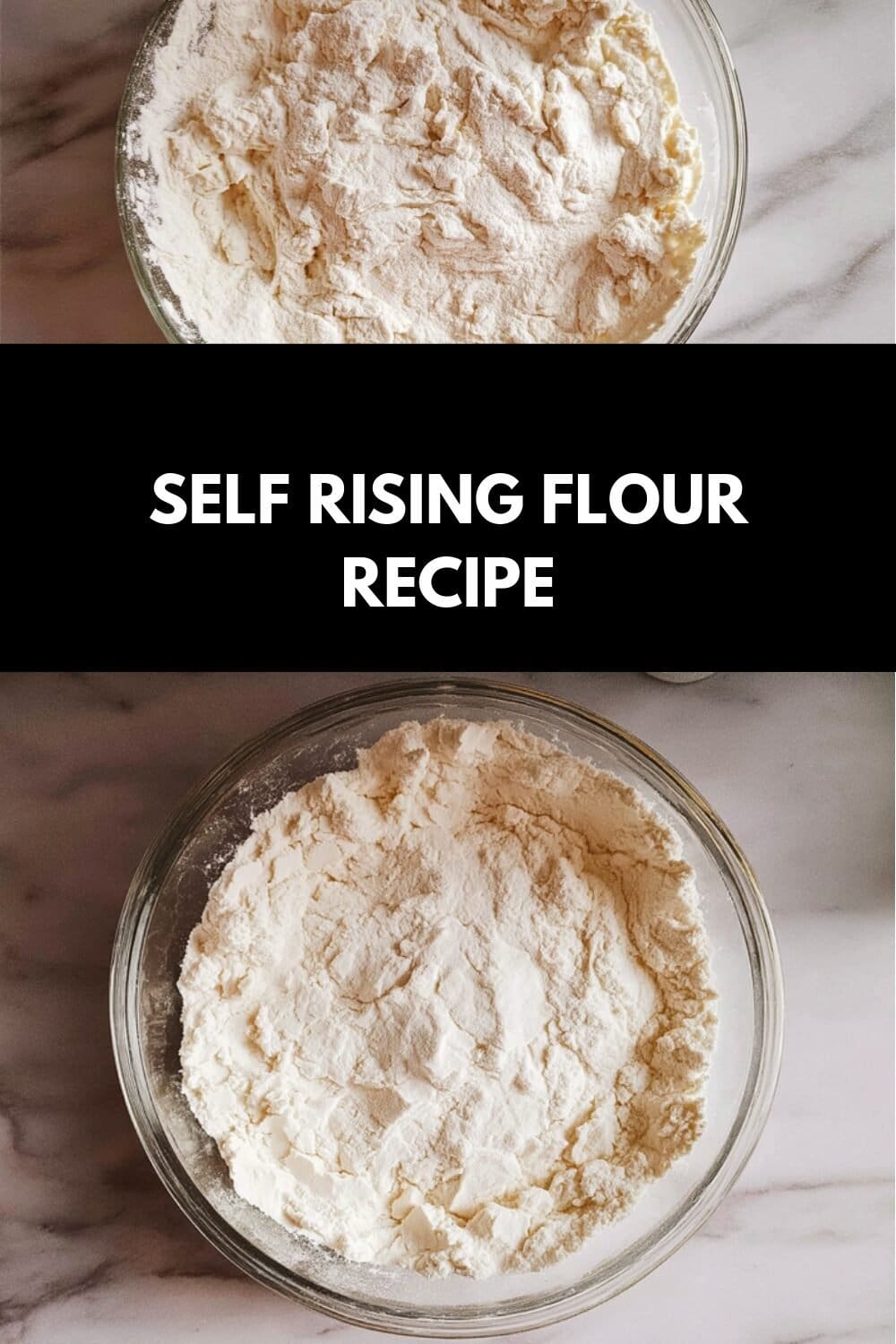
FAQs: Frequently Asked Questions About Self Rising Flour Recipe
How do you make self-rising flour at home?
Making self-rising flour is simple with basic pantry staples. For every 1 cup of all-purpose flour, add 1 ½ teaspoons baking powder and ½ teaspoon salt. Whisk them together in a bowl until evenly combined—no lumps. This mix rises on its own in recipes like biscuits or pancakes. Scale it up: for 1 pound of flour (about 3 ¾ cups), use 2 tablespoons baking powder and 1 tablespoon salt. Store in an airtight container for up to 6 months. Test it by baking a small batch of drop biscuits. Always sift before using to keep it light. This homemade version costs pennies compared to store-bought and avoids additives. (92 words)
What is self-rising flour and what is it used for?
Self-rising flour is all-purpose flour pre-mixed with baking powder and salt, making it ideal for quick breads that need instant lift without extra leaveners. Use it for fluffy biscuits, soft cornbread, light pancakes, muffins, or Southern-style cakes. The baking powder creates bubbles when wet and heated, giving rise. A standard recipe includes about 1.5 tsp baking powder and 0.5 tsp salt per cup of flour. It’s not suited for yeast breads or cookies, where you control rising agents. Check labels—some brands vary slightly in ratios. Homemade lets you adjust salt for low-sodium needs. Perfect for beginners skipping measuring steps. (98 words)
Can you substitute self-rising flour for regular flour?
Yes, but adjust carefully to avoid salty or over-risen baked goods. Replace 1 cup all-purpose flour with 1 cup self-rising flour, then skip any added baking powder or salt in the recipe. For example, in pancake batter, this swap works directly. In yeast doughs like pizza, omit self-rising—its chemicals interfere with yeast. If a recipe calls for 1 tsp baking powder, deduct 1 tsp from self-rising amount and add plain flour. Always measure by weight for accuracy: 120g self-rising equals 120g all-purpose plus leaveners. Test in small batches. This substitution shines in drop cookies or cobblers but flops in pie crusts needing flatness. (102 words)
How long does homemade self-rising flour last?
Homemade self-rising flour stays fresh for 4-6 months in an airtight container at room temperature, away from moisture and heat. Baking powder loses potency over time, so label with the date made. For longer storage, refrigerate up to 1 year or freeze for 18 months—thaw before sifting. Signs it’s bad: no rise in a test biscuit (mix 1 cup flour, ½ cup milk, 1 tbsp butter; bake at 450°F for 10 mins). Flour absorbs odors, so use glass or plastic jars. Refresh old batches by adding fresh baking powder (1.5 tsp per cup). Proper storage keeps your biscuits fluffy every time. (96 words)
What’s the difference between self-rising flour and all-purpose flour?
All-purpose flour is plain, versatile for any recipe needing separate leaveners like baking powder, yeast, or eggs. Self-rising flour has those built-in: typically 1.5 tsp baking powder and 0.5 tsp salt per cup, for quick-rise items only. All-purpose protein (10-12%) suits breads, cakes, and thickening; self-rising does too but adds sodium (about 300mg per cup). Use all-purpose for precision control, like in sourdough. Self-rising speeds up no-fuss baking but can make items too salty or bubbly if overused. Swap ratios as noted earlier. Both are bleached or unbleached—pick based on recipe color needs. Stats: U.S. households bake 300 million biscuits yearly, many with self-rising. (112 words)

Self Rising Flour Recipe
🍞 Whip up your own self-rising flour blend in minutes to ensure fresh leavening for fluffy biscuits, pancakes, or cakes, avoiding the mystery of expired store-bought packets.
🍞 This easy essential empowers home bakers with control over ingredients, saving money and space while delivering consistent rise in Southern classics or quick breads anytime.
- Total Time: 5 minutes
- Yield: 4 cups (equivalent to one standard box)
Ingredients
– 1 cup all-purpose flour Forms the base, providing structure and gluten for tender baked goods like biscuits and muffins.
– 1 ½ teaspoons baking powder Acts as the leavening agent, creating air bubbles for light, fluffy results in quick breads.
– ½ teaspoon salt Balances flavors, enhances taste, and strengthens dough without overpowering.
– 3 ¾ cups all-purpose flour Bulk base for frequent bakers stocking up.
– 2 tablespoons baking powder Scaled leavener for consistent rise.
– 1 tablespoon salt Proportionate seasoning for even flavor.
Instructions
1-First Step: Gather your mise en place Pull out a large bowl, measuring cups, spoons, whisk or sift, and airtight container. Check expiration dates on baking powder for max lift. Room temperature keeps moisture low. Busy parents love this no-fuss start.
2-Second Step: Measure the all-purpose flour accurately Spoon flour into the cup, level with a knife do not pack. For 1 cup batch, use exactly 120 grams if weighing. This prevents dense bakes. For gluten-free, measure your substitute here.
3-Third Step: Add baking powder and salt Sprinkle 1 ½ teaspoons baking powder and ½ teaspoon salt over flour. For large batch, use 2 tablespoons powder and 1 tablespoon salt. Low-sodium option: halve the salt.
4-Fourth Step: Whisk or sift thoroughly Whisk vigorously 30-60 seconds until no lumps remain. Sifting aerates for lighter mix. Takes 2 minutes max. Vegan or low-cal stays identical.
5-Fifth Step: Test a small batch Mix 1 cup flour blend with ½ cup milk and 1 tablespoon butter; drop spoonfuls on a sheet, bake at 450°F for 10 minutes. Check for golden, fluffy rise. Adjust if flat freshen baking powder.
6-Final Step: Store and label Transfer to airtight jar, label with date. Ready for pancakes or scones. Use within 6 months for peak performance.
Last Step:
Please leave a rating and comment letting us know how you liked this recipe! This helps our business to thrive and continue providing free, high-quality recipes for you.Notes
🍞 Always sift or whisk well to prevent clumpy baking powder pockets that could ruin the rise in your bakes.
📦 Label your container with the date mixed to track freshness and replace every 6 months for best results.
🥄 For gluten-free options, start with a 1:1 gluten-free flour blend and adjust baking powder slightly for altitude or humidity.
- Prep Time: 5 minutes
- Cook Time: 0 minutes
- Category: Baking Essential
- Method: Mixing
- Cuisine: American
- Diet: Vegetarian
Nutrition
- Serving Size: 1 cup
- Calories: 400 kcal
- Sugar: 0 g
- Sodium: 700 mg
- Fat: 1 g
- Saturated Fat: 0 g
- Unsaturated Fat: 0.5 g
- Trans Fat: 0 g
- Carbohydrates: 84 g
- Fiber: 3 g
- Protein: 11 g
- Cholesterol: 0 mg


