

Benefits and Advantages of seafood lasagna
Seafood lasagna offers a delightful combination of rich flavors and nutritional benefits that make it an exceptional dish for any occasion. One of the primary advantages is its relatively simple preparation method that combines layers of tender pasta, fresh seafood, creamy sauce, and cheese, appealing to both novice and experienced cooks.
Nutritionally, seafood lasagna is a healthier alternative to traditional meat-based lasagnas. It incorporates lean protein sources like shrimp, crab, and scallops, which are excellent sources of omega-3 fatty acids and essential vitamins that promote heart health and muscle maintenance. These seafood ingredients generally contain fewer calories and saturated fats compared to red meats, contributing to a lighter yet satisfying meal.
This dish also stands out for its versatility. It can be adapted to meet various dietary needs with gluten-free noodles or plant-based alternatives while maintaining a rich, savory profile. The creamy white sauce and mix of cheeses add a luxurious texture and flavor, making seafood lasagna suitable for special family dinners or elegant gatherings.
“A decadent blend of fresh seafood and creamy textures that satisfies both taste buds and health-conscious diners.”
Learn more about the health benefits of seafood to appreciate why this lasagna is a nutritious choice.
Jump to:
- Benefits and Advantages of seafood lasagna
- Essential Ingredients for seafood lasagna
- Dietary Substitutions to Customize Your seafood lasagna
- Gluten-Free Adjustments
- Dairy-Free and Vegan Alternatives
- Lower-Calorie Options
- Seafood Variations
- How to Prepare the Perfect seafood lasagna: Step-by-Step Guide
- Step 1: Prepare the seafood
- Step 2: Make the creamy white sauce
- Step 3: Prepare the ricotta mixture
- Step 4: Assemble the lasagna
- Step 5: Bake and serve
- Mastering seafood lasagna: Advanced Tips and Variations
- Seafood Preparation and Cooking Tips
- Enhancing Sauces and Cheese Layers
- Creative Variations to Customize Flavor
- How to Store seafood lasagna: Best Practices
- Refrigeration
- Freezing
- Reheating Instructions
- Nutritional Value of seafood lasagna
- Macronutrient Overview
- Micronutrients and Other Values
- FAQs: Frequently Asked Questions About seafood lasagna
- How can I prevent seafood lasagna from getting watery?
- What are the best side dishes to serve with seafood lasagna?
- How long can I store leftover seafood lasagna, and how should I reheat it?
- Can I freeze seafood lasagna before baking, and how should I cook it?
- Is it necessary to use heavy cream in seafood lasagna sauce, or are there alternatives?
- Seafood Lasagna Recipe with Crab, Lobster, and Creamy Sauce
- Ingredients
- Instructions
- Last Step:
- Notes
- Nutrition
- Did you make this recipe?
Essential Ingredients for seafood lasagna
To create a flavorful and traditional seafood lasagna, gather the following ingredients with precise measurements for best results:
- 9 cooked lasagna noodles (or 12 cooked noodles if preferred)
- 1 green onion, finely chopped (optional, for garnish)
- 2 tablespoons canola oil
- 2 tablespoons plus 1/2 cup butter, divided
- 1/2 cup chicken broth
- 1 bottle (8 ounces) clam juice or 18 ounces canned clam chowder
- 1 pound bay scallops (fresh or thawed if frozen)
- 1 pound uncooked shrimp, peeled and deveined (cut in half if large for even cooking)
- 1 pound crab meat or imitation crabmeat, chopped
- 1/4 teaspoon white pepper, divided (can substitute black pepper if preferred)
- 1/2 cup all-purpose flour (or 1/4 cup plus 1 tablespoon, depending on recipe variations)
- 1 1/2 to 3 cups 2% milk (or whole milk)
- 1/2 teaspoon salt, divided
- 1 cup heavy whipping cream (plus optional extra 1/2 cup for saucier texture)
- 1/2 cup shredded Parmesan cheese, divided (total 2 to 2 1/2 cups Parmesan and mozzarella combined)
- 1 1/2 to 2 cups shredded mozzarella cheese
- 1 package (15-16 ounces) ricotta cheese
- 1 egg
- 2 teaspoons minced garlic
- 1/2 cup fresh chopped parsley
- 3 tablespoons lemon juice (optional, for added brightness)
Each component works harmoniously to build layers of flavor and texture: noodles provide structure, seafood adds protein and richness, cheeses contribute creaminess, and the béchamel-style white sauce ties everything together.
| Ingredient | Purpose in Recipe |
|---|---|
| Lasagna noodles | Form the structural layers |
| Seafood (scallops, shrimp, crab) | Provide lean protein and varied textures |
| Butter, canola oil | Fat for sautéing and sauce base |
| Milk, cream | Base for the creamy white sauce |
| Flour | Thickener for the white sauce (roux) |
| Ricotta, mozzarella, Parmesan | Cheese layers for creaminess and flavor |
| Garlic, green onion, parsley | Flavor enhancers and garnish |

Dietary Substitutions to Customize Your seafood lasagna
Adapting seafood lasagna to fit dietary limitations or personal preferences is straightforward. Here are some substitutions you can make to customize the recipe:
Gluten-Free Adjustments
- Use gluten-free lasagna noodles or no-boil gluten-free varieties to replace regular noodles.
- For a lower-carb option, substitute noodles with thin zucchini slices or eggplant layers.
Dairy-Free and Vegan Alternatives
- Replace butter with dairy-free margarine or oils suitable for cooking.
- Use plant-based milk such as almond or soy milk to make the white sauce.
- Swap ricotta, mozzarella, and Parmesan with almond or soy-based vegan cheeses.
- For vegan seafood alternatives, consider marinated king oyster mushrooms or hearts of palm for a similar texture and umami flavor.
Lower-Calorie Options
- Use reduced-fat cheeses or decrease cheese quantities while increasing herbs and spices for flavor.
- Opt for a lighter white sauce by reducing cream volume or substituting with clam chowder as a flavorful base.
- Incorporate vegetables such as spinach or mushrooms to increase volume and nutrient density without excess calories.
Seafood Variations
- Include other seafood like salmon or white fish for different flavors.
- Try adding a pinch of Old Bay seasoning or cayenne pepper for a touch of heat.
These adaptations ensure that seafood lasagna remains accessible and delicious for various dietary preferences without compromising the dish’s essence.
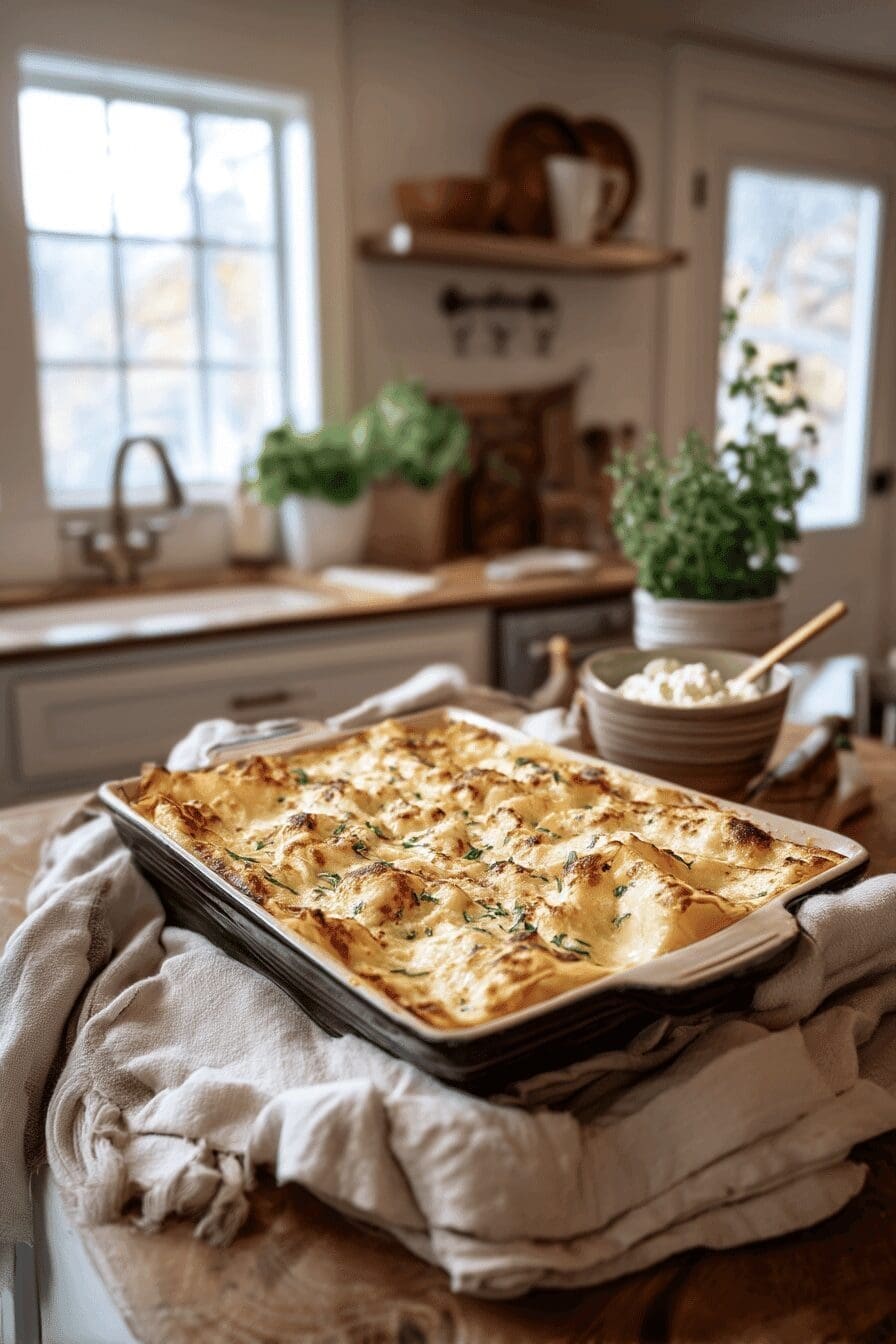
How to Prepare the Perfect seafood lasagna: Step-by-Step Guide
Step 1: Prepare the seafood
In a pan, heat canola oil and 2 tablespoons of butter over medium heat. Sauté the finely chopped green onion until tender. Add chicken broth and clam juice (or clam chowder) and bring to a boil. Add bay scallops, shrimp, crab meat, and 1/8 teaspoon white pepper. Simmer uncovered for 4-5 minutes until the shrimp turn pink and scallops become opaque. Drain the seafood, reserving the cooking liquid for the sauce, and set aside.
Step 2: Make the creamy white sauce
In a saucepan, melt the remaining 1/2 cup butter. Whisk in the flour until smooth to form a roux. Gradually add the reserved seafood cooking liquid mixed with 1 1/2 to 3 cups of milk, whisking constantly to prevent lumps. Season with 1/4 teaspoon salt and remaining white pepper. Bring the mixture to a boil, stirring for 2 minutes until thickened. Remove from heat and stir in heavy whipping cream and 1/4 cup Parmesan cheese. Stir about 3/4 cup of this sauce into the seafood mixture to keep it moist and flavorful.
Step 3: Prepare the ricotta mixture
In a bowl, mix ricotta cheese, egg, minced garlic, chopped parsley, and 1/2 teaspoon salt until well combined.
Step 4: Assemble the lasagna
- Preheat the oven to 350°F (175°C). Grease a 9×13-inch baking dish.
- Spread about 1/2 cup of white sauce on the bottom of the dish.
- Layer 3 lasagna noodles side by side.
- Spread half of the ricotta mixture evenly over the noodles.
- Add half of the seafood mixture on top.
- Pour about 1 1/4 cups of white sauce over the seafood.
- Sprinkle with some shredded mozzarella and Parmesan cheese.
- Repeat the layers once more: noodles, ricotta mixture, seafood, white sauce, and cheeses.
- Top with the remaining noodles, white sauce, and 1/4 cup Parmesan cheese.
Step 5: Bake and serve
Cover the dish with aluminum foil and bake for 30 minutes. Remove the foil and bake uncovered for an additional 10-15 minutes until the top is golden and bubbly. Let the lasagna stand for 10-15 minutes before slicing, allowing it to set for easier serving. Garnish with additional chopped green onions or extra cheese if desired.
Following these clear steps ensures a perfectly cooked seafood lasagna with a creamy, savory taste and balanced layers.
For tips on cooking seafood to perfection, visit this comprehensive guide.
Mastering seafood lasagna: Advanced Tips and Variations
Mastering seafood lasagna involves several key techniques and thoughtful flavor choices to bring out the best in this luxurious dish.
Seafood Preparation and Cooking Tips
- Use fresh, high-quality seafood like shrimp, scallops, and crab for the best texture and flavor.
- Cook seafood lightly to just opaque before layering, as it will continue to cook in the oven, preventing toughness and rubberiness.
- Drain cooked seafood well to avoid excess moisture that can make the lasagna watery.
Enhancing Sauces and Cheese Layers
- Infuse béchamel sauce with fresh herbs such as dill or tarragon for a subtle aromatic lift.
- Substitute part of the milk in the béchamel with a dry white wine for complexity and richness that complements seafood.
- Experiment with cheeses like gruyere or fontina for nuttier, creamier melted layers.
Creative Variations to Customize Flavor
- Add thin layers of smoked salmon for a smoky, luxurious touch.
- For a spicy kick, sprinkle chili flakes or use a spicy tomato sauce in some layers.
- Try Mediterranean twists by incorporating sun-dried tomatoes and olives.
- Or create an Asian-inspired version using ginger, miso paste, and soy-based béchamel sauce.
These tips and variations help you customize your seafood lasagna while maintaining the dish’s creamy richness and delicate flavors.
For instructions on preparing creamy sauces, see Tips for making creamy sauces.
How to Store seafood lasagna: Best Practices
Correct storage is essential to retain the flavor, texture, and safety of seafood lasagna.
Refrigeration
- Let the lasagna cool at room temperature, no longer than two hours.
- Cover tightly with plastic wrap or a sealed airtight lid.
- Stored properly, it stays fresh for 3 to 4 days in the refrigerator.
Freezing
- Freeze the lasagna whole or in individual portions using freezer-safe containers or heavy-duty foil-wrapped pans.
- Seal well to prevent freezer burn and retain moisture.
- Freeze for up to 2 months for best quality.
Reheating Instructions
- For refrigerated lasagna, bake covered at 350°F (175°C) for 20-25 minutes until heated through.
- Remove foil during the last 10-15 minutes to allow the top to brown and become bubbly.
- Avoid microwaving as it can cause uneven heating and dry the creamy layers.
- For frozen lasagna, thaw in the refrigerator overnight before baking or add 20-30 minutes to baking time when cooking from frozen.
| Storage Method | Duration | Key Tips |
|---|---|---|
| Refrigerate | 3-4 days | Cool before covering tightly |
| Freeze | Up to 2 months | Wrap well, freeze in portions or whole |
| Reheat | 20-25 minutes at 350°F | Cover while reheating, remove foil near end |
Nutritional Value of seafood lasagna
Seafood lasagna provides a rich source of nutrients while offering balanced calories suitable for a hearty meal.
Macronutrient Overview
- Calories: Approximately 400-475 kcal per serving.
- Protein: 19-32 grams, mainly from shrimp, scallops, crab, and cheeses, supporting muscle repair and immunity.
- Fat: 22-25 grams, including saturated fats from butter and cheese; contains heart-healthy omega-3 from seafood.
- Carbohydrates: 24-29 grams, from lasagna noodles that provide energy and satiety.
Micronutrients and Other Values
| Nutrient | Amount | Notes |
|---|---|---|
| Cholesterol | 111-146 mg | From seafood and dairy sources |
| Sodium | 600-1500 mg | Varies with broth & cheese seasonings |
| Sugars | 2-3 g | Natural sugars from milk and seafood |
| Fiber | 1 g | Low fiber content, mostly from seafood |
To learn more about the health benefits of seafood, visit this external resource for detailed insights.
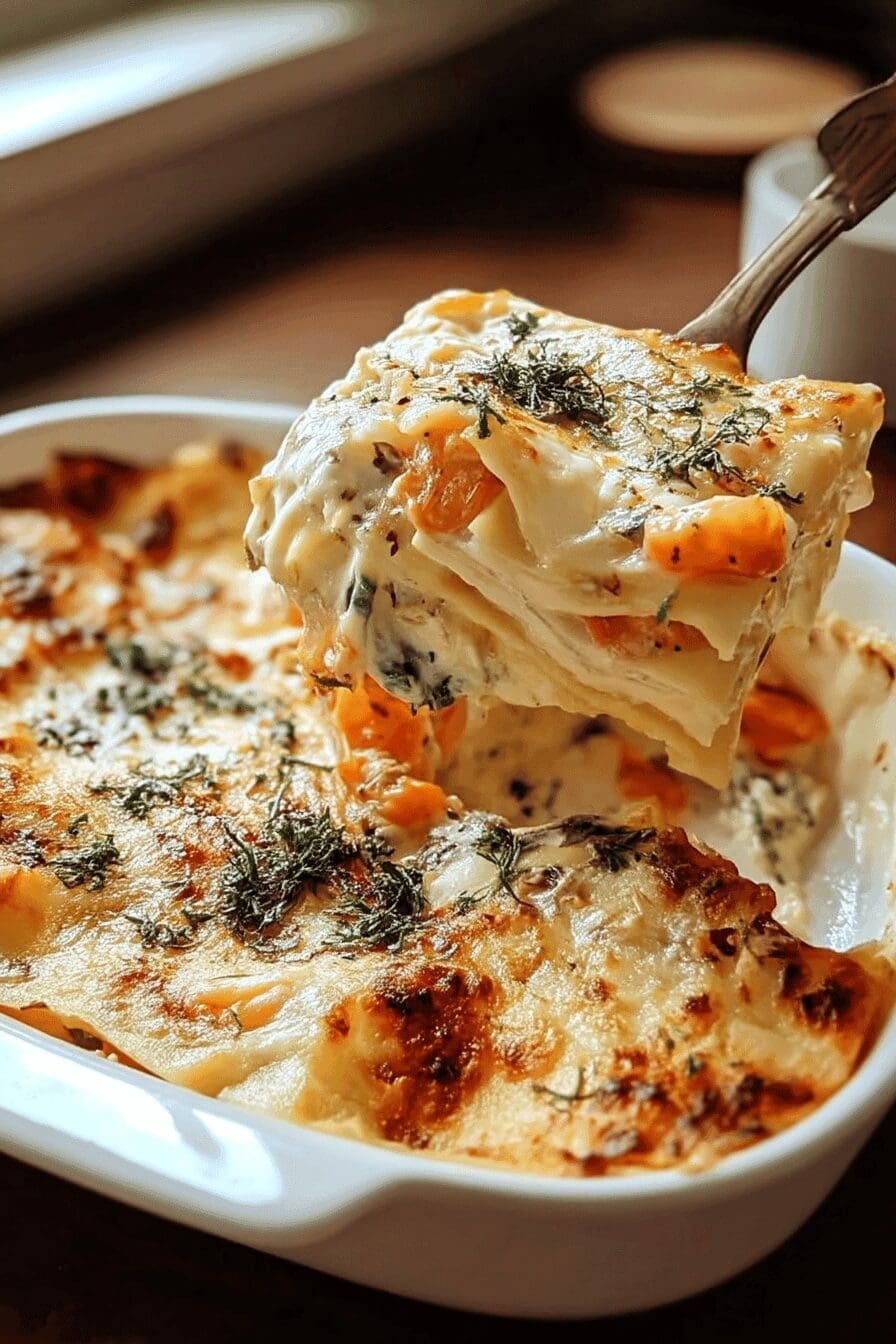
FAQs: Frequently Asked Questions About seafood lasagna
How can I prevent seafood lasagna from getting watery?
To avoid a watery seafood lasagna, cook and drain the seafood well before adding it to the layers. Sautéing the seafood helps release excess moisture. Also, bake the lasagna uncovered during the last 10–15 minutes to let any extra liquid evaporate. Avoid adding overly watery ingredients and use thicker sauces to keep the texture just right.
What are the best side dishes to serve with seafood lasagna?
Seafood lasagna pairs well with light, fresh sides like a crisp mixed green salad or steamed vegetables such as asparagus or green beans. Garlic bread or a crusty baguette complements the creamy texture of the lasagna beautifully. For drinks, a dry white wine like Sauvignon Blanc or Pinot Grigio enhances the seafood flavors.
How long can I store leftover seafood lasagna, and how should I reheat it?
Store leftovers in an airtight container in the refrigerator for up to 5 days. For freezing, wrap tightly or place in a freezer-safe container for up to 3 months. To reheat, bake covered at 350°F until heated through, or microwave individual portions. From frozen, bake at 375°F for about 30–40 minutes until thoroughly cooked.
Can I freeze seafood lasagna before baking, and how should I cook it?
Yes, you can freeze seafood lasagna before baking. Assemble the dish, cover it tightly with foil, and freeze. When ready to cook, bake it at 375°F, adding 20–30 minutes extra to the usual baking time to ensure it’s heated through. Keep it covered with foil for most of the baking time to prevent over-browning.
Is it necessary to use heavy cream in seafood lasagna sauce, or are there alternatives?
Heavy cream gives the sauce a rich texture, but you can substitute it with thickened clam chowder or a mixture of milk and half-and-half for a lighter sauce. If using thick clam chowder, reduce or omit additional cream and adjust seasoning. This option still provides creaminess without making the lasagna overly heavy.

Seafood Lasagna Recipe with Crab, Lobster, and Creamy Sauce
🦀 Indulge in layers of rich, creamy seafood heaven, featuring crab, lobster, and a luscious sauce.
🍽️ Perfect for special occasions or when you’re craving a gourmet experience at home.
- Total Time: 1 hour 20 minutes to 1 hour 40 minutes
- Yield: 8 servings 1x
Ingredients
9 cooked lasagna noodles (or 12 cooked noodles if preferred)
1 green onion, finely chopped (optional, for garnish)
2 tablespoons canola oil
2 tablespoons plus 1/2 cup butter, divided
1/2 cup chicken broth
1 bottle (8 ounces) clam juice or 18 ounces canned clam chowder
1 pound bay scallops (fresh or thawed if frozen)
1 pound uncooked shrimp, peeled and deveined (cut in half if large for even cooking)
1 pound crab meat or imitation crabmeat, chopped
1/4 teaspoon white pepper, divided (can substitute black pepper if preferred)
1/2 cup all-purpose flour (or ¼ cup plus 1 tablespoon, depending on recipe variations)
1 1/2 to 3 cups 2% milk (or whole milk)
1/2 teaspoon salt, divided
1 cup heavy whipping cream (plus optional extra ½ cup for saucier texture)
1/2 cup shredded Parmesan cheese, divided (total 2–2 ½ cups parmesan and mozzarella combined)
1 1/2 to 2 cups shredded mozzarella cheese
1 package (15-16 ounces) ricotta cheese
1 egg
2 teaspoons minced garlic
1/2 cup fresh chopped parsley
3 tablespoons lemon juice (optional, for added brightness)
Instructions
1. Sauté the chopped green onion in canola oil and 2 tablespoons butter until tender. Add chicken broth and clam juice (or clam chowder) and bring to a boil. Add scallops, shrimp, crabmeat, and 1/8 teaspoon white pepper. Simmer uncovered for 4-5 minutes until shrimp are pink and scallops opaque. Drain seafood, reserving cooking liquid, and set aside.
2. In a saucepan, melt remaining 1/2 cup butter. Whisk in flour until smooth to create a roux. Gradually add a mixture of milk and reserved cooking liquid (about 1 1/2 to 3 cups total), whisking constantly to avoid lumps. Season with salt and remaining white pepper. Bring to a boil, stirring for 2 minutes until thickened. Remove from heat and stir in heavy cream and 1/4 cup Parmesan cheese.
3. Stir about 3/4 cup of this white sauce into the seafood mixture for added flavor and moisture.
4. In a separate bowl, combine ricotta cheese, egg, minced garlic, chopped parsley, and 1/2 teaspoon salt.
5. Preheat oven to 350°F (175°C). Grease a 9×13-inch baking dish. Spread about 1/2 cup of white sauce on the bottom. Layer 3 lasagna noodles side by side, spread half the ricotta mixture, half the seafood mixture, and about 1 1/4 cups of white sauce. Sprinkle some shredded mozzarella and Parmesan cheese. Repeat layering once more with noodles, remaining ricotta mixture, seafood mixture, white sauce, and shredded cheeses. Top with remaining noodles, white sauce, and 1/4 cup Parmesan cheese.
6. Cover with foil and bake for 30 minutes. Remove foil and bake uncovered an additional 10-15 minutes until golden and bubbly on top. Let stand for 10-15 minutes before cutting to allow the lasagna to set and prevent runniness. Garnish with chopped green onions or extra cheese if desired.
Last Step:
Please leave a rating and comment letting us know how you liked this recipe! This helps our business to thrive and continue providing free, high-quality recipes for you.Notes
🦞 Cook and drain seafood thoroughly before layering to avoid watery lasagna; reserve broth to enrich the sauce.
🍤 Shrimp are done when they turn pink and curl into a C-shape.
🧀 Use fresh crab meat after cooking shellfish to avoid overcooking.
- Prep Time: 35-60 minutes
- Resting Time: 10-15 minutes
- Cook Time: 35-40 minutes
- Category: Main Course
- Method: Baking
- Cuisine: Italian
- Diet: Pescatarian
Nutrition
- Serving Size: 1 piece
- Calories: 400-475 kcal
- Sugar: 2-3 g
- Sodium: 600-1500 mg
- Fat: 22-25 g
- Saturated Fat: 12-15 g
- Unsaturated Fat: Not specified
- Trans Fat: Not specified
- Carbohydrates: 24-29 g
- Fiber: 1 g
- Protein: 19-32 g
- Cholesterol: 111-146 mg


