

Benefits and Advantages of Scrambled Eggs
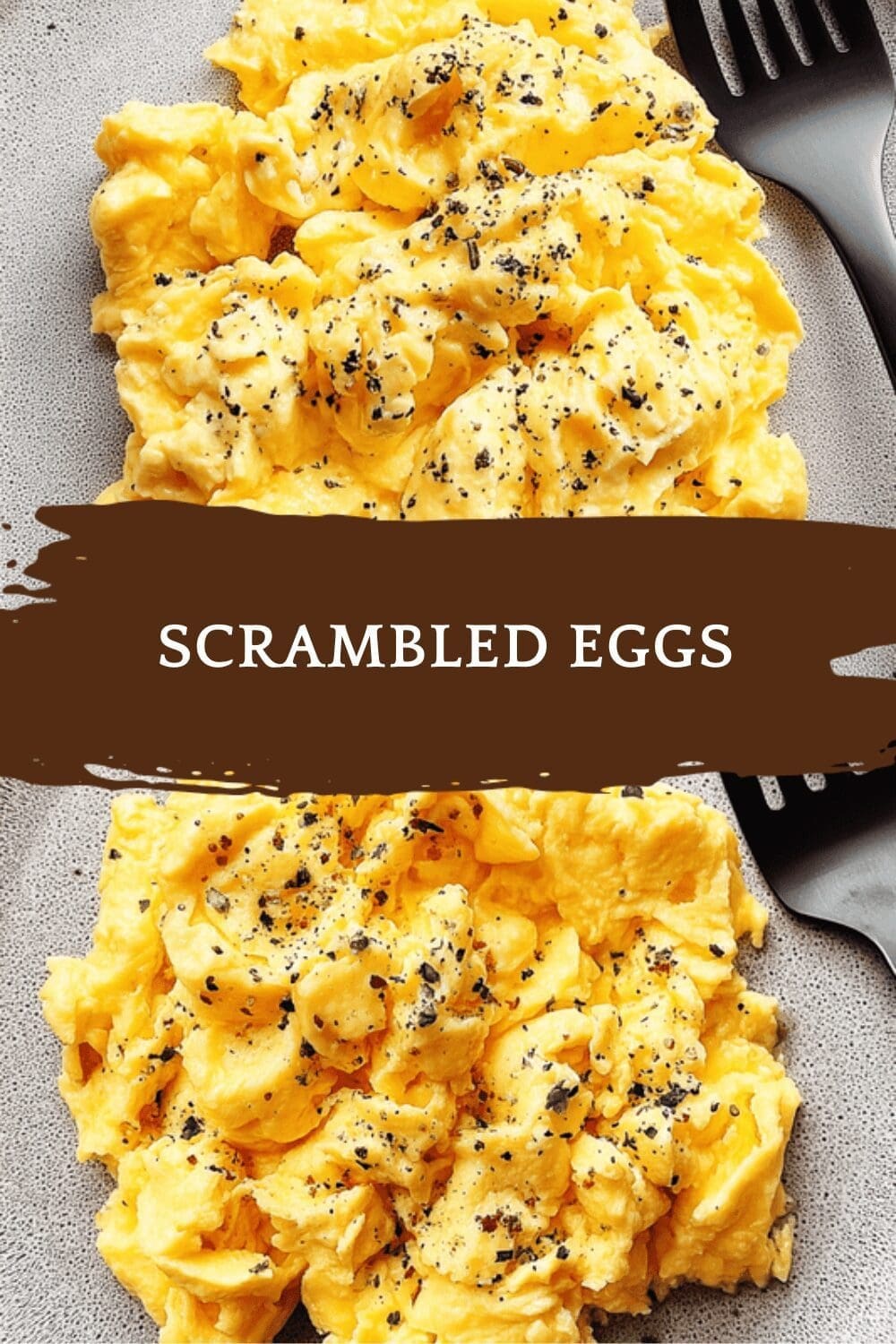
- Ease of preparation: Scrambled eggs are quick and simple to make, requiring minimal ingredients and just a few minutes of cooking, perfect for speedy yet nutritious meals.
- Health benefits: Packed with high-quality protein, essential vitamins, and minerals, scrambled eggs support muscle health, brain function, and overall well-being.
- Versatility: This dish can be customized in countless ways to fit different dietary needs, including adding vegetables, using dairy alternatives, or mixing in herbs and spices.
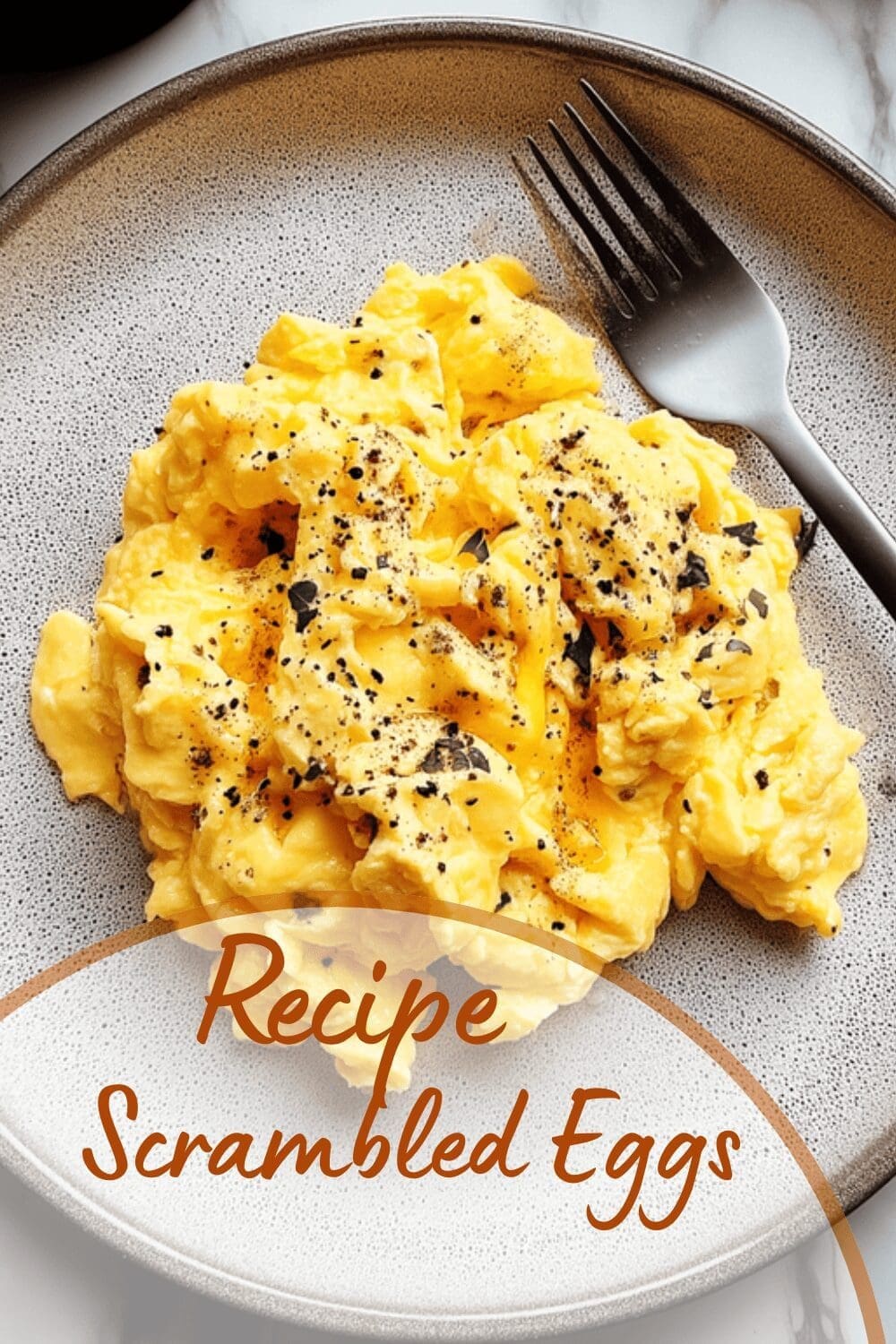
- Distinctive flavor: The creamy texture paired with a slightly fluffy consistency gives scrambled eggs a comforting taste that can be enhanced with various seasonings and mix-ins.
Jump to:
- Benefits and Advantages of Scrambled Eggs
- Essential Ingredients for Scrambled Eggs
- Dietary Substitutions to Customize Your Scrambled Eggs
- Protein and Main Component Alternatives
- Vegetable, Sauce, and Seasoning Modifications
- How to Prepare the Perfect Scrambled Eggs: Step-by-Step Guide
- Mastering Scrambled Eggs: Advanced Tips and Variations
- Professional Cooking Techniques
- Flavor Variations
- Presentation Tips
- Make-Ahead Options
- How to Store Scrambled Eggs: Best Practices
- FAQs: Frequently Asked Questions About Scrambled Eggs
- What ingredients do I need to make soft and creamy scrambled eggs?
- How can I cook scrambled eggs so they stay moist and not dry out?
- When and how should I add cheese or vegetables to scrambled eggs?
- What type of pan and utensil work best for making scrambled eggs?
- How can I safely reheat scrambled eggs without losing their texture?
- Scrambled Eggs
- Ingredients
- Instructions
- Last Step:
- Notes
- Nutrition
- Did you make this recipe?
Essential Ingredients for Scrambled Eggs
- 3 large fresh eggs – provide the protein base.
- About 1 teaspoon milk, plant milk, or water (approximately 5 ml per 3 eggs) – adds creaminess and tenderness.
- 1/2 tablespoon (about 7 g) extra-virgin olive oil or butter – for cooking and richness.
- Sea salt or kosher salt, about 1/8 teaspoon (adjust to taste) – enhances natural egg flavor.
- Freshly ground black pepper, to taste – adds mild heat and depth.
- Optional garnishes: chopped fresh chives or herbs.
- Optional mix-ins: cheese, cooked vegetables, leftover meat, or herbs (add near the end of cooking).
Dietary Substitutions to Customize Your Scrambled Eggs
Protein and Main Component Alternatives
- Use tofu scramble as a vegan substitute to mimic texture and protein content.
- Egg whites or plant-based egg replacers work well for lower cholesterol or vegan diets.
Vegetable, Sauce, and Seasoning Modifications
- Add spinach, bell peppers, or mushrooms for extra nutrients and flavorful variety.
- Customize taste with hot sauce, salsa, or fresh herbs like chives and parsley.
- Opt for low-sodium or sugar-free sauces if needed to maintain a healthier profile.
How to Prepare the Perfect Scrambled Eggs: Step-by-Step Guide
- Mix the eggs: Crack the eggs into a bowl and whisk vigorously with milk or water, salt, and pepper until smooth, uniform, and slightly foamy. Let the mixture rest 5 to 10 minutes to tenderize proteins.
- Heat the pan: Warm a nonstick skillet over medium-low heat and melt the olive oil or butter until hot and bubbly.
- Cook the eggs: Pour in the egg mixture. Let it sit undisturbed for a few seconds, then gently swirl it in small circles with a flexible spatula for about 30 seconds until small curds form.
- Fold gently: Use long sweeping motions to fold the eggs toward the center, forming larger curds. Continue folding and stirring occasionally over medium-low heat, scraping the pan edges to prevent drying.
- Finish off heat: When eggs are mostly set but still moist with glossy spots, remove from heat and let residual heat finish cooking for a few seconds.
- Add mix-ins and serve: Fold in cheese, sautéed vegetables, or cooked meat just before finishing. Garnish with fresh herbs and serve immediately.
| Step | Time |
|---|---|
| Prep (including resting) | 2 to 3 minutes |
| Cooking | 3 to 6 minutes |
| Total | 5 to 9 minutes |
For tips to perfect the texture and flavor of scrambled eggs, check out this guide to cooking perfect scrambled eggs.
Mastering Scrambled Eggs: Advanced Tips and Variations
To achieve perfectly creamy and flavorful scrambled eggs, use these expert techniques and variations:
Professional Cooking Techniques
- Cook scrambled eggs gently over medium-low heat to develop a soft, silky texture without drying out.
- Adding a small splash of cream or milk can increase richness and create fluffier curds.
- Use a flexible silicone spatula to gently fold the eggs rather than vigorously stirring, which preserves tender curd formation.
- Remove the eggs from heat slightly before fully set since residual heat finishes cooking, locking in moisture.
Flavor Variations
- Incorporate spices like smoked paprika or curry powder for subtle warmth and depth.
- Fresh herbs such as dill, basil, chives, or parsley brighten the taste and add complexity.
- Try mix-ins added near the end of cooking like grated cheese, sautéed mushrooms, or diced cooked meats to personalize your scramble.
Presentation Tips
- Plate scrambled eggs with colorful vegetable sides or microgreens to add vibrancy and contrast.
- Finish with a drizzle of infused olive oil or a sprinkle of finishing salt for elegance.
Make-Ahead Options
- Prepare scrambled eggs partially, cool, and refrigerate. Gently reheat by steaming or using a microwave on low to preserve texture and moisture.
How to Store Scrambled Eggs: Best Practices
| Storage Method | Guidelines |
|---|---|
| Refrigeration | Store cooked scrambled eggs in an airtight container in the refrigerator for 3-4 days to maintain freshness and safety. |
| Freezing | Freeze scrambled eggs in portioned containers for extended storage. Note texture may slightly deteriorate on thawing. |
| Reheating | Reheat gently on low heat in a nonstick pan or microwave in short intervals, stirring to maintain moisture and avoid toughness. |
| Meal Prep | Prepare scrambled eggs ahead in batches, store properly to retain quality, and reheat gently for convenience on busy mornings. |
FAQs: Frequently Asked Questions About Scrambled Eggs
What ingredients do I need to make soft and creamy scrambled eggs?
To make soft and creamy scrambled eggs, you need eggs, a small amount of liquid such as milk, plant milk, or water (about one teaspoon per three eggs), and fat like butter or extra-virgin olive oil for cooking. Season with salt and pepper after cooking. These ingredients help create a tender texture and enhance flavor without making the eggs watery or dry.
How can I cook scrambled eggs so they stay moist and not dry out?
Cook scrambled eggs over medium-low heat, stirring gently and frequently with a silicone spatula or wooden spoon to form tender curds. Remove the pan from heat when the eggs are mostly set but still slightly runny, allowing residual heat to finish cooking them. Avoid high heat to prevent rubbery or dry eggs.
When and how should I add cheese or vegetables to scrambled eggs?
Add cheese, vegetables, meats, or herbs near the end of cooking, just long enough to warm them through or melt the cheese gently. Adding mix-ins too early can overcook the eggs or make the vegetables soggy. Alternatively, serve toppings on the side for more control over texture and flavor.
What type of pan and utensil work best for making scrambled eggs?
A small nonstick skillet or a well-seasoned cast iron pan works best to prevent sticking and allow easy stirring. Use a flexible silicone spatula to gently fold and scramble eggs without breaking curds too much, which helps maintain a creamy appearance and texture.
How can I safely reheat scrambled eggs without losing their texture?
To reheat scrambled eggs, melt a little butter in a nonstick pan over low heat, add the eggs, and gently stir until warm. Avoid high heat and microwaving directly to prevent dryness and rubbery texture. Reheating slowly helps eggs stay moist and creamy.

Scrambled Eggs
🍳 Start your day with these creamy and delicious scrambled eggs, providing a rich source of morning protein.
🧈 Perfect for a quick breakfast, these eggs are soft, fluffy, and full of flavor, ensuring a satisfying meal.
- Total Time: 9 minutes
- Yield: 1 serving 1x
Ingredients
3 large fresh eggs
About 1 teaspoon milk, plant milk, or water
1/2 tablespoon extra-virgin olive oil or butter
Sea salt or kosher salt, about 1/8 teaspoon
Freshly ground black pepper, to taste
Optional garnishes: chopped fresh chives or herbs
Optional mix-ins: cheese, cooked vegetables, leftover meat, or herbs
Instructions
Mix the eggs: Crack the eggs into a bowl and whisk vigorously with milk or water, salt, and pepper until smooth, uniform, and slightly foamy. Let the mixture rest 5 to 10 minutes to tenderize proteins.
Heat the pan: Warm a nonstick skillet over medium-low heat and melt the olive oil or butter until hot and bubbly.
Cook the eggs: Pour in the egg mixture. Let it sit undisturbed for a few seconds, then gently swirl it in small circles with a flexible spatula for about 30 seconds until small curds form.
Fold gently: Use long sweeping motions to fold the eggs toward the center, forming larger curds. Continue folding and stirring occasionally over medium-low heat, scraping the pan edges to prevent drying.
Finish off heat: When eggs are mostly set but still moist with glossy spots, remove from heat and let residual heat finish cooking for a few seconds.
Add mix-ins and serve: Fold in cheese, sautéed vegetables, or cooked meat just before finishing. Garnish with fresh herbs and serve immediately.
Last Step:
Please leave a rating and comment letting us know how you liked this recipe! This helps our business to thrive and continue providing free, high-quality recipes for you.Notes
🥚 Use the freshest eggs for the richest flavor and best texture.
🥛 Adding a small amount of milk or water results in extra soft, creamy scrambled eggs.
🔥 Cook over medium-low heat and use gentle stirring to produce tender curds and prevent dryness.
- Prep Time: 3 minutes
- Rest: 5 minutes
- Cook Time: 6 minutes
- Category: Breakfast
- Method: Stovetop
- Cuisine: American
- Diet: Vegetarian
Nutrition
- Serving Size: 1 serving
- Calories: 168-205 kcal
- Sugar: 0-1 g
- Sodium: Varies by salt used
- Fat: 12-16 g
- Saturated Fat: 5-7 g
- Unsaturated Fat: Varies by oil used
- Trans Fat: 0 g
- Carbohydrates: 1-2 g
- Fiber: 0 g
- Protein: 13 g
- Cholesterol: 380-389 mg


I tried this method with a little sprinkle of cheddar cheese and it was divine! 🧀 The trick about low heat was a game-changer for me. Thank you so much for sharing these tips!