

Why You’ll Love This Scrambled Eggs
This scrambled eggs recipe is perfect for busy mornings, offering a simple yet delicious way to start your day. With its ease of preparation, you can have a hearty meal ready in just minutes, making it ideal for beginners or anyone in a hurry. Not only is it packed with high-quality protein that supports muscle repair and boosts energy, but it also uses straightforward ingredients for a nutritious boost to your balanced diet.
Beyond its health benefits, this recipe shines in its versatility, adapting to various dietary needs while keeping the flavor intact. You can easily customize it with add-ins like vegetables or cheese to suit gluten-free, vegetarian, or low-calorie preferences. What makes these scrambled eggs truly stand out is their creamy texture and savory taste, turning a basic dish into something special that everyone will enjoy.
Primary keyword: Scrambled eggs take center stage in home kitchens for good reason, providing a reliable base for creative twists while staying effortless to prepare. Whether you’re serving it at a family gathering or a quick breakfast, it’s a crowd-pleaser that aligns with the blog’s focus on sharing food that brings people together, just like hearty Midwestern casseroles or potluck favorites.
Jump to:
- Why You’ll Love This Scrambled Eggs
- Essential Ingredients for Scrambled Eggs
- How to Prepare the Perfect Scrambled Eggs: Step-by-Step Guide
- Building on the Basics
- Dietary Substitutions to Customize Your Scrambled Eggs
- Exploring Vegetable and Flavor Options
- Mastering Scrambled Eggs: Advanced Tips and Variations
- How to Store Scrambled Eggs: Best Practices
- FAQs: Frequently Asked Questions About Scrambled Eggs
- What ingredients do I need to make basic scrambled eggs?
- How can I make my scrambled eggs creamy and soft?
- What’s the best fat to use when cooking scrambled eggs?
- How long does it usually take to make scrambled eggs from start to finish?
- What are some easy ways to serve scrambled eggs for breakfast?
- Scrambled Eggs
- Ingredients
- Instructions
- Last Step:
- Notes
- Nutrition
- Did you make this recipe?
Essential Ingredients for Scrambled Eggs
Gathering the right ingredients is the first step to achieving fluffy and creamy scrambled eggs. Based on the recipe details, here’s a comprehensive list of everything you’ll need, extracted directly from the provided information. Each item is listed with its precise measurement as specified, ensuring you have exactly what’s required for success.
- Eggs (quantity not specified)
- Milk, plant milk, or water (quantity not specified)
- Extra-virgin olive oil or butter (quantity not specified, used for the pan)
- Salt (quantity not specified)
- Pepper (quantity not specified)
- Optional chopped fresh chives for garnish (quantity not specified)
From the blog’s structure, let’s expand on some main ingredients and options to make it even more adaptable. For instance, if you’re aiming for a more detailed setup, consider including 4 large eggs as a common base, along with 2 tablespoons of milk or cream for added moisture, 1 tablespoon of butter for richness, and salt and pepper to taste. Special dietary options include using tofu or chickpea flour for vegan versions, ensuring all ingredients stay gluten-free by avoiding cross-contamination, or swapping cream with water for a low-calorie twist.
How to Prepare the Perfect Scrambled Eggs: Step-by-Step Guide
Getting scrambled eggs just right starts with simple steps that anyone can follow, even if you’re new to cooking. First, crack the eggs into a bowl and add milk, plant milk, or water, then whisk until smooth with no streaks left. This creates a base that’s creamy and easy to work with, helping you achieve that fluffy texture every time.
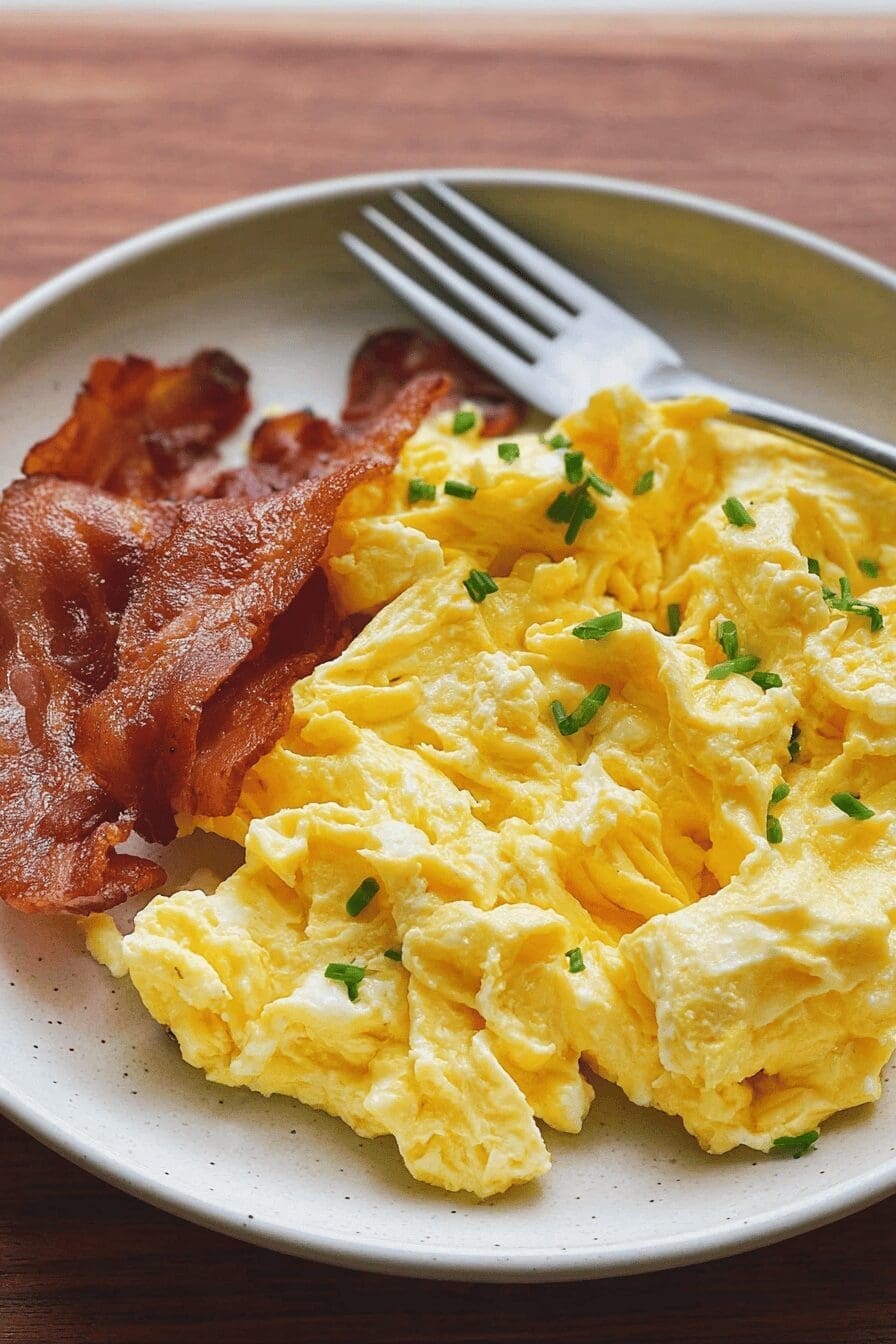
Next, brush a small nonstick skillet with extra-virgin olive oil or melt butter, and warm it over medium heat. Pour in the egg mixture and let it sit for a few seconds without stirring to let the edges set. Use a rubber spatula to gently form large, soft curds by stirring and folding over medium-low heat until the eggs are mostly set but still slightly liquid.
Building on the Basics
Once the eggs begin to come together, continue cooking while adjusting the heat to avoid overcooking. Remove from heat when they’re still a bit runny, then season with salt and pepper for the best flavor. For added variety, garnish with chopped fresh chives if you like, and remember the preparation time is about 2 minutes for prepping and 3 minutes for cooking, totaling around 5 minutes.
This method ties into tips like using the freshest eggs for creamier results and cooking over medium-low heat to prevent drying. From the step-by-step guide in the structure, here’s how it breaks down: First, crack the eggs, add milk or cream, and whisk thoroughly for a uniform mixture. Second, heat the skillet and melt butter to enrich flavor. Third, pour in the eggs and let them cook undisturbed. Fourth, stir gently to form soft curds. Fifth, cook slowly while stirring intermittently. Sixth, season at the end to keep moisture in. Seventh, add any adaptations like vegetables. Finally, remove from heat while slightly runny for the perfect finish. For those looking for complementary dishes, check out our crispy hash browns recipe to pair with your scrambled eggs for a full breakfast.
To learn more about the health aspects, explore egg health benefits that make this recipe a nutritious choice. With practices like frequently stirring and folding, you’ll create tender curds that enhance the overall experience, making it a go-to for busy parents or working professionals.
Dietary Substitutions to Customize Your Scrambled Eggs
Making scrambled eggs fit your dietary needs is simple with a few smart swaps. For protein alternatives, replace eggs with silken tofu or chickpea flour batter for a vegan option, or use just egg whites if you’re watching cholesterol. Store-bought plant-based egg substitutes can also work well for convenience, keeping the dish adaptable without losing its appeal.
Exploring Vegetable and Flavor Options
When it comes to veggies and seasonings, swap in spinach or kale for extra nutrients, or use salsa and herbs like chives and dill to change things up. To cut down on sodium, opt for seasoning salts or fresh herbs instead of regular salt, and choose gluten-free or low-sodium sauces for those restrictions. These modifications, as per the recipe summary, ensure your scrambled eggs remain soft and flavorful, incorporating elements like extra-virgin olive oil for a lighter touch.
From the provided tips, adding a bit of milk or water helps maintain creaminess, and you can enhance with items like smoked paprika or feta cheese for more variety. This section builds on the blog’s community-focused ethos, helping home cooks and diet-conscious individuals create dishes that travel well for gatherings.
Mastering Scrambled Eggs: Advanced Tips and Variations
- Pro cooking techniques involve cooking on low heat to keep eggs creamy and prevent a rubbery texture, with gentle stirring for fine curds.
- Flavor variations include adding smoked paprika, fresh herbs like tarragon, or cheeses such as feta for a unique twist.
- Presentation tips suggest garnishing with chives, microgreens, or black pepper, and serving on toast or with veggies for visual appeal.
- Make-ahead options let you prep the egg mixture ahead and store it in the fridge, cooking fresh in the morning for quick meals.
These advanced strategies build on the recipe’s core directions, like whisking until smooth and cooking until mostly set. To elevate your breakfast game, try our oven-baked bacon recipe as a perfect side. Remember, using fresh eggs and medium-low heat, as highlighted in the tips, ensures tender results every time.
| Technique | Benefit |
|---|---|
| Slow stirring | Creates soft curds and prevents overcooking |
| Adding milk | Enhances creaminess and fluffiness |
| Seasoning at end | Maintains moisture and boosts flavor |
For more inspiration on breakfast variations, check out perfect scrambled eggs techniques from trusted sources. This makes scrambled eggs a staple for food enthusiasts and busy families alike.
How to Store Scrambled Eggs: Best Practices
Proper storage keeps your scrambled eggs fresh and safe for later. Store leftovers in an airtight container in the fridge within two hours of cooking, and eat them within 3-4 days. For longer keeping, freeze portions in freezer-safe bags for up to a month, thawing overnight in the fridge before reheating.
When reheating, use low heat on the stove or medium power in the microwave, stirring to keep the texture soft. For meal prep, cool eggs quickly and divide into small portions for easy meals, tying into the blog’s theme of shareable dishes for community events.
FAQs: Frequently Asked Questions About Scrambled Eggs
What ingredients do I need to make basic scrambled eggs?
To prepare basic scrambled eggs, you will need eggs, a small amount of milk or water for added moisture, butter or olive oil for cooking, and salt and pepper for seasoning. The milk or water helps keep the eggs tender, while butter adds flavor. These simple ingredients are enough to make fluffy, soft scrambled eggs.
How can I make my scrambled eggs creamy and soft?
For creamy scrambled eggs, whisk the eggs thoroughly with a tablespoon of milk or water before cooking. Cook them slowly over medium-low heat in a buttered or oiled pan, stirring gently and frequently to form soft curds. Remove the eggs from heat while they’re still slightly runny since they will continue to cook off the heat, ensuring a creamy texture.
What’s the best fat to use when cooking scrambled eggs?
Both butter and olive oil work well for scrambled eggs. Butter gives eggs a rich, smooth flavor and creamy texture, while olive oil provides a lighter taste and is a good option if you prefer dairy-free cooking. For a balanced flavor, many cooks combine butter and olive oil.
How long does it usually take to make scrambled eggs from start to finish?
Making scrambled eggs typically takes about five minutes in total. Preparing the eggs—cracking and whisking—takes approximately two minutes, then cooking them gently over medium-low heat takes about three minutes. Cooking time can vary slightly depending on your preferred egg consistency.
What are some easy ways to serve scrambled eggs for breakfast?
Scrambled eggs pair well with many breakfast staples. Serve them alongside toast, roasted breakfast potatoes, or fresh fruit for a balanced meal. You can also add toppings like chopped chives, shredded cheese, or avocado. For variety, try serving them in breakfast burritos, tacos, or on English muffins with sautéed vegetables.

Scrambled Eggs
🍳 Enjoy fluffy and creamy scrambled eggs that offer a soft and tender texture perfect for any meal.
🥚 This recipe uses simple ingredients and a gentle cooking method to deliver reliably delicious eggs every time.
- Total Time: 5 minutes
- Yield: 2 servings 1x
Ingredients
4 large eggs
2 tablespoons milk or cream for added moisture
1 tablespoon butter for richness
salt to taste
pepper to taste
tofu for vegan version
chickpea flour for vegan version
water for low-calorie twist
Extra-virgin olive oil or butter for the pan
Optional chopped fresh chives for garnish
Instructions
1-First, crack the eggs into a bowl and add milk, plant milk, or water, then whisk until smooth with no streaks left.
2-Next, brush a small nonstick skillet with extra-virgin olive oil or melt butter, and warm it over medium heat.
3. Pour in the egg mixture and let it sit for a few seconds without stirring to let the edges set.
4. Use a rubber spatula to gently form large, soft curds by stirring and folding over medium-low heat until the eggs are mostly set but still slightly liquid.
5-Once the eggs begin to come together, continue cooking while adjusting the heat to avoid overcooking.
6. Remove from heat when they’re still a bit runny, then season with salt and pepper for the best flavor.
7. For added variety, garnish with chopped fresh chives if you like.
Last Step:
Please leave a rating and comment letting us know how you liked this recipe! This helps our business to thrive and continue providing free, high-quality recipes for you.Notes
🥚 Use the freshest eggs possible for the creamiest texture and best flavor.
💧 Adding a splash of milk, plant milk, or water helps make eggs softer and creamier.
🍳 Cook over medium-low heat and stir frequently to avoid drying out and to create tender curds.
- Prep Time: 2 minutes
- Resting Time: 0 minutes
- Cook Time: 3 minutes
- Category: Breakfast
- Method: Scrambling
- Cuisine: American
- Diet: Vegetarian
Nutrition
- Serving Size: 1 serving
- Calories: 140 (per serving)
- Sugar: 1g
- Sodium: 150mg
- Fat: 10g
- Saturated Fat: 3g
- Unsaturated Fat: 6g
- Trans Fat: 0g
- Carbohydrates: 2g
- Fiber: 0g
- Protein: 9g
- Cholesterol: 210mg


