

Why You’ll Love This Sancocho
- Ease of preparation: This sancocho recipe streamlines a traditionally complex dish into simple, approachable steps that fit even busy home cooks’ schedules. With basic seasoning, straightforward chopping, and patient simmering, you get a dish that almost cooks itself while you attend to other tasks.
- Health benefits: Sancocho combines lean proteins like beef and chicken with a rich variety of nutrient-dense root vegetables and plantains. This provides a balanced intake of protein, fiber, vitamins, and minerals that support energy, digestion, and overall wellness.
- Versatility: The recipe adapts gracefully to diverse dietary needs. Whether you favor pork over beef, prefer chicken thighs, or want a plant-based version with jackfruit or chickpeas, sancocho embraces it. It’s also naturally gluten-free and can be lightened for lower-calorie meals.
- Distinctive flavor: This Caribbean classic stands apart with its hearty medley of seasoned meats, starches, and vibrant vegetables simmered to tender perfection. The blend of sofrito, sazon, and adobo seasonings infuse the broth with layers of savory, earthy, and aromatic notes, creating comfort in every spoonful.
Jump to:
- Why You’ll Love This Sancocho
- Essential Ingredients for Sancocho
- Special Dietary Options
- How to Prepare the Perfect Sancocho: Step-by-Step Guide
- First Step: Prepare Ingredients
- Second Step: Brown the Meats
- Third Step: Add Sofrito and Aromatics
- Fourth Step: Add Vegetables and Broth
- Fifth Step: Simmer and Cook
- Sixth Step: Adjust Texture and Flavor
- Seventh Step: Finish and Serve
- Dietary Substitutions to Customize Your Sancocho
- Protein and Main Component Alternatives
- Vegetable, Sauce, and Seasoning Modifications
- Mastering Sancocho: Advanced Tips and Variations
- How to Store Sancocho: Best Practices
- FAQs: Frequently Asked Questions About Sancocho
- What meats are commonly used in traditional Sancocho?
- Can I prepare Sancocho in a slow cooker, and what should I do differently?
- How long can I store leftover Sancocho, and can I freeze it?
- What are good side dishes to serve with Sancocho?
- Can I use frozen vegetables like plantains and corn in Sancocho, and when should I add them?
- Sancocho
- Ingredients
- Instructions
- Last Step:
- Notes
- Nutrition
- Did you make this recipe?
Essential Ingredients for Sancocho
- 2 tablespoons olive oil – used for browning meats and developing rich flavor.
- 1 pound beef stew meat, cut into 2-inch cubes – provides robust protein and hearty texture.
- 1 pound chicken (thighs or breasts), cut into bite-sized pieces – tender, lean protein complementing the beef.
- 2 teaspoons sazon seasoning – imparts traditional Caribbean flavor and vibrant color.
- 2 teaspoons adobo seasoning – adds savory depth and seasoning balance.
- ½ cup sofrito – a flavorful base with aromatic vegetables and herbs.
- 2 ears of corn, cut into 1-inch rounds – naturally sweet and adds texture.
- 1 green plantain, peeled and sliced into 1-inch rounds – provides subtle sweetness and hearty starch.
- 1 yam or sweet potato, cut into 1-inch chunks – contributes fiber and natural sugars.
- 1 cup baby potatoes – adds creaminess and substance to the stew.
- 1 cup squash (butternut, calabaza, or kabocha), peeled and cubed – offers richness and nutritional variety.
- 8 cups water or broth (preferably chicken or beef broth) – the flavorful cooking liquid.
- Salt and freshly ground pepper, to taste – essential for balancing flavors.
- Optional additions: carrots, yuca, yautía, thyme, cilantro, recao culantro (cilantro ancho), whole allspice (malagueta), red pepper flakes – for enriching flavors and customization.
- Lime juice and pique hot sauce – fresh and spicy garnishes to finish.
Special Dietary Options
- Vegan: Substitute meats with jackfruit, chickpeas, or hearty mushrooms. Use vegetable broth and increase root vegetables for fullness.
- Gluten-free: This recipe is naturally gluten-free; just ensure seasoning blends and broth are gluten-free certified.
- Low-calorie: Use leaner chicken breast, reduce plantains or yams, and lean on seasonal vegetables for lower-calorie versions.
How to Prepare the Perfect Sancocho: Step-by-Step Guide
First Step: Prepare Ingredients
Wash and peel the yams, plantains, squash, and potatoes, cutting them into 1-inch chunks. Chop onions and garlic, slice the corn into rounds, and cut the chicken and beef into bite-sized pieces for even cooking.
Second Step: Brown the Meats
In a large pot, heat the olive oil over medium heat. Add the beef and chicken pieces, seasoning them with salt, pepper, adobo, and sazon. Brown the meat on all sides, stirring occasionally to develop a rich, flavorful crust that will enhance the stew.
Third Step: Add Sofrito and Aromatics
Stir in the sofrito to the pot with the browned meat. Cook until fragrant, about 3 minutes, to release depth of flavor and meld aroma into the meats.
Fourth Step: Add Vegetables and Broth
Add the corn, plantains, yams, baby potatoes, and squash to the pot. Pour in the chicken or beef broth or water, enough to cover the ingredients. Bring the mixture to a boil over high heat.
Fifth Step: Simmer and Cook
Reduce the heat to a gentle simmer, cover the pot, and cook for 30 minutes. Remove the lid and continue simmering for an additional 20 to 45 minutes until the meats are tender and the vegetables are soft but intact.
Sixth Step: Adjust Texture and Flavor
Optionally, blend a portion of the broth with some squash and plantain to thicken the stew, then stir it back into the pot. Add salt, pepper, and any additional seasonings to taste.
Seventh Step: Finish and Serve
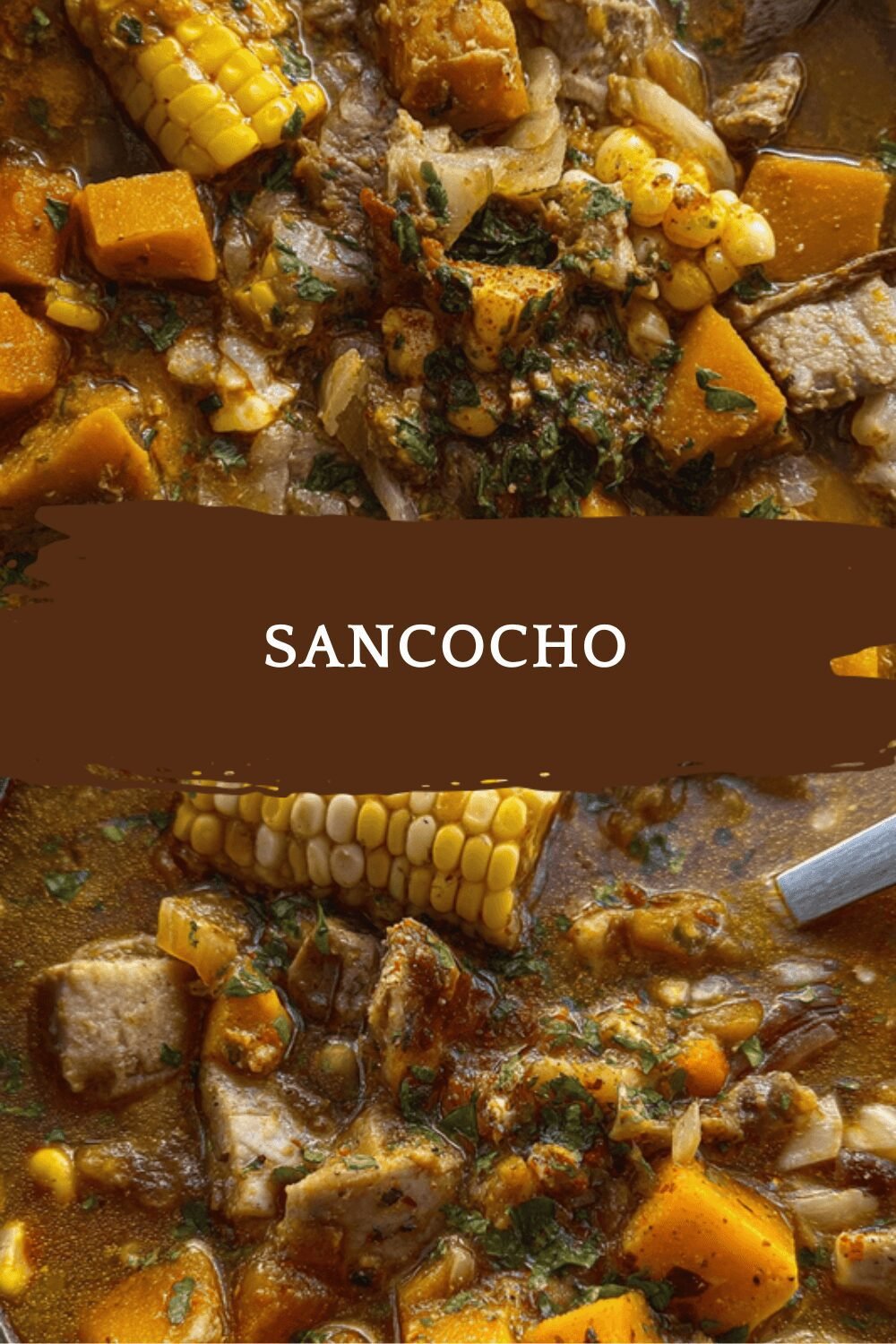
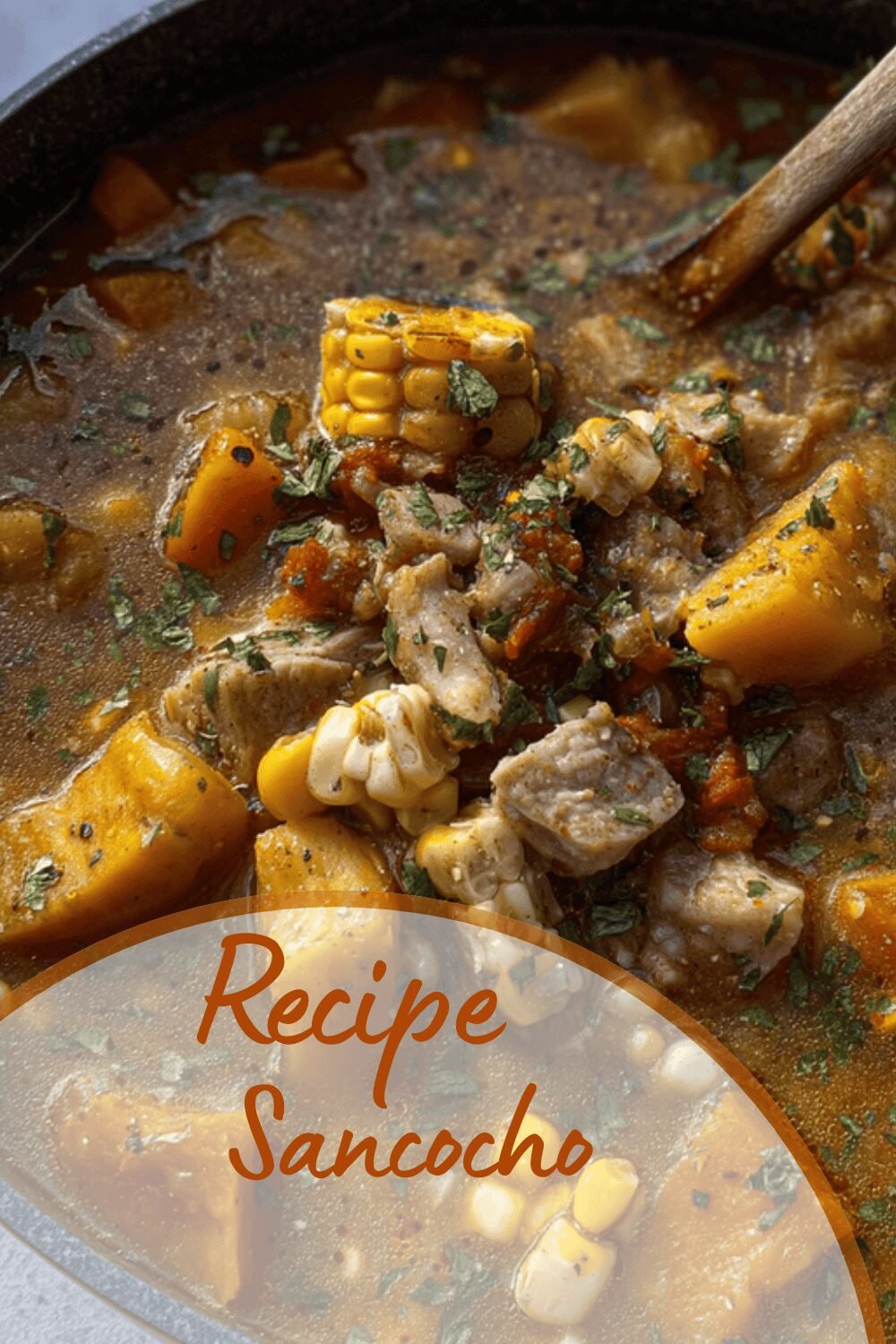
For deeper flavor, add herb bundles of thyme, cilantro, and recao culantro along with whole allspice during the simmering; remove before serving. Serve hot, garnished with fresh cilantro, lime juice, and pique hot sauce. Accompany with white rice, avocado, mofongo, or tostones for a filling, authentic meal.
Dietary Substitutions to Customize Your Sancocho
Protein and Main Component Alternatives
- Replace beef and chicken with pork loin chops, pork stew cubes, or smoked pork neck for a richer, fattier stew.
- Choose jackfruit or hearty mushrooms as vegan alternatives, adding texture and absorbing the broth flavors well.
- Seafood options like shrimp or fish can be used for a lighter, coastal twist to the traditional recipe.
Vegetable, Sauce, and Seasoning Modifications
- Swap traditional root vegetables with carrots, yuca, or yautía (Malanga) to explore different textures and sweetness.
- Use delicata squash or butternut squash based on availability and desired creaminess.
- Add or reduce herbs such as thyme, cilantro, or recao culantro to suit tastes or seasoning availability.
- Adjust heat levels with the addition or omission of red pepper flakes or substitute with milder paprika.
Mastering Sancocho: Advanced Tips and Variations
- Pro cooking techniques: Brown meat thoroughly for richer stock; use homemade broth to intensify depth. Tie herbs in kitchen twine bundles for easy removal.
- Flavor variations: Incorporate coconut milk for creamy Caribbean flair or add smoked meats for a deeper umami punch.
- Presentation tips: Serve in rustic bowls garnished with fresh herbs, lime wedges, and side dishes like mofongo or tostones for a traditional experience.
- Make-ahead options: Prepare sancocho a day ahead; flavors deepen nicely. Refrigerate covered and reheat gently on stovetop to maintain tender texture.
How to Store Sancocho: Best Practices
- Refrigeration: Store cooled sancocho promptly in airtight containers. Consume within 3-4 days to preserve flavor and safety.
- Freezing: Freeze portioned sancocho in freezer-safe containers or heavy-duty bags, labeled with date. Use within 2-3 months for best quality.
- Reheating: Thaw leftovers overnight in refrigerator. Warm over medium heat, stirring occasionally to prevent sticking or uneven heating.
- Meal prep considerations: Batch-cook large quantities to freeze individual servings, facilitating quick, nourishing meals during busy days.
FAQs: Frequently Asked Questions About Sancocho
What meats are commonly used in traditional Sancocho?
Traditional Sancocho typically includes a variety of meats such as pork, chicken, beef, and sometimes goat. Many recipes combine different cuts of pork to enhance flavor, but using just one type of meat like chicken or beef is also common. Large meat pieces are preferred to keep the stew hearty and tender during cooking.
Can I prepare Sancocho in a slow cooker, and what should I do differently?
Yes, Sancocho can be made in a slow cooker. It’s best to brown the meat in a skillet first to develop flavor before placing it in the slow cooker. After browning, add vegetables, seasonings, and liquids as usual. Cook on low for 6-8 hours or on high for 3-4 hours until the meat is tender.
How long can I store leftover Sancocho, and can I freeze it?
Leftover Sancocho can be refrigerated for up to 4 days if stored in airtight containers. For longer storage, freeze it in portions for up to 3 months. When ready to eat, thaw it overnight in the refrigerator and reheat gently on the stove until warmed through.
What are good side dishes to serve with Sancocho?
Sancocho pairs well with white rice, which helps soak up the flavorful broth. Popular sides also include sliced avocado, mofongo, tostones, or crusty bread. These complement the stew’s rich, hearty flavors and add freshness or texture to the meal.
Can I use frozen vegetables like plantains and corn in Sancocho, and when should I add them?
Yes, frozen vegetables such as plantains and corn work well in Sancocho. Add them directly to the pot according to the recipe’s timing for fresh vegetables. Bring the broth back to a boil, then reduce to a simmer to cook the frozen ingredients through without losing texture.
Sancocho
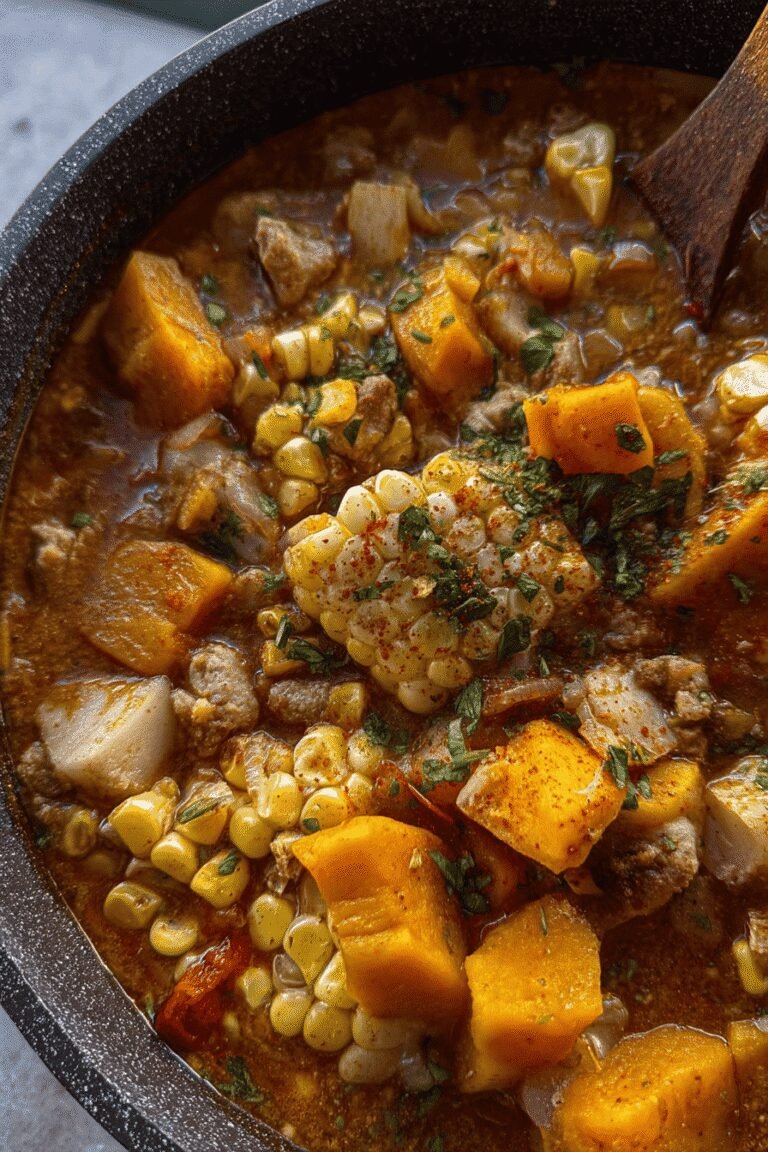
🍲 Enjoy a taste of the Caribbean with Sancocho, a nourishing stew that’s brimming with rich flavors and wholesome ingredients.
🥘 Ideal for family gatherings, this heartwarming dish is a delicious way to explore traditional Caribbean cooking.
- Total Time: 1 hour 30 minutes to 2 hours
- Yield: 6 to 8 servings
Ingredients
– 2 tablespoons olive oil used for browning meats and developing rich flavor
– 1 pound beef stew meat
– 1 pound chicken cut into bite-sized pieces
– 2 teaspoons sazon seasoning
– 2 teaspoons adobo seasoning
– ½ cup sofrito
– 2 ears of corn cut into 1-inch rounds
– 1 green plantain peeled and sliced into 1-inch rounds
– 1 yam or sweet potato cut into 1-inch chunks
– 1 cup baby potatoes
– 1 cup squash peeled and cubed
– 8 cups water or broth
– Salt and freshly ground pepper to taste
– Optional additions: carrots, yuca, yautía, thyme, cilantro, recao culantro, whole allspice, red pepper flakes
– Lime juice and pique hot sauce
Instructions
1-First Step: Prepare Ingredients Wash and peel the yams, plantains, squash, and potatoes, cutting them into 1-inch chunks. Chop onions and garlic, slice the corn into rounds, and cut the chicken and beef into bite-sized pieces for even cooking.
2-Second Step: Brown the Meats In a large pot, heat the olive oil over medium heat. Add the beef and chicken pieces, seasoning them with salt, pepper, adobo, and sazon. Brown the meat on all sides, stirring occasionally to develop a rich, flavorful crust that will enhance the stew.
3-Third Step: Add Sofrito and Aromatics Stir in the sofrito to the pot with the browned meat. Cook until fragrant, about 3 minutes, to release depth of flavor and meld aroma into the meats.
4-Fourth Step: Add Vegetables and Broth Add the corn, plantains, yams, baby potatoes, and squash to the pot. Pour in the chicken or beef broth or water, enough to cover the ingredients. Bring the mixture to a boil over high heat.
5-Fifth Step: Simmer and Cook Reduce the heat to a gentle simmer, cover the pot, and cook for 30 minutes. Remove the lid and continue simmering for an additional 20 to 45 minutes until the meats are tender and the vegetables are soft but intact.
6-Sixth Step: Adjust Texture and Flavor Optionally, blend a portion of the broth with some squash and plantain to thicken the stew, then stir it back into the pot. Add salt, pepper, and any additional seasonings to taste.
7-Seventh Step: Finish and Serve For deeper flavor, add herb bundles of thyme, cilantro, and recao culantro along with whole allspice during the simmering; remove before serving. Serve hot, garnished with fresh cilantro, lime juice, and pique hot sauce. Accompany with white rice, avocado, mofongo, or tostones for a filling, authentic meal.
Last Step:
Please leave a rating and comment letting us know how you liked this recipe! This helps our business to thrive and continue providing free, high-quality recipes for you.Notes
🍖 Browning the meat well before simmering significantly enhances flavor.
💧 Using boiling salted water instead of pre-made broth helps control sodium and freshness.
❄️ The stew is freezer-friendly, keeping well for up to 3 months, and leftovers reheat beautifully on the stovetop.
- Prep Time: Approximately 30 minutes
- Simmering Time: 1 to 2 hours
- Cook Time: 1 to 2 hours
- Category: Stew
- Method: Simmering
- Cuisine: Caribbean
- Diet: Gluten-Free
Nutrition
- Serving Size: 1 cup
- Calories: Approximately 500
- Sugar: 10g
- Sodium: 490mg
- Fat: 25g
- Saturated Fat: 6g
- Unsaturated Fat: 17g
- Trans Fat: 0g
- Carbohydrates: 46g
- Fiber: 9g
- Protein: 30g
- Cholesterol: 75mg






Honestly, this dish reminds me of the sancocho my abuela used to make on Sundays. 🥰 It brings back so many beautiful memories.
Can’t wait to try it myself and see if it matches her magic! Thank you for sharing.