

Why You’ll Love This Samosas
Samosas have a special place in the world of snacks, offering a delicious mix of spices and textures that make them perfect for any occasion. This recipe keeps things simple, allowing even beginners to create something truly satisfying without spending hours in the kitchen. Whether you’re hosting a potluck or enjoying a quiet evening, these crispy treats bring people together just like the hearty dishes on our blog at Cooky Cooky.
One reason these samosas stand out is their ease of preparation. This samosas recipe is remarkably simple and quick to make, ideal for both novice and experienced cooks. The straightforward steps and minimal ingredients allow for speedy cooking without compromising taste. Plus, the health benefits make it a smart choice, featuring nutritious components like potatoes and peas that are rich in fibers and vitamins to support wellness and balanced nutrition.
You’ll also appreciate the versatility of this recipe. It’s easily adaptable to various dietary needs, so you can customize it for vegan, gluten-free, or low-calorie options, making it accessible for everyone in your family or group. The distinctive flavor comes from a unique blend of spices and fillings that deliver an authentic experience, turning a simple snack into something memorable for gatherings and picnics.
Beyond the taste, this recipe aligns with the spirit of community on our blog, where we focus on foods that travel well and bring folks together. For more ideas on crowd-pleasing appetizers, check out our Air Fryer Baked Potato Recipe, which offers a healthier twist on potato-based dishes. According to a helpful guide, you can learn more about traditional samosa recipes by visiting this external resource.
Jump to:
- Why You’ll Love This Samosas
- Essential Ingredients for Samosas
- Main Ingredients
- How to Prepare the Perfect Samosas: Step-by-Step Guide
- Step 1: Making the Dough
- Step 2: Preparing the Filling
- Step 3: Shaping and Frying the Samosas
- Dietary Substitutions to Customize Your Samosas
- Protein and Main Component Alternatives
- Vegetable, Sauce, and Seasoning Modifications
- Mastering Samosas: Advanced Tips and Variations
- How to Store Samosas: Best Practices
- FAQs: Frequently Asked Questions About Samosas
- Why do my samosas turn out hard and tough?
- How can I stop my samosas from becoming oily after frying?
- Can I make samosa shells using alternatives like spring roll or puff pastry sheets?
- What causes blisters or bubbles on the samosa crust during frying?
- Is it possible to bake samosas instead of frying, and how should I do it?
- Samosas
- Ingredients
- Instructions
- Last Step:
- Notes
- Nutrition
- Did you make this recipe?
Essential Ingredients for Samosas
Getting the ingredients right is key to making great samosas, and this section breaks it all down for you. We’ll use the exact measurements provided to ensure your recipe turns out just as it should. This helps home cooks like you build confidence in the kitchen while creating authentic flavors.
Main Ingredients
- 2 cups all-purpose flour – serves as the base for the crispy samosa shell.
- ¾ teaspoon ajwain (carom seeds) – adds a distinctive aromatic flavor.
- ¾ teaspoon salt – balances the flavors in the dough.
- ¼ cup oil or ghee – helps create a flaky texture when mixed into the flour.
- 6 tablespoons water – used gradually to form a stiff, pliable dough.
- 4 medium potatoes (about 500 grams) – boiled and crumbled for the hearty filling.
- ½ cup boiled or frozen green peas – adds sweetness and nutrition to the mix.
- ¾ teaspoon cumin seeds – enhances the filling with an aromatic touch.
- 1 tablespoon minced ginger – provides a fresh, zesty note.
- 1 to 2 chopped green chilies (optional) – brings in optional heat as desired.
- A pinch of hing (asafoetida, optional) – offers a subtle depth of flavor.
- ¾ to 1 teaspoon garam masala – imparts traditional spice notes.
- ¾ teaspoon Kashmiri red chili powder (adjust to taste) – adds color and mild heat.
- ½ teaspoon cumin powder – deepens the earthy flavors.
- ½ teaspoon fennel powder (optional) – contributes a light, sweet undertone.
- 4 tablespoons chopped coriander leaves – freshens up the filling with herbal notes.
- 1 teaspoon lemon juice (or ½ teaspoon amchur or chaat masala) – brightens the taste with acidity.
- ½ teaspoon salt (adjust to taste) – seasons the filling perfectly.
- 1 tablespoon oil or ghee – for sautéing the filling ingredients.
These ingredients make up everything you need, ensuring a comprehensive list that’s easy to follow. For special dietary options, you can adapt as needed, like using plant-based oil for vegan versions or chickpea flour for gluten-free dough.
How to Prepare the Perfect Samosas: Step-by-Step Guide
Diving into making samosas is a fun process that rewards your effort with delicious results. Start by preparing the dough, as this sets the foundation for those crispy shells we all love. Remember, taking your time with each step helps build that authentic crunch.
Step 1: Making the Dough
To make samosa dough, combine 2 cups all-purpose flour, ¾ teaspoon ajwain (carom seeds), ¾ teaspoon salt, and ¼ cup oil or ghee. Mix until the flour resembles breadcrumbs, then gradually add 6 tablespoons water to form a stiff, pliable dough. Let it rest for 25 to 30 minutes so it becomes easy to work with.
Step 2: Preparing the Filling
For the potato filling, boil and crumble 4 medium potatoes (about 500 grams). In a pan, heat 1 tablespoon oil or ghee and add ¾ teaspoon cumin seeds, 1 tablespoon minced ginger, 1 to 2 chopped green chilies (optional), and a pinch of hing (asafoetida, optional). Sauté briefly, then add ½ cup boiled or frozen green peas and the crumbled potatoes. Stir in ¾ to 1 teaspoon garam masala, ¾ teaspoon Kashmiri red chili powder (adjust to taste), ½ teaspoon cumin powder, ½ teaspoon fennel powder (optional), 4 tablespoons chopped coriander leaves, 1 teaspoon lemon juice (or ½ teaspoon amchur or chaat masala), and ½ teaspoon salt (adjust to taste). Mix well and cool the filling before using.
Step 3: Shaping and Frying the Samosas
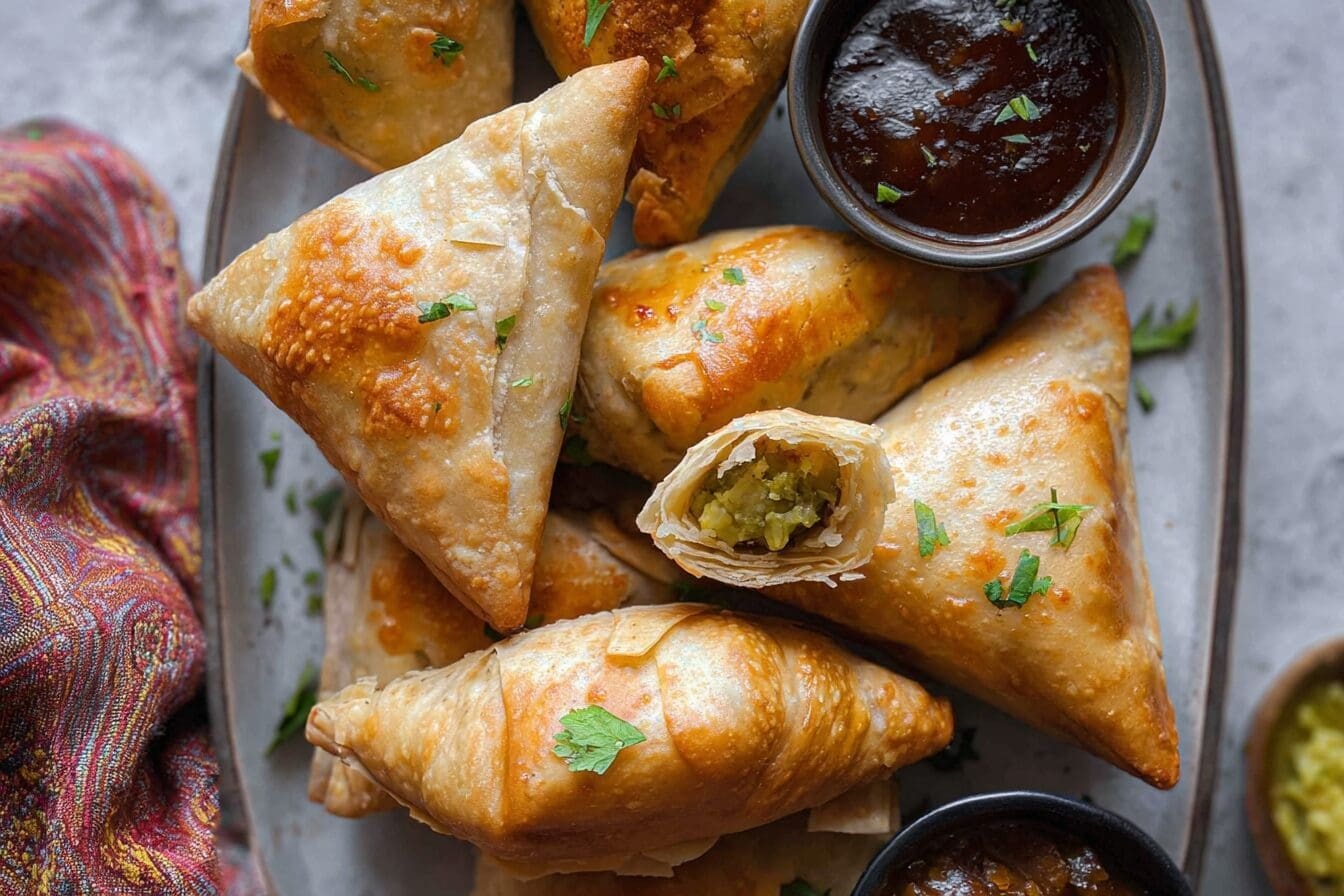
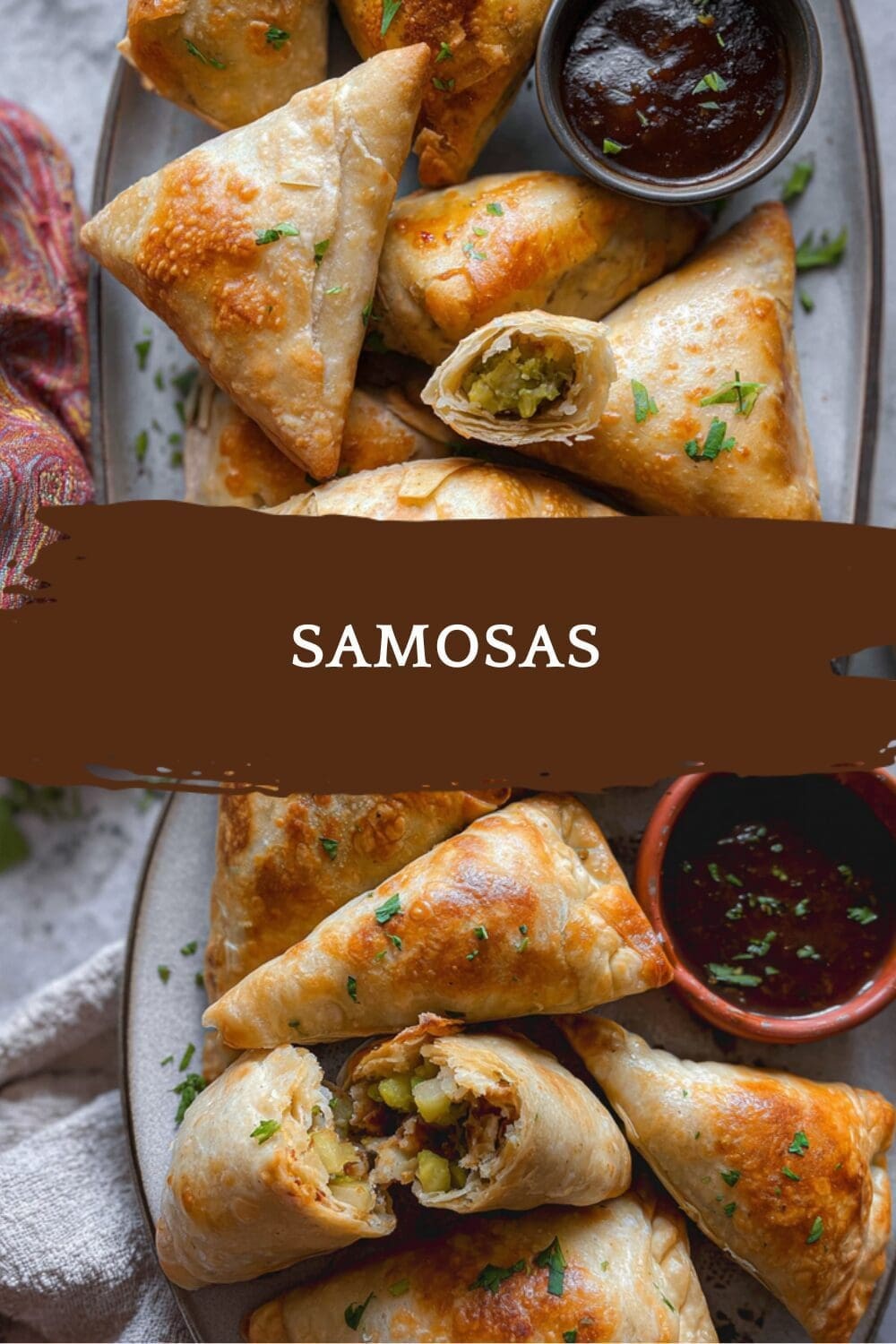
Knead the dough again, divide it into balls, roll each into ovals, and cut into halves. Shape each half into a cone, fill with the potato mixture, and seal the edges with water to form samosas. Heat oil moderately for frying, cook the samosas slowly on low heat for 10 12 minutes to prevent oil absorption, then raise the heat to crisp and brown them. Drain on a wire rack and serve with tamarind chutney, green chutney, or tomato ketchup.
The total preparation time is about 30 minutes, with 25 minutes for cooking. If you’re looking for similar potato recipes to inspire your cooking, try our Mummy Hot Dogs Recipe for a fun twist on wrapped snacks.
Dietary Substitutions to Customize Your Samosas
One of the best things about samosas is how you can tweak them to fit different needs. This makes them a hit for busy parents, students, or anyone watching their diet. Let’s look at some easy swaps that keep the flavor intact while meeting your preferences.
Protein and Main Component Alternatives
- Replace potatoes with lentils or tofu to increase protein content.
- Use chickpeas or paneer for different textures and flavors.
- Swap peas with corn or diced carrots for variation.
Vegetable, Sauce, and Seasoning Modifications
- Incorporate spinach or kale for added nutrients.
- Use tamarind or mint chutney sauces for a flavor twist.
- Adjust spices such as turmeric or chili powder to match heat preference or dietary needs.
These substitutions ensure that samosas remain versatile and can suit diverse diets and ingredient availability, perfect for food enthusiasts and community events.
Mastering Samosas: Advanced Tips and Variations
Once you’re comfortable with the basics, you can take your samosas to the next level with these tips. It’s all about experimenting while keeping that classic Punjabi style in mind. This can make your recipe stand out at picnics or family gatherings.
Pro cooking techniques include using cold water in the dough to enhance flakiness and double frying for extra crispiness. For flavor variations, try fillings like spiced lamb, cheese blends, or mixed vegetables to create unique flavors. Presentation tips involve garnishing with fresh herbs, serving with colorful chutneys, and arranging samosas attractively on platters. Make-ahead options let you prepare dough and filling in advance, store them separately, and assemble before frying to save time on busy days.
How to Store Samosas: Best Practices
Proper storage keeps your samosas tasting fresh, which is great for working professionals or seniors planning meals ahead. Follow these steps to enjoy them later without losing that crispy edge. This way, you can make a big batch for your next community event.
Refrigeration: Keep cooked samosas in an airtight container and consume within 2-3 days to maintain freshness. Freezing: Place samosas on a tray to freeze individually, then transfer to freezer-safe bags for up to 2 months. Reheating: Reheat in a preheated oven at 350°F (175°C) for 10-15 minutes to restore crispiness without sogginess. Meal prep considerations: Cook a larger batch, store appropriately, and reheat as needed for quick, delicious snacks anytime.
FAQs: Frequently Asked Questions About Samosas
Why do my samosas turn out hard and tough?
Samosas can become hard if not enough oil or fat is added to the flour when making the dough. Oil helps create a tender, flaky crust by coating the flour particles and reducing gluten formation. To prevent hardness, use the right proportion of oil or ghee in the dough and avoid over-kneading, which can make the dough dense and tough.
How can I stop my samosas from becoming oily after frying?
Oily samosas often result from using too much water in the dough or frying at an incorrect temperature. Soft dough absorbs more oil, so use just enough water to form a firm dough. Also, fry samosas in moderately hot oil (around 350°F or 175°C) to cook them quickly without absorbing excess oil. Drain the fried samosas on paper towels to remove extra oil.
Can I make samosa shells using alternatives like spring roll or puff pastry sheets?
Yes, spring roll sheets and puff pastry can be used as samosa wrappers for a different texture. Spring roll sheets produce a thinner, crispier crust, while puff pastry offers a flaky, buttery flavor. Keep in mind that these alternatives change the traditional samosa texture and may require shorter frying or baking times.
What causes blisters or bubbles on the samosa crust during frying?
Blisters or bubbles appear when samosas are fried in very hot oil or if the dough contains excess moisture. High heat causes steam to form quickly under the crust, creating bubbles. To avoid this, fry samosas at medium heat and ensure the dough isn’t too wet or sticky before shaping.
Is it possible to bake samosas instead of frying, and how should I do it?
Baking samosas is a healthier alternative to frying. Brush the assembled samosas generously with oil or melted butter for a crispy crust and bake them at 350°F (175°C) for 35-40 minutes, flipping halfway through for even browning. While baked samosas are less oily, they might have a different texture compared to traditional fried ones.
Samosas
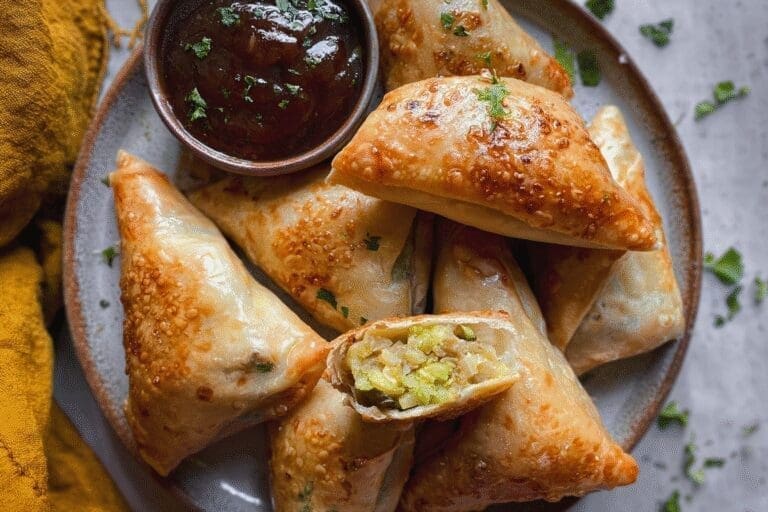
🥟 Enjoy the crispy and flavorful classic Punjabi style samosas filled with a well-spiced potato mixture.
🌿 A satisfying and comforting snack that’s perfect for sharing and bursting with authentic Indian flavors.
- Total Time: 60 minutes
- Yield: 12 samosas 1x
Ingredients
2 cups all-purpose flour serves as the base for the crispy samosa shell
¾ teaspoon ajwain (carom seeds) adds a distinctive aromatic flavor
¾ teaspoon salt balances the flavors in the dough
¼ cup oil or ghee helps create a flaky texture when mixed into the flour
6 tablespoons water used gradually to form a stiff, pliable dough
4 medium potatoes (about 500 grams) boiled and crumbled for the hearty filling
½ cup boiled or frozen green peas adds sweetness and nutrition to the mix
¾ teaspoon cumin seeds enhances the filling with an aromatic touch
1 tablespoon minced ginger provides a fresh, zesty note
1 to 2 chopped green chilies (optional) brings in optional heat as desired
A pinch of hing (asafoetida, optional) offers a subtle depth of flavor
¾ to 1 teaspoon garam masala imparts traditional spice notes
¾ teaspoon Kashmiri red chili powder (adjust to taste) adds color and mild heat
½ teaspoon cumin powder deepens the earthy flavors
½ teaspoon fennel powder (optional) contributes a light, sweet undertone
4 tablespoons chopped coriander leaves freshens up the filling with herbal notes
1 teaspoon lemon juice (or ½ teaspoon amchur or chaat masala) brightens the taste with acidity
½ teaspoon salt (adjust to taste) seasons the filling perfectly
1 tablespoon oil or ghee for sautéing the filling ingredients
Instructions
1-Step 1: Making the Dough To make samosa dough, combine 2 cups all-purpose flour, ¾ teaspoon ajwain (carom seeds), ¾ teaspoon salt, and ¼ cup oil or ghee. Mix until the flour resembles breadcrumbs, then gradually add 6 tablespoons water to form a stiff, pliable dough. Let it rest for 25 to 30 minutes so it becomes easy to work with.
2-Step 2: Preparing the Filling For the potato filling, boil and crumble 4 medium potatoes (about 500 grams). In a pan, heat 1 tablespoon oil or ghee and add ¾ teaspoon cumin seeds, 1 tablespoon minced ginger, 1 to 2 chopped green chilies (optional), and a pinch of hing (asafoetida, optional). Sauté briefly, then add ½ cup boiled or frozen green peas and the crumbled potatoes. Stir in ¾ to 1 teaspoon garam masala, ¾ teaspoon Kashmiri red chili powder (adjust to taste), ½ teaspoon cumin powder, ½ teaspoon fennel powder (optional), 4 tablespoons chopped coriander leaves, 1 teaspoon lemon juice (or ½ teaspoon amchur or chaat masala), and ½ teaspoon salt (adjust to taste). Mix well and cool the filling before using.
3-Step 3: Shaping and Frying the Samosas Knead the dough again, divide it into balls, roll each into ovals, and cut into halves. Shape each half into a cone, fill with the potato mixture, and seal the edges with water to form samosas. Heat oil moderately for frying, cook the samosas slowly on low heat for 10 12 minutes to prevent oil absorption, then raise the heat to crisp and brown them. Drain on a wire rack and serve with tamarind chutney, green chutney, or tomato ketchup.
Last Step:
Please leave a rating and comment letting us know how you liked this recipe! This helps our business to thrive and continue providing free, high-quality recipes for you.Notes
🌾 Resting the dough allows for easier rolling and better texture.
🔥 Fry samosas on low heat initially to ensure they cook thoroughly without burning.
🥄 Use water sparingly to seal edges; too much water can make the dough soggy.
- Prep Time: 10 minutes
- Dough resting time: 25-30 minutes
- Cook Time: 25 minutes
- Category: Snack
- Method: Frying, Kneading
- Cuisine: Punjabi, Indian
- Diet: Vegetarian
Nutrition
- Serving Size: 1 samosa
- Calories: 222
- Sugar: 1g
- Sodium: 320mg
- Fat: 8g
- Saturated Fat: 1g
- Unsaturated Fat: 7g
- Trans Fat: 0g
- Carbohydrates: 32g
- Fiber: 4g
- Protein: 6g
- Cholesterol: 0mg


