

Benefits and Advantages of Salmon Cakes
Salmon cakes offer a delicious, nutritious choice for meals that are easy to prepare. Their simplicity makes them perfect for busy home cooks or those new to cooking, requiring minimal ingredients and straightforward methods. Rich in omega-3 fatty acids, high-quality protein, and essential vitamins like B12 and minerals such as selenium, salmon supports heart health and cognitive function. These cakes can be customized easily with different herbs, spices, and vegetables to match varying dietary preferences or restrictions, making them adaptable for gluten-free, low-calorie, or dairy-free diets. Furthermore, salmon cakes are versatile, suitable as appetizers, snacks, or main courses, appealing to a wide range of palates. Incorporating synonyms like fish patties and seafood cakes throughout content enhances readability and SEO without sounding repetitive, making salmon cakes a favored dish in many households.
Jump to:
- Benefits and Advantages of Salmon Cakes
- Essential Ingredients for Salmon Cakes
- Dietary Substitutions to Customize Your Salmon Cakes
- How to Prepare the Perfect Salmon Cakes: Step-by-Step Guide
- Mastering Salmon Cakes: Advanced Tips and Variations
- How to Store Salmon Cakes: Best Practices
- Nutritional Value of Salmon Cakes
- FAQs: Frequently Asked Questions About Salmon Cakes
- Can I use canned salmon instead of fresh salmon for salmon cakes?
- How do I keep salmon cakes from falling apart while cooking?
- Is it possible to freeze salmon cakes, and what’s the best method?
- Can salmon cakes be cooked in an air fryer?
- What should I do if salmon cakes brown too quickly on the stove?
- Salmon Cakes Recipe: Easy and Delicious Salmon Patties for Any Meal
- Ingredients
- Instructions
- Last Step:
- Notes
- Nutrition
- Did you make this recipe?
Essential Ingredients for Salmon Cakes
- 450 g (1 lb) fresh salmon fillet (skin-on or skinless)
- 1 medium onion, finely diced (about 1 cup)
- ½ red bell pepper, diced
- 3 tablespoons unsalted butter, divided
- 1 tablespoon olive oil, plus extra for cooking
- 1 cup Japanese-style breadcrumbs (panko), divided
- 2 large eggs, lightly beaten
- 3 tablespoons mayonnaise
- 1 teaspoon Worcestershire sauce
- ¼ cup minced fresh parsley
- 1 tablespoon fresh lemon juice
- 1 teaspoon Dijon mustard
- 1 teaspoon Old Bay seasoning (optional)
- Salt and black pepper, to taste
- Optional: 1 tablespoon chopped fresh dill, ½ cup finely diced celery, ¼ cup thinly sliced scallions
These ingredients create salmon cakes with a crisp exterior and tender, flavorful interior. For dietary adaptations, switch breadcrumbs with gluten-free alternatives, mayo with vegan mayo, or eggs with flaxseed replacers. This ensures inclusivity without compromising texture or taste.
Dietary Substitutions to Customize Your Salmon Cakes
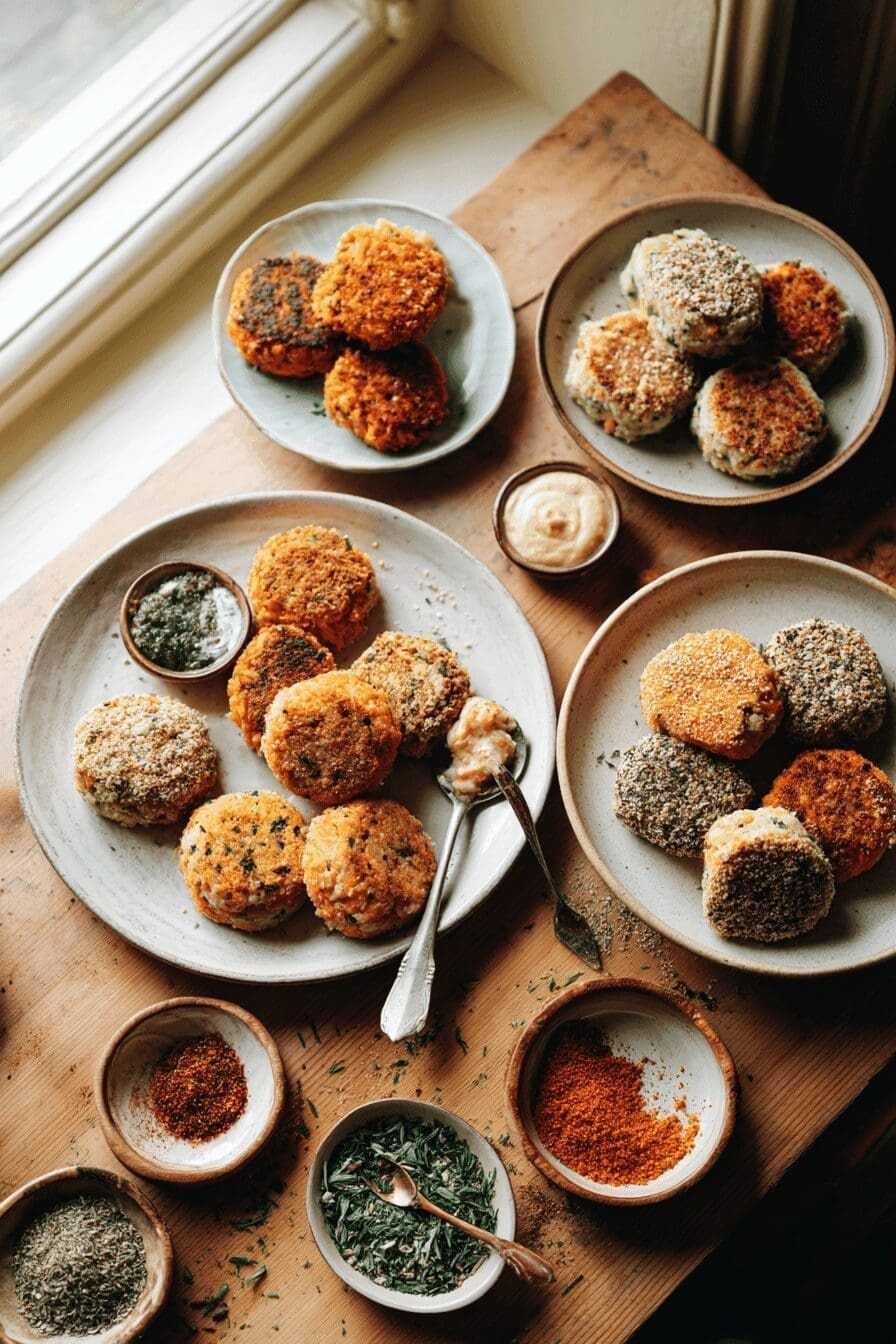
Adapting salmon cakes for dietary requirements is simple with these options:
- Vegan alternatives: Replace salmon with mashed chickpeas or tofu, and substitute eggs with flaxseed or chia seed mixtures as binders.
- Gluten-free: Use gluten-free breadcrumbs or crushed nuts like almonds for coating and binding.
- Low-calorie: Limit oils in cooking, substitute whole eggs with egg whites, and consider air-frying instead of pan-frying.
- Dairy-free: Replace butter with plant-based oils and mayonnaise with vegan variants to accommodate dairy restrictions.
- Flavor variations: Add ingredients like smoked paprika, cumin, or fresh dill to enhance taste without added calories or allergens.
These variations help maintain the salmon cakes’ flavor and texture while meeting diverse nutritional and lifestyle needs, ensuring anyone can enjoy tasty fish patties that fit their preferences.
How to Prepare the Perfect Salmon Cakes: Step-by-Step Guide
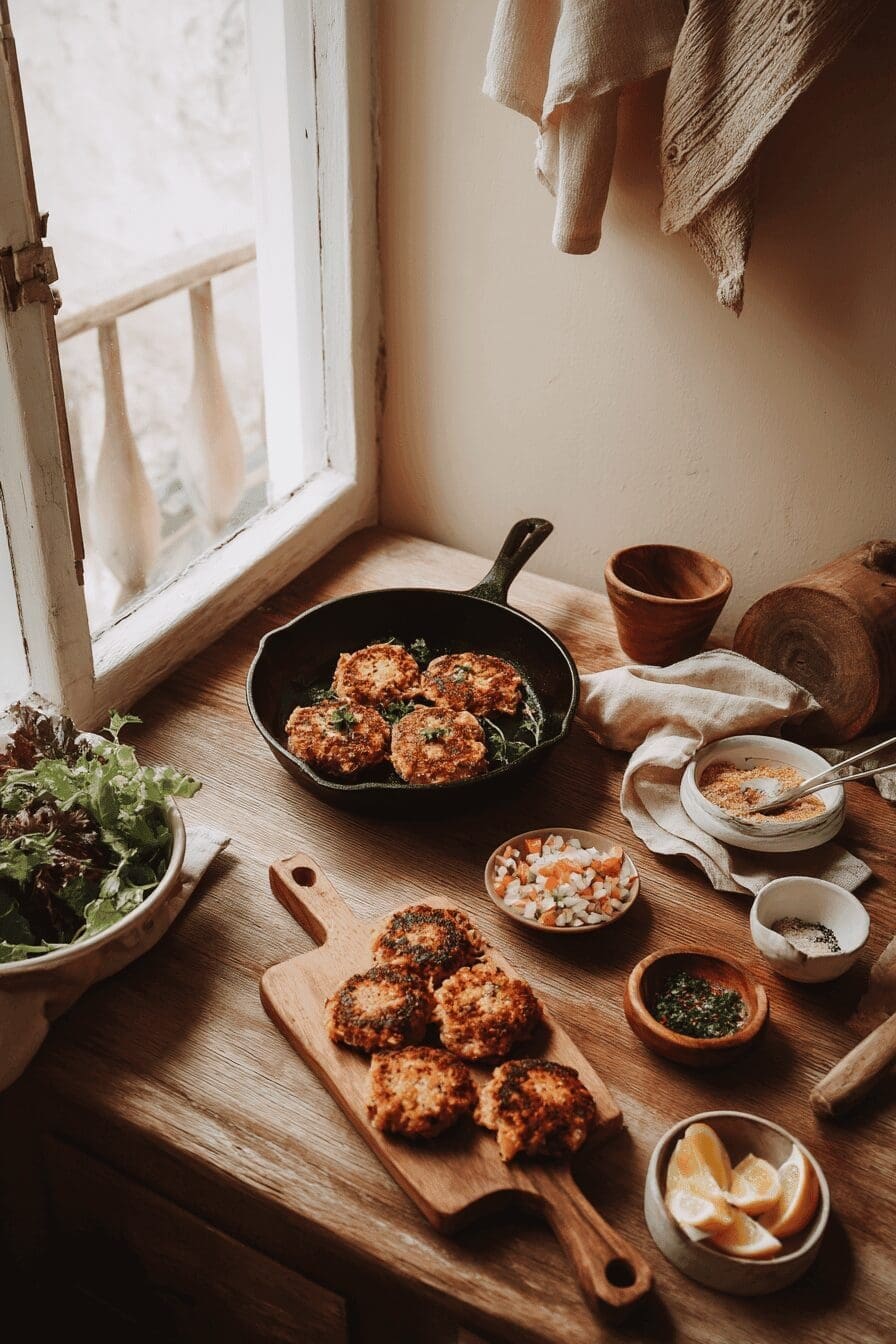
- Prepare salmon: Preheat the oven to 425°F (220°C). Line a rimmed baking sheet with parchment paper. Place salmon skin-side down, brush with olive oil, and season with salt and pepper. Bake for 10-15 minutes until cooked through. Remove skin, flake the fish, and cool to room temperature.
- Sauté vegetables: Heat 1 tablespoon olive oil and 1 tablespoon butter in a skillet over medium heat. Add diced onion, red bell pepper, celery, and scallions if used. Cook for 7-9 minutes until softened and golden. Let cool.
- Mix salmon mixture: In a large bowl, combine flaked salmon, sautéed vegetables, ¼ cup breadcrumbs, beaten eggs, mayonnaise, Worcestershire sauce, lemon juice, Dijon mustard, Old Bay seasoning if using, parsley, dill, salt, and pepper. Mix gently but thoroughly.
- Form patties: Add extra breadcrumbs if too wet or a little more mayo if too dry. Shape mixture into 13-14 uniform patties approximately ⅓ to ½ inch thick. Use an ice cream scoop or ⅓-cup measure for even portions.
- Coat patties: Spread remaining ¾ cup breadcrumbs in a shallow dish. Press each patty into breadcrumbs for an even crust.
- Chill (optional): Refrigerate patties for at least 1 hour to firm up or freeze for later use.
- Cook salmon cakes: Heat 1 tablespoon olive oil and 1 tablespoon butter in a large non-stick skillet over medium heat. Cook patties in batches for 3½ to 4 minutes per side until golden brown and cooked through. Drain on paper towels.
- Serve: Enjoy warm with salad greens, lemon wedges, or tartar sauce made from mayonnaise, pickle relish, capers, vinegar, Worcestershire sauce, salt, and pepper.
Following this method guarantees crisp, flavorful salmon cakes perfect for any meal or occasion. Adjustments for dietary restrictions can be easily incorporated during mixing and cooking.
For additional inspiration and detailed cooking tips, explore this salmon cakes recipe and consult tips for cooking salmon cakes. Learn more about the nutritional benefits of salmon.
Mastering Salmon Cakes: Advanced Tips and Variations
To perfect your salmon cakes, start by ensuring the mixture holds well without being too wet. Chilling the shaped patties in the refrigerator for at least an hour before cooking helps them maintain their shape and reduces breaking during frying. Consider adding finely diced vegetables like bell peppers or celery to introduce juicy texture and additional flavor complexity.
Experiment with spices such as smoked paprika, cumin, or Old Bay seasoning to create unique flavor profiles. Fresh herbs like dill, parsley, or scallions can brighten up the taste and add freshness. For a seafood twist, try substituting some or all of the salmon with crab or white fish to diversify textures and flavors while keeping the recipe versatile.
Cooking methods can range from pan-frying in butter and olive oil for a golden crust to baking or air-frying for a healthier option with a crispy exterior. Use a non-stick skillet and sufficient oil to prevent sticking. These tips and variations provide both traditional and inventive ways to enjoy delicious, tender salmon cakes that cater to a variety of palates and dietary preferences, while naturally incorporating related terms like fish patties and seafood cakes for enhanced SEO.
How to Store Salmon Cakes: Best Practices
Proper storage of your salmon cakes is essential to maintain texture and flavor. Always allow salmon cakes to cool completely at room temperature before storing to prevent condensation, which can make them soggy.
- Refrigeration: Place cooled cakes in an airtight container and consume within 3 to 4 days for optimal freshness.
- Freezing: Lay patties on a parchment-lined baking sheet and freeze until solid to prevent sticking. Then transfer to a freezer-safe container or bag. Frozen salmon cakes keep well for up to 3 months.
- Reheating: Reheat salmon cakes in an oven or air fryer to retain crispiness; avoid the microwave as it can lead to soggy texture.
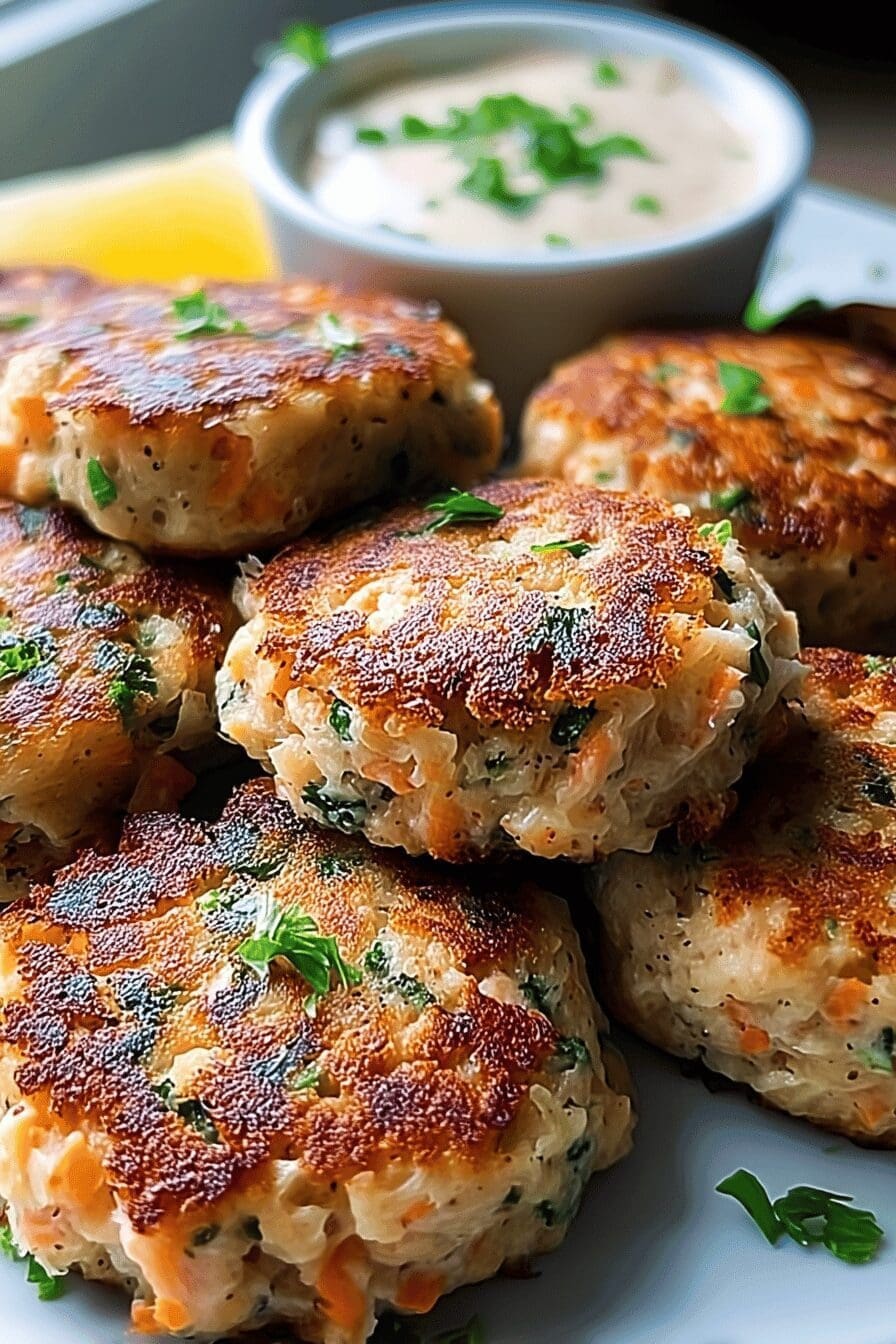
Following these guidelines helps preserve the characteristic crisp exterior and moist interior of salmon cakes. Related phrases like seafood cake storage and preserving fish patties improve search relevance while providing practical advice.
Nutritional Value of Salmon Cakes
| Nutrient | Typical Amount per Salmon Cake | Health Benefits |
|---|---|---|
| Calories | 157 – 280 kcal | Provides energy with low to moderate calorie content depending on size |
| Protein | 9 – 14 grams | Supports muscle repair and maintenance with high-quality protein |
| Fat | 11 – 22 grams | Includes heart-healthy omega-3 fatty acids and essential fats |
| Saturated Fat | 3 grams | Moderate amount contributed by butter and mayonnaise |
| Carbohydrates | 5 – 6 grams | Low carbohydrate content from breadcrumbs |
| Fiber | 0 – 1 gram | Aids digestive health depending on vegetable additions |
| Cholesterol | 37 – 53 mg | Moderate levels from eggs and salmon |
| Sodium | 175 – 222 mg | Derived from seasonings and sauces, adjustable by ingredient choices |
Salmon cakes offer a balanced nutrition profile featuring protein, healthy fats like omega-3s, and essential vitamins and minerals such as selenium and vitamin B12. Adjustments to preparation and ingredient substitutions can modulate calories and macros to fit dietary needs. For information on the nutritional benefits of salmon, explore resources like Healthline.
FAQs: Frequently Asked Questions About Salmon Cakes
Can I use canned salmon instead of fresh salmon for salmon cakes?
Yes, canned salmon is a convenient alternative to fresh salmon in salmon cakes. Use well-drained canned salmon, and adjust the amount of bread crumbs and mayonnaise to get the right texture—adding more if the mixture feels too wet or less if it’s too dry. Remove any large bones and skin if preferred, then mix gently to avoid breaking up the salmon too much.
How do I keep salmon cakes from falling apart while cooking?
To prevent salmon cakes from breaking, chop the salmon into small pieces and combine with just enough binder like breadcrumbs and mayonnaise for moisture. Refrigerate the shaped patties for about an hour before cooking to firm them up. Cook over medium heat in a well-greased non-stick skillet to avoid sticking and flip carefully once the bottom forms a crust.
Is it possible to freeze salmon cakes, and what’s the best method?
Yes, salmon cakes can be frozen either cooked or uncooked. For cooked cakes, freeze them individually wrapped and store in an airtight container for up to 3 months. For uncooked patties, place them on a tray to freeze solid first, then wrap and store. Thaw uncooked patties overnight in the fridge before cooking to maintain texture and flavor.
Can salmon cakes be cooked in an air fryer?
Salmon cakes can be successfully cooked in an air fryer, which produces a crispy exterior with less oil. Preheat the air fryer to 400°F, place patties in a single layer without overcrowding, and cook for about 10 minutes. Flip halfway through cooking for even browning. Check for a golden crust and internal temperature around 165°F before serving.
What should I do if salmon cakes brown too quickly on the stove?
If salmon cakes are browning too fast, lower the heat to medium or medium-low to allow them to cook through without burning. Using a non-stick pan with enough oil reduces sticking and promotes even cooking. Cooking at a gentler temperature ensures the patties develop a golden crust while staying moist inside.

Salmon Cakes Recipe: Easy and Delicious Salmon Patties for Any Meal
🍣 Enjoy these easy-to-make salmon cakes, perfect for any meal and bursting with fresh flavors.
🥗 Ideal as appetizers or a main course, they’re a delicious way to incorporate nutritious salmon into your diet.
- Total Time: 1 hour to 1 hour 15 minutes
- Yield: 13–14 patties 1x
Ingredients
1 lb (approximately 450 g) fresh salmon fillet (skin-on or skinless)
1 medium onion, finely diced (about 1 cup)
½ red bell pepper, diced
3 tablespoons unsalted butter, divided
1 tablespoon olive oil, plus extra for cooking
1 cup Japanese-style bread crumbs (panko), divided
2 large eggs, lightly beaten
3 tablespoons mayonnaise
1 teaspoon Worcestershire sauce
¼ cup minced fresh parsley
1 tablespoon fresh lemon juice
1 teaspoon Dijon mustard
1 teaspoon Old Bay seasoning (optional)
Salt and black pepper, to taste
1 tablespoon chopped fresh dill (optional)
½ cup finely diced celery (optional)
¼ cup thinly sliced scallions (optional)
Instructions
1. Preheat oven to 425°F (220°C). Line a baking sheet with parchment paper. Place salmon skin-side down, brush with oil, season with garlic salt and pepper. Bake for 10-15 minutes until cooked. Let rest under foil for 10 minutes, then flake and cool.
2. Heat 1 tablespoon oil and 1 tablespoon butter in a skillet. Sauté onion, bell pepper, and optional ingredients until golden, about 7-9 minutes. Cool slightly.
3. In a bowl, combine flaked salmon, sautéed vegetables, ¼ cup bread crumbs, eggs, mayo, Worcestershire sauce, lemon juice, Dijon, Old Bay, parsley, optional ingredients, salt, and pepper.
4. If needed, adjust the mixture with more bread crumbs or mayo. Form into 13-14 patties, about ⅓ to ½ inch thick.
5. Coat patties with remaining ¾ cup bread crumbs.
6. (Optional) Chill patties for one hour or freeze for later.
7. Heat 1 tablespoon oil and 1 tablespoon butter in a skillet over medium heat. Cook patties in batches for 3½-4 minutes per side until golden. Drain excess oil on paper towels.
8. Serve with salad greens, vinaigrette, or lemon wedges. Optionally, mix your own tartar sauce with mayo, relish, capers, vinegar, Worcestershire, salt, and pepper.
Last Step:
Please leave a rating and comment letting us know how you liked this recipe! This helps our business to thrive and continue providing free, high-quality recipes for you.Notes
🍋 Flake the salmon by hand for best texture, avoiding a food processor to prevent mushy cakes.
🧊 Chilling the patties before cooking helps them hold together and develop flavor.
🔥 For a healthy twist, try air-frying the patties for a crispy exterior with less oil.
- Prep Time: 30 minutes
- Chilling Time: 1 hour (optional)
- Cook Time: 20-45 minutes
- Category: Main Course
- Method: Frying
- Cuisine: American
- Diet: Pescatarian
Nutrition
- Serving Size: 1 patty
- Calories: 157-280
- Sugar: 2g
- Sodium: 175-222mg
- Fat: 11-22g
- Saturated Fat: 3g
- Unsaturated Fat: 8-19g
- Trans Fat: 0g
- Carbohydrates: 5-6g
- Fiber: 0-1g
- Protein: 9-14g
- Cholesterol: 37-53mg


