

Why You’ll Love This Roasted Spring Vegetables Recipe
Roasted Spring Vegetables are one of those easy side dishes that fit right into busy weeknights, holiday meals, and casual get-togethers. This recipe brings together tender potatoes, cauliflower, leeks, asparagus, and lemon for a colorful pan of veggies that tastes fresh and comforting at the same time. If you like simple recipes that do not ask for much but still feel special, this one belongs in your regular rotation.
- Easy preparation: You only need one sheet pan, a few fresh vegetables, and about 10 minutes of prep. The oven does the rest, which makes Roasted Spring Vegetables a smart choice for home cooks, students, and busy parents.
- Good-for-you ingredients: With fiber-rich vegetables, vitamin C, potassium, and a light amount of oil, this dish offers a wholesome option that fits many eating styles. It is naturally vegetarian and can be made vegan without any changes.
- Flexible for many meals: Serve these roasted spring vegetables with chicken, fish, steak, pasta, grains, or a simple salad. They also work well for potlucks and make-ahead lunches because they travel and reheat nicely.
- Fresh, bright flavor: The lemon slices roast right on the pan and add a gentle citrus note that keeps the vegetables lively. A sprinkle of fresh herbs at the end makes the whole dish taste garden-fresh.
Roasted Spring Vegetables are proof that a few humble ingredients can turn into a dish people keep coming back to.
If you enjoy simple vegetable sides, you may also like this easy sweet potato side dish from the Cooky Cooky kitchen.
Jump to:
- Why You’ll Love This Roasted Spring Vegetables Recipe
- Essential Ingredients for Roasted Spring Vegetables
- Why each ingredient matters
- Special dietary options
- How to Prepare the Perfect Roasted Spring Vegetables: Step-by-Step Guide
- First Step: Prep the oven and baking pan
- Second Step: Arrange the first vegetables in one layer
- Third Step: Roast the sturdy vegetables first
- Fourth Step: Add the asparagus and lemon slices
- Final Step: Finish and serve hot
- Helpful timing notes
- Dietary Substitutions to Customize Your Roasted Spring Vegetables
- Protein and main component alternatives
- Vegetable, sauce, and seasoning modifications
- Mastering Roasted Spring Vegetables: Advanced Tips and Variations
- Flavor variations
- Presentation tips
- Make-ahead options
- How to Store Roasted Spring Vegetables: Best Practices
- Nutritional Information for Roasted Spring Vegetables
- FAQs: Frequently Asked Questions About Roasted Spring Vegetables
- What spring vegetables are best for roasting?
- How long do you roast spring vegetables?
- Can you adapt roasted spring vegetables for other seasons?
- Can you add chicken to roasted spring vegetables?
- How do you store and reheat leftover roasted spring vegetables?
- Roasted Spring Vegetables
- Ingredients
- Instructions
- Last Step:
- Notes
- Nutrition
- Did you make this recipe?
Essential Ingredients for Roasted Spring Vegetables
Here is the full ingredient list for this roasted spring vegetables recipe, with each item measured exactly as provided.
- 1 1/2 pounds new potatoes, quartered
- 4 cups cauliflower, broken into florets
- 2 large leeks, about 1 1/2 cups chopped, cut in half moons
- 1 to 2 tablespoons avocado oil or olive oil
- Sea salt, to taste
- Black pepper, to taste
- 1 pound asparagus, ends trimmed and cut into 2-inch pieces
- 1 lemon, thinly sliced
- Optional: chopped fresh herbs such as Italian parsley, fresh dill, spring onions, or fresh thyme
Why each ingredient matters
| Ingredient | Role in the recipe |
|---|---|
| New potatoes | They give the pan hearty texture and roast into tender, golden bites. |
| Cauliflower | It adds mild flavor and roasts beautifully with crisp edges. |
| Leeks | They bring a sweet onion-like flavor that turns soft and savory in the oven. |
| Asparagus | Added later, it keeps a fresh, crisp-tender texture. |
| Lemon slices | They add brightness and a light citrus aroma during roasting. |
| Fresh herbs | They finish the dish with color and a fresh garden taste. |
Special dietary options
- Vegan: This recipe is already plant-based when made with olive oil or avocado oil.
- Gluten-free: No changes needed.
- Low-calorie: Use 1 tablespoon oil, then add extra lemon and herbs for flavor without much added fat.
For another vegetable side that pairs well with roasted meals, check out this creamy Brussels sprouts bake.
How to Prepare the Perfect Roasted Spring Vegetables: Step-by-Step Guide
Making Roasted Spring Vegetables is simple, but a few small details help the vegetables cook evenly and brown nicely. The key is to give the denser vegetables a head start, then add the faster-cooking vegetables near the end. That way, everything finishes at the same time with a mix of crisp edges and tender centers.
First Step: Prep the oven and baking pan
Start by preheating the oven to 425°F. This higher heat is important because it helps the vegetables roast instead of steam. Line a baking tray with parchment paper so cleanup stays easy and the vegetables do not stick to the pan.
While the oven heats, wash and cut the produce. Quarter the new potatoes, break the cauliflower into florets, and slice the leeks into half moons. Trim the asparagus and cut it into 2-inch pieces. Thinly slice the lemon so it can roast right on the pan later. If you want to finish with herbs, chop them now so they are ready at the end.
Second Step: Arrange the first vegetables in one layer
Spread the potatoes, cauliflower, and leeks across the parchment-lined tray in a single layer. This is important because crowded vegetables trap steam and do not caramelize well. If you are cooking for a bigger group, use two trays instead of piling everything up.
Drizzle the vegetables with 1 to 2 tablespoons of avocado oil or olive oil. Then season them with sea salt and black pepper to taste. Toss everything gently so the vegetables are lightly coated, but keep them spaced out on the tray.
Good roasting starts with space. If the vegetables overlap too much, they soften instead of browning.
Third Step: Roast the sturdy vegetables first
Place the tray in the oven and roast for 25 minutes. During this first round, the potatoes begin to soften, the cauliflower turns golden, and the leeks become sweet and tender. The strong heat helps the edges brown in a way that makes the whole pan taste richer.
If your oven tends to run hot, check the tray around the 20-minute mark. You want the vegetables to look lightly browned at the edges, not burned. Stir them only if needed, but keep them in a mostly even layer so they continue to roast well.
Fourth Step: Add the asparagus and lemon slices
After 25 minutes, remove the tray from the oven. Add the asparagus pieces and toss everything together so the new vegetables pick up the seasoned oil and roasted bits from the pan. Then lay the lemon slices over the top.
Return the tray to the oven for another 10 minutes. The asparagus cooks quickly, so this shorter second roast keeps it bright and crisp-tender. The lemon warms and softens, sending citrus flavor into the vegetables as they finish roasting.
Final Step: Finish and serve hot
Take the vegetables out of the oven and check for tenderness. The potatoes should be fork-tender, the cauliflower browned around the edges, and the asparagus bright green with just a little bite. If you like a more savory finish, add a final pinch of salt and pepper while the vegetables are still hot.
Sprinkle with chopped fresh herbs if desired. Italian parsley, fresh dill, spring onions, and fresh thyme all work well. Serve right away while the vegetables are warm and fragrant. They are excellent next to roasted chicken, grilled fish, pasta, or a grain bowl.
For a hearty main dish to serve alongside these vegetables, try this oven baked chicken legs.
Helpful timing notes
- Prep time: 10 minutes
- Cook time: 35 minutes
- Total time: 45 minutes
Dietary Substitutions to Customize Your Roasted Spring Vegetables
Protein and main component alternatives
This dish does not need meat or added protein to feel satisfying, but it can pair with many options if you want to turn it into a fuller meal. Add roasted chicken, salmon, shrimp, or chickpeas if you want more protein on the plate. For a vegetarian dinner, spoon the vegetables over rice, quinoa, couscous, or polenta.
If you are cooking for a mixed group, keep the vegetable tray simple and serve protein on the side. That gives everyone a chance to build a plate that works for their needs. You can also add a small bowl of yogurt sauce, herb dressing, or tahini on the side for extra flavor.
Vegetable, sauce, and seasoning modifications
Roasted Spring Vegetables are easy to change with the seasons. In fall, use sweet potatoes, Brussels sprouts, red onions, or broccoli. In winter, try carrots, parsnips, rutabagas, or beets. In summer, zucchini, bell peppers, and cherry tomatoes work well if added later in the roasting time.
If you want a different flavor profile, add garlic powder, Italian seasoning, rosemary, or thyme before roasting. A splash of balsamic glaze after baking gives the vegetables a sweet tang. For a lighter finish, add extra lemon juice and more herbs instead of a heavier sauce.
Mastering Roasted Spring Vegetables: Advanced Tips and Variations
A few extra tricks can help your Roasted Spring Vegetables turn out even better every time. First, cut the vegetables into similar sizes so they roast at the same pace. Dense vegetables like potatoes need a head start, while tender vegetables like asparagus should go in later. That simple timing change keeps everything from turning mushy.
Another useful tip is to preheat the baking sheet in the oven for a few minutes before adding the vegetables. This can help start browning right away. You can also roast on two pans if the vegetables look crowded, which helps them caramelize more evenly.
Flavor variations
Try adding smoked paprika, garlic powder, or a little crushed red pepper if you want more depth. Fresh dill gives a bright finish, while thyme adds a savory, earthy note. Basil also works well, especially if you are serving the vegetables with pasta or fish.
Presentation tips
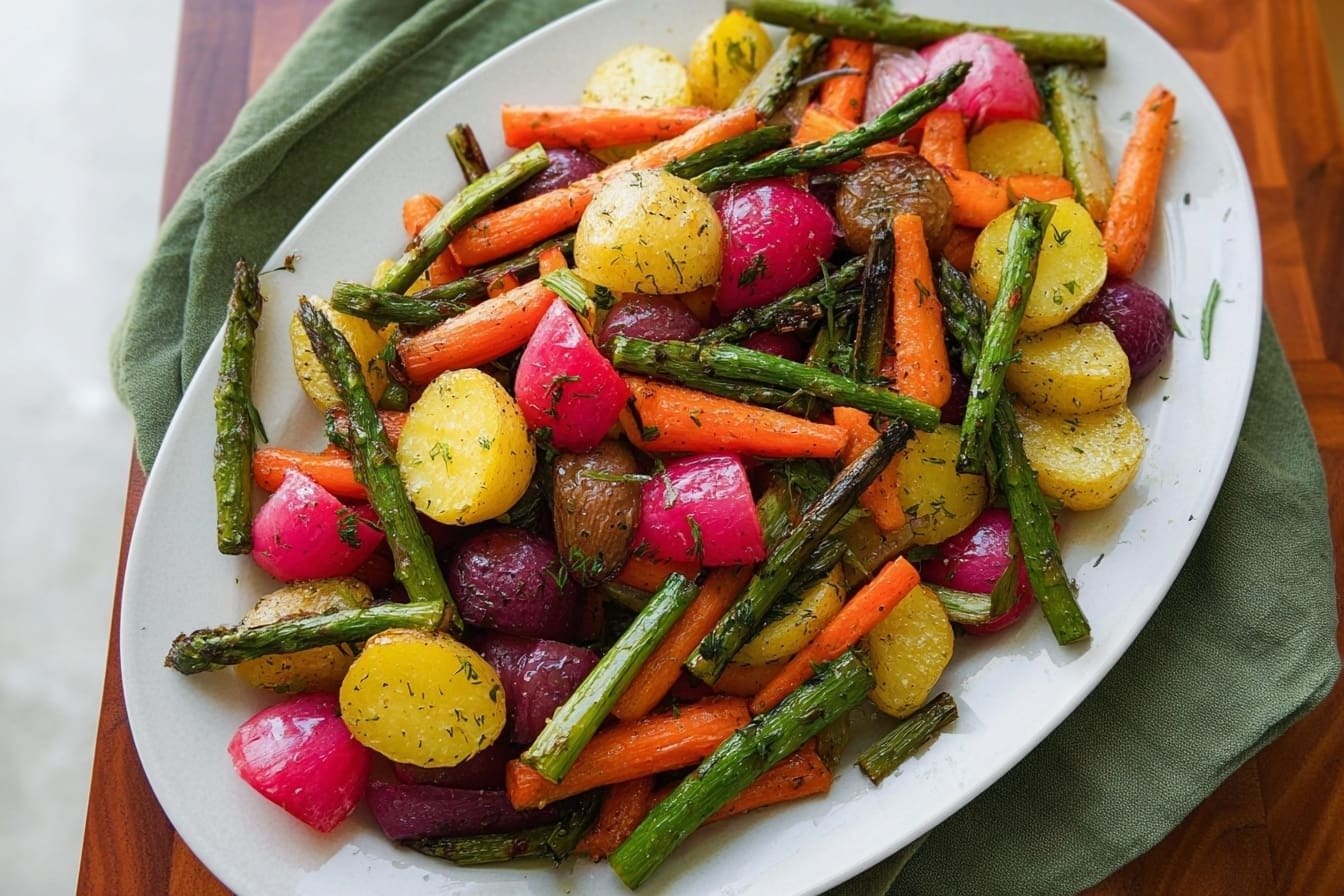
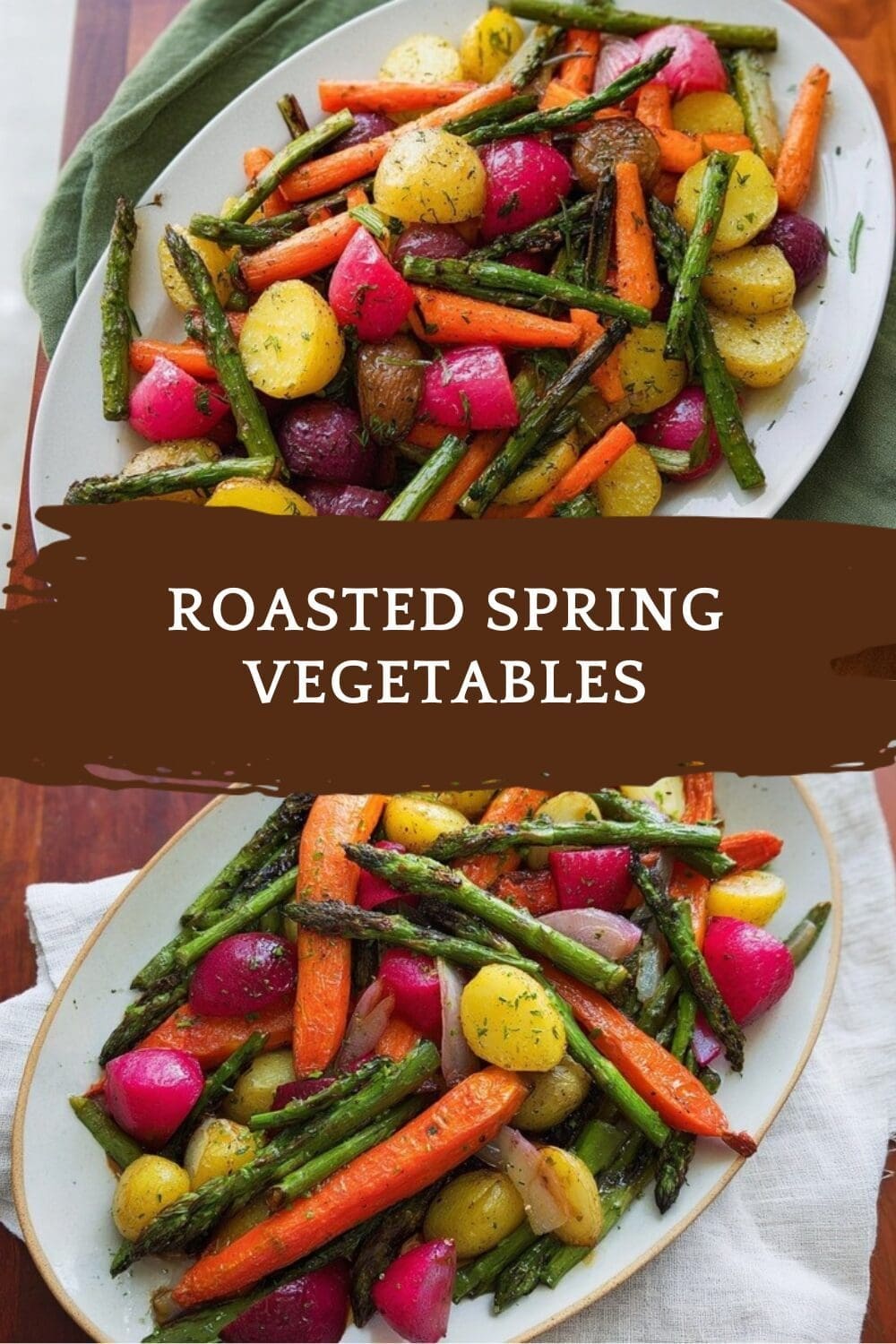
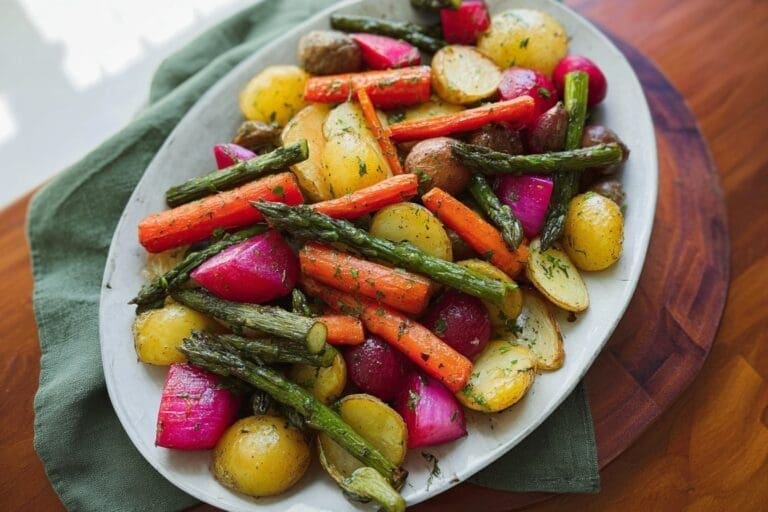
For a pretty serving dish, transfer the roasted vegetables to a wide platter and tuck the lemon slices between the vegetables. Finish with a pinch of flaky sea salt and a handful of chopped herbs. The mix of green asparagus, golden potatoes, pale cauliflower, and soft leeks looks colorful on any table.
Make-ahead options
You can wash and cut the vegetables a day ahead, then store them in sealed containers in the fridge. If you are planning for a potluck or church meal, this can save time on the day you cook. You can also roast the potatoes, cauliflower, and leeks earlier in the day, then reheat briefly and add the asparagus near the end for the best texture.
For a simple side that pairs with many family dinners, see this parmesan risotto recipe.
How to Store Roasted Spring Vegetables: Best Practices
Leftover Roasted Spring Vegetables store well, which makes this recipe handy for meal prep. Let the vegetables cool to room temperature first, then place them in an airtight container. Store them in the refrigerator for up to 5 days.
If you want to freeze them, keep in mind that asparagus and cauliflower may soften a bit after thawing. For best results, cool the vegetables fully, then freeze in a sealed freezer bag or freezer-safe container for 2 to 3 months. Label the container with the date so you can track freshness.
To reheat, spread the vegetables on a parchment-lined sheet pan and warm them at 425°F for 10 to 15 minutes. This helps bring back the roasted texture better than a microwave. A fresh squeeze of lemon after reheating can brighten the flavor again.
Nutritional Information for Roasted Spring Vegetables
One serving of these roasted spring vegetables is light, filling, and full of helpful nutrients. Here is the nutrition estimate per serving:
| Nutrient | Amount |
|---|---|
| Calories | 162 kcal |
| Carbohydrates | 31 g |
| Protein | 5 g |
| Fat | 3 g |
| Sodium | 41 mg |
| Potassium | 872 mg |
| Fiber | 5 g |
| Sugar | 3 g |
| Vitamin A | 1055 IU |
| Vitamin C | 103.5 mg |
| Calcium | 95 mg |
| Iron | 2.8 mg |
Because the dish is built from vegetables and a small amount of oil, it fits well into many lighter meal plans. It can also help round out a plate when served with protein and whole grains.
FAQs: Frequently Asked Questions About Roasted Spring Vegetables
What spring vegetables are best for roasting?
For roasted spring vegetables, start with heartier options like potatoes, sweet potatoes, turnips, parsnips, rutabagas, beets (peeled and chopped), cauliflower, radishes, and carrots or baby carrots. These roast for about 35 minutes at 425°F to become tender and caramelized. In the last 10 minutes, add quicker-cooking spring produce such as asparagus, broccoli, broccolini, snap peas, snow peas, or Swiss chard to keep them vibrant and crisp-tender. Cut all veggies into similar 1- to 2-inch pieces for even cooking. Toss with olive oil, salt, pepper, and herbs like thyme or rosemary before spreading in a single layer on a parchment-lined sheet pan. This method yields perfectly roasted spring vegetables with minimal effort. (92 words)
How long do you roast spring vegetables?
Roast heartier spring vegetables like potatoes, carrots, beets, cauliflower, and radishes for 35 minutes at 425°F, flipping halfway through for even browning. Add delicate ones—asparagus, broccoli, snap peas, or chard—for the final 10 minutes to avoid overcooking. Preheat your oven fully, use a large sheet pan to prevent crowding, and toss everything in 2-3 tablespoons of olive oil per pound of veggies, plus salt and pepper. This staggered timing ensures crispy edges and tender centers. Check doneness with a fork; denser roots may need 5 extra minutes. Serve hot as a side or salad base. (98 words)
Can you adapt roasted spring vegetables for other seasons?
Yes, swap in seasonal produce while keeping the roasting method. For fall, begin with sweet potatoes, Brussels sprouts, and red onions for 35 minutes at 425°F, then add broccoli and lemon slices in the last 10 minutes for brightness. Winter works with butternut squash, fennel, and kale. Summer? Try zucchini, bell peppers, and cherry tomatoes added late. Always cut pieces uniformly, oil generously, and season simply. This flexibility makes the recipe year-round friendly, preserving flavors and textures. Experiment with garlic or balsamic glaze for variety. (87 words)
Can you add chicken to roasted spring vegetables?
Absolutely—add 1-inch chunks of marinated chicken breast to the sheet pan with the 35-minute vegetables like potatoes and carrots. Use 1-1.5 pounds of chicken for 4 servings, marinated in olive oil, lemon juice, garlic, salt, and herbs for 30 minutes. Spread everything in a single layer at 425°F. The chicken cooks through in 25-30 minutes; check for 165°F internal temperature. Stir veggies halfway, adding quick-cook greens last. This one-pan meal serves 4, pairing juicy protein with caramelized spring veggies for a balanced, 40-minute dinner. (96 words)
How do you store and reheat leftover roasted spring vegetables?
Cool roasted spring vegetables completely, then store in an airtight container in the fridge for up to 5 days. For longer storage, freeze in freezer bags for 2-3 months. To reheat, preheat oven to 425°F, spread on a parchment-lined baking sheet, and heat 10-15 minutes, stirring once, until hot and crisp. Avoid microwaving to prevent sogginess. Reheated leftovers work in salads, frittatas, or grain bowls. Add a fresh squeeze of lemon before serving to revive flavors. This keeps nutrients intact for easy meal prep. (92 words)
Roasted Spring Vegetables
🌱 Bursting with fresh spring flavors, these roasted veggies deliver caramelized sweetness, vibrant colors, and nutrient-packed goodness for wholesome meals!
🥔 One-pan wonder that’s simple, customizable, and ready in 45 minutes – ideal healthy side for any dinner table.
- Total Time: 45 minutes
- Yield: 4 servings
Ingredients
– 1 1/2 pounds new potatoes, quartered
– 4 cups cauliflower, broken into florets
– 2 large leeks, about 1 1/2 cups chopped, cut in half moons
– 1 to 2 tablespoons avocado oil or olive oil
– Sea salt, to taste
– Black pepper, to taste
– 1 pound asparagus, ends trimmed and cut into 2-inch pieces
– 1 lemon, thinly sliced
– Optional: chopped fresh herbs such as Italian parsley, fresh dill, spring onions, or fresh thyme
Instructions
1-First Step: Prep the oven and baking pan. Start by preheating the oven to 425°F. This higher heat is important because it helps the vegetables roast instead of steam. Line a baking tray with parchment paper so cleanup stays easy and the vegetables do not stick to the pan. While the oven heats, wash and cut the produce. Quarter the new potatoes, break the cauliflower into florets, and slice the leeks into half moons. Trim the asparagus and cut it into 2-inch pieces. Thinly slice the lemon so it can roast right on the pan later. If you want to finish with herbs, chop them now so they are ready at the end.
2-Second Step: Arrange the first vegetables in one layer. Spread the potatoes, cauliflower, and leeks across the parchment-lined tray in a single layer. This is important because crowded vegetables trap steam and do not caramelize well. If you are cooking for a bigger group, use two trays instead of piling everything up. Drizzle the vegetables with 1 to 2 tablespoons of avocado oil or olive oil. Then season them with sea salt and black pepper to taste. Toss everything gently so the vegetables are lightly coated, but keep them spaced out on the tray. Good roasting starts with space. If the vegetables overlap too much, they soften instead of browning.
3-Third Step: Roast the sturdy vegetables first. Place the tray in the oven and roast for 25 minutes. During this first round, the potatoes begin to soften, the cauliflower turns golden, and the leeks become sweet and tender. The strong heat helps the edges brown in a way that makes the whole pan taste richer. If your oven tends to run hot, check the tray around the 20-minute mark. You want the vegetables to look lightly browned at the edges, not burned. Stir them only if needed, but keep them in a mostly even layer so they continue to roast well.
4-Fourth Step: Add the asparagus and lemon slices. After 25 minutes, remove the tray from the oven. Add the asparagus pieces and toss everything together so the new vegetables pick up the seasoned oil and roasted bits from the pan. Then lay the lemon slices over the top. Return the tray to the oven for another 10 minutes. The asparagus cooks quickly, so this shorter second roast keeps it bright and crisp-tender. The lemon warms and softens, sending citrus flavor into the vegetables as they finish roasting.
5-Final Step: Finish and serve hot. Take the vegetables out of the oven and check for tenderness. The potatoes should be fork-tender, the cauliflower browned around the edges, and the asparagus bright green with just a little bite. If you like a more savory finish, add a final pinch of salt and pepper while the vegetables are still hot. Sprinkle with chopped fresh herbs if desired. Italian parsley, fresh dill, spring onions, and fresh thyme all work well. Serve right away while the vegetables are warm and fragrant. They are excellent next to roasted chicken, grilled fish, pasta, or a grain bowl. For a hearty main dish to serve alongside these vegetables, try this oven baked chicken legs.
Last Step:
Please leave a rating and comment letting us know how you liked this recipe! This helps our business to thrive and continue providing free, high-quality recipes for you.Notes
🥔 Roast denser veggies like potatoes first, then add quicker-cooking asparagus to avoid overcooking.
🍋 Lemon slices add zesty brightness – squeeze extra juice over top before serving for more flavor!
🔄 Customize for seasons: swap in sweet potatoes, Brussels sprouts, or broccoli anytime.
- Prep Time: 10 minutes
- Cook Time: 35 minutes
- Category: Side Dishes
- Method: Roasting
- Diet: Vegan
Nutrition
- Serving Size: 1/4 of recipe
- Calories: 162 kcal
- Sugar: 3 g
- Sodium: 41 mg
- Fat: 3 g
- Saturated Fat: 0.5 g
- Unsaturated Fat: 2.5 g
- Trans Fat: 0 g
- Carbohydrates: 31 g
- Fiber: 5 g
- Protein: 5 g
- Cholesterol: 0 mg


