

Why You’ll Love This Roasted Spring Vegetables Recipe
Roasted Spring Vegetables are one of those easy side dishes that fit almost any meal and almost any schedule. With just a few fresh ingredients, a hot oven, and one sheet pan, you get a colorful dish that feels fresh, cozy, and simple at the same time. If you like recipes that work for busy weeknights, potlucks, or holiday spreads, this one belongs in your regular rotation.
- Easy preparation: This recipe takes just 10 minutes to prep and 35 minutes to cook. You only need to chop, season, roast, and add the asparagus near the end, which keeps the process simple for home cooks, students, and working parents.
- Healthy and satisfying: Roasted Spring Vegetables are packed with fiber, vitamin C, potassium, and vitamin A. The mix of potatoes, cauliflower, leeks, asparagus, and lemon makes a nourishing side that supports balanced eating without feeling heavy.
- Flexible for many diets: This dish is naturally vegan, gluten-free, and dairy-free. It also works well for meal prep, family dinners, and community gatherings because it can be served hot or warm and pairs with many mains.
- Fresh, bright flavor: Roasted lemon slices bring a sweet citrus note that tastes especially good with leeks. The vegetables brown nicely in the oven, giving you crisp edges, tender centers, and lots of flavor in every bite.
When you want a side dish that looks beautiful on the table and tastes even better, Roasted Spring Vegetables are a simple way to bring fresh seasonal flavor to any meal.
For more veggie-friendly side ideas, try serving this with creamy Brussels sprouts bake or alongside a hearty main like oven baked chicken legs.
Jump to:
- Why You’ll Love This Roasted Spring Vegetables Recipe
- Essential Ingredients for Roasted Spring Vegetables
- Special Dietary Options
- How to Prepare the Perfect Roasted Spring Vegetables: Step-by-Step Guide
- First Step: Preheat and prepare the pan
- Second Step: Add the heartier vegetables first
- Third Step: Roast the first round
- Fourth Step: Add the asparagus and lemon
- Final Step: Finish and serve
- Dietary Substitutions to Customize Your Roasted Spring Vegetables
- Protein and main component alternatives
- Vegetable, sauce, and seasoning modifications
- Mastering Roasted Spring Vegetables: Advanced Tips and Variations
- Pro cooking techniques
- Flavor variations
- Presentation tips
- Make-ahead options
- How to Store Roasted Spring Vegetables: Best Practices
- FAQs: Frequently Asked Questions About Roasted Spring Vegetables
- What vegetables work best for roasted spring vegetables?
- How long and at what temperature do you roast spring vegetables?
- Can you use roasted spring vegetables recipe for other seasons?
- How do you store and reheat leftover roasted spring vegetables?
- What are simple serving ideas for roasted spring vegetables?
- Roasted Spring Vegetables
- Ingredients
- Instructions
- Last Step:
- Notes
- Nutrition
- Did you make this recipe?
Essential Ingredients for Roasted Spring Vegetables
This Roasted Spring Vegetables recipe uses a short list of fresh ingredients that roast beautifully together. Each vegetable adds its own texture and flavor, and the lemon gives the dish a bright finish. Here is everything you need, listed clearly so you can prep the pan quickly.
- 1 1/2 pounds new potatoes, quartered – These create a hearty base and help make the dish filling.
- 4 cups cauliflower, broken into florets – Cauliflower roasts into tender, lightly browned bites with a mild flavor.
- 2 large leeks (about 1 1/2 cups chopped), cut in half moons – Leeks turn sweet and soft in the oven, especially when paired with lemon.
- 1 to 2 tablespoons avocado oil or olive oil – Oil helps the vegetables brown and keeps them from drying out.
- Sea salt to taste – Salt brings out the natural sweetness in the vegetables.
- Black pepper to taste – Pepper adds a gentle savory note.
- 1 pound asparagus, ends trimmed, cut into 2-inch pieces – Asparagus adds a fresh spring flavor and a crisp-tender finish.
- 1 lemon, thinly sliced – Lemon slices roast on top and add brightness to the whole tray.
- Optional chopped fresh herbs such as Italian parsley, fresh dill, spring onions, or fresh thyme – Herbs give the finished dish a fresh, fragrant touch.
Special Dietary Options
- Vegan: This recipe is already vegan as written when you use avocado oil or olive oil.
- Gluten-free: No swaps are needed because this dish is naturally gluten-free.
- Low-calorie: Use 1 tablespoon oil instead of 2 and add extra cauliflower or asparagus for volume without adding many calories.
| Ingredient | Why It Works |
|---|---|
| New potatoes | Add substance and roast into creamy centers |
| Cauliflower | Turns golden and tender with mild, nutty flavor |
| Leeks | Bring sweetness and a soft onion flavor |
| Asparagus | Adds fresh color and a crisp spring bite |
| Lemon slices | Keep the flavor bright and lively |
How to Prepare the Perfect Roasted Spring Vegetables: Step-by-Step Guide
First Step: Preheat and prepare the pan
Start by preheating your oven to 425°F. This high temperature helps the vegetables caramelize instead of steaming, which gives you those golden edges everyone loves. Line a baking tray with parchment paper so cleanup is fast and easy. If you are cooking for a crowd, use two pans so the vegetables stay in a single layer.
Once the oven is hot, make sure your vegetables are chopped into similar sizes. The potatoes should be quartered, the cauliflower broken into florets, the leeks cut into half moons, and the asparagus cut into 2-inch pieces. Even pieces cook at the same rate, which helps prevent some vegetables from turning mushy while others are still firm.
Second Step: Add the heartier vegetables first
Spread the quartered new potatoes, cauliflower florets, and chopped leeks onto the prepared baking sheet in a single layer. This matters because crowded vegetables steam instead of roast. Give them a little room so the heat can move around each piece and brown the cut sides.
Drizzle the vegetables with 1 to 2 tablespoons of avocado oil or olive oil. Then season them generously with sea salt and black pepper. Toss everything on the pan or in a bowl until the vegetables are lightly coated. If you like a stronger savory flavor, you can add a pinch of garlic powder or dried thyme, but the recipe is already full of good flavor as written.
Third Step: Roast the first round
Place the tray in the oven and roast for 25 minutes. During this time, the potatoes start to soften, the cauliflower turns lightly golden, and the leeks begin to sweeten. If your oven has hot spots, you can rotate the pan halfway through, but it is not required.
This first roast is important because the root vegetables and cauliflower need a little more time than the asparagus. Starting them first gives you vegetables that are tender on the inside and browned on the outside. If you are making a larger batch for a potluck or gathering, you can use the same method across multiple trays and rotate them as needed.
Fourth Step: Add the asparagus and lemon
After 25 minutes, remove the pan from the oven and add the asparagus pieces. Toss them gently with the roasted vegetables so they pick up the oil and seasoning already on the tray. Then place the thin lemon slices on top. The lemon slowly roasts and perfumes the dish, adding a light sweet citrus flavor that works especially well with leeks and cauliflower.
Return the pan to the oven for another 10 minutes. The asparagus should be crisp-tender, not limp, and the potatoes should be fully cooked. If you prefer softer asparagus, you can give it an extra minute or two, but do not roast it too long or it may lose its fresh texture.
Final Step: Finish and serve
When the vegetables are done, pull the pan from the oven and let everything rest for a minute or two. If you want extra color and freshness, sprinkle chopped Italian parsley, fresh dill, spring onions, or fresh thyme over the top. Serve the Roasted Spring Vegetables hot so the edges stay crisp and the lemon aroma is at its best.
For a simple meal, pair this dish with baked chicken, fish, or a grain bowl. It also works well next to comforting mains like loaded mashed potato casserole when you are feeding a larger group and want more than one side dish on the table.
If you want the best texture, keep the vegetables in a single layer and add the asparagus near the end. That small timing change makes a big difference.
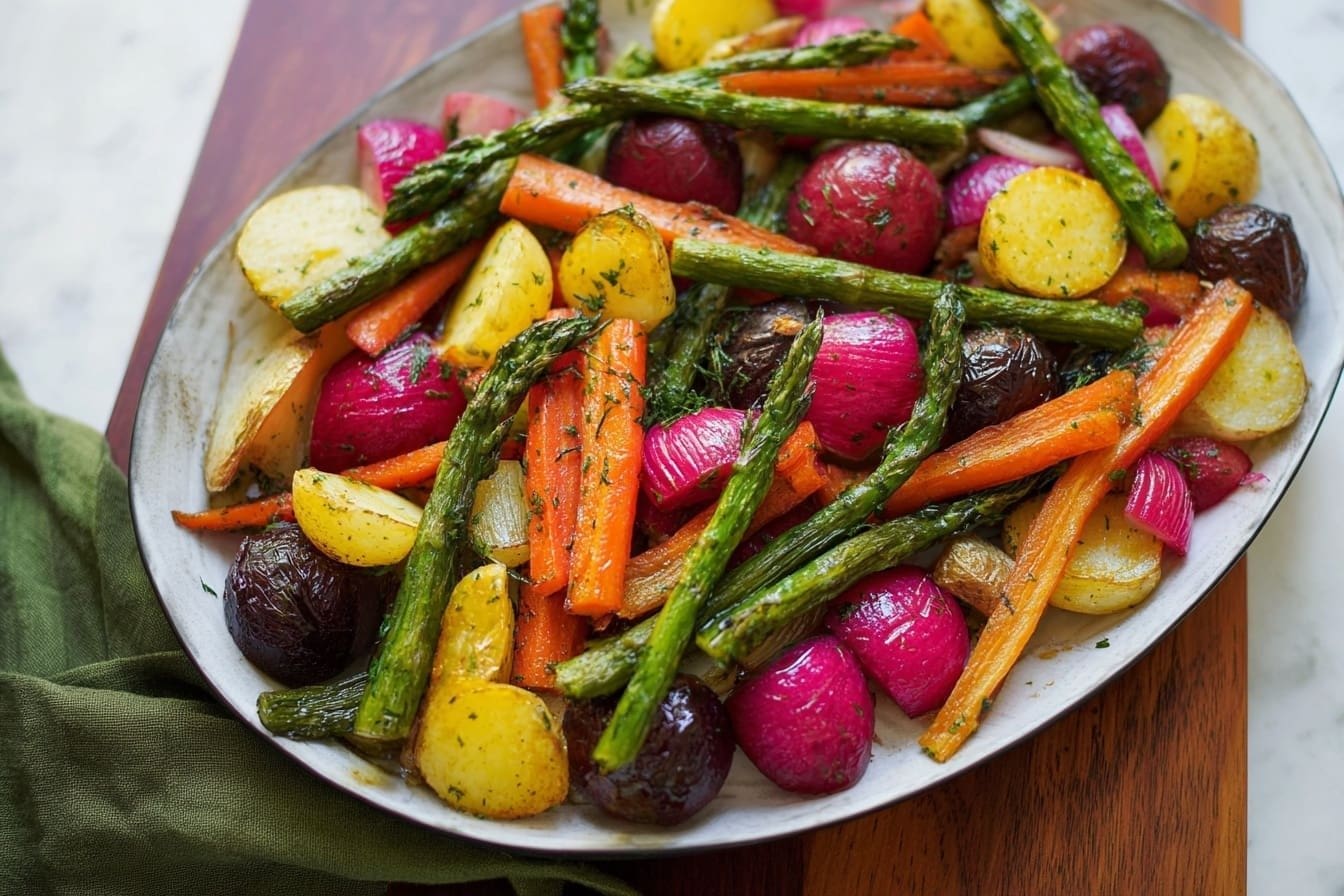
Dietary Substitutions to Customize Your Roasted Spring Vegetables
Protein and main component alternatives
This recipe is already plant-based, so it works well for vegetarian and vegan eaters. If you want to turn it into a fuller meal, add cooked chickpeas, white beans, or tofu after roasting. These additions bring extra protein and make the dish more filling for lunch or dinner.
You can also serve these Roasted Spring Vegetables over quinoa, farro, brown rice, or couscous if you want more substance. That works especially well for busy parents, students, and meal preppers who need a balanced bowl that stores well for later.
Vegetable, sauce, and seasoning modifications
The recipe is very flexible, which makes it useful through different seasons. For a heartier version, roast root vegetables like sweet potatoes, turnips, beets, carrots, radishes, or fennel for about 35 minutes. Add quick-cooking vegetables like broccoli, broccolini, snap peas, snow peas, Swiss chard, or rainbow chard during the last 10 minutes so they stay bright and tender.
If you want a different flavor profile, try garlic powder, smoked paprika, Italian seasoning, or a drizzle of balsamic glaze after roasting. A little grated parmesan also works if you do not need the dish to stay vegan. For a similar lemony side with more asparagus inspiration, you can also read this guide to the health benefits of asparagus.
Mastering Roasted Spring Vegetables: Advanced Tips and Variations
Pro cooking techniques
To get the best roast, dry the vegetables after washing them. Extra water can slow browning and make the pan steamy. If your asparagus spears are thin, check them early since they cook faster than thick spears. For larger sheet pans, leave space between the vegetables so hot air can move around them.
If you want deeper color, roast the potatoes and cauliflower for a few extra minutes before adding the asparagus. You can also flip the vegetables once during cooking if you like more even browning, although it is not required for this recipe. A parchment-lined tray is helpful, but a metal pan can give slightly more color if you watch closely.
Flavor variations
There are many ways to change the flavor of Roasted Spring Vegetables without losing the fresh seasonal feel. Try fresh dill with lemon for a light finish, thyme for a more earthy note, or parsley for a clean herbal taste. You can also add red pepper flakes for a little heat or garlic cloves for a richer roasted flavor.
If you want a sweeter version, use roasted carrots or fennel with the potatoes and cauliflower. For a more savory plate, toss in onions or spring onions near the end. This recipe also fits nicely on a holiday table next to chicken, salmon, or pasta.
Presentation tips
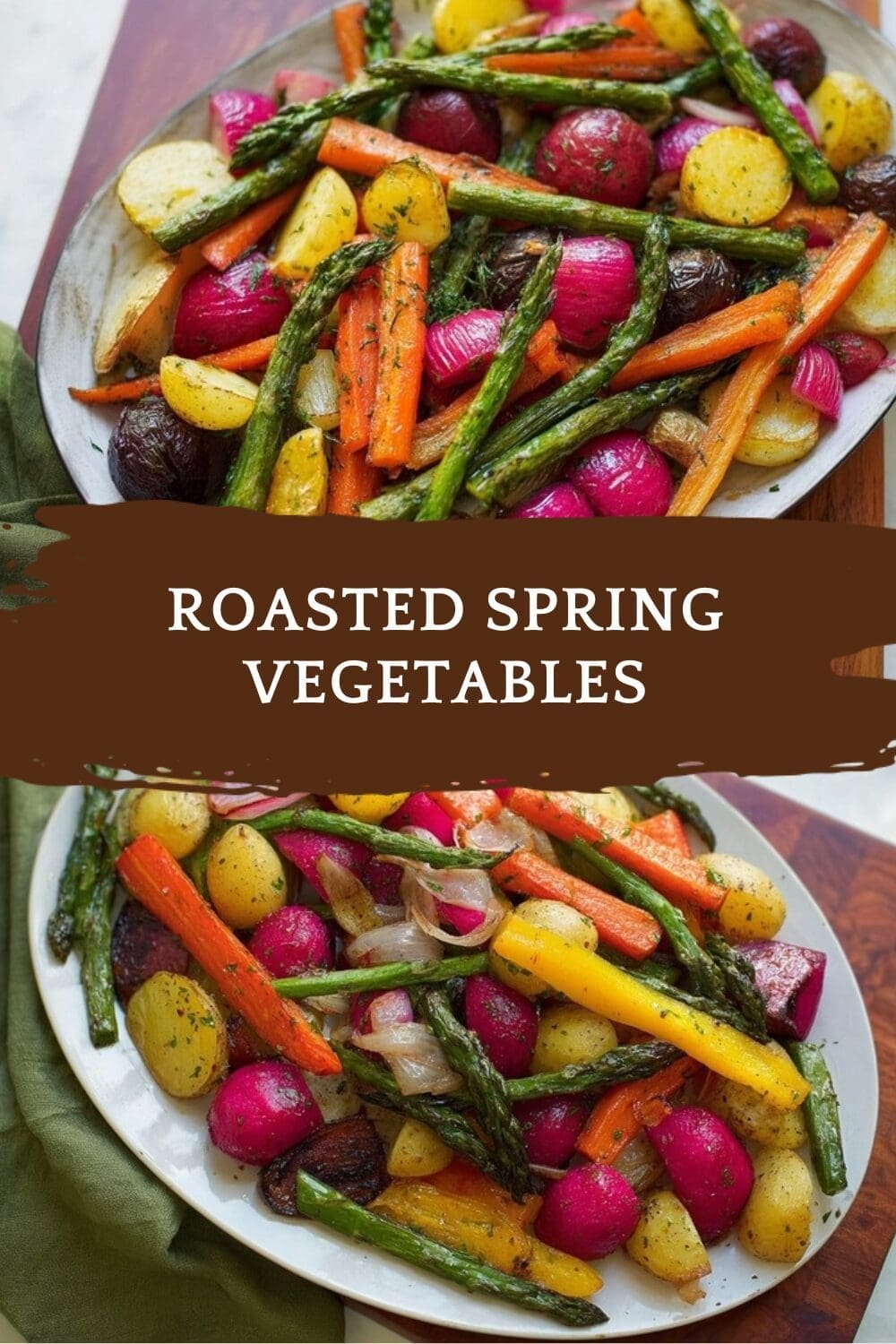
Serve the vegetables on a wide platter so the colors stand out. Place the lemon slices on top for a pretty finish, and scatter fresh herbs over everything right before serving. If you are bringing this dish to a potluck or church meal, let it cool slightly before packing it in a shallow container so the vegetables keep their shape.
For a simple but attractive meal, spoon the vegetables into a bowl and top with a few extra herbs. The mix of gold potatoes, pale cauliflower, green asparagus, and soft leeks looks inviting without much effort.
Make-ahead options
You can wash and chop the vegetables a day ahead, then store them in separate airtight containers in the refrigerator. This saves time when you are preparing dinner for a busy family or getting ready for a gathering. You can also roast the potatoes, cauliflower, and leeks earlier in the day, then reheat them briefly and add the asparagus just before serving.
How to Store Roasted Spring Vegetables: Best Practices
Leftover Roasted Spring Vegetables store well, which makes this recipe useful for meal prep and next-day lunches. Let the vegetables cool completely before packing them away. Then transfer them to an airtight container and refrigerate for up to 5 days. For best flavor, store any fresh herbs separately and add them after reheating.
If you want to freeze leftovers, place them in a freezer-safe bag or container for 1 to 2 months. Keep in mind that asparagus and cauliflower soften a little after freezing, so the texture will be best when reheated in the oven rather than the microwave.
To reheat, place the vegetables on a parchment-lined baking sheet and warm them at 425°F for 10 to 15 minutes. This helps them crisp up again. Stir once halfway through if needed. If you are in a hurry, a skillet works too, but the oven gives the best texture.
A little extra heat brings back the roasted edges, which is why the oven is the best choice for leftovers.
FAQs: Frequently Asked Questions About Roasted Spring Vegetables
What vegetables work best for roasted spring vegetables?
Spring roasted vegetables shine with fresh, seasonal picks like asparagus, broccoli, broccolini, snap peas, snow peas, Swiss chard, rainbow chard, radishes, carrots, and fennel. For heartier options, include new potatoes, sweet potatoes, turnips, beets, or cauliflower—roast these for about 35 minutes at 425°F. Add delicate greens or spears like asparagus in the last 10 minutes to keep them crisp-tender. Chop everything into even 1-2 inch pieces for uniform cooking. Toss with olive oil, salt, pepper, and garlic before roasting on a parchment-lined sheet pan. This mix delivers vibrant colors, varied textures, and natural sweetness. Yields 4-6 servings; prep in 15 minutes. Experiment with herbs like thyme or rosemary for extra flavor. (98 words)
How long and at what temperature do you roast spring vegetables?
Preheat your oven to 425°F for perfectly caramelized roasted spring vegetables. Spread chopped veggies (like carrots, radishes, potatoes, and fennel) in a single layer on a parchment-lined baking sheet. Drizzle with 2-3 tablespoons olive oil, season with salt, pepper, and optional herbs. Roast heartier roots for 25-35 minutes, stirring halfway. Add softer veggies like asparagus, snap peas, or broccoli in the last 10 minutes to avoid overcooking. They’re done when fork-tender with crispy edges and golden spots. Total time: 35-45 minutes. This high-heat method draws out natural sugars for maximum flavor without sogginess. Check doneness early to prevent burning. Serves 4-6 as a side. (112 words)
Can you use roasted spring vegetables recipe for other seasons?
Yes, adapt your roasted spring vegetables recipe easily for fall or winter. Start with sturdy veggies like sweet potatoes, Brussels sprouts, beets, turnips, or red onions—roast at 425°F for 25-35 minutes. Add broccoli, broccolini, or lemon slices in the last 10 minutes for brightness. In summer, swap in zucchini, bell peppers, eggplant, or cherry tomatoes. Winter versions pair well with parsnips, butternut squash, and kale. Always cut pieces evenly, toss in oil and seasonings, and adjust timing for tenderness. This flexibility keeps the dish fresh year-round while maintaining crispy results. One sheet pan, minimal prep—perfect for busy weeknights. (104 words)
How do you store and reheat leftover roasted spring vegetables?
Let roasted spring vegetables cool completely to room temperature, then transfer to an airtight container. Store in the fridge for up to 5 days. For longer storage, freeze in a freezer bag for 1-2 months—thaw overnight before reheating. To reheat, preheat oven to 425°F, spread on a parchment-lined baking sheet, and heat 10-15 minutes until hot and crispy, stirring once. Avoid microwave to prevent mushiness; stovetop sauté with a splash of oil works too. These leftovers re-crisp beautifully, retaining flavor. Pro tip: add fresh herbs post-reheat for a just-roasted taste. Great for meal prep salads or grain bowls. (108 words)
What are simple serving ideas for roasted spring vegetables?
Roasted spring vegetables pair perfectly as a side with grilled chicken, fish, or steak—drizzle with balsamic glaze for tang. Toss into pasta, quinoa salads, or grain bowls with feta, nuts, and vinaigrette. Top pizzas, flatbreads, or omelets for added crunch. Blend leftovers into soups or hummus for dips. Serve warm over yogurt with tahini for a Middle Eastern twist, or cold in wraps. They’re naturally low-carb, vegan, and gluten-free, packing vitamins A, C, and fiber. One batch (4-6 servings) stretches across meals. Season post-roast with lemon zest or herbs to refresh. Keeps dinner versatile and nutritious. (102 words)
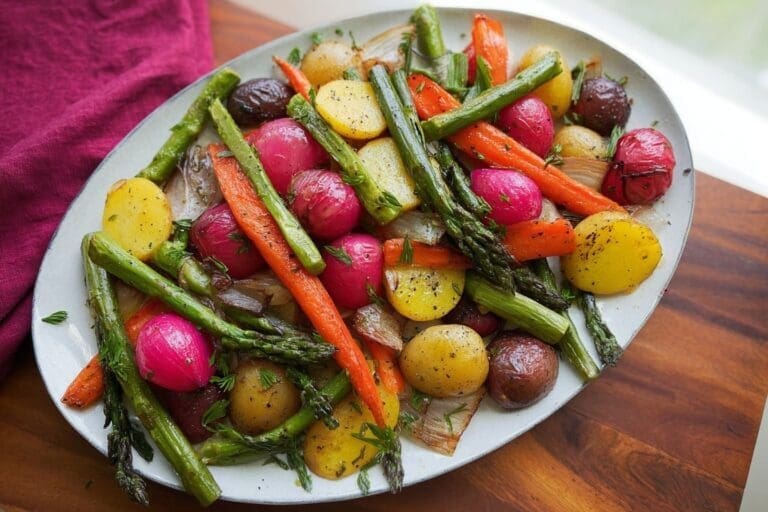
Roasted Spring Vegetables
🌱 Savor vibrant spring veggies roasted to caramelized perfection, packed with nutrients, fiber, and fresh flavors for guilt-free healthy eating!
🥔 Effortless one-pan side dish that’s customizable, seasonal, and ready in 45 minutes – elevate any meal effortlessly.
- Total Time: 45 minutes
- Yield: 4 servings
Ingredients
– 1 1/2 pounds new potatoes, quartered
– 4 cups cauliflower, broken into florets
– 2 large leeks (about 1 1/2 cups chopped), cut in half moons
– 1 to 2 tablespoons avocado oil or olive oil
– Sea salt to taste
– Black pepper to taste
– 1 pound asparagus, ends trimmed, cut into 2-inch pieces
– 1 lemon, thinly sliced
– Optional chopped fresh herbs such as Italian parsley, fresh dill, spring onions, or fresh thyme
Instructions
1-First Step: Preheat and prepare the pan Start by preheating your oven to 425°F. This high temperature helps the vegetables caramelize instead of steaming, which gives you those golden edges everyone loves. Line a baking tray with parchment paper so cleanup is fast and easy. If you are cooking for a crowd, use two pans so the vegetables stay in a single layer. Once the oven is hot, make sure your vegetables are chopped into similar sizes. The potatoes should be quartered, the cauliflower broken into florets, the leeks cut into half moons, and the asparagus cut into 2-inch pieces. Even pieces cook at the same rate, which helps prevent some vegetables from turning mushy while others are still firm.
2-Second Step: Add the heartier vegetables first Spread the quartered new potatoes, cauliflower florets, and chopped leeks onto the prepared baking sheet in a single layer. This matters because crowded vegetables steam instead of roast. Give them a little room so the heat can move around each piece and brown the cut sides. Drizzle the vegetables with 1 to 2 tablespoons of avocado oil or olive oil. Then season them generously with sea salt and black pepper. Toss everything on the pan or in a bowl until the vegetables are lightly coated. If you like a stronger savory flavor, you can add a pinch of garlic powder or dried thyme, but the recipe is already full of good flavor as written.
3-Third Step: Roast the first round Place the tray in the oven and roast for 25 minutes. During this time, the potatoes start to soften, the cauliflower turns lightly golden, and the leeks begin to sweeten. If your oven has hot spots, you can rotate the pan halfway through, but it is not required. This first roast is important because the root vegetables and cauliflower need a little more time than the asparagus. Starting them first gives you vegetables that are tender on the inside and browned on the outside. If you are making a larger batch for a potluck or gathering, you can use the same method across multiple trays and rotate them as needed.
4-Fourth Step: Add the asparagus and lemon After 25 minutes, remove the pan from the oven and add the asparagus pieces. Toss them gently with the roasted vegetables so they pick up the oil and seasoning already on the tray. Then place the thin lemon slices on top. The lemon slowly roasts and perfumes the dish, adding a light sweet citrus flavor that works especially well with leeks and cauliflower. Return the pan to the oven for another 10 minutes. The asparagus should be crisp-tender, not limp, and the potatoes should be fully cooked. If you prefer softer asparagus, you can give it an extra minute or two, but do not roast it too long or it may lose its fresh texture.
5-Final Step: Finish and serve When the vegetables are done, pull the pan from the oven and let everything rest for a minute or two. If you want extra color and freshness, sprinkle chopped Italian parsley, fresh dill, spring onions, or fresh thyme over the top. Serve the Roasted Spring Vegetables hot so the edges stay crisp and the lemon aroma is at its best. For a simple meal, pair this dish with baked chicken, fish, or a grain bowl. It also works well next to comforting mains like loaded mashed potato casserole when you are feeding a larger group and want more than one side dish on the table.
Last Step:
Please leave a rating and comment letting us know how you liked this recipe! This helps our business to thrive and continue providing free, high-quality recipes for you.Notes
🌿 Customize with your favorite seasonal veggies – roast roots first for perfect doneness!
⏲️ Add quick-cook items like asparagus in the last 10 minutes to keep them crisp-tender.
🍋 Roasted lemon slices add sweet, bright flavor – don’t skip them for maximum taste!
- Prep Time: 10 minutes
- Cook Time: 35 minutes
- Category: Side Dishes
- Method: Roasting
- Diet: Vegan
Nutrition
- Serving Size: 1/4 of recipe
- Calories: 162 kcal
- Sugar: 3 g
- Sodium: 41 mg
- Fat: 3 g
- Saturated Fat: 0.4 g
- Unsaturated Fat: 2.6 g
- Trans Fat: 0 g
- Carbohydrates: 31 g
- Fiber: 5 g
- Protein: 5 g
- Cholesterol: 0 mg


