

Why You’ll Love This Roasted Cauliflower Soup
- Ease of preparation: This roasted cauliflower soup recipe is straightforward and quick, perfect for busy weeknights. With simple ingredients and minimal prep, you can enjoy a delicious, homemade soup in under 30 minutes, making it accessible for cooks of all skill levels.
- Health benefits: Packed with nutrient-rich cauliflower, this soup supports wellness by providing essential vitamins like C and K, antioxidants, and dietary fiber. It’s a wholesome choice for boosting immunity and maintaining a balanced diet.
- Versatility: Adaptable to various dietary preferences, this roasted cauliflower soup can be easily modified to be vegan, gluten-free, or low-calorie, making it suitable for different health needs and lifestyles without sacrificing flavor.
- Distinctive flavor: Roasting the cauliflower brings out a rich, nutty flavor that makes this soup uniquely tasty. The combination of caramelized vegetables and complementary spices results in a comforting and memorable dish.
Jump to:
- Why You’ll Love This Roasted Cauliflower Soup
- Essential Ingredients for Roasted Cauliflower Soup
- Special Dietary Options
- How to Prepare the Perfect Roasted Cauliflower Soup: Step-by-Step Guide
- First Step: Roast the Cauliflower
- Second Step: Sauté Aromatics
- Third Step: Combine and Simmer
- Fourth Step: Blend the Soup
- Fifth Step: Season and Adjust
- Final Step: Serve and Garnish
- Dietary Substitutions to Customize Your Roasted Cauliflower Soup
- Protein and Main Component Alternatives
- Vegetable, Sauce, and Seasoning Modifications
- Mastering Roasted Cauliflower Soup: Advanced Tips and Variations
- How to Store Roasted Cauliflower Soup: Best Practices
- FAQs: Frequently Asked Questions About Roasted Cauliflower Soup
- Can I use frozen cauliflower to make roasted cauliflower soup?
- How do I make roasted cauliflower soup vegan and dairy free?
- What is the best way to blend hot roasted cauliflower soup safely?
- How should leftover roasted cauliflower soup be stored and how long does it last?
- Can I prepare the roasted cauliflower in advance to save time?
- Roasted Cauliflower Soup
- Ingredients
- Instructions
- Last Step:
- Notes
- Nutrition
- Did you make this recipe?
Essential Ingredients for Roasted Cauliflower Soup
- 1 large head cauliflower (about 2 pounds), cut into bite-size florets – forms the creamy base and key nutrient source
- 3 tablespoons extra-virgin olive oil, divided – for roasting and sautéing, adds healthy fats and flavor
- Fine sea salt and freshly ground black pepper, to taste – essential seasoning
- 1 medium red onion, chopped (or ½ large Vidalia onion) – adds sweetness and depth
- 2 cloves garlic, pressed or minced (or 5 cloves smashed with skins for roasting) – provides aromatic complexity
- 4 to 4½ cups vegetable broth – creates the liquid base, keeps soup light and flavorful
- 2 tablespoons unsalted butter (optional; can be replaced with soaked cashews for vegan version) – adds richness and creaminess
- 1 tablespoon fresh lemon juice, or more if needed – brightens flavor
- Scant ¼ teaspoon ground nutmeg – subtle warmth and depth
- Fresh herbs for garnish (parsley, chives, green onions, or thyme) – adds freshness
- Optional toppings: reserved roasted cauliflower florets, crushed red pepper, drizzle of coconut milk or other creamy alternatives – enhance texture and flavor
Special Dietary Options
- Vegan: Use vegetable broth and replace butter with soaked cashews or coconut milk for creaminess without dairy.
- Gluten-free: Ensure vegetable broth and all seasonings are certified gluten-free for a safe option.
- Low-calorie: Use minimal olive oil and omit butter or creamy toppings, focusing on roasted vegetables and broth.
How to Prepare the Perfect Roasted Cauliflower Soup: Step-by-Step Guide
First Step: Roast the Cauliflower
Preheat your oven to 425–450°F (220–230°C). Toss cauliflower florets with 2 tablespoons of olive oil, a light sprinkle of salt, and freshly ground black pepper. Spread evenly on a rimmed baking sheet lined with parchment paper or a silicone mat. Add smashed garlic cloves with skins on if desired to roast alongside. Roast for 25–35 minutes, turning halfway through, until the florets are tender and caramelized at the edges. Remove the garlic skins once cooled if used. Save some roasted florets for garnish or adding back into the soup for texture.
Second Step: Sauté Aromatics
While the cauliflower roasts, heat the remaining 1 tablespoon of olive oil in a large soup pot over medium heat. Add the chopped red onion and ¼ teaspoon salt. Cook gently for 5–8 minutes until softened and translucent. Add pressed or minced garlic (or peeled roasted garlic) and cook for an additional 1 minute until fragrant.
Third Step: Combine and Simmer
Add the roasted cauliflower (except for reserved florets) to the pot along with 2–3 sprigs of fresh thyme if using. Pour in 4 to 4½ cups of vegetable broth, bring the mixture to a simmer over medium-high heat. Reduce heat and let it simmer gently for 15–20 minutes to blend the flavors.
Fourth Step: Blend the Soup
Remove the thyme sprigs. Carefully transfer the soup in batches to a blender along with butter or soaked cashews for creaminess. Blend until completely smooth and creamy. Return the blended soup to the pot.
Fifth Step: Season and Adjust
Add fresh lemon juice and a scant ¼ teaspoon of ground nutmeg to the soup. Blend or stir to combine and adjust seasoning with additional salt, lemon juice, or pepper as needed for balanced flavor.
Final Step: Serve and Garnish
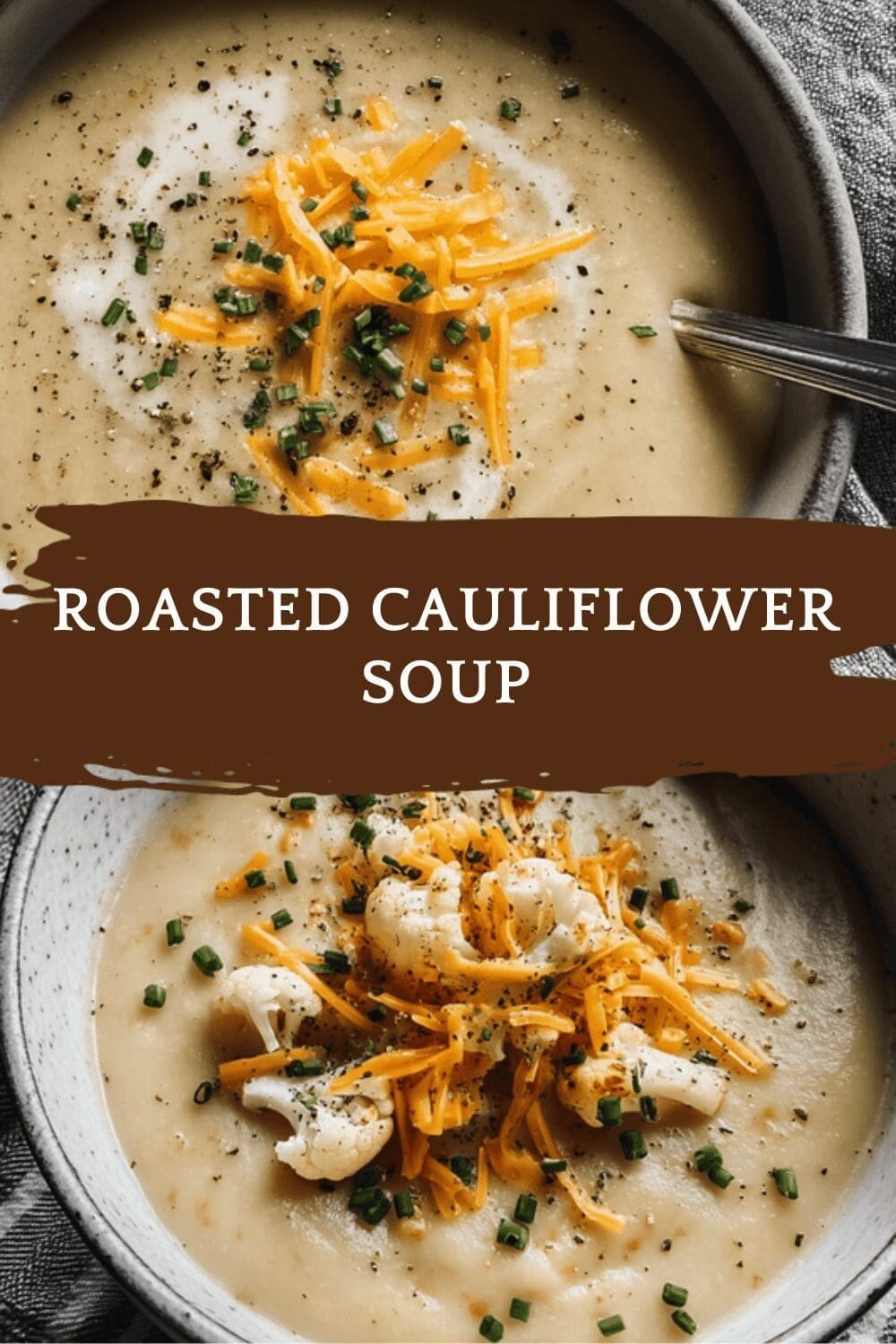
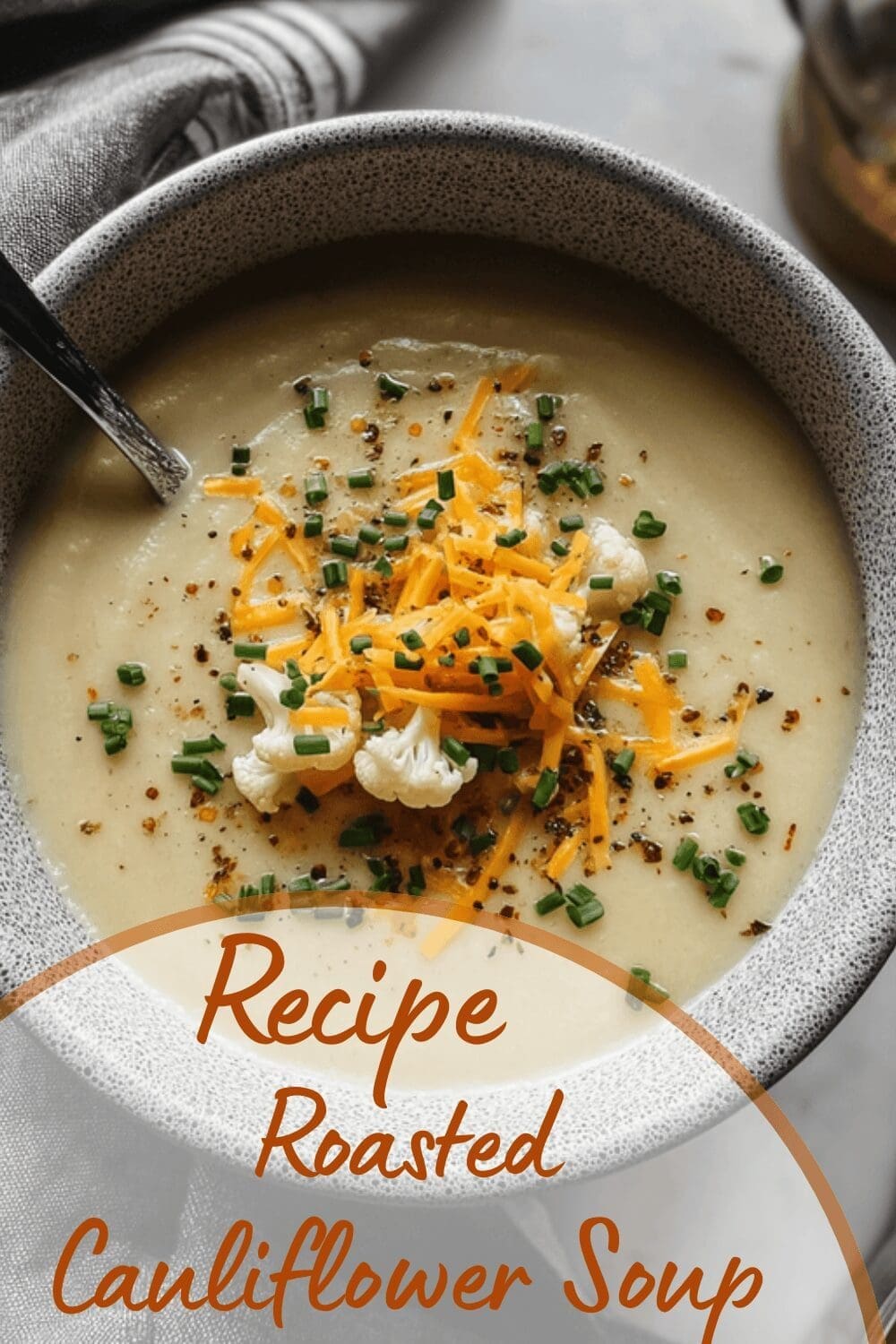
Serve the roasted cauliflower soup hot, garnished with reserved roasted cauliflower florets and finely chopped fresh herbs such as parsley, chives, or thyme. Optionally drizzle with coconut milk or your favorite creamy topping to add richness and complexity. This soup pairs beautifully with crusty bread or a light salad for a complete meal.
Tip: Using a stand blender generally gives a smoother texture, but an immersion blender is a convenient alternative that works well too.
Dietary Substitutions to Customize Your Roasted Cauliflower Soup
Protein and Main Component Alternatives
- Add cooked chickpeas or white beans during the blending stage for extra protein and creaminess.
- Substitute cauliflower with roasted broccoli or parsnips for a different but equally delicious flavor base.
Vegetable, Sauce, and Seasoning Modifications
- Replace dairy butter with coconut cream or soaked cashews for vegan and dairy-free options.
- Experiment with spices such as smoked paprika, curry powder, or fresh ginger to create unique flavor profiles.
- For a non-vegetarian version, use chicken broth instead of vegetable broth and garnish with crispy bacon bits.
Mastering Roasted Cauliflower Soup: Advanced Tips and Variations
- Pro cooking techniques: Roast cauliflower at a high temperature to achieve deep caramelization and richer flavor. Use a high-powered blender with variable speeds to control the soup’s desired texture.
- Flavor variations: Add roasted red peppers or a drizzle of truffle oil for a gourmet touch. Incorporate herbs like thyme, rosemary, or sage for additional aromatic layers.
- Presentation tips: Garnish with a swirl of herb-infused oil, toasted seeds, or fresh microgreens to boost visual appeal and add texture contrast.
- Make-ahead options: Prepare the soup base in advance and store in the refrigerator up to 3 days or freeze individual portions for convenient reheating on busy days.
How to Store Roasted Cauliflower Soup: Best Practices
- Refrigeration: Store cooled roasted cauliflower soup in airtight containers and refrigerate for up to 3 days to retain freshness and flavor.
- Freezing: Freeze the soup in freezer-safe containers or bags for longer storage. Allow the soup to cool completely before freezing to preserve texture.
- Reheating: Warm gently over low to medium heat, stirring occasionally to prevent scorching and maintain a smooth consistency. Add a splash of broth if the soup is too thick.
- Meal prep considerations: Batch cook and freeze in individual servings to streamline busy weeknight dinners, with clear labeling for easy use.
FAQs: Frequently Asked Questions About Roasted Cauliflower Soup
Can I use frozen cauliflower to make roasted cauliflower soup?
Yes, frozen cauliflower can be used for this soup and roasts well in the oven. Simply spread the frozen cauliflower florets on a baking sheet, drizzle with olive oil, and season with salt and pepper before roasting. Roasting frozen cauliflower may take a few extra minutes compared to fresh, but it still develops a rich, caramelized flavor ideal for the soup.
How do I make roasted cauliflower soup vegan and dairy free?
To make this soup vegan and dairy free, replace butter with soaked cashews or use coconut milk for creaminess. Soak ¼ cup of cashews in water for about 4 hours, then blend them with the soup for a creamy texture. Alternatively, adding coconut milk when blending creates a smooth, rich consistency without dairy.
What is the best way to blend hot roasted cauliflower soup safely?
Let the soup cool slightly before blending to avoid pressure buildup. Transfer the soup in batches to a stand blender, filling it only halfway. Blend until smooth, then return the soup to the pot for reheating. Using an immersion blender directly in the pot is another safe and convenient method that minimizes spills.
How should leftover roasted cauliflower soup be stored and how long does it last?
Store leftover soup in an airtight container in the refrigerator for up to 5 days. For longer storage, freeze the soup in sealed containers or freezer bags for up to 3 months. When reheating, thaw frozen soup in the refrigerator overnight or heat directly from frozen on the stove over low heat.
Can I prepare the roasted cauliflower in advance to save time?
Yes, you can roast the cauliflower up to 24 hours ahead. Store it in an airtight container in the refrigerator until ready to use. This allows you to quickly assemble the soup later. You can also roast a larger batch and reserve some florets for adding texture to the finished soup if desired.

Roasted Cauliflower Soup
🥣 This Roasted Cauliflower Soup offers rich, deep flavors with a creamy texture that’s both comforting and satisfying.
🧄 Infused with garlic and nutmeg, it’s a delightful way to enjoy vegetables with a touch of warmth and zest!
- Total Time: 1 hour to 1 hour 10 minutes
- Yield: About 4 medium bowls
Ingredients
– 1 large head cauliflower
– 3 tablespoons extra-virgin olive oil for roasting and sautéing
– Fine sea salt and freshly ground black pepper
– 1 medium red onion
– 2 cloves garlic
– 4 to 4½ cups vegetable broth
– 2 tablespoons unsalted butter
– 1 tablespoon fresh lemon juice
– Scant ¼ teaspoon ground nutmeg
– Fresh herbs for garnish (parsley, chives, green onions, or thyme)
– Optional toppings: reserved roasted cauliflower florets, crushed red pepper, drizzle of coconut milk or other creamy alternatives
Instructions
First Step: Roast the Cauliflower
Preheat your oven to 425–450°F (220–230°C). Toss cauliflower florets with 2 tablespoons of olive oil, a light sprinkle of salt, and freshly ground black pepper. Spread evenly on a rimmed baking sheet lined with parchment paper or a silicone mat. Add smashed garlic cloves with skins on if desired to roast alongside. Roast for 25–35 minutes, turning halfway through, until the florets are tender and caramelized at the edges. Remove the garlic skins once cooled if used. Save some roasted florets for garnish or adding back into the soup for texture.
Second Step: Sauté Aromatics
While the cauliflower roasts, heat the remaining 1 tablespoon of olive oil in a large soup pot over medium heat. Add the chopped red onion and ¼ teaspoon salt. Cook gently for 5–8 minutes until softened and translucent. Add pressed or minced garlic (or peeled roasted garlic) and cook for an additional 1 minute until fragrant.
Third Step: Combine and Simmer
Add the roasted cauliflower (except for reserved florets) to the pot along with 2–3 sprigs of fresh thyme if using. Pour in 4 to 4½ cups of vegetable broth, bring the mixture to a simmer over medium-high heat. Reduce heat and let it simmer gently for 15–20 minutes to blend the flavors.
Fourth Step: Blend the Soup
Remove the thyme sprigs. Carefully transfer the soup in batches to a blender along with butter or soaked cashews for creaminess. Blend until completely smooth and creamy. Return the blended soup to the pot.
Fifth Step: Season and Adjust
Add fresh lemon juice and a scant ¼ teaspoon of ground nutmeg to the soup. Blend or stir to combine and adjust seasoning with additional salt, lemon juice, or pepper as needed for balanced flavor.
Final Step: Serve and Garnish
Serve the roasted cauliflower soup hot, garnished with reserved roasted cauliflower florets and finely chopped fresh herbs such as parsley, chives, or thyme. Optionally drizzle with coconut milk or your favorite creamy topping to add richness and complexity. This soup pairs beautifully with crusty bread or a light salad for a complete meal.
Last Step:
Please leave a rating and comment letting us know how you liked this recipe! This helps our business to thrive and continue providing free, high-quality recipes for you.Notes
🔥 Roasting the cauliflower develops deep caramelized flavors vital to the soup’s delicious taste.
🥄 Using a stand blender typically yields a creamier texture than an immersion blender, but either can be used.
🌿 Nutmeg and lemon juice add subtle depth, enhancing the soup’s flavor balance.
- Prep Time: 15 minutes
- Resting Time: 0 minutes
- Cook Time: 35-55 minutes
- Category: Soup
- Method: Roasting
- Cuisine: Vegetarian
- Diet: Vegan-Friendly
Nutrition
- Serving Size: 1 medium bowl
- Calories: 150
- Sugar: 3 g
- Sodium: 600 mg
- Fat: 10 g
- Saturated Fat: 2 g
- Unsaturated Fat: 8 g
- Trans Fat: 0 g
- Carbohydrates: 15 g
- Fiber: 4 g
- Protein: 4 g
- Cholesterol: 0 mg


Oh wow, this roasted cauliflower soup is just perfect for cozy autumn nights! 🍂 I added a bit of smoked paprika for a little extra kick, and it turned out amazing. Thanks for the awesome recipe—I’ll definitely be making it again soon! 🥣