
Benefits and Advantages of Restaurant Style Salsa
Restaurant style salsa offers an ideal balance between fresh ingredients and bold flavors, making it a favorite among salsa enthusiasts. One of its main benefits is the simplicity of preparation; with just chopping and mixing, you can create a vibrant and flavorful salsa in minutes without any cooking or complex methods.
This salsa is packed with health benefits as it is rich in vitamins sourced from ripe tomatoes, onions, and peppers, along with antioxidants that promote overall well-being. Unlike cream-based dips, this salsa is low in calories and fat, making it a guilt-free addition to any meal or snack.
Moreover, the recipe is versatile, accommodating various dietary preferences such as vegan, gluten-free, and low-calorie requirements. Its authentic, restaurant-quality taste combined with fresh herbs and the perfect balance of acidity sets it apart, delivering a refreshing, zesty flavor profile that elevates any dish.
Jump to:
- Benefits and Advantages of Restaurant Style Salsa
- Essential Ingredients for Restaurant Style Salsa
- Dietary Substitutions to Customize Your Restaurant Style Salsa
- Heat & Spice Adjustments
- Ingredient Alternatives
- Diet-Specific Modifications
- How to Prepare the Perfect Restaurant Style Salsa: Step-by-Step Guide
- Mastering Restaurant Style Salsa: Advanced Tips and Variations
- Flavor Enhancements
- Creative Variations
- How to Store Restaurant Style Salsa: Best Practices
- Nutritional Value of Restaurant Style Salsa
- FAQs: Frequently Asked Questions About Restaurant Style Salsa
- What ingredients do I need to make restaurant-style salsa?
- How do I get the smooth, consistent texture of restaurant salsa at home?
- Can I use fresh tomatoes instead of canned for restaurant salsa?
- How long can I keep restaurant-style salsa in the fridge?
- What type of onion is best for making restaurant-style salsa?
- Restaurant Style Salsa Recipe for Authentic Flavor and Easy Preparation
- Ingredients
- Instructions
- Last Step:
- Notes
- Nutrition
- Did you make this recipe?
Essential Ingredients for Restaurant Style Salsa
To achieve the signature flavor and texture of restaurant style salsa, fresh, high-quality ingredients are essential. Below is a detailed list of the key ingredients:
- 2 cups ripe tomatoes, finely chopped
- 1/2 cup fresh white onions, diced
- 1 to 2 jalapeño peppers, seeded and minced, adjusted for desired heat
- 2 cloves garlic, minced
- 1/4 cup fresh cilantro, chopped
- 2 tablespoons lime juice
- 1 teaspoon salt
- Optional: diced bell peppers for added color and sweetness
This blend naturally supports vegan, gluten-free, and low-calorie diets due to the absence of animal products and gluten-containing ingredients, and because the salsa is made mostly from fresh vegetables.
| Ingredient | Function/Flavor Contribution |
|---|---|
| Ripe Tomatoes | Provide the base with natural sweetness and acidity |
| White Onions | Add crunch and a sharp, clean flavor |
| Jalapeños | Offer gentle heat and spice |
| Garlic | Contributes aromatic depth |
| Cilantro | Brings fresh herbal notes essential for authenticity |
| Lime Juice | Brightens flavor with acidity |
| Salt | Balances and enhances all flavors |

Dietary Substitutions to Customize Your Restaurant Style Salsa
Here are effective substitutions to accommodate different dietary needs or ingredient availability while maintaining the salsa’s fresh and vibrant character:
Heat & Spice Adjustments
- Replace jalapeños with milder peppers like bell peppers or Anaheim peppers for less heat.
- Remove seeds and membranes to reduce spiciness.
Ingredient Alternatives
- Use canned diced tomatoes (unsalted) when fresh tomatoes are out of season, though fresh is preferred.
- Swap cilantro with parsley for those who dislike cilantro’s taste or have allergies.
Diet-Specific Modifications
- Reduce or omit salt or use salt substitutes for a low-sodium version.
- Add diced avocado or corn kernels to introduce texture and thickness while staying vegan and gluten-free.
- Avoid oils or sweeteners for low-calorie variations by focusing solely on fresh vegetables.
These substitutions allow easy adjustments while keeping the salsa flavorful and suitable for a wide range of dietary preferences.

How to Prepare the Perfect Restaurant Style Salsa: Step-by-Step Guide
- Gather Ingredients: Fresh ingredients including ripe tomatoes, onions, jalapeños, garlic, cilantro, lime juice, and salt. Wash and dry vegetables thoroughly to ensure freshness.
- Chop Tomatoes: Finely chop the tomatoes into small, uniform pieces to achieve the ideal texture. Optionally, remove some seeds to reduce excess juice.
- Prepare Onions and Jalapeños: Dice onions and jalapeños finely. Adjust jalapeño quantity to your heat preference; remove seeds for milder salsa.
- Mince Garlic: Mince garlic cloves carefully to avoid overpowering the salsa.
- Combine Ingredients: Mix chopped tomatoes, onions, jalapeños, and minced garlic in a medium-sized bowl.
- Add Cilantro and Lime: Stir in chopped cilantro and freshly squeezed lime juice to brighten flavors and add authenticity.
- Season: Add salt to taste, stirring well to blend all flavors evenly.
- Incorporate Substitutions: For dietary needs, substitute parsley for cilantro, bell peppers for jalapeños, or add diced avocado for creaminess suitable for vegan and gluten-free diets.
- Chill: Refrigerate the salsa for at least 30 minutes to allow flavors to meld fully.
- Serve: Serve chilled with tortilla chips, tacos, or as a fresh topping for various dishes, ensuring the salsa’s vibrant flavor complements your meal.
Mastering Restaurant Style Salsa: Advanced Tips and Variations
Flavor Enhancements
- Use fire-roasted tomatoes or lightly char jalapeños on a grill to add smoky depth without overwhelming freshness.
- Finely dice ingredients instead of blending to preserve texture and allow each flavor to shine.
Creative Variations
- Add diced mango or pineapple for a sweet and spicy tropical twist, great with grilled meats or seafood.
- Introduce a splash of vinegar or pinch of cumin for a more layered flavor profile.
- Try different herbs such as oregano or mint instead of cilantro for a unique twist.
These tips help improve flavor balance and meet diverse palates while retaining the authenticity and freshness of restaurant style salsa.
How to Store Restaurant Style Salsa: Best Practices
| Storage Method | Instructions | Duration |
|---|---|---|
| Refrigeration | Store the salsa in an airtight container to preserve freshness, taste, and texture. | 4-5 days |
| Freezing | Use freezer-safe containers with headspace for expansion. Thaw overnight in refrigerator and stir before serving. | Up to 2 months |
Reheating is usually unnecessary since salsa is served cold or at room temperature. If warming, gently heat on the stove without boiling to keep its fresh profile. Avoid repeated thawing/freezing cycles to maintain quality.
Nutritional Value of Restaurant Style Salsa
This salsa is a healthy, low-calorie addition to your meals. Each 1/4 cup serving provides approximately:
| Nutrient | Amount |
|---|---|
| Calories | 30 kcal |
| Carbohydrates | 4 g |
| Protein | 1 g |
| Fat | Negligible |
| Sodium | Varies (monitor for low-sodium diets) |
| Fiber | 1 g |
| Vitamin C | Supports immune and skin health |
The fiber aids digestion and promotes fullness, while antioxidants help combat oxidative stress, making this salsa a heart-healthy condiment.

FAQs: Frequently Asked Questions About Restaurant Style Salsa
What ingredients do I need to make restaurant-style salsa?
To make restaurant-style salsa, you typically need canned whole peeled tomatoes with their juices, white onion, garlic, jalapeños (including seeds and membranes for heat), fresh cilantro, lime juice, a pinch of sugar, salt, and Mexican oregano. Using canned tomatoes instead of fresh ones is important for achieving the authentic smooth texture and balanced flavor that restaurant salsa is known for.
How do I get the smooth, consistent texture of restaurant salsa at home?
The key to restaurant-style salsa texture is blending the ingredients in a food processor. Pulse the canned tomatoes, onions, jalapeños, garlic, and spices together until the salsa is mostly smooth but still slightly chunky. Avoid over-blending into a completely pureed sauce unless you prefer it very smooth. Refrigerating the salsa for at least an hour helps the flavors meld and improves the overall taste.
Can I use fresh tomatoes instead of canned for restaurant salsa?
Fresh tomatoes are not recommended for restaurant-style salsa because they tend to produce a blander flavor and a more watery consistency. Canned whole peeled tomatoes provide a rich, concentrated taste and thicker texture. If you want the classic restaurant salsa flavor, canned tomatoes are the best choice.
How long can I keep restaurant-style salsa in the fridge?
Restaurant-style salsa can be stored in an airtight container in the refrigerator for up to seven days. Keeping it cold slows bacterial growth and helps preserve the fresh flavors. Always use clean utensils when serving to avoid contamination and check for sour smell or mold before use.
What type of onion is best for making restaurant-style salsa?
White onion is the traditional choice for restaurant-style salsa because it offers a sharp, clean flavor that complements the other ingredients well. However, red or yellow onions can also be used if you prefer a milder or sweeter taste. Finely chopping or pulsing the onion in the food processor will help distribute its flavor evenly.
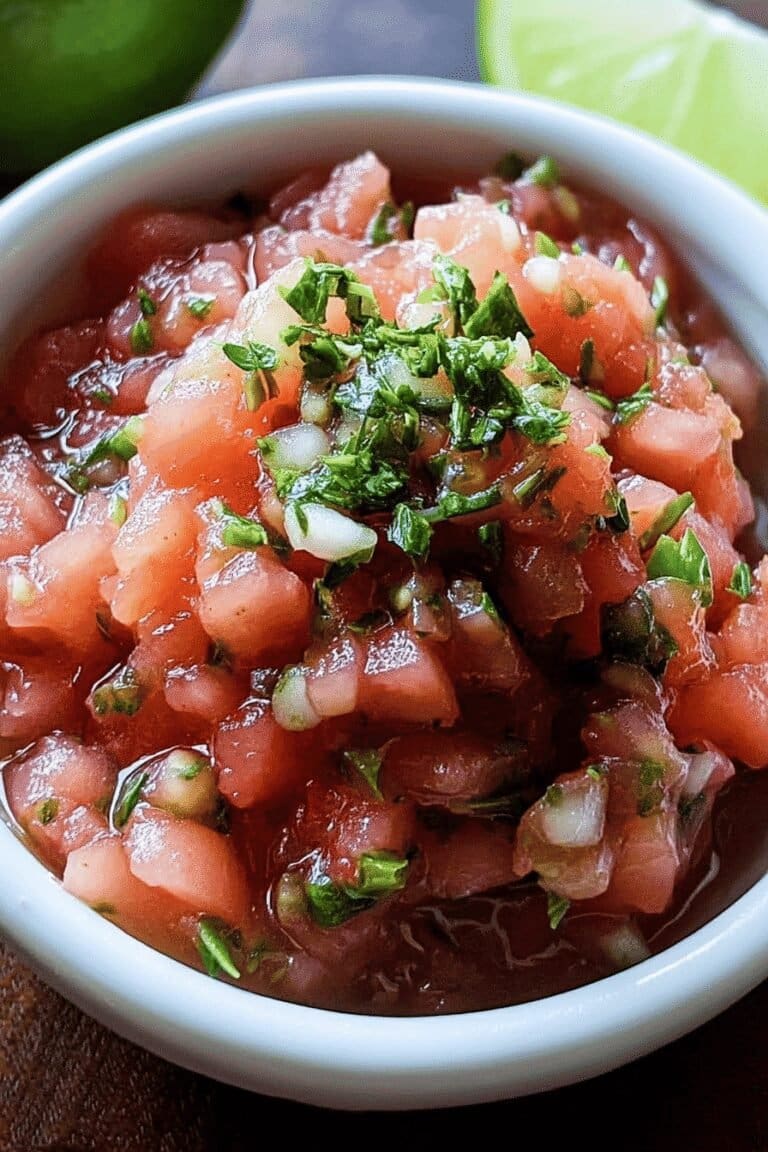
Restaurant Style Salsa Recipe for Authentic Flavor and Easy Preparation
🌶️ Enjoy this quick, fresh, and flavorful restaurant-style salsa that replicates the smooth, balanced salsa typically served at Mexican restaurants!
🧄 Perfect for those looking to enjoy authentic Mexican flavors with ease and simplicity at home.
- Total Time: 1 hour 10 minutes
- Yield: 12 servings (approximately 4 cups) 1x
Ingredients
1 (28-ounce or 794 g) can whole peeled tomatoes with juice
2 (10-ounce or 284 g each) cans diced tomatoes with green chilies (optional)
1/4 to 1/2 cup chopped white onion
1 whole jalapeño, quartered and thinly sliced
1 to 2 cloves garlic, minced or roughly chopped
1/4 teaspoon sugar (optional)
1 teaspoon salt
1/4 teaspoon ground cumin
Juice of half a lime (about 1 tablespoon)
1/2 to 1 cup fresh cilantro, roughly chopped
Optional: 2 tablespoons red wine vinegar or 1 tablespoon crushed red pepper flakes
Instructions
1. Combine the whole peeled tomatoes with juices, diced tomatoes and green chilies (if using), onion, jalapeño, garlic, sugar, salt, cumin, lime juice, and cilantro in a food processor or blender.
2. Pulse the mixture 10 to 15 times until the salsa reaches your desired smoothness.
3. Taste and adjust seasoning with more salt, lime juice, or cilantro as needed.
4. Refrigerate the salsa for at least 1 hour, preferably up to 24 hours.
5. Serve chilled with tortilla chips or cheese nachos.
Last Step:
Please leave a rating and comment letting us know how you liked this recipe! This helps our business to thrive and continue providing free, high-quality recipes for you.Notes
🧅 Use white onion for the best traditional flavor; red or yellow onions can be substituted if needed.
🌶️ Keeping the jalapeño seeds ensures a balanced spiciness that intensifies as the salsa sits.
🌿 Fresh cilantro is essential for authentic flavor; add generously unless you prefer less.
- Prep Time: 10 minutes
- Refrigeration Time: 1 hour
- Cook Time: 0 minutes
- Category: Salsa
- Method: Blending
- Cuisine: Mexican
- Diet: Vegan
Nutrition
- Serving Size: 1/12 of recipe
- Calories: 16
- Sugar: 2
- Sodium: 289
- Fat: 0.1
- Saturated Fat: 0
- Unsaturated Fat: 0.1
- Trans Fat: 0
- Carbohydrates: 4
- Fiber: 1
- Protein: 1
- Cholesterol: 0