

Why You’ll Love This Potato Stacks
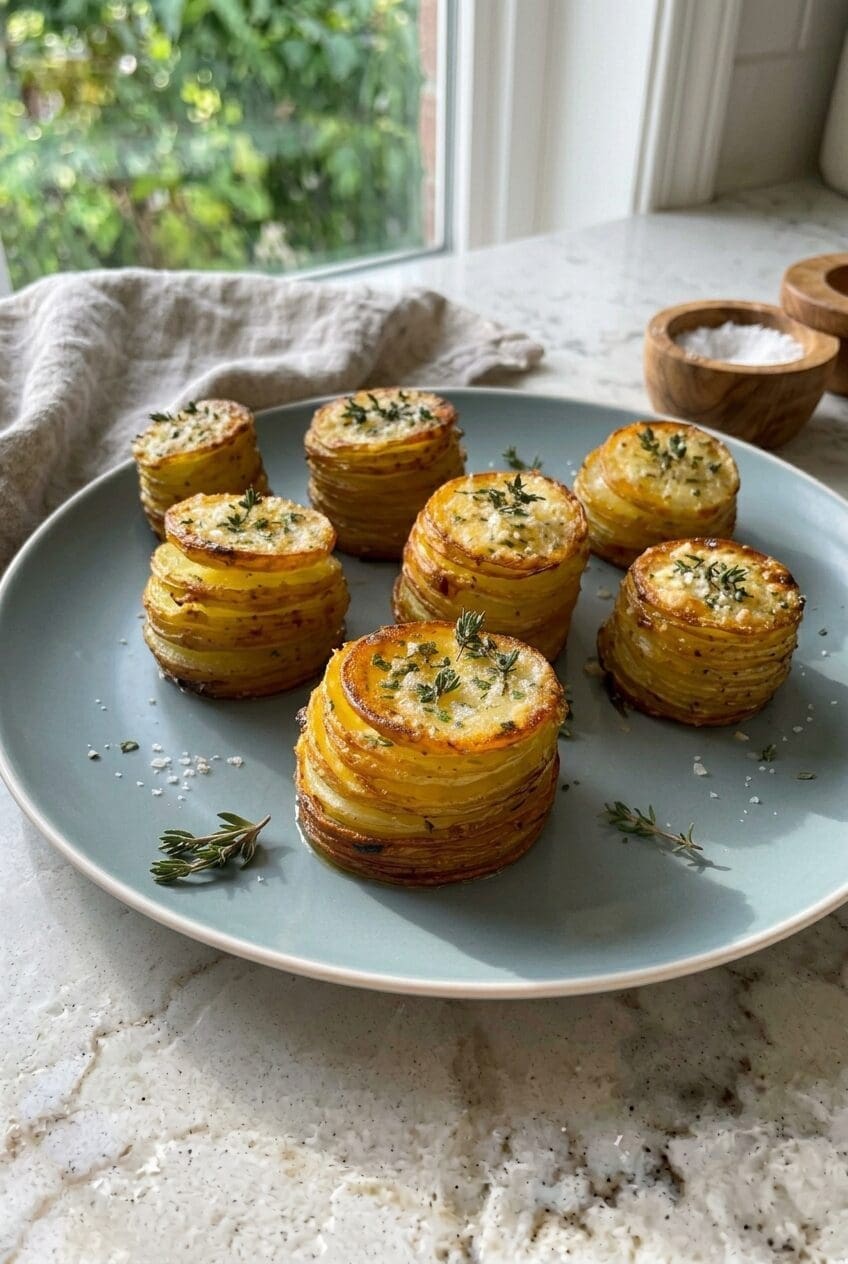
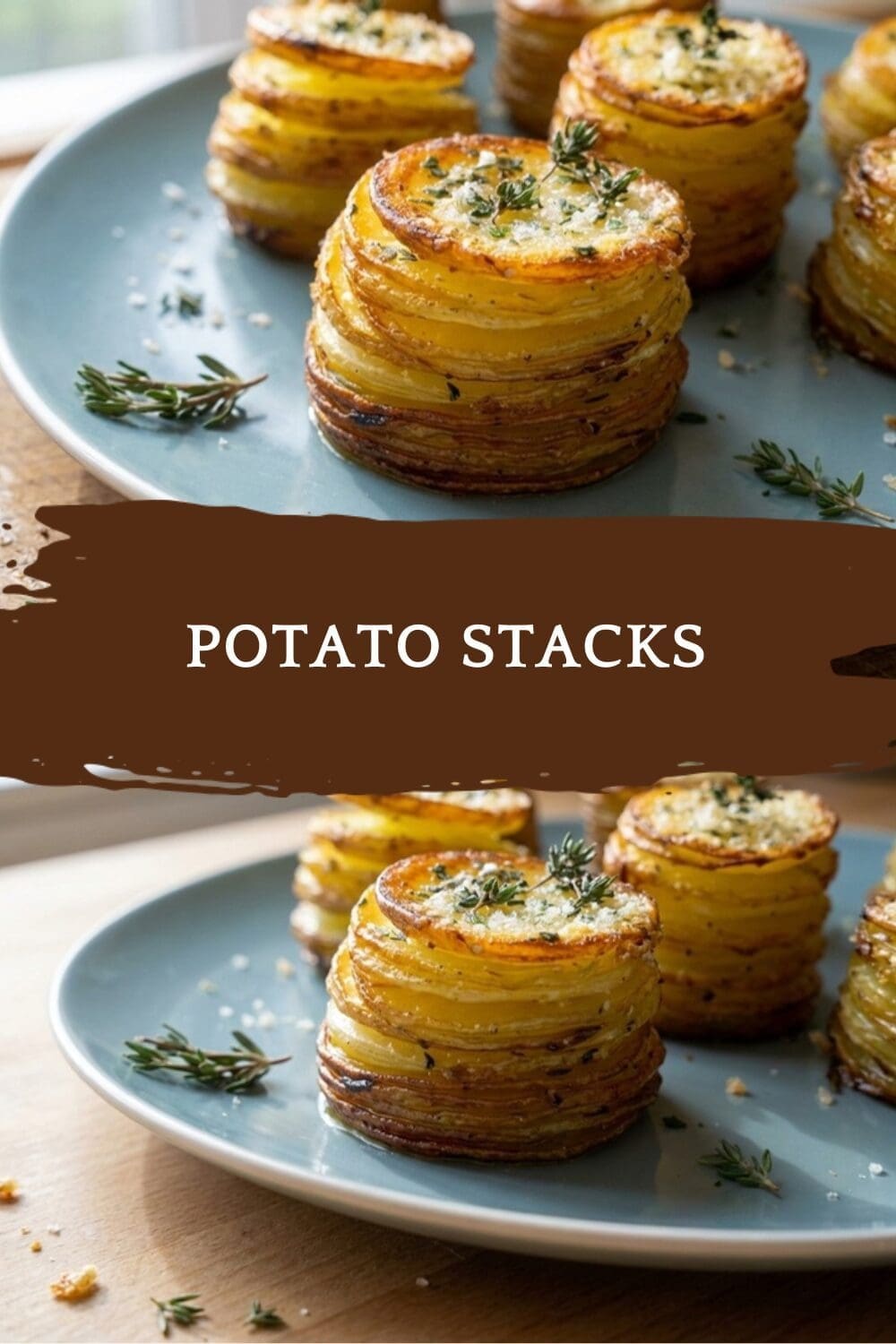
If you’re looking for a simple yet impressive side dish, potato stacks are a game-changer for any meal. They bring a crispy, cheesy twist to everyday potatoes that makes them fun to eat and easy to share. Let’s dive into what makes this recipe stand out for home cooks like you.
- Ease of preparation: This potato stacks recipe comes together in just about 1 hour and 10 minutes, with only 20 minutes of active prep time, so you can whip it up without spending all day in the kitchen. The steps are straightforward, using basic tools like a knife or mandoline, which means even busy parents and students can handle it. You’ll appreciate how it fits into your routine for quick weeknight dinners or last-minute gatherings.
- Health benefits: Potatoes offer plenty of nutrients like potassium and vitamin C, and when you use fresh herbs like oregano and thyme, you add even more flavor without extra calories. Each serving has about 404 kcal, making it a balanced choice for diet-conscious folks. As one expert notes, potatoes are a great base for meals that nourish the body while keeping things tasty and satisfying.
- Versatility: You can tweak potato stacks to suit different tastes, whether you’re serving them with chicken or pasta dishes for a hearty dinner. They’re perfect for various events, from picnics to holiday meals, and adapt easily to what you have on hand. This makes them ideal for community organizers, baking enthusiasts, or anyone hosting a potluck.
- Distinctive flavor: The blend of melted butter, fresh herbs, garlic, and two types of cheese creates a buttery, cheesy center with crispy edges that everyone raves about. It’s that mix of textures and tastes that sets potato stacks apart from regular spuds. Folks like working professionals and food enthusiasts will love how it adds a special touch to comfort food nights.
Overall, potato stacks are not just a side dish they’re a way to bring people together around the table with something delicious and memorable. For more ideas on pairing sides with mains, check out our recipe for Garlic Butter Steak and Potatoes, which complements this perfectly.
Jump to:
- Why You’ll Love This Potato Stacks
- Essential Ingredients for Potato Stacks
- Main Ingredients
- Special Dietary Options
- How to Prepare the Perfect Potato Stacks: Step-by-Step Guide
- First Step: Preheat the Oven and Prep Your Tools
- Second Step: Slice the Potatoes
- Third Step: Mix the Coating
- Fourth Step: Layer the Potatoes
- Fifth Step: Bake the Stacks
- Sixth Step: Finish and Serve
- Dietary Substitutions to Customize Your Potato Stacks
- Protein and Main Component Alternatives
- Vegetable, Sauce, and Seasoning Modifications
- Mastering Potato Stacks: Advanced Tips and Variations
- Pro Cooking Techniques
- Flavor Variations
- Presentation Tips
- Make-Ahead Options
- How to Store Potato Stacks: Best Practices
- FAQs: Frequently Asked Questions About Potato Stacks
- What potatoes work best for potato stacks?
- Do I need a mandoline to make potato stacks?
- Can I make potato stacks ahead of time?
- Why aren’t my potato stacks crispy on the edges?
- Can I make potato stacks without a muffin tin?
- Potato Stacks
- Ingredients
- Instructions
- Last Step:
- Notes
- Nutrition
- Did you make this recipe?
Essential Ingredients for Potato Stacks
Getting the ingredients right is key to making amazing potato stacks. Below is a detailed list of everything you need, with precise measurements and a quick explanation of why each one matters. This setup helps you shop smart and understand how each item contributes to the final dish.
Main Ingredients
- 4 to 6 medium Russet or Idaho potatoes, sliced very thinly (about 1/8 inch) – These starchy potatoes provide the base and help achieve those crispy edges when baked.
- 1 stick (1/2 cup) butter, preferably salted – Adds rich flavor and helps the stacks brown nicely while keeping them moist inside.
- 1/4 cup fresh oregano – Brings a bright, earthy taste that elevates the herbs and pairs well with the cheeses for extra depth.
- 2 tablespoons fresh thyme – Offers a subtle, lemony note that complements the garlic and cheese, enhancing the overall aroma.
- 1 to 2 cloves garlic – Provides a pungent kick that infuses the butter mixture and makes the dish more savory and irresistible.
- 1/2 cup Parmesan cheese – Gives a nutty, salty flavor that melts beautifully and adds to the cheesy center.
- 1/2 cup shredded sharp cheddar or Gruyère cheese – Creates a gooey texture and sharp taste that contrasts with the crispy outsides.
- Freshly cracked black pepper – Adds a spicy bite that balances the richness without overwhelming the other flavors.
- Flaky sea salt – Used for seasoning and finishing, it enhances the crispiness and brings out the natural tastes at the end.
Special Dietary Options
- Vegan: Swap the butter for a plant-based alternative like vegan margarine, and use vegan cheese shreds instead of Parmesan and cheddar or Gruyère to keep it dairy-free.
- Gluten-free: This recipe is naturally gluten-free as long as you check that all cheeses and herbs are free from additives, making it safe for those with gluten sensitivities.
- Low-calorie: Reduce the butter to 1/4 cup and use low-fat cheese options to cut down on calories while still enjoying the crispy texture. For more on potato benefits, read about Potato Health Benefits to see how it fits into a lighter diet.
How to Prepare the Perfect Potato Stacks: Step-by-Step Guide
Making potato stacks is easier than it looks, and following these steps will help you get that perfect balance of crispy edges and tender insides. We’ll break it down so you can follow along without any fuss. Start by gathering your tools and ingredients to make the process smooth.
First Step: Preheat the Oven and Prep Your Tools
Begin by preheating your oven to 400 degrees Fahrenheit and lightly greasing a 12-cup muffin tin to prevent sticking. This step sets the stage for even baking and ensures your stacks come out golden. Grab a baking sheet to place under the tin, as it will catch any drips and make cleanup easier.
Second Step: Slice the Potatoes
Next, slice 4 to 6 medium Russet or Idaho potatoes very thinly, aiming for about 1/8 inch thick slices using a mandoline or a sharp knife. Even slices are crucial for uniform cooking, so take your time to get them right. If you’re new to this, remember that thinner slices lead to crispier results, which is what makes potato stacks so appealing.
Third Step: Mix the Coating
In a large bowl, melt 1 stick (1/2 cup) of butter and mix it with 1/4 cup fresh oregano, 2 tablespoons fresh thyme, 1 to 2 cloves garlic, 1/2 cup Parmesan cheese, 1/2 cup shredded sharp cheddar or Gruyère cheese, some freshly cracked black pepper, and a pinch of flaky sea salt. Toss the potato slices in this mixture until they’re evenly coated, which helps infuse every layer with flavor. This step is where the magic happens, creating that buttery, cheesy blend.
Fourth Step: Layer the Potatoes
Now, layer the coated potato slices into the greased muffin tin, stacking them all the way to the top of each cup. Don’t worry if they seem tall they’ll shrink a bit during baking. Be sure to pack them firmly for a neat shape, and place the tin on the baking sheet to handle any overflow.
Fifth Step: Bake the Stacks
Cover the pan with foil and bake for 30 minutes at 400 degrees Fahrenheit. After that, remove the foil and bake for another 20 to 25 minutes until the potatoes are tender and have golden, crispy edges. Keep an eye on them towards the end to avoid over-browning, and remember this total bake time of about 50 minutes brings out the best textures.
Sixth Step: Finish and Serve
Once out of the oven, run a butter knife around each stack to loosen them from the tin. Sprinkle with a bit more flaky sea salt if you like, then serve them hot as a side for your main dish. They pair wonderfully with something like Loaded Mashed Potato Casserole for a potato-themed meal, and they’ll be ready in around 1 hour and 10 minutes total. This recipe has been praised for its delightful texture contrast, making it a hit at gatherings.
For more herb ideas, check out this resource on Oregano Benefits to see why it’s such a star ingredient.
| Nutritional Aspect | Details |
|---|---|
| Calories per serving | Approximately 404 kcal |
| Key benefits | Provides energy from potatoes and herbs |
Dietary Substitutions to Customize Your Potato Stacks
Protein and Main Component Alternatives
If you want to switch things up, try using sweet potatoes instead of Russet ones for a slightly sweeter flavor that still crisps well. For those avoiding dairy, replace cheeses with nut-based options, or if you’re out of potatoes, Yukon Gold works for a creamier result. These swaps keep the dish adaptable for various tastes and needs.
Vegetable, Sauce, and Seasoning Modifications
Swap fresh oregano and thyme for rosemary if it’s in season, or use a garlic powder alternative for a milder taste. For sauces, lighten the butter with olive oil to reduce calories, and add veggies like spinach for extra nutrition. These changes make potato stacks versatile for different diets or preferences.
Mastering Potato Stacks: Advanced Tips and Variations
Pro Cooking Techniques
To get the crispiest edges, pat your potato slices dry before coating them. Use a mandoline for even slices, and always place the muffin tin on a baking sheet to catch spills. These tricks ensure your stacks turn out perfect every time.
Flavor Variations
Experiment with different cheeses or add spices for a new twist, like using smoked paprika alongside the herbs. You can also try a double cheese blend for more complexity, making the dish feel fresh each time you make it. This keeps potato stacks exciting for food enthusiasts.
Presentation Tips
Plate them in a muffin tin for a neat look, or arrange on a platter with garnishes like extra herbs. A sprinkle of sea salt at the end adds a professional touch that impresses at gatherings. These ideas make your dish stand out.
Make-Ahead Options
Assemble ahead and chill, or partially bake and finish later to save time on busy days. This is great for seniors or working professionals who need quick meals.
How to Store Potato Stacks: Best Practices
Proper storage keeps your potato stacks tasty and safe for later. Let’s cover the basics so you can enjoy them without worry.
- Refrigeration: Store leftovers in an airtight container in the fridge for up to 3 days to maintain freshness.
- Freezing: Freeze baked stacks in freezer bags for up to a month, but thaw them first to avoid sogginess.
- Reheating: Warm them in the oven at 350 degrees for even heating without losing crispiness.
- Meal Prep: Prep in batches for easy weeknight meals, ensuring you have portions ready to go.
FAQs: Frequently Asked Questions About Potato Stacks
What potatoes work best for potato stacks?
For potato stacks, choose starchy varieties like Russets for extra-crispy edges or buttery Yukon Golds for a creamier texture inside. Avoid waxy potatoes, as they hold too much moisture and stay soft. Slice them thin—about 1/8-inch—to ensure even cooking. Leave the skin on for added texture and nutrients, or peel if you prefer a smoother bite. Yukon Golds are a top pick for beginners because they slice evenly and melt beautifully with cheese. Test a small batch first to match your oven’s hot spots. Pair with melty cheeses like Gruyère for nutty flavor, sharp cheddar for bite, or fontina for mild creaminess. This combo yields stacks with golden, crunchy outsides and tender centers every time. (92 words)
Do I need a mandoline to make potato stacks?
No, a mandoline isn’t required for potato stacks—a sharp chef’s knife works fine if you focus on thin, uniform 1/8-inch slices. Practice on one potato to get the thickness right; trim any thicker pieces to avoid uneven cooking. If using a mandoline, wear a cut-resistant glove for safety. Without it, slice slowly and stack as you go to maintain pace. This method keeps prep simple for home cooks. Pro tip: After slicing, pat potatoes dry with paper towels to remove excess starch and moisture, preventing soggy stacks. Even slices cook at the same rate, leading to perfectly layered results. (98 words)
Can I make potato stacks ahead of time?
Yes, potato stacks are ideal for prep-ahead cooking. Assemble them fully in a greased muffin tin, cover tightly with foil, and refrigerate up to 24 hours. For longer storage, par-bake at 400°F for 20-25 minutes until just tender, cool, then refrigerate and finish baking before serving. This re-crisps edges with a final 10-minute blast at 425°F. Avoid freezing assembled stacks, as ice crystals make them watery—thaw and drain if needed. Prep saves holiday stress; just add 5-10 extra minutes to final bake time. They’ll emerge hot, crispy, and ready to serve straight from the tin. (102 words)
Why aren’t my potato stacks crispy on the edges?
Soft edges on potato stacks often come from excess moisture or overcrowding. Pat potato slices very dry before coating, and brush the muffin tin cups and stack exteriors with melted butter or oil for better browning. Space stacks 1/4-inch apart in the tin to allow air flow. Bake at 400°F for 30-35 minutes, then broil 2-3 minutes for crunch without burning. Don’t skip the high-heat finish—it evaporates steam fast. If using less starchy potatoes, add a sprinkle of cornstarch to slices for drier results. These steps fix 90% of crispiness issues, giving restaurant-style edges. (96 words)
Can I make potato stacks without a muffin tin?
Yes, skip the muffin tin by forming stacks free-form on a parchment-lined baking sheet. Use a 3-4 inch round cutter or glass to shape 4-5 potato slices per stack, pressing firmly after coating with butter, garlic, herbs, and cheese. Brush sides generously and bake at 400°F for 25-30 minutes, flipping halfway for even crisping. They’ll spread slightly, so chill assembled stacks 15 minutes first to hold shape. This works for smaller batches or odd pan sizes. For stability, place a small ovenproof ring or foil collar around each. Results mimic tin-baked stacks with minimal cleanup. (98 words)
Potato Stacks
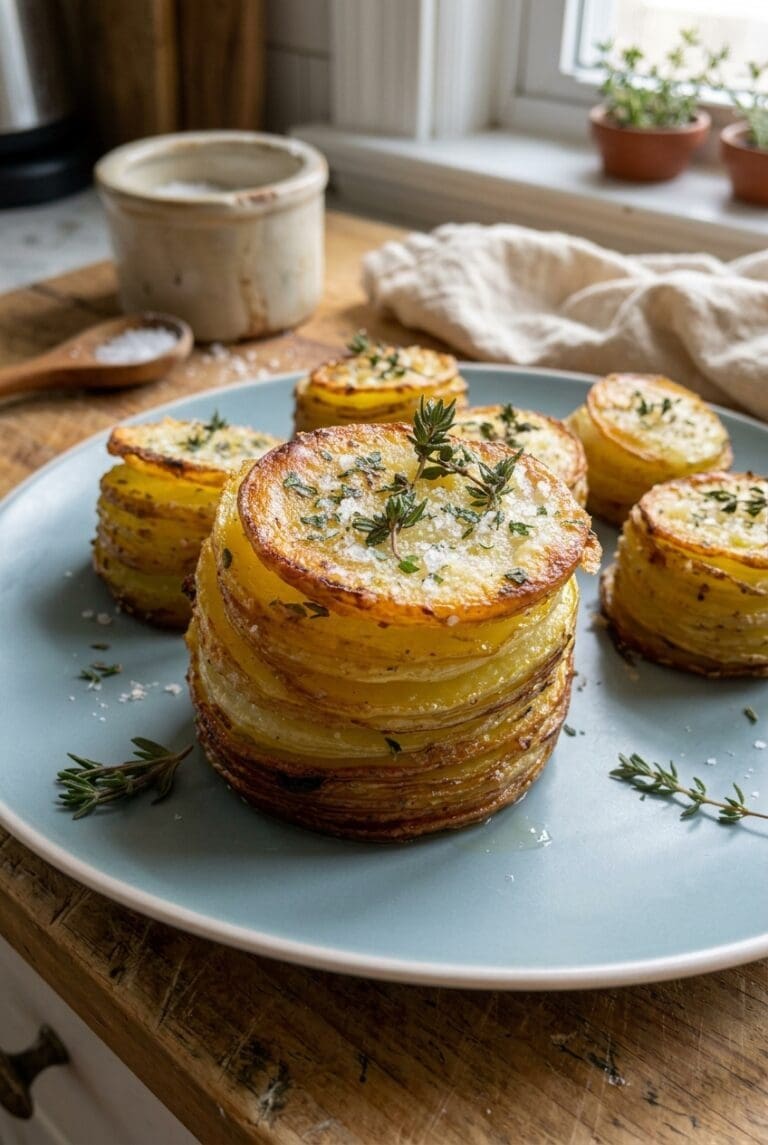
🥔 Discover these crispy cheesy potato stacks for their golden, tender layers infused with garlic, herbs, and melted cheese, providing a crunchy contrast and comforting carbs to complement any meal with just 20 minutes prep for holiday or weeknight sides.
🧀 Why try it? This muffin-tin recipe delivers irresistible buttery flavor and textural delight using simple ingredients, ideal for make-ahead ease and customization with potato varieties, offering a vegetarian crowd-pleaser that’s lighter than fries yet more exciting than mash.
- Total Time: 1 hour 10 minutes
- Yield: 12 stacks (6 servings)
Ingredients
– 4 to 6 medium Russet or Idaho potatoes, sliced very thinly (about 1/8 inch)
– 1 stick (1/2 cup) butter, preferably salted
– 1/4 cup fresh oregano
– 2 tablespoons fresh thyme
– 1 to 2 cloves garlic
– 1/2 cup Parmesan cheese
– 1/2 cup shredded sharp cheddar or Gruyère cheese
– Freshly cracked black pepper
– Flaky sea salt
Instructions
1-First Step: Preheat the Oven and Prep Your Tools Begin by preheating your oven to 400 degrees Fahrenheit and lightly greasing a 12-cup muffin tin to prevent sticking. This step sets the stage for even baking and ensures your stacks come out golden. Grab a baking sheet to place under the tin, as it will catch any drips and make cleanup easier.
2-Second Step: Slice the Potatoes Next, slice 4 to 6 medium Russet or Idaho potatoes very thinly, aiming for about 1/8 inch thick slices using a mandoline or a sharp knife. Even slices are crucial for uniform cooking, so take your time to get them right. If you’re new to this, remember that thinner slices lead to crispier results, which is what makes potato stacks so appealing.
3-Third Step: Mix the Coating In a large bowl, melt 1 stick (1/2 cup) of butter and mix it with 1/4 cup fresh oregano, 2 tablespoons fresh thyme, 1 to 2 cloves garlic, 1/2 cup Parmesan cheese, 1/2 cup shredded sharp cheddar or Gruyère cheese, some freshly cracked black pepper, and a pinch of flaky sea salt. Toss the potato slices in this mixture until they’re evenly coated, which helps infuse every layer with flavor. This step is where the magic happens, creating that buttery, cheesy blend.
4-Fourth Step: Layer the Potatoes Now, layer the coated potato slices into the greased muffin tin, stacking them all the way to the top of each cup. Don’t worry if they seem tall they’ll shrink a bit during baking. Be sure to pack them firmly for a neat shape, and place the tin on the baking sheet to handle any overflow.
5-Fifth Step: Bake the Stacks Cover the pan with foil and bake for 30 minutes at 400 degrees Fahrenheit. After that, remove the foil and bake for another 20 to 25 minutes until the potatoes are tender and have golden, crispy edges. Keep an eye on them towards the end to avoid over-browning, and remember this total bake time of about 50 minutes brings out the best textures.
6-Sixth Step: Finish and Serve Once out of the oven, run a butter knife around each stack to loosen them from the tin. Sprinkle with a bit more flaky sea salt if you like, then serve them hot as a side for your main dish. They pair wonderfully with something like Loaded Mashed Potato Casserole for a potato-themed meal, and they’ll be ready in around 1 hour and 10 minutes total. This recipe has been praised for its delightful texture contrast, making it a hit at gatherings.
Last Step:
Please leave a rating and comment letting us know how you liked this recipe! This helps our business to thrive and continue providing free, high-quality recipes for you.Notes
🌀 Invest in a mandoline for ultra-thin, uniform potato slices that ensure crispy outer layers and perfectly cooked interiors, but if using a knife, sharpen it first for safety and precision.
💧 Pat the potato slices dry with a clean kitchen towel before coating to remove excess starch and moisture, promoting crispier edges instead of sogginess during baking.
🧀 Blend Parmesan for sharp umami with cheddar or Gruyère for gooey melt; grate fresh for best results, and don’t skip the herb infusion in the butter for aromatic depth that elevates these stacks.
- Prep Time: 20 minutes
- Cook Time: 50 minutes
- Category: Side Dishes
- Method: Baked
- Cuisine: American
- Diet: Vegetarian
Nutrition
- Serving Size: 2 stacks
- Calories: 404
- Sugar: 1g
- Sodium: 500mg
- Fat: 25g
- Saturated Fat: 15g
- Unsaturated Fat: 10g
- Trans Fat: 0.5g
- Carbohydrates: 40g
- Fiber: 4g
- Protein: 10g
- Cholesterol: 60mg


