

Benefits and Advantages of Plant Power Sushi Bowls
Plant Power Sushi Bowls offer a vibrant and nutritious alternative to traditional sushi, featuring fresh, wholesome ingredients that appeal to a wide range of dietary preferences. With a base of rice or cauliflower rice and protein-rich extra firm tofu, these bowls provide a satisfying meal that balances carbohydrates, healthy fats, and plant-based protein. The inclusion of fresh vegetables like carrots, cucumbers, avocado, and red cabbage adds fiber, vitamins, and antioxidants, supporting overall health and digestion.
This recipe is especially advantageous for those seeking vegan and gluten-free options, as it uses tamari instead of soy sauce for gluten sensitivity and relies on plant-based ingredients. The marinade and spicy drizzle bring bold, familiar sushi flavors without the complexity of rolling sushi, making it accessible for home cooks. Its quick preparation time and customizable nature make it ideal for busy weeknights or meal prep, providing freshness and flavor in every bite.
Plant Power Sushi Bowls combine convenience, nutrition, and flavor, delivering a wholesome meal that satisfies both taste buds and wellness goals.
Jump to:
- Benefits and Advantages of Plant Power Sushi Bowls
- Essential Ingredients for Plant Power Sushi Bowls
- Dietary Substitutions to Customize Your Plant Power Sushi Bowls
- How to Prepare the Perfect Plant Power Sushi Bowls: Step-by-Step Guide
- Mastering Plant Power Sushi Bowls: Advanced Tips and Variations
- How to Store Plant Power Sushi Bowls: Best Practices
- Nutritional Value of Plant Power Sushi Bowls
- FAQs: Frequently Asked Questions About Plant Power Sushi Bowls
- What are the main ingredients used in traditional eggplant curry?
- How do I properly roast eggplant for making curry?
- Can I make eggplant curry without black mustard seeds and curry leaves?
- Is eggplant curry a healthy meal option?
- How should I store leftover eggplant curry and can it be frozen?
- Plant Power Sushi Bowls
- Ingredients
- Instructions
- Last Step:
- Notes
- Nutrition
- Did you make this recipe?
Essential Ingredients for Plant Power Sushi Bowls
- 12 ounces (340 grams) extra firm tofu
- 1/2 cup soy sauce
- 1/4 cup rice vinegar
- 2 tablespoons agave syrup
- 1 clove garlic, minced
- 1 cup cooked white or brown rice (or cauliflower rice as a low-carb alternative)
- 1/2 cup shredded or julienned carrots
- 1 cup chopped cucumbers
- 1 medium avocado, sliced
- 1/2 cup shredded or thinly sliced red cabbage
- 1 cup shelled edamame
- 1/2 cup diced fresh mango (optional)
- 1 tablespoon toasted sesame seeds
- Microgreens or fresh greens
- Pickled ginger
- 2 tablespoons sliced green onion (green parts only, optional)
- Soy sauce and wasabi, for serving
- Spicy drizzle:
- Vegan spicy mayo (sriracha blended with vegan mayo) or
- Creamy spicy sriracha dressing made from soaked raw cashews, water, lemon juice, sriracha, tamari, toasted sesame oil, sea salt, and black pepper
The combination of these ingredients complements each other to create a balanced and flavorful bowl inspired by traditional sushi.
Dietary Substitutions to Customize Your Plant Power Sushi Bowls
Plant Power Sushi Bowls are highly adaptable to accommodate various dietary requirements and preferences. Here’s how you can customize them:
- Gluten-Free: Use tamari or gluten-free soy sauce to replace regular soy sauce. Ensure all other condiments and sauces are gluten-free.
- Low-Carb: Swap cooked white or brown rice with cauliflower rice as a low-carb alternative.
- Vegan: Stick with extra firm tofu as the protein source and use vegan mayo for the spicy drizzle to keep the recipe fully plant-based.
- Increased Protein: Add extra edamame or incorporate marinated tempeh or cooked lentils for added protein.
- Less Sweet: Adjust the agave syrup quantity in the tofu marinade to reduce sweetness without losing depth of flavor.
- Spice Level: Modify the amount of sriracha in the drizzle to tailor the heat to your liking.
These substitutions ensure the bowls remain delicious and satisfying while accommodating a broad spectrum of tastes and dietary needs.
How to Prepare the Perfect Plant Power Sushi Bowls: Step-by-Step Guide
- Press the Tofu: Remove excess moisture from the 12 ounces of extra firm tofu by pressing it for 10 minutes, ensuring a firmer texture for frying.
- Make the Marinade: In a bowl, combine 1/2 cup soy sauce, 1/4 cup rice vinegar, 2 tablespoons agave syrup, and 1 clove minced garlic.
- Marinate the Tofu: Cut the pressed tofu into cubes, then toss them in the marinade. Let sit for about 10 minutes to absorb flavors.
- Cook the Tofu: Heat a skillet over medium heat and pan-fry the tofu cubes until golden and crispy on all sides, about 15 minutes.
- Prepare the Rice: Cook 1 cup per serving of white or brown rice ahead of time or use cauliflower rice for a lighter base.
- Chop the Vegetables: Prepare 1/2 cup shredded carrots, 1 cup chopped cucumbers, 1 medium sliced avocado, 1/2 cup red cabbage, and 1 cup shelled edamame. Optionally, dice 1/2 cup fresh mango for sweetness.
- Make the Spicy Drizzle: Blend soaked raw cashews (1/4 cup soaked for 30 minutes) with 1/4 cup water, 1 tablespoon lemon juice, 1 tablespoon sriracha, 1 tablespoon tamari, 1 tablespoon toasted sesame oil, plus sea salt and black pepper to taste until smooth. Alternatively, mix vegan mayo and sriracha for a quick spicy mayo.
- Assemble Bowls: In bowls, layer rice or cauliflower rice, arrange tofu and vegetables, then garnish with toasted sesame seeds, microgreens, pickled ginger, and green onion slices.
- Serve: Drizzle with the spicy sauce and offer extra soy sauce and wasabi on the side for added flavor.
This step-by-step guide makes it easy to prepare flavorful, nutritious, and colorful Plant Power Sushi Bowls that everyone will enjoy.
For more vegan inspiration, check out this helpful guide on how to make vegan sushi at home.
Mastering Plant Power Sushi Bowls: Advanced Tips and Variations
To perfect your Plant Power Sushi Bowls, press the tofu thoroughly to remove excess moisture this key step helps achieve a crispy, golden exterior when pan-frying. Marinate the tofu for at least 10 minutes to infuse rich umami flavor. When preparing the rice base, opt for freshly cooked white or brown rice, or try cauliflower rice for a low-carb alternative.
Experiment with vegetable choices based on availability and preference. Adding thinly sliced red cabbage or microgreens introduces vibrant color and a fresh crunch. Incorporate diced fresh mango for a sweet contrast balancing the savory marinade. For an extra layer of flavor, add nori strips or sprinkle toasted sesame seeds generously on top.
The signature spicy drizzle can be varied: swap vegan mayo for soaked cashews blended with sriracha and sesame oil to add creaminess and depth without dairy. Adjust the sriracha quantity to control heat according to taste. These variations not only enhance flavor but keep the bowl adaptable to different dietary needs and cravings.
Customizing each component of the bowl allows you to craft a personalized, nutrient-rich meal inspired by sushi’s freshness and simplicity.
How to Store Plant Power Sushi Bowls: Best Practices
For best results when storing Plant Power Sushi Bowls, keep components separate until ready to serve. Store cooked rice or cauliflower rice in an airtight container in the refrigerator for up to 4 days. The marinated tofu, sautéed or pan-fried, can be refrigerated for 3 to 4 days wrapped tightly to maintain texture.
Fresh veggies like shredded carrots, sliced cucumber, avocado, and mango are best kept chilled separately and added fresh to preserve crispness and flavor. Assemble bowls just before eating to avoid sogginess.
The spicy mayo or creamy sriracha dressing should be stored in a sealed container in the fridge and used within 5 days. Reheat the tofu gently in a skillet or microwave before adding to bowls. This approach guarantees freshness, maintains textures, and prevents ingredients from becoming mushy or wilted.
Separating components and timely assembly are key to preserving the vibrant flavors and textures of this bowl.
Nutritional Value of Plant Power Sushi Bowls
| Nutrient | Approximate Amount per Serving | Health Benefits |
|---|---|---|
| Calories | 450-550 kcal | Provides balanced energy from protein, fats, and carbohydrates |
| Protein | 20-25 g | Derived mainly from tofu and edamame, supporting muscle health |
| Fat | 20-25 g | Healthy fats from avocado, sesame oil, and vegan mayo |
| Carbohydrates | 45-55 g | Complex carbs from rice or cauliflower rice aid sustained energy release |
| Fiber | 8-12 g | High fiber from vegetables and fruit supports digestion |
| Sodium | Moderate | Mostly from soy sauce and tamari; can be adjusted for low-sodium diets |
This bowl delivers a nutrient-dense meal that is vegan, gluten-free (when tamari is used), rich in plant protein, and full of vitamins from fresh produce.
FAQs: Frequently Asked Questions About Plant Power Sushi Bowls
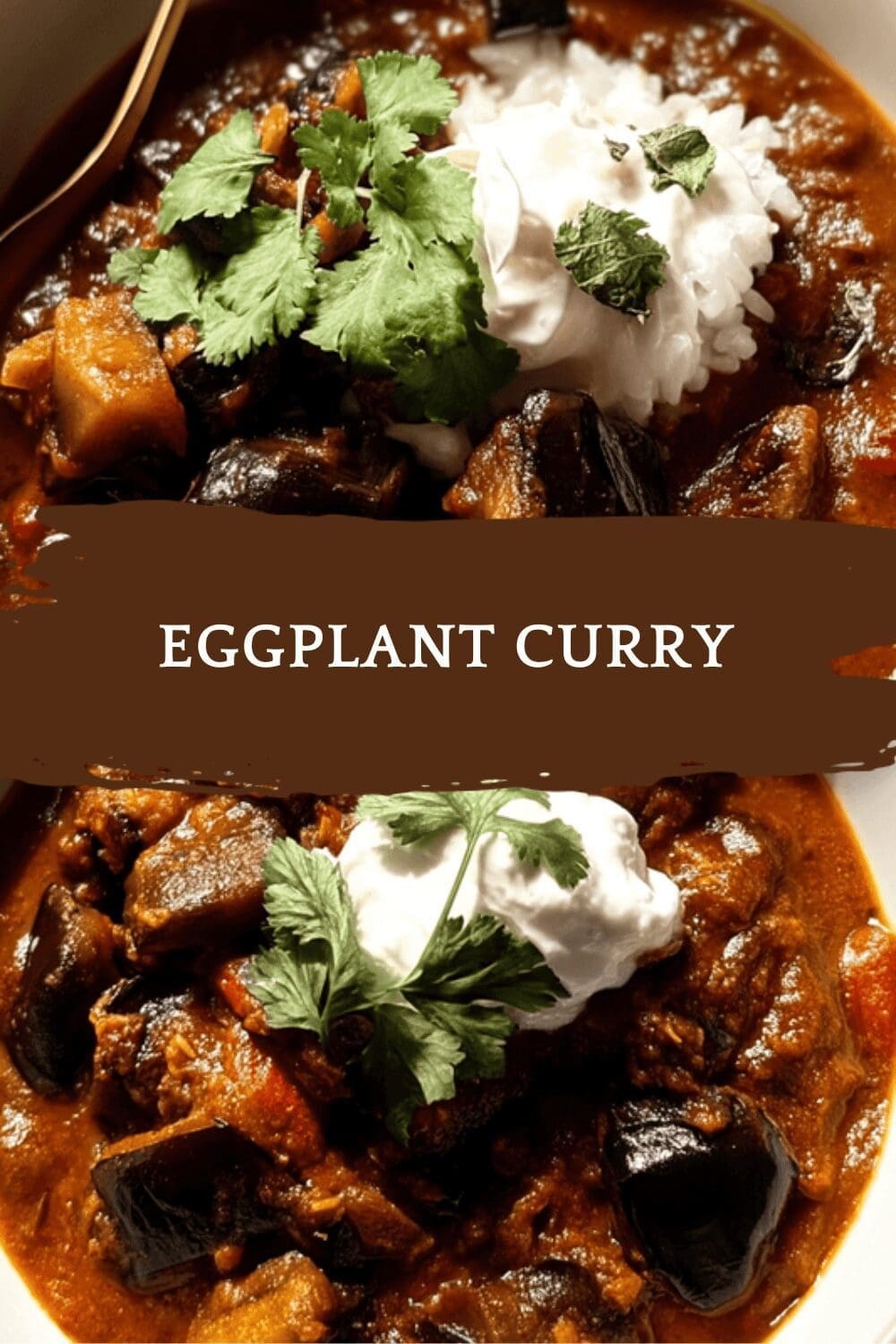
What are the main ingredients used in traditional eggplant curry?
Traditional eggplant curry typically includes eggplants, black mustard seeds, fresh curry leaves, garlic, ginger, tomatoes, and coconut milk or cream. Key spices often used are turmeric, coriander, and chili powder, which create the distinct South Indian flavor. Coconut milk adds richness without overpowering the dish, while roasting the eggplant beforehand enhances its texture and taste.
How do I properly roast eggplant for making curry?
To roast eggplant for curry, cut it into thick pieces, toss with oil, salt, and pepper, then roast in a preheated oven at 450°F (240°C). Roast until the outside is caramelized and the inside becomes soft but still holds its shape. High heat roasting prevents the eggplant from becoming mushy and helps it soak up the curry spices better.
Can I make eggplant curry without black mustard seeds and curry leaves?
Yes, you can substitute black mustard seeds with brown or yellow mustard seeds, mustard powder, or garam masala. Fresh curry leaves can be replaced with dried curry leaves or a small amount of garam masala powder. Keep in mind that these substitutions may slightly change the flavor profile, but the curry will still be delicious and aromatic.
Is eggplant curry a healthy meal option?
Eggplant curry is generally a healthy dish, providing about 250 calories per serving. It is vegetable-based with moderate use of oil, making it lower in fat compared to many meat curries. Eggplants offer fiber and antioxidants, while coconut milk adds healthy fats. For a lighter version, you can reduce the oil or coconut milk amounts without sacrificing flavor.
How should I store leftover eggplant curry and can it be frozen?
Store leftover eggplant curry in an airtight container in the fridge for up to five days. The curry can also be frozen for longer storage. When reheating, stir gently to prevent the eggplant from turning overly mushy. Thaw frozen curry overnight in the fridge before reheating on the stove or microwave for best results.

Plant Power Sushi Bowls
🍱 Dive into the vibrant flavors of Plant Power Sushi Bowls for a fresh, nutritious meal packed with plant-based delight.
🌿 With its deconstructed style, it’s perfect for a quick, wholesome weeknight dinner or meal prep solution.
- Total Time: 25 minutes plus soaking
- Yield: 4 servings 1x
Ingredients
12 ounces extra firm tofu
1/2 cup soy sauce
1/4 cup rice vinegar
2 tablespoons agave
1 clove minced garlic
1 cup cooked white or brown rice
1/2 cup shredded or julienned carrots
1 cup chopped cucumber
1 medium avocado, sliced
Microgreens or leafy greens
1 cup shelled edamame (optional)
1/2 cup fresh mango chunks (optional)
1 tablespoon toasted sesame seeds
Pickled ginger (to taste)
Spicy mayo made with mayo or vegan mayo and sriracha
For Sriracha dressing: 1/4 cup soaked raw cashews, 1/4 cup water, 1 tablespoon lemon juice, 1 tablespoon sriracha, 1 tablespoon tamari, 1 tablespoon toasted sesame oil
Instructions
1. Press the tofu to remove excess moisture, then cut into cubes. Marinate in soy sauce, rice vinegar, agave, and minced garlic for 10 minutes.
2. Cook rice according to package instructions and set aside.
3. Heat oil in a skillet over medium heat. Pan-fry marinated tofu cubes until golden brown. Set aside.
4. Prepare vegetables: shred or julienne carrots, chop cucumber, slice avocado, and prepare microgreens.
5. Assemble bowls: Layer rice, tofu, carrots, cucumber, avocado, microgreens, edamame, and mango in bowls.
6. Drizzle with spicy mayo or Sriracha dressing. Top with sesame seeds and pickled ginger.
7. Serve with soy sauce and wasabi for additional flavor.
Last Step:
Please leave a rating and comment letting us know how you liked this recipe! This helps our business to thrive and continue providing free, high-quality recipes for you.Notes
🍘 Cook the rice ahead of time for quick assembly; it can also be served cold for a refreshing dish.
🧄 Adjust the amount of sriracha in the spicy mayo or dressing to control the heat level according to preference.
🥑 Fresh, ripe avocado adds creaminess and contrasts well with the crunchy texture of veggies.
- Prep Time: 10 minutes
- Soaking Time: 30 minutes
- Cook Time: 15 minutes
- Category: Main Course
- Method: Pan-Frying
- Cuisine: Asian Fusion
- Diet: Vegan
Nutrition
- Serving Size: 1 bowl
- Calories: 400 kcal
- Sugar: 10 g
- Sodium: 850 mg
- Fat: 18 g
- Saturated Fat: 2.5 g
- Unsaturated Fat: 15 g
- Trans Fat: 0 g
- Carbohydrates: 50 g
- Fiber: 8 g
- Protein: 15 g
- Cholesterol: 0 mg