

Benefits and Advantages of Pineapple Upside Down Cake
This pineapple upside down cake recipe stands out for its delightful combination of sweet pineapple and moist, tender cake, making it a favorite among home bakers of all skill levels. The recipe’s simplicity requires common, easily available ingredients and straightforward steps, allowing for quick and satisfying results. The caramelized pineapple and cherries not only provide natural sweetness but also add a pleasing texture contrast that enhances the overall eating experience.
The fresh or canned pineapple contributes beneficial nutrients like vitamin C and manganese, giving a nourishing boost to this otherwise indulgent dessert. The visually appealing caramelized fruit topping creates an inviting presentation perfect for special occasions or casual gatherings. This cake’s versatility shines through its adaptability whether vegan, gluten-free, or lower calorie options making it suitable for a wide variety of dietary preferences.
The harmony of flavor, texture, and ease highlight why pineapple upside down cake remains a beloved classic for celebrations and everyday enjoyment.
Jump to:
- Benefits and Advantages of Pineapple Upside Down Cake
- Essential Ingredients for Pineapple Upside Down Cake
- Dietary Substitutions to Customize Your Pineapple Upside Down Cake
- How to Prepare the Perfect Pineapple Upside Down Cake: Step-by-Step Guide
- Mastering Pineapple Upside Down Cake: Advanced Tips and Variations
- How to Store Pineapple Upside Down Cake: Best Practices
- Nutritional Value of Pineapple Upside Down Cake
- FAQs: Frequently Asked Questions About Pineapple Upside Down Cake
- Can I use a cast iron skillet instead of a regular baking pan for pineapple upside down cake?
- How do I prevent my pineapple upside down cake from sticking to the pan?
- Why does my pineapple upside down cake sometimes turn out soggy and how can I fix it?
- Can I prepare the pineapple upside down cake topping ahead of time?
- Is it possible to make pineapple upside down cake ahead for later serving?
- Pineapple Upside Down Cake Recipe Easy and Classic Step-by-Step Guide
- Ingredients
- Instructions
- Last Step:
- Notes
- Nutrition
- Did you make this recipe?
Essential Ingredients for Pineapple Upside Down Cake
Key ingredients for a classic pineapple upside down cake include:
- ¼ cup (60 g) salted butter, melted (for topping)
- ½ cup (100 g) light or dark brown sugar, tightly packed (for caramelization)
- 10 pineapple slices (preferably canned), patted dry
- 15 to 20 maraschino cherries, patted dry
- ½ cup (115 g) unsalted butter, softened to room temperature (for cake batter)
- ¾ cup (150 g) granulated sugar
- 2 large eggs at room temperature (or 2 egg whites for lighter cake)
- 1 teaspoon vanilla extract
- 1 ½ cups (195 g) all-purpose or cake flour (cake flour yields a softer crumb)
- 1 ½ teaspoons baking powder
- ¼ teaspoon salt
- ½ cup (120 ml) whole milk or milk combined with pineapple juice, room temperature
- 1/3 cup pineapple juice (reserved from canned fruit), optional for flavor and moisture
- ¼ cup (60 g) sour cream or plain yogurt (optional, for richness and moistness)
These ingredients work together to create the signature moist texture, deliciously caramelized topping, and tender crumb that define this classic dessert.
Dietary Substitutions to Customize Your Pineapple Upside Down Cake
Several ingredient substitutions make this pineapple upside down cake adaptable to diverse dietary needs without sacrificing flavor or texture:
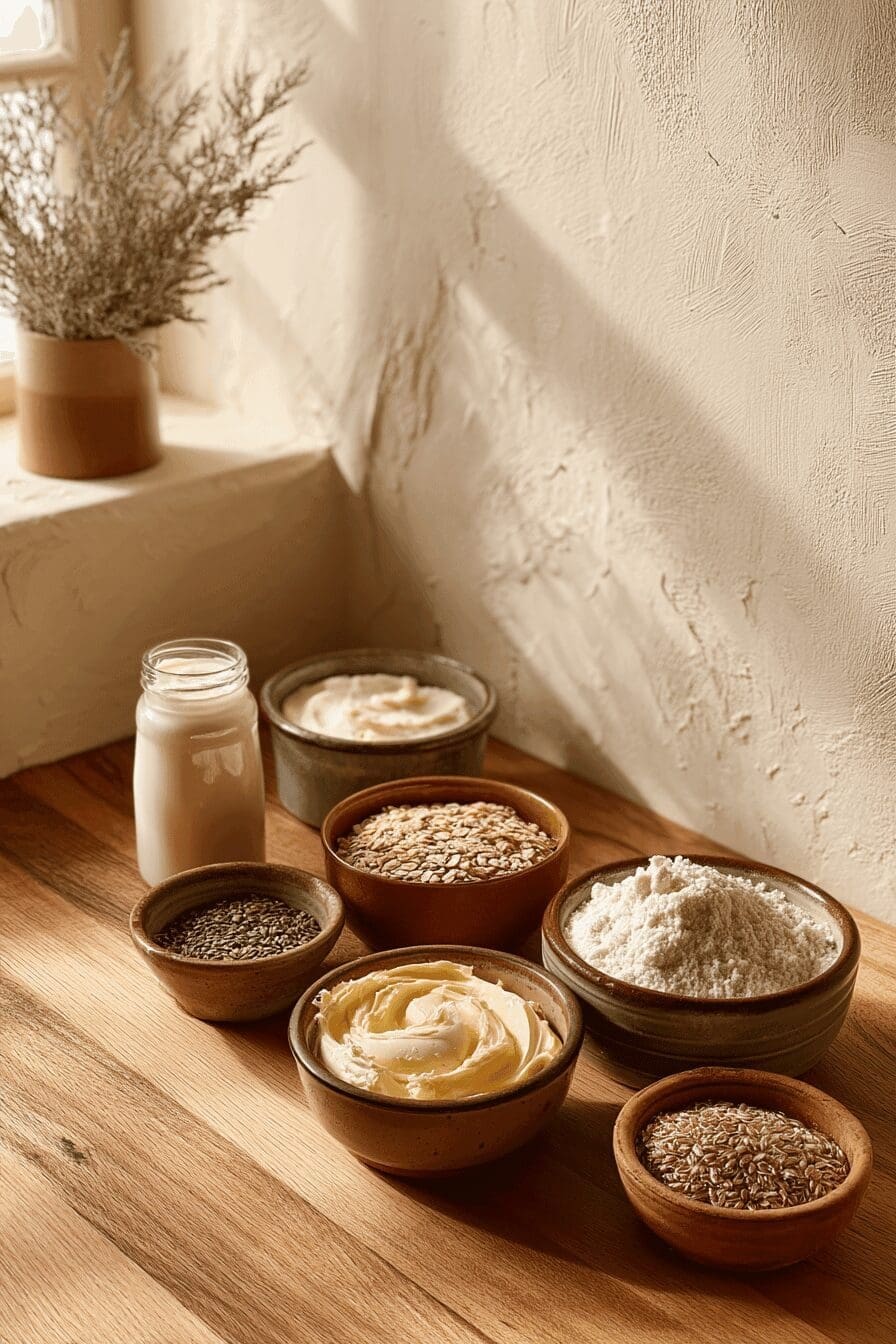
- Vegan: Replace butter with plant-based margarine or coconut oil, eggs with flax or chia eggs (1 tablespoon ground seed + 3 tablespoons water per egg), and milk with almond, oat, or soy milk.
- Gluten-Free: Use a gluten-free all-purpose flour blend suitable for baking to maintain the cake’s softness and rise.
- Lower-Calorie or Sugar-Free: Substitute white and brown sugar with natural sweeteners like stevia, erythritol, or monk fruit sweetener; use low-fat or unsweetened milk alternatives.
- Dairy-Free: Swap dairy milk for plant-based milks and replace butter with vegan spreads to avoid lactose.
These customizations keep the cake moist and flavorful, ensuring enjoyment for those with dietary restrictions or preferences.
How to Prepare the Perfect Pineapple Upside Down Cake: Step-by-Step Guide
- Preheat Your Oven and Prepare the Pan: Set the oven to 350°F (175°C). Pour melted butter into a 9.5-10 inch pie plate, cake pan, or cast iron skillet, spreading it evenly.
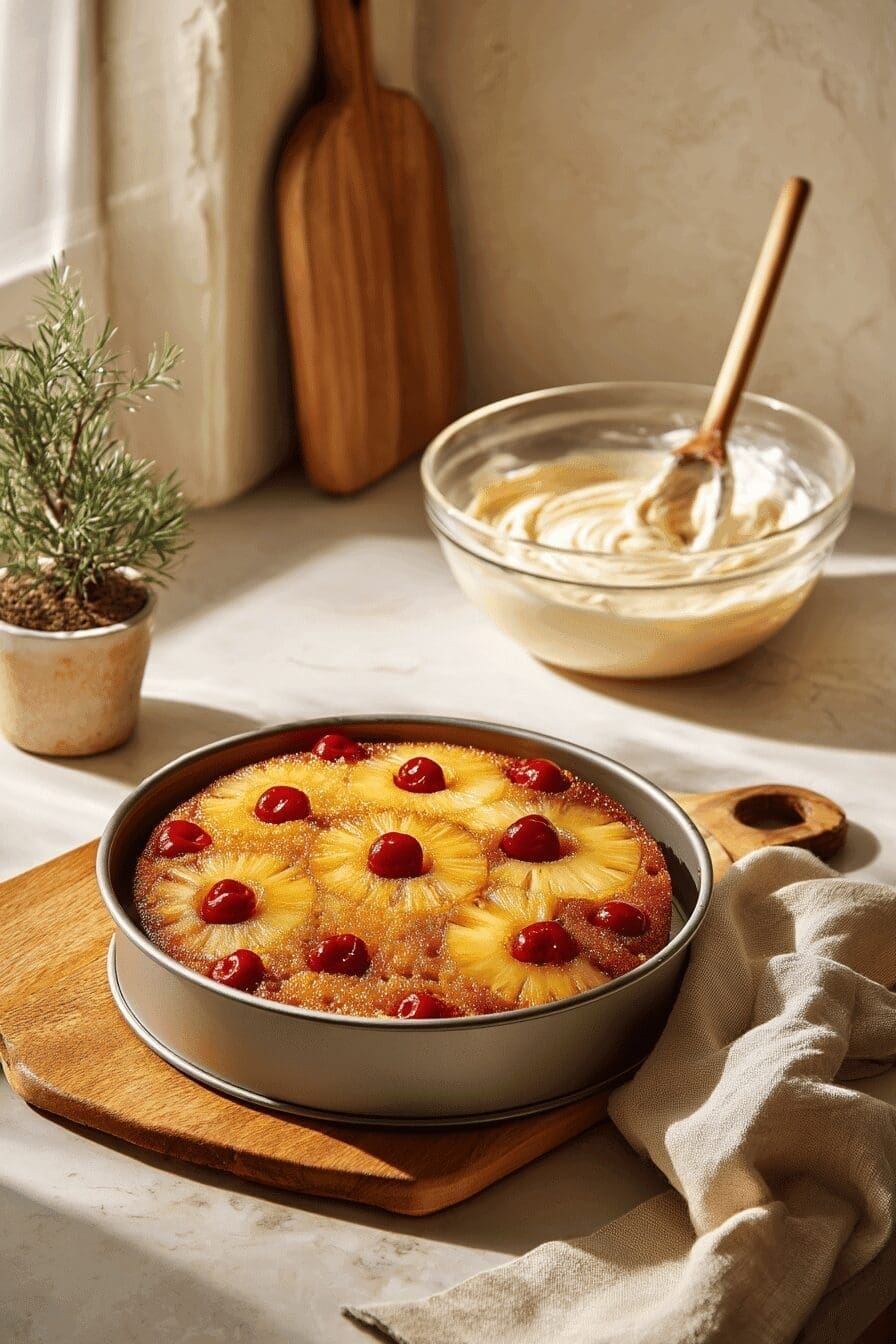
- Add the Caramel Topping: Sprinkle brown sugar evenly over the butter. Arrange the pineapple slices over the sugar, filling gaps with sliced pineapple if needed. Place maraschino cherries in the centers and any empty spots. Pat the fruit dry beforehand to prevent sogginess. Refrigerate the pan briefly if possible.
- Mix the Cake Batter: Cream softened butter and granulated sugar until fluffy. Beat in eggs one at a time (or egg whites for lighter cake), then stir in vanilla extract. In a separate bowl, sift together flour, baking powder, and salt.
- Combine Ingredients: Alternately add dry ingredients and milk (or pineapple juice/milk mix) to the creamed mixture, starting and ending with the dry ingredients. Add sour cream if using. Mix gently just until combined to avoid developing gluten.
- Pour Batter and Bake: Pour batter evenly over the pineapple and cherry topping. Bake for 30 minutes, then tent loosely with foil and bake an additional 15 minutes or until a toothpick inserted near the center comes out with a few moist crumbs.
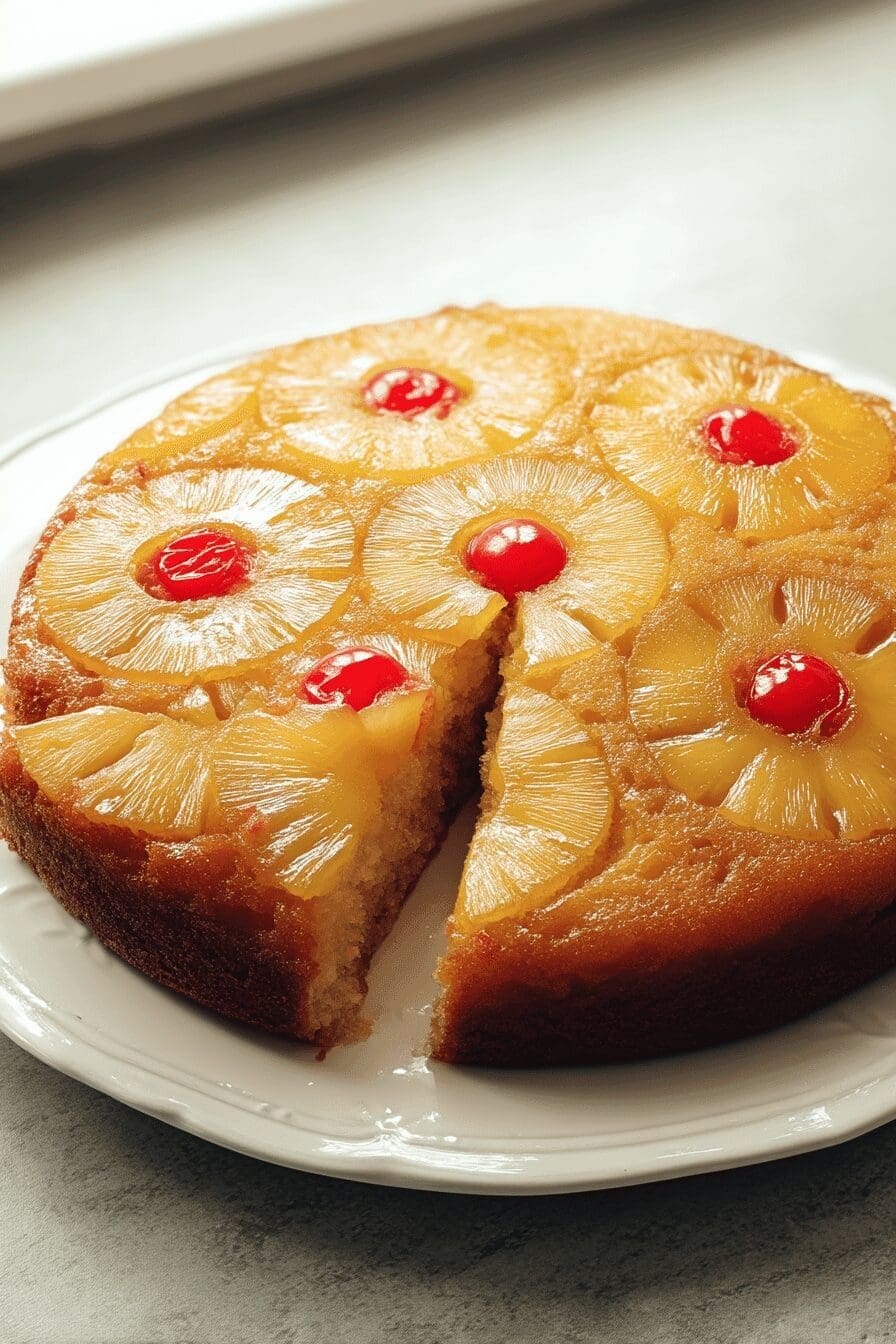
- Cool and Invert: Let the cake cool 10-20 minutes. Run a thin knife around edges to loosen, then place a heatproof plate over the pan and invert quickly. Leave the pan in place for 5 minutes to let caramel drizzle, then remove it carefully.
- Serve: Allow to cool completely for cleaner slices, though serving slightly warm maximizes moistness and flavor.
Following these detailed steps ensures a perfectly moist, flavorful cake with an attractive caramelized fruit topping every time.
Mastering Pineapple Upside Down Cake: Advanced Tips and Variations
For those aiming to perfect their pineapple upside down cake, several tips and creative variations can enhance both flavor and presentation. Using fresh pineapple instead of canned brings a vibrant natural sweetness that brightens the dessert. Consider caramelizing the butter and brown sugar mixture directly in the baking pan before arranging the pineapple and cherries; this step deepens the caramel flavor and creates a rich, glossy topping.
Adding warm spices like cinnamon or nutmeg to the batter introduces an aromatic depth that complements the pineapple’s sweetness. To incorporate texture, sprinkle toasted nuts such as pecans or walnuts atop the pineapple layer before baking. For a twist on the classic version, substitute the pineapple with seasonal fruits like peaches, pears, or mangoes, adjusting baking times accordingly to maintain moistness.
When creating vegan or gluten-free versions, experiment with plant-based butter alternatives, flax eggs, and gluten-free flour blends to preserve the cake’s tender crumb and structure. Allowing the cake to rest after baking helps meld flavors and improves texture, making for a more harmonious final dessert.
These advanced techniques and variations let you customize your pineapple upside down cake to suit your personal preferences or dietary needs while maintaining its irresistible classic charm.
How to Store Pineapple Upside Down Cake: Best Practices
Proper storage is essential to retain the freshness, moisture, and flavor of pineapple upside down cake. For short-term storage, keep the cake covered at room temperature in an airtight container or tightly wrapped with plastic wrap; it will stay fresh for up to two days.
For longer storage, refrigeration is recommended. Store the cake in an airtight container to prevent it from drying out and to preserve its caramelized topping for up to five days. When freezing the cake, wrap it securely in plastic wrap followed by aluminum foil or place it in a freezer-safe container. Frozen pineapple upside down cake maintains quality for up to three months.
When ready to serve frozen cake, thaw it overnight in the refrigerator. Reheat gently in a low oven or microwave to restore its moist texture and revive the luscious caramel topping without drying.
Following these storage tips helps you enjoy your pineapple upside down cake over multiple servings without sacrificing its signature taste or texture.
Nutritional Value of Pineapple Upside Down Cake
| Nutrient | Amount |
|---|---|
| Calories | 360 – 433 kcal |
| Carbohydrates | 58 – 62 g |
| Protein | 3 – 5 g |
| Fat | 12 – 19 g |
| Saturated Fat | 4 – 12 g |
| Cholesterol | 55 – 88 mg |
| Sodium | 253 – 260 mg |
| Dietary Fiber | ~2 g |
| Sugar | 42 – 43 g |
| Vitamin A | 652 IU |
| Vitamin C | 7 mg |
This classic cake delivers a delicious balance of carbohydrates and fats mainly from sugars and butter, plus a modest amount of protein from eggs and milk. The pineapple topping adds vitamin C and dietary fiber, contributing nutritional benefits amid indulgence. Adjusting ingredients and substitutions can tailor nutritional content to specific dietary preferences.
FAQs: Frequently Asked Questions About Pineapple Upside Down Cake
Can I use a cast iron skillet instead of a regular baking pan for pineapple upside down cake?
Yes, a 9 to 10-inch cast iron skillet works well as an alternative to a pie plate or cake pan. It provides even heat distribution, which can produce a nicely caramelized topping. However, because cast iron retains heat differently, baking time may be shorter. Start checking the cake around 5 to 10 minutes earlier than the recipe suggests to avoid overbaking.
How do I prevent my pineapple upside down cake from sticking to the pan?
To avoid sticking, thoroughly coat the bottom of the pan with butter and sugar before adding the pineapple slices and batter. After baking, let the cake cool for a few minutes, then gently loosen the edges using a butter knife. If any pineapple rings stick to the pan when flipping, carefully pry them off and place them back on top before serving.
Why does my pineapple upside down cake sometimes turn out soggy and how can I fix it?
Sogginess often results from excess moisture, especially if pineapple slices or cherries are not well drained or blotted dry before use. Using fresh or canned fruit without removing excess liquid adds extra juice that makes the cake wet. Baking the cake thoroughly and serving it soon after cooling helps maintain texture. If soggy, reheating the cake in a 300°F oven for 5–10 minutes or chilling it before serving can improve firmness.
Can I prepare the pineapple upside down cake topping ahead of time?
Yes, you can prepare the topping up to one day in advance. After arranging the pineapple and cherries with butter and sugar in the pan, cover tightly and refrigerate. Bring the topping to room temperature before adding the batter and baking to ensure even cooking and proper caramelization.
Is it possible to make pineapple upside down cake ahead for later serving?
The cake can be made earlier the same day and refrigerated until ready to serve. Allow it to sit at room temperature for 30 minutes before serving for best flavor and texture. Making it one or two days in advance is possible but may cause the fruit topping to release more juice, which affects the cake’s texture and could make it soggier.
Pineapple Upside Down Cake Recipe Easy and Classic Step-by-Step Guide
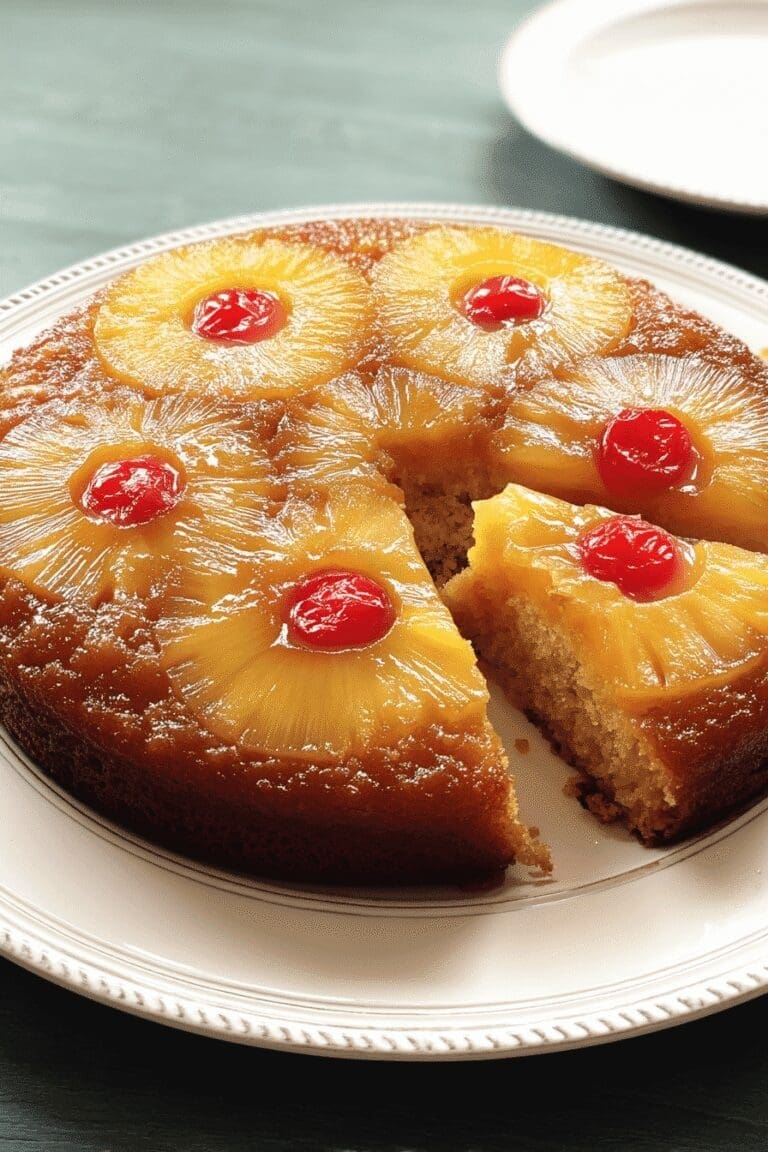
🍍 Perfect for casual snacking or festive occasions, this Pineapple Upside Down Cake brings delightful flavors and beautiful presentation.
🎂 Impress your guests with this easy-to-follow recipe that results in a moist and visually stunning dessert!
- Total Time: 1 hour 33 minutes
- Yield: 10–12 servings 1x
Ingredients
1/4 cup (60 g) salted butter, melted
1/2 cup (100 g) light or dark brown sugar, tightly packed
10 pineapple slices, patted dry
Maraschino cherries (about 15 to 20), patted dry
1/2 cup (115 g) unsalted butter, softened
3/4 cup (150 g) granulated sugar
2 large eggs, room temperature
1 teaspoon vanilla extract
1 1/2 cups (195 g) all-purpose or cake flour
1 1/2 teaspoons baking powder
1/4 teaspoon salt
1/2 cup (120 ml) whole milk or pineapple juice
(Optional) 1/4 cup (60 g) sour cream or plain yogurt
Instructions
1. Preheat oven to 350°F (175°C).
2. Pour melted butter into your chosen baking pan and spread evenly.
3. Evenly sprinkle brown sugar over the melted butter.
4. Arrange pineapple slices and cherries in the pan, then chill to set.
5. In a bowl, cream the softened butter and granulated sugar until light.
6. Add eggs one at a time, beating well, then mix in vanilla and sour cream (if using).
7. Whisk together flour, baking powder, and salt in a separate bowl.
8. Alternately add dry ingredients and milk to the wet mixture, mixing gently.
9. Pour the batter evenly over the setup fruit topping.
10. Bake for 30 minutes, cover with foil, then bake an additional 15 minutes until set.
11. Allow the cake to cool in the pan for 10-20 minutes. Loosen edges and invert onto a plate.
12. Let the cake cool completely before slicing. Serve warm for the best texture.
Last Step:
Please leave a rating and comment letting us know how you liked this recipe! This helps our business to thrive and continue providing free, high-quality recipes for you.Notes
🍒 Ensure cherries are well-dried to avoid excess liquid in the cake.
🥄 Overmixing the batter can lead to a dense cake, so mix gently.
🧊 Use a baking tray under the pan to catch any drips during baking.
- Prep Time: 25 minutes
- Cooling Time: 20 minutes
- Cook Time: 48 minutes
- Category: Dessert
- Method: Baking
- Cuisine: American
- Diet: Vegetarian
Nutrition
- Serving Size: 1 slice
- Calories: 396
- Sugar: 43
- Sodium: 256
- Fat: 15
- Saturated Fat: 8
- Unsaturated Fat: 5
- Trans Fat: 0
- Carbohydrates: 60
- Fiber: 2
- Protein: 4
- Cholesterol: 71


