

Why You’ll Love This Pie Crust Recipe
This pie crust recipe stands out with its simplicity, delivering a flaky and tender result that’s perfect for home cooks just starting out. Made from straightforward ingredients like flour and cold butter, it takes only about 10 minutes of active prep time, making it ideal for busy days when you’re balancing work or family. You’ll appreciate how it enhances any pie, from fruit-filled desserts to savory quiches, ensuring your gatherings shine without overwhelming effort.
The recipe highlights nutritional benefits, too, with each serving offering around 232 calories and 15g of fat, including healthy fats that support a balanced diet. This makes it a smart choice for diet-conscious individuals and families aiming for wholesome meals. Plus, its adaptability means you can tweak it for vegan, gluten-free, or low-calorie needs, keeping everyone happy during community events or picnics.
Versatility is key here, as you can use this crust for everything from holiday pies to everyday baking. Its rich, buttery flavor creates a crisp texture that elevates the taste of any filling, turning a basic dish into a memorable one. Whether you’re a student whipping up a quick dessert or a senior hosting a potluck, this recipe brings people together around the table, fostering those warm, shared moments our blog celebrates.
But what really sets this apart is how easy it is to master, with tips like keeping butter cold for optimal flakiness. You’ll find it becomes a go-to in your kitchen, ideal for baking enthusiasts looking to impress at gatherings. For more dessert inspiration, try our creamy strawberry jello pie for a fruity twist that complements this crust perfectly.
Key Features of This Recipe
- Ease of preparation with minimal steps.
- Wholesome ingredients for better health.
- Adaptable to various dietary preferences.
- A standout flavor that makes every pie special.
In summary, this pie crust recipe not only saves time but also delivers delicious results that align with our blog’s focus on community and connection through food. It’s a reliable option for busy parents and working professionals alike, proving that great baking doesn’t have to be complicated.
Jump to:
- Why You’ll Love This Pie Crust Recipe
- Key Features of This Recipe
- Essential Ingredients for Pie Crust Recipe
- Why These Ingredients Work
- How to Prepare the Perfect Pie Crust Recipe: Step-by-Step Guide
- Common Mistakes to Avoid
- Dietary Substitutions to Customize Your Pie Crust Recipe
- Simple Swaps for Different Diets
- Mastering Pie Crust Recipe: Advanced Tips and Variations
- Pro Tips for Success
- How to Store Pie Crust Recipe: Best Practices
- Storage Dos and Don’ts
- FAQs: Frequently Asked Questions About Pie Crust Recipe
- What ingredients do I need to make a basic pie crust from scratch?
- How do I tell if my pie dough has enough water without making it sticky?
- What are the best tools for making pie crust dough if I don’t have a food processor?
- How should I store pie dough before baking to maintain its texture?
- What causes a pie crust to turn out tough, and how can I avoid it?
- Pie Crust Recipe
- Ingredients
- Instructions
- Last Step:
- Notes
- Nutrition
- Did you make this recipe?
Essential Ingredients for Pie Crust Recipe
To make this pie crust, gather these precise ingredients. Each one plays a key role in achieving that perfect flaky texture. Here’s the complete list, formatted clearly for easy shopping and measuring:
- 2 1/2 cups all-purpose flour, plus more for dusting
- 1/2 tablespoon sugar
- 1/2 teaspoon salt
- 1/2 pound cold unsalted butter (2 sticks), diced into 1/4-inch pieces
- 7 tablespoons ice water (adjust to 7 to 8 tablespoons as needed)
These measurements ensure the dough comes together without excess moisture, keeping your crust tender and crisp. Remember, using cold ingredients is crucial for the best results, as mentioned in our tips section. For those interested in similar baked goods, check out our Lemon Raspberry Pie recipe that pairs beautifully with a homemade crust.
Why These Ingredients Work
All-purpose flour provides the essential structure, while the cold butter creates those desirable layers. Sugar and salt add just the right balance of sweetness and flavor, enhancing the overall taste. Ice water helps bind everything without warming the dough, which is a common pitfall for beginners.
How to Prepare the Perfect Pie Crust Recipe: Step-by-Step Guide
First, gather all your ingredients and make sure the butter is straight from the fridge this keeps the dough flaky and easy to handle. Active prep time is about 10 minutes, so it’s quick even on a busy day. Combine the flour, sugar, and salt in a food processor or a bowl, mixing them thoroughly to start with a solid base.
Next, add the cold diced butter and pulse or cut it in until you get coarse crumbs with some pea-sized pieces. This step is vital for that light, airy texture we’re aiming for. Gradually add the ice water, one tablespoon at a time, until the dough forms moist clumps that stick together when pinched aim for 7 to 8 tablespoons as needed to avoid stickiness.
Transfer the dough to a clean surface and gently form it into a ball, keeping it crumbly with visible butter pockets for flakiness. Divide it into two disks, wrap them in plastic wrap, and refrigerate for at least 1 hour. Once chilled, dust your work surface with flour and roll out one disk into a 12-inch circle, then press it into your pie pan and crimp the edges.
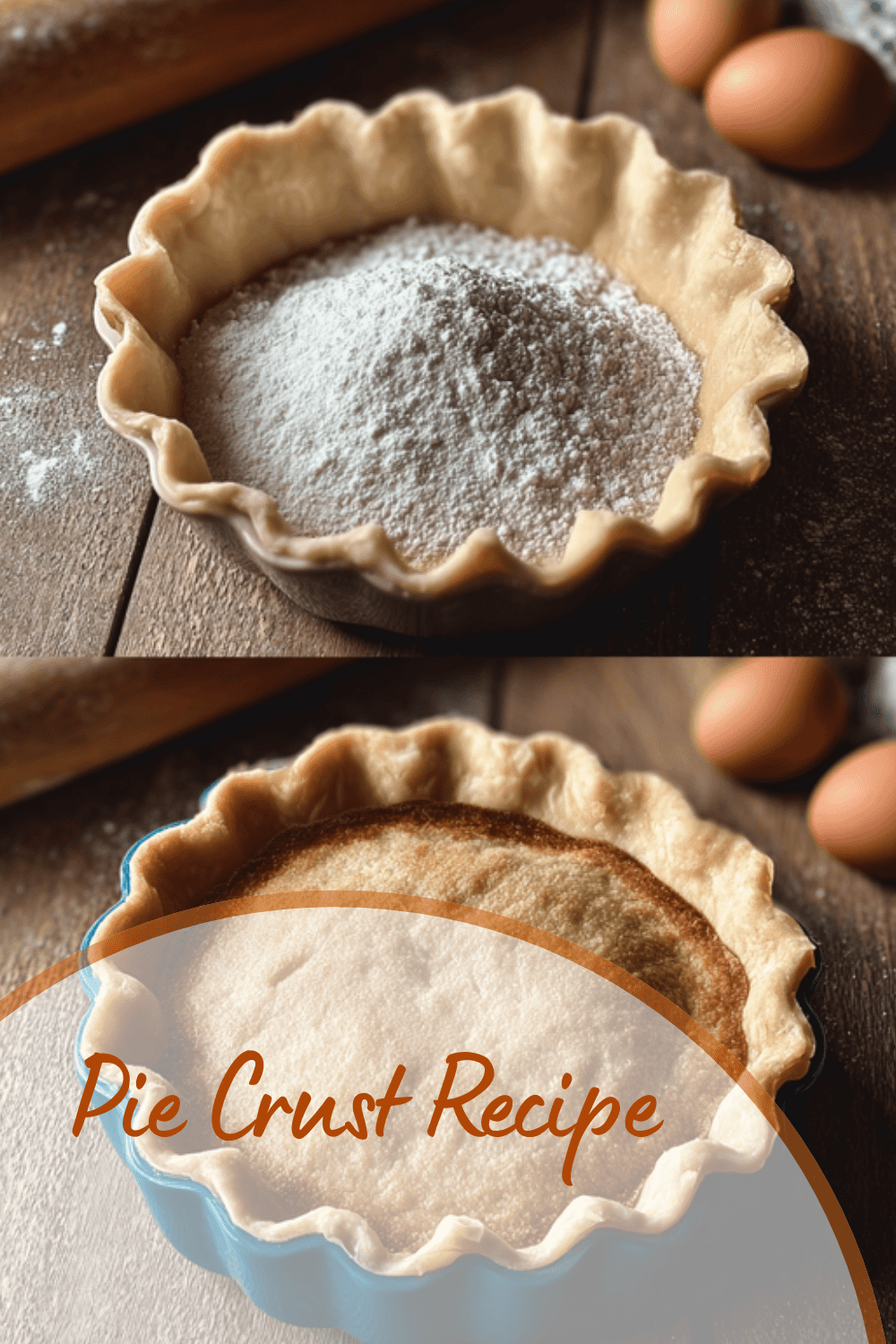
For blind baking, chill the crust for 30 minutes first, line it with parchment, and fill with weights like dry beans or rice. Bake at 425°F for 17 minutes, remove the weights, prick the bottom, and bake for another 5 minutes until golden. The total time is around 1 hour and 10 minutes, making it perfect for impromptu baking sessions.
This method ensures even results every time. If you’re new to baking, remember to work quickly to keep things cold. For more techniques on similar desserts, our guide on flaky pie crust recipe offers additional insights from trusted sources.
Common Mistakes to Avoid
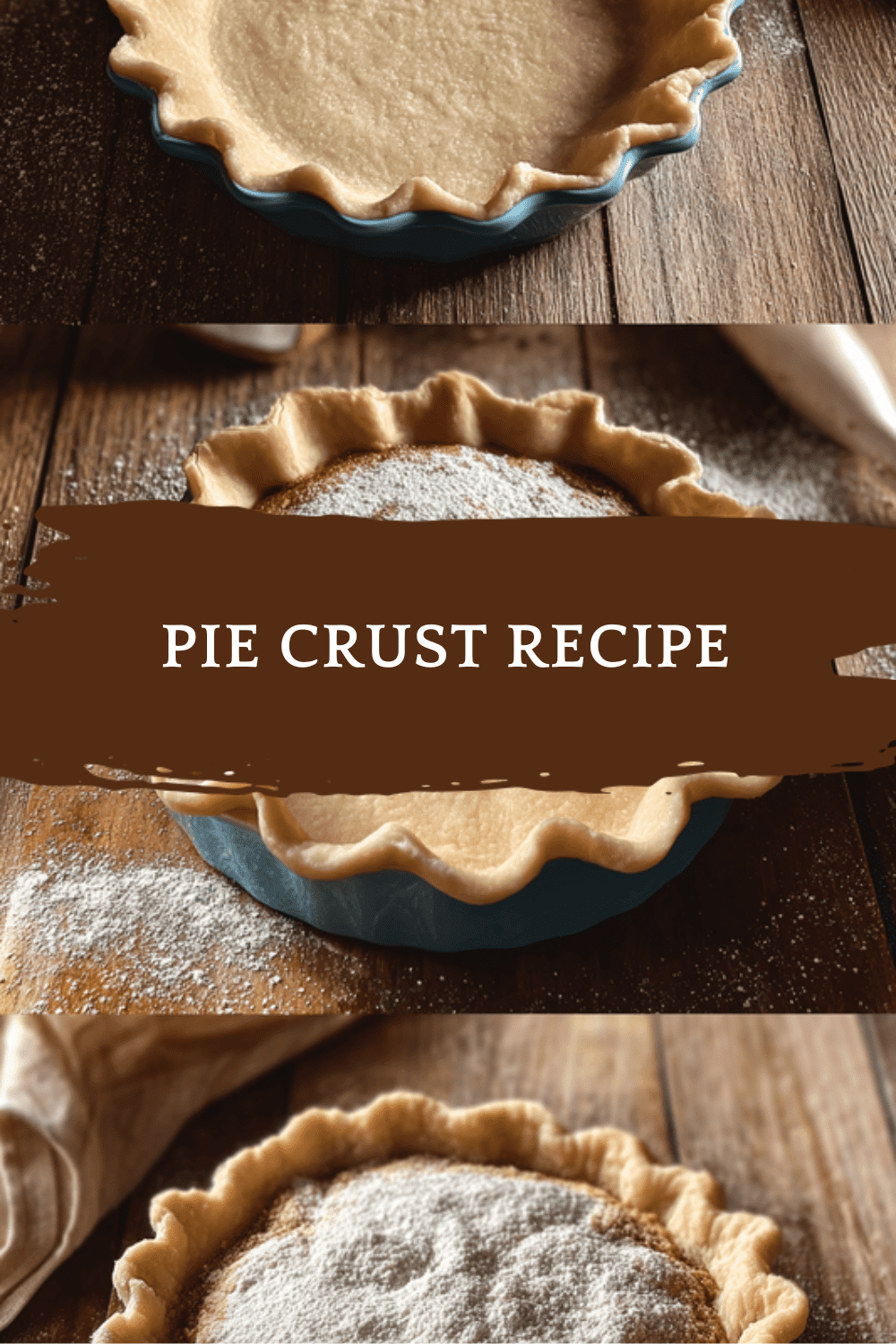
This pie crust shines when you don’t overmix gentle handling prevents tough dough and keeps the magic in every bite.
Dietary Substitutions to Customize Your Pie Crust Recipe
One of the best parts of this pie crust recipe is how customizable it is, fitting various lifestyles without losing that flaky goodness. For instance, you can swap butter for cream cheese if you want a richer taste, or use olive oil for a dairy-free option that’s great for vegan diets. These changes make it accessible for everyone, from newlyweds experimenting in the kitchen to seniors managing dietary needs.
Nut flours like almond can add protein and a nutty flavor, while herbs such as rosemary bring an aromatic twist. If you’re watching calories, consider plant-based milk instead of water for moisture. This flexibility ensures your pies are as unique as your gatherings, whether at a picnic or community event.
Simple Swaps for Different Diets
- For vegan options: Use coconut oil or vegan butter in place of unsalted butter.
- For gluten-free: Swap all-purpose flour with a gluten-free blend to keep the texture intact.
- For low-calorie: Try light margarine to cut down on fat while maintaining flakiness.
| Original Ingredient | Substitution | Benefit |
|---|---|---|
| Unsalted butter | Coconut oil | Dairy-free and adds a subtle tropical note |
| All-purpose flour | Gluten-free flour blend | Suitable for those with gluten sensitivities |
| Ice water | Plant-based milk | Boosts moisture with added flavor |
Mastering Pie Crust Recipe: Advanced Tips and Variations
Once you’re comfortable with the basics, level up your pie crust with techniques like lamination, which involves folding the dough multiple times for extra layers. Chill it between folds to ensure the best results, and you’ll notice a significant improvement in texture. Flavors can be enhanced by adding ground nuts or citrus zest, giving your crust a personal touch for special occasions.
Presentation matters too try decorative crimping or a lattice top to make your pies pop at potlucks. For make-ahead convenience, prepare the dough ahead and freeze it for up to a month, ideal for busy parents or working professionals. Using a food processor speeds things up, but even two forks work if that’s what you have on hand.
For variations, experiment with whole wheat flour for a nuttier taste or incorporate spices like cinnamon. Always remember to avoid overmixing to prevent gluten from making the dough tough. This approach keeps your baking fun and adaptable, aligning with our blog’s spirit of sharing and community.
Pro Tips for Success
- Chill dough between steps to avoid shrinking during baking.
- Add herbs for a savory twist in quiches.
- Brush with egg wash for a glossy finish on sweet pies.
How to Store Pie Crust Recipe: Best Practices
Proper storage keeps your pie crust fresh and ready for use, extending its shelf life without sacrificing quality. Refrigerate the dough tightly wrapped for up to 3 days, which is perfect for meal prep during the week. Freezing is another great option, allowing you to store discs for up to a month just thaw them in the fridge overnight.
When reheating a pre-baked crust, use a 350°F oven for 5-7 minutes to maintain crispness and avoid sogginess. For community organizers planning events, divide the dough into portions before freezing to make batch baking easier. This method ensures you always have a reliable base for your recipes, saving time and reducing waste.
Storage Dos and Don’ts
- Do label and date your frozen dough for easy tracking.
- Don’t let it sit at room temperature too long to prevent bacterial growth.
- Always wrap tightly to lock in freshness.
FAQs: Frequently Asked Questions About Pie Crust Recipe
What ingredients do I need to make a basic pie crust from scratch?
To make a basic pie crust, you need all-purpose flour, cold unsalted butter, a pinch of salt, a small amount of sugar (optional for sweetness), and ice-cold water. The cold butter helps create flaky layers, and the ice water binds the dough without melting the butter. Measure ingredients precisely and keep everything chilled for the best results.
How do I tell if my pie dough has enough water without making it sticky?
Add ice water to the flour and butter mixture gradually, about one teaspoon at a time. Stop adding water when the dough just starts to clump together and holds when pinched between your fingers. If the dough becomes sticky or wet, you’ve added too much water, which will make rolling difficult and the crust tough after baking.
What are the best tools for making pie crust dough if I don’t have a food processor?
You can make pie crust dough without a food processor using a pastry cutter, two forks, or even your fingertips to cut cold butter into the flour. The key is to keep the butter cold and work quickly to avoid warming the dough, which helps create a tender, flaky crust.
How should I store pie dough before baking to maintain its texture?
Wrap the pie dough tightly in plastic wrap and refrigerate for up to 3 days. Before rolling, let it rest at room temperature for 10-20 minutes to soften slightly, which makes rolling easier. For longer storage, freeze the dough wrapped tightly for up to 3 months, thawing in the refrigerator overnight before use.
What causes a pie crust to turn out tough, and how can I avoid it?
A tough pie crust usually results from overmixing or overkneading the dough, which develops too much gluten. To avoid this, mix ingredients just until combined, handle the dough gently, and avoid excessive rolling. Also, keep the butter cold and work quickly to maintain flaky layers and tender texture.
Pie Crust Recipe
🥧 This Easy Pie Crust recipe results in flaky and tender homemade pies with a perfect buttery texture.
🍽️ Great for bakers of all skill levels who want a reliable, simple crust to complement sweet or savory fillings.
- Total Time: 1 hour 10 minutes
- Yield: 2 pie crusts (for 9-inch pies) 1x
Ingredients
2 1/2 cups all-purpose flour
1/2 tablespoon sugar
1/2 teaspoon salt
1/2 pound cold unsalted butter diced into 1/4-inch pieces
7 tablespoons ice water
Instructions
1-First, gather all your ingredients and make sure the butter is straight from the fridge this keeps the dough flaky and easy to handle. Active prep time is about 10 minutes, so it’s quick even on a busy day. Combine the flour, sugar, and salt in a food processor or a bowl, mixing them thoroughly to start with a solid base.
2-Next, add the cold diced butter and pulse or cut it in until you get coarse crumbs with some pea-sized pieces. This step is vital for that light, airy texture we’re aiming for. Gradually add the ice water, one tablespoon at a time, until the dough forms moist clumps that stick together when pinched aim for 7 to 8 tablespoons as needed to avoid stickiness.
3-Transfer the dough to a clean surface and gently form it into a ball, keeping it crumbly with visible butter pockets for flakiness. Divide it into two disks, wrap them in plastic wrap, and refrigerate for at least 1 hour. Once chilled, dust your work surface with flour and roll out one disk into a 12-inch circle, then press it into your pie pan and crimp the edges.
4-For blind baking, chill the crust for 30 minutes first, line it with parchment, and fill with weights like dry beans or rice. Bake at 425°F for 17 minutes, remove the weights, prick the bottom, and bake for another 5 minutes until golden. The total time is around 1 hour and 10 minutes, making it perfect for impromptu baking sessions.
5-This method ensures even results every time. If you’re new to baking, remember to work quickly to keep things cold. For more techniques on similar desserts, our guide on flaky pie crust recipe offers additional insights from trusted sources.
Last Step:
Please leave a rating and comment letting us know how you liked this recipe! This helps our business to thrive and continue providing free, high-quality recipes for you.Notes
🧊 Use cold butter straight from the fridge to achieve a flaky crust; keep butter chilled until use.
💧 Add ice water 1 teaspoon at a time if dough is too crumbly; let it rest if too hard after chilling.
❌ Avoid overmixing or kneading to prevent tough dough from developing too much gluten.
- Prep Time: 10 minutes
- Chilling time: 1 hour
- Category: Baking
- Method: Mixing, Rolling, Baking
- Cuisine: American
- Diet: Vegetarian
Nutrition
- Serving Size: 1/8th of crust
- Calories: 232 kcal
- Sugar: 1 g
- Sodium: 99 mg
- Fat: 15 g
- Saturated Fat: 9 g
- Carbohydrates: 20 g
- Fiber: 1 g
- Protein: 2 g
- Cholesterol: 40 mg


