

Benefits and Advantages of pearl barley risotto
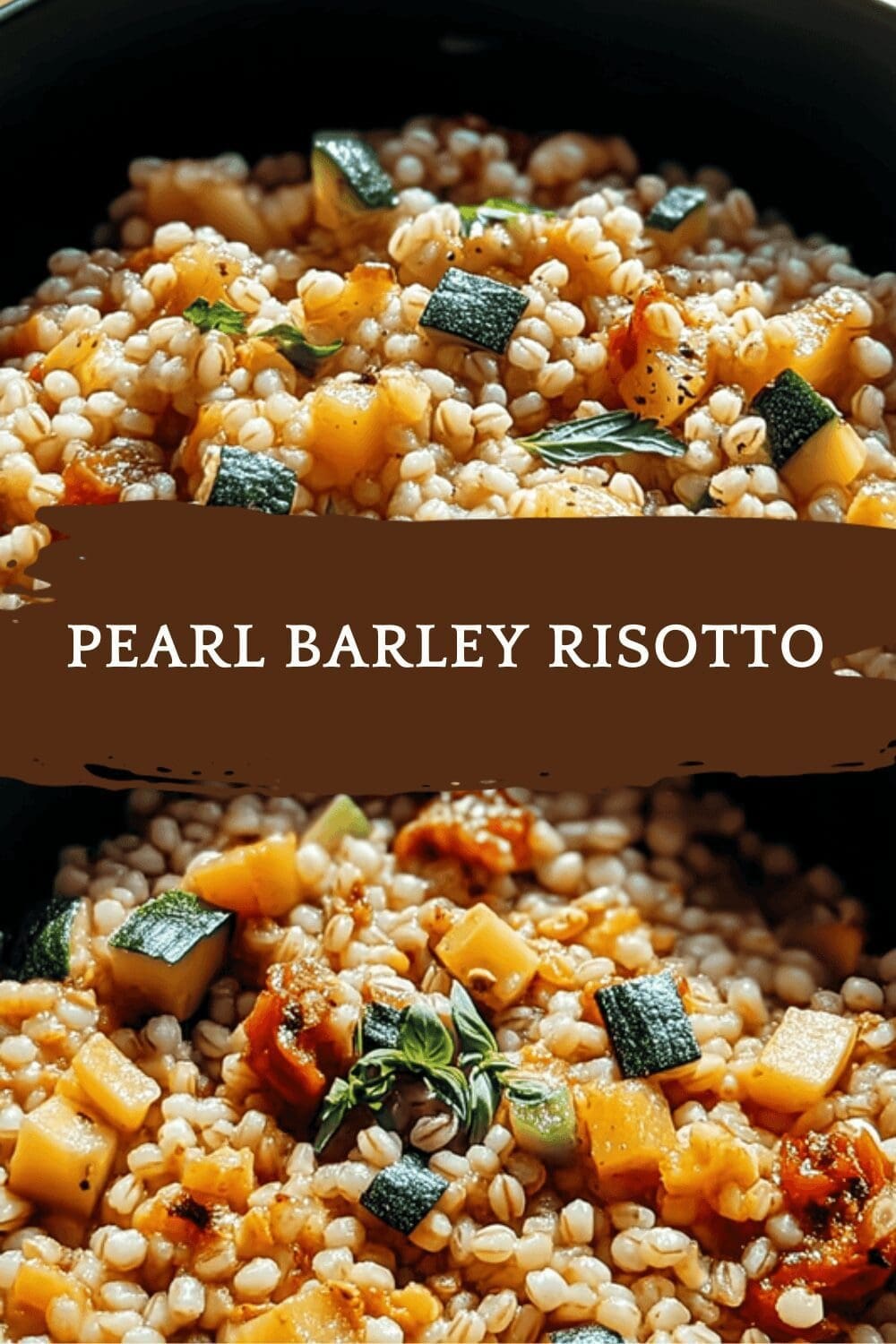
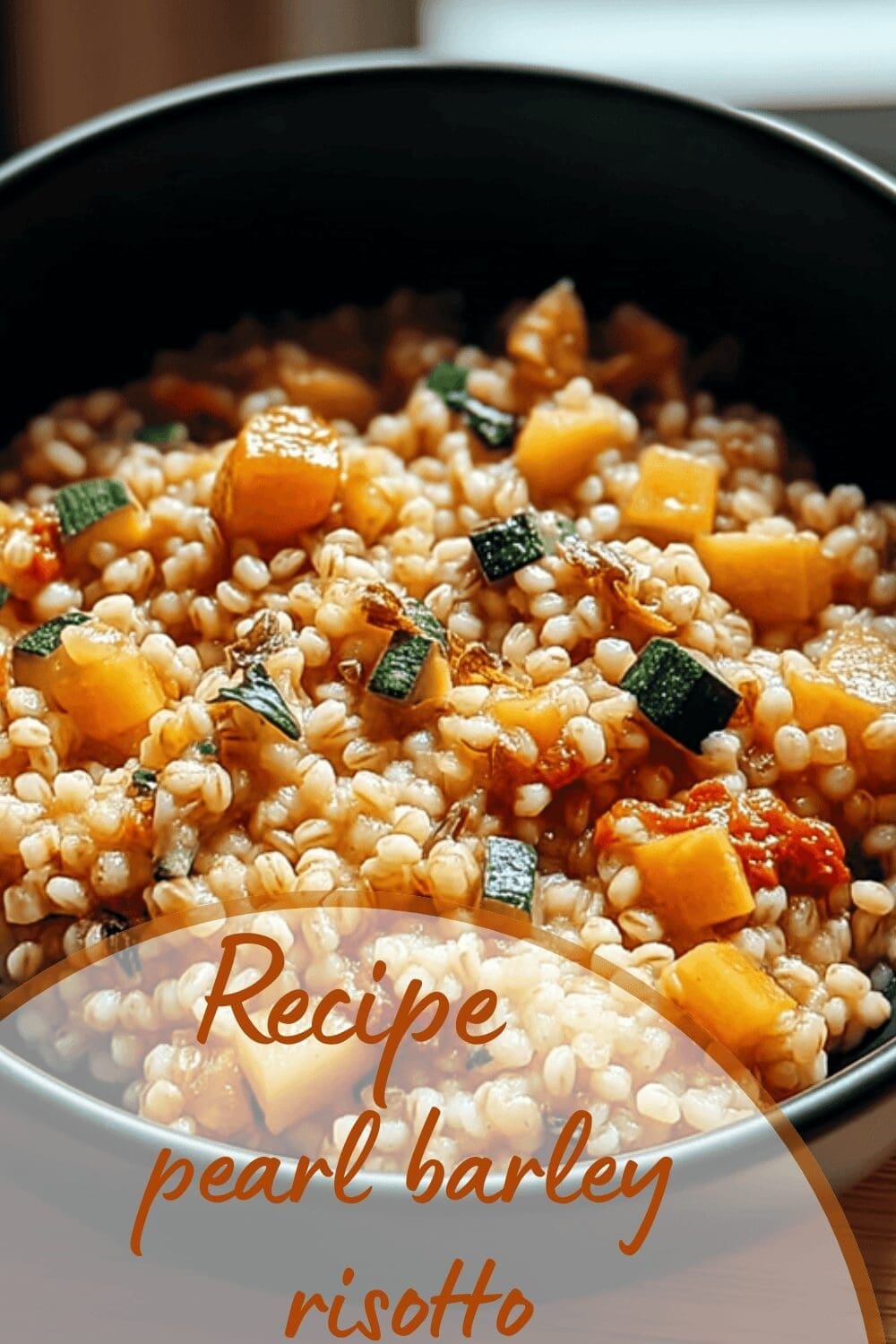
Pearl barley risotto stands out as a nutritious and satisfying alternative to traditional risotto dishes. Pearl barley offers a notably higher amount of dietary fiber and essential nutrients compared to arborio rice, promoting better digestion and sustained fullness. This recipe is straightforward and approachable, ideal for home cooks seeking a creamy, flavorful meal without complex techniques. Its adaptability supports a range of dietary preferences, including vegan and gluten-free options when suitable broths and additives are selected.
The chewy texture of pearl barley provides a heartier eating experience, making the dish feel substantial and fulfilling. Combined with fresh spring vegetables and herbs, it delivers a nutrient-rich profile with vitamins, antioxidants, and minerals enhancing overall health. This balance of health benefits, ease of preparation, and adaptable flavor clarity makes pearl barley risotto a versatile and appealing meal choice for diverse palates.
Jump to:
- Benefits and Advantages of pearl barley risotto
- Essential Ingredients for pearl barley risotto
- Dietary Substitutions to Customize Your pearl barley risotto
- How to Prepare the Perfect pearl barley risotto: Step-by-Step Guide
- Mastering pearl barley risotto: Advanced Tips and Variations
- How to Store pearl barley risotto: Best Practices
- Nutritional Value of pearl barley risotto
- FAQs: Frequently Asked Questions About pearl barley risotto
- Is pearl barley safe to eat for people with gluten intolerance?
- How do I store leftover pearl barley risotto properly?
- What’s the best way to reheat pearl barley risotto without drying it out?
- Can I freeze pearl barley risotto for later use?
- What are good dishes to serve alongside pearl barley risotto?
- pearl barley risotto
- Ingredients
- Instructions
- Last Step:
- Notes
- Nutrition
- Did you make this recipe?
Essential Ingredients for pearl barley risotto
- 200 grams (1 cup) pearl barley (dried)
- 1 knob of butter or 2 tablespoons oil
- 1 large leek, sliced
- 125 milliliters (1/2 cup) white wine (optional)
- 1.25 liters (5 cups) water or vegetable/chicken stock
- 100 grams asparagus, cut into quarters
- 150 grams peas, fresh or frozen (about 2/3 cup)
- 100 grams spring greens such as kale, collard greens, or cabbage
- 20 grams (1/2 cup) grated Parmesan cheese (optional, use cashew cheese or nutritional yeast for vegan option)
- 3 tablespoons chopped chives
- 2 tablespoons lemon juice
- Salt and pepper to taste
Each ingredient plays a vital role: pearl barley provides texture and nutrients; leeks and vegetables build flavors and add vitamins; Parmesan offers creaminess and richness; and lemon juice brightens the dish with a refreshing acidity. The choice of broth and cheese can be tailored to fit dietary needs while maintaining deliciousness.
Dietary Substitutions to Customize Your pearl barley risotto
Pearl barley risotto accommodates diverse diets through thoughtful ingredient substitutions:
- Gluten-Free: Since pearl barley contains gluten, substitute it with gluten-free grains such as quinoa or certified gluten-free oats to preserve a similar creamy texture.
- Vegan: Replace animal-based broth with rich vegetable stock and swap Parmesan cheese for nutritional yeast or vegan cheese alternatives to maintain flavor and creaminess.
- Low-Calorie: Use olive oil spray instead of measured oils to cut fat content, and low-fat plant-based milks for added creaminess without excess calories.
- Enhanced Protein: Add legumes or firm tofu chunks to boost protein content while keeping the risotto hearty and wholesome.
- Nut Allergies: Avoid garnishing with pine nuts or opt for pumpkin seeds as a safe alternative to add crunch.
These substitutions ensure the dish remains inclusive and flavorful, adaptable to a variety of nutritional goals and taste preferences.
How to Prepare the Perfect pearl barley risotto: Step-by-Step Guide
- Prepare Ingredients: Finely chop the leek, mince the garlic, and slice the mushrooms. Measure the pearl barley and broth.
- Sauté Vegetables: Heat butter or oil in a large skillet over medium heat. Add the leek and cook for about 5 minutes until softened but not browned. Stir in garlic and mushrooms, cooking until tender.
- Toast Pearl Barley: Add pearl barley to the pan and stir to coat with fat and vegetable mixture. Cook for 2-3 minutes to lightly toast.
- Add White Wine (Optional): Pour in the white wine; simmer and stir until mostly absorbed to deepen flavor.
- Gradually Add Broth: Add warm broth in ladlefuls, stirring frequently. Allow the barley to absorb most liquid before adding more, cooking gently for 35-40 minutes until tender and creamy.
- Incorporate Vegetables: In the last 3-4 minutes, stir in asparagus, peas, and spring greens; cook until vegetables are tender.
- Finish the Risotto: Remove from heat and stir in grated Parmesan (or vegan alternative), lemon juice, and chopped chives. Season with salt and pepper, adjusting creaminess with extra broth if needed.
- Rest and Serve: Let the risotto rest for 5 minutes to thicken. Serve warm, garnished with extra Parmesan and chives as desired.
This method yields a creamy, vibrant risotto where the barley’s nutty flavor harmonizes with fresh vegetables and the brightness of herbs and lemon perfect for a wholesome, enjoyable meal.
For more detailed instructions, visit How to cook pearl barley risotto.
Mastering pearl barley risotto: Advanced Tips and Variations
To master pearl barley risotto, start by using homemade vegetable or chicken broth warm on the stove. Keeping the broth hot helps maintain an even simmer when gradually adding it to the barley, which encourages the release of starch, yielding a luscious and creamy texture. Stir regularly but gently to avoid breaking the barley grains, allowing the dish to develop its characteristic consistency.
For additional layers of flavor, consider incorporating fresh herbs such as thyme, sage, or tarragon during cooking. Roasted vegetables like butternut squash, asparagus, or tenderstem broccoli add color and contrasting textures. To lend a touch of indulgence, finish with a drizzle of truffle oil or toss in toasted pine nuts or walnuts for crunch. A vegan variation can be achieved by blending soaked cashews into a smooth paste and mixing it into the risotto as a creamy cheese substitute.
Experimenting with these variations allows flexibility and personalization while preserving the wholesome nature of pearl barley risotto, making it suitable for different taste preferences and dietary choices.
Gentle stirring, quality broth, and imaginative ingredient additions distinguish a simple risotto from a signature dish.
How to Store pearl barley risotto: Best Practices
Proper storage of pearl barley risotto is key to maintaining its creamy texture and fresh flavor. After cooking, allow it to cool to room temperature within two hours. Transfer the risotto to an airtight container and refrigerate where it will stay fresh for 3 to 4 days. When reheating, add a splash of broth or water to loosen the mixture and gently warm it on the stovetop over medium heat, stirring frequently to restore creaminess and prevent sticking. Alternatively, use a microwave, stirring halfway through heating.
For longer-term storage, portion the risotto appropriately and freeze in freezer-safe containers for up to 2 months. Thaw overnight in the refrigerator before reheating. Avoid overcooking leftovers to preserve the barley’s tender bite and avoid drying out the dish.
Storage and reheating with care keep your pearl barley risotto luscious and delicious even when prepared ahead.
Nutritional Value of pearl barley risotto
| Nutrient | Approximate Amount Per Serving | Health Benefit |
|---|---|---|
| Calories | 250–300 kcal | Moderate energy supply suitable for balanced meals |
| Protein | 6–8 grams | Supports muscle repair and fullness |
| Fiber | 5–8 grams | Promotes digestive health and sustained satiety |
| Fat | Low, primarily healthy unsaturated fats | Supports heart health and nutrient absorption |
| Carbohydrates | Complex carbs from barley | Provides steady energy and blood sugar regulation |
| Vitamins & Minerals | Rich in magnesium, selenium, B vitamins, vitamin C from vegetables | Contributes to metabolism, immune function, and bone health |
Incorporating spring vegetables adds antioxidants and vitamins such as vitamin C, vitamin K, and folate, enhancing the nutritional profile. Pearl barley is a source of iron and thiamine, important for energy metabolism. Learn more about the health benefits of pearl barley and the nutritional value of spring vegetables.
FAQs: Frequently Asked Questions About pearl barley risotto
Is pearl barley safe to eat for people with gluten intolerance?
Pearl barley contains gluten, so it is not safe for individuals with gluten intolerance or coeliac disease. Anyone who needs to follow a strict gluten-free diet should avoid pearl barley and consider gluten-free grains like quinoa or rice instead.
How do I store leftover pearl barley risotto properly?
Let the risotto cool to room temperature within two hours of cooking. Then, place it in an airtight container and refrigerate. It will keep well for 3 to 4 days. Before storing, avoid leaving it out too long to prevent bacterial growth.
What’s the best way to reheat pearl barley risotto without drying it out?
To reheat, add a few tablespoons of water or broth to the risotto and warm it in a saucepan over medium heat, stirring regularly until hot. Alternatively, microwave it for 2 to 3 minutes, stirring halfway through. Both methods help maintain moisture and creamy texture.
Can I freeze pearl barley risotto for later use?
Yes, you can freeze pearl barley risotto. Cool it to room temperature, then transfer to a freezer-safe container. It will keep for up to three months. To thaw, place it in the fridge for 24 hours or use your microwave’s defrost setting before reheating.
What are good dishes to serve alongside pearl barley risotto?
Pearl barley risotto pairs well with roasted or grilled proteins such as chicken, salmon, or cod. For a lighter option, serve it with a fresh green salad or steamed vegetables. The dish is hearty enough to be a main on its own but complements simple sides nicely.

pearl barley risotto
🌾 Experience the health benefits of pearl barley, packed with fiber and nutrients, making this risotto a wholesome and filling meal.
🥗 Colorful spring vegetables and creamy mushrooms elevate this dish, perfect for a light yet satisfying dinner option.
- Total Time: 50 minutes
- Yield: 2 to 3 servings
Ingredients
Butter or oil, 1 knob or 2 tablespoons
Large leek, sliced, 1
Pearl barley (dried), 200 grams (1 cup)
White wine, 125 milliliters (1/2 cup), optional
Water or vegetable/chicken stock, 1.25 liters (5 cups)
Asparagus, cut into quarters, 100 grams
Peas, fresh or frozen, 150 grams (or about 2/3 cup)
Spring greens (such as kale, collard greens, or cabbage), 100 grams
Parmesan cheese, grated, 20 grams (1/2 cup), optional
Chives, chopped, 3 tablespoons
Lemon juice, 2 tablespoons
Salt and pepper to taste
Instructions
1. Heat the butter or oil in a pan over medium heat. Sauté the sliced leek for about 5 minutes until softened but not browned.
2. Add the pearl barley to the pan and stir to coat in the fat and leek mixture. If using white wine, pour it in and cook for about 5 minutes, stirring occasionally, until the liquid reduces and alcohol evaporates.
3. Gradually add water or stock to the barley mixture, about a ladleful at a time, stirring frequently. Simmer gently for 35-40 minutes until the pearl barley is tender.
4. In the last 3-4 minutes of cooking, stir in the asparagus, peas, and spring greens. Cook until the asparagus is just tender and peas are heated through.
5. Remove from heat, then stir in parmesan cheese, lemon juice, and chopped chives. Season with salt and pepper to taste.
6. Serve hot, optionally garnished with extra parmesan and chives.
Last Step:
Please leave a rating and comment letting us know how you liked this recipe! This helps our business to thrive and continue providing free, high-quality recipes for you.Notes
🧅 Substitute leeks with white onions if necessary for a different flavor profile.
🍷 If avoiding alcohol, replace white wine with additional stock or lemon juice for depth.
🌱 For a vegan version, use nutritional yeast or cashew cheese in place of parmesan.
- Prep Time: 10 minutes
- None: 0 minutes
- Cook Time: 40 minutes
- Category: Main Course
- Method: Simmering
- Cuisine: Italian
- Diet: Vegetarian
Nutrition
- Serving Size: 1 portion
- Calories: 350
- Sugar: 5g
- Sodium: 470mg
- Fat: 12g
- Saturated Fat: 6g
- Unsaturated Fat: 5g
- Trans Fat: 0g
- Carbohydrates: 48g
- Fiber: 8g
- Protein: 12g
- Cholesterol: 15mg


