

Why You’ll Love This Pav Bhaji
Pav Bhaji is a delightful Mumbai street food that’s perfect for anyone craving a flavorful meal that’s easy to whip up at home. This recipe highlights the dish’s simplicity, making it ideal for busy parents and working professionals who want a nutritious option without spending hours in the kitchen. With its blend of fresh vegetables and spices, Pav Bhaji offers a tasty way to enjoy Mumbai street food vibes during family gatherings or quick weeknight dinners.
One of the best parts about this Pav Bhaji is its health benefits, as it’s loaded with mixed vegetables that provide essential vitamins and fiber. It’s versatile too, allowing for easy tweaks to fit various dietary needs, which makes it a hit among students, newlyweds, and food enthusiasts alike. Whether you’re serving it at a picnic or a potluck, this dish brings people together with its comforting flavors and satisfying texture.
According to a trusted source on traditional Indian diets, meals like Pav Bhaji can support overall wellness through nutrient-packed ingredients. The Health Benefits of a Traditional Indian Diet explains how such recipes promote balanced eating. Plus, its adaptability means you can experiment with substitutions, keeping it fresh and exciting for every occasion.
Jump to:
- Why You’ll Love This Pav Bhaji
- Essential Ingredients for Pav Bhaji
- Main Ingredients List
- How to Prepare the Perfect Pav Bhaji: Step-by-Step Guide
- Instant Pot Variation
- Dietary Substitutions to Customize Your Pav Bhaji
- Mastering Pav Bhaji: Advanced Tips and Variations
- How to Store Pav Bhaji: Best Practices
- FAQs: Frequently Asked Questions About Pav Bhaji
- How can I get the natural red color in pav bhaji without using artificial coloring?
- What spices make up authentic pav bhaji masala?
- Can I make pav bhaji without using onions and garlic?
- What are some good alternatives to pav bhaji masala if I don’t have it on hand?
- How can I keep my pav bhaji moist and flavorful when reheating leftovers?
- Pav Bhaji
- Ingredients
- Instructions
- Last Step:
- Notes
- Nutrition
- Did you make this recipe?
Essential Ingredients for Pav Bhaji
To make this classic Pav Bhaji, you’ll need a selection of fresh ingredients that create its signature taste and texture. This section lists everything required based on a standard recipe for 4 servings, ensuring you have all the items for a successful cook. Using precise measurements helps achieve the perfect balance of flavors and consistency.
Main Ingredients List
- 8 pieces Pav (dinner rolls, approximately 200 grams total; made with refined white flour, milk, and yeast, eggless; alternatives include unsweetened buns, sourdough, artisan, or whole grain crusty breads)
- 2 large potatoes (about 400 grams)
- 1 cup cauliflower florets (100 grams)
- 1 medium carrot (100 grams)
- 1 bell pepper (100 grams)
- 1 cup green beans (100 grams)
- 1 cup frozen peas (150 grams)
- 100 grams butter (cultured butter can be used for added flavor)
- 2 tablespoons Pav Bhaji Masala (a spice blend made from 1 tablespoon coriander seeds, 1 teaspoon black cardamom, 1 teaspoon green cardamom, 1 teaspoon cumin seeds, 1 teaspoon peppercorns, 1 teaspoon fennel seeds, 2 dried red chilies, 1-inch cinnamon stick, 4 cloves, and 1 teaspoon dried mango powder; or use 2 tablespoons store-bought masala)
- 2 medium onions (about 200 grams, chopped)
- 4 medium tomatoes (about 400 grams, chopped)
- 1 tablespoon ginger-garlic paste
- 1-2 pieces green chili (about 10 grams, finely chopped)
- 1 teaspoon salt (or to taste)
- 1 teaspoon chili powder
- ½ teaspoon turmeric powder (if using in variations)
- 1 tablespoon Kasuri methi (dried fenugreek leaves)
- ¼ cup coriander leaves (for garnish)
- Juice from 1 lemon (about 2 tablespoons, for garnish and flavor)
- 1-2 cups water (250-500 ml, to adjust consistency)
For special dietary options, consider these tweaks: use plant-based butter for vegan versions, or opt for gluten-free bread alternatives if needed. If you’re looking for similar vegetable-based recipes, check out our roasted cauliflower recipe for a simple side dish idea.
How to Prepare the Perfect Pav Bhaji: Step-by-Step Guide
Getting the hang of Pav Bhaji starts with simple steps that anyone can follow, even if you’re new to cooking. Begin by preparing your vegetables to ensure everything cooks evenly and blends into a delicious mash. This guide walks you through the process, making it straightforward for home cooks and busy families.
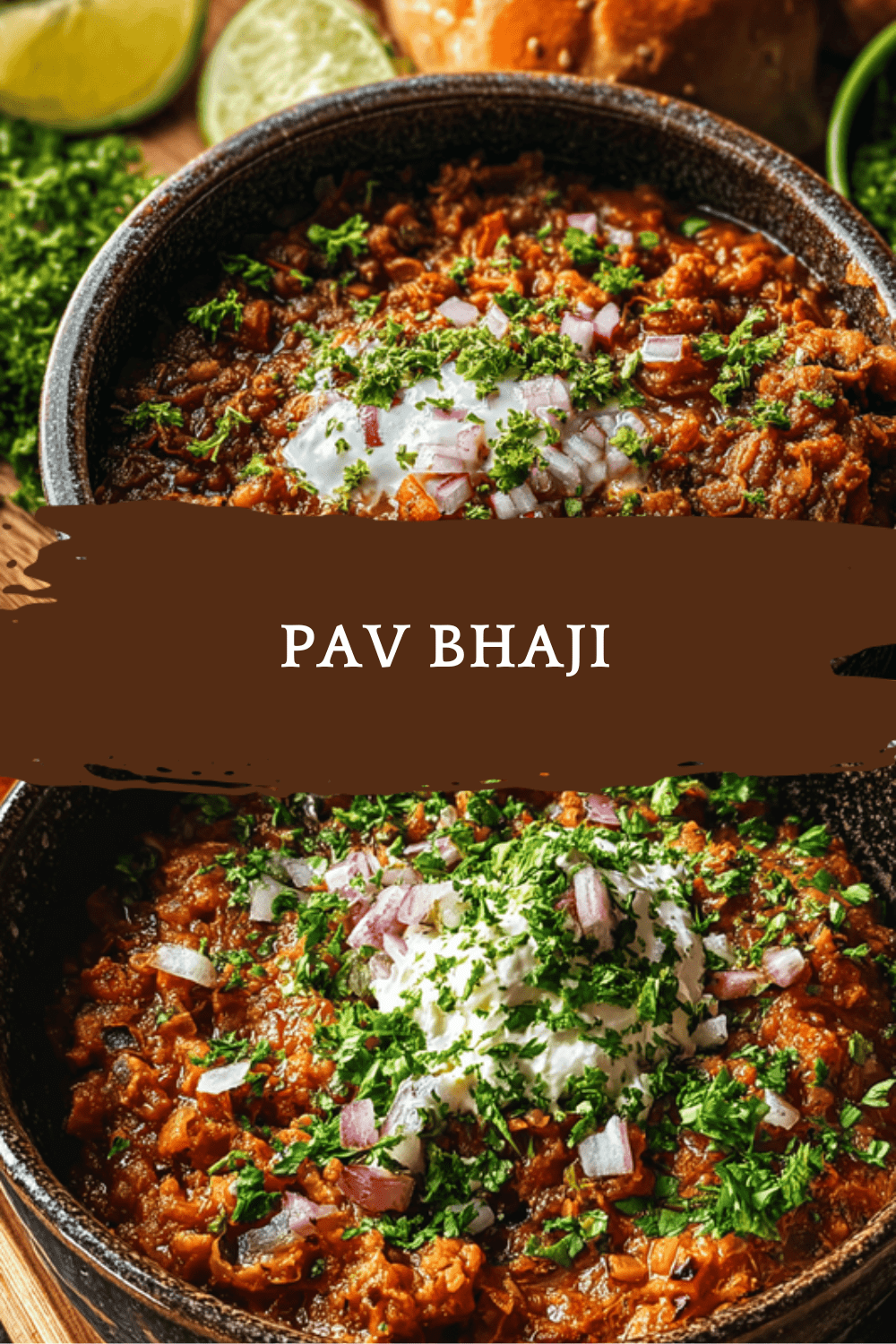
First, peel, rinse, and cube the vegetables like the 2 potatoes, 1 cup cauliflower, 1 carrot, and 1 cup peas, then pressure-cook or boil them until soft about 750 grams total. Once done, mash them for a creamy base. In a large pan, heat 50 grams of butter with 1 tablespoon of oil and sauté the 2 chopped onions until translucent.
Next, add 1 tablespoon ginger-garlic paste and 1-2 green chilies, followed by the bell pepper, then the 4 chopped tomatoes and 1 teaspoon salt. Cook until the tomatoes turn mushy, then stir in 1 teaspoon chili powder and 2 tablespoons Pav Bhaji Masala for that authentic Mumbai street food flavor. Add the mashed vegetables along with 1-2 cups of water to get a thick, pourable consistency, and simmer to let the tastes meld together.
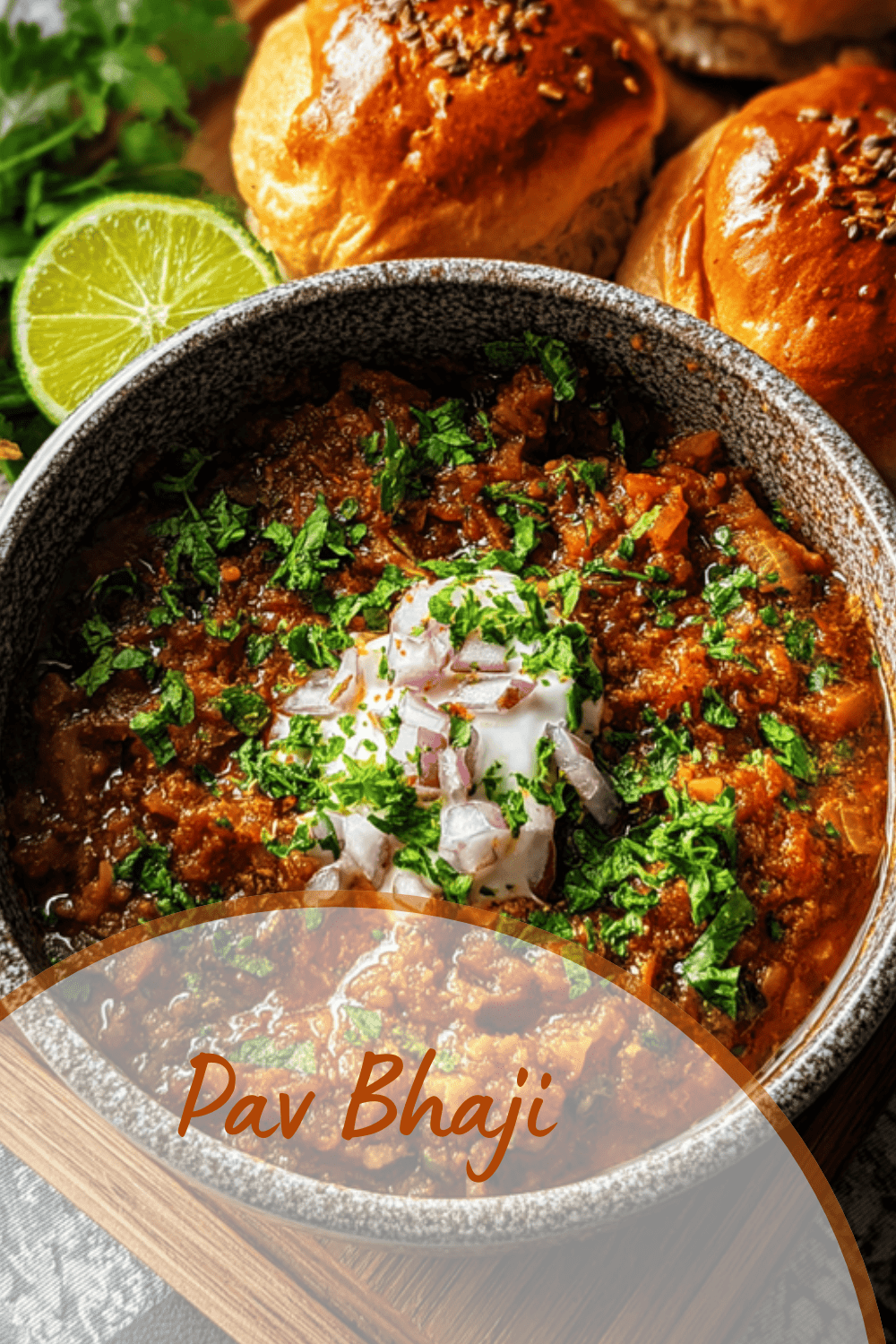
Finally, mix in 1 tablespoon Kasuri methi and garnish with ¼ cup coriander leaves and 2 tablespoons lemon juice. For the pav, slit 8 rolls, butter them with about 25 grams of butter and a sprinkle of ½ teaspoon Pav Bhaji Masala, then toast until lightly crisp. Serve hot with extras like chopped onions and lemon wedges. If you enjoy easy potato dishes, try our easy baked potato in air fryer recipe for a quick companion.
Instant Pot Variation
For a faster option, use the Instant Pot’s sauté function to cook the onions, chilies, ginger-garlic paste, tomatoes, and bell pepper with salt. Add the masala, chili powder, turmeric, mixed vegetables, and water, then pressure cook for 5 minutes followed by a natural release.
Dietary Substitutions to Customize Your Pav Bhaji
Pav Bhaji is incredibly flexible, allowing you to tweak it for different preferences and needs. For instance, if you’re watching your diet, swap potatoes with sweet potatoes or cauliflower to keep things nutritious yet tasty. These changes help maintain the dish’s hearty essence while making it suitable for everyone from diet-conscious individuals to vegans.
Protein and main component alternatives include using plant-based butter or oils for a vegan twist. For vegetable and seasoning modifications, try adding seasonal veggies like zucchini or adjusting the masala for a milder version. This way, you can easily adapt it for gluten-free diets by serving with rice or gluten-free bread, ensuring it’s a crowd-pleaser at any gathering.
Mastering Pav Bhaji: Advanced Tips and Variations
Once you’re comfortable with the basics, level up your Pav Bhaji with some pro techniques and creative twists. Use a heavy-bottomed pan for even heating to avoid burning and enhance flavor through slow simmering. These methods make the dish even more enjoyable for baking enthusiasts and food lovers.
For flavor variations, consider adding cheese for extra richness or incorporating smoked paprika for a unique kick. Presentation is key too top with fresh coriander, onions, and a bit of butter to make it look inviting. If you’re planning ahead, prepare the bhaji in advance, refrigerate it, and reheat gently with a splash of water.
To achieve a bright red color naturally, soak 10 deseeded Kashmiri red chilies in hot water and blend them into a paste to mix in. For healthier options, replace pav with whole grain bread or add greens like spinach, keeping it fresh for community events or family meals.
How to Store Pav Bhaji: Best Practices
Proper storage keeps your Pav Bhaji tasting great for later, which is handy for busy schedules. Store it in an airtight container in the fridge and enjoy within 2-3 days to maintain freshness. This approach works well for meal prep, letting you save time during the week.
If you want to freeze portions, use suitable containers and keep them for up to a month thaw in the fridge before reheating. When warming up, do so on the stove with stirring and add water if needed to keep the texture smooth. Pair it with toasted pav or alternatives for quick, satisfying meals.
FAQs: Frequently Asked Questions About Pav Bhaji
How can I get the natural red color in pav bhaji without using artificial coloring?
To achieve a natural red color in pav bhaji, soak about 10 deseeded Kashmiri red chilies in hot water until they soften. Then blend them into a smooth paste and add this paste along with bhaji masala while cooking. This method provides a bright, vibrant color without the need for artificial food coloring and also adds a mild, flavorful heat to the dish.
What spices make up authentic pav bhaji masala?
Authentic pav bhaji masala is a blend of spices including coriander seeds, black cardamom, green cardamom, cumin, black pepper, fennel seeds, dried red chilies, cinnamon, cloves, and amchur (dried mango powder). These spices are roasted and ground together to create the distinctive aromatic and slightly tangy flavor unique to pav bhaji.
Can I make pav bhaji without using onions and garlic?
Yes, you can make pav bhaji without onions and garlic by simply omitting them from the recipe. Many people prefer this variation due to dietary restrictions or personal taste. Use extra spices or tomatoes to maintain flavor depth, and consider adding grated ginger or asafoetida (hing) for added aroma.
What are some good alternatives to pav bhaji masala if I don’t have it on hand?
If you don’t have pav bhaji masala, you can use a mix of garam masala, coriander powder, and red chili powder as a substitute. While this won’t perfectly replicate the unique pav bhaji flavor, it will still provide a warm, spicy taste that complements the vegetables well.
How can I keep my pav bhaji moist and flavorful when reheating leftovers?
To keep leftover pav bhaji moist when reheating, add a splash of water or butter and warm it gently on low heat while stirring frequently. This helps prevent the mixture from drying out and maintains its creamy texture. Adding a little fresh lemon juice or chopped cilantro after reheating can also refresh the flavors.

Pav Bhaji
🍞 Pav Bhaji Recipe showcases the vibrant, spicy flavors of traditional Mumbai street food that are both satisfying and nutritious.
🌶️ This dish offers a rich vegetable gravy paired with soft, buttery bread rolls, making it a delightful and hearty meal to enjoy any time.
- Total Time: 30 minutes
- Yield: 4 servings
Ingredients
– 8 pieces Pav (dinner rolls, approximately 200 grams total)
– 2 large potatoes (about 400 grams)
– 1 cup cauliflower florets (100 grams)
– 1 medium carrot (100 grams)
– 1 bell pepper (100 grams)
– 1 cup green beans (100 grams)
– 1 cup frozen peas (150 grams)
– 100 grams butter (cultured butter can be used for added flavor)
– 2 tablespoons Pav Bhaji Masala (a spice blend made from 1 tablespoon coriander seeds, 1 teaspoon black cardamom, 1 teaspoon green cardamom, 1 teaspoon cumin seeds, 1 teaspoon peppercorns, 1 teaspoon fennel seeds, 2 dried red chilies, 1-inch cinnamon stick, 4 cloves, and 1 teaspoon dried mango powder; or use 2 tablespoons store-bought masala)
– 2 medium onions (about 200 grams, chopped)
– 4 medium tomatoes (about 400 grams, chopped)
– 1 tablespoon ginger-garlic paste
– 1-2 pieces green chili (about 10 grams, finely chopped)
– 1 teaspoon salt (or to taste)
– 1 teaspoon chili powder
– ½ teaspoon turmeric powder (if using in variations)
– 1 tablespoon Kasuri methi (dried fenugreek leaves)
– ¼ cup coriander leaves (for garnish)
– Juice from 1 lemon (about 2 tablespoons, for garnish and flavor)
– 1-2 cups water (250-500 ml, to adjust consistency)
Instructions
1-First, peel, rinse, and cube the vegetables like the 2 potatoes, 1 cup cauliflower, 1 carrot, and 1 cup peas, then pressure-cook or boil them until soft about 750 grams total. Once done, mash them for a creamy base.
2-In a large pan, heat 50 grams of butter with 1 tablespoon of oil and sauté the 2 chopped onions until translucent.
3-Next, add 1 tablespoon ginger-garlic paste and 1-2 green chilies, followed by the bell pepper, then the 4 chopped tomatoes and 1 teaspoon salt. Cook until the tomatoes turn mushy, then stir in 1 teaspoon chili powder and 2 tablespoons Pav Bhaji Masala for that authentic Mumbai street food flavor. Add the mashed vegetables along with 1-2 cups of water to get a thick, pourable consistency, and simmer to let the tastes meld together.
4-Finally, mix in 1 tablespoon Kasuri methi and garnish with ¼ cup coriander leaves and 2 tablespoons lemon juice. For the pav, slit 8 rolls, butter them with about 25 grams of butter and a sprinkle of ½ teaspoon Pav Bhaji Masala, then toast until lightly crisp. Serve hot with extras like chopped onions and lemon wedges. If you enjoy easy potato dishes, try our easy baked potato in air fryer recipe for a quick companion.
5-For a faster option, use the Instant Pot’s sauté function to cook the onions, chilies, ginger-garlic paste, tomatoes, and bell pepper with salt. Add the masala, chili powder, turmeric, mixed vegetables, and water, then pressure cook for 5 minutes followed by a natural release.
Last Step:
Please leave a rating and comment letting us know how you liked this recipe! This helps our business to thrive and continue providing free, high-quality recipes for you.Notes
🌶️ To achieve vibrant red color, blend soaked Kashmiri red chilies into a paste and add to the bhaji.
🍞 For a healthier alternative, use whole grain or artisan bread instead of traditional pav.
🧈 Butter is essential for authentic flavor; avoid over-toasting the pav to keep spices intact.
- Prep Time: 15 minutes
- Cook Time: 15 minutes
- Category: Main Dish
- Method: Simmering and Toasting
- Cuisine: Indian
Nutrition
- Serving Size: 1 serving
- Calories: 321
- Sugar: 8g
- Sodium: 666mg
- Fat: 13g
- Saturated Fat: 7g
- Carbohydrates: 42g
- Fiber: 6g
- Protein: 8g
- Cholesterol: 30mg


