

Why You’ll Love This Panna Cotta
Panna cotta is one of those desserts that feels fancy but comes together with ease. It’s perfect for gatherings where you want to impress without spending hours in the kitchen, like potlucks or picnics with friends. With its smooth texture and simple flavors, this recipe fits right into my blog’s focus on shareable dishes that bring people together.
This panna cotta recipe is remarkably simple, requiring minimal ingredients and only a few easy steps. It cooks quickly, making it perfect for last-minute desserts or busy weeknights. Made with wholesome ingredients, this panna cotta offers a lighter option compared to traditional heavy desserts and can be tailored to include low-fat dairy or plant-based alternatives that support nutritional wellness.
The recipe adapts easily to various dietary needs such as vegan, gluten-free, or low-calorie diets. Its flexible base allows you to customize flavors and ingredients without compromising texture or taste. What sets this panna cotta apart is its delicate, creamy texture combined with unique flavor infusions like vanilla, citrus, or fresh berries, delivering a memorable and refined dessert experience.
Health Benefits and Ease
One reason you’ll love this panna cotta is its balance of taste and health. It uses everyday items that you might already have on hand, helping busy parents or working professionals whip up something special fast. This dessert can even appeal to diet-conscious folks by swapping in lighter options, proving that good food doesn’t have to be complicated.
For more ideas on creamy treats, check out this magic three-layer custard cake recipe on our site. It offers another simple way to enjoy layered desserts at your next gathering.
Jump to:
- Why You’ll Love This Panna Cotta
- Health Benefits and Ease
- Essential Ingredients for Panna Cotta
- Special Dietary Options
- How to Prepare the Perfect Panna Cotta: Step-by-Step Guide
- Preparation Time
- Dietary Substitutions to Customize Your Panna Cotta
- Mastering Panna Cotta: Advanced Tips and Variations
- More on Variations
- How to Store Panna Cotta: Best Practices
- FAQs: Frequently Asked Questions About Panna Cotta
- What ingredients do I need to make traditional panna cotta?
- How can I tell if my panna cotta has set properly?
- What can I do if my panna cotta separates into layers?
- Can I make panna cotta without gelatin or for vegetarians?
- How do I unmold panna cotta for serving without it breaking?
- Panna Cotta
- Ingredients
- Instructions
- Last Step:
- Notes
- Nutrition
- Did you make this recipe?
Essential Ingredients for Panna Cotta
Good panna cotta starts with the right ingredients, and this recipe keeps things straightforward. You’ll need a few key items to create that silky texture everyone loves. Let’s break down what goes into this classic treat, using exact measurements for clear guidance.
Gathering your ingredients first makes the process smoother, especially if you’re new to making panna cotta. Here’s a complete list based on the recipe we’ll follow:
- Cooking spray (quantity not specified)
- 1 1/2 cups whole milk
- 3 teaspoons powdered unflavored gelatin
- 1/3 cup sugar
- 1 1/2 cups light or heavy cream
- 1 teaspoon pure vanilla extract
- Pinch of salt
These ingredients create a base that’s rich yet adaptable. For special dietary options, you can swap in vegan alternatives like coconut milk instead of dairy to keep things inclusive. Remember, precise measurements help ensure your panna cotta sets perfectly every time.
Special Dietary Options
If you’re adjusting for different needs, heavy cream can be replaced with lighter versions, but that might change the firmness. For a vegan twist, use plant-based milks and agar-agar as a gelatin substitute. This way, panna cotta stays versatile for all your guests at community events or family dinners.
How to Prepare the Perfect Panna Cotta: Step-by-Step Guide
Making panna cotta from scratch is easier than you might think, and it only takes a few steps to get that wobbly, creamy result. Start by preparing your tools and ingredients to avoid any rush. This guide uses a simple method that fits into busy schedules, perfect for students or working professionals.
- Lightly grease six 6-ounce ramekins with cooking spray, then wipe off most of the oil, leaving a light residue.
- Pour the 1 1/2 cups whole milk into a saucepan and sprinkle the 3 teaspoons powdered unflavored gelatin evenly over the surface. Allow it to soften for about 5 minutes, until the milk surface appears wrinkled and the gelatin looks wet and slightly dissolved.
- Gently warm the milk over low heat, stirring or whisking frequently, without letting it boil or simmer. Continue until the gelatin fully dissolves.
- Verify that the gelatin is completely dissolved by rubbing some of the milk between your fingers or checking with a spoon for any grains.
- Stir in the 1/3 cup sugar and continue warming until it dissolves, keeping the mixture below boiling point.
- Remove the saucepan from the heat and whisk in the 1 1/2 cups light or heavy cream, 1 teaspoon pure vanilla extract, and a pinch of salt.
- Divide the mixture evenly among the prepared ramekins and refrigerate. Chill for 1 to 2 hours if serving directly in the cups, or for at least 4 hours (preferably overnight) if you plan to unmold it.
- To unmold, fill a large bowl with warm water and dip the rim of each ramekin into the water for about 3 seconds. Run a thin knife around the edges of the panna cotta, then invert the ramekin over a plate and gently shake or press to release it.
- Serve immediately, or store lightly covered in the refrigerator for up to 5 days. If refrigerated for several days, let it sit at room temperature briefly to soften the gelatin’s firmness.
This step-by-step approach ensures a smooth panna cotta that’s easy to adapt. For instance, if you’re exploring other custard-like desserts, try this strawberry mousse recipe for a fruity variation.
Preparation Time
It only takes about 5 minutes of active time at the stove, with chilling time ranging from 1 to 2 hours for serving in cups or at least 4 hours for unmolding. This makes it ideal for make-ahead meals that fit into your routine as a busy parent or community organizer.
Dietary Substitutions to Customize Your Panna Cotta
Panna cotta is flexible, so you can tweak it for different diets without losing its charm. Whether you’re cooking for lactose-free friends or vegan eaters, small changes keep the dessert delicious. Let’s look at some easy swaps that work well for gatherings.
Protein and Main Component Alternatives include replacing heavy cream with coconut cream or cashew cream for vegan or dairy-free diets. Use plant-based milks like almond, soy, or oat milk to accommodate lactose intolerance. Substitute gelatin with agar-agar or carrageenan as vegan-friendly setting agents.
For Vegetable, Sauce, and Seasoning Modifications, incorporate seasonal fruits or berry coulis to vary flavor profiles and add freshness. Use citrus zest or herbs like mint and basil to complement and enhance taste. Adjust sweetness levels with natural sweeteners such as honey or maple syrup to meet dietary goals.
These substitutions help maintain the panna cotta’s texture and flavor while catering to diverse dietary restrictions. For more inspiration on customizing desserts, think about how these tips align with other recipes on the blog.
Mastering Panna Cotta: Advanced Tips and Variations
Once you’re comfortable with the basics, you can take your panna cotta to the next level with a few pro tips. For a smoother result, strain the cream mixture before setting to remove any lumps or foam. Use high-quality vanilla beans or premium extracts for richer flavor, and temper gelatin carefully to avoid clumping.
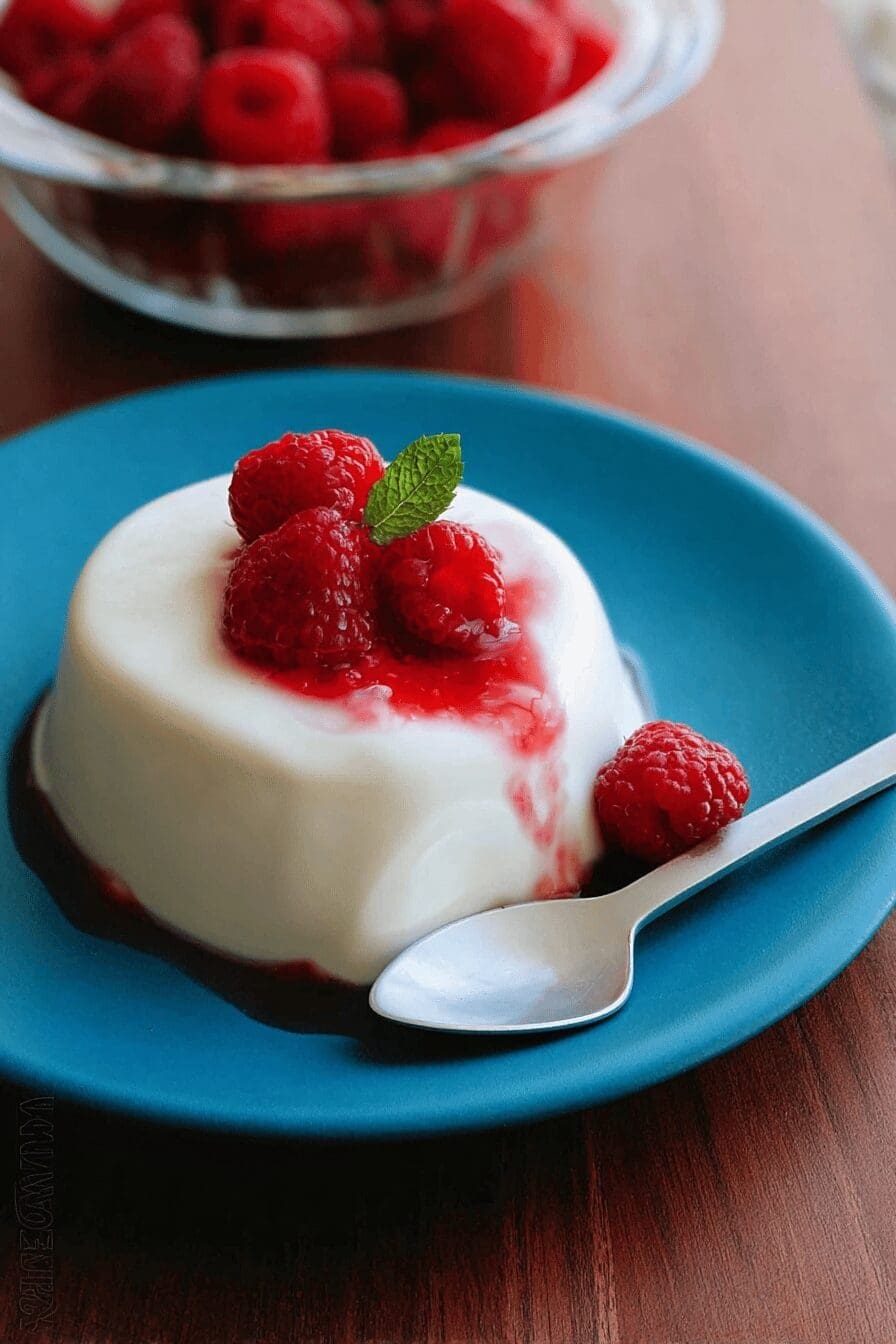
Flavor variations let you experiment with infusions such as espresso, lavender, or matcha powder. Add complementary liqueurs or spices like cinnamon and cardamom for unique twists. Presentation tips include serving panna cotta in elegant glassware or ramekins, garnished with fresh herbs, edible flowers, or thinly sliced fruit for visual appeal and added aroma.
Make-ahead options mean panna cotta can be prepared up to 2 days in advance and stored in the refrigerator, ideal for entertaining or busy schedules. To prevent layer separation, use half and half instead of separate milk and cream, as it is homogenized. Any creamy liquid can substitute for the dairy, such as coconut, soy, or almond milk, but lower-fat options may result in a softer set, requiring gelatin adjustments.
More on Variations
For variations, add flavor by scraping a vanilla bean into the warm milk, or incorporate lemon or almond extracts, chopped chocolate, espresso, or pureed fruit. Do not boil the mixture, as this can impair the gelatin’s thickening properties. If the panna cotta does not set properly and remains liquid, the gelatin may not have fully dissolved or the chilling time was insufficient; explore more techniques from traditional baking challenges like this one.
How to Store Panna Cotta: Best Practices
Proper storage keeps your panna cotta tasting fresh, so let’s cover the basics. Store it covered in the refrigerator for up to 3 days to maintain its texture. Freezing is not ideal as it can change the silky feel, but if needed, use airtight containers for up to 1 month and thaw slowly.
Avoid reheating; serve it chilled for the best results. When preparing in batches, portion into individual servings and cover tightly to prevent odors or moisture issues. This makes it easy for seniors or newlyweds to enjoy without fuss.
FAQs: Frequently Asked Questions About Panna Cotta
What ingredients do I need to make traditional panna cotta?
Traditional panna cotta requires heavy cream, whole milk, sugar, unflavored powdered gelatin, and vanilla. The cream and milk give it a rich, creamy texture, while gelatin sets the mixture into a smooth, silky dessert. Vanilla adds the classic flavor. Some recipes may use half and half or alternatives like coconut milk, but the key is balancing fat and gelatin to get the right texture.
How can I tell if my panna cotta has set properly?
Properly set panna cotta should be firm enough to hold its shape when unmolded but still smooth and creamy inside. It should jiggle slightly without being liquid or grainy. If it is still liquid, common issues include not dissolving the gelatin fully, boiling the mixture which damages gelatin, or insufficient chilling time (usually 4 hours or more is needed).
What can I do if my panna cotta separates into layers?
Layering happens when using non-homogenized dairy, causing fat to separate from the liquid. To avoid this, use homogenized ingredients like half and half or fully pasteurized cream and milk. Gently heating and mixing the ingredients well helps, too. Layering doesn’t ruin the taste but affects appearance and texture.
Can I make panna cotta without gelatin or for vegetarians?
Yes, vegetarian alternatives like agar agar powder can replace gelatin. Agar agar sets more firmly and faster, so adjust quantities and chilling time accordingly. Keep in mind, agar sets at room temperature and has a slightly different mouthfeel, so experiment with small batches to get the preferred texture.
How do I unmold panna cotta for serving without it breaking?
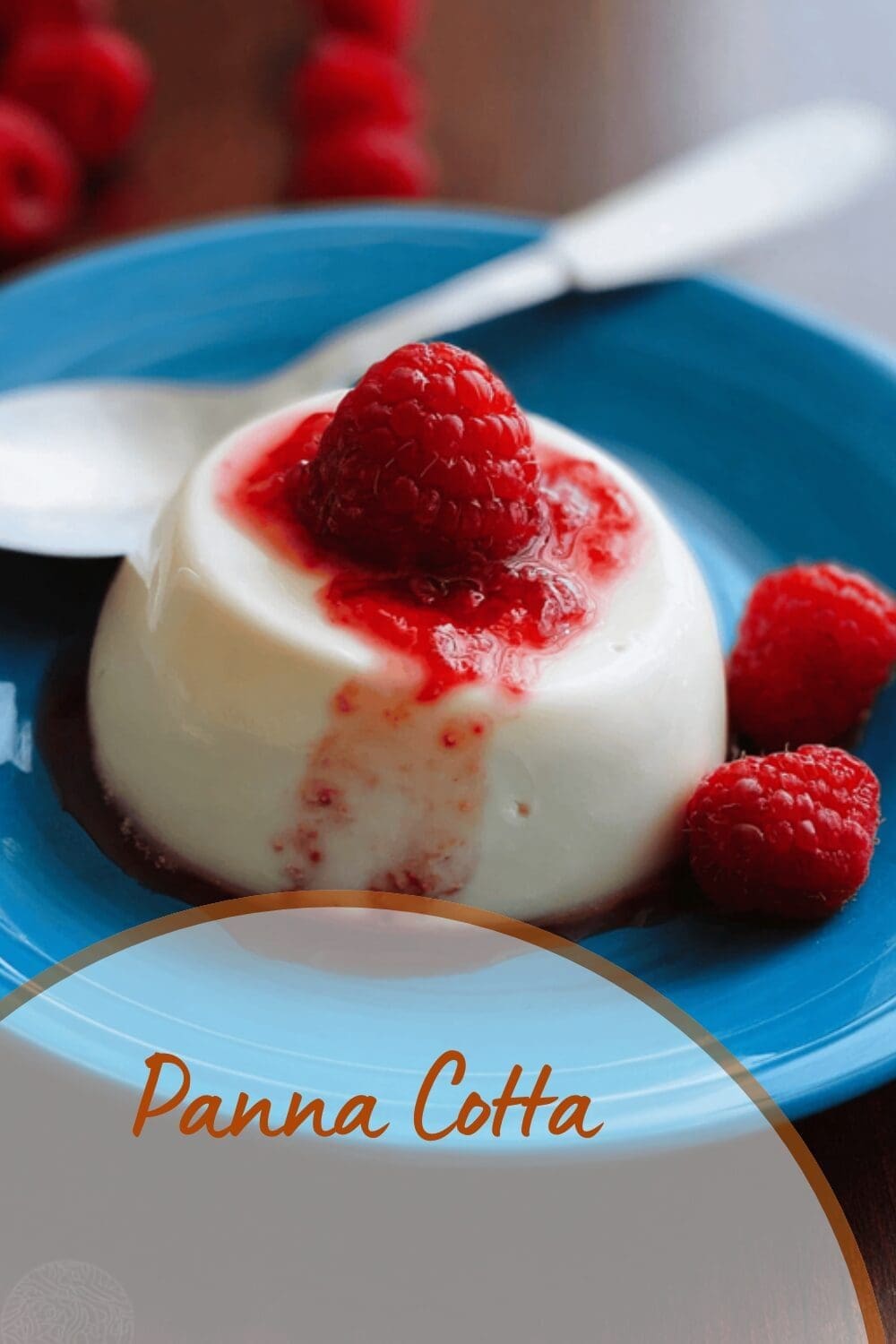
To unmold, first run a small knife around the rim of the custard. Dip the ramekin in warm water for 3 to 5 seconds to loosen the edges, then invert it onto a plate. Gently shake or tap if needed. Avoid soaking too long or using too much force to prevent cracking or melting. If unmolding is difficult, chill longer or serve directly in the ramekin.

Panna Cotta
🍮 This panna cotta recipe from scratch offers a creamy, silky dessert that’s simple to prepare at home.
🥄 The straightforward steps make it accessible for beginners while delivering an elegant treat for any occasion.
- Total Time: 4 hours 5 minutes
- Yield: 6 servings 1x
Ingredients
cooking spray
1 1/2 cups whole milk
3 teaspoons powdered unflavored gelatin
1/3 cup sugar
1 1/2 cups light or heavy cream
1 teaspoon pure vanilla extract
pinch of salt
Instructions
1-Lightly grease six 6-ounce ramekins with cooking spray, then wipe off most of the oil, leaving a light residue.
2-Pour the 1 1/2 cups whole milk into a saucepan and sprinkle the 3 teaspoons powdered unflavored gelatin evenly over the surface. Allow it to soften for about 5 minutes, until the milk surface appears wrinkled and the gelatin looks wet and slightly dissolved.
3-Gently warm the milk over low heat, stirring or whisking frequently, without letting it boil or simmer. Continue until the gelatin fully dissolves.
4-Verify that the gelatin is completely dissolved by rubbing some of the milk between your fingers or checking with a spoon for any grains.
5-Stir in the 1/3 cup sugar and continue warming until it dissolves, keeping the mixture below boiling point.
6-Remove the saucepan from the heat and whisk in the 1 1/2 cups light or heavy cream, 1 teaspoon pure vanilla extract, and a pinch of salt.
7-Divide the mixture evenly among the prepared ramekins and refrigerate. Chill for 1 to 2 hours if serving directly in the cups, or for at least 4 hours (preferably overnight) if you plan to unmold it.
8-To unmold, fill a large bowl with warm water and dip the rim of each ramekin into the water for about 3 seconds. Run a thin knife around the edges of the panna cotta, then invert the ramekin over a plate and gently shake or press to release it.
9-Serve immediately, or store lightly covered in the refrigerator for up to 5 days. If refrigerated for several days, let it sit at room temperature briefly to soften the gelatin’s firmness.
Last Step:
Please leave a rating and comment letting us know how you liked this recipe! This helps our business to thrive and continue providing free, high-quality recipes for you.Notes
🌟 Use half and half instead of separate milk and cream to prevent layer separation.
🥥 Dairy alternatives like coconut or almond milk work but may require gelatin adjustment.
🔥 Avoid boiling mixture to preserve gelatin’s thickening ability.
- Prep Time: 5 minutes
- Chilling Time: 4 hours
- Cook Time: 0 minutes
- Category: Dessert
- Method: Chilling, Mixing
- Cuisine: Italian
- Diet: Vegetarian
Nutrition
- Serving Size: 1 ramekin
- Calories: 229
- Sugar: 11.9g
- Sodium: 75.6mg
- Fat: 19.1g
- Saturated Fat: 11.2g
- Carbohydrates: 12.1g
- Protein: 3.1g


