

Why You’ll Love This Overnight French Toast
Picture waking up to a warm, comforting breakfast that’s ready to bake with minimal effort that’s the magic of this overnight French toast recipe. You’ll appreciate how simple it is to put together, letting you mix the ingredients the night before and wake up to a delicious meal that fits right into your busy routine. Whether you’re feeding a family or preparing for a gathering, this dish brings together flavors that feel like a hug in the morning.
Beyond its ease, this recipe offers a nutritious boost to start your day right. It features wholesome elements like eggs and bread, which provide protein and fiber for sustained energy, and you can tweak it with natural sweeteners or plant-based options to suit your wellness goals. This makes it a flexible choice for home cooks, busy parents, or anyone looking for a hearty yet adaptable breakfast that aligns with various dietary needs.
What sets this overnight baked French toast apart is its incredible versatility and taste. You can customize it for different preferences, from vegan swaps to gluten-free versions, all while enjoying a deep, custardy texture infused with cinnamon and vanilla. It’s not just a meal; it’s a crowd-pleaser that brings people together, perfect for picnics, potlucks, or family brunches, making you the star of any gathering.
To explore more make-ahead breakfast ideas, check out 23 healthy make-ahead breakfast recipes for inspiration that keeps mornings stress-free.
Key Benefits in Detail
- Ease of preparation: This overnight French toast recipe is incredibly simple, requiring minimal active cooking time. You can assemble the ingredients the night before, letting the flavors meld overnight in the refrigerator. This effortless prep ensures a stress-free morning with a quick baking time that fits perfectly into busy schedules.
- Health benefits: Packed with wholesome ingredients, this dish offers a nutritious start to your day. Using whole grain bread and a blend of eggs and dairy or plant-based alternatives provides protein and fiber, while natural sweeteners can replace refined sugars, supporting better wellness and sustained energy.
- Versatility: The recipe adapts seamlessly to various dietary preferences and restrictions. Whether you need a vegan substitute, gluten-free options, or a low-calorie version, you can customize the ingredients and toppings to meet your needs without compromising taste or texture.
- Distinctive flavor: Unlike regular French toast, this overnight version soaks deeply, enhancing every bite with a rich custard-like consistency. The blend of vanilla, cinnamon, and optional citrus zest creates a unique and memorable flavor profile that elevates the dish beyond a standard breakfast favorite.
Jump to:
- Why You’ll Love This Overnight French Toast
- Key Benefits in Detail
- Essential Ingredients for Overnight French Toast
- Custard Base Ingredients
- Topping Ingredients
- Optional Ingredients for Serving
- How to Prepare the Perfect Overnight French Toast: Step-by-Step Guide
- Step-by-Step Details
- Dietary Substitutions to Customize Your Overnight French Toast
- Mastering Overnight French Toast: Advanced Tips and Variations
- How to Store Overnight French Toast: Best Practices
- FAQs: Frequently Asked Questions About Overnight French Toast
- Can I use fresh bread for overnight French toast, or does it have to be stale?
- How long should I soak the bread mixture before baking?
- What types of bread are best for making overnight French toast?
- How can I tell when overnight French toast is fully baked?
- Can I prepare overnight French toast ahead for a crowd, and how do I reheat leftovers?
- Overnight French Toast
- Ingredients
- Instructions
- Last Step:
- Notes
- Nutrition
- Did you make this recipe?
Essential Ingredients for Overnight French Toast
Gathering the right ingredients is key to making this overnight French toast a success, and you’ll find it’s straightforward once you have everything lined up. This section lays out exactly what you need, based on a tried-and-true recipe that ensures a creamy, flavorful result. Focus on using fresh, quality items to bring out the best in every bite, especially when adapting for your family’s tastes.
Remember, the fat in your dairy choices plays a big role in creating that perfect custard texture, so stick with full-fat options where possible. Let’s break down the ingredients into clear categories to make shopping and prep a breeze.
Custard Base Ingredients
- 8 eggs
- 2 cups half and half
- 1 cup milk (any kind with fat, avoid skim)
- 6 tablespoons brown sugar
- 1 1/2 teaspoons cinnamon
- 1/2 teaspoon kosher salt (use less if table salt)
- 1 tablespoon vanilla extract
- 1 lb. loaf French bread (or brioche, challah, sourdough, Italian; day-old preferred), cut into 1-inch cubes
- 2-3 tablespoons softened butter (for greasing dish)
Topping Ingredients
- 4 tablespoons packed brown sugar
- 4 tablespoons white sugar
- 1/2 teaspoon cinnamon
- 1/4 teaspoon ground nutmeg
- 2 tablespoons cold butter
Optional Ingredients for Serving
- Melted butter
- Maple syrup
- Powdered sugar
- Berries
- Whipped cream
- Other preferred toppings
This structured list covers everything you need for the recipe, ensuring you don’t miss a single item. If you’re curious about bread options, take a look at best bread for French toast for more tips on selections.
How to Prepare the Perfect Overnight French Toast: Step-by-Step Guide
Getting started with this overnight French toast is as easy as mixing a few things in a bowl, and you’ll be amazed at how the flavors develop overnight. Begin by pulling together your ingredients, making sure your bread is slightly stale or dried out for the best soak-up action. This step-by-step guide walks you through each part, so you can feel confident in the kitchen.
First, whisk the eggs, half and half, milk, brown sugar, cinnamon, salt, and vanilla in a large bowl until everything blends smoothly. It’s that simple mix that creates the rich custard base. Next, grease a 9×13 baking dish with the softened butter to prevent sticking and ensure even baking.
Now, place the bread cubes in the dish and pour the egg mixture evenly over them, gently tossing to coat every piece. Spread the bread out evenly so it soaks up the goodness uniformly. Cover the dish and pop it in the fridge for at least 8 hours overnight works best for that deep flavor infusion.
In the morning, preheat your oven to 350°F (175°C) and uncover the dish. While it’s warming up, prepare the topping by mixing the brown sugar, white sugar, cinnamon, and nutmeg, then cut in the cold butter until it forms coarse crumbs. Sprinkle this over the casserole for a sweet, spiced crust.
Step-by-Step Details
- Gather and prepare all ingredients, ensuring bread is sliced thick and slightly stale for better custard absorption.
- In a large mixing bowl, whisk together eggs, milk (or plant-based alternative), maple syrup, vanilla extract, and cinnamon until fully combined.
- Arrange bread slices in a greased baking dish in a single layer. Pour the custard mixture evenly over the bread, pressing down gently to soak.
- Cover the dish tightly with plastic wrap or aluminum foil and refrigerate overnight to allow thorough soaking.
- Preheat oven to 350°F (175°C). Remove the baking dish from the fridge and let it sit for 10-15 minutes before baking.
- Bake uncovered for 35-45 minutes until the top is golden and the custard is set. For a crispier top, broil for the last 2-3 minutes while watching closely.
- Let cool slightly before serving. Adaptations for dietary needs include using vegan custard mixes or gluten-free bread at assembly, and adjusting baking times if needed.
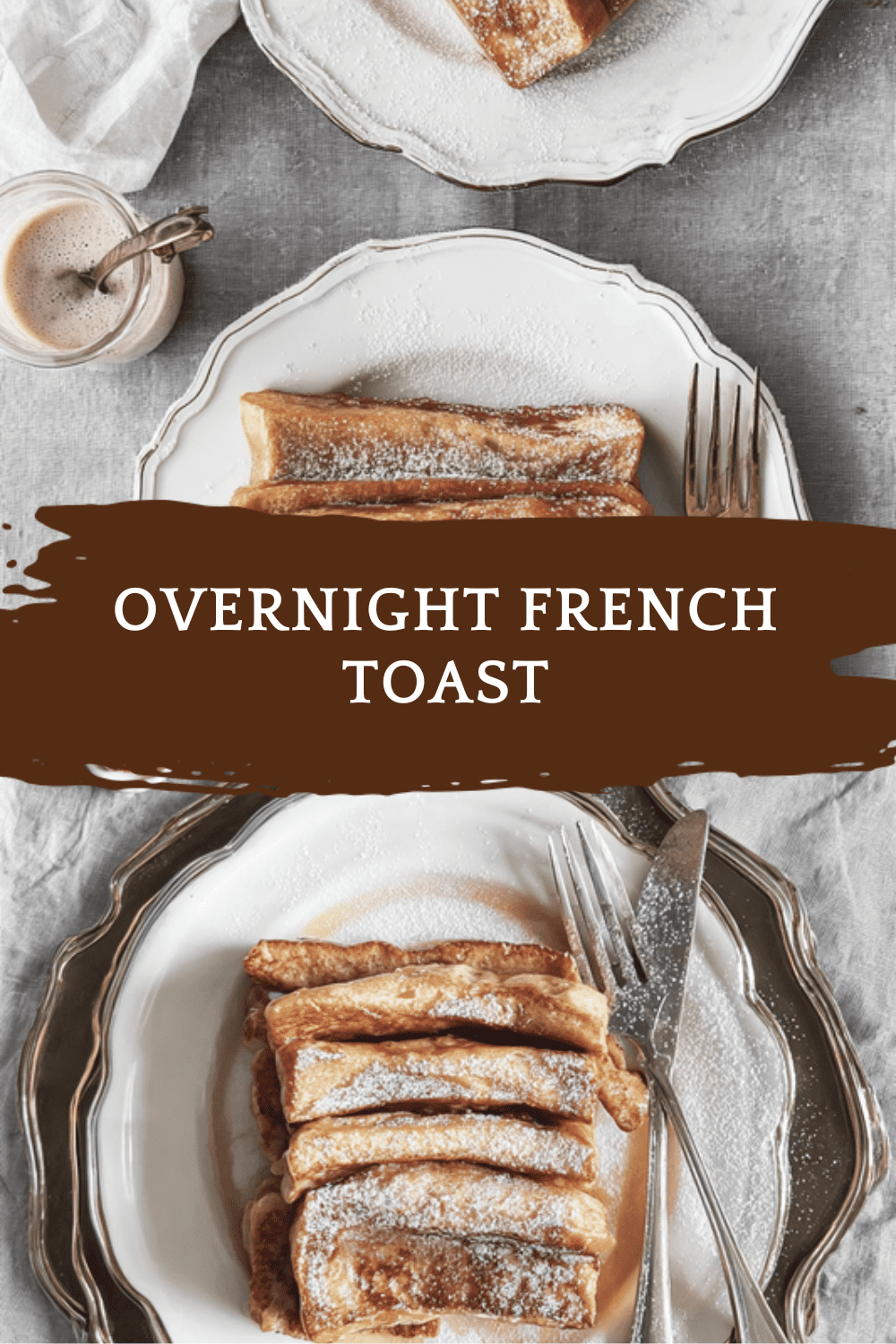
- Serve warm, topped with fresh fruit, nuts, or a drizzle of syrup as preferred.
For more French toast ideas, you might enjoy this cheesecake-stuffed French toast loaf recipe on our site.
Dietary Substitutions to Customize Your Overnight French Toast
One of the best things about this overnight French toast is how easily you can tweak it to fit your lifestyle, and you’ll love experimenting with these swaps. Whether you’re avoiding certain ingredients or just want to try something new, these options keep the dish delicious and inclusive for everyone at your table.
For instance, if eggs are a concern, you can swap them out for plant-based alternatives without losing that creamy texture. Let’s dive into some simple changes that make this recipe work for busy parents, diet-conscious folks, or baking enthusiasts.
- Protein and Main Component Alternatives: Replace eggs with silken tofu or flaxseed mixture for a vegan option; use almond or soy milk as plant-based dairy substitutes; swap standard bread for gluten-free or whole grain varieties to suit dietary needs.
- Vegetable, Sauce, and Seasoning Modifications: Incorporate fruits like blueberries or sliced apples for added flavor and nutrition; experiment with sauces such as almond butter or sugar-free syrups; adjust spices by adding nutmeg, cardamom, or citrus zest to diversify taste; use dairy-free whipped toppings or yogurt alternatives for those avoiding dairy.
Mastering Overnight French Toast: Advanced Tips and Variations
Once you’re comfortable with the basics, you can take this overnight French toast to the next level with some pro techniques that make it even more impressive. You’ll find that small tweaks, like using a water bath for baking, can create an extra-creamy result that wows your guests. These tips are perfect for food enthusiasts or community organizers hosting events.
Don’t hesitate to play with flavors, such as adding cardamom or ginger to the custard for a fresh twist. If you’re serving a crowd, consider making savory versions with herbs and cheese to mix things up.
| Tips Category | Description |
|---|---|
| Pro Cooking Techniques | Use a water bath during baking to achieve an ultra-creamy custard texture. Soaking bread longer also boosts flavor absorption. |
| Flavor Variations | Infuse the custard with spices like cardamom or ginger, or add liqueurs for an adult version. Try savory twists with herbs and cheese. |
| Presentation Tips | Garnish with powdered sugar, fresh berries, or nuts. Serve on nice plates to make the meal feel special. |
| Make-Ahead Options | Assemble the night before and refrigerate. For quick meals, freeze portions and reheat as needed. |
Looking for custard-focused recipes? Check out this air-fryer yogurt custard toast for another easy idea.
How to Store Overnight French Toast: Best Practices
Storing your overnight French toast properly means you can enjoy it beyond breakfast time, and you’ll appreciate how well it keeps for leftovers. This section covers the essentials so travelers, working professionals, or seniors can make the most of their prep work. Remember, the key is keeping it fresh and moist for reheating.
- Refrigerate cooked French toast in an airtight container for up to 4 days to keep it fresh.
- Freeze portions wrapped tightly in plastic for up to 2 months to maintain texture.
- Reheat in an oven at 350°F (175°C) or microwave with a damp paper towel for the best results.
- Plan ahead by baking a large batch and storing portions for quick weekday breakfasts.
FAQs: Frequently Asked Questions About Overnight French Toast
Can I use fresh bread for overnight French toast, or does it have to be stale?
You can use fresh bread for overnight French toast, but it’s best to dry it out first to prevent sogginess. Toast or bake the fresh bread slices at a low temperature (around 250°F or 120°C) for about 10-15 minutes until they become slightly firm. This step helps the bread soak up the custard without falling apart. Alternatively, using day-old or slightly stale bread naturally absorbs the custard better and maintains the casserole’s texture.
How long should I soak the bread mixture before baking?
For the best texture and flavor, soak the bread in the custard mixture for at least 8 hours, typically overnight. This allows the bread to fully absorb the eggs, milk, and spices, resulting in a creamy and custardy dish. If you’re short on time, a minimum of 4 hours can work, but the texture might be less rich. Avoid soaking for much longer than 24 hours to prevent the bread from becoming overly mushy.
What types of bread are best for making overnight French toast?
Thick, sturdy breads with a dense crumb and crust hold up best, such as brioche, challah, French baguette, sourdough, or Italian bread. These varieties absorb the custard well without becoming overly soggy. Avoid soft sandwich breads unless dried first, as they can fall apart during soaking and baking. Chunky slices around 1 to 1.5 inches thick give the best balance of custard absorption and structure.
How can I tell when overnight French toast is fully baked?
The casserole is done when the top has a golden-brown color and the center is set, not jiggly. You can test doneness by inserting a toothpick into the center; it should come out clean or with just a few moist crumbs. The edges will also pull away slightly from the pan. Baking times typically range from 45 to 60 minutes at 350°F (175°C), depending on your oven and dish size.
Can I prepare overnight French toast ahead for a crowd, and how do I reheat leftovers?
Overnight French toast is ideal for preparing a day ahead for gatherings. After baking, let it cool, then cover and refrigerate. To reheat, warm individual portions in a microwave for 1-2 minutes or bake the entire dish in a 350°F (175°C) oven for 15-20 minutes until heated through. This approach saves time on busy mornings while keeping the dish moist and flavorful.

Overnight French Toast
🥚 This Overnight Baked French Toast recipe offers a rich, custard-soaked bread base perfect for a hassle-free, make-ahead breakfast.
🍞 Its sweet, spiced crumb topping adds flavor and texture, making mornings simple and delicious.
- Total Time: 9 hours
- Yield: 8–10 servings 1x
Ingredients
8 eggs
2 cups half and half
1 cup milk (any kind with fat, avoid skim)
6 tablespoons brown sugar
1 1/2 teaspoons cinnamon
1/2 teaspoon kosher salt (use less if table salt)
1 tablespoon vanilla extract
1 lb. loaf French bread (or brioche, challah, sourdough, Italian; day-old preferred), cut into 1-inch cubes
2–3 tablespoons softened butter for greasing dish
4 tablespoons packed brown sugar
4 tablespoons white sugar
1/2 teaspoon cinnamon
1/4 teaspoon ground nutmeg
2 tablespoons cold butter
Melted butter
Maple syrup
Powdered sugar
Berries
Whipped cream
Other preferred toppings
Instructions
1- Gather and prepare all ingredients, ensuring bread is sliced thick and slightly stale for better custard absorption.
2- In a large mixing bowl, whisk together eggs, milk (or plant-based alternative), maple syrup, vanilla extract, and cinnamon until fully combined.
3- Arrange bread slices in a greased baking dish in a single layer. Pour the custard mixture evenly over the bread, pressing down gently to soak.
4- Cover the dish tightly with plastic wrap or aluminum foil and refrigerate overnight to allow thorough soaking.
5- Preheat oven to 350°F (175°C). Remove the baking dish from the fridge and let it sit for 10-15 minutes before baking.
6- Bake uncovered for 35-45 minutes until the top is golden and the custard is set. For a crispier top, broil for the last 2-3 minutes while watching closely.
7- Let cool slightly before serving. Adaptations for dietary needs include using vegan custard mixes or gluten-free bread at assembly, and adjusting baking times if needed.
8- Serve warm, topped with fresh fruit, nuts, or a drizzle of syrup as preferred.
Last Step:
Please leave a rating and comment letting us know how you liked this recipe! This helps our business to thrive and continue providing free, high-quality recipes for you.Notes
🍞 Use day-old or slightly stale bread for best texture; fresh bread can be dried briefly in a 350°F oven.
🥛 Use dairy with fat for a creamy custard; avoid skim milk.
⏲ Prepare up to two days ahead and refrigerate; leftovers keep well refrigerated for 3-4 days or frozen for 2-3 months.
- Prep Time: 15 minutes
- Soak Time: At least 8 hours (overnight)
- Cook Time: 40-50 minutes
- Category: Breakfast
- Method: Baking
Nutrition
- Serving Size: 1 serving


