

Why You’ll Love This Orecchiette
Orecchiette pasta, originating from the Apulia region in southern Italy, offers a simple yet delightful option for home cooks seeking authentic flavors. This recipe highlights its ease of preparation, requiring minimal ingredients and straightforward steps that fit into busy schedules. Beyond convenience, orecchiette provides health benefits through its basic components of flour and water, which form a solid base for adding nutritious sauces and vegetables.
The pasta’s handmade process involves rolling the dough, cutting it into cubes, and shaping each piece by pressing it with a knife while dragging it along a board to create a curl, then inverting it over the thumb for a small dome shape about 2.5 cm wide. Its rough surface and thinner center make it perfect for holding sauces, enhancing versatility for various dietary needs. Whether you’re adapting for vegan options or pairing with seasonal veggies, orecchiette delivers a distinctive flavor that captures herbs and seasonings beautifully, making it a staple for gatherings and everyday meals. For more ideas on pairing pasta with proteins, check out our chicken Parmesan pasta skillet recipe on the blog.
- Ease of preparation makes it ideal for busy parents and working professionals.
- Health benefits come from its nutrient-rich potential when combined with fresh ingredients.
- Versatility allows for easy modifications to suit diet-conscious individuals.
- Distinctive flavor ensures it’s a hit with food enthusiasts at community events.
Jump to:
- Why You’ll Love This Orecchiette
- Essential Ingredients for Orecchiette
- Main Ingredients
- Special Dietary Options
- How to Prepare the Perfect Orecchiette: Step-by-Step Guide
- Dietary Substitutions to Customize Your Orecchiette
- Protein and Main Component Alternatives
- Vegetable, Sauce, and Seasoning Modifications
- Mastering Orecchiette: Advanced Tips and Variations
- How to Store Orecchiette: Best Practices
- FAQs: Frequently Asked Questions About Orecchiette
- What is orecchiette pasta and where does it come from?
- How do you make traditional orecchiette pasta dough at home?
- What are the best sauces and dishes to serve with orecchiette pasta?
- Are there different regional variations of orecchiette in Italy?
- How can you tell if orecchiette pasta is handmade or factory-produced?
- Orecchiette
- Ingredients
- Instructions
- Last Step:
- Notes
- Did you make this recipe?
Essential Ingredients for Orecchiette
Orecchiette pasta is traditionally made from just flour and water, emphasizing an authentic, artisanal approach from the Apulia region. This section outlines the key ingredients needed for a basic recipe, ensuring you can replicate its cultural heritage at home. Remember, avoiding eggs helps preserve the traditional texture and rough surface that enhances sauce adhesion.
Main Ingredients
- 300g orecchiette pasta – Provides the perfect shape for sauce adherence.
- 2 tablespoons olive oil – Adds healthy fats and richness.
- 3 cloves garlic, minced – Enhances aroma and flavor depth.
- 150g cherry tomatoes, halved – Adds freshness and natural sweetness.
- 100g fresh spinach – Boosts nutritional value with vitamins and fiber.
- 50g grated Parmesan cheese – Provides savory umami notes.
Special Dietary Options
- Vegan: Substitute Parmesan with nutritional yeast or vegan cheese.
- Gluten-free: Use gluten-free orecchiette pasta made from rice or corn flour.
- Low-calorie: Reduce olive oil amount and increase vegetable portions.
This list captures every ingredient mentioned, formatted clearly for easy shopping and preparation. Variations like strascinati and cencioni, which are larger and omit the concave shape, can use similar basics but adjust quantities based on size.
How to Prepare the Perfect Orecchiette: Step-by-Step Guide
Preparing orecchiette at home involves a traditional method that highlights its Apulian roots, where the dough is shaped by hand for optimal texture. Start by boiling salted water, as this step ensures the pasta cooks evenly. Orecchiette’s design, with its thinner center and rough surface, makes it ideal for clinging to vegetable-based sauces.
- Boil salted water in a large pot and cook the orecchiette pasta according to package instructions, about 9-11 minutes, until al dente. For gluten-free pasta, adjust cooking time as required.
- While pasta cooks, heat olive oil in a large skillet over medium heat, add minced garlic, and sauté until fragrant, about 1 minute.
- Add halved cherry tomatoes to the skillet and cook for 4-5 minutes until they soften and release juices.
- Stir in fresh spinach and cook until wilted, about 2 minutes. Season with salt, pepper, and optional chili flakes.
- Drain pasta, reserving a cup of pasta water. Add pasta to the skillet and toss with vegetables and garlic oil. If needed, use pasta water to adjust sauce consistency.
- Remove from heat, sprinkle grated Parmesan cheese, stir gently, and serve warm. For vegan options, omit cheese or use vegan alternatives.
Tips for preparation include using a single motion to press and drag the dough for the proper curved shape, ensuring that handmade orecchiette retains its artisanal quality. This process is time-intensive but rewarding, reflecting the cultural tradition of Apulia. For more inspiration on pasta dishes, explore our Italian sausage sheet pan dinner for complementary flavors.
This pasta’s shape is particularly suitable for holding vegetable sauces, making it a favorite in traditional pairings like those with turnip greens or pork and capers.
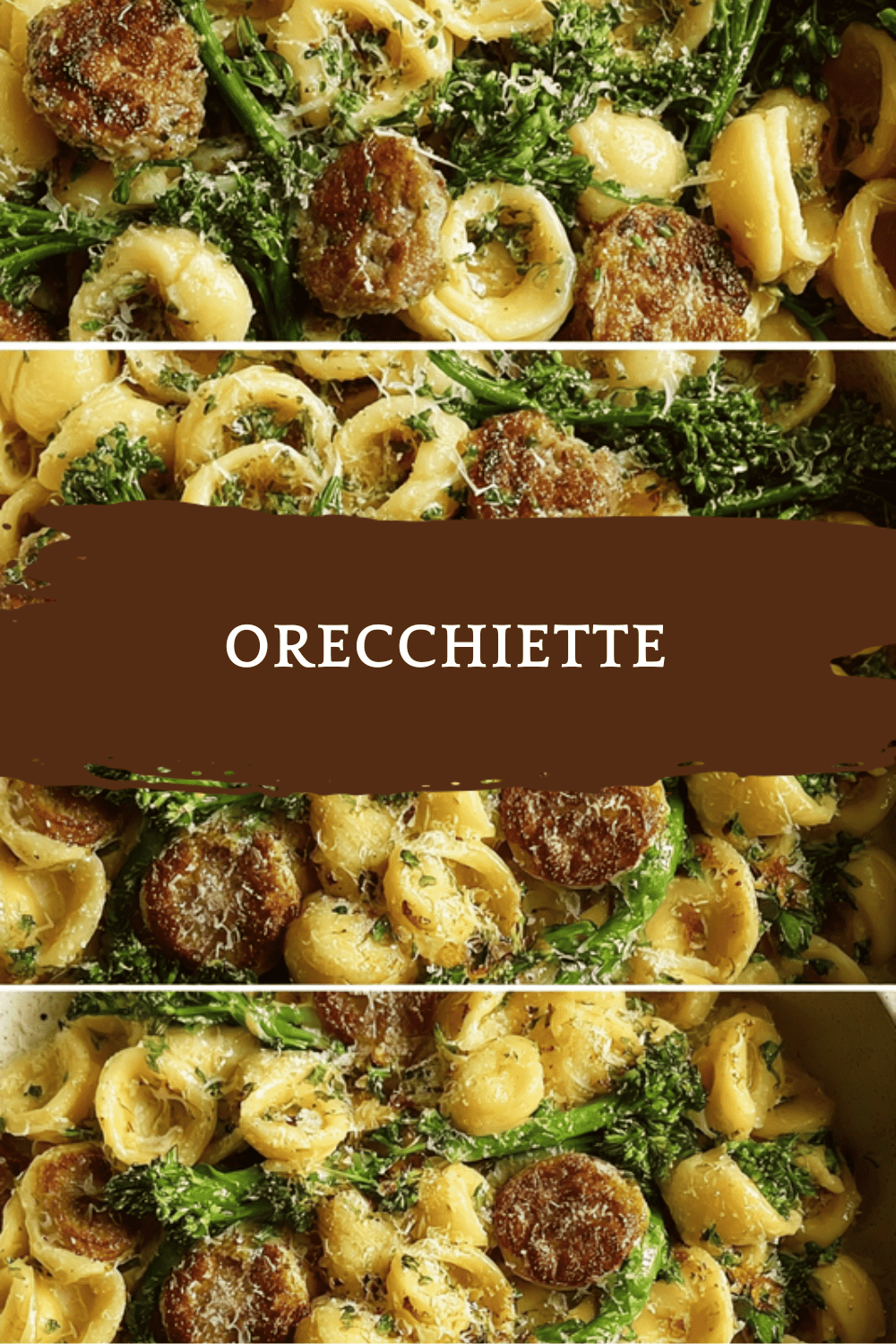
Dietary Substitutions to Customize Your Orecchiette
Orecchiette’s simple base of flour and water allows for easy adaptations, aligning with the needs of diet-conscious individuals and busy parents. Traditional recipes from southern Italy often incorporate variations like strascinati for a larger shape, which can be modified similarly. This flexibility ensures the pasta remains a versatile choice for family gatherings.
Protein and Main Component Alternatives
- Replace traditional Parmesan cheese with vegan parmesan or nutritional yeast for plant-based diets.
- Substitute regular orecchiette with gluten-free pasta made from quinoa or corn flour.
- Add protein sources such as grilled chicken, tofu, or chickpeas to boost nutritional content.
Vegetable, Sauce, and Seasoning Modifications
- Use seasonal vegetables like zucchini, bell peppers, or mushrooms for variety and freshness.
- Experiment with different sauces such as pesto, arrabbiata, or a light tomato basil sauce to suit taste preferences.
- Modify seasoning by adding fresh herbs like basil, oregano, or parsley, or spices such as smoked paprika or red pepper flakes to enhance flavor profiles.
These changes maintain the pasta’s traditional texture while accommodating travelers or seniors looking for lighter options. Orecchiette production variations across southern Italy mean slight adjustments in shape can influence how substitutions work.
Mastering Orecchiette: Advanced Tips and Variations
To master orecchiette, focus on the artisanal shaping process from Apulia, where pressing and dragging the dough creates its signature curl and dome. Pro cooking techniques like tossing the cooked pasta with pasta water help flavors adhere better, enhancing its rough surface for sauce retention. Variations such as cencioni offer larger shapes without the concave form, providing options for different textures.
| Technique | Benefit |
|---|---|
| Toast pasta briefly | Adds nutty aroma |
| Use single motion for shaping | Ensures proper curve and sauce adhesion |
| Incorporate herbs | Brightens flavor for seasonal variations |
Flavor variations might include roasted garlic or sun-dried tomatoes, while presentation tips suggest garnishing with fresh herbs. Make-ahead options are great for community organizers, allowing sauce prep in advance to keep things fresh.
How to Store Orecchiette: Best Practices
Storing orecchiette properly maintains its handmade quality and rough texture, essential for the traditional Apulian style. After cooking, cool the pasta to room temperature to preserve its simple nutritional base of flour and water. This approach ensures it’s ready for reheating without losing the benefits of its shape, which holds sauces well.
- Refrigerate cooked orecchiette in an airtight container for up to 3 days.
- Freeze pasta separately from sauces for up to 1 month to keep texture intact.
- Reheat in a skillet with water for even moisture, avoiding sogginess.
- Consider meal prep by portioning for church groups or picnics.
Variations in shape, like strascinati, might require similar storage but with adjustments for size.
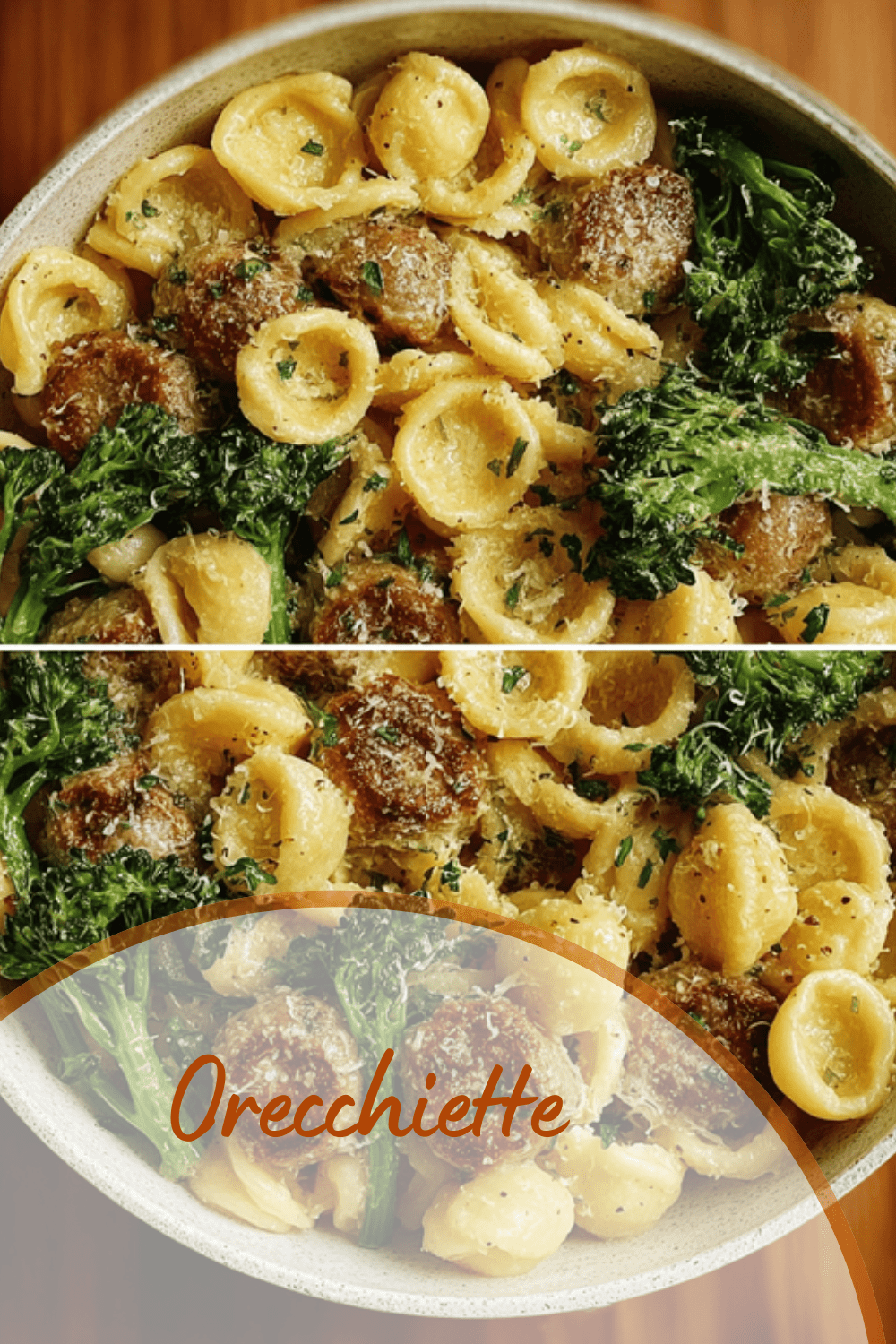
FAQs: Frequently Asked Questions About Orecchiette
What is orecchiette pasta and where does it come from?
Orecchiette is a type of pasta shaped like small ears, which is where its name comes from—the Italian word “orecchio” means ear. It originated in the Puglia region of southern Italy, especially around the city of Bari. This pasta is traditionally made by hand using simple ingredients and is known for its concave shape that holds sauces well.
How do you make traditional orecchiette pasta dough at home?
Traditional orecchiette dough is made using just semolina flour and water, without eggs. To prepare, mix the flour with water until a firm dough forms, then knead it until smooth. Roll the dough into ropes, cut into small pieces, and press each piece with a knife to curl it. Finally, flip and drag the piece over your thumb to create the distinctive ear shape. Cooking them briefly in boiling water completes the process.
What are the best sauces and dishes to serve with orecchiette pasta?
Orecchiette pairs well with sauces that cling to its cup-like shape. Traditional Puglian dishes include orecchiette with cime di rapa (broccoli rabe) sautéed with garlic and chili flakes. It also goes well with hearty meat ragùs, tomato-based sauces, or a simple dressing of olive oil, garlic, and breadcrumbs. The pasta’s shape captures chunky vegetables and meats, enhancing each bite.
Are there different regional variations of orecchiette in Italy?
Yes, several regional variations exist. In some dialects, orecchiette are called recchietedde or chiancaredde, while others produce related pasta shapes like strascinati and cencioni, which are larger and less concave. Each variation reflects local traditions and preferences, often influencing the type of flour used and the shaping techniques applied.
How can you tell if orecchiette pasta is handmade or factory-produced?
Handmade orecchiette usually have slight inconsistencies in shape and size, a rough texture that holds sauces better, and an ear-like indentation that is carefully formed by hand. Factory-produced orecchiette tend to be more uniform but smoother and less textured. Authentic handmade pasta from Puglia is often sold directly by families in local markets, and mislabeling factory-made pasta as handmade has led to legal issues in recent years.

Orecchiette
🍝 Orecchiette Pasta Recipes offer authentic southern Italian flavors with their rustic handmade shape that perfectly holds sauces.
🍅 This traditional pasta combines simple ingredients and artisanal techniques for a uniquely textured dish that’s ideal with vegetable or meat-based sauces.
Ingredients
– 300g orecchiette pasta Provides the perfect shape for sauce adherence.
– 2 tablespoons olive oil Adds healthy fats and richness.
– 3 cloves garlic, minced Enhances aroma and flavor depth.
– 150g cherry tomatoes, halved Adds freshness and natural sweetness.
– 100g fresh spinach Boosts nutritional value with vitamins and fiber.
– 50g grated Parmesan cheese Provides savory umami notes.
Instructions
1-Boil salted water in a large pot and cook the orecchiette pasta according to package instructions, about 9-11 minutes, until al dente. For gluten-free pasta, adjust cooking time as required.
2-While pasta cooks, heat olive oil in a large skillet over medium heat, add minced garlic, and sauté until fragrant, about 1 minute.
3-Add halved cherry tomatoes to the skillet and cook for 4-5 minutes until they soften and release juices.
4-Stir in fresh spinach and cook until wilted, about 2 minutes. Season with salt, pepper, and optional chili flakes.
5-Drain pasta, reserving a cup of pasta water. Add pasta to the skillet and toss with vegetables and garlic oil. If needed, use pasta water to adjust sauce consistency.
6-Remove from heat, sprinkle grated Parmesan cheese, stir gently, and serve warm. For vegan options, omit cheese or use vegan alternatives.
Last Step:
Please leave a rating and comment letting us know how you liked this recipe! This helps our business to thrive and continue providing free, high-quality recipes for you.Notes
👩🍳 Use a single fluid motion to press and drag the dough to achieve proper curvature.
🥚 Avoid eggs in the dough to maintain authentic texture.
🍲 Ensure the pasta surface is rough to better hold onto sauces.
- Category: Pasta
- Method: Hand shaping and boiling
- Cuisine: Italian (Apulia)


